Last Updated on November 27, 2025 by Bilal Hasdemir
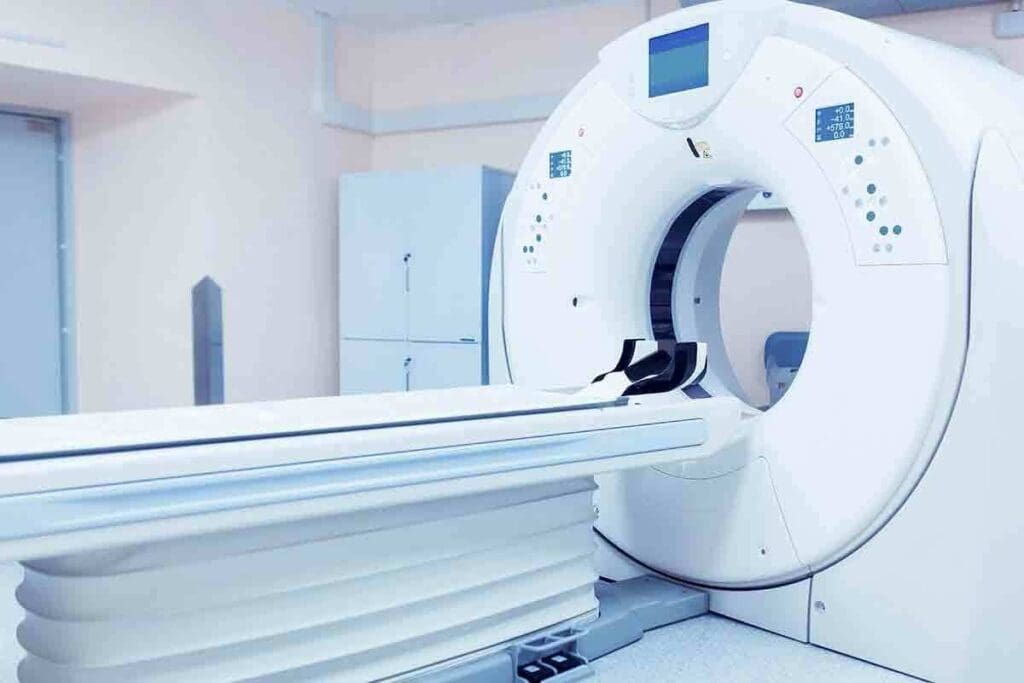
CT scans are key in finding tumors and checking for cancer. They use X-rays and a computer to show detailed pictures of your body’s inside. This helps doctors make important diagnoses.
Liv Hospital’s commitment to rapid, patient-focused care means your diagnostic journey is filled with trust, expertise, and clarity. Knowing how long it takes to get CT scan results is important for those waiting to find out. how long do ct scan results take to come back – Learn when to expect CT scan results and what they reveal about cancer.
Key Takeaways
- CT scans play a vital role in finding and diagnosing cancer.
- The time it takes to get CT scan results can differ.
- Liv Hospital focuses on quick and patient-centered care.
- Understanding CT scan results is key for both patients and doctors.
- CT scans give detailed views of the body’s inside parts.
Understanding CT Scans and Their Role in Cancer Detection
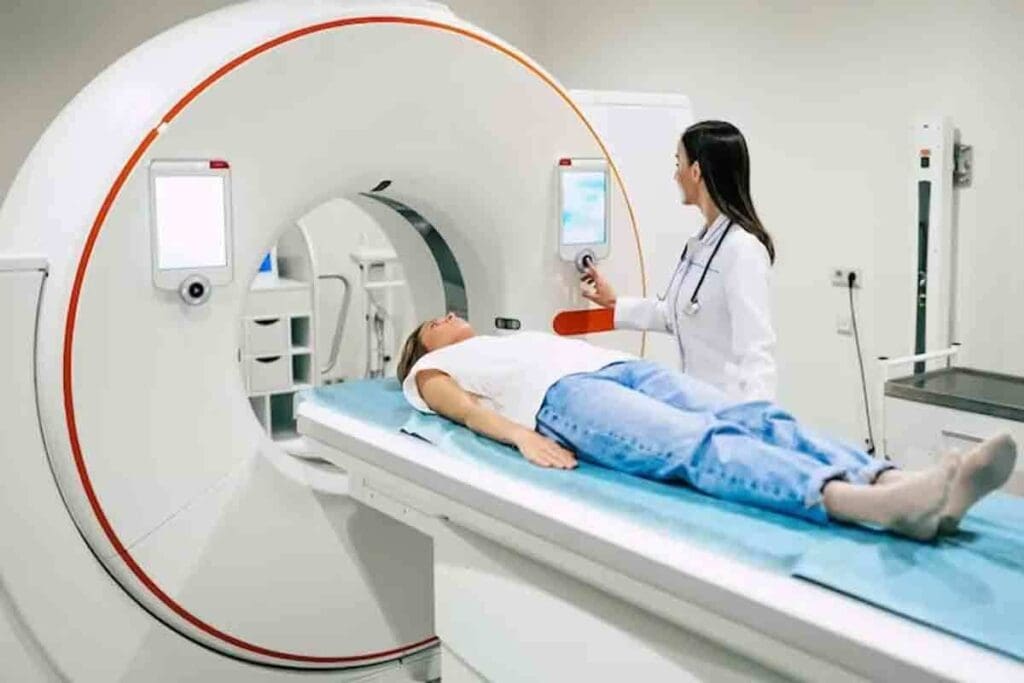
To grasp how CT scans help find cancer, we need to know what they are and how they work. A CT scan is a test that uses X-rays and computers to show detailed images of the body.
What Is a CT Scan and What Does CAT Stand For?
“CAT scan” and “CT scan” mean the same thing. “CAT” means “Computerized Axial Tomography.” It shows how computers make detailed images of the body’s inside. A CT scan uses X-rays to make these images, which a computer turns into clear pictures of what’s inside us.
How CT Scans Work to Create Detailed Images
When you get a CT scan, you lie on a table that moves into a big machine. The machine goes around you, sending out X-rays. These X-rays are caught by sensors and sent to a computer. The computer then makes detailed images of what’s inside you.
Creating these images involves a few steps. First, X-rays are sent out and caught. Then, the data goes to a computer to make the images. Lastly, a doctor looks at these images to find any problems.
| Step | Description |
| 1. X-ray Emission | X-rays are emitted by the CT scanner and pass through the patient’s body. |
| 2. Data Detection | The X-rays that pass through the body are detected by sensors. |
| 3. Image Reconstruction | The detected data is transmitted to a computer, which reconstructs the images. |
| 4. Image Review | A radiologist reviews the reconstructed images to identify any abnormalities. |
Knowing how CT scans work and their role in finding cancer helps us see their value. CT scans give doctors the information they need to diagnose and treat cancer well.
How CT Scans Are Used in Cancer Diagnosis
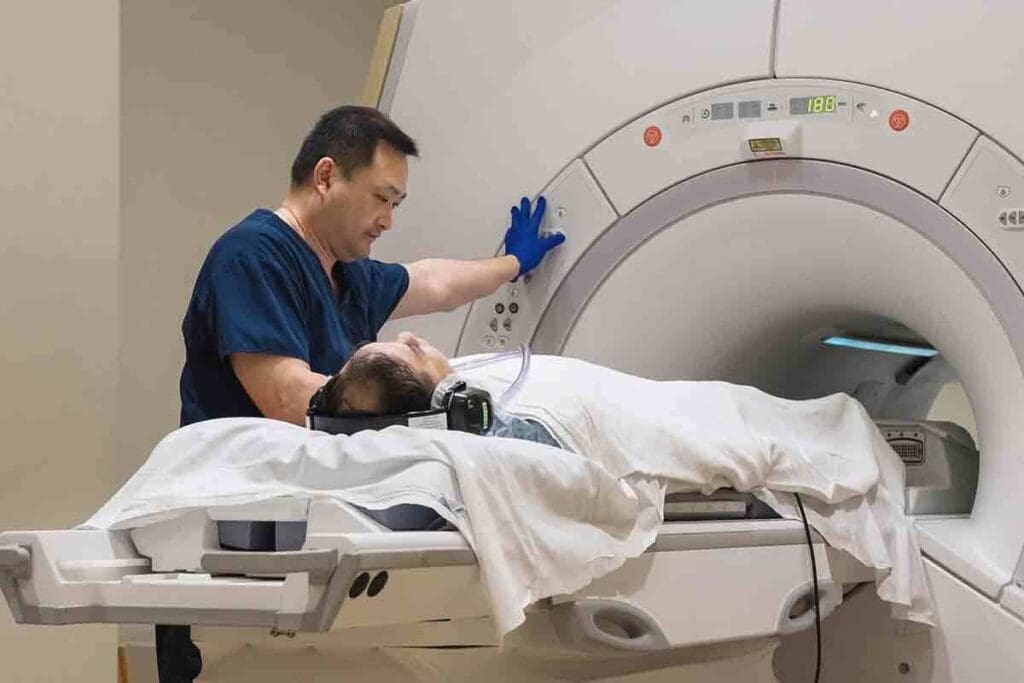
CT scans are key in finding and understanding cancer types. They give detailed pictures of the body. This helps doctors spot tumors and learn about them.
Common Cancer Types Detected Using CT Imaging
CT scans are great for finding cancers that are hard to see with other methods. They help find:
- Lung cancer
- Liver cancer
- Pancreatic cancer
- Colorectal cancer
These scans show a tumor’s shape, size, and location. They also show the blood vessels that feed it. This is key for planning treatment.
The Role of CT Scans in Cancer Staging
Cancer staging is very important. It shows how far cancer has spread. CT scans help a lot in this area.
They give detailed images. This helps doctors understand the tumor and its effect on nearby tissues.
The info from CT scans is key to choosing the right treatment. It could be surgery, chemo, or radiation. Accurate staging means better, more tailored care for patients.
How Long Do CT Scan Results Take to Come Back?
Patients often wonder how long it takes to get CT scan results back. The answer depends on several factors. The timeframe varies based on whether the results are urgent or routine.
Urgent vs. Routine Result Timeframes
Urgent findings are delivered quickly, often in a few hours. This is important for patients needing immediate medical attention. Routine results take longer, usually 24 to 48 hours, but can take up to 1-2 weeks.
Urgent results are prioritized because they often involve critical conditions. Routine results are important, but don’t need the same urgency.
Standard Hospital Protocols for Result Delivery
Hospitals and imaging centers have different ways of delivering CT scan results. Some use electronic health records (EHRs) to send results directly to providers. Others have radiologists communicate the findings directly to patients or their doctors.
The use of advanced technology, like EHRs, can make the process faster. But the specific protocols can vary between institutions.
Factors That Affect Result Turnaround Time
Several factors can influence how long it takes to receive CT scan results. These include the complexity of the scan, the workload of the radiology department, and the level of urgency assigned to the scan.
- The type of CT scan performed can impact the result timeframe. More complex scans may require longer interpretation times.
- The availability of radiologists and other medical staff can also affect how quickly results are delivered.
- Also, the hospital’s or imaging center’s workload and protocols play a significant role in determining the turnaround time.
Understanding these factors can help patients better navigate the process. It can also help them manage their expectations about when they will receive their CT scan results.
CT Scans With Contrast vs. Without Contrast
Knowing the difference between CT scans with and without contrast is key to cancer diagnosis. CT scans are vital for finding problems in the body. They work better with contrast agents for clearer images.
When Contrast Agents Are Used for Cancer Detection
Contrast agents make CT scans better by showing specific body parts. They contain iodine or barium, which X-rays can see better than regular tissue. The choice to use contrast depends on the cancer type and where it is.
Common uses of contrast agents include:
- Enhancing the visibility of tumors and their boundaries
- Highlighting blood vessels and assessing their integrity
- Distinguishing between different types of tissues
For example, contrast helps when checking for liver or pancreatic cancer. It shows the tumor’s size and how it affects nearby areas.
How Contrast Affects Result Timing and Diagnostic Accuracy
Contrast agents make CT scans more detailed but take longer to analyze. This is because the images are more complex.
Diagnostic accuracy is generally improved with contrast agents. They help tell apart benign and malignant lesions. But how fast you get the results depends on the scan’s urgency.
| CT Scan Type | Typical Use | Result Timing | Diagnostic Accuracy |
| Without Contrast | Detecting lung nodules, kidney stones | Faster (often within hours) | Good for certain conditions |
| With Contrast | Evaluating tumors, vascular diseases | May take longer (sometimes a day or more) | Enhanced for complex diagnoses |
In conclusion, whether to use contrast in CT scans depends on the situation. Knowing this helps patients prepare for their tests better.
What Can a CT Scan Show About Potential Cancer?
CT scans are great for spotting tumors and oddities inside the body. They give doctors a clear view of what’s going on inside. This helps them find tumors and other signs that might mean cancer.
Visible Signs and Abnormalities in Different Cancer Types
CT scans can spot many signs of cancer. For lung cancer, they can find nodules or masses. Liver cancer shows up as tumors or odd growths in the liver.
They also show how big and where the tumors are. This info is key for figuring out how far along cancer is and what treatment to use.
Key features that CT scans can reveal include:
- The shape and size of tumors
- The location of tumors in relation to surrounding tissues and organs
- The presence of abnormal tissue density or masses
- The involvement of lymph nodes or other structures
Limitations in Cancer Visualization and Detection
Even though CT scans are very useful, they have some limits. Small tumors or those in hard-to-reach spots might not show up. Also, CT scans can’t say for sure if you have cancer. They just show things that might need more checking.
It’s essential to understand that:
- CT scans cannot alone diagnose cancer.
- Further testing, such as biopsies, is often necessary to confirm a cancer diagnosis.
- The quality of the CT scan and the expertise of the radiologist interpreting it can affect its accuracy.
Can a CT Scan Diagnose Cancer Definitively?
CT scans help find possible cancer areas, but more tests are needed to be sure. They show detailed images inside the body. But, they can’t say for sure if it’s cancer.
Why Additional Testing Is Often Required After CT Imaging
After a CT scan, more checks are usually needed. This is because the scan might show something that could be cancer. But, it can’t say for sure if it’s cancer cells.
More tests are key to knowing if it’s cancer or not. Things like how big and where the problem is, and the patient’s health history matter. Biopsies are often used to get tissue for tests.
The Role of Biopsies and Other Follow-up Procedures
A biopsy takes a small piece of tissue from the area seen on the CT scan. It’s then looked at under a microscope for cancer cells. Biopsies are the top choice for cancer diagnosis, because they give a clear answer that CT scans can’t.
Other tests, like PET scans or MRI, might also be done. They help doctors understand the cancer better. This helps plan the best treatment.
In short, CT scans are very important in finding cancer. But, they can’t say for sure if it’s cancer. Using CT scans with other tests helps get the right diagnosis and treatment plan.
Accuracy and Sensitivity of CT Scans for Cancer Detection
It’s important to know how accurate CT scans are for cancer detection. CT scans are key in finding cancer, but their success depends on many things. This includes the cancer type and the scan technology used.
Research on CT Scan Reliability for Various Cancers
Research shows CT scans are very good at finding some cancers. For example, a study found they’re reliable for certain cancers. Also, new CT scan tech has made them better at spotting cancer.
But how well CT scans work varies with different cancers. For example:
- Lung cancer: CT scans are great at finding lung nodules and tracking their growth.
- Colorectal cancer: CT scans help spot tumors in the colon and rectum.
- Liver cancer: CT scans are used to find liver lesions and check their details.
False Positives and False Negatives: Understanding the Limitations
Even though CT scans are helpful, they’re not perfect. They can sometimes give false positives or false negatives. False positives mean cancer is found when it’s not there. False negatives mean cancer is missed.
“The limitations of CT scans in cancer detection underscore the need for careful interpretation of results and the potentially need for more tests.”
Things that can cause false positives and negatives include:
- The quality of the CT scan equipment.
- The skill of the radiologist reading the scan.
- Other health issues that might look like or hide cancer.
Knowing these limits is key for doctors and patients. It helps them decide on the right tests and treatments.
What to Expect During and After Your CT Scan
Knowing what to expect during and after your CT scan can make it less scary. A CT scan is a key tool for doctors to see inside your body. It helps them find and treat many health issues.
The CT Scan Procedure: Before, During, and After
Before your CT scan, you might need to change into a hospital gown. You’ll also remove jewelry or items that could get in the way. You might drink a contrast agent or get it injected to highlight certain areas.
The scan itself takes less than five minutes. But getting ready and recovering can take an hour or more.
During the scan, you’ll lie on a table that slides into a big machine. The machine will move around you, taking X-ray images from different angles. You might need to hold your breath for a bit to get clear images. The whole process is usually painless, but you might feel some discomfort.
After the scan, you’ll wait for your doctor to review the images. They’ll then share your results with you. How long it takes to get your results depends on whether it’s urgent or routine.
How to Follow Up on Your Results and Next Steps
After your CT scan, your doctor will talk to you about the images. If it’s for cancer, they’ll explain what they see and what to do next. It’s important to ask questions and understand your treatment options.
If more tests are needed, your doctor will tell you what to do. This could include more imaging, biopsies, or other tests to confirm a diagnosis or see how big any problems are.
To ensure a smooth follow-up process:
- Schedule a follow-up appointment with your doctor to discuss your results.
- Ask about any additional testing or procedures you may need.
- Understand your treatment options and the recommended course of action.
Being informed and prepared helps you feel more confident and clear about what’s next.
Conclusion
CT scans are key in finding and tracking cancer. They give doctors detailed images to help them understand the cancer. Getting CT scan results is important for planning treatment.
It’s important to know how CT scans work and their role in cancer detection. This knowledge helps both patients and doctors. It makes it easier to understand the diagnosis process and make informed choices about care.
CT scans are now a common tool in cancer diagnosis. They are very accurate. While they can’t confirm cancer on their own, they are very helpful when used with other tests like biopsies.
In short, CT scans are vital in cancer diagnosis. Their results help doctors decide on the best treatment. Knowing how CT scans work in cancer detection helps patients understand their diagnosis and treatment options better.
FAQ
What does the CAT in CAT scan stand for?
The CAT in CAT scan stands for Computed Axial Tomography. It’s a medical imaging technique used to produce detailed cross-sectional images of the body.
How long does it take to get CT scan results back?
The time to get CT scan results varies. Urgent cases get results in hours. Routine cases might take 24 to 48 hours or more.
Can a CT scan detect cancer?
Yes, CT scans can detect cancer. They help find tumors and check if cancer has spread. But more tests are needed to confirm cancer.
What is the difference between a CT scan with contrast and without contrast?
A CT scan with contrast uses a contrast agent to make certain areas more visible. This is useful for finding cancer. Without contrast, the scan is used for other purposes or when contrast isn’t needed.
How long does a CT scan take to produce results?
The CT scan itself takes a few minutes. But getting the results can take hours for urgent cases or days for routine ones.
Can a CT scan diagnose cancer definitively?
CT scans can give important cancer information, but they can’t diagnose cancer on their own. More tests, like biopsies, are needed to confirm a diagnosis.
Are CT scans accurate for detecting cancer?
CT scans are reliable for finding many cancers. But, they’re not perfect. They can miss some cancers or show false positives. The accuracy depends on the cancer type and imaging quality.
What can a CT scan show about cancer?
CT scans can show signs of cancer, like tumors or enlarged lymph nodes. But, they can’t find all cancers. The limitations of CT scans mean some cancers might not be detected or accurately described.
Will a CT scan without contrast show cancer?
A CT scan without contrast might find cancer, like large tumors. Contrast scans can help find more cancers, like vascular ones. It makes some cancers more visible.
How do I follow up on my CT scan results?
After your CT scan, you’ll get info on how to follow up. This might be contacting your doctor’s office or scheduling a follow-up appointment to discuss the results and next steps.
References
- Shkurti, J., et al. (2023). Diagnostic accuracy of CT for local staging of colon cancer. European Journal of Radiology, 153, 110327. https://www.sciencedirect.com/science/article/pii/S0959804923004161