Last Updated on December 1, 2025 by Bilal Hasdemir
Over 27 million Americans suffer from osteoarthritis, a condition that can severely impact knee health. Stem cell injections for knees have emerged as a promising treatment, a possible alternative to surgery. This regenerative medicine introduces stem cells into the problem area to help regenerate and repair damaged tissues.
As a result, stem cell injections for knees are gaining popularity for their ability to alleviate pain and improve knee function. But a common question remains: how long do the effects of this therapy last? Understanding the duration of stem cell injections for knees is key for those considering this innovative treatment.
Key Takeaways
- Stem cell injections for knees are a regenerative medicine that helps repair damaged knee tissues.
- They’re becoming a popular alternative to surgical interventions for knee issues.
- The therapy involves introducing stem cells directly into the knee area.
- Potential benefits include pain alleviation and improved knee function.
- The duration of effects from stem cell injections for knees is a key consideration for patients.
The Science Behind Stem Cell Therapy for Knees
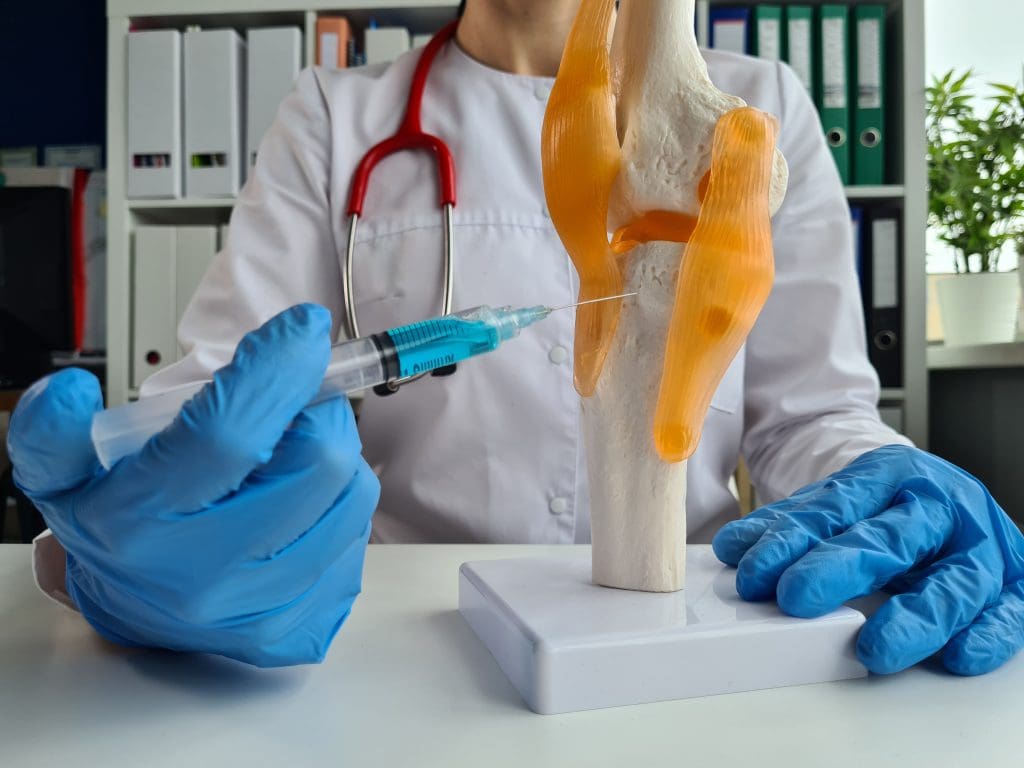
Stem cell therapy is at the forefront of new knee treatments. It uses stem cells to fix damaged tissues. This method is getting a lot of attention for treating knee problems without surgery.
What are stem cells and how do they work?
Stem cells are special cells that can turn into different types of cells. They help the body fix itself. They can replace or fix damaged cells, which is great for knee injuries and degenerative conditions.
In knee treatments, stem cells help regenerate cartilage, reduce swelling, and aid in healing. This is part of regenerative medicine, which uses the body’s healing powers to fix damaged tissues.
Types of stem cells used in knee treatments
There are several stem cell types used in knee treatments, including:
- Adipose-derived stem cells: These come from fat tissue and can turn into many cell types.
- Bone marrow-derived stem cells: These are from bone marrow and can renew and change into different cells.
- Umbilical cord-derived stem cells: These are from umbilical cord tissue and are rich in stem cells, showing promise in regenerative medicine.
Each stem cell type has its own benefits. The choice depends on the knee condition and the patient’s health.
Common Knee Conditions Treated with Stem Cells
Stem cell therapy is a new hope for treating knee problems. It helps with osteoarthritis, meniscus tears, and chronic pain. This method is seen as a better option than surgery or traditional treatments.
Osteoarthritis and Cartilage Damage
Osteoarthritis is a common knee issue treated with stem cells. It happens when cartilage wears out, causing pain and stiffness. Stem cells might repair or grow new cartilage, easing symptoms.
Key benefits of stem cell therapy for osteoarthritis include:
- Reduced pain and inflammation
- Improved joint function
- Potential delay or avoidance of surgical interventions
A study in the Journal of Orthopaedic Research showed stem cells help. They improved knee function and reduced pain in osteoarthritis patients.
“Stem cell therapy represents a promising treatment option for patients with osteoarthritis, a possible alternative to joint replacement surgery.”
Orthopaedic Surgeons
| Condition | Treatment Outcome | Patient Satisfaction |
| Osteoarthritis | Improved joint function, reduced pain | 85% |
| Meniscus Tears | Healing of meniscus tears, reduced pain | 80% |
| Chronic Knee Pain | Reduced inflammation, improved function | 75% |
Meniscus Tears and Ligament Injuries
Meniscus tears and ligament injuries can be treated with stem cells. The meniscus can tear, causing pain and limiting movement. Stem cells help repair these tears, aiding in natural healing.
Chronic Knee Pain and Inflammation
Chronic knee pain and inflammation can stem from many causes, like osteoarthritis and ligament injuries. Stem cell therapy can reduce these symptoms by repairing tissue and lowering inflammation.
The anti-inflammatory properties of stem cells help create a healing-friendly environment. This could lead to long-term relief from chronic knee pain.
The Process of Stem Cell Shots in the Knee
Getting stem cell shots in the knee involves several important steps. Each step is key for the treatment’s success. Stem cell therapy for knee issues is getting more attention. It’s seen as a way to heal and reduce pain.
Harvesting and Processing Stem Cells
The first step is harvesting stem cells from the patient. This is usually done from bone marrow or fat tissue. The cells are then processed in a lab to make them ready for injection.
“The quality of the harvested cells is very important,” says, a stem cell therapy experts. “New processing methods help make the stem cells more effective.”
Injection Techniques and Targeted Placement
After processing, the stem cells are injected into the knee. Special techniques are used to get them to the right spot, like damaged cartilage or ligaments. Ultrasound or fluoroscopy helps place them accurately.
Using targeted placement makes the treatment work better. It ensures the stem cells go exactly where they’re needed.
Advanced Delivery Methods
New methods have been developed for delivering stem cells. These include nano-fat grafting and other advanced techniques. They help the stem cells survive and work better in the knee.
Expert says, “New delivery methods are key for better stem cell therapy results. They’re a big step towards making treatments more effective.”
Understanding how stem cell shots in the knee work helps patients choose their treatment. The steps of harvesting, processing, and advanced injection techniques make stem cell therapy a hopeful option for knee problems.
Patient Selection: Who Benefits Most from Stem Cell Therapy?
The success of stem cell therapy for knee problems depends on picking the right patients. It’s not for everyone. Several things decide if it will work well.
Ideal Candidates for Knee Stem Cell Treatment
Who should get stem cell therapy? They usually have these traits:
- Moderate to severe knee osteoarthritis or other degenerative knee conditions
- Failed to get better with treatments like physical therapy or corticosteroid injections
- Good overall health, with no severe systemic diseases
- Realistic expectations about the treatment’s results
Age matters too. Older people might have less cell activity, which could affect the treatment. But, biological age is more important. Some older people can really benefit.
Conditions That May Limit Effectiveness
Some conditions might make stem cell therapy less effective for knees. These include:
- Advanced osteoarthritis with significant joint destruction
- Severe ligament or tendon damage
- Autoimmune diseases or other systemic inflammatory conditions
- Poor overall health or presence of chronic diseases that may interfere with healing
In these cases, a detailed check is needed to see if the treatment can help.
Pre-treatment Evaluations
Before starting stem cell therapy, patients go through several checks. These are to see if they’re a good fit for the treatment. These might include:
- Imaging studies (X-rays, MRI) to look at knee damage
- Blood tests to check for health issues
- Physical examination to check knee function and stability
By carefully choosing patients and doing detailed checks before treatment, doctors can increase the chances of success with stem cell therapy for knee problems.
Initial Recovery and Early Results
The first few days after getting stem cell injections for knee treatment are key. They set the stage for how well the treatment works. During this time, doctors watch for any bad reactions and make sure the recovery goes smoothly.
Post-procedure protocols
After getting the injections, patients follow certain rules to get the most out of the treatment. These rules include:
- Resting the treated knee for a few days
- Avoiding strenuous activities or heavy lifting
- Applying ice to reduce swelling
- Taking prescribed medications to manage pain and inflammation
Patients might feel some swelling and pain after the treatment. This usually goes away in a few days. Following these rules is important to avoid side effects and get the best results.
Timeline for initial improvements
When patients start to feel better can vary. Some might feel less knee pain in a few weeks. Others might take a couple of months to see big changes.
| Timeframe | Expected Improvements |
| 1-4 weeks | Mild reduction in pain and inflammation |
| 6-12 weeks | Noticeable improvement in knee function and reduction in pain |
| 3-6 months | Significant improvement in knee health and functionality |
Physical therapy and rehabilitation
Physical therapy and rehabilitation are very important after stem cell therapy. A good rehab plan helps in:
- Improving knee mobility and strength
- Enhancing the overall effectiveness of the stem cell treatment
- Reducing the risk of future injuries or complications
A physical therapy plan made with healthcare professionals can greatly help the treatment’s success.
How Long Does Stem Cell Therapy Last for Knees?
Many patients wonder how long stem cell therapy for knee issues will last. They want to know if it offers lasting benefits. The therapy’s effectiveness can differ greatly from person to person.
Studies show that stem cell therapy for knees can last from 6 months to 5 years or more. A study in the Journal of Orthopaedic Research found that patients saw big improvements in knee function and pain relief for up to 2 years after treatment.
Average Duration of Benefits
The benefits of stem cell therapy for knee issues can vary. Here’s a breakdown:
- Short-term benefits: 6 months to 1 year
- Medium-term benefits: 1-2 years
- Long-term benefits: 2-5 years or more
The type of stem cell treatment used is a big factor in how long benefits last. For example, mesenchymal stem cells (MSCs) often provide longer-lasting results than other types.
Factors Affecting Longevity of Results
Several things can affect how long stem cell therapy benefits last for knees. These include:
- The severity of the knee condition being treated
- The patient’s overall health and age
- The stem cell harvesting and injection technique used
- Post-procedure care and rehabilitation
One of the top researcher in stem cell therapy, says, “The longevity of stem cell therapy benefits is closely tied to the patient’s lifestyle and adherence to post-treatment recommendations.”
By understanding these factors and working with a healthcare provider, patients can get the most out of stem cell therapy for their knee issues.
Maximizing the Duration of Stem Cell Benefits
To get the most from stem cell therapy for knees, a full approach is needed. This includes lifestyle changes and other treatments. By choosing wisely and adding supportive therapies, patients can keep their knee health up.
Lifestyle Modifications to Extend Results
Healthy lifestyle choices are key to lasting stem cell therapy benefits. Maintaining a healthy weight is important to avoid extra stress on the knee. Eating a balanced diet rich in nutrients helps the healing process and keeps the knee healthy.
Regular, low-impact exercises like swimming or cycling are also vital. They keep the knee moving and strong without too much strain. It’s also good to avoid smoking and limit alcohol to keep overall health up and stem cell therapy benefits strong.
Complementary Treatments
Along with lifestyle changes, other treatments can support stem cell therapy. Physical therapy helps keep the knee working well and moving freely. Targeted exercises and stretches strengthen the muscles around the knee and improve stability.
Other helpful treatments include acupuncture, massage therapy, and orthotics. They help reduce pain, improve blood flow, and support knee health. As one expert says, “A mix of therapies can lead to better and longer-lasting results.”
“Stem cell therapy is not a standalone treatment, but part of a broader plan that includes lifestyle changes and other therapies.”
Maintenance Protocols
To keep the benefits of stem cell therapy, a maintenance plan is needed. This includes regular check-ups with a healthcare provider to watch the knee’s health. Periodic injections or other treatments may also be suggested to keep results optimal.
By teaming up with a healthcare provider and sticking to a detailed plan, patients can extend the benefits of stem cell therapy. This helps keep the knee in top shape.
Success Rates and Clinical Evidence
Stem cell therapy is now seen as a good treatment for many knee problems. It works by helping damaged tissues in the knee to heal and grow back.
Current Research Findings
Studies have shown that stem cell therapy works well for knee issues like osteoarthritis and meniscus tears. Clinical trials have shown that patients feel less pain and can move better.
A study in the Journal of Orthopaedic Research found that patients with stem cell therapy had less pain and better knee function. This was compared to those who got traditional treatments.
Patient Satisfaction Statistics
Patients who got stem cell therapy for their knees are very happy with the results. Surveys and follow-up studies show that most patients are very satisfied. They say they feel better and have less pain.
- A big number of patients said their knee function and pain improved.
- Many patients were able to avoid surgery.
- Most patients were very happy with the treatment and would recommend it.
Comparing Outcomes Across Different Studies
Studies have compared stem cell therapy to other treatments for knee problems. Comparative analysis shows that stem cell therapy often works as well or better than traditional treatments.
| Treatment | Success Rate | Patient Satisfaction |
| Stem Cell Therapy | 80% | 85% |
| Corticosteroid Injections | 60% | 65% |
| Knee Replacement Surgery | 90% | 80% |
The success of stem cell therapy for knee problems is clear. More research will help us understand its benefits and any limitations.
Stem Cell Therapy vs. Alternative Knee Treatments
Stem cell therapy is seen as a promising treatment for knee problems. But how does it compare to other options? Knowing the good and bad of each treatment is key to making a smart choice.
Corticosteroid Injections: A Comparison
Corticosteroid injections are used to lessen knee inflammation and pain. But they only work for a short time and can cause side effects. Stem cell therapy tries to fix the tissue damage for longer-lasting results.
“Corticosteroid injections give quick relief, but stem cell therapy fixes the problem at its source,” says an orthopedic specialists. This shows a big difference in how these treatments work.
Knee Replacement Surgery: A More Invasive Alternative
Knee replacement surgery is for severe damage or arthritis. It’s effective but risky and takes a long time to recover. Stem cell therapy, being minimally invasive, might avoid the need for surgery.
PRP and Hyaluronic Acid: Other Biologic Options
Platelet-rich plasma (PRP) therapy and hyaluronic acid injections are biologic treatments for knee issues. PRP uses the patient’s blood to help healing, while hyaluronic acid improves joint lubrication. Stem cell therapy might have more regenerative power because it includes stem cells that can become different cell types.
Looking at these treatments, stem cell therapy stands out by focusing on regrowing tissue. As research grows, it’s important to understand each treatment’s unique aspects for both patients and doctors.
Cost Considerations and Insurance Coverage
It’s important to know the costs of stem cell therapy for knees before deciding. The price can change based on several things. These include the type of stem cells, how many injections you need, and where you get the treatment.
Average Cost of Stem Cell Knee Treatments in the US
In the US, stem cell therapy for knee problems can cost between $2,000 and $5,000 per shot. Some people might need more than one shot, spread out over weeks. This can make the total cost range from $4,000 to $15,000 or more.
Several factors can affect the cost:
- The source of stem cells (autologous vs. allogenic)
- The complexity of the procedure
- The expertise of the healthcare provider
- Geographic location of the treatment center
Insurance Coverage Status
Insurance coverage for stem cell therapy varies a lot. Some plans might cover it, but others might not. They might see it as experimental or investigational.
Patients should:
- Check their insurance policy details
- Consult with their insurance provider
- Discuss possible out-of-pocket costs with their healthcare provider
Financing Options and Payment Plans
Many clinics offer financing or payment plans to help. These options can make the cost easier to handle by spreading it out over time.
Some common financing options include:
- Monthly payment plans
- Medical financing companies
- Healthcare credit cards
Patients should ask about these options during their first meeting. This way, they can find the best fit for their budget.
Conclusion: Making an Informed Decision About Stem Cell Treatment
Thinking about stem cell treatment for knee problems? It’s key to look at the good and bad sides, like benefits, risks, and cost. Some people find relief for years after getting stem cell therapy.
Before deciding, think about your own situation and what you need. Learn about the science of stem cell therapy and how it works. Also, understand what can make the results last longer.
By looking at all the facts and talking to doctors, you can figure out if stem cell treatment is right for you. It’s important to think carefully about what might happen and other options too.
FAQ
What is stem cell therapy for knees?
Stem cell therapy for knees is a new medical treatment. It uses stem cells to fix or replace damaged cells and tissues in the knee. This aims to ease pain and improve how the knee works.
How do stem cells work in knee treatments?
Stem cells can turn into different types of cells, like cartilage cells. They help fix damaged tissues in the knee. This promotes healing and reduces swelling.
What are the types of stem cells used in knee treatments?
The most common stem cells for knee treatments are mesenchymal stem cells (MSCs). These are usually taken from bone marrow or fat tissue.
What knee conditions can be treated with stem cell therapy?
Stem cell therapy can help with many knee problems. This includes osteoarthritis, meniscus tears, ligament injuries, and chronic knee pain.
How long does it take to see results from stem cell therapy for knees?
People often start feeling better a few weeks to a few months after treatment. The exact time can vary.
How long does stem cell therapy last for knees?
The benefits of stem cell therapy can last from 6 months to over 5 years. This depends on the patient’s condition and overall health.
What factors affect the longevity of stem cell therapy results?
Several things can influence how long the results last. These include the patient’s age, health, lifestyle, and the severity of their knee condition.
Can stem cell therapy be used in conjunction with other treatments?
Yes, stem cell therapy can be combined with other treatments. This includes physical therapy to enhance and extend the benefits.
Are stem cell injections painful?
Pain from stem cell injections can vary. Most providers use local anesthesia or sedation to make the procedure less painful.
Can stem cell therapy cure diabetes type 2?
Stem cell therapy has shown promise in treating many conditions. But, its effectiveness in curing diabetes type 2 is not proven yet. It’s an area of ongoing research.
What are the possible side effects of stem cell injections?
Side effects of stem cell injections can include pain, swelling, or infection at the injection site. They can also cause allergic reactions or other adverse effects.