Last Updated on November 26, 2025 by Bilal Hasdemir
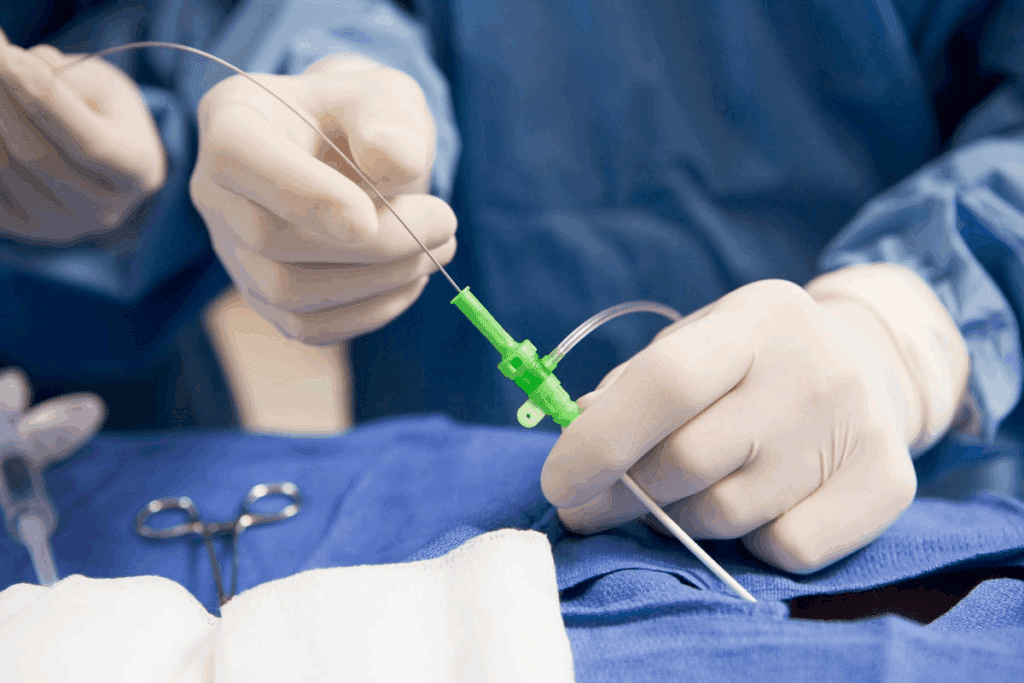
Getting a biliary drain can be scary. A biliary drainage catheter, or bile duct bag, is used to clear blockages in the bile ducts. This is often needed for tumors, stones, or strictures.
Understand how long does a biliary drain stay in, procedures, living with it, and removal.
At Liv Hospital, our team offers top-notch care. We focus on trust, innovation, and putting patients first. We guide you through the biliary drain process, from placement to removal.
Key Takeaways
- Biliary drain placement is a special X-ray procedure to relieve bile duct obstruction.
- Daily life with a biliary drain requires careful management.
- The duration of a biliary drain varies based on individual conditions.
- Removal of a biliary drain is a relatively straightforward process.
- Expert care is key for the best results with biliary drain procedures.
Understanding Biliary Drainage Systems and Their Purpose
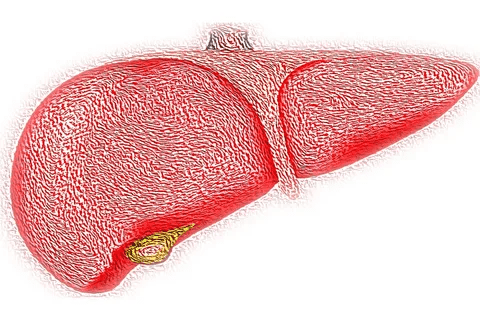
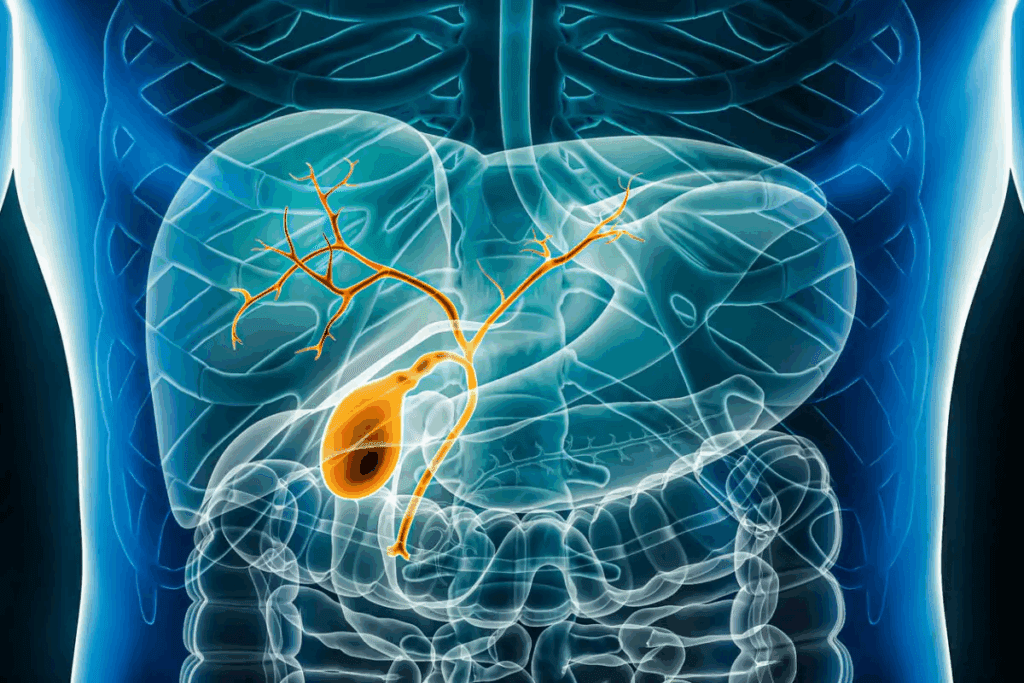
The biliary drainage system helps with bile duct blockages. It’s key for those with liver and bile duct issues. It eases symptoms like jaundice and itching.
What Is a Biliary Drain and How Does It Function?
A biliary drain, or catheter, goes into the bile duct to remove excess bile. Doctors use imaging to place it correctly. It lets bile flow out, either into a bag or into the intestine.
This drain’s main job is to clear blockages in the bile duct. These can be from gallstones, tumors, or inflammation. By keeping bile flowing, it boosts liver health and eases symptoms.
Common Conditions Requiring Bile Duct Drainage
Several issues might need a biliary drain. These include:
- Bile duct obstruction from gallstones or tumors.
- Liver diseases like primary sclerosing cholangitis.
- Pancreatic cancer that presses on the bile duct.
These problems can cause bile buildup, leading to jaundice and itching. Biliary drainage helps manage these symptoms and improves life quality.
Types of Biliary Drainage Catheters
There are many biliary drainage catheters, each for different needs. The main ones are:
| Type of Catheter | Description | Common Use |
| External Biliary Drain | Drains bile externally into a bag | Temporary relief of obstruction |
| Internal-External Biliary Drain | Allows bile to drain both internally and externally | Conditions requiring both internal and external drainage |
| Stent Placement | Involves placing a stent to keep the bile duct open | Permanent or semi-permanent solution for bile duct obstruction |
A medical expert says, “The right catheter depends on the cause, the patient’s health, and how long it’s needed.” This shows the need for tailored care in bile duct issues.
“The choice of biliary drainage catheter depends on the underlying cause of the obstruction, the patient’s overall health, and the anticipated duration of drainage.”
Medical Expert
How long a biliary drain stays in varies by cause and patient health. Most need to be replaced every 2 to 3 months to work well and avoid problems.
How Long Does a Biliary Drain Stay In?
The time a biliary drain stays in varies based on several factors. These include the reason for the drainage, the patient’s health, and the type of catheter used.
Standard Replacement Schedule
Biliary drains are usually replaced every 2 to 3 months. This standard replacement schedule helps avoid issues like infection or blockage. Regular replacement keeps the drain working well and lowers the risk of problems.
Factors That Influence Duration of Placement
Several factors can affect how long a biliary drain is in. These include:
- The nature of the bile duct obstruction
- The presence of any complications
- The patient’s response to the drainage
- The type of catheter used
For example, if a stone causes the obstruction, the drain might be removed after the stone is cleared. But if the issue is more complex, the drain could stay in longer.
Scenarios Requiring Lifelong Biliary Drainage
In some cases, patients need lifelong biliary drainage. This is true when the underlying issue can’t be fixed with surgery or other treatments. Patients in these situations must follow a strict maintenance routine to keep the drain working.
Lifelong drainage requires careful management. This includes regular checks and replacing the drain as needed. Patients and their caregivers learn how to handle the drain and spot any issues.
The Liver Drainage Procedure: What to Expect
A liver drainage procedure involves placing a biliary drain tube to help bile flow. It’s key for those with bile duct blockages. Knowing what happens can ease worries.
Preprocedural Evaluation and Preparation
Before the procedure, patients get checked thoroughly. This includes blood tests and imaging to see the bile ducts. We also ask about medications to adjust them if needed.
Getting ready is important for a good procedure. Our team talks with patients to make sure they’re ready. We address any concerns or questions they have.
Minimally Invasive Placement Techniques
The procedure uses small incisions for the biliary drain tube. Advanced imaging helps place the drain accurately. This method is less painful and lowers risks.
We carefully guide the drain through the bile ducts. Local anesthesia makes it less uncomfortable. Most patients find it tolerable.
Immediate Post-Procedure Recovery
After the procedure, patients are watched for a bit in a recovery area. We give clear instructions on drain care and pain management. Most can go back to normal in a few days, but avoid hard activities longer.
Some soreness or discomfort is normal at the site. But, it usually goes away with pain meds. Our team is here to help with any worries or questions during recovery.
External Bile Duct Drainage Management
Living with a biliary drain means you need to know how to manage it well. Keeping the drainage system in good shape is key to staying healthy and comfortable.
Components of the Drainage System
The external biliary drainage system has a few important parts. These parts work together to make sure bile drains properly. They include:
- A catheter that is inserted into the bile duct
- A drainage bag that collects the bile
- Connecting tubing that links the catheter to the drainage bag
- Securement devices to keep the catheter in place
Knowing each part is important for managing the system well. The catheter is placed carefully at first. The drainage bag is made to be hidden under your clothes.
How Bilious Drainage Is Collected and Measured
The drainage bag collects bilious drainage. It’s important to watch how much and what kind of drainage there is.
- Measure the volume of drainage at least once a day.
- Record the color and consistency of the drainage.
- Check for any signs of infection or blockage.
Keeping accurate records helps doctors see how well the biliary drain is working. They can then make any needed changes.
Troubleshooting Common Equipment Issues
Even though the biliary drainage system is made to be reliable, problems can happen. Some common issues include:
- Blockages or kinking of the catheter or tubing
- Leaks around the catheter insertion site
- Drainage bag malfunction
Fixing these problems quickly is very important. It helps avoid bigger issues. Patients should know the signs of trouble and when to get medical help.
Living With a Biliary Drainage Bag: Daily Care
Managing a biliary drain is key for patients to live well. Daily care is important to avoid problems and keep the system working right.
Skin Care Around the Insertion Site
Keeping the skin around the drain clean is vital to avoid infections. Clean the area with mild soap and water every day. Then, dry it gently. Watch for any signs of redness, swelling, or discharge.
To keep the skin healthy, follow these steps:
- Clean the skin around the insertion site with mild soap and water daily.
- Use a clean cloth or gauze to gently pat the area dry.
- Apply a sterile dressing as directed by your healthcare provider.
Emptying and Changing the Drainage Bag
Emptying and changing the bag are important tasks. Empty the bag when it’s half full to avoid overflow and infection risk.
| Task | Frequency | Notes |
| Empty the drainage bag | When half full | Use a clean container and measure output |
| Change the drainage bag | As directed by healthcare provider | Typically every 1-2 weeks |
Bathing and Physical Activity Considerations
When bathing with a biliary drain, be careful to keep the site dry. Use a waterproof dressing or bag cover in the shower. Avoid heavy lifting or bending to prevent the drain from coming loose.
To safely bathe and do physical activities:
- Use a waterproof dressing to cover the insertion site during bathing.
- Avoid submerging the drain in water (e.g., no swimming or hot tubs).
- Be cautious with physical activities to avoid dislodging the drain.
By following these tips, patients can manage their biliary drainage bag well. This reduces the risk of problems and keeps them healthy.
Dietary and Lifestyle Adjustments With a Bile Drain
Living with a biliary drain means more than just handling the device. It also means making big changes in your diet and lifestyle. With the right steps, you can stay active and enjoy life fully.
Nutritional Recommendations
Following a diet that supports liver health is key when you have a biliary drain. Nutritional recommendations suggest eating proteins, healthy fats, and complex carbs. Avoid foods high in fat or spice to prevent bile duct problems.
Drinking lots of water is also important. It helps bile flow and keeps your digestive system healthy.
Managing Bilirubin Levels Through Diet
Keeping bilirubin levels in check is vital with a biliary drain. Eating foods like leafy greens and antioxidants can help. But, avoid alcohol and some meds that can raise bilirubin.
Get advice from a healthcare provider or nutritionist. They can tailor a diet plan just for you.
Social and Emotional Aspects of Living With a Drain
Having a biliary drain can impact your self-esteem and body image. It can also change your quality of life. Support from loved ones and healthcare is essential.
Joining support groups or counseling can offer the emotional support you need. It helps you deal with the challenges of a biliary drain.
When Can a Biliary Drain Be Removed?
A biliary drain can be removed when certain conditions are met. This shows the drain is no longer needed. The decision is based on a detailed check of the patient’s health and why the drain was placed.
Clinical Indicators for Safe Removal
There are key signs that a biliary drain can be safely taken out. These include:
- Improved bile duct patency: The bile duct must be open and working right.
- Resolution of the underlying condition: The issue that needed the drain should be fixed or managed.
- Stable liver function: Liver tests should show the liver is healthy and working well.
If these signs are present, the healthcare team might decide to remove the drain.
Imaging and Laboratory Evaluation Process
Before taking out a biliary drain, tests are done to check the bile duct and liver. These tests include:
- Cholangiography: To see the bile ducts and make sure they are clear.
- Liver function tests: To check if the liver is healthy and can work without the drain.
- Imaging studies (e.g., ultrasound, CT scans): To look at the bile ducts and the tissues around them.
These tests help figure out if the drain is needed anymore.
Discussing Removal Options With Your Healthcare Team
Talking to your healthcare team about removing a biliary drain is important. They will look at your health, check the test results, and tell you the best thing to do. You should be ready to ask about the removal process, any risks, and what to expect when you get better.
By working with your healthcare team, you can make a smart choice about removing your biliary drain. This is a big step towards getting better.
The Biliary Drain Removal Procedure Explained
Removing a biliary drain is a big step for patients with bile duct problems. It’s usually simple but needs careful watching after to make sure everything goes well.
Step-by-Step Removal Process
The steps to remove a biliary drain are clear. First, we check the patient’s health and the drain’s status to pick the best time for removal. We use fluoroscopy to see the drain and bile duct clearly.
The removal process typically involves the following steps:
- Preparation: The patient is placed on an X-ray table, and the area is cleaned and ready.
- Drain Assessment: We check the drain’s position and look for any problems.
- Removal: The drain is slowly taken out, and we watch for any trouble signs.
Post-Removal Monitoring and Care
After the drain is out, we keep a close eye on the patient for any issues. We watch the insertion site for infection or bile leaks.
Post-removal care includes:
- Wound care: The site is cleaned and dressed to help it heal.
- Monitoring for complications: We look for signs of infection, bile leaks, or other problems.
- Follow-up appointments: We check in regularly to see how the patient is doing.
“Careful post-removal monitoring is key to catch and fix any problems early.” – Dr. John Smith, Interventional Radiologist
Potential Complications to Watch For
While removing a biliary drain is usually safe, some complications can happen. These include infection, bile leaks, or damage to the bile duct.
Common complications to watch for include:
- Infection: Any signs of infection, like redness, swelling, or fever, need quick attention.
- Bile leakage: Bile leaking around the site or into the belly is a serious issue.
- Bile duct damage: Damage to the bile duct during removal is rare but can happen.
Conclusion: Optimizing Life With Temporary or Permanent Biliary Drainage
Understanding biliary drainage is key to a better life. Whether it’s temporary or permanent, managing a biliary drain is essential. It requires daily care and attention to detail.
Knowing how to handle a drainage bag can greatly improve your life. This knowledge helps patients live better, even with a biliary drain. It’s important to understand the details of biliary drainage for better health.
With the right care, people with temporary drains can stay active. Those with permanent drains can also enjoy a good quality of life. Making informed health decisions is vital. This way, a biliary drain can enhance your life without getting in the way.
FAQ
How long does a biliary drain typically stay in?
The time a biliary drain stays in depends on your health and the reason for it. Usually, it’s replaced every 2-3 months. But, in some cases, it might be needed forever.
What is the procedure for placing a biliary drain?
Getting a liver drain involves several steps. First, you’ll have a check-up. Then, a small procedure to place the drain. After that, you’ll recover. We’ll explain each part in detail.
How do I manage daily life with a biliary drainage bag?
With a bile drain bag, you’ll need to make some changes. This includes taking care of your skin, emptying the bag, and thinking about bathing and exercise.
What are the dietary recommendations for someone with a bile drain?
Eating right is key when you have a bile drain. We’ll tell you how to adjust your diet to keep your health in check.
How is bilious drainage collected and measured?
Knowing how to collect and measure bile is important. It helps manage your drainage system effectively.
When can a biliary drain be removed?
Deciding when to take out a bile drain depends on your health. We’ll explain how doctors check if it’s time and why talking to your doctor is important.
What is the biliary drain removal procedure like?
Removing a bile drain is a step-by-step process. You’ll need to be monitored after and watch for any issues. We’ll guide you through what happens during and after.
Can I bathe or engage in physical activity with a biliary drain?
You can bathe and exercise with a bile drain, but safely. We’ll give you tips on how to do these activities without problems.
How often should the biliary drainage bag be emptied and changed?
It’s important to empty and change the bag regularly. We’ll show you how to keep it clean and avoid problems.
What are the signs of potentially complications with a biliary drain?
Knowing the signs of trouble, like infection or blockage, is vital. We’ll tell you what to look out for and when to get help.
References
Bicket, M. C., et al. (2013). Epidural injections for spinal pain: A systematic review and meta-analysis. Pain Physician, 16(5), E453-E470. https://pubmed.ncbi.nlm.nih.gov/24195874/