Last Updated on December 2, 2025 by Bilal Hasdemir

Every year, millions of people worldwide get life-saving blood transfusions. They are used to treat serious conditions like severe anemia, cancer, and major surgeries. Detailing the typical minimum and maximum time required, answering: How long does a blood transfusion take?
Getting a blood transfusion can be scary. Knowing what to expect is key for patients and their caregivers.
The blood transfusion rate and how long it takes can change a lot. This depends on the type of blood being given and the patient’s health. In this article, we’ll look at blood transfusions. We’ll cover the process for blood transfusion and what affects transfusion rates.
Key Takeaways
- Blood transfusions are vital for treating many medical issues.
- The time a blood transfusion takes can vary a lot.
- It’s important to understand the blood transfusion process for patients and caregivers.
- The type of blood being transfused impacts the transfusion rate.
- The patient’s health also plays a big role in the blood infusion rate.
Understanding Blood Transfusions

A blood transfusion is a medical treatment that moves blood or blood parts into a patient’s blood. It’s key for treating many health issues, like severe anemia and cancer. It’s also used for trauma and major surgeries.
What is a Blood Transfusion?
A blood transfusion is a life-saving procedure that adds blood cells or clotting factors to a patient. It helps ensure the blood can carry enough oxygen or clot well.
We match the blood types of the donor and the patient to avoid bad reactions. Our team watches the transfusion closely to make sure it’s safe and works well.
Common Reasons for Blood Transfusions
Blood transfusions are needed for many medical reasons. Here are some common ones:
- Severe Anemia: When the body has too few red blood cells, a transfusion is often needed.
- Cancer: People getting chemotherapy might need transfusions because their blood cell counts drop.
- Major Surgeries: If a surgery causes a lot of blood loss, transfusions help replace the lost blood.
- Trauma: Those with severe injuries might need transfusions to replace lost blood and stabilize their condition.
Types of Blood Components Used in Transfusions
Blood transfusions use different blood parts, each with its own role:
| Blood Component | Use |
| Red Blood Cells | To increase the red blood cell count and improve oxygen delivery to tissues. |
| Platelets | To help the blood clot and prevent or treat bleeding. |
| Plasma | To replace clotting factors and other proteins in the blood. |
| Cryoprecipitate | A concentrated source of fibrinogen and other clotting factors. |
By choosing the right components, we can make sure each patient gets the best care possible.
The Process of a Blood Transfusion

Blood transfusions save lives and involve a careful process. Knowing what happens during a transfusion can help ease worries. It’s important to understand this process.
Steps Before a Blood Transfusion
Before a transfusion, several important steps are taken. Pre-transfusion testing checks the patient’s blood type and antibodies. This ensures the blood is safe for them.
We also confirm the patient’s identity to avoid mistakes.
The steps include:
- Confirming the patient’s blood type
- Checking for any previous adverse reactions to blood transfusions
- Ensuring the blood component is compatible with the patient’s blood
Medical guidelines stress that patient safety is the top priority. Every step is taken to reduce risks.
In-Hospital Setup for Transfusions
In hospitals, the setup for transfusions is safe and efficient. The blood is prepared and labeled carefully. The equipment is checked for sterility and function.
We follow strict guidelines for administering blood. This includes:
- Using a sterile needle and tubing
- Monitoring the patient’s vital signs before, during, and after the transfusion
- Ensuring the transfusion is administered at the correct rate
Monitoring During the Transfusion
During the transfusion, we watch for any signs of problems. We check vital signs often and look out for symptoms like fever or rash. Prompt action is taken if any issues arise.
Medical literature says monitoring during transfusions is key. It helps catch and manage any complications early.
Typical Duration of Blood Transfusions
The time it takes for a blood transfusion is key for both patients and medical staff. Knowing what to expect can ease worries. It’s a big experience, and we get that.
Average Time for Different Blood Components
The time for a blood transfusion changes based on the blood part being given. For example, red blood cells usually take 1-2 hours. Platelets might take 30-60 minutes. Plasma and cryoprecipitate can take 30 minutes to 1 hour each.
Keep in mind, these times are just averages. The real time can change based on the patient and the hospital’s rules.
Factors Affecting Transfusion Time
Several things can change how long a blood transfusion takes. These include:
- The patient’s health and past medical issues
- The type and amount of blood being given
- The speed of the transfusion, based on medical rules or the patient’s reaction
- Any bad reactions during the transfusion
Our medical team watches the transfusion closely. They make sure it’s safe and done right.
How to Prepare for Your Blood Transfusion
Getting ready for a blood transfusion involves a few steps. First, eat a meal and drink water before it starts. Wear comfy clothes and have someone with you for support.
Before it starts, our team will explain everything. They’ll answer your questions and make sure you’re okay and know what’s happening.
Knowing about blood transfusion times and how to get ready can help you feel more confident during this process.
The 3 P’s of Blood Transfusion
The 3 P’s of blood transfusion – purpose, procedure, and risks – help us understand this medical process. Knowing these elements helps patients make better choices about their treatment.
Purpose of Blood Transfusion
Blood transfusions replace or add blood cells or clotting factors. This is needed for conditions like anemia, surgery, or trauma. They help restore a patient’s blood to a healthy state, allowing their body to work right.
For example, someone having surgery might need a transfusion to replace lost blood. People with blood disorders also might need transfusions to manage their condition. Understanding the purpose of blood transfusions shows how important they are in treatment.
Procedure Involved
The blood transfusion process is designed to be safe and efficient. Before starting, we check if the donor’s blood matches the patient’s. We verify the patient’s identity and blood type to avoid bad reactions.
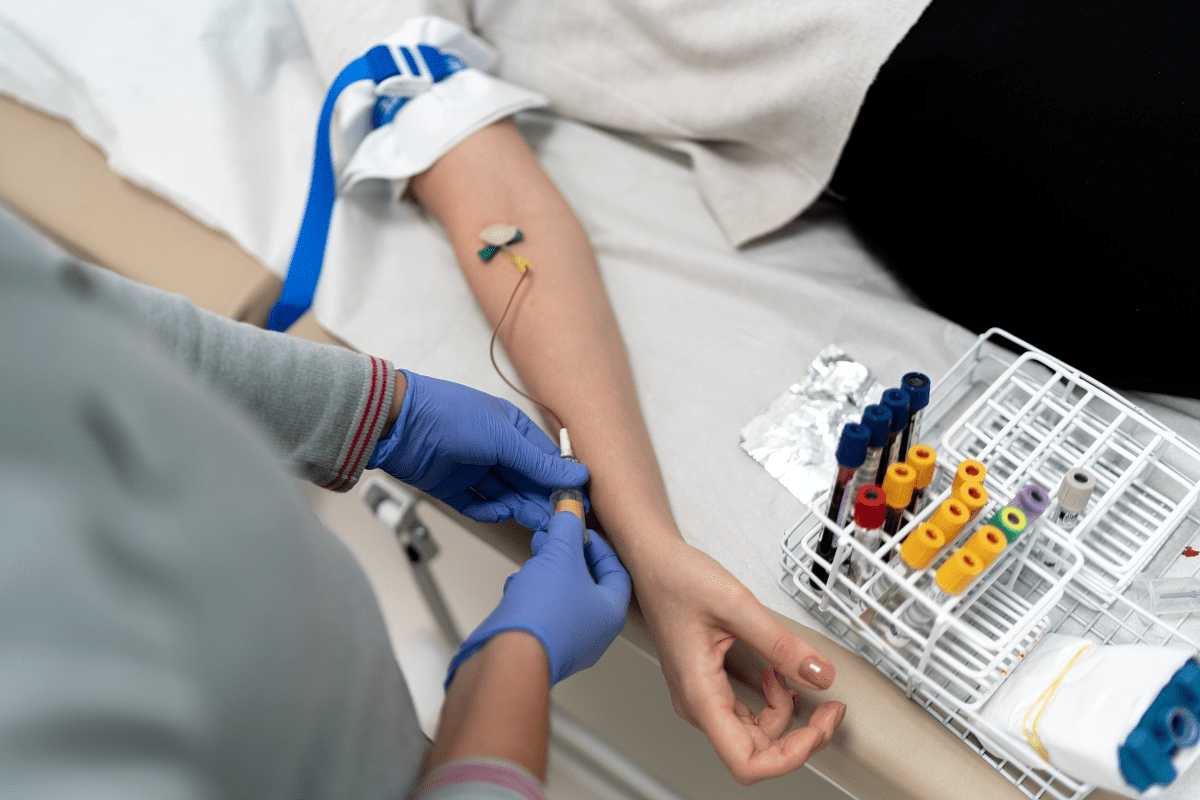
During the transfusion, we watch the patient’s vital signs closely. The transfusion happens in a place like a hospital or clinic. This way, we can quickly help if there’s a problem.
| Step | Description |
| Pre-transfusion checks | Verify patient identity and blood type compatibility |
| Transfusion administration | Monitor patient’s vital signs and watch for adverse reactions |
| Post-transfusion care | Continue monitoring patient’s condition after the transfusion |
Potential Risks and Complications
Blood transfusions are usually safe, but there are risks. These include allergic reactions, lung injury, and infections. We take many steps to reduce these risks, like screening donor blood carefully.
It’s important for patients to know about these risks. This way, they can talk to their doctor about any worries. Understanding the risks helps patients prepare for their treatment and make informed choices.
“The safety of blood transfusions has improved a lot. This is thanks to new medical technology and strict screening.” – A Transfusion Medicine Specialist
By understanding the 3 P’s of blood transfusion, patients can better grasp this complex procedure. This knowledge helps them navigate their treatment confidently, knowing what to expect and how to prepare.
Effects of Blood Transfusions on Patients
Understanding the effects of blood transfusions on patients is key. These transfusions can greatly impact patients, both positively and negatively. We will dive into these effects to give a full picture.
Positive Outcomes
Blood transfusions can bring many benefits to patients. One major advantage is improved oxygen delivery to tissues and organs. This is vital for those who have had surgery or have low red blood cell counts.
- Increased energy levels due to improved oxygenation
- Reduced symptoms of anemia, such as dizziness and shortness of breath
- Enhanced overall health and well-being
A study showed that patients who got blood transfusions after surgery recovered faster and had fewer problems than those who didn’t.
| Condition | Benefit of Blood Transfusion |
| Anemia | Improved oxygen delivery, reduced symptoms |
| Surgical Patients | Faster recovery, fewer complications |
| Cancer Patients | Enhanced overall health during treatment |
Possible Side Effects
While blood transfusions are mostly safe, there are possible side effects. These can range from mild to severe. They include allergic reactions, infections, and transfusion-related acute lung injury (TRALI).
- Allergic reactions, such as hives and itching
- Infections, including bacterial and viral infections
- TRALI, a serious condition that can cause respiratory distress
Healthcare providers must closely watch patients during and after transfusions. This helps quickly spot and handle any bad reactions.
Long-Term Implications
The long-term effects of blood transfusions can vary. They depend on how often transfusions are given and the patient’s health. Some may face iron overload from repeated transfusions, which can harm organs if not managed right.
- Iron overload, potentially leading to organ damage
- Immunosuppression, increasing the risk of infections
- Graft-versus-host disease, a rare but serious complication
It’s important for patients who have had blood transfusions to get regular check-ups. This helps monitor for long-term effects and manage them well.
Post-Transfusion Care
Post-transfusion care is key to a patient’s recovery. It requires careful attention and quick action if problems come up. We’ll guide you through this important time, stressing the need to watch closely and act fast.
Monitoring After the Procedure
After a blood transfusion, close monitoring is vital. Healthcare teams will watch your vital signs like temperature, blood pressure, and heart rate. This ensures you’re doing well after the transfusion.
It’s best to stay under observation for at least 30 minutes to an hour after the transfusion. This lets medical staff quickly spot and handle any bad reactions.
Signs of Adverse Reactions
Blood transfusions are usually safe, but adverse reactions can happen. Knowing the signs is important. These include fever, chills, shortness of breath, or an itchy rash. Tell your healthcare provider right away if you notice any of these.
- Fever: A high body temperature can mean a bad reaction.
- Chills or Rigors: Shivering or feeling cold, even if your body temperature is normal, can be a sign of a reaction.
- Respiratory Issues: Trouble breathing or feeling short of breath should be reported immediately.
- Skin Reactions: Rashes, itching, or hives can occur as part of an adverse reaction.
Follow-Up Procedures
After the transfusion, follow-up care is needed. This includes more blood tests to check your blood cell count and health. Your healthcare provider will plan these based on your needs.
We also suggest staying hydrated and resting well to help with recovery. By following these tips and watching how your body reacts, you can lower the risk of problems and support your health.
Frequently Asked Questions
Understanding blood transfusions can be tough, but we’re here to help. Blood transfusions are a common medical procedure. Patients often have questions about the process.
How Often Are Blood Transfusions Needed?
Blood transfusions are needed for many medical reasons. This includes surgeries, injuries, and diseases that affect the blood. How often you need a transfusion depends on your condition and how well you’re responding to treatment.
- Chronic Conditions: Patients with chronic anemia or certain blood disorders may need regular transfusions.
- Surgical Procedures: Surgeries that involve a lot of blood loss may require a transfusion.
- Trauma Cases: Severe injuries can cause a lot of blood loss, making transfusions very important.
Can Anyone Receive a Blood Transfusion?
Not everyone can get a blood transfusion. The decision to transfuse depends on several factors. These include the patient’s blood type, medical history, and current health status.
- Blood Type Compatibility: The blood type of the donor and recipient must match.
- Medical History: Certain medical conditions or previous reactions to transfusions can affect eligibility.
- Current Health: The patient’s overall health and the reason for the transfusion are considered.
What to Expect During Your Transfusion
During a blood transfusion, patients are closely watched for any bad reactions. The procedure usually happens in a controlled place, like a hospital or clinic.
- Monitoring: Vital signs are closely monitored before, during, and after the transfusion.
- Duration: How long the transfusion takes depends on the type and amount of blood being given.
- Comfort Measures: Patients are made as comfortable as possible, and any concerns are addressed quickly.
Resources for Patients
Going through a blood transfusion can be tough. But, with the right help, patients can feel more in control. We know how important it is to have good info and support during this time.
Blood Donation Information
Blood donation is key to keeping blood supplies up. We share details on how to donate, who can donate, and how it helps patients.
Donating blood is easy but very impactful. Knowing the steps and what’s needed can make donors feel ready.
Local Blood Banks and Hospitals
Local blood banks and hospitals are essential for blood transfusions. We help patients find these places and learn what they do, from collecting blood to giving transfusions.
- Finding a local blood bank or hospital that provides transfusion services
- Understanding the role of these facilities in patient care
- Contacting local blood banks for information on donation and transfusion
Support Groups for Patients
Support groups are great for patients getting blood transfusions. They offer a community and a place to share stories. We talk about the good things about joining a group and how to find one.
These groups give emotional support, useful tips, and a connection with others facing the same thing.
Conclusion and Final Thoughts
Blood transfusions are a lifesaving medical procedure that relies on the generosity of blood donors. As we conclude our discussion on blood transfusions, it’s clear that this complex process requires careful attention to detail.
Donating Life
The importance of blood donation cannot be overstated, as it is the foundation of blood transfusions. We encourage patients who have undergone blood transfusions to share their experiences, connecting with others who have had similar journeys.
Staying Engaged
By staying informed about blood transfusions and the process involved, patients can better understand their treatment options. We are committed to providing world-class healthcare with complete support for international patients.
As we wrap up our exploration of blood transfusions, we emphasize the significance of this medical procedure and the role that blood donation plays in it. We invite you to stay engaged and informed about the latest developments in blood transfusion therapy.
FAQ
How long does a blood transfusion take?
The time it takes for a blood transfusion varies. It depends on the blood component being used. For example, red blood cells take about 1-2 hours. Platelets might take 30-60 minutes.
What is the blood transfusion rate?
The transfusion rate changes based on the blood component and the patient’s health. Red blood cells are given at 1-2 mL/min. Platelets are given at 10-20 mL/min.
How fast can you run plate?
Platelets are transfused in 30-60 minutes. The exact time depends on the patient’s health and the hospital’s rules.
What are the guidelines for fresh frozen plasma transfusion?
Fresh frozen plasma is given at 2-6 mL/min. The exact rate can change based on the patient’s health and the hospital’s policies.
How do you administer platelets?
Platelets are given through a vein. A sterile needle and tubing are used. The transfusion is done in a medical setting with careful monitoring.
What is the normal transfusion time for blood?
The time for blood transfusions varies. Red blood cells take 1-2 hours. Platelets take 30-60 minutes.
Can anyone receive a blood transfusion?
Not everyone can get a blood transfusion. It depends on the patient’s health, blood type, and overall condition.
How often are blood transfusions needed era-2?
The need for blood transfusions varies. It depends on the medical condition being treated. Some need regular transfusions, while others might only need one.
What to era-2 during a blood transfusion?
During a transfusion, patients are closely watched for any bad reactions. They might be asked to sit comfortably. Medical staff will check their vital signs often.
How prime blood tubing?
To prime blood tubing, it’s filled with saline or the blood component. This ensures there are no air bubbles in the line.
What are the 3 P’s of blood transfusion?
The 3 P’s are Purpose, Procedure, and Possible risks. Knowing these helps patients and caregivers understand the transfusion process.
References
New England Journal of Medicine. Evidence-Based Medical Insight. Retrieved from https://www.nejm.org/doi/full/10.1056/NEJMc1411083