Last Updated on November 27, 2025 by Bilal Hasdemir
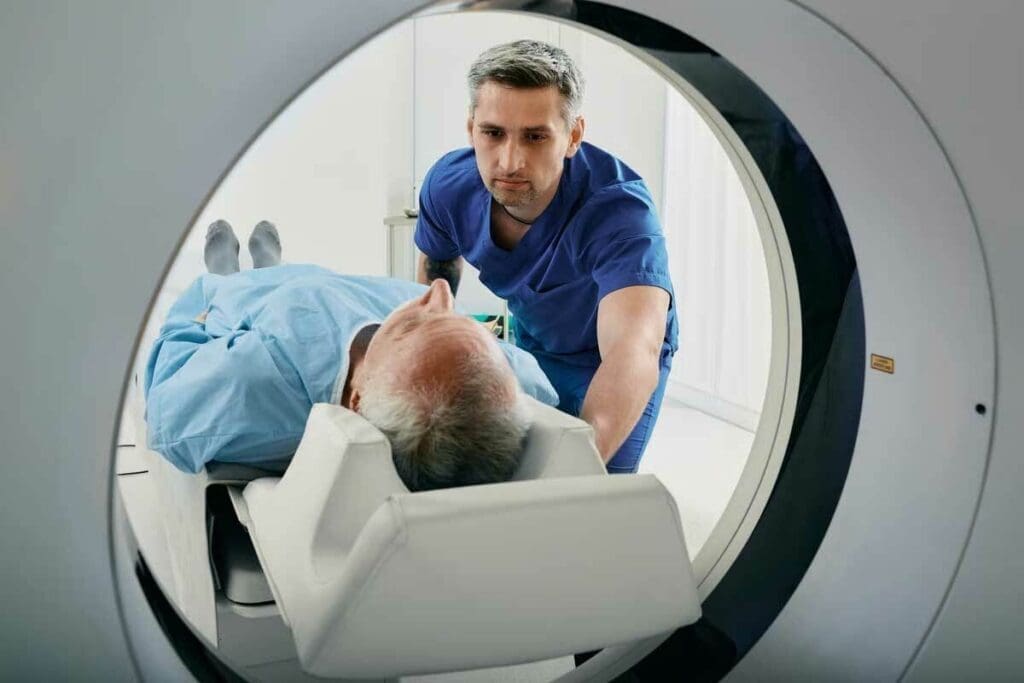
At Liv Hospital, we know preparing for a CT scan can be tough. We’ll help you understand what to expect during a CT scan with contrast, including how long does a CT scan with contrast take. We’ll also show you how to get ready for an abdominal CT scan.
A CT scan with contrast usually lasts 10 to 15 minutes. Most of the time is spent on getting ready. You’ll need to take off any jewelry and clothes that might get in the way.
Our skilled radiology technologists will help you. They make sure you’re safe and comfortable during the scan.
Key Takeaways
- CT scan with contrast duration is typically between 10-15 minutes.
- Preparation is key to a successful abdominal CT scan.
- You will need to remove jewelry and certain clothing before the scan.
- Our radiology technologists will guide you through the process.
- Liv Hospital is committed to patient-centered care and safety.
Understanding CT Scans with Contrast
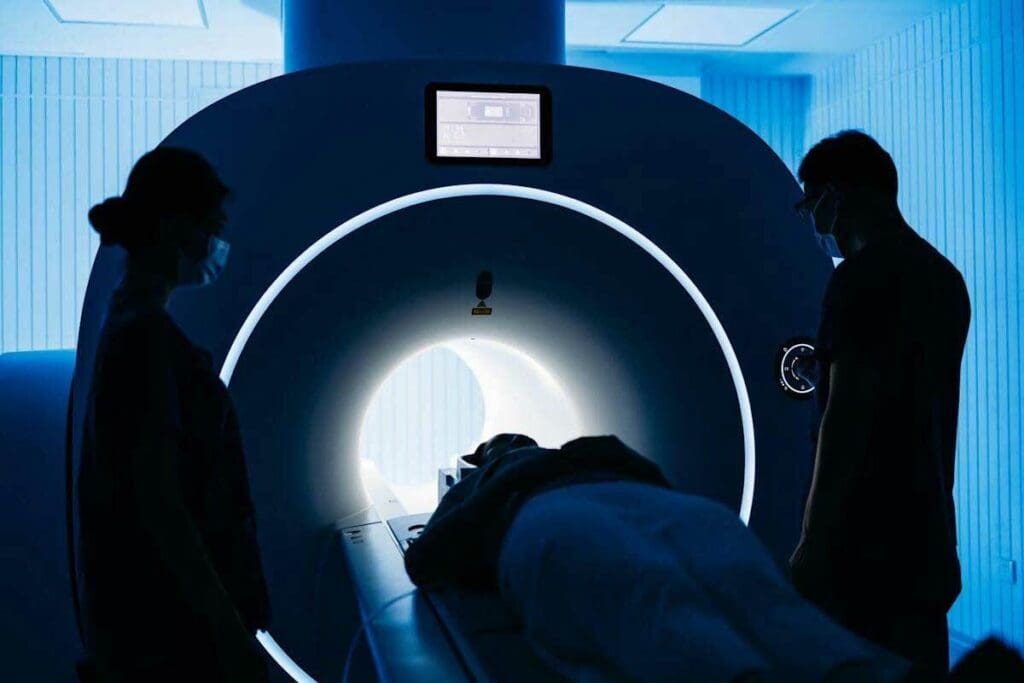
CT scans with contrast are key for doctors to see inside the body. They help doctors see the body’s inner parts clearly. Let’s dive into how they work.
What is a CT Scan?
A CT scan uses X-rays to make detailed images of the body. It shows organs, bones, and blood vessels in detail. Unlike regular X-rays, CT scans give a full view of the body’s inside.
How Contrast Agents Enhance Imaging
Contrast agents make CT images clearer. They can be taken by mouth or through an IV. For a CT scan IV, the agent goes into a vein in your arm.
This makes certain body parts stand out. Doctors can then spot tumors, vascular diseases, and inflammation more easily.
Contrast agents make CT scans more accurate. For example, in abdominal scans, they help doctors see different tissues and organs better.
Types of Contrast Used in CT Scans
There are two main types of contrast agents for CT scans: oral and IV.
- Oral contrast is drunk before the scan to see the digestive tract. You might be asked, Do you drink contrast for a CT scan?” because you drink it 1-2 hours before.
- Intravenous (IV) contrast is given through a vein during the scan. It’s great for looking at blood vessels, organs, and more.
When getting ready for a CT scan with contrast, listen to your doctor. They’ll tell you how to take the contrast. Knowing what to do can make the process less scary and smoother.
How Long Does a CT Scan with Contrast Take?
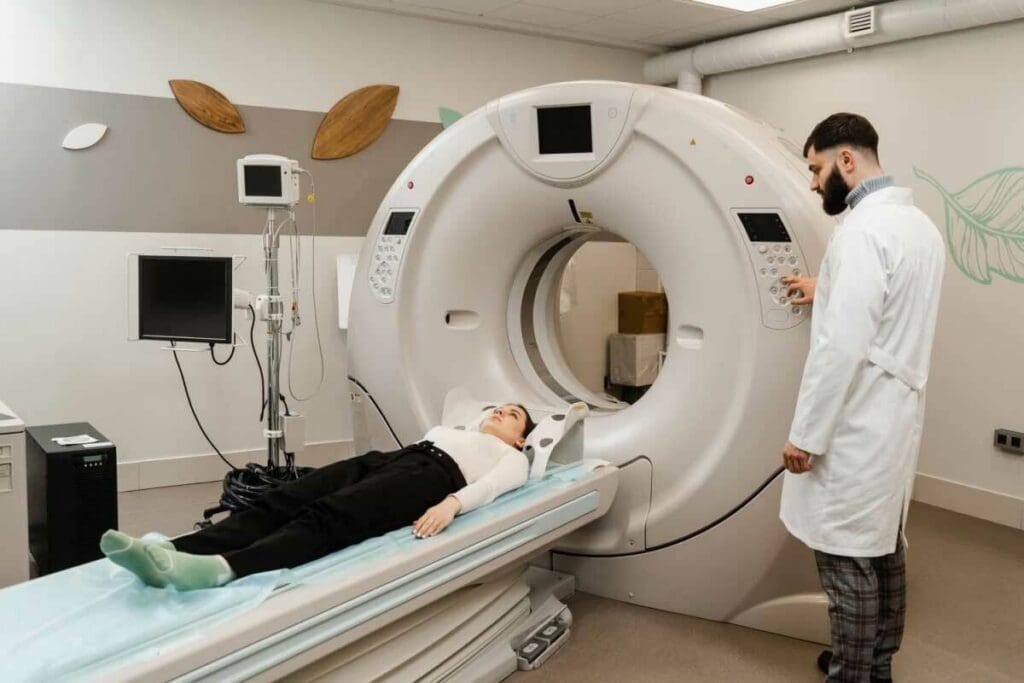
Knowing how long a CT scan with contrast takes is key to planning your day. Medical imaging can cause anxiety. Being ready can help a lot.
Actual Scanning Time
A CT scan with contrast usually takes 10 to 15 minutes to scan. The actual scan time is less than five minutes. The rest is for getting ready and positioning.
Total Appointment Duration
The scanning itself is quick, but the whole visit takes longer. Patients should plan to spend about an hour at the imaging center. This includes getting ready, changing, and getting contrast if needed.
Factors That May Extend Scan Time
Several things can make the scan take longer. These include:
- Need for more imaging or sequences
- Challenges with contrast administration
- Patient issues like mobility or anxiety
- Scanner technical problems
Following pre-procedure instructions carefully is important. It helps avoid delays. Being prepared ensures the scan goes smoothly.
The Abdominal CT Scan Process
Before your abdominal CT scan, it’s good to know what to expect. This test helps doctors see inside your belly. Knowing this can make you feel less nervous and more ready.
What Happens Before You Enter the Scanner
You’ll need to take off any jewelry or metal before the scan. You might also wear a hospital gown. This is to make sure your clothes don’t mess with the scan’s quality. Our team will help you get ready safely and comfortably.
Preparation is key to a good CT scan. By following our steps, you help get clear images. These images are vital for doctors to make the right diagnosis.
The Scanning Experience
When it’s time to scan, you’ll lie on a table that moves into the CT machine. It’s important to stay very quiet and follow any breathing directions. The scan itself only takes a few minutes, but the whole visit might take longer.
What to Expect When Contrast is Administered
If you need contrast, it will be given to you either by mouth or through an IV. This agent makes some parts of your body show up better on the scan. You might feel a bit of a pinch when it’s injected, but it’s usually mild and short-lived.
It’s normal to have some questions about the contrast agent and its effects. Our team is here to answer any questions you have. We can also help with any side effects you might experience.
Preparing for Your Abdominal CT Scan: Timeline
Getting ready for an abdominal CT scan starts early. It’s important to follow a timeline to make sure everything goes well. We’ll show you what to do a week before, 24 hours before, and on the day of your scan.
One Week Before Your Scan
Start by talking to your doctor about your medications a week before. Some might need to stop or change before the scan. Also, tell your doctor about any allergies or health issues. This info helps pick the right contrast agent for your scan.
24 Hours Before Your Scan
24 hours before, know how long you need to fast. It’s usually 2 to 4 hours. Check with your doctor for exact times. You might also need to drink a special liquid to help see your abdomen better.
Drink lots of water unless told not to.
The Day of Your CT Scan
On the day, arrive 30 minutes early. You’ll wear a hospital gown and take off any metal items. If you need to drink the special liquid, you’ll be told when to do it, usually 1-2 hours before.
Here’s a quick guide to what you need to do:
| Time Before Scan | Preparation Steps |
| 1 Week | Consult with your doctor about medications, inform them bout allergies or medical conditions |
| 24 Hours | Understand fasting requirements, drink oral contrast if required, and stay hydrated. |
| Day of Scan | Arrive early, change into a hospital gown, remove metal objects, and follow oral contrast instructions. |
By following this timeline and listening to your healthcare team, your abdominal CT scan will go smoothly.
Fasting Requirements for CT Scans with Contrast
When you’re getting ready for a CT scan with contrast, knowing the fasting rules is key. Fasting is important for getting clear images during the scan.
Importance of Fasting for 3-4 Hours
Fasting for 3 to 4 hours before a CT scan with contrast is usually advised. This helps avoid nausea and improves image quality. “Fasting ensures the contrast agent works well, giving clearer images for accurate diagnosis,” a radiology expert notes.
Eating or drinking too close to the scan can cause nausea or vomiting. It can also make it hard to tell what’s real on the CT images. This might lead to wrong diagnoses.
Standard Fasting Guidelines for Abdominal CT
For an abdominal CT scan with contrast, you should not eat solid foods or clear liquids for 3 to 4 hours beforehand. But the exact fasting rules can change based on where you go and your doctor’s orders.
- Avoid eating heavy meals or fatty foods
- Refrain from consuming caffeinated beverages
- Follow the specific instructions provided by your healthcare provider or the radiology department.
It’s important to stick to these guidelines to make sure your CT scan goes smoothly and safely. If you’re not sure what to eat or drink before your scan, talk to your healthcare provider.
Exceptions to Fasting Rules
While fasting is common for many CT scans with contrast, there are times when it’s not needed. For example, people with diabetes or certain health issues might need to adjust their fasting or keep taking their medicine and eating as usual.
Tell your healthcare provider about any health conditions or medicines you’re taking before your CT scan. They can give you personalized advice on how to get ready, including any fasting changes.
In some cases, the radiology team might give you different instructions based on their rules or what your scan needs. Always follow the latest and most specific advice from your healthcare team.
Oral Contrast for Abdominal CT: What to Expect
For some abdominal CT scans, you’ll need to drink oral contrast. This is to get clear images of your digestive tract. Oral contrast agents make the intestines and other parts stand out, helping doctors make accurate diagnoses.
Types of Oral Contrast Agents
There are different oral contrast agents for abdominal CT scans. These include:
- Barium-based contrast: This is a chalky, white liquid that outlines the intestines and other structures.
- Iodine-based contrast: This is used for those allergic to barium or with certain medical conditions.
- Mannitol or other sweet-tasting contrast: These are used to contrast taste better, making it easier to drink.
When and How to Drink Contrast
Drink the oral contrast 1 to 2 hours before your CT scan. The exact time may change based on your healthcare facility’s instructions. It’s important to follow these instructions closely for the best imaging results.
Here are some general guidelines:
- Drink the contrast as your healthcare provider tells you, usually 1-2 hours before the scan.
- Drink the contrast in the amount and pace they tell you.
- Tell your healthcare provider if you have trouble or discomfort while drinking.
Managing the Taste and Side Effects
Oral contrast agents can taste bad, causing nausea or discomfort. To handle this:
- Chill the contrast if you can, as it might taste better.
- Drink it through a straw to avoid touching your taste buds.
- Rinse your mouth with water or a flavored drink after drinking the contrast.
If you have severe side effects like vomiting or allergic reactions, tell your healthcare provider right away.
Knowing what to expect when drinking oral contrast for an abdominal CT scan helps you prepare. It makes the procedure smoother for you.
Intravenous Contrast: Administration and Considerations
Getting intravenous contrast during a CT scan is common and helps doctors see better. These agents make blood vessels and other parts stand out. This makes it easier to find and treat health issues.
The IV Contrast Procedure
The IV contrast process starts with a contrast agent given through a vein in your arm. A small needle and catheter are used. The agent is given right before or during the CT scan.
This process is usually simple and safe. But it’s key to listen to your healthcare team’s instructions for a smooth experience.
Who Should Avoid IV Contrast
While safe for most, some should avoid IV contrast. People with severe kidney disease or past allergic reactions to IV contrast should not use it.
- Those with severe kidney disease risk kidney damage from the contrast.
- Anyone with a history of allergic reactions to contrast should tell their doctor.
Important Information to Tell Your Doctor
Tell your doctor about any health issues or allergies before a CT scan with IV contrast. This includes:
- Any kidney disease or diabetes.
- Previous reactions to contrast agents.
- Allergies,l iodine.
- If you’re pregnant or breastfeeding.
Sharing this info helps your healthcare team prepare and keep you safe during the procedure.
Water and Fluid Intake Guidelines
Many people wonder if they can drink water before a CT scan with contrast. The answer depends on several things. These include the instructions from your doctor and the rules of the imaging center.
Can You Drink Water Before a CT Scan with Contrast?
Before a CT scan with contrast, you might be told to drink water or not. Some places let you drink water, while others ask you to fast. Always listen to what your healthcare provider or the imaging center tells you. They know what’s best for you and the scan.
Drinking water before the scan helps with getting rid of the contrast agent later. But the type of contrast and the scan’s rules might change if you should drink water or not.
Protocol Variations Between Facilities
Different places have different rules for drinking water before a CT scan with contrast. Some say you can have clear liquids up to a certain time. Others say you shouldn’t eat or drink anything for a few hours.
| Facility Protocol | Hydration Recommendation |
| Facility A | Drinking clear liquids up to 2 hours before bedtime can |
| Facility B | No consumption by mouth for 4 hours before the scan |
| Facility C | Water allowed up to 1 hour before scan |
Hydration Recommendations After Your Scan
After your CT scan with contrast, drinking lots of water is usually a good idea. It helps get rid of the contrast agent. Drinking water can also lower the chance of bad side effects.
“Adequate hydration is key to helping your body eliminate the contrast agent used in CT scans,” says a radiology expert. “Patients should drink water regularly after their scan to ensure the contrast is flushed out efficiently.”
Talking to your healthcare provider about hydration is also smart. This is true if you have issues with how your body handles fluids.
In summary, while rules for drinking water before a CT scan with contrast can differ, drinking water after is often advised. Always follow the specific advice from your healthcare provider or the imaging center.
Managing Medications and Medical Conditions
Getting ready for a CT scan with contrast is more than just showing up. You need to manage your medications and health conditions carefully. Some medications and health issues can affect the scan’s safety and results. So, it’s key to follow your doctor’s advice closely.
Medications to Continue or Pause
Your doctor will tell you which medications to keep taking or stop before the scan. It’s important to tell your healthcare provider about all your medications, including prescription and over-the-counter drugs, and supplements. Some drugs might need to be changed or stopped to avoid bad reactions with the contrast agent or to get accurate scan results.
Special Considerations for Diabetic Patients
Diabetic patients need special care when getting a CT scan with contrast. Metformin, a common diabetes drug, might need to be stopped before the scan because of the risk of lactic acidosis with contrast agents. Your doctor will give you specific advice on managing your diabetes meds before and after the scan.
Kidney Function and CT Contrast
People with kidney issues should be careful with CT contrast. The contrast agent is removed by the kidneys, and kidney problems can raise the risk of kidney damage from the contrast. Your healthcare provider might do blood tests to check your kidney function before the scan. They will also guide you on how to lower risks.
By managing your medications and health conditions well, you can help make your CT scan safe and successful. Always follow the instructions from your healthcare team to get ready for your scan.
Conclusion: After Your CT Scan
After a CT scan with contrast, you can usually go back to your normal activities. Drinking water helps get rid of the contrast agent. Staying hydrated is key to avoiding side effects.
Always follow the instructions from your healthcare provider or the place where you had the scan. If you experience unusual symptoms or have concerns, reach out to your doctor right away.
Knowing what to do after a CT scan is important for a smooth recovery. By following these tips and your doctor’s advice, you can recover comfortably and safely.
FAQ
How long does a CT scan with contrast take?
The actual scanning time is about 10 to 15 minutes. But the whole appointment takes longer because of preparation.
Do I need to fast for a CT scan with contrast?
Yes, fasting for 3 to 4 hours is needed before the scan. This ensures clear images.
Can I drink water before a CT scan with contrast?
Water intake rules vary by facility. Always check with your healthcare provider for specific guidelines.
What is oral contrast, and how do I drink it?
Oral contrast is a liquid that highlights your digestive tract. You’ll drink it 1-2 hours before the scan.
What are the side effects of CT contrast, and how can I manage them?
Side effects like nausea or allergic reactions can happen. Tell your doctor about any allergies or conditions to reduce risks.
Can I take my medications before a CT scan?
Some medications might need to be paused or adjusted. Always check with your healthcare provider for guidance.
How can I prepare for an abdominal CT scan?
Preparation includes fasting, removing jewelry, and wearing a hospital gown. You might also drink oral contrast. Your healthcare provider will give you specific instructions.
What happens during an abdominal CT scan?
You’ll lie on a table that slides into a CT scanner. The scanner will take images of your abdomen. Contrast agent may be given through an IV line.
How can I stay hydrated after a CT scan with contrast?
Drinking plenty of water after the scan helps eliminate the contrast agent. Follow your healthcare provider’s hydration recommendations.
Are there any special considerations for diabetic patients undergoing a CT scan?
Yes, diabetic patients may need to adjust their medication or fasting schedule. Inform your healthcare provider about your diabetes for specific guidance.
How does kidney function affect the use of CT contrast?
Kidney function is key when using CT contrast. Patients with kidney issues may need special precautions or alternative imaging methods.
References
- RadiologyInfo.org. (2024, March 31). Abdominal and pelvic CT. https://www.radiologyinfo.org/en/info/abdominct