Last Updated on November 27, 2025 by Bilal Hasdemir
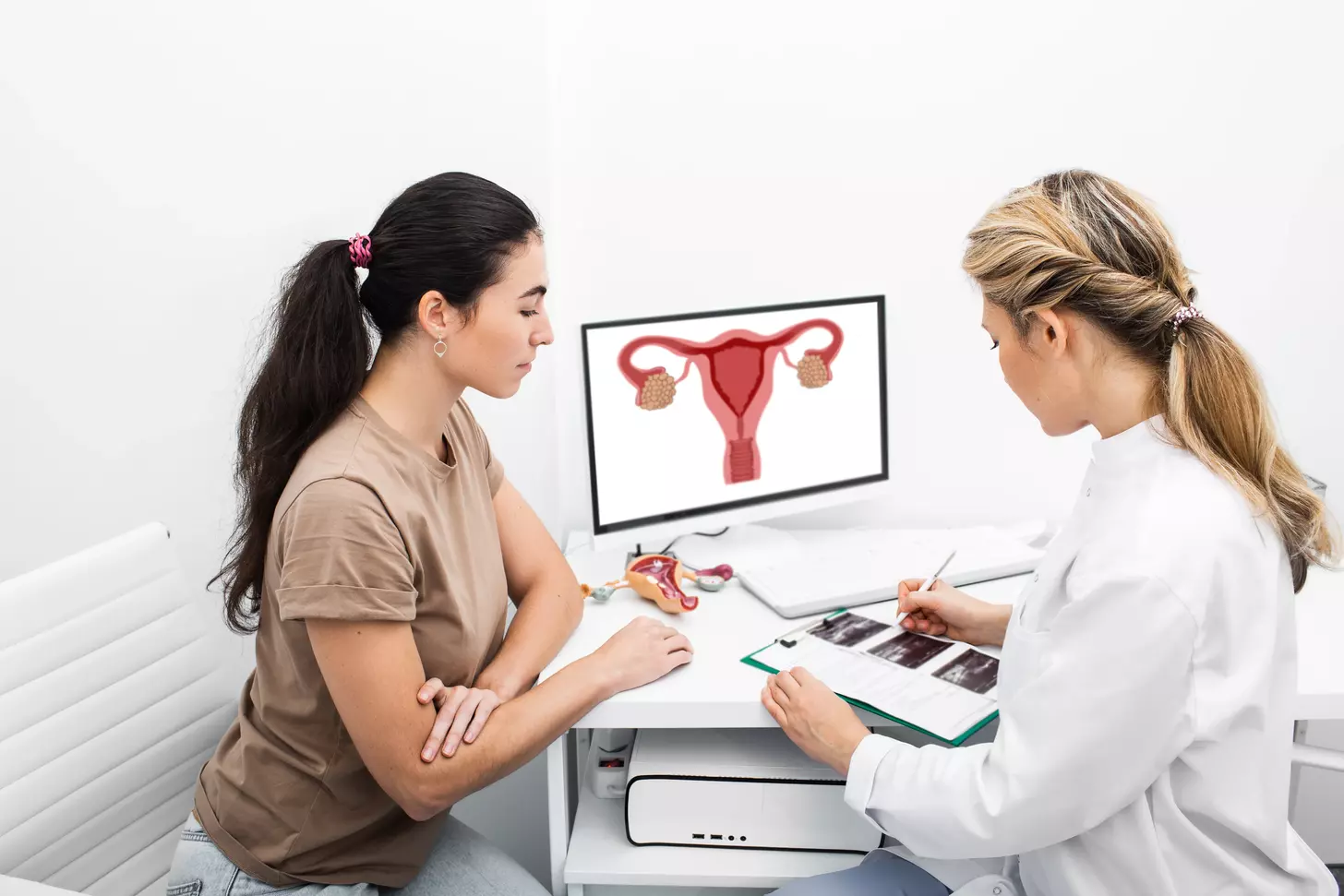
Choosing to have a hysterectomy is a big decision. Knowing how long it takes is important. At Liv Hospital, we help our patients understand every step.
A hysterectomy usually lasts between 1 to 3 hours. The laparoscopic method is often faster. How long it takes can depend on the size of the uterus and if there’s scar tissue.
At Liv Hospital, our team focuses on making sure you’re comfortable and informed. We want you to feel supported every step of the way.
Key Takeaways
- Hysterectomy duration is typically between 1 to 3 hours.
- Laparoscopic approaches are generally quicker.
- Uterus size and scar tissue presence can influence surgery time.
- Personalized care is provided for patient comfort.
- Liv Hospital’s team guides patients through every step.
Understanding Hysterectomy: A Complete Overview

It’s important to know what a hysterectomy is before deciding on it. A hysterectomy means removing the uterus, and sometimes other organs, based on the health issue.
What Is a Hysterectomy?
A hysterectomy is a surgery to remove a woman’s uterus. It’s done for serious health issues, chronic pain, or heavy bleeding that other treatments can’t fix. After a hysterectomy, a woman can’t get pregnant or have periods.
When Is a Hysterectomy Necessary?
A hysterectomy is needed for certain health problems. These include uterine fibroids, endometriosis, and cancer. Women in their 30s might need it for severe cases of these issues that other treatments can’t solve.
Types of Hysterectomy Procedures
There are several types of hysterectomy surgeries. The choice depends on the health issue and the patient’s health. A total hysterectomy removes the uterus and cervix. A radical hysterectomy is more extensive, removing the uterus, cervix, part of the vagina, and sometimes ovaries and fallopian tubes, often for cancer.
Knowing about hysterectomy helps patients make better health choices. It’s key to talk about the surgery, the procedure type, and recovery with a doctor.
Common Reasons for Undergoing a Hysterectomy

A hysterectomy is a big surgery. It’s usually considered when other treatments don’t work. We’ll look at why women choose this option, understanding the reasons behind it.
Uterine Fibroids and Excessive Bleeding
Uterine fibroids are non-cancerous growths in or around the uterus. They can lead to heavy bleeding, long periods, and pain. Large or many fibroids can really affect a woman’s life, making a hysterectomy a possible solution.
Endometriosis and Chronic Pelvic Pain
Endometriosis is when uterine lining tissue grows outside the uterus. It causes pain, discomfort, and can make it hard to get pregnant. Severe cases might lead to a hysterectomy.
Uterine Prolapse
Uterine prolapse happens when the uterus falls into the vagina. It can cause pain, discomfort, and trouble with urination or bowel movements. Sometimes, a hysterectomy is needed to fix the prolapse and ease symptoms.
Cancer and Precancerous Conditions
Cancer or precancerous conditions in the uterus, cervix, or ovaries might require a hysterectomy. The choice depends on the cancer type, stage, and the patient’s health and wishes.
Qualifying for a Hysterectomy: Medical Indications
A hysterectomy is a big surgery that’s usually a last resort. It’s after many tests and talks about other treatments. This choice is complex and needs careful thought.
Diagnostic Tests and Evaluations
Before surgery, patients get many tests to find out why they’re feeling bad. These might include:
- Ultrasound to see the uterus and nearby areas
- Biopsy to check for abnormal cells
- Pelvic exam to look at the uterus size and shape
- Imaging tests like MRI or CT scans for detailed views
Conservative Treatments Before Surgery
Often, doctors suggest trying other treatments first. These might be:
| Treatment Option | Description |
|---|---|
| Hormonal therapies | Medicines to balance hormones |
| Pain management | Ways to reduce chronic pelvic pain |
| Minimally invasive procedures | Less invasive methods like endometrial ablation |
These options aim to ease symptoms and improve life without surgery.
“The decision to undergo a hysterectomy should be made after careful consideration of all available treatment options and a thorough discussion with a healthcare provider.”
The Decision-Making Process with Your Doctor
Choosing to have a hysterectomy is a team effort with your doctor. You should talk about your symptoms, goals, and worries. It’s good to ask:
- What are the benefits and risks for me?
- Are there other treatments that might work better?
- What’s the recovery like?
By talking with your doctor, you can decide if a hysterectomy is the best choice for you.
Different Approaches to Hysterectomy Surgery
Hysterectomy surgery comes in different forms, like abdominal, vaginal, laparoscopic, and robotic-assisted. The choice depends on the patient’s health, the reason for surgery, and the surgeon’s skill.
Abdominal Hysterectomy
An abdominal hysterectomy removes the uterus through an abdominal cut. It’s often used for cancer or large uteruses.
Abdominal hysterectomy has its perks:
- It lets the surgeon check the abdomen
- It can remove other organs if needed
- It’s a method surgeons are familiar with
But, it takes longer to recover than other methods.
Vaginal Hysterectomy
A vaginal hysterectomy removes the uterus through the vagina. It’s less invasive and leads to quicker healing.
Vaginal hysterectomy has benefits:
- No visible scar on the belly
- Less pain after surgery
- Patients can get back to normal faster
It’s best for those with uterine prolapse or similar conditions.
Laparoscopic Hysterectomy
Laparoscopic hysterectomy removes the uterus through small belly cuts with a laparoscope.
Laparoscopic hysterectomy offers:
- Smaller scars
- Less blood loss
- Shorter hospital stay
For more info, check cancer.ca.
Robotic-Assisted Hysterectomy
Robotic-assisted hysterectomy is a laparoscopic surgery with a robotic system for better surgeon control.
Robotic-assisted hysterectomy has advantages:
- More precise and skilled surgery
- Better view of the area
- Potential for fewer complications
It’s great for complex cases and offers the benefits of less invasive surgery.
How Long Does a Hysterectomy Take? Timing Expectations
Knowing how long a hysterectomy surgery lasts is key for those preparing for it. The time it takes can change a lot. This depends on the surgery type, how complex the case is, and the patient’s health.
Average Duration by Procedure Type
Each type of hysterectomy takes a different amount of time. On average, it can last from 1 to 3 hours. Here’s a look at the average times for different types:
| Procedure Type | Average Duration |
|---|---|
| Laparoscopic Hysterectomy | 1-2 hours |
| Abdominal Hysterectomy | 2-3 hours |
| Robotic-Assisted Hysterectomy | 1.5-3 hours |
| Vaginal Hysterectomy | 1-2 hours |
Laparoscopic and vaginal hysterectomies are usually quicker. Abdominal hysterectomies take longer because they’re more invasive.
Factors That Can Extend Surgery Time
Several things can make a hysterectomy take longer. These include:
- Complexity of the case: Issues like adhesions, endometriosis, or large fibroids can make it harder and longer.
- Patient’s overall health: Certain health conditions may need more time for anesthesia and getting ready.
- Surgeon’s experience: More experienced surgeons can often do the surgery faster.
Preparation and Anesthesia Time
Preparation and anesthesia time are also important. Patients usually spend 1-2 hours getting ready before surgery. Adding anesthesia can take another 30 minutes to 1 hour.
We know waiting for surgery can be stressful. We’re here to make it as easy as possible. Our team will help you through every step, from getting ready to recovering, to make sure you get the best care.
What Is Removed During Different Types of Hysterectomies
The amount of tissue removed during a hysterectomy changes with each type of procedure. We’ll look at the different hysterectomies and what’s taken out.
Partial (Subtotal) Hysterectomy
In a partial or subtotal hysterectomy, only the top part of the uterus is removed. The cervix stays intact. This surgery is less common. It’s usually done when the cervix is healthy and there’s no sign of disease.
Total Hysterectomy
In a total hysterectomy, both the uterus and the cervix are removed. This is one of the most common hysterectomies. It removes all uterine tissue, reducing future uterine problems.
Radical Hysterectomy
A radical hysterectomy is for when cancer is present. The uterus, cervix, part of the vagina, and sometimes the ovaries and fallopian tubes are removed. Lymph nodes in the pelvic area may also be taken out to check for cancer spread.
Hysterectomy with Salpingo-Oophorectomy
When the ovaries and fallopian tubes are removed along with the uterus, it’s called a hysterectomy with salpingo-oophorectomy. This can lead to early menopause because of hormonal changes.
“The decision to remove the ovaries and fallopian tubes along with the uterus depends on various factors, including the patient’s age, medical history, and the reason for the hysterectomy.”
Key Considerations
- The type of hysterectomy depends on the medical condition.
- The patient’s health and medical history are key in deciding how much to remove.
- Knowing the differences helps patients make better choices about their care.
Safety and Risks: Are Hysterectomies Dangerous?
Hysterectomy safety is a complex topic. It involves understanding risks and complications of different surgeries. Patients must weigh these risks when deciding on surgery.
General Safety Profile of Hysterectomy
Hysterectomy is a common surgery for gynecological issues. While safe, it comes with risks. Common issues include infection, bleeding, and damage to nearby organs. Safety depends on the patient’s health, the surgery type, and the surgeon’s skill.
Potential Complications During Surgery
Complications during hysterectomy can happen. These include excessive bleeding, damage to nearby structures, and reactions to anesthesia. The risk depends on the patient’s health and the surgery’s complexity.
| Complication | Description | Frequency |
|---|---|---|
| Infection | Bacterial infection at the surgical site | Common |
| Bleeding | Excessive bleeding during or after surgery | Common |
| Organ Damage | Injury to surrounding organs like the bladder or bowel | Less Common |
Risk Comparison Between Different Approaches
The risk of hysterectomy changes with the surgery type. Minimally invasive surgeries like laparoscopic or robotic hysterectomy have fewer complications and faster recovery. But, the choice depends on the patient’s condition and the surgeon’s skill.
Factors That Increase Surgical Risks
Several factors can raise the risks of hysterectomy. These include pre-existing medical conditions like diabetes or heart disease, and previous pelvic surgery. Knowing these risk factors helps patients and doctors make better decisions.
In conclusion, while hysterectomy is generally safe, it’s important for patients to know the risks. By understanding these, patients can make informed choices and work with their doctors to reduce risks.
Hysterectomy: Inpatient vs. Outpatient Procedures
Whether a hysterectomy is done as an inpatient or outpatient surgery depends on several factors. The surgical method, the patient’s health, and the surgeon’s judgment are key. These elements help decide the best care setting.
When Is Outpatient Surgery Possible?
Outpatient hysterectomy is often for minimally invasive procedures. These include laparoscopic or robotic-assisted hysterectomies. They cause less damage, less pain, and faster recovery, making them good for outpatient care.
Patients for outpatient surgery need to be in good health. They should have a supportive home and be able to follow instructions. The choice for outpatient surgery depends on the patient’s health and the procedure details.
Hospital Stay Duration for Inpatient Procedures
More complex hysterectomies, like abdominal ones, usually require a hospital stay. Patients typically stay for 1 to 3 days post-surgery. This allows for monitoring and pain management.
The stay’s length can depend on the patient’s health, any complications, and recovery speed. These factors influence how long a patient stays in the hospital.
Discharge Criteria After Surgery
Before discharge, patients must meet certain criteria. They need to manage pain with oral meds, tolerate food and drink, and move without help. They should also be complication-free and have a caregiver at home.
We give detailed instructions on post-operative care. This includes wound care, activity levels, and follow-up appointments.
Home Care Preparation
Preparing for home care is vital for recovery. Patients are advised to arrange for someone to stay with them for 24 to 48 hours after discharge. This person helps with daily tasks, meds, and watches for complications.
We suggest patients have supplies ready. This includes comfy clothes, heating pads for pain, and necessary meds. This helps make recovery smoother.
Recovery Timeline and Side Effects After Hysterectomy
Knowing what to expect after a hysterectomy is key for patients. We’ll cover the recovery timeline, from the first few days to the long-term effects. We’ll also talk about the physical side effects you might face.
Immediate Post-Operative Period (1-3 Days)
The first few days after surgery are very important. Patients often feel pain, discomfort, and tiredness. We use medicine to help manage the pain and keep a close eye on how you’re doing.
You’ll likely stay in the hospital for a few days. Our team will teach you how to care for your wound and schedule follow-up visits.
Short-Term Recovery
In the short-term, you might feel some side effects like vaginal bleeding and tiredness. We suggest resting, avoiding heavy lifting, and eating well to help you heal.
Long-Term Recovery (6 Weeks and Beyond)
As you move into the long-term recovery, you’ll start to feel better and return to your usual activities. But remember to listen to your body and don’t rush. Staying healthy is important for your overall well-being.
Physical Side Effects
Some people may have side effects like hot flashes or vaginal dryness after surgery. We talk about these possibilities with you and offer tips on how to handle them.
Conclusion: Making an Informed Decision About Hysterectomy
Choosing to have a hysterectomy is a big decision. It needs careful thought and a good understanding of what it involves. We’ve looked at why people might choose this surgery, the different types, and what to expect during recovery.
It’s important to think about the good and bad sides of having a hysterectomy. Knowing the possible problems and how it might affect your health is key. This way, you can talk to your doctor and choose what’s best for you.
Deciding on a hysterectomy means thinking about your own situation and how serious your health issue is. We suggest asking lots of questions, getting a second opinion if you need to, and talking openly with your doctor. This helps make sure you’re choosing the right path for your health and happiness.
FAQ
What is a hysterectomy, and why is it performed?
A hysterectomy is a surgery to remove the uterus. It’s done for many reasons like fibroids, endometriosis, and cancer.
How long does a hysterectomy surgery take?
The time for a hysterectomy surgery can be 1 to 3 hours. Laparoscopic methods are usually quicker.
What are the different types of hysterectomy procedures?
There are several types. These include abdominal, vaginal, laparoscopic, and robotic-assisted hysterectomies. Each has its own benefits and drawbacks.
Is a hysterectomy considered a dangerous surgery?
Hysterectomies are mostly safe. But, they can have risks like infections and blood clots. The risk depends on the surgery type and the patient’s health.
What is removed during a hysterectomy?
The amount removed varies. A partial hysterectomy takes the top part of the uterus. A total hysterectomy removes the whole uterus. Radical hysterectomy takes the uterus, cervix, and part of the vagina. Hysterectomy with salpingo-oophorectomy also removes the ovaries and fallopian tubes.
Can I have a hysterectomy as an outpatient procedure?
It depends on the type of hysterectomy and your health. Some laparoscopic and vaginal hysterectomies can be done as outpatient surgeries.
What is the recovery time after a hysterectomy?
Recovery times vary. You might need 1-3 days in the hospital. Then, 1-6 weeks for short-term recovery. Long-term recovery can take months, with some side effects lasting longer.
What are the common reasons for undergoing a hysterectomy?
Common reasons include fibroids, endometriosis, and uterine prolapse. Cancer or precancerous conditions are also reasons. These issues can greatly affect your quality of life.
How do I qualify for a hysterectomy?
To qualify, you’ll need a thorough check-up. Your doctor will consider other treatments first. They’ll look at how severe your symptoms are and how they affect your life.
What are the possible complications during a hysterectomy?
Complications can include infections, bleeding, and injuries to nearby organs. Blood clots and reactions to anesthesia are also possible. The risk depends on the surgery and your health.
How safe is a hysterectomy?
Hysterectomies are usually safe when done by skilled surgeons. But, like any major surgery, they carry risks and possible complications.
What are the symptoms that may necessitate a hysterectomy?
Symptoms that might lead to a hysterectomy include heavy or irregular bleeding, chronic pain, and uterine prolapse. Signs of cancer or precancerous conditions are also reasons. The specific symptoms depend on the condition.
References
- Chakraborty, N., et al. (2022). Is total laparoscopic hysterectomy with longer operative time associated with a decreased benefit compared with total abdominal hysterectomy? American Journal of Obstetrics & Gynaecology. Advance online publication. Retrieved from https://pubmed.ncbi.nlm.nih.gov/36202231/