Last Updated on December 1, 2025 by Bilal Hasdemir
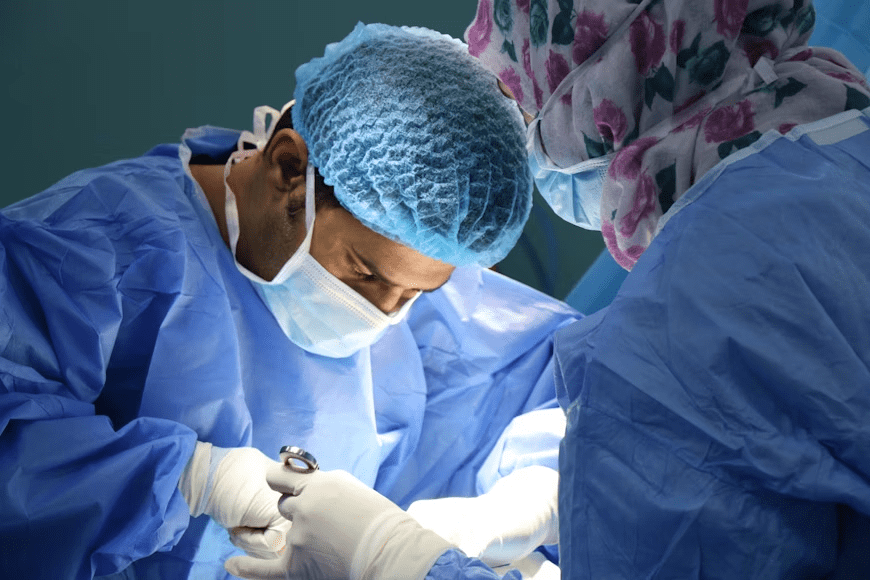
Every year, over 1.5 million people worldwide get diagnosed with blood cancers and disorders. These conditions often need a bone marrow transplant. Thanks to medical progress, stem cell transplantation is now a hope for many patients and their families.
These changes are key to the stem cell transplant process. Knowing how long this process takes is important for patients to understand their treatment journey.
Key Takeaways
- The stem cell transplant timeline varies depending on individual patient needs.
- Recent advancements in stem cell transplantation have improved patient outcomes.
- Understanding the bone marrow transplant procedure is essential for patients and their families.
- The duration of a bone marrow transplant can vary based on several factors.
- Staying informed about the stem cell transplant process can help manage expectations.
Understanding Bone Marrow and Stem Cell Transplants
It’s important to understand bone marrow and stem cell transplants if you’re thinking about them. These treatments are used for serious diseases. They are complex medical procedures.
What is a Stem Cell Transplant?
A stem cell transplant replaces bad stem cells with good ones. It’s for cancers, blood disorders, or diseases that harm the bone marrow. The aim is to make the bone marrow healthy again, so it can make normal blood cells.
Types of Bone Marrow Transplants
There are autologous and allogeneic bone marrow transplants. An autologous transplant uses your own stem cells. They are collected, stored, and then put back in after treatment. An allogeneic transplant uses stem cells from someone else, like a family member or a stranger. The choice depends on your health, if a donor is available, and other factors.
Conditions Treated with Stem Cell Transplantation
Stem cell transplantation helps with many conditions. It treats some leukemia, lymphoma, and blood disorders. It’s also for some autoimmune diseases and genetic disorders. The choice to get a stem cell transplant depends on your disease’s severity, your health, and the procedure’s benefits and risks.
Pre-Transplant Evaluation and Planning
A successful stem cell transplant needs careful planning before it starts. This early stage is key to checking if the transplant is right for the patient. It makes sure everything is done to help the transplant succeed.
Initial Consultation and Testing
The first step is an initial consultation with the transplant team. They look at the patient’s medical history and do tests to check their health. These tests include blood work and imaging studies.
Comprehensive testing is important to find any problems that could affect the transplant. This detailed check helps the team create a treatment plan that fits the patient’s needs.
Finding a Suitable Donor
Finding the right donor is a big part of the pre-transplant process. The donor could be a family member, a relative, or someone unrelated. They test donors to see if they match the patient.
HLA Matching Process
The HLA matching process is key to finding a good donor. HLA typing matches the patient’s and the donor’s immune systems. A good match lowers the risk of complications and helps the transplant succeed.
Creating a Treatment Timeline
After finding a donor, the team makes a detailed treatment timeline. This plan outlines the transplant stages, from the conditioning regimen to post-transplant care. It helps the patient know what to expect.
The timeline changes as the patient’s condition does. It keeps everyone working together towards the transplant goal.
The Complete Stem Cell Transplant Process
Understanding the stem cell transplant process is key for patients. It involves several stages, from the start to long-term recovery.
Overview of the Entire Procedure
The process starts with checking if the patient is ready for the transplant. Then, a conditioning regimen prepares the body for the transplant.
Conditioning is a key step. It uses chemotherapy and/or radiation to kill cancer cells and weaken the immune system.
Key Milestones and Timeframes
There are important milestones in the stem cell transplant journey. These include:
- Pre-transplant evaluation: Initial testing to see if the patient is a good candidate for the transplant.
- Donor selection: Finding a donor, related or unrelated, based on HLA matching.
- Stem cell harvesting: Collecting stem cells from the donor, either through bone marrow or peripheral blood.
- Transplant day: The day the stem cells are given to the patient.
Factors That Affect Transplant Duration
Several factors can change how long the transplant takes. These include:
- Patient’s overall health: Pre-existing health conditions can affect the transplant time.
- Type of transplant: Autologous (self-donor) or allogenic (donor) transplants have different times.
- Telomere length: Research shows telomere biology can impact transplant outcomes.
Average Total Time from Start to Finish
The total time for a stem cell transplant varies a lot. The transplant itself might take a few hours. But the whole process, including preparation and recovery, can take months to a year or more.
Recovery is a slow process. It involves checking blood counts, managing complications, and getting the immune system back.
Preparation Phase: 1-2 Weeks Before Transplant
In the 1-2 weeks before a marrow transplant, patients must complete important steps. This time is key to making sure they are ready for the transplant.
Central Venous Catheter Placement
One major step is getting a central venous catheter. This catheter is used for giving medicines and blood products. It’s placed in a vein in the chest, under local anesthesia or sedation.
Pre-Transplant Testing
Patients get pre-transplant testing to check their health. These tests include blood work, imaging, and heart checks. They help the team plan the best treatment for the patient.
- Blood tests to check for infections and assess organ function
- Imaging tests, such as X-rays or CT scans, are used to evaluate the condition of vital organs
- Cardiac evaluations to assess heart health
Hospital Admission Process
The hospital admission process starts a day or two before the transplant. Patients finish any last steps, like paperwork and meeting the team. They also get settled in their room.
Mental and Physical Preparation
Mental and physical preparation are key during this time. Patients should stay positive, drink plenty of water, and eat well. Support from loved ones or counseling helps with stress and anxiety.
By focusing on these areas, patients can prepare well for the transplant. This helps ensure a better outcome.
Conditioning Regimen: 5-10 Days
A conditioning regimen lasts 5 to 10 days. It’s a key step before stem cell transplantation. It aims to kill cancer cells and lower the immune response. This makes the body ready for the transplant.
Purpose of Conditioning
The main goal of conditioning is to get rid of cancer cells. It also weakens the immune system. This helps prevent transplant rejection and makes room for new stem cells.
Types of Conditioning Treatments
There are different conditioning treatments. They can be chemotherapy, radiation, or both. The choice depends on the cancer type, the patient’s health, and the transplant plan.
| Treatment Type | Description | Duration |
| Chemotherapy | High-dose chemotherapy to eradicate cancer cells | Several days |
| Radiation Therapy | Total body irradiation to kill cancer cells and suppress the immune system | 1-2 days |
| Combination Therapy | A combination of chemotherapy and radiation therapy for enhanced effectiveness | Varies |
Side Effects During Conditioning
Side effects during conditioning include nausea, fatigue, hair loss, and more infections. These are managed with supportive care.
Monitoring During This Phase
Monitoring is key during conditioning. It helps manage side effects and check treatment success. Blood tests and clinical checks are done to keep the patient safe and ensure transplant success.
Stem Cell Harvesting: The Donor Experience
Stem cell harvesting is key in stem cell transplants. It can be done through bone marrow or peripheral blood stem cell collection. Knowing what donors go through is important.
Bone Marrow Harvesting Procedure
Bone marrow harvesting takes marrow from the hip bone. It’s done under general or regional anesthesia. The whole process takes a few hours, and the donor is watched closely.
The marrow is then processed to get stem cells. These cells are used for the transplant.
Donors might feel some pain or discomfort after. This is usually managed with pain meds. Most can get back to normal in a few days to a week.
Peripheral Blood Stem Cell Collection
Peripheral blood stem cell collection is non-surgical. It collects stem cells from the blood. The donor gets medicine to boost stem cells, then their blood is drawn and processed.
This process can take hours and might need multiple sessions.
This method is less invasive than bone marrow harvesting. Donors usually recover faster.
Is Stem Cell Donation Painful?
Donors might feel some discomfort during harvesting. But this is usually short-term. Bone marrow harvesting can cause pain afterward, but it’s manageable with meds.
Peripheral blood stem cell collection can lead to fatigue and some discomfort. This is due to the medication used to mobilize stem cells.
“The pain associated with stem cell donation is generally short-term, and donors are closely monitored to ensure their comfort and safety throughout the process.”
Donor Recovery Timeline
Recovery time varies by method. Bone marrow donors usually take a few weeks to recover. Full recovery can take longer.
Peripheral blood stem cell donors might have side effects from the mobilization medication. These usually go away in a week.
Donors are closely monitored after the procedure. Medical professionals help ensure a smooth and safe recovery.
The Day of Stem Cell Transplant
The stem cell transplant day is a big moment after weeks of getting ready. It’s a key part of the treatment for those getting stem cell transplants.
What Happens on Transplant Day
On transplant day, the medical team gets the patient ready for the stem cell infusion. They connect the patient to an IV line for the stem cells. This step is like getting a blood transfusion.
How Stem Cells Are Administered
The stem cells go into the patient’s blood through a special catheter. It’s like getting a blood transfusion. This happens in a safe place to watch for any bad reactions.
Duration of the Infusion Process
The time it takes for the stem cell infusion varies. It can be anywhere from 30 minutes to several hours. This depends on how many stem cells are given and the patient’s health.
Immediate Post-Transplant Monitoring
Right after the infusion, the patient is watched closely for any problems. This watching can last for hours or days, based on the patient’s health and treatment plan.
The stem cell transplant process is detailed and tailored to each person. Knowing what to expect on transplant day can ease some worries for patients and their families.
The Critical Engraftment Period: 2-4 Weeks
The engraftment period is when the new stem cells start making blood cells. This is a big step in getting better. It shows if the transplant worked and if the bone marrow is working properly.
What is Engraftment?
Engraftment is when the new stem cells grow and make blood cells in the bone marrow. It’s a key part of getting better after a stem cell transplant. It means the body is making blood cells again.
Key indicators of engraftment are when white blood cell, red blood cell, and platelet counts go up. Checking these counts is important to see how engraftment is going.
Monitoring Blood Counts
Checking blood counts is very important during engraftment. Doctors do blood tests often to see how different blood cells are doing. These tests help doctors:
- See how engraftment is going
- Find problems early
- Change treatment plans if needed
Regular monitoring helps catch problems early. This makes sure patients get the best care possible.
Common Complications During Engraftment
Even though engraftment is good, problems can happen. Some common issues are:
- Infections due to low white blood cells
- Bleeding problems from low platelets
- Graft-versus-host disease (GVHD), where new immune cells attack the body
Knowing about these problems and watching the patient closely can help avoid them. This makes recovery smoother.
Early Recovery Phase: First 100 Days
The early recovery after a stem cell transplant is very important. It’s a time when patients are at risk for infections and other problems. It’s key to have a good plan for recovery.
Critical Milestones
The first 100 days after a transplant are filled with important moments. Doctors watch these closely. They include:
- Engraftment, where the new stem cells start making blood cells
- When blood counts get back to safe levels
- Staying free from big infections or GVHD
These signs show the transplant is going well and the patient is getting better.
Infection Prevention Protocols
Stopping infections is a big focus early on. Patients are told to stick to strict rules. These include:
- Staying away from sick people
- Wearing masks in crowded places or when with others
- Keeping clean, like washing hands a lot
- Taking antibiotics as their doctor says
Following these steps helps a lot in avoiding infections.
Medication Regimens
Patients get a list of medicines early on. These include:
- Medicines to stop GVHD
- Antibiotics to fight off infections
- Medicines to stop viruses from coming back
It’s very important to take these medicines as told. This helps the recovery go smoothly.
Follow-up Appointments and Testing
Regular check-ups and tests are key in the early recovery. These visits help doctors see how the patient is doing. They can change treatment plans or fix problems fast.
Knowing what’s important in the early recovery helps patients get through it better. It can also lead to better results.
Long-Term Recovery: 3 Months to 2 Years
Recovering from a stem cell transplant takes time, from three months to two years. Patients go through big changes in their bodies and immune systems.
Immune System Reconstitution Timeline
Getting the immune system back is key. It takes time for T cells and B cells to recover. These cells help fight off infections.
- It can take a year or more for the immune system to fully recover.
- Patients often take medicines to prevent infections.
- Checking blood counts regularly is important to see how the immune system is doing.
Managing Graft-Versus-Host Disease
Graft-versus-host disease (GVHD) is a serious issue after a stem cell transplant. It happens when the donated stem cells attack the body.
Symptoms of GVHD include skin rash, liver problems, and stomach issues. To manage GVHD, doctors use:
- Medicines to calm down the immune system.
- Regular check-ups to watch the condition.
- Changes in lifestyle to lower the risk of problems.
Returning to Normal Activities
As patients get better, they can start doing normal things again. But they should listen to their doctor first.
Important things to remember include:
- Avoid heavy lifting or bending.
- Start with small amounts of physical activity.
- Go back to work or school when the doctor says it’s okay.
Long-term Follow-up Care
Keeping up with long-term care is vital. It helps watch over the patient’s health and manage any transplant side effects.
This includes:
- Regular visits with the transplant team.
- Watching for signs of relapse or complications.
- Handling any long-term side effects of the transplant.
Stem Cell Transplant Success Rates and Outcomes
Success rates for stem cell transplants vary a lot. It’s important for patients and doctors to know what affects these rates.
Factors Affecting Success Rates
Many things can change how well a stem cell transplant works. These include the disease being treated, the patient’s health, and how well the donor’s cells match the patient’s.
- Condition Being Treated: Success rates change a lot based on the disease. This is true for both cancer and non-cancer conditions.
- Patient’s Health: People who are healthier before the transplant tend to do better.
- Donor Compatibility: How well the donor’s cells match the patient’s is very important for success.
Survival Statistics by Condition
Survival rates after a stem cell transplant differ by disease. For example, some cancers may have better survival rates than others.
| Condition | 1-Year Survival Rate | 5-Year Survival Rate |
| Acute Myeloid Leukemia | 60% | 40% |
| Multiple Myeloma | 70% | 50% |
| Lymphoma | 65% | 45% |
“The success of stem cell transplantation is multifactorial, depending on both patient-related factors and the specific characteristics of the disease being treated.”
Quality of Life After Transplant
Life after a stem cell transplant can be different for everyone. Some may fully recover, while others face ongoing challenges.
- Physical Recovery: It can take months to a year or more to get back to normal physically.
- Emotional Well-being: It’s important to have psychological support during this time.
Signs of Transplant Failure
It’s key to know the signs of transplant failure early. Look out for a drop in blood counts, disease coming back, and graft-versus-host disease (GVHD).
Regular check-ups and care after the transplant are vital. They help catch and treat any problems quickly.
Conclusion: The Journey Through Stem Cell Transplantation
The journey of stem cell transplantation is complex and involves many stages. From preparation to long-term recovery, it’s a challenging path. Knowing the timeline is key for patients and their families.
We’ve looked at the different parts of stem cell transplantation. This includes the pre-transplant check, the conditioning regimen, and harvesting stem cells. We also talked about the engraftment period, early recovery, and long-term recovery. We highlighted important milestones and possible complications.
Patients going through stem cell transplantation need to know the risks and benefits. Understanding the process helps them prepare for what’s ahead.
The journey of stem cell transplantation needs careful planning and support. We aim to give patients and their families the knowledge to face this complex treatment.
FAQ
What is a stem cell transplant?
A stem cell transplant replaces damaged or diseased stem cells with healthy ones. This can be from the patient or a donor.
How are stem cells harvested?
Stem cells are taken from bone marrow or blood. First, stem cells are released into the blood. Then, they are collected through apheresis or bone marrow harvesting.
Is stem cell donation painful?
Stem cell donation is generally safe, though some donors may experience temporary pain or discomfort. This is usually managed with medicine.
How long does a stem cell transplant take?
The time for a stem cell transplant varies. It depends on the transplant type, the patient’s health, and donor availability. It can take weeks to months.
What is the conditioning regimen in a stem cell transplant?
The conditioning regimen prepares the body for new stem cells. It uses chemotherapy and/or radiation to kill existing stem cells.
What are the possible side effects of the conditioning regimen?
The conditioning regimen can cause side effects. These include nausea, fatigue, hair loss, and increased infection risk. These are managed with medicine and care.
What is engraftment, and how long does it take?
Engraftment is when new stem cells start making blood cells. It usually takes 2-4 weeks after the transplant.
What are the signs of transplant failure?
Signs of transplant failure include no engraftment, graft rejection, or disease relapse. These are checked with blood tests and monitoring.
How long does it take to recover from a stem cell transplant?
Recovery time varies. It depends on the transplant type and the patient’s health. It can take months to a year or more.
What is graft-versus-host disease, and how is it managed?
Graft-versus-host disease occurs when donor immune cells attack the patient’s tissues. It’s managed with impressiveness medication.
Can I return to normal activities after a stem cell transplant?
Yes, most patients can go back to normal activities after a transplant. The time varies based on health and complications.
How often are follow-up appointments needed after a stem cell transplant?
Follow-up appointments are often needed after a transplant. They check progress, detect complications, and adjust treatment as needed.
What is the success rate of stem cell transplants?
The success rate of stem cell transplants varies. It depends on the transplant type, the patient’s condition, and donor availability. It has improved with medical advances and care.
Reference
National Cancer Institute. (2022). Bone marrow and stem cell transplants. Retrieved from https://www.cancer.gov/about-cancer/treatment/types/stem-cell-transplant
Wang, Y., Li, P., Xu, M., & Yang, B. (2023). Stem cell transplantation for hematopoietic diseases: Current status and future perspectives. Stem Cell Research & Therapy, 14(1), 1-15. https://doi.org/10.1186/s13287-023-03487-w