Last Updated on December 1, 2025 by Bilal Hasdemir
Every year, 8 million nuclear stress tests are done in the U.S. They help diagnose and manage heart disease. how long does a nuclear stress test take makes them key for checking how well the heart works under stress.
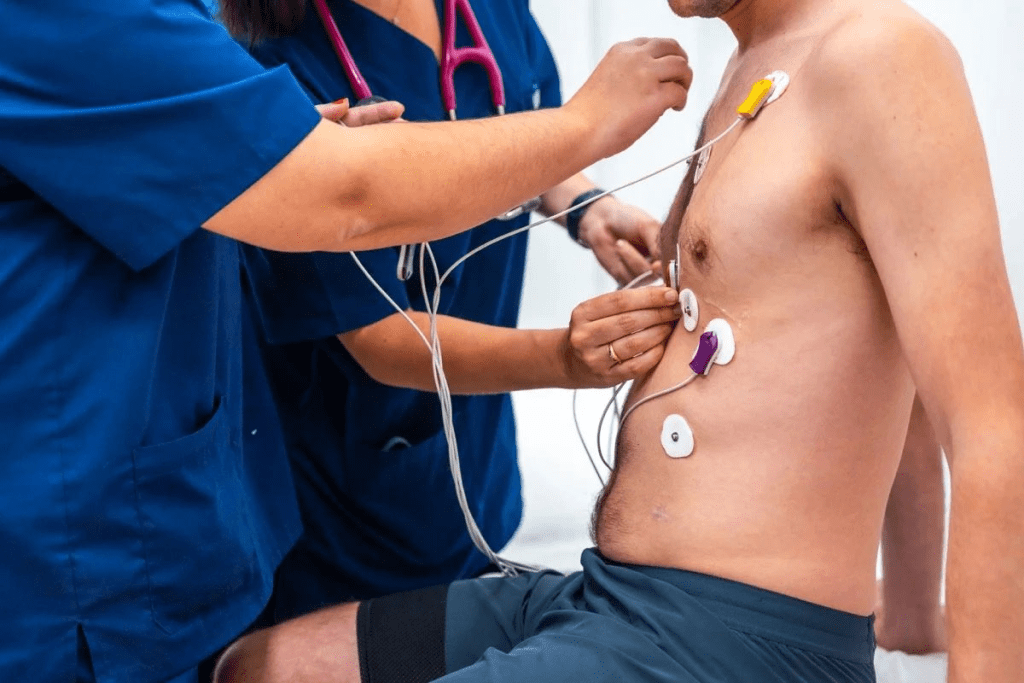
A nuclear stress test is a detailed test that checks the heart’s function when it’s stressed. This stress can come from exercise or medicine. A small amount of radioactive material is injected into the blood. This material builds up in the heart muscle, letting a special camera take clear images of it.
This test is crucial for detecting coronary artery disease, assessing heart attack risk, and evaluating the effectiveness of treatments. Knowing what to expect can make you feel less anxious and make the test go smoothly.
Key Takeaways
- The nuclear stress test is a diagnostic tool used to assess heart function under stress.
- The test involves injecting radioactive material and using a special camera to image the heart.
- It is vital for diagnosing coronary artery disease and assessing heart attack risk.
- The procedure includes preparation, the test itself, and recovery.
- Understanding the process can help alleviate anxiety.
What Is a Nuclear Stress Test?
A nuclear stress test is a non-invasive test that checks the heart’s blood flow and function. It helps doctors diagnose and manage heart conditions.
Definition and Basic Procedure
This test has two parts: resting and stress phases. In the stress phase, the patient walks on a treadmill or takes medicine to raise their heart rate. A radioactive tracer is then injected into the blood. This lets a special camera take pictures of the heart.
The test shows how well the heart works under stress. It’s a key tool for doctors to understand heart health.
Why Doctors Order Nuclear Stress Tests
Doctors use nuclear stress tests to find coronary artery disease and check heart attack risk. They also see how well treatments work. The test gives doctors important info about the heart’s blood flow.
It helps spot areas of the heart that don’t get enough blood during stress. This can mean blockages or other heart problems. With this info, doctors can create the best treatment plans for patients.
Preparing for Your Nuclear Stress Test

Knowing how to prepare for a nuclear stress test is key for patients. Good preparation makes the test more accurate and safer. It helps avoid any problems during the test.
Dietary Restrictions
Before a nuclear stress test, patients must follow certain dietary restrictions. They should avoid caffeine for 24 to 48 hours. This is because caffeine can change heart rate and affect the test results.
Patients might also need to fast for a few hours or eat a specific diet. Their healthcare provider will give them these instructions.
Medication Adjustments Before Testing
Telling your doctor about any medications you’re taking is very important. Some medicines can change how the test works. Doctors might ask you to change your medicine schedule before the test.
This could mean stopping or lowering the dose of certain medicines. These medicines usually affect heart rate or blood pressure.
What to Wear to Your Nuclear Stress Test
Wear comfortable clothes and shoes for the test, if you’ll be exercising. Choose clothes that let you move easily and are comfy while you’re active. It’s also good to leave off any jewelry or accessories that might get in the way of the test equipment.
By following these tips, patients can make their nuclear stress test go smoothly. Always listen to what your healthcare provider or the testing place tells you to do.
Step-by-Step Nuclear Stress Test Procedure

Learning about the nuclear stress test can ease worries for those about to have it. It’s a detailed process to get clear info on the heart’s health.
Initial Assessment and IV Placement
The first step is an initial assessment to check if the test is right for you. This includes looking at your medical history and current symptoms. Then, an IV line is placed in your arm for the test.
Radiotracer Injection Process
With the IV ready, the next step is the radiotracer injection process. A tiny amount of radioactive material is given through the IV. This material helps the camera see the heart’s function and blood flow.
The Stress Portion of the Test
The test’s stress part can be done two ways. Either through exercise on a treadmill or with medicine to raise the heart rate. The aim is to see how the heart reacts under stress. If you can exercise, walking on a treadmill is used. If not, medicine simulates exercise effects.
| Step | Description | Purpose |
| Initial Assessment | Review of medical history and current symptoms | Determine suitability for the test |
| IV Placement | Insertion of IV line for radiotracer and medication administration | Enable administration of necessary substances during the test |
| Radiotracer Injection | Injection of radioactive material into the bloodstream | Allow imaging of the heart’s function and blood flow |
| Stress Portion | Exercise on a treadmill or pharmacological stress | Stress the heart and observe its response |
How Long Does a Nuclear Stress Test Take?
Knowing how long a nuclear stress test takes is key for getting ready. The time needed can change based on a few things. These include the test’s protocol and the patient’s health.
Total Duration Breakdown
A nuclear stress test has several steps. Each step adds to the total time. The test can be done in one day or over two days, depending on the plan.
- Preparation Time: Patients arrive about an hour early to get ready.
- Resting Phase: First, a radiotracer is injected, and resting images are taken.
- Stress Phase: Then, more images are taken after the stress test.
The whole process, from start to finish, can take hours. For a one-day test, it usually takes 3 to 4 hours. There’s a break between the resting and stress phases.
One-Day vs. Two-Day Protocols
Choosing between a one-day or two-day test depends on several things. These include the patient’s health and the test’s needs.
| Protocol | Duration | Description |
| One-Day | 3-4 hours | Both resting and stress tests are done on the same day. |
| Two-Day | 2 separate days | Resting and stress tests are done on different days. |
Factors That May Extend Testing Time
Several things can affect how long a nuclear stress test takes. These include:
- Patient’s Health Condition: Some health issues may need more time for the test.
- Radiotracer Injection: How long it takes for the radiotracer to be absorbed can vary.
- Technical Issues: Any problems with the imaging equipment can delay the test.
Knowing these factors helps patients and doctors plan better. It’s important to follow the healthcare team’s instructions closely. This ensures the test goes smoothly.
Types of Nuclear Stress Tests
Nuclear stress tests fall into two main types: exercise and pharmacological stress tests. The choice depends on the patient’s ability to exercise and other factors.
Exercise Nuclear Stress Test with Treadmill
An exercise nuclear stress test uses physical activity, like walking on a treadmill, to raise the heart rate. It’s done in a controlled setting where heart rate and blood pressure are watched. This test is best for those who can exercise well, as it shows how the heart works under stress.
The test starts with walking on a treadmill that gets faster and steeper. The patient’s ECG is watched during the test. After the heart rate is high enough, a radiotracer is given to take heart images.
Pharmacological (Chemical) Stress Testing
Pharmacological stress testing, or chemical stress testing, is for those who can’t exercise due to health issues. It uses medicine to make the heart work like it would during exercise.
In this test, a medication is given through an IV to make blood flow to the heart like exercise does. Then, a radiotracer is injected, and heart images are taken. This test is great for those who can’t do an exercise stress test.
Both tests give important info about the heart’s function. They help find coronary artery disease and other heart issues. The right test depends on the patient’s health and if they can exercise.
Nuclear Stress Test Without Exercise
Nuclear stress tests don’t always need you to exercise. Some tests use medicine to mimic exercise. This is great for people who can’t exercise because of health or mobility problems.
Medications Used for Chemical Stress
In a pharmacological stress test, certain medicines are used. They make your heart rate go up like exercise does. The main medicines are:
- Adenosine: It makes blood vessels wider and increases blood flow to the heart.
- Regadenoson: It works like adenosine, checking how well blood flows to the heart.
- Dobutamine: It boosts your heart rate and how well it contracts, like exercise does.
These medicines are given through an IV. Doctors watch their effects closely during the test.
Who Qualifies for Non-Exercise Testing
People who can’t exercise qualify for non-exercise tests. This includes those with:
- Severe arthritis or joint pain
- Mobility issues from neurological conditions
- Recent injuries or surgeries that limit activity
- Other health issues that make exercise unsafe or hard
Knowing who qualifies helps doctors and patients choose the best test for heart problems.
The Imaging Process During Nuclear Stress Tests
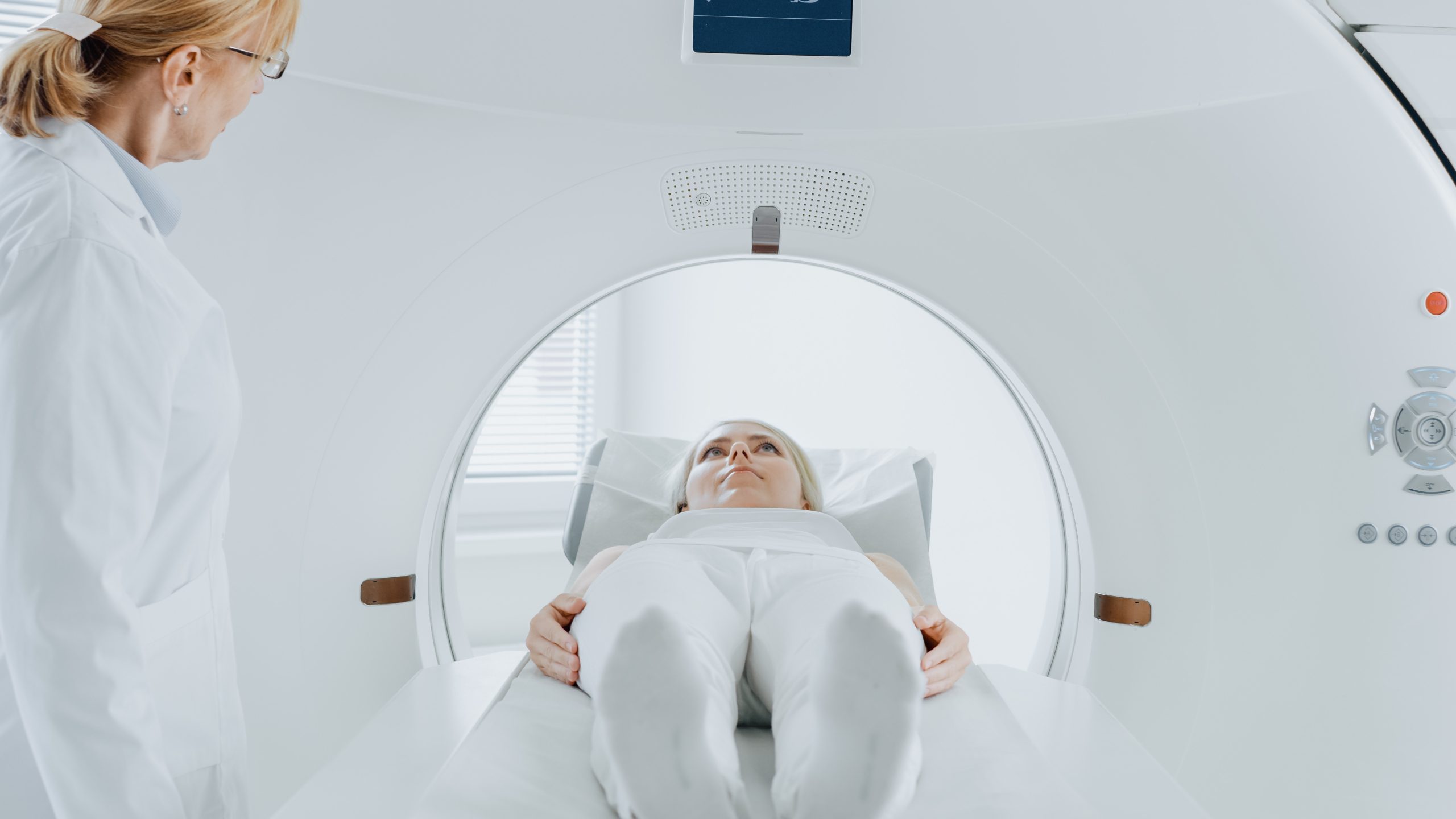
The nuclear stress test imaging process is key in diagnosing heart issues. It uses a special camera to see how the heart muscle takes up a radioactive tracer. This gives insights into how well the heart is working.
How the Imaging Process Works
First, a radioactive tracer is injected into the patient’s blood. Then, it builds up in the heart muscle. This lets the nuclear camera take detailed pictures of the heart.
How the Nuclear Camera Works
The nuclear camera, or gamma camera, picks up gamma rays from the tracer. It moves around the patient’s chest. This way, it gets pictures of the heart from different sides.
Patient Positioning and Comfort During Imaging
Patients lie on a table for the imaging. The camera goes around them. It’s important to keep patients comfortable to get clear images.
They’re asked to stay very quiet and hold their breath for a bit. The person running the camera helps them know what to do and how to stay calm.
What to Expect After Your Nuclear Stress Test
Knowing what happens after a nuclear stress test can make you feel better. Your healthcare team will guide you on what to do next.
Immediate Post-Test Recovery
Right after the test, you’ll be watched for a bit to make sure you’re okay. This is to catch any bad reactions to the test. You might sit in a recovery area where they can check your health.
Key aspects of immediate post-test recovery include:
- Monitoring of vital signs to ensure stability
- Observation for any signs of adverse reactions to the radiotracer
- Guidance on how to help your body recover, such as drinking plenty of water
It’s important to listen to your healthcare team’s advice for a quick recovery. Drinking lots of water helps get rid of the radioactive tracer.
Activity Restrictions Following the Test
Your doctor might tell you to avoid certain activities after the test. These rules help keep you safe and make sure the test works right. The rules can change based on your health and the test details, but here are some common ones:
- Avoiding strenuous activities for a specified period
- Not engaging in heavy lifting or bending
- Following any specific dietary advice provided by your healthcare team
It’s very important to follow these rules to stay safe and get the best results from the test.
By following the post-test advice, you can have a safe and easy recovery. If you have any worries or questions, always talk to your healthcare provider.
Understanding Nuclear Stress Test Results
The results of a nuclear stress test give us important information about your heart. They help us see how well your heart is working and how blood flows. These details are key for diagnosing and treating heart problems.
Normal vs. Abnormal Results
Nuclear stress test results are usually either normal or abnormal. Normal results mean your heart is working well, with no big problems in blood flow. But, abnormal results might show issues like coronary artery disease, where blood flow to the heart is blocked.
Abnormal results can show up in different ways. For example:
- Reduced blood flow to certain heart muscle areas
- Scar tissue from past heart attacks
- Problems with the heart’s pumping ability
How Doctors Interpret the Images
Doctors need special skills to understand nuclear stress test results. Cardiologists or nuclear medicine specialists usually do this. They look at the images from the test for any heart function or blood flow problems.
| Result Category | Description | Implications |
| Normal | No significant issues detected | No immediate action required; continue with preventive care |
| Abnormal | Issues such as reduced blood flow or scar tissue detected | May require further testing, medication, or procedures like angioplasty |
It’s very important to understand your nuclear stress test results. Your doctor will talk to you about what they mean. They will also tell you what steps you need to take next for your heart health.
Potential Risks and Side Effects
It’s important for patients to know about the risks and side effects of a nuclear stress test. This knowledge helps them make better choices about their health care. Even though the test is usually safe, there are things to watch out for.
Common Side Effects and Discomfort
Some people might feel discomfort or side effects during or after the test. These can include:
- Allergic reactions to the radiotracer
- Changes in heart rate or blood pressure
- Dizziness or lightheadedness
- Discomfort from the IV placement
Most of these side effects are mild and go away quickly after the test is over.
Radiation Exposure Considerations
The test uses a small amount of radiation from the radiotracer. Even though the dose is safe, it’s good to know about radiation risks.
| Radiation Exposure Comparison | Effective Dose (mSv) |
| Nuclear Stress Test | 9-12 |
| Average Annual Background Radiation | 3 |
| Chest X-ray | 0.1 |
The test’s radiation level is similar to or a bit more than some other imaging tests. But, the test’s benefits often outweigh the risks for those with heart issues.
Patients should talk to their doctor about their personal risks and any worries before the test.
Cost and Insurance Coverage
The cost of a nuclear stress test can vary a lot. This depends on where you are, the facility, and your insurance. It’s important to know these costs and how insurance helps to plan for the test.
Average Cost Range
The price of a nuclear stress test can be anywhere from a few hundred to several thousand dollars. This wide range comes from different factors like:
- The type of facility where the test is done (hospital, diagnostic center, etc.)
- Where you are, with costs changing by region
- The specific protocols needed for the test
- If you need any extra tests or procedures
On average, you might pay between $1,000 to $3,000 for a nuclear stress test. But, costs can be more or less depending on your situation.
Insurance Coverage and Requirements
Insurance for nuclear stress tests varies by provider and policy. Most plans cover these tests when a doctor says they’re needed. But, how much they cover can be different:
- Some plans might cover the whole cost of the test.
- Others might ask for copays or coinsurance.
- You might need pre-authorization for some plans.
Patients should check with their insurance provider to see how much they’ll cover and any costs they’ll have to pay. Knowing about insurance can help avoid surprise medical bills.
Understanding the cost and insurance for nuclear stress tests helps patients manage their healthcare expenses. It lets them make better choices about their care.
Special Considerations and Accommodations
If you’re worried about claustrophobia during a nuclear stress test, there are ways to make it easier. Talking to your doctor about your concerns before the test is a good first step. This way, you can get the help you need.
Managing Claustrophobia During Testing
Doctors might give you medicine to help you relax during the test. The medical team can also offer support and reassurance. This can help a lot with your anxiety.
Strategies for managing claustrophobia include:
- Pre-test counseling to address concerns
- Relaxation techniques, such as deep breathing
- Medication to reduce anxiety
Modifications for Patients with Physical Limitations
If you have physical limitations, there are ways to adjust the test. For example, a pharmacological stress test might be used instead of a treadmill test. This is easier for people who can’t move as much.
Your doctor will work with you to find the best test. Adjustments can include using a chair or changing the exercise to fit your needs.
Conclusion
A nuclear stress test is a key tool for checking the heart’s health. It shows how the heart works when it’s under stress. Knowing what happens during and after the test helps patients feel more at ease.
This guide has covered everything you need to know about nuclear stress tests. It’s important to be informed to reduce stress and have a better experience. Being prepared is the first step to a successful test.
During the test, your heart health will be thoroughly checked. This includes using special tracers and imaging technology. By following the prep steps and knowing what to expect, you can feel more ready for your test.
In short, a nuclear stress test is a vital tool for doctors to check the heart. Understanding the process helps patients take care of their heart health. It’s a step towards better heart health.
FAQ
What is a nuclear stress test?
A nuclear stress test checks how well your heart works when it’s under stress. This stress can come from exercise or medicine.
What are the different types of nuclear stress tests?
There are two main types. One is the exercise test, where you walk on a treadmill. The other is pharmacological testing, where you take medicine to increase your heart rate.
How do I prepare for a nuclear stress test?
Avoid caffeine and certain medicines 24 to 48 hours before. Wear comfy clothes and shoes. You might need to fast for a few hours.
What happens during a nuclear stress test?
First, you’ll get an initial check-up and an IV. Then, you’ll get a radiotracer injection. The stress part might involve walking on a treadmill or taking medicine.
What is the imaging process during a nuclear stress test?
A special camera captures images of your heart. It uses the radioactive tracer to see how your heart muscle is working.
What are the possible risks and side effects of a nuclear stress test?
You might feel uncomfortable or have an allergic reaction. There’s also a small risk of radiation exposure. Changes in heart rate can happen too.
How much does a nuclear stress test cost?
Costs vary a lot. It depends on where you get the test, the facility, and your insurance. Prices can range from hundreds to thousands of dollars.
Are there any special considerations or accommodations for patients with claustrophobia or physical limitations?
Yes. If you have claustrophobia, you might get medicine to relax. People with physical issues might need a different test, like a pharmacological stress test.
Can I eat or drink before a nuclear stress test?
You might need to fast or follow a special diet. Avoid caffeine for 24 to 48 hours before.
How are nuclear stress test results interpreted?
The test shows how well your heart is working. Normal results mean your heart is fine. Abnormal results might show heart disease.
What should I expect after a nuclear stress test?
You’ll be watched for a bit after the test. Drink lots of water to get rid of the tracer. You might need to rest for a while.
References
- StatPearls [Internet]. (2025, July 6). Nuclear medicine stress test. National Center for Biotechnology Information. https://www.ncbi.nlm.nih.gov/books/NBK557682/