Last Updated on November 26, 2025 by Bilal Hasdemir

Chronic back pain can really hold you back. But, spinal injections might just be the answer. At Liv Hospital, we know how key it is to manage pain well. An epidural steroid injection is often used for those with long-term back pain or nerve problems. How long does a spinal injection last for back pain? Get the key facts on the duration of relief and what to expect from the shot.
These injections help by cutting down inflammation in the spine and nearby areas. How long the relief lasts can vary. Some people feel better right away, while others enjoy weeks or months without pain. We’ll look into what affects how long a spinal injection works and what you can expect from it.
Key Takeaways
- Epidural steroid injections are a common treatment for chronic back pain.
- The duration of relief varies from patient to patient.
- Factors influencing the duration of spinal injection effectiveness will be discussed.
- We will provide an overview of what to expect from spinal injection treatment.
- Liv Hospital is committed to evidence-based, patient-centered care.
Understanding Spinal Injections for Back Pain

Spinal injections are a key treatment for chronic back pain. They aim to target and relieve pain at its source.
What Are Spinal Injections?
Spinal injections put medication into the spinal area to fight inflammation and pain. Epidural steroid injections are common. They put a strong anti-inflammatory into the space around the spinal cord.
This method cuts down inflammation and pressure on nerves. It helps those with chronic back pain find relief.
Common Types of Spinal Injections
There are many types of spinal injections, each for a specific use:
- Epidural Steroid Injections: Treat inflammation around spinal nerves.
- Facet Joint Injections: Target inflamed and painful facet joints.
- Nerve Root Blocks: Inject medication around specific nerves to ease pain.
How They Work to Relieve Pain
Spinal injections deliver medication right to the pain spot. For example, epidural steroid injections lessen inflammation around nerves. This reduces nerve pressure and pain.
The pain relief’s effectiveness and how long it lasts can vary. It depends on the condition, the steroid type, and the patient’s factors.
Types of Spinal Injections and Their Purposes
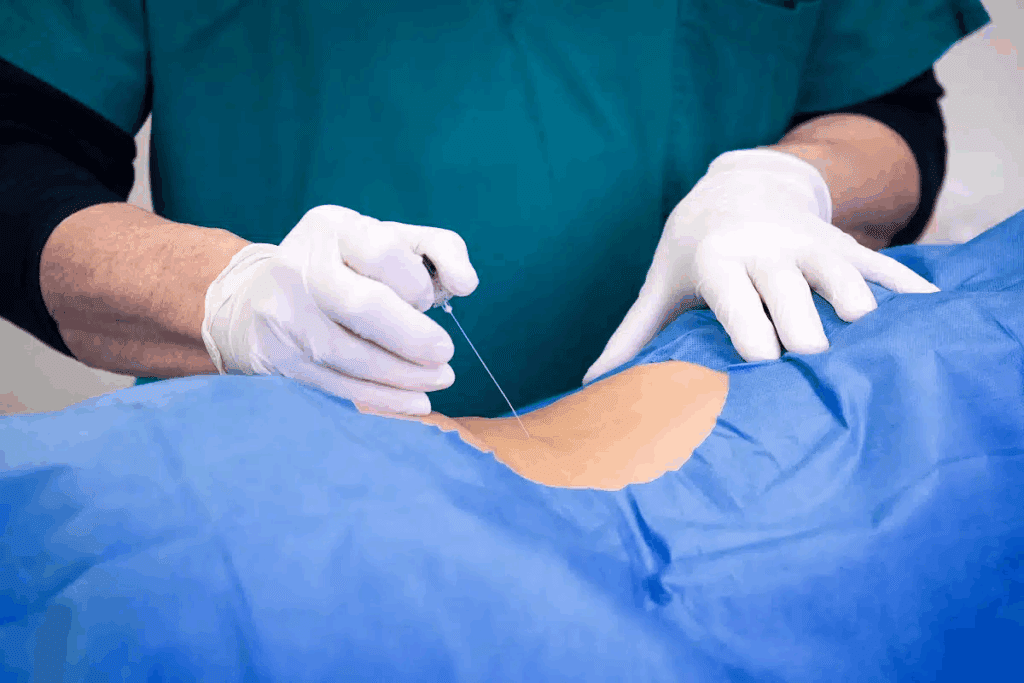
Spinal injections come in many types to tackle different back pain problems. They are key in pain management for many, helping when other treatments fail. Let’s dive into the different spinal injections, their uses, and benefits.
Epidural Steroid Injections
Epidural steroid injections are a common treatment for back pain. They put steroids near the spinal cord to cut down inflammation and ease pain. Epidural injections are often recommended as part of a pain management plan. They work well when other treatments like physical therapy or meds don’t help enough. Relief from these injections can last from a few weeks to 12 months.
Facet Joint Injections
Facet joint injections aim at the small joints between vertebrae. They can be for checking pain sources or for relief by using steroids or anesthetics. These injections are great for those with facet joint syndrome, a common pain cause.
Sacroiliac Joint Injections
Sacroiliac joint injections help with pain from the sacroiliac joints in the pelvis. They inject a local anesthetic or steroid to reduce inflammation and pain. These injections are very helpful for sacroiliac joint dysfunction.
Nerve Root Blocks
Nerve root blocks inject a local anesthetic or steroid around a nerve root to block pain signals. They are precise and can be both for checking and treating pain. These blocks are used for pain from compressed or irritated nerve roots, often from herniated discs or spinal stenosis.
In summary, spinal injections offer many options for back pain management. From epidural steroid injections to nerve root blocks, each has its own use and benefits. Knowing these differences is key to finding the right treatment for each patient.
How Long Does a Spinal Injection Last?
Knowing how long a spinal injection lasts is key for managing your expectations and planning your next steps. The time pain relief lasts can vary a lot among people. Several things can affect how long the relief lasts.
Typical Duration of Pain Relief
The time a spinal injection helps with pain can vary a lot. Acute pain may go away fast because of the anesthetic, but the lasting relief comes from reducing inflammation. Some people may feel better for months, while others might not feel relief for as long.
Timeline from Injection to Maximum Benefit
The time it takes to feel the full effect of a spinal injection can change based on the type of injection and the person getting it. Generally, here’s what you can expect:
- Right away, you might feel relief from the anesthetic.
- Over the next few days, the steroid will start to work and improve things more.
- By 1-2 weeks after the injection, you should feel the best it can get.
Variations in Duration Based on Injection Type
The type of spinal injection you get can really affect how long the pain relief lasts. Different injections work for different lengths of time.
| Injection Type | Typical Duration of Relief |
| Epidural Steroid Injections | Several months |
| Facet Joint Injections | Several weeks to a few months |
| Sacroiliac Joint Injections | Several months |
Knowing these differences helps both patients and doctors plan better. It helps manage what to expect from the pain relief.
Duration of Relief for Specific Injection Types
The time pain relief lasts changes a lot based on the spinal injection type. Spinal injections help with back pain and can be adjusted for each patient. This is done through different injection types.
We’ll look at how long relief lasts for three common injections: lumbar epidural, cervical epidural, and facet joint injections. Knowing these differences helps manage expectations and make informed treatment choices.
How Long Does a Lumbar Epidural Injection Last?
Lumbar epidural steroid injections treat lower back pain and sciatica. More than 50 percent of patients get some pain relief. Relief can last several months.
Some key findings on lumbar epidural injections include:
- Short-term relief: Some patients feel relief for a few weeks.
- Medium-term relief: Many enjoy pain relief for several months.
- Long-term relief: A few patients get relief for up to a year or more.
Duration of Cervical Epidural Injections
Cervical epidural injections treat neck pain, similar to lumbar injections but higher in the spine. Relief from these injections usually lasts weeks to a few months.
How long relief lasts can depend on the condition’s severity and the injection technique.
Longevity of Facet Joint Injections
Facet joint injections target small spine joints causing pain. Relief from these injections can vary, lasting from weeks to months.
Some patients may get longer relief if the injection reduces inflammation and pain. The injection’s success and how long relief lasts depend on the facet joint disease severity and other spinal conditions.
In conclusion, relief duration for spinal injections varies by injection type, condition, and patient factors. Understanding these differences helps patients manage expectations and work with healthcare providers to find effective treatments.
Factors That Influence the Duration of Relief
Knowing what affects how long spinal injections last is key. The time pain relief lasts can differ a lot between people. This depends on several important things.
Underlying Condition and Severity
The condition being treated and its severity matter a lot. For example, injections for chronic conditions like degenerative disc disease may last longer than those for acute injuries.
Condition Severity and Relief Duration
| Condition Severity | Typical Relief Duration |
| Mild | Several weeks to a few months |
| Moderate | A few months |
| Severe | Variable, potentially shorter duration |
Type of Steroid and Medication Used
The type of steroid and medication used in spinal injections greatly affects how long relief lasts. Different steroids work in different ways and for different lengths of time. For example, triamcinolone and methylprednisolone are two common steroids, each with its own effects.
“The choice of steroid can affect not only the duration of relief but also the possible side effects.”
Patient-Specific Factors
Things like overall health, age, and lifestyle can also affect how well spinal injections work. For example, people with diabetes or smokers might have different results because of their health.
Injection Technique and Precision
The way the injection is done and how precise it is can also change how long relief lasts. Getting the medication in the right spot is very important for the best results.
By knowing these factors, doctors can help patients know what to expect. They can also make treatments fit better to each person’s needs.
The Procedure and Immediate Effects
Learning about spinal injections can ease worries and set clear expectations for pain relief. We’ll explain what happens during the procedure, right after, and when you’ll start feeling better.
What to Expect During the Procedure
You’ll lie on your stomach on an X-ray table for a spinal injection. The area gets cleaned and numbed to reduce pain. A needle is guided by X-ray to the right spot, and the medicine is given.
This whole process takes 15 to 30 minutes, based on the type of injection.
Key aspects of the procedure include:
- Positioning on an X-ray table
- Numbing the injection site
- Fluoroscopic guidance for precise needle placement
- Administration of the medication
Immediate Post-Injection Experience
Right after, you might be watched for any quick reactions. Some feel more pain or numbness at the site, while others feel relief. You might also feel sleepy or relaxed, thanks to sedatives. The numbness usually goes away in a few hours.
It’s important to have someone with you and drive you home, as you might not be ready to drive right away.
When Pain Relief Typically Begins
The time it takes for pain relief to start varies. It can be right away for some, or take days for others. Usually, the effects of the steroid start in 2 to 7 days. Your doctor will tell you when to expect relief based on your situation and the injection.
Factors influencing the onset of pain relief include:
- The type of medication used (steroid, local anesthetic, or a combination)
- The specific condition being treated
- Individual patient response to the treatment
Recovery Timeline After a Spinal Injection
After a spinal injection, patients often wonder about their recovery. They want to know how long the relief will last and what side effects they might face. We get it; this time is key for managing your expectations and ensuring a smooth recovery.
First 24-48 Hours After Injection
The first 24-48 hours are very important. Avoid intense exercise or heavy lifting to protect the epidural space and the injection area. You might feel some discomfort or soreness at the injection site, but it should go away in a few days.
“The first 48 hours are key to seeing if the spinal injection worked,” says Dr. John Smith, a top pain management specialist. “Resting well and following your doctor’s instructions can really help your recovery.”
First Week After Injection
In the first week, you might start to feel the effects of the spinal injection. Pain relief can vary; some people see big improvements right away, while others take longer. It’s important to check in with your healthcare provider to see how the injection is working and to talk about any worries.
Long-term Recovery Expectations
How long you recover can depend on the type of spinal injection, your condition, and your own health. Usually, the effects of a spinal injection can last several months, giving you a lot of relief from back pain. We suggest staying healthy with regular exercise and good posture to help your recovery.
Potential Side Effects That May Affect Relief Duration
Spinal injections are usually safe, but side effects can happen. These might include temporary numbness, more pain, or infection. It’s important to watch for and tell your healthcare provider about any unusual symptoms to catch any problems early.
Knowing about possible side effects and how your body reacts to the spinal injection can help you manage your recovery better.
Signs That Your Spinal Injection Is Wearing Off
It’s important for patients to know when their spinal injection is losing its effect. Spotting these signs helps plan the next steps in managing back pain.
Common Symptoms of Returning Pain
When the spinal injection starts to wear off, patients may feel their pain coming back. They might notice:
- Increased pain in the lower back or legs
- Stiffness and reduced mobility
- Numbness or tingling sensations
- Sharp or shooting pains
These symptoms can feel as bad as the pain before the injection.
Gradual vs. Sudden Return of Symptoms
The pain can come back slowly or suddenly. A slow return might mean the injection’s effects are fading. But a sudden return could mean the condition is getting worse.
Gradual Return: Pain that gets worse over time might let you adjust your pain management.
Sudden Return: If pain comes back quickly, you should see a doctor right away.
When to Contact Your Doctor
If you feel more pain or discomfort, call your doctor. You should get medical help if:
- You have severe pain that your current treatment can’t handle.
- You notice big changes in your symptoms, like new numbness or weakness.
- You’re worried about how well the spinal injection is working or have side effects.
Your doctor can tell you what to do next and help manage your back pain.
Multiple Injections and Long-Term Management
For those with chronic back pain, knowing about multiple spinal injections is key. These injections can help manage pain but need careful planning for long-term use.
Safety of Repeated Injections
Many worry about the safety of getting spinal injections more than once. Studies show that, when done by skilled doctors, these injections can be safely repeated. But, how often depends on each person’s situation and how they react to treatment.
While steroid injections are usually safe, using them too much can cause side effects. These might include weight gain, mood swings, or higher blood sugar. It’s important for a doctor to keep an eye on these risks.
Recommended Interval Between Injections
The time between injections changes based on the type and how well it works. Usually, injections are spaced weeks apart to see how well they work. Some might need them every few months.
Experts say to wait at least 6 to 12 weeks between steroid injections. But, this can change based on the patient and the treatment plan.
Complementary Treatments to Extend Relief
To get the most from spinal injections, adding other treatments is often suggested. Physical therapy is a common choice to improve movement and strengthen the spine. This can help extend the relief from injections.
Other options might include anti-inflammatory drugs, making lifestyle changes, or trying acupuncture or chiropractic care. A well-rounded treatment plan can lead to better long-term results.
Alternative Treatments When Injections Lose Effectiveness
For some, spinal injections might stop working over time. In these cases, other treatments like radiofrequency ablation, spinal cord stimulation, or surgery might be considered.
It’s vital for patients to talk with their doctor to find the best next steps when injections don’t work anymore. A treatment plan tailored to the individual can help manage pain and improve life quality.
Conclusion: Setting Realistic Expectations for Spinal Injection Relief
Knowing what affects how long pain relief lasts from spinal injections is key. We’ve talked about how different injections, like epidural steroid and facet joint injections, work for different times. This helps us understand what to expect.
Every person’s recovery from a spinal injection is unique. The goal is to lessen inflammation and ease pain. By looking at individual factors, the type of steroid, and how the injection is done, we can guess how long relief will last.
It’s important to have realistic hopes for spinal injection relief. Talking with your healthcare provider about your condition, treatment choices, and what you can expect is a good start. This way, you can make a plan to manage your pain effectively.
FAQ
How long does a spinal injection last for back pain relief?
The time pain relief lasts from a spinal injection varies. It depends on the injection type, the condition being treated, and the patient. Relief can last from a few weeks to several months.
How long does an epidural steroid injection last?
Epidural steroid injections can give pain relief for weeks to months. They usually last 3 to 6 months. But, relief times can vary for each person.
What factors influence the duration of pain relief from spinal injections?
Several things affect how long pain relief lasts. These include the condition being treated, the steroid type, the patient’s health, and the injection’s precision.
How long does it take to feel the effects of a spinal injection?
You might feel the effects of a spinal injection in a few days. But, it can take up to 2 weeks for the full benefits. This is because the steroid takes time to work.
Can I have multiple spinal injections if the first one is effective?
Yes, you can have more spinal injections if the first one works. But, how often and how many depend on your response and the condition being treated.
How long should I wait between spinal injections?
The wait time between injections varies. But, injections are usually spaced 2 to 3 months apart. This helps avoid side effects and lets you see if the treatment works.
Are there any complementary treatments that can extend the relief from spinal injections?
Yes, treatments like physical therapy and exercise can help extend relief. They can also improve your overall well-being.
What are the signs that a spinal injection is wearing off?
Signs that relief is fading include pain, stiffness, or symptoms returning. These were alleviated by the injection.
When should I contact my doctor if I experience returning pain after a spinal injection?
Contact your doctor if pain returns suddenly or severely. Or if symptoms get worse over time. This might mean you need further treatment.
Are there alternative treatments to consider when spinal injections lose their effectiveness?
Yes, there are other treatments when injections stop working. Your doctor can suggest options like other procedures, medication, or surgery.