Last Updated on November 18, 2025 by Ugurkan Demir
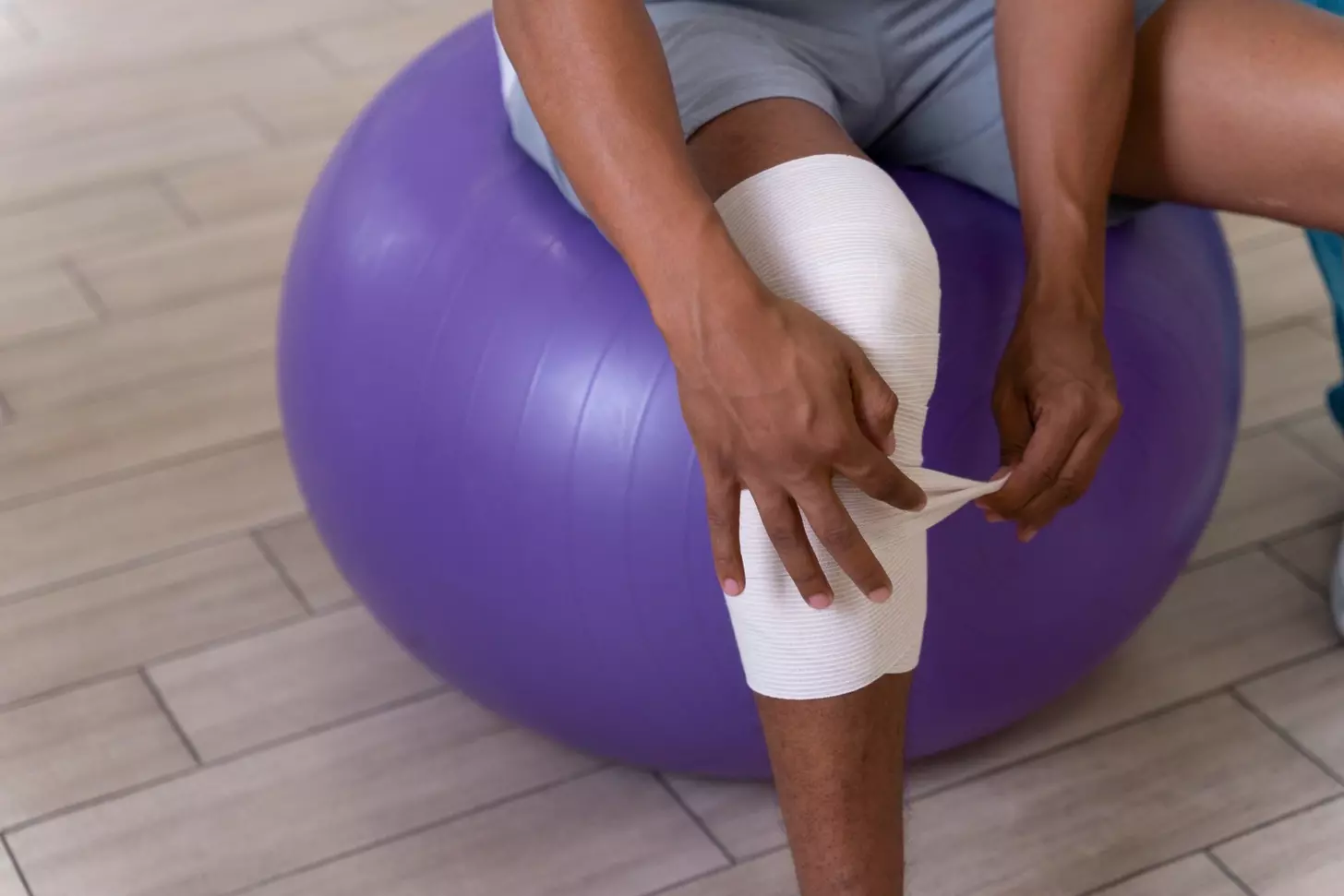
Recovering from an ACL injury is tough for athletes and others. At Liv Hospital, we get how hard it is. We offer guided care to help.
The recovery period for an ACL injury is usually six to twelve months. Most people take eight to nine months to recover after surgery. Rashee Rice, a Kansas City Chiefs wide receiver, is a good example. He had a torn ACL and was ready for training camp.
We know everyone’s recovery is different. Our team gives each person the best care and support. This helps them recover well.
Key Takeaways
- The ACL recovery period typically ranges from six to twelve months.
- Most patients experience a recovery period of eight to nine months after surgical repair.
- Guided care and rehabilitation are key for a good recovery.
- Every patient’s recovery journey is unique.
- Expert care and the latest medical knowledge help achieve the best recovery outcomes.
Understanding ACL Injuries and Their Significance
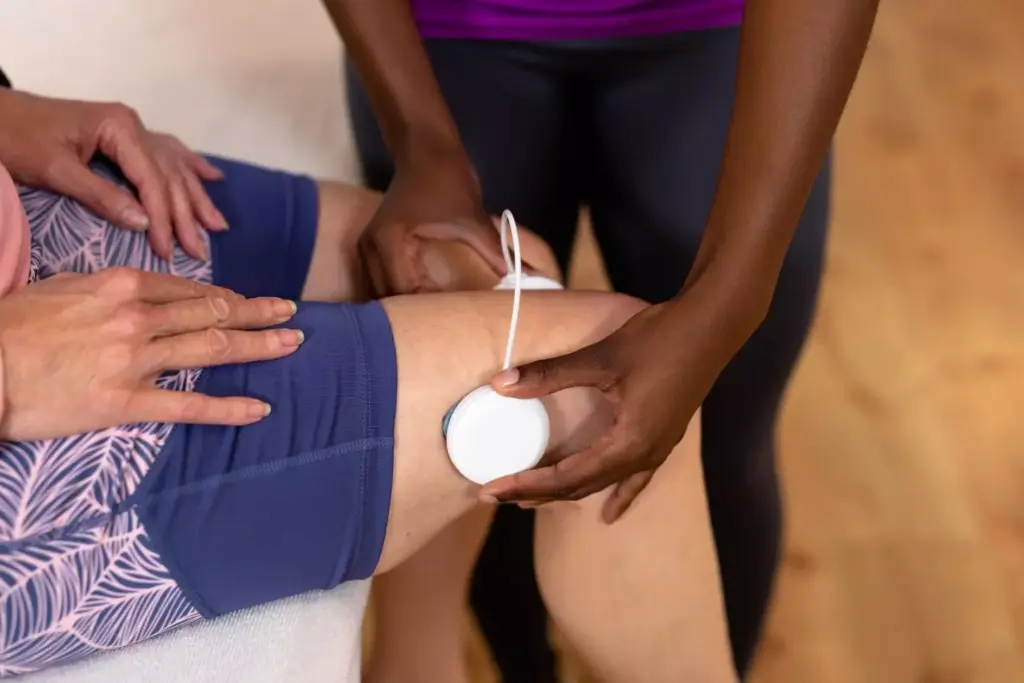
It’s important to know about the ACL and its role in knee health. The ACL, or anterior cruciate ligament, is key to keeping the knee stable. It helps with movement and balance.
What is the ACL and Its Function in Knee Stability
The ACL is a major ligament in the knee. It stops the tibia from moving too far forward. It also controls rotation during activities like pivoting.
For athletes and sports fans, the ACL is vital. It keeps the knee stable during physical activities. Without it, the knee is at risk of injury.
Common Causes and Mechanisms of ACL Tears
ACL tears can happen in many ways:
- Landing wrong from a jump
- Making sudden turns
- Twisting or pivoting
- Getting hit during sports
These actions put a lot of stress on the ACL. This can cause it to tear. Knowing these causes helps in preventing and treating ACL injuries.
Types and Severity Grades of ACL Injuries
ACL injuries are graded based on how bad they are:
- Grade 1: A mild sprain with some stretched fibers.
- Grade 2: A moderate sprain with some torn fibers.
- Grade 3: A severe sprain with the ACL completely torn.
Knowing the grade of an ACL injury helps decide the best treatment. This can be either non-surgical or surgery.
ACL Healing Time: Why Recovery Takes Months, Not Weeks
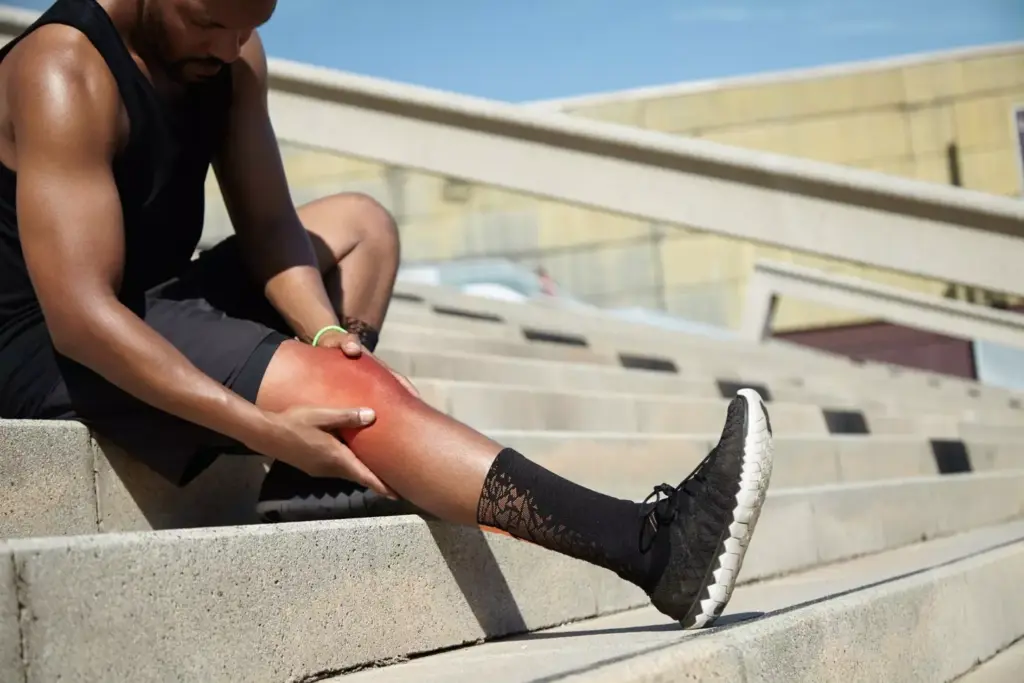
It’s important to understand why ACL recovery takes months, not weeks. The ACL is key to knee stability. Its injury can greatly affect one’s life. The long recovery time is mainly because of the ACL’s limited blood supply, which slows down healing.
The Limited Blood Supply Problem
The ACL’s limited blood supply is a big reason for its slow healing. Unlike other tissues, the ACL doesn’t get much blood. This lack of blood makes it hard for the ACL to get the nutrients and cells it needs to heal, making recovery longer.
Natural Healing Limitations for Torn ACLs
Torn ACLs have a hard time healing naturally. This is because they are inside the knee and don’t get much blood. The synovial fluid around them helps a bit but also has agents that can stop healing.
The natural healing limits for torn ACLs are:
- Limited blood supply makes it hard to get repair cells and nutrients.
- The knee’s environment, including synovial fluid, can make it hard for clots to form and stay.
- The knee’s movement can also mess with the healing process.
Why Most Complete Tears Require Surgical Intervention
Most complete ACL tears need surgical intervention to fix knee stability. Studies show that up to 90 percent of patients do well after ACL surgery. The surgery replaces the torn ACL with a graft, which can come from the patient or a donor.
The reasons for surgery are:
- To make the knee stable again and prevent more injuries.
- To help patients get back to their pre-injury activities, which is important for athletes.
- To lower the chance of other injuries, like meniscal tears and cartilage damage.
In summary, the ACL’s healing time is long because of its limited blood supply and the challenges of natural healing. Surgery is often needed to ensure the best recovery and return to normal function.
The Complete ACL Surgery Recovery Timeline
The journey to recovery after ACL surgery has a structured timeline. We will break it down into its key components. Knowing this timeline is key for patients to navigate their rehabilitation well.
Immediate Post-Surgery Phase (0-2 Weeks)
The immediate post-surgery phase is critical for a successful recovery. It focuses on managing pain, reducing swelling, and regaining basic knee function.
- Rest, Ice, Compression, and Elevation (RICE) to minimize swelling and pain
- Gentle exercises to maintain range of motion
- Gradual weight-bearing activities as tolerated
Early Rehabilitation Phase (2-6 Weeks)
In the early rehabilitation phase, the focus shifts to strengthening the muscles around the knee. It also improves knee mobility.
Key activities include:
- Progressive resistance exercises to strengthen the quadriceps and hamstring muscles
- Balance and proprioception training to enhance knee stability
- Continued range of motion exercises to achieve full knee extension and flexion
Intermediate Strengthening Phase (6-12 Weeks)
In the intermediate strengthening phase, patients build on their strength and mobility gains.
Important milestones:
- Increased resistance and intensity in strengthening exercises
- Introduction to more dynamic movements, such as squats and lunges
- Enhanced balance and agility training
| Phase | Timeline | Key Activities |
|---|---|---|
| Immediate Post-Surgery | 0-2 Weeks | RICE, gentle exercises, gradual weight-bearing |
| Early Rehabilitation | 2-6 Weeks | Progressive resistance exercises, balance training |
| Intermediate Strengthening | 6-12 Weeks | Increased resistance, dynamic movements, agility training |
Advanced Recovery Phase (3-6 Months)
The advanced recovery phase focuses on increasing functional activities and sport-specific training. This is for those returning to sports.
Key focus areas:
- Advanced strengthening and conditioning exercises
- Sport-specific drills and agility training
- Functional testing to assess readiness for return to activity
Understanding the ACL surgery recovery timeline and following the rehabilitation protocol helps patients recover well. This ensures the best possible outcomes.
How Long Is a Torn ACL Recovery Without Surgery?
Not everyone with a torn ACL needs surgery. Some can recover without it. Surgery is often needed for young athletes or those who are very active. But, some people might not need it.
Candidates for Non-Surgical Management
Those with partial tears, who are less active, or have low knee demands might not need surgery. Conservative treatment is suggested for those who can change their activities to avoid knee stress.
Non-surgical management means a structured rehab program. It strengthens the muscles around the knee to help with the ACL tear.
Conservative Treatment Timeline and Expectations
The time needed for conservative treatment varies. It starts with reducing pain and inflammation. Then, a rehab program that can last months follows.
Patients will work on strengthening their knee through physical therapy. The goal is to support daily activities and low-impact sports.
Potential Outcomes and Limitations of Non-Surgical Approaches
Non-surgical methods have their limits. Some may face ongoing knee instability. There’s also a risk of further damage, like meniscal tears or cartilage damage.
It’s key for patients to know these risks. They should talk to their healthcare provider about their situation.
When Conservative Treatment Might Be Sufficient
Conservative treatment works for those who can change their lifestyle. For example, switching to cycling or swimming can help reduce knee stress.
The choice between surgery and non-surgical treatment depends on many factors. These include health, activity level, and personal preferences.
Factors That Influence How Long It Takes an ACL to Heal
Understanding what affects ACL recovery is key to setting realistic goals and achieving the best results. The time it takes for an ACL injury to heal can vary a lot. This is because of many different factors, both personal and related to the injury itself.
Age, Fitness Level, and Overall Health
Age is a big factor in how fast an ACL can heal. Younger people usually heal faster because they are healthier and more physically fit. Being in good shape also helps, as it means your body is better prepared for the healing process.
Being healthy overall is also important. Conditions like diabetes or heart disease can slow down healing. People who are generally healthy tend to recover faster and have fewer problems.
Key factors influencing ACL healing time include:
- Age and overall health
- Fitness level and physical conditioning
- Presence of comorbidities
Injury Severity and Associated Damage
The severity of the ACL injury and any damage to other parts of the knee greatly affect recovery time. More serious injuries, like those involving multiple ligament tears or cartilage damage, take longer to heal.
“The extent of the injury and associated damage can significantly impact the complexity of the surgery and the subsequent rehabilitation process.” – Orthopedic Specialist
Surgical Technique and Graft Choice
The type of surgery and the graft used can also influence healing time. Different grafts, like using your own tissue or donor tissue, have different recovery times and risks.
Newer surgical methods, like less invasive procedures, might help you heal faster and have better results. Choosing the right surgery depends on your needs and the surgeon’s skills.
| Surgical Technique | Graft Type | Typical Recovery Time |
|---|---|---|
| Minimally Invasive | Autograft | 6-9 months |
| Traditional | Allograft | 9-12 months |
Rehabilitation Compliance and Effort
How well you follow your rehabilitation plan and how hard you work in physical therapy are very important. A good rehab plan and sticking to it can greatly help your healing.
Those who actively participate in their rehab and follow their therapist’s advice usually do better and get back to normal faster.
Tips for effective rehabilitation:
- Follow the prescribed physical therapy regimen
- Maintain a positive attitude and stay motivated
- Communicate regularly with your healthcare team
The Rehabilitation Process: What to Expect Week by Week
The ACL rehabilitation process is a journey that needs patience, dedication, and a good plan. Every person’s recovery is different. Good rehabilitation is tailored to each person, based on the injury’s severity, overall health, and following the rehabilitation plan.
Early Phase Physical Therapy Protocols
In the early stages, the goal is to reduce pain, inflammation, and restore movement. Physical therapy is key, with exercises made just for the person’s needs and progress. Early protocols include:
- Gentle exercises to keep the knee flexible
- Strengthening the muscles around the knee
- Using ice, compression, and elevation to control pain and swelling
Progressive Strength Training Timeline
As the knee heals, adding strength training is important. This starts around 6-8 weeks after surgery or injury and goes on until the knee is strong enough. A sample strength training plan might be:
- Start with low-resistance exercises in weeks 6-8 to build basic strength
- In weeks 8-12, move to harder exercises like resistance bands and weights
- By weeks 12+, do high-intensity training and exercises that mimic daily activities or sports
Range of Motion and Flexibility Milestones
Getting the knee to move fully is a main goal. People usually get full extension in the first few weeks, but bending takes longer. Important milestones are:
- Get full extension in 2-4 weeks
- Reach 90 degrees of bending by 4-6 weeks
- Get full bending by 8-12 weeks
Balance, Proprioception, and Neuromuscular Training
When strength and movement improve, focus on balance, feeling the knee’s position, and neuromuscular training. This phase is key for getting back to normal and preparing for activity. Examples include:
- Single-leg standing to improve balance
- Using balance boards or unstable surfaces for proprioception training
- Agility drills and plyometric exercises for better neuromuscular control
Remember, every person’s journey is unique. By working with a healthcare professional and following a structured rehabilitation plan, patients can improve their recovery and achieve the best results.
“Rehabilitation is a critical component of ACL recovery, requiring a thorough and personalized approach to ensure optimal outcomes.”
Average Recovery Time for Torn ACL: Athletes vs. Non-Athletes
Torn ACL recovery times differ between athletes and non-athletes. This is because of their physical demands, rehab plans, and health. We’ll look at these differences and what they mean for recovery.
Why Elite Athletes Often Heal Faster
Elite athletes get top-notch rehab, coaching, and medical support. This helps them heal faster. Their fitness level before the injury also plays a big role.
Key factors contributing to faster recovery in elite athletes include:
- Access to top-tier rehabilitation facilities and professionals
- Highly structured and monitored rehabilitation programs
- Optimal physical conditioning before injury
- Advanced surgical techniques and post-operative care
Sport-Specific Return-to-Play Timelines
Different sports put different demands on the knee. This affects how long it takes to return to play. For example, soccer and basketball players might need longer recovery times than golf or swimming players.
| Sport | Typical Return-to-Play Timeline |
|---|---|
| Soccer/Basketball | 6-9 months |
| Football | 6-12 months |
| Tennis | 4-6 months |
| Golf/Swimming | 3-6 months |
Realistic Recovery Expectations for Recreational Athletes
Recreational athletes might not have the same rehab access as pros. Their recovery should be more gradual and focused on getting back to function.
Recreational athletes should know their recovery might take longer than pros.
Age-Related Differences in ACL Recovery Periods
Age affects ACL recovery, with younger people healing faster. This is due to health, fitness, and any health issues.
Knowing these differences helps set realistic recovery goals and plan rehab.
Milestones and Signs of Proper ACL Healing
Understanding ACL healing milestones is key. These signs help both patients and doctors see if treatment is working. They also guide any needed changes in the treatment plan.
Physical Indicators of Successful Recovery
Signs of a successful ACL recovery include improved strength and range of motion in the knee. People usually see big improvements 3-4 months after surgery or injury.
Being able to do daily tasks and simple exercises without pain is another important sign. It shows the knee is getting back to normal.
Functional Testing Benchmarks for Return to Activity
Functional testing is vital in ACL rehab. It checks if the knee can do tasks that are like real-life and sports. Tests include:
- Single-leg squats
- Step-down tests
- Hop tests for distance or height
These tests show when it’s safe to go back to normal activities or sports. Usually, patients pass these tests with little to no pain by 6-9 months.
Pain Reduction and Swelling Resolution Timeline
Pain getting better is a big step in ACL healing. Most people feel less pain over the first few months. Swelling also goes down during this time.
| Timeline | Pain Level | Swelling |
|---|---|---|
| 0-2 weeks | High | Significant |
| 2-6 weeks | Moderate | Moderate |
| 6-12 weeks | Mild | Mild |
When to Expect Full Knee Stability and Confidence
Full knee stability and confidence come last in ACL recovery. This usually happens between 9-12 months after surgery or injury. At this point, people can do complex movements and sports without worrying about their knee.
Remember, everyone heals at their own pace. Things like age, health, and injury severity can affect how fast you heal.
Common Complications That May Extend How Long You’re Out With a Torn ACL
ACL surgery is usually successful, but some complications can happen. These issues can affect how long you’re out of action. Knowing about these problems helps manage your recovery better.
Post-Surgical Infection and Wound Healing Issues
One big problem after ACL surgery is infection. This can happen if bacteria get into the wound during or after surgery. Signs include more pain, redness, swelling, and fever.
Quick treatment with antibiotics is key. In serious cases, you might need more surgery to clean the wound.
Prevention strategies include giving antibiotics before surgery, using clean tools, and taking good care of the wound after surgery.
Arthrofibrosis and Excessive Scar Tissue Formation
Arthrofibrosis is when too much scar tissue builds up in the knee. This makes the knee stiff and limits movement. It can make recovery take longer and affect the surgery’s success.
Moving the knee early and doing physical therapy helps avoid arthrofibrosis. Aggressive rehabilitation keeps the knee mobile and lowers scar tissue risk.
Graft Failure and Re-Tear Scenarios
Graft failure means the ACL graft doesn’t work right or tears again. This can happen if you start high-level activities too soon, don’t rehab enough, or if there were problems with the surgery.
| Complication | Causes | Prevention/Management |
|---|---|---|
| Post-Surgical Infection | Bacterial contamination | Antibiotics, proper wound care |
| Arthrofibrosis | Insufficient mobilization | Early physical therapy, aggressive rehabilitation |
| Graft Failure | Premature return to activity, technical surgical issues | Gradual return to activity, proper rehabilitation protocols |
Knowing about these complications and taking steps to prevent them can help your recovery. This way, you can get the best results from ACL surgery.
Conclusion: Life After ACL Recovery and Long-Term Outlook
Finishing ACL recovery is a big win. Knowing what to expect long-term is key to keeping your knee healthy. Studies show that with the right rehab, people can fully recover and get back to their usual lives.
Most people see big improvements in their knee after ACL surgery. It’s important to keep up with physical therapy and exercises to keep your knee strong. This helps in the long run.
Living well after ACL recovery means keeping your knee strong and flexible. This way, you can do all the activities you love without worrying about getting hurt again. We want to help you get back to a healthy, active life.
FAQ
How long does it take to recover from an ACL injury?
Recovering from a torn ACL usually takes 6-12 months. But, it can change based on your age, fitness, and how bad the injury is.
What is the typical ACL surgery recovery timeline?
After ACL surgery, you go through several stages. First, you rest for 0-2 weeks. Then, you start rehab for 2-6 weeks. Next, you focus on strengthening for 6-12 weeks. Lastly, you work on advanced recovery for 3-6 months.
Can a torn ACL heal without surgery?
Some people might not need surgery for a torn ACL. But, most full tears need surgery to fix the knee. Non-surgical options might work for partial tears or if you don’t need to move much.
What factors influence ACL healing time?
Several things affect how long it takes to heal an ACL. These include your age, fitness, how bad the injury is, the surgery method, the graft used, and how well you follow your rehab plan.
How long does it take to regain strength and mobility after ACL surgery?
Getting strong and moving well again after ACL surgery takes months. You’ll go through a rehab program. This includes physical therapy, strength exercises, and learning to move better.
What are the signs of proper ACL healing?
Proper healing shows in several ways. You’ll feel less pain and swelling, move better, and your knee will feel more stable. You’ll also pass tests that check if you’re ready to start moving and doing activities again.
Can complications extend ACL recovery time?
Yes, problems like infections, scar tissue, or graft failure can make recovery longer. It’s important to catch and treat these issues quickly to avoid delays.
How long does it take for athletes to recover from an ACL injury compared to non-athletes?
Athletes usually heal faster because they’re fitter and do more intense rehab. But, everyone recovers at their own pace, based on their own health and rehab efforts.
What is the long-term outlook after ACL recovery?
With good rehab and care, you can get your knee back to normal and do what you want again. But, you need to keep up with maintenance and prevention to keep your knee healthy and avoid future injuries.