Last Updated on November 18, 2025 by Ugurkan Demir
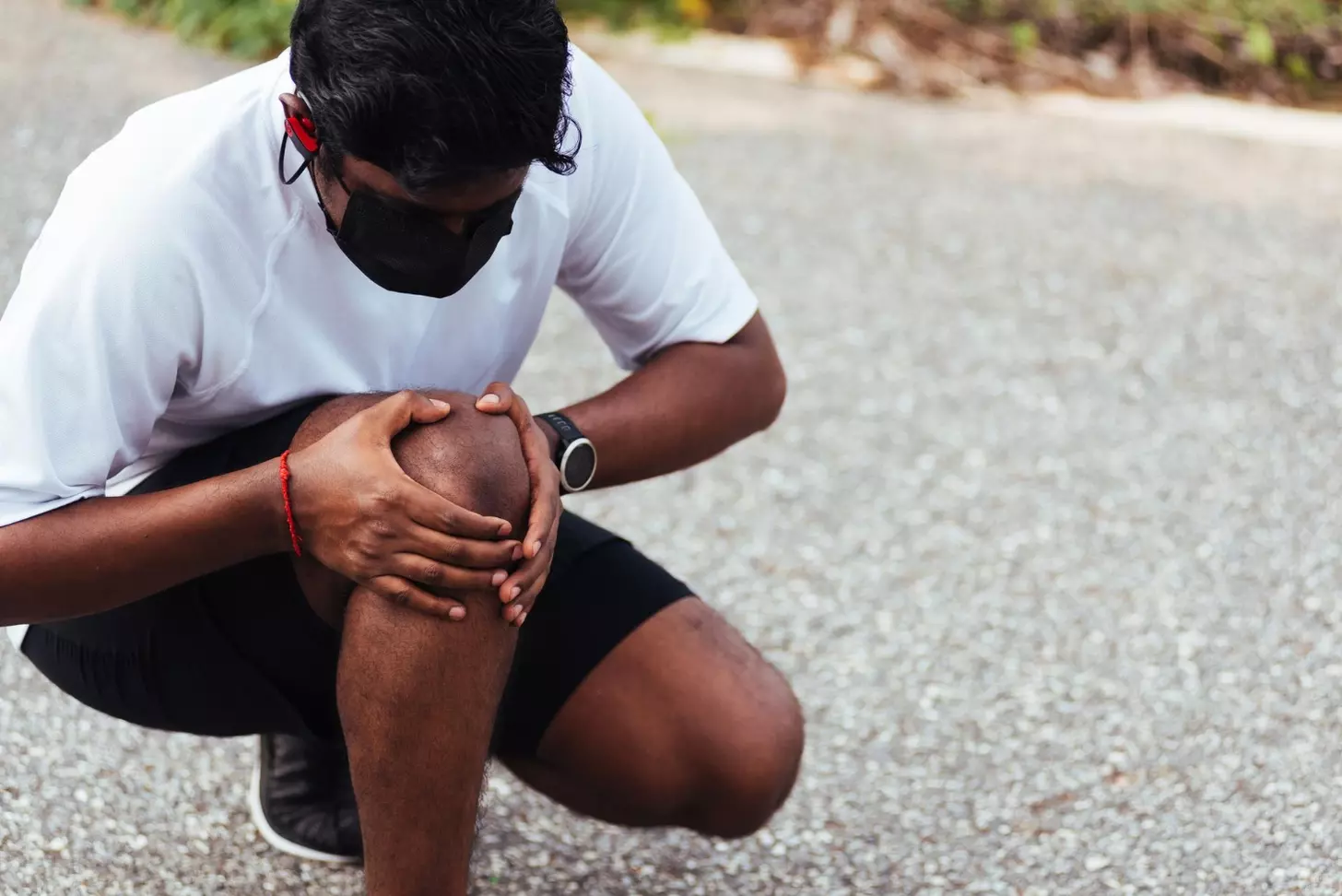
An ACL tear is a serious injury that needs a lot of time to heal. At Liv Hospital, we know how worried athletes and others are to get back to their lives or sports.
The ACL tear recovery time is usually 9 to 12 months after surgery and therapy. Our team is committed to top-notch healthcare for all patients. We make sure your ACL recovery is well-guided by the latest knowledge and skills.
Key Takeaways
- ACL tear recovery typically takes 9 to 12 months
- Comprehensive physical therapy is key for full recovery
- Liv Hospital offers world-class healthcare for international patients
- Personalized care and the latest treatments help you recover best
- Getting back to daily activities or sports needs careful advice
Understanding ACL Tears

The anterior cruciate ligament (ACL) is key to the knee’s stability. It connects the femur to the tibia. Knowing how it works and how injuries happen is important for everyone.
What is the ACL and What Does it Do?
The ACL is a strong ligament that keeps the knee stable. It stops the tibia from moving too far forward. It also prevents the knee from rotating too much.
Common Causes of ACL Tears
ACL tears can happen for many reasons:
- Sports injuries, like sudden changes in direction or jumping
- Direct contact or collision, like being hit on the knee
- Sudden stops or pivoting movements
- Landing incorrectly from a jump
- Overuse or repetitive stress on the knee
ACL injuries are common in sports like soccer, basketball, and football. These sports involve quick changes and high-speed movements. For example, Daniel Jones’s ACL tear in 2022 affected his performance a lot.
Grades of ACL Tears and Their Severity
ACL tears are graded based on how severe they are:
- Grade 1: A mild sprain or stretch of the ACL, with some fibers torn but not all
- Grade 2: A moderate sprain, with more damage to the ACL but some fibers left intact
- Grade 3: A complete tear of the ACL, leading to significant knee instability
Knowing the grade of an ACL tear helps decide the right treatment and recovery time. While daily function can return in 3 months, getting back to sports can take 8 to 12 months.
Diagnosing an ACL Tear
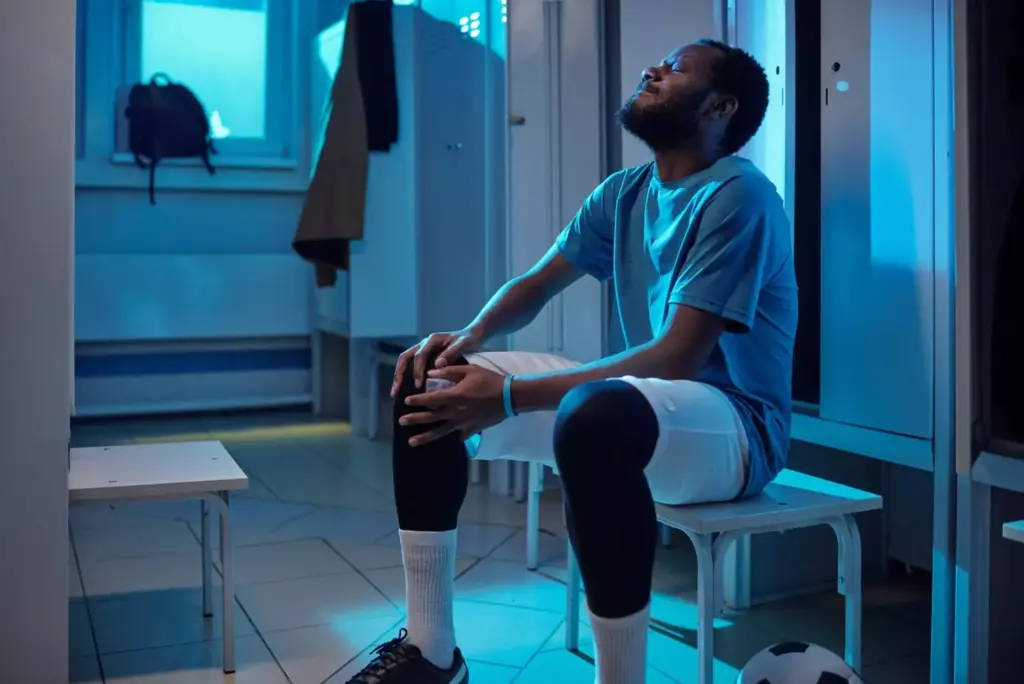
Accurate diagnosis is key for treating ACL tears. An ACL injury can be very limiting. Knowing how it’s diagnosed helps patients on their recovery path.
Common Symptoms of an ACL Tear
People with an ACL tear often feel pain, swelling, and instability in their knee. They might feel like their knee is going to give way, which is scary. Sometimes, they hear a popping sound when it happens, which is a big clue.
Spotting these acl tear symptoms early is vital. Getting help quickly can make a big difference in how well you recover.
Medical Evaluation and Diagnostic Tests
Doctors use a detailed check-up and tests to find out if you have an ACL tear. They first check how stable your knee is and how well it moves. They might do the Lachman test or pivot shift test to see if the ACL is okay.
They also use MRI (Magnetic Resonance Imaging) to see the ACL and other parts of the knee. This helps them figure out how bad the tear is.
Differentiating ACL Tears from Other Knee Injuries
It’s important to tell ACL tears apart from other knee problems. Meniscal tears or sprains can look similar. A good diagnosis means you get the right treatment.
Getting a correct acl injury diagnosis needs both doctor skills and modern tools. Knowing how it’s done helps patients understand their treatment and what to expect.
For example, Dominika Paurova’s ACL tear kept her out for the whole season. Knowing what to expect and how to get treated is key for patients like Dominika.
Treatment Options for ACL Tears
ACL tears have several treatment options. These range from non-surgical methods to surgery. The right choice depends on the tear’s severity, the patient’s activity level, and their health.
Non-Surgical Management Approaches
Some patients might choose non-surgical methods. This includes physical therapy, bracing, and lifestyle changes. Physical therapy is key in strengthening the knee muscles, helping the ACL.
Non-surgical methods are good for less active people or those with partial tears. But, the ACL might not fully heal without surgery.
Surgical Reconstruction Options
Surgery is often needed for ACL tears, mainly for athletes. The surgery uses a graft to rebuild the ACL. This graft can come from the patient (autograft) or a donor (allograft).
The choice between autograft and allograft depends on several factors. Surgical reconstruction aims to make the knee stable again, helping patients get back to their previous activities.
Why ACL Tears Don’t Heal on Their Own
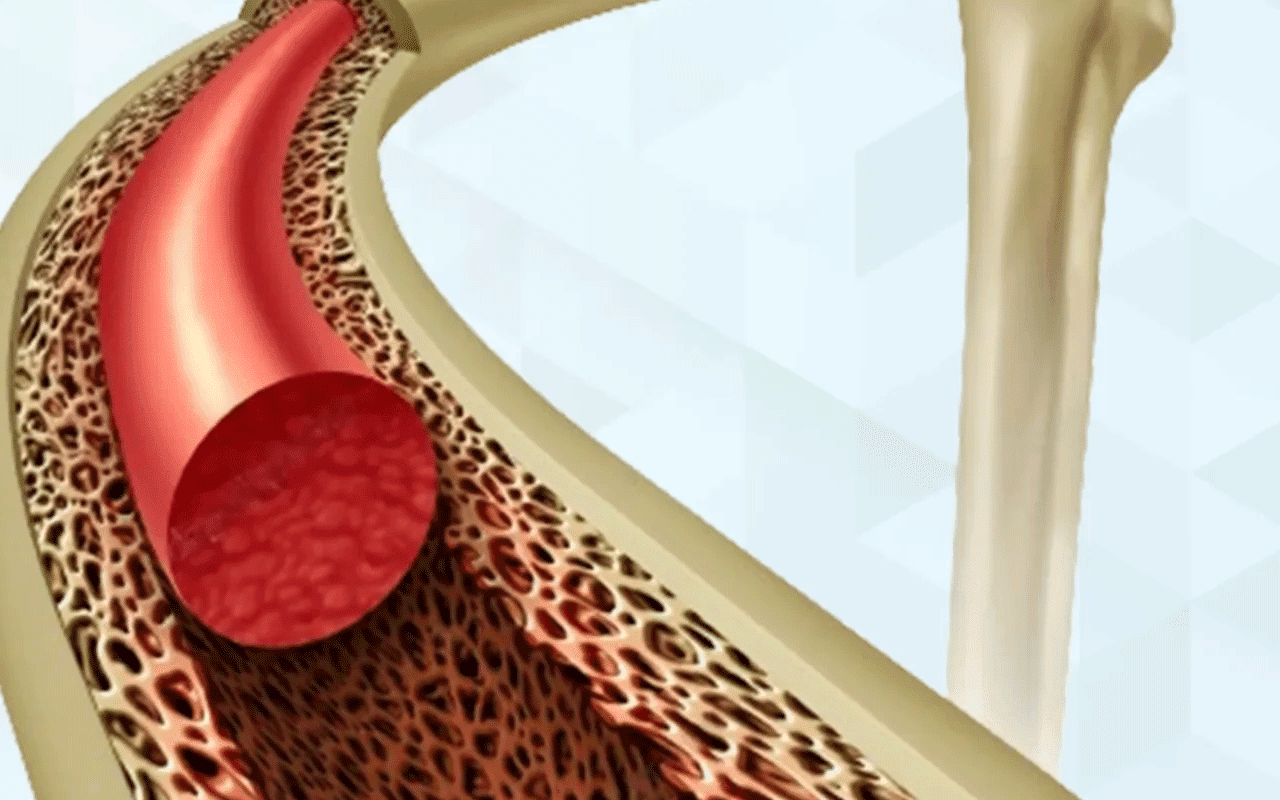
ACL tears often don’t heal by themselves. This is because the ACL has little blood supply and is under constant stress. Without treatment, ACL tears can cause chronic instability, pain, and more damage to the knee.
Determining the Right Treatment Approach
Finding the best treatment for an ACL tear needs a thorough evaluation. A healthcare professional will consider the tear’s severity, the patient’s activity level, and their health. They will decide between non-surgical methods and surgery.
| Treatment Approach | Suitable For | Key Components |
|---|---|---|
| Non-Surgical Management | Less active patients, partial ACL tears | Physical therapy, bracing, lifestyle modifications |
| Surgical Reconstruction | Athletes, individuals requiring knee stability | Grafting (autograft or allograft), surgical reconstruction |
The time it takes for a torn ACL to heal varies. It depends on the patient and their activity level. Early movement and gradual strengthening are key, no matter the treatment.
How Long Does an ACL Tear Take to Heal?
Many people wonder how long it takes for an ACL tear to heal. The healing time for an ACL injury varies a lot from person to person.
Average Recovery Time for Torn ACL (9-12 Months)
Most people need about 9 to 12 months to heal after surgery and physical therapy. The time it takes for a torn ACL to heal is usually between 9 and 10 months. Some people might heal faster, depending on their effort and dedication.
Every person’s healing journey is different. The severity of the tear, overall health, and how well someone follows their rehab plan all affect healing time.
Recovery Timeline Without Surgery
For those choosing not to have surgery, healing times can vary. Some might see improvements in a few weeks, while others might take months to get back to normal.
It’s important to remember that not getting surgery doesn’t mean you’ll be back to your old self right away. This is true, even for athletes or people who put a lot of stress on their knees.
How Long You Are Out With a Torn ACL
How long you’re out with a torn ACL depends on several things. This includes the treatment you choose and how well you do in rehab.
For those who have surgery, the first 6-8 weeks are usually the hardest. But, getting back to sports or hard activities takes even longer.
Individual Variations in Healing Time
Healing times can differ a lot from person to person. Things like age, health, how bad the tear is, and how well you follow your rehab plan all play a part.
We work with our patients to create rehab plans that fit their needs and goals.
| Recovery Phase | Timeline | Key Activities |
|---|---|---|
| Immediate Post-Injury | 0-2 weeks | Pain management, initial rehabilitation exercises |
| Early Recovery | 2-6 weeks | Progressive strengthening, range of motion exercises |
| Intermediate Recovery | 6 weeks-3 months | Advanced strengthening, agility training |
| Advanced Recovery | 3-6 months | Sports-specific training, functional rehabilitation |
| Return to Sports | 6-12 months | Full return to sports, maintenance exercises |
The ACL Recovery Process: Phase by Phase
Recovering from an ACL tear is a complex journey with several phases. Each phase has its own challenges and goals. Understanding what to expect can help patients prepare for their recovery.
Immediate Post-Injury Phase (0-2 Weeks)
The first two weeks after an ACL injury are critical. The focus is on managing pain, reducing inflammation, and stabilizing the knee. Sports medicine specialists say this period sets the recovery’s path.
Patients should work with their healthcare provider to create a pain management and rehabilitation plan. Early mobility exercises are introduced to prevent stiffness and promote healing. Gentle knee movements are encouraged to keep the range of motion.
Early Recovery Phase (2-6 Weeks)
As pain and inflammation decrease, strengthening the knee muscles becomes the focus. Early mobility and gradual strengthening are emphasized. Patients start with low-intensity exercises and gradually increase the challenge.
Strengthening exercises for the quadriceps, hamstrings, and other muscles are introduced. These exercises are vital for restoring knee function and preparing for more demanding activities. Rehabilitation experts stress the importance of gradual progression to avoid re-injury.
Intermediate Recovery Phase (6 Weeks-3 Months)
In this phase, patients continue strengthening exercises and start functional activities. The goal is to enhance knee stability, improve balance, and increase lower limb strength. A rehabilitation plan tailored to the patient’s needs and goals is developed.
Patients are introduced to dynamic movements like pivoting and turning. These activities simulate real-life and sports-specific movements. This phase is key for building strength and agility for advanced rehabilitation.
Advanced Recovery Phase (3-6 Months)
The final phase focuses on advanced strengthening, agility training, and preparation for sports or high-level activities. Patients do intense exercises, including plyometric and resistance training, to boost power and performance. A well-structured rehabilitation program is essential for a safe and successful return to activity.
As patients near the end of their program, they are assessed for readiness to return to activities. Knee function, strength, and overall performance are evaluated. Sports rehabilitation specialists emphasize the importance of a thorough rehabilitation program to minimize re-injury risk and ensure a successful return to sports.
Physical Therapy and Rehabilitation Protocols
A good physical therapy program is key to getting your knee back to normal after an ACL tear. It’s all about following strict rehab plans. These plans include exercises and activities that help your knee heal and function well again.
Essential Exercises for ACL Recovery
Physical therapy for ACL recovery includes exercises to boost knee stability, strength, and flexibility. Some important exercises are:
- Quad sets and straight leg raises to strengthen the quadriceps muscles
- Hamstring curls to improve hamstring strength
- Leg press and lunges to enhance overall leg strength
- Balance and proprioception exercises to improve knee stability
Importance of Early Mobility and Gradual Strengthening
Starting with gentle exercises early on is vital for ACL rehab. These exercises help prevent stiffness, aid in healing, and get your knee working again. Gradually getting stronger is also key to prepare your knee for more challenging activities.
Progression of Physical Therapy Goals
The goals of physical therapy change as you move through recovery stages. First, you focus on managing pain and getting your range of motion back. Later, you work on strengthening, balance, and doing functional activities.
| Recovery Stage | Physical Therapy Goals |
|---|---|
| Immediate Post-Injury (0-2 weeks) | Pain management, restoring range of motion, and initial strengthening |
| Early Recovery (2-6 weeks) | Progressive strengthening, improving balance, and increasing flexibility |
| Advanced Recovery (6 weeks and beyond) | Functional training, agility drills, and getting ready to return to sports |
The Role of a Physical Therapist in Recovery
A physical therapist is essential in guiding your ACL recovery. They create a rehab plan just for you, track your progress, and make changes as needed. This ensures you get the best recovery possible.
By sticking to a structured physical therapy program and following rehab protocols, people with ACL tears can recover well. They can then get back to their usual activities.
Factors Affecting ACL Tear Healing Time
The time it takes for an ACL tear to heal can differ a lot between people. Knowing what affects this time is key to a good treatment plan. This helps in getting the best results.
Age and Overall Health Considerations
Age and health are big factors in how long it takes for an ACL tear to heal. Older people might need more time because of less muscle and bone density. They might also have health issues that slow healing. Younger people usually heal faster and better.
We also look at things like diet, smoking, and chronic conditions like diabetes. These can affect how well the body heals.
Activity Level and Athletic Background
How active someone is and their athletic background matter a lot. Active or athletic people often need more intense rehab to safely get back to their activities. The sport or activity they do can also affect recovery time. Sports that involve a lot of quick changes in direction or jumping might take longer to recover from.
Rehabilitation Adherence and Commitment
Sticking to a rehab plan is very important for healing from an ACL tear. Following a rehab program consistently can greatly affect how fast and well you heal. We stress the need to work with a physical therapist to create a rehab plan that fits you. Sticking to it is key.
Surgical Technique and Post-Operative Care
The surgery used to fix an ACL tear and how well you’re cared for after surgery also matter. Newer surgical methods, like less invasive ones, might help you heal faster. Good care after surgery, like managing pain and moving around early, is also important for a smooth recovery.
By knowing these factors and how they affect healing, we can make a treatment plan that works for each person. This leads to a successful recovery.
Returning to Daily Activities and Sports
Getting back to daily life and sports is a big step after an ACL injury. It’s important to know when it’s okay to start again. We help our patients understand this, so they can make smart choices about their recovery.
Timeline for Resuming Normal Daily Functions
Most people can get back to normal in 3 months after ACL surgery. But, it depends on things like age, health, and how bad the injury was. We work on getting the knee strong, improving muscle strength, and increasing flexibility during this time.
Guidelines for Returning to Recreational Activities
Going back to fun activities needs to be done slowly and carefully. You should be able to do everyday things without pain or feeling unstable first. We suggest starting with easy exercises and then getting more intense as you feel ready.
Criteria for Safe Return to Competitive Sports
Getting back to competitive sports is a bigger challenge, taking 8 to 12 months on average. You need to be strong, stable, and able to do sports moves without pain or feeling unstable. We help athletes meet these requirements before they can play again.
Protective Measures After Returning to Activities
It’s key to keep using protective measures even after you’re back to normal. This means wearing the right gear, keeping muscles strong, and knowing your knee’s limits. We teach our patients how to do this to help them stay safe and successful long-term.
Conclusion: The Road to Full ACL Recovery
Recovering from an ACL tear is a complex process. It needs a good diagnosis, effective treatment, and a detailed rehab plan. At Liv Hospital, we offer top-notch healthcare and support our patients all the way through their recovery.
The time it takes to heal an ACL injury varies. It depends on the tear’s severity, the person’s health, and how well they follow the rehab plan. Generally, it can take 9 to 12 months to fully recover.
Understanding the ACL tear recovery process helps patients get the best results. Our team at Liv Hospital is here to guide you through the recovery journey. We aim to help you get back to your normal activities with confidence.
If you’re dealing with an ACL tear or just want to know about recovery times, we’re here for you. We offer support and guidance every step of the way.
FAQ
How long does an ACL tear take to heal?
An ACL tear usually heals in about 9 to 12 months. This includes surgery and physical therapy.
What are the common symptoms of an ACL tear?
ACL tear symptoms include knee pain, swelling, and feeling unstable.
Can an ACL tear heal on its own?
No, ACL tears usually need surgery to heal. This is true for athletes or anyone needing stable knees.
What is the ACL recovery process like?
The recovery has several phases. These include the immediate injury phase, early recovery, and more advanced stages.
How long does it take to return to daily activities after an ACL tear?
Most people can get back to daily life in about 3 months after an ACL tear.
What factors influence the healing time for an ACL tear?
Healing time depends on age, health, activity level, and how well you follow your rehab plan. The surgery method also plays a role.
How long does it take to recover from ACL surgery?
ACL surgery recovery takes 9 to 12 months. This varies based on individual factors.
What is the role of physical therapy in ACL recovery?
Physical therapy is key in ACL recovery. It includes exercises and activities to help heal and improve knee function.
Can I return to sports after an ACL tear?
Yes, but it’s important to do it slowly and safely. This usually takes 8-12 months.
What are the guidelines for returning to recreational activities after an ACL tear?
To return to sports, follow a rehabilitation plan. You need to achieve stability and use protective gear.
How can I ensure a successful ACL recovery?
For a successful recovery, stick to your rehab plan. Keep a healthy lifestyle and listen to your physical therapist and healthcare team.
References
- HSS. ACL Surgery Recovery: Everything You Need to Know. https://www.hss.edu/health-library/move-better/acl-surgery-recovery
- UCHealth Today. How long is recovery time from an ACL tear?. https://www.uchealth.org/today/acl-tears-how-long-does-it-take-to-recover-and-return-to-sports