Last Updated on November 17, 2025 by Ugurkan Demir
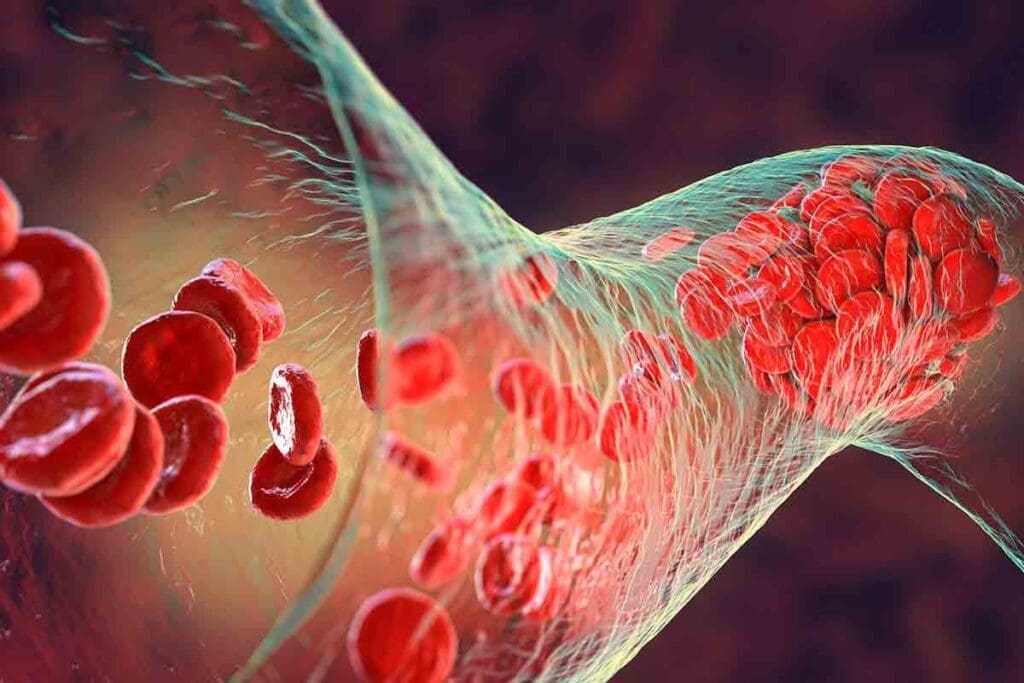
For those with Deep Vein Thrombosis (DVT), knowing how to recover is key. At Liv Hospital, we focus on our patients, guiding them through DVT recovery with ease.How long does it take a blood clot to heal? Get the critical timeframe for recovery from DVT and the powerful treatments that help.
The time it takes for a DVT blood clot to heal varies. Most see big improvements in three to six months. But how fast it heals depends on treatment and health.
Key Takeaways
- DVT recovery time varies among individuals.
- Significant resolution of blood clots is expected within three to six months.
- The effectiveness of treatment and individual health conditions influence recovery.
- Compression stockings may be necessary to manage symptoms like leg swelling.
- Anticoagulant treatment duration can range from a few months to indefinitely.
Understanding Deep Vein Thrombosis (DVT)
We need to understand Deep Vein Thrombosis (DVT) to manage and treat it well. DVT is when a blood clot forms in a deep vein, usually in the legs. It affects about 1.6 per 1000 people each year and can happen without any symptoms.
What is DVT?
Deep Vein Thrombosis is a serious condition. It happens when a blood clot forms in the deep veins, often in the legs. This clot can block blood flow, causing pain and swelling. If not treated quickly, it can lead to more serious problems.
Common Causes and Risk Factors
Several factors can increase your risk of getting DVT. These include:
- Prolonged immobility, such as during long flights or bed rest
- Recent surgery or trauma
- Cancer and its treatment
- Family history of DVT
- Age over 40
- Obesity
Knowing these risk factors is key to preventing and catching DVT early.
Recognizing DVT Symptoms
Symptoms of DVT can vary, but often include:
- Swelling in the affected limb
- Pain or tenderness
- Warmth or redness of the skin
- Visible veins
Not everyone with DVT will show symptoms. It’s important to know the risk factors and seek medical help if you notice any symptoms.
| Symptom | Description | Action |
| Swelling | Swelling in the affected limb due to obstructed blood flow. | Seek medical attention if swelling persists. |
| Pain or Tenderness | Pain or tenderness in the leg, which can range from mild to severe. | Consult a healthcare provider for a proper diagnosis. |
| Warmth or Redness | The skin may feel warm or appear red due to inflammation. | Monitor and report any changes to your healthcare provider. |
The DVT Healing Process Explained

Knowing how deep vein thrombosis (DVT) heals is key to managing it well. The body has a natural way to break down blood clots, called fibrinolysis.
Natural Blood Clot Dissolution
The process of dissolving blood clots is complex. When a clot forms in deep veins, the body starts to break it down. This can take weeks to months, depending on the clot’s size and where it is.
Fibrinolysis is the body’s way to dissolve clots. It turns plasminogen into plasmin, which breaks down the clot. This is important for blood to flow normally again.
Factors Affecting Healing Time
Many things can change how long it takes for DVT to heal. These include the clot’s size and where it is, how well treatment works, and the patient’s age and health.
- Clot size and location: Larger clots or those in more critical veins take longer to dissolve.
- Anticoagulant therapy: Good treatment can stop the clot from getting worse and help it heal.
- Patient factors: Age, how mobile you are, and your health can affect healing.
What Happens Inside Your Veins During Recovery
During recovery, veins go through changes. As the clot dissolves, blood flow returns, and the vein gets back to normal.
| Stage | Description | Timeline |
| Initial Clot Formation | A clot forms in the deep vein | 0-24 hours |
| Clot Stabilization | Clot is stabilized by the body’s natural processes | 1-7 days |
| Fibrinolysis | The body’s natural clot-dissolving process begins | 1-4 weeks |
| Vein Recanalization | The vein begins to reopen as the clot is dissolved | Several weeks to months |
Knowing these stages helps patients and doctors track healing. It also helps in adjusting treatment plans as needed.
How Long Does It Take a Blood Clot to Heal: Timeline Overview
Understanding the DVT recovery timeline is key. It covers various phases, each with its own expectations. The healing process for DVT is complex, involving several stages from the start to the end.
Initial Healing Phase (First Few Weeks)
The first few weeks are the initial healing phase. During this time, the body starts to break down the blood clot naturally. Symptoms often begin to improve within days to weeks after starting treatment with blood thinners. It’s important to stick to the treatment plan and make lifestyle changes to help the healing process.
- Rest and elevate the affected limb to reduce swelling.
- Follow the medication regimen as directed by your healthcare provider.
- Monitor symptoms and report any changes or concerns to your doctor.
Intermediate Recovery (1-3 Months)
The intermediate recovery phase lasts 1 to 3 months. During this time, the body continues to dissolve the clot, and symptoms start to fade. Most patients start to feel significantly better during this period, but some may have lingering symptoms.
Key aspects of this phase include:
- Continued anticoagulation therapy to prevent clot progression.
- Gradual return to normal activities under medical guidance.
- Possible follow-up imaging tests to assess clot resolution.
Complete Resolution (3-6 Months)
The final stage, lasting 3 to 6 months, is the complete resolution phase. By then, the blood clot has typically been fully dissolved, and most symptoms have resolved. Yet, some patients might experience lasting effects, like post-thrombotic syndrome.
Individual Variations in Recovery Time
Recovery times can differ greatly among individuals. The size and location of the clot, overall health, and treatment adherence play a role. Regular follow-up with healthcare providers is key to monitoring progress and adjusting treatment as needed.
Knowing the DVT recovery timeline helps patients navigate their healing journey. It allows them to make informed decisions and seek the right care when needed.
Medical Treatments for DVT and Their Effectiveness
DVT treatment includes several medical steps to stop clot growth and help dissolve them naturally. We’ll look at the different treatments, how well they work, and what patients can expect during treatment.
Blood Thinners (Anticoagulants)
Blood thinners are key in treating DVT. They stop the clot from getting bigger and help the body break it down over time. Anticoagulant therapy is vital in preventing clot growth and recurrence
Common blood thinners for DVT treatment are:
- Warfarin
- Rivaroxaban
- Apixaban
- Dabigatran
These medicines need close monitoring to work well and safely. Regular blood tests help adjust dosages and avoid problems.
“Anticoagulation therapy is a cornerstone in the management of DVT, significantly reducing the risk of recurrent events and improving patient outcomes.”
N Engl J Med
Thrombolytic Therapy
Thrombolytic therapy is used for severe DVT cases, like big clots or serious limb ischemia. It quickly breaks down the clot with medicines like alteplase.
Though effective, it has a high risk of bleeding. It’s mainly for patients with severe symptoms or at high risk of lasting damage.
| Treatment | Indications | Risks |
| Blood Thinners | Primary treatment for DVT | Bleeding risk |
| Thrombolytic Therapy | Severe DVT, large clots | Significant bleeding risk |
Surgical Interventions
Surgery might be needed for DVT complications or to remove bilaterals. Procedures like thrombectomy remove the clot from the vein.
Surgery is considered when other treatments don’t work or are not possible. It has risks like infection and damage to nearby tissues.
Treatment Duration Guidelines
The length of DVT treatment varies based on the patient’s risk factors and how they respond to treatment. Usually, blood thinners are used for at least 3 to 6 months.
Some patients might need treatment for longer, even a lifetime, if they have DVT again or have risk factors.
We keep a close eye on patients to adjust treatment length as needed and lower the risk of problems.
How Fast Do Blood Thinners Work for DVT?
Blood thinners are key in treating DVT. They stop clots from growing and new ones from forming. But how fast they work is a big question for patients.
Immediate Effects of Anticoagulation
Blood thinners start working right away to stop more clotting. Anticoagulants, the drugs used for DVT, start working fast. This quick action is vital to stop clots from getting worse and pulmonary embolism, a serious risk.
- They stop the liver from making clotting factors.
- They help the body break down clots over time.
It’s important to know that blood thinners don’t dissolve clots themselves. The body breaks down clots naturally, and blood thinners help this process.
Long-term Benefits of Blood Thinners
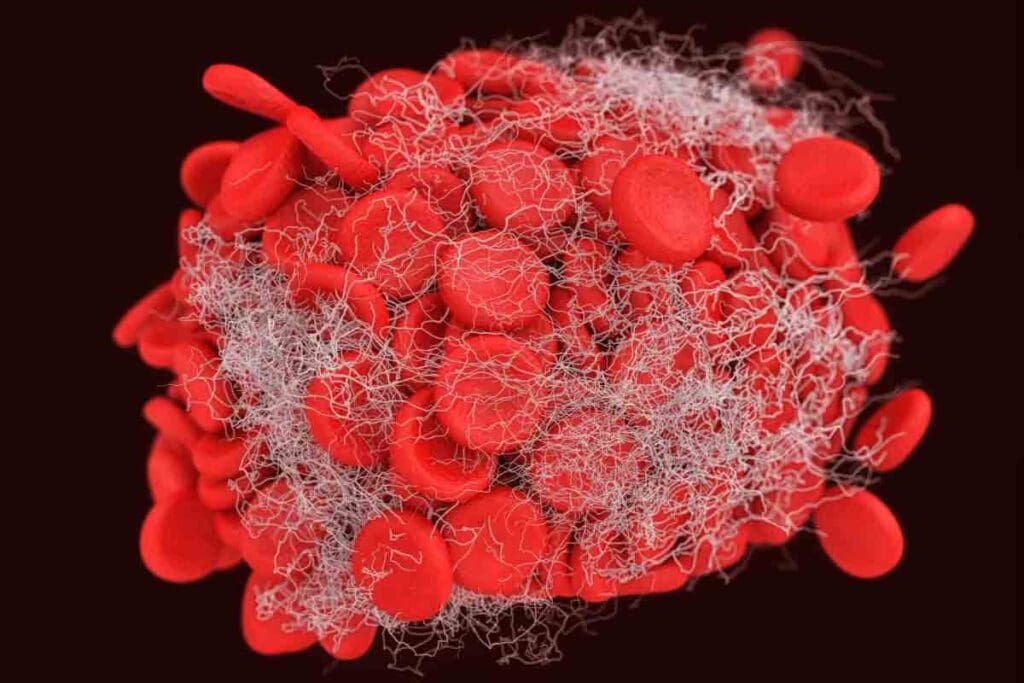
The long-term benefits of blood thinners for DVT are many:
- Reduced risk of recurrence: Taking anticoagulants as directed lowers the risk of DVT coming back.
- Prevention of post-thrombotic syndrome: Good anticoagulation can lower the risk of this chronic condition, with symptoms like pain, swelling, and skin changes in the affected limb.
For more details on dissolving blood clots in the leg, check our article on how long it takes to dissolve a blood clot in the leg.
Monitoring Treatment Effectiveness
It’s important to check if blood thinners are working well. This is done with regular blood tests, like the INR test for warfarin patients. These tests help doctors adjust the dosage to keep the blood in the right range – not too clot-prone or too bleeding-prone.
Understanding how blood thinners work and their benefits helps patients manage their DVT treatment better. It’s a complex process, but with the right medical help, patients can improve their outcomes and lower the risk of complications.
Symptom Improvement Timeline During DVT Recovery
Recovering from DVT means getting better slowly. It’s key to know how long it takes for symptoms to get better. This time can change based on how bad the clot is and how well the treatment works.
Pain and Discomfort Reduction
Feeling less pain is a big sign of getting better. Most people start to feel better in the first few days to weeks after starting treatment. The pain from DVT can feel like a dull ache or be very sharp. As the clot dissolves, this pain gets less over time.
We usually see a big drop in pain levels in 1-2 weeks. But it can take longer for everyone.
Swelling and Inflammation Resolution
Swelling is a common symptom of DVT because of blocked blood flow. As treatment works and the clot dissolves, swelling goes down. This can take several weeks to a few months. Using compression stockings and elevating the affected limb can help with swelling.
We often see swelling start to go down in 2-4 weeks.
Return to Normal Activities
As symptoms get better, people can start doing things they normally do. The time it takes to get back to normal activities varies, but most people do it in 1-3 months. It’s important to listen to doctors to avoid doing too much too soon. Doing too much too fast can lead to more problems.
Persistent Symptoms to Be Aware Of
Even though most symptoms get better, some people might not. It’s important to watch for these symptoms and see a doctor if they get worse or if new ones show up. If pain, swelling, or signs of post-thrombotic syndrome don’t go away, talk to a doctor. They can change treatment plans as needed.
Knowing how long it takes for symptoms to get better helps patients plan their recovery. Working with healthcare providers is key to a smooth recovery and avoiding complications.
Complications That May Extend DVT Recovery Time
DVT recovery isn’t always easy. Several complications can make it take longer to heal. Knowing about these complications helps manage them better and reduces their effects.
Post-Thrombotic Syndrome
Post-thrombotic syndrome (PTS) is a common issue after DVT, affecting up to 50% of patients. It happens when the blood clot damages the vein. This leads to pain, swelling, and skin color changes. These symptoms can really affect a person’s life and may need ongoing care.
To lower the chance of getting PTS, treating DVT quickly and using compression therapy are key. It’s important for patients to work with their doctors to create a detailed treatment plan.
Recurrent DVT
Recurrent DVT is another complication that can make recovery longer. It happens when a new clot forms, either in the same or the other leg. This might mean the first clot’s cause wasn’t fully fixed, or the treatment didn’t work.
To avoid getting DVT again, sticking to the treatment plan is critical. This might include taking anticoagulant medicine and making lifestyle changes.
Pulmonary Embolism Risk
Pulmonary embolism (PE) is a serious risk with DVT. It happens when a clot piece goes to the lungs and blocks blood flow. The risk of PE is highest right after DVT diagnosis, but it can happen at any time during recovery.
It’s vital to know the signs of PE, like sudden breath trouble, chest pain, and coughing up blood. If these symptoms show up, get medical help right away.
In summary, while DVT recovery can face challenges like post-thrombotic syndrome, recurrent DVT, and pulmonary embolism risk, knowing about them helps. Working closely with healthcare providers can lessen their effects and improve recovery outcomes.
Managing Ongoing Symptoms During DVT Recovery
Recovering from Deep Vein Thrombosis (DVT) means dealing with ongoing symptoms. But there are ways to manage these symptoms and aid in your recovery. It’s key to find effective strategies to help you feel better.
Compression Therapy Benefits
Compression therapy is a key part of managing DVT symptoms. Wearing compression stockings can help reduce swelling and ease discomfort. Compression stockings apply graduated pressure, being tighter at the ankle and looser up the leg. This helps improve blood flow and lowers the risk of more clots.
It’s important to wear compression stockings as your doctor advises. They should be worn during the day and taken off at night. Make sure they fit well to get the most benefits and avoid discomfort.
Physical Activity Recommendations
Staying active is important during DVT recovery, but it must be done safely. Gentle exercises like walking or leg lifts can improve circulation without straining your body. Start with short sessions and gradually increase the time as you get stronger.
- Avoid strenuous activities or heavy lifting.
- Take regular breaks to move around if you have a job that involves sitting or standing for long periods.
- Consider exercises that strengthen your calf muscles, as they help with blood circulation.
Pain Management Strategies
Pain management is a big part of DVT recovery. While medications address the clot, other methods can help with pain. Over-the-counter pain relievers might be suggested by your doctor to ease discomfort.
Other than medication, elevating your affected limb above your heart can help with swelling and pain. Using a cold compress or a heating pad (as advised by your doctor) can also offer relief.
Managing DVT symptoms requires a mix of compression therapy, safe physical activity, and pain management. By using these strategies, you can improve your comfort and support your recovery.
DVT Recurrence Risk and Prevention Strategies
Knowing the risk of DVT coming back is key to managing it well. Deep vein thrombosis (DVT) can happen again. It’s important to understand what makes it more likely to happen again.
Understanding Your Personal Risk Factors
Many things can make DVT more likely to come back. These include genes, health conditions like cancer, and lifestyle choices like not moving much or smoking. Managing these risk factors is essential to stop them from coming back. We help patients figure out their risk and make a plan to lower it.
Long-term Prevention Measures
Stopping DVT from coming back needs lifestyle changes and medical help. Staying active and keeping a healthy weight are important. Doctors might also prescribe medicines to stop new clots. We check how well these steps are working and adjust them as needed.
- Following the doctor’s advice on medicines
- Staying active
- Controlling health conditions
- Not sitting for too long
Importance of Medication Adherence
For those who’ve had DVT, taking medicines as told is very important. These medicines are usually taken for a while after a DVT. Sometimes, people need to take them for a long time or even forever. Sticking to the medicine plan helps a lot in preventing it from coming back. We teach our patients why it’s important to take their medicines and help them with any challenges.
By understanding risks, taking steps to prevent them, and following medicine plans, patients can lower their chance of DVT coming back. Our team is dedicated to helping patients through the recovery process.
Lifestyle Adjustments to Support DVT Healing
Recovering from DVT is not just about medical treatment. It also requires making lifestyle changes. These changes can greatly help your healing and improve your overall health.
Dietary Considerations
Eating a balanced diet is key to recovering from DVT. Foods full of antioxidants, like fruits and veggies, boost vascular health. Keeping a healthy weight also helps by reducing vein pressure.
Nutritional Tips:
- Eat foods rich in omega-3 fatty acids, like salmon and walnuts, to fight inflammation.
- Opt for whole grains over processed foods to enhance circulation and heart health.
- If on anticoagulant therapy, limit foods high in vitamin K, such as leafy greens, as they can counteract the medication.
Exercise and Movement Guidelines
Regular exercise is vital for better circulation and preventing new clots. Start with gentle activities like walking or swimming, which are good in the early stages of recovery.
| Exercise Type | Benefits | Precautions |
| Walking | Improves circulation, strengthens muscles | Avoid overexertion, wear compression stockings |
| Swimming | Low-impact, improves cardiovascular health | Be cautious when getting out of the pool to avoid dizziness |
| Cycling | Enhances leg strength, promotes circulation | Start with low resistance, avoid long sessions initially |
Hydration and Its Impact on Recovery
Drinking enough water is essential for blood flow and preventing dehydration. Dehydration can worsen DVT symptoms. Drink at least eight glasses of water a day, adjusting based on your activity and the weather.
Travel Precautions After DVT
Traveling, long distances in particular, can raise the risk of DVT coming back. To lower this risk, take breaks to move around, stay hydrated, and wear compression stockings.
Travel Tips:
- Take a short walk every hour during long trips.
- Do seated leg exercises to boost circulation.
- Drink water regularly to stay hydrated.
- Wear compression stockings for extra protection.
By making these lifestyle changes part of your daily life, you can greatly aid in your DVT recovery. This can also reduce the chance of future problems.
Conclusion: The Journey to Complete DVT Recovery
Recovering from Deep Vein Thrombosis (DVT) is a long journey. It needs patience, the right treatment, and changes in lifestyle. We’ve looked at all parts of DVT recovery, from knowing the condition to managing symptoms and avoiding complications.
The DVT healing journey usually takes several months. Most people get better in three to six months. The healing time depends on how well the treatment works and the person’s health.
To help with DVT recovery, following medical treatments is key. This includes taking blood thinners and making lifestyle changes. Using compression therapy, staying active, and eating right can also help.
Knowing how long DVT takes to heal and the possible complications is important. It helps patients stay informed and involved in their care. By working with healthcare providers and following treatment plans, people can improve their DVT recovery and lower the chance of it coming back.
FAQ
How long does it take for a DVT to dissolve?
The time it takes for a DVT to dissolve varies. It can take a few weeks to several months. Most people see big improvements in 3-6 months.
How fast do blood thinners work for DVT?
Blood thinners work right away to stop the clot from growing. But it takes time to feel the effects and for the clot to dissolve.
What are the common causes and risk factors for DVT?
DVT can be caused by many things. These include being immobile for a long time, surgery, trauma, cancer, and genetics.
How can I manage ongoing symptoms during DVT recovery?
To manage symptoms, use compression therapy and exercise regularly. Also, find good ways to manage pain.
What lifestyle adjustments can support DVT healing?
To help DVT heal, eat well, drink plenty of water, and exercise. Also, take care when traveling.
What is the risk of DVT recurrence, and how can it be prevented?
Knowing your risk factors is key. Stick to prevention plans and take your medicine as directed to avoid DVT coming back.
How long does it take for symptoms to improve during DVT recovery?
Symptoms like pain and swelling get better in the first few weeks. Most people get back to normal in a few months.
What are the possible complications that can prolong DVT recovery?
Complications like post-thrombotic syndrome, DVT coming back, and pulmonary embolism can slow healing. Watch out for these.
How do blood thinners help in treating DVT?
Blood thinners stop the clot from getting bigger. They let the body dissolve naturally over time.
What is the typical timeline for DVT recovery?
Recovery time for DVT varies. But most see big improvements in 3-6 months. The healing process has three stages.
References
- Huang, W., et al. (2022). Delay between clinical presentation and treatment of deep vein thrombosis: Impact on recanalization. Journal of Vascular Medicine, 43(3), 151-158. https://pubmed.ncbi.nlm.nih.gov/34315302/