Last Updated on November 25, 2025 by Ugurkan Demir
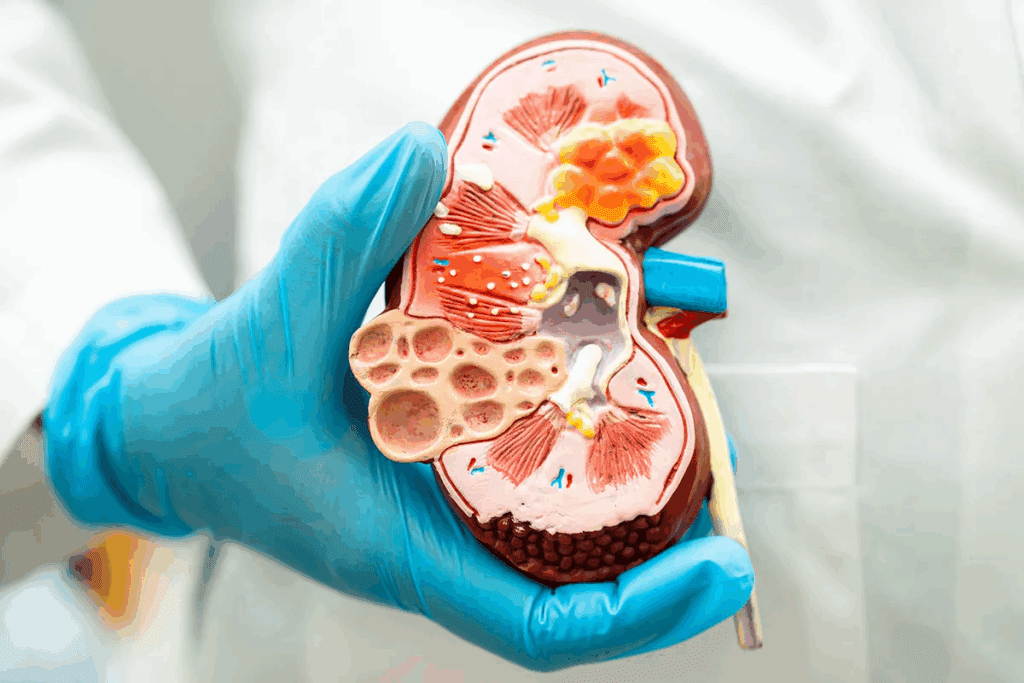
Kidney stones are hard objects made of minerals and salts in urine. They form inside the kidneys. At Liv Hospital, we know how important it is to understand kidney stone formation timelines. Learn how long does it take to get kidney stones and factors affecting growth.
The time it takes for kidney stones to develop varies a lot. It depends on many factors and the type of stone. Usually, small stones take months to form. But for those at higher risk, stones can form in just weeks.
We focus on our patients at Liv Hospital. We use the latest diagnostics and care plans. This helps you understand your risk and prevent stones.
Key Takeaways
- Kidney stone formation time varies depending on individual factors and stone composition.
- Typically, it takes several months for small stones to form.
- Stone formation can occur in weeks for people at higher risk.
- Understanding risk factors is key to prevention.
- Comprehensive care pathways can help prevent stone formation.
Understanding Kidney Stones and Their Formation

Kidney stones are hard deposits made of minerals and salts. They form inside the kidneys. “The development of kidney stones is a significant health concern, affecting millions of people worldwide,” as noted by health experts.
What Are Kidney Stones?
Kidney stones are solid masses of crystalline material. They can form anywhere in the urinary tract, but mostly in the kidneys. They can be made of calcium oxalate, uric acid, struvite, and cystine.
The type of stone can tell us about its cause. This helps guide treatment.
The Process of Stone Formation
The formation of kidney stones is complex. It involves the concentration of certain substances in the urine. When urine becomes supersaturated, crystals can form and grow into stones.
Dehydration, diet, and certain medical conditions can raise the risk. As Medical Expert, a urologist, explains, “Understanding the process of stone formation is key for prevention.” This means treating symptoms and addressing causes.
Prevalence in the United States
Kidney stones are a big health issue in the United States. They affect about 1 in 5 males and 1 in 10 females by age 70. The number of people getting kidney stones has gone up over the years.
A study found that changes in diet, obesity, and lifestyle are linked to this increase. Knowing these factors helps in creating better prevention and treatment plans.
How Long Does It Take to Get Kidney Stones?

Kidney stones can form in a few months or take decades. This varies based on genetics, diet, hydration, and health conditions.
Average Formation Timelines
Studies show kidney stones can form in 2 to 5 years. But, some stones can appear in just 6 months or take up to 20 years.
The time it takes to form a stone depends on the type. Calcium stones are common, followed by uric acid, struvite, and cystine stones. Each type grows at a different rate.
Research on Stone Development Rates
Research has shed light on what affects stone growth. Stones of the same size and type can grow in a few years or up to 20 years.
- A study found kidney stones grow about 0.07 cm per year.
- Another study showed a stone grew 0.09 cm per year over 20 years.
Case Studies and Documented Growth Patterns
Case studies show how different stones grow. For example, one stone grew over 20 years, while another formed in less than a year.
- A 45-year-old man’s stone grew from 0.5 cm to 1.5 cm in 5 years.
- A younger patient’s stone grew to 2 cm in 18 months.
These stories highlight the need for regular check-ups for those at risk of kidney stones.
Factors Affecting Kidney Stone Formation Speed
Many factors can speed up how fast kidney stones form in the body. Knowing these factors is key for preventing and treating stones.
Genetic Predisposition
Genetics play a big role in getting kidney stones. If your family has a history of stones, you might get them too. Some genes can change how your urine works, making stones more likely.
Dietary Influences
What you eat matters a lot for kidney stones. Foods high in oxalate, sodium, and animal protein raise your risk. For example, eating a lot of animal protein can lead to uric acid stones.
Hydration Status
Drinking enough water is vital to avoid stones. Being dehydrated makes your urine more concentrated, raising your stone risk. Drinking water helps keep your urine diluted, which is good for your kidneys.
Medical Conditions
Some health issues can make you more likely to get stones. Problems like renal tubular acidosis, cystinuria, and urinary tract infections can cause stones. It’s important to manage these conditions well to prevent stones.
By knowing and tackling these factors, you can lower your risk of getting kidney stones.
Types of Kidney Stones and Their Growth Rates
It’s important to know about the different types of kidney stones. This helps us understand how fast they grow and their impact on health. Each type of stone has its own growth pattern and characteristics.
Calcium Stones
Calcium stones, often made of calcium oxalate, are the most common. They are hard and can be any size. Their formation is linked to diet, how much you drink, and some health conditions.
Growth Rate: These stones grow slowly. It can take months or even years for them to cause symptoms.
Uric Acid Stones
Uric acid stones form when there’s too much uric acid in the urine. This is common in people with gout or metabolic syndrome. Men are more likely to get them.
Prevention: Eating right and staying hydrated can help prevent these stones.
Growth Rate: Uric acid stones grow fast if uric acid levels stay high.
Struvite Stones
Struvite stones are linked to urinary tract infections (UTIs). They can grow quickly and fill the renal pelvis. Women are more likely to get them, often due to bacterial infections.
“Struvite stones can grow very quickly and may become quite large, sometimes without causing significant symptoms until they are quite advanced.”
Growth Rate: Struvite stones grow fast, even with a UTI.
Cystine Stones
Cystine stones are rare and caused by a genetic disorder. This disorder leads to too much cystine in the urine. These stones can come back and are hard to manage.
Growth Rate: Cystine stones grow over time. They need long-term management.
In summary, knowing the type of kidney stone is key to understanding its growth rate and treatment. By learning about each type, we can take steps to prevent them.
Signs That Kidney Stones Are Developing
Knowing the signs of kidney stones can help you get medical help fast. These stones can cause pain that ranges from mild to severe.
Early Warning Symptoms
The first signs of kidney stones are often subtle. They include severe pain in the side or back, below the ribs. This pain, called renal colic, can spread to the lower abdomen and groin.
Other signs are nausea and vomiting, fever and chills if there’s an infection, and blood in the urine. This last sign means the stone is causing damage.
Knowing these symptoms is key. They show a kidney stone might be forming or has formed.
When to Seek Medical Attention
If you have severe pain that won’t go away, vomiting that stops you from drinking fluids, fever over 101.5°F (38.6°C), or blood in your urine, get medical help right away. These signs mean you might have a serious kidney stone.
Distinguishing Kidney Stone Pain from Other Conditions
Kidney stone pain can be mistaken for other issues, like appendicitis or a urinary tract infection. But kidney stone pain starts in the flank and goes to the groin. Appendicitis pain starts near the navel and moves to the lower right abdomen.
By knowing these differences, you can get the right treatment for your pain.
By spotting the signs of kidney stones early, you can manage your condition better. This helps prevent serious problems.
Diagnosing and Measuring Kidney Stone Growth
Diagnosing kidney stones requires imaging and lab tests. It’s key to find the right treatment and stop stones from coming back.
Imaging Techniques
Imaging is key in finding kidney stones. The main methods are:
- CT Scans: The top choice for finding stones because they’re very sensitive.
- Ultrasound: A safe, first choice for pregnant women and kids.
- X-rays: Good for finding certain types of stones, but not as good as CT scans.
Laboratory Tests
Lab tests help figure out what the stones are made of and why they might form. These tests include:
- Urine Analysis: Checks for infections and stone risk.
- Blood Tests: Looks at substances like calcium and uric acid that can cause stones.
- Stone Analysis: Finds out what the stone is made of, helping prevent future stones.
| Laboratory Test | Purpose |
| Urine Analysis | Identify infections, assess stone risk |
| Blood Tests | Measure calcium, uric acid levels |
| Stone Analysis | Determine stone composition |
Tracking Stone Development Over Time
Keeping an eye on how stones grow is important. This means:
- Regular Imaging: Using CT scans or ultrasounds to see if the stone is getting bigger.
- Symptom Monitoring: Watching for changes in symptoms like pain or trouble peeing.
By using imaging, lab tests, and watching symptoms, doctors can manage kidney stones well. This helps avoid serious problems.
Treatment Options Based on Stone Formation Stage
Treatment for kidney stones depends on the stone’s size and where it is. We look at many factors to choose the best treatment.
Managing Small, Recently Formed Stones
Small stones that just formed might pass on their own. We suggest increased fluid intake to help them move faster and ease pain.
We also focus on pain management for these patients. Medications can help with the pain and discomfort of passing a stone.
Interventions for Larger, Established Stones
Larger stones or those blocking the flow need more treatment. Extracorporeal Shock Wave Lithotripsy (ESWL) is a non-invasive method. It breaks the stone into smaller pieces for easier passage.
Ureteroscopy is another option. It involves a small scope passed through the urethra to remove the stone directly.
When Surgery Is Necessary
Surgery might be needed for bigger stones or those causing problems. Percutaneous Nephrolithotomy (PCNL) is a minimally invasive surgery. It removes large stones through a small incision in the back.
| Stone Size | Treatment Options | Typical Recovery Time |
| Small (<5 mm) | Increased fluid intake, pain management | 1-3 days |
| Medium (5-10 mm) | ESWL, Ureteroscopy | 3-7 days |
| Large (>10 mm) | PCNL, Surgery | 1-2 weeks |
Preventing Rapid Kidney Stone Formation
To prevent kidney stones, you need to make some changes. This includes what you eat, how much you drink, and your lifestyle. We’ll go over these steps to help you lower your risk of getting kidney stones.
Dietary Modifications
Your diet is key in preventing kidney stones. Reducing sodium intake is important. High sodium can lead to more calcium in your urine, which can cause stones.
Also, limit foods high in oxalate like spinach and beets. These are bad for people who get calcium oxalate stones.
- Eat more fruits and veggies low in oxalate.
- Choose foods high in calcium to help lower oxalate absorption.
- Don’t eat too much animal protein, as it can increase uric acid stone risk.
Hydration Strategies
Drinking enough water is vital to prevent stones. Water helps dilute your urine, making it less likely for minerals to form stones. Aim for 8-10 glasses of water a day. Drink more if you’re active or live in a hot place.
- Check your urine color; it should be pale yellow or clear.
- Stay away from sugary drinks that can increase stone risk.
- Try citrus juices like lemonade or orange juice to help prevent stones.
Medications That Can Help
In some cases, doctors might prescribe medications to prevent stones. These include thiazide diuretics to lower calcium in urine, potassium citrate for uric acid stones, and allopurinol for high uric acid levels.
Lifestyle Changes
Changing your lifestyle can also help prevent stones. Maintaining a healthy weight and staying active can lower your risk. Avoid too much vitamin C and D, as they can increase stone risk.
By making these changes, you can greatly reduce your risk of getting kidney stones. It’s important to talk to your doctor about a plan that’s right for you.
Conclusion
Knowing how long it takes to develop a kidney stone is key. It helps people take steps to prevent them and get help when needed. Kidney stones are common and can be very painful, but early action can help.
We looked at what makes kidney stones form. This includes genetics, diet, staying hydrated, and health conditions. Knowing these can help prevent stones. Good prevention includes changing your diet, drinking more water, and using certain medicines.
If you already have kidney stones, there are treatments. They range from managing small stones to more serious surgery for big ones. Each case is different, but there’s a way to handle it.
Being aware of kidney stone signs and taking steps to prevent them can help. It’s important to understand how stones form and take action. This can improve your health and make you feel better.
FAQ
How long does it take to develop kidney stones?
Kidney stones can take anywhere from a few weeks to several years to form. This depends on your diet, how much you drink, and your genes.
How fast can kidney stones form?
Kidney stones form at different speeds. Some can appear in just a few weeks. Others may take months or even years.
What factors influence the speed of kidney stone formation?
Several things can affect how fast kidney stones form. These include your genes, what you eat, how much you drink, and any health conditions you have.
Can diet affect how quickly kidney stones develop?
Yes, your diet plays a big role in kidney stone formation. Eating too much oxalate, sodium, or animal protein can increase your risk.
How does hydration status impact kidney stone formation?
Drinking enough water is key to preventing kidney stones. Not drinking enough can make your urine too concentrated, raising your risk.
What are the early warning symptoms of kidney stones?
Early signs include sharp pain in your side or back, below your ribs. You might also feel pain in your lower abdomen or groin. Other symptoms include nausea, vomiting, or trouble urinating.
When should I seek medical attention for suspected kidney stones?
If you have severe pain, trouble urinating, or think you have a kidney stone, seek medical help. This is true if you’ve had stones before or have other health issues.
How are kidney stones diagnosed and measured?
Doctors use ultrasound or CT scans to find kidney stones. They might also do lab tests to learn more about the stone.
What treatment options are available for kidney stones?
Treatment varies based on the stone’s size, type, and location. Small stones might be treated with hydration and pain relief. Larger stones might need more invasive methods like lithotripsy or surgery.
Can kidney stone formation be prevented?
Yes, you can prevent kidney stones. This includes changing your diet, drinking enough water, taking certain medications, and making lifestyle changes based on your risk factors.
How quickly can kidney stones grow?
Kidney stones can grow at different rates. Some stay small and don’t cause symptoms. Others can grow quickly, depending on various factors.
How long does it take for kidney stones to develop after a previous stone?
If you’ve had a kidney stone before, you’re more likely to get another. The time it takes can vary based on your risk factors and how well you prevent them.
References
National Center for Biotechnology Information. (2025). How Long Does It Take to Get Kidney. Retrieved from https://www.ncbi.nlm.nih.gov/pmc/articles/PMC5839430/