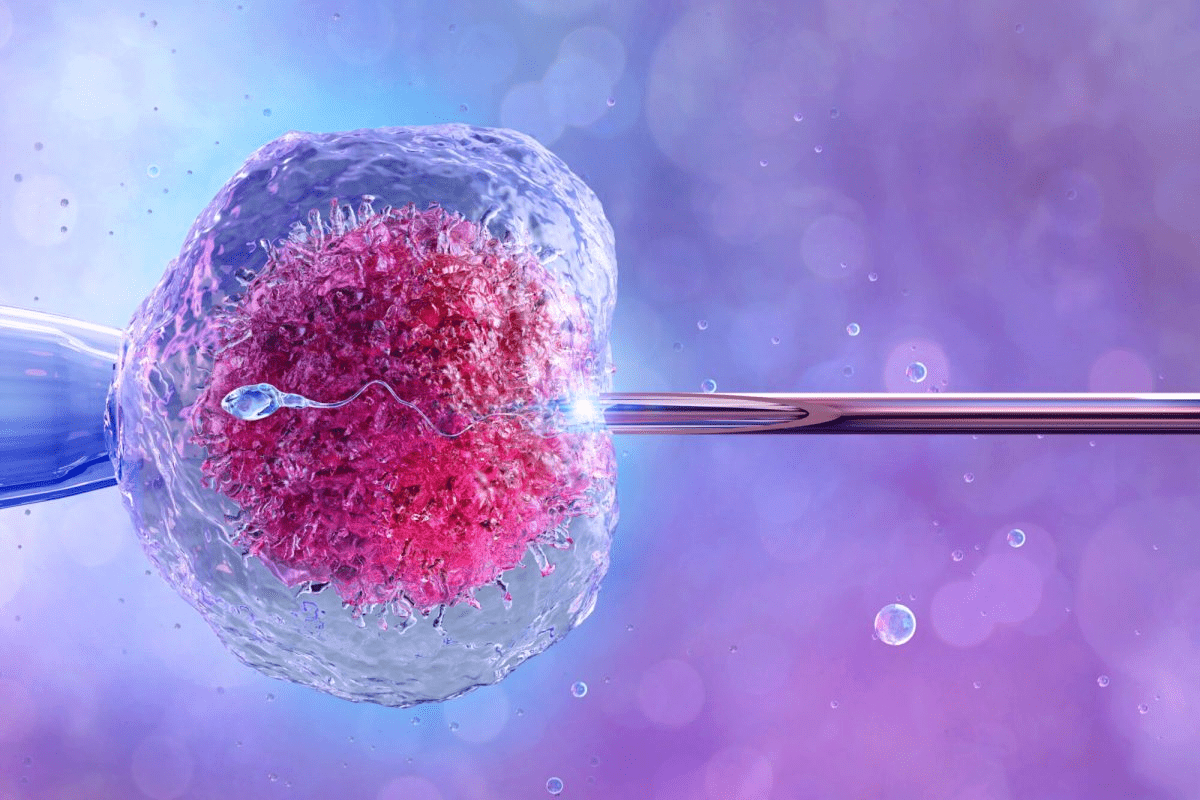

Understanding sperm regeneration is key for men worried about fertility. The process of spermatogenesis, or sperm production, is complex. It happens in the seminiferous tubules of the testes.Clarifying the biological process of how long does it take to grow sperm from start to finish.
The NIH says sperm production starts with the release of gonadotropin-releasing hormone (GnRH). This hormone makes the pituitary gland release luteinizing hormone (LH) and follicle-stimulating hormone (FSH). These hormones start the development of sperm cells in the testicles.
The whole cycle of sperm production takes about 64 to 74 days. But, the body starts making new sperm in 24 to 48 hours after ejaculation. This shows how efficient the male reproductive system is.
Key Takeaways
- Sperm regeneration is a continuous biological process occurring in the seminiferous tubules of the testes.
- The complete cycle of spermatogenesis takes approximately 64 to 74 days.
- Sperm replenishment begins within 24 to 48 hours after ejaculation.
- Hormones such as GnRH, LH, and FSH play a critical role in sperm production.
- Lifestyle factors and ejaculation frequency can affect sperm regeneration.
The Biological Process of Sperm Production
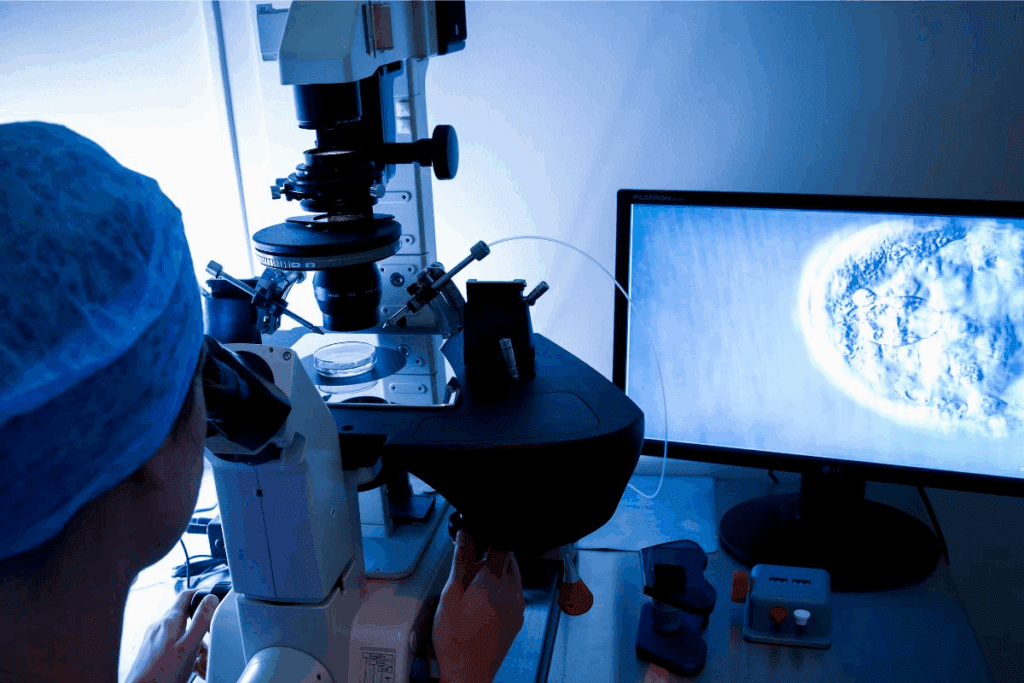
The creation of sperm is called spermatogenesis. It’s a complex process where immature cells turn into mature sperm. This happens in the seminiferous tubules of the testicles, guided by hormones like testosterone, LH, and FSH.
What Is Spermatogenesis?
Spermatogenesis is a detailed process that needs the work of many cells and hormones. It starts with the division of spermatogonia, the sperm’s stem cells. These cells go through several stages to become mature spermatozoa. This journey is key for male fertility.
Key stages of spermatogenesis include:
- Mitotic division of spermatogonia
- Meiotic division to produce spermatids
- Spermiogenesis, where spermatids mature into spermatozoa
The Anatomy of Sperm Production
Sperm production happens in the seminiferous tubules of the testicles. These tubules offer a special environment for sperm development. The testicles keep a cooler temperature than the rest of the body, which is vital for sperm production.
| Structure | Function |
|---|---|
| Seminiferous Tubules | Site of spermatogenesis |
| Testicles | Maintain optimal temperature for sperm production |
| Epididymis | Storage and maturation site for sperm |
Hormonal Regulation of Sperm Development
Hormones are key in controlling spermatogenesis. Testosterone, made by Leydig cells in the testicles, is vital for sperm development. Luteinizing hormone (LH) and follicle-stimulating hormone (FSH), from the pituitary gland, also play a role. They help make testosterone and support spermatogonia development.
“The hormonal regulation of spermatogenesis is a complex interplay between the hypothalamus, pituitary gland, and testicles, ensuring the proper progression of sperm development.”
Source: Expert in Reproductive Endocrinology
Keeping these hormones in balance is essential for healthy sperm production. Any imbalance can harm sperm quality and fertility.
How Long Does It Take to Grow Sperm: The Complete Timeline
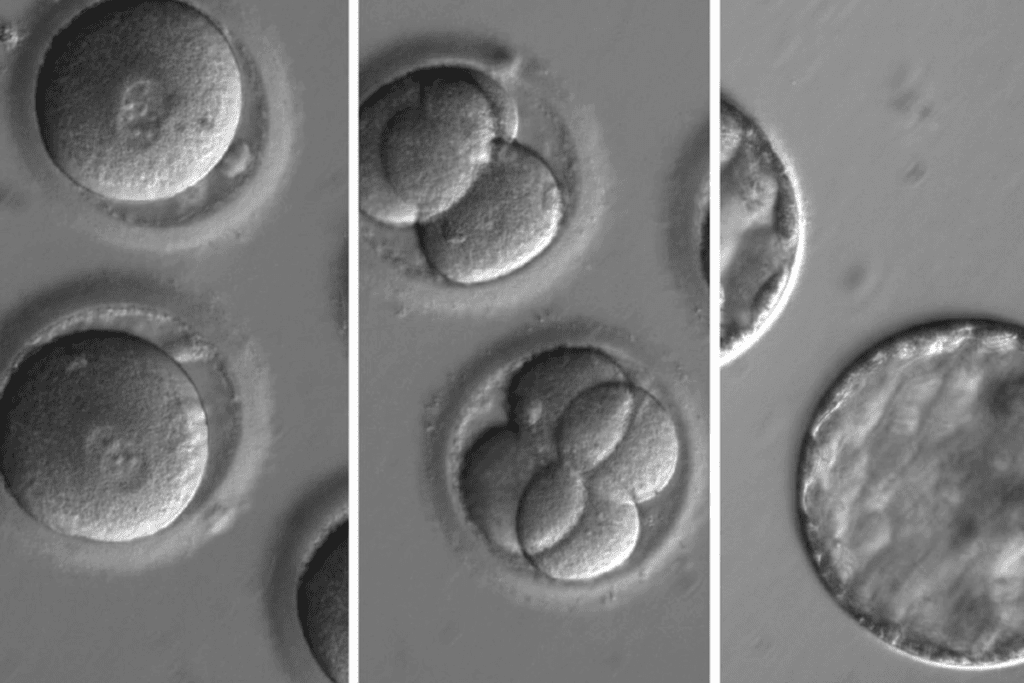
The process of making sperm, or spermatogenesis, is complex and takes weeks. It’s important to understand this to know about male fertility.
The 64-74 Day Spermatogenesis Cycle
The whole cycle of spermatogenesis takes about 64 to 74 days. This is when the body makes mature sperm cells. The exact time can change based on health and hormones.
Daily Production Rates (100-200 Million Sperm)
Men make a lot of sperm every day. It’s estimated that 100 to 200 million sperm are made each day. This is because many sperm are lost or don’t mature.
From Stem Cell to Mature Sperm: Developmental Stages
The journey from stem cell to mature sperm has many stages. It starts with spermatogonia (stem cells) dividing into spermatocytes. Then, these cells go through meiosis to become spermatids. After that, they become spermatozoa (mature sperm) through spermiogenesis. Each step is key for healthy, moving sperm.
Knowing these stages and the spermatogenesis timeline helps us understand male fertility. It shows how factors can affect sperm quality and amount.
Immediate Recovery After Ejaculation
Ejaculation starts a quick response in the body to make new sperm. This fast recovery is key for keeping fertility high. It ensures sperm reserves are filled up fast.
The testes work hard to make sperm cells non-stop. Studies say the body starts to make more sperm right after ejaculation. It usually gets back to normal in 24 to 48 hours.
The First 24-48 Hours Post-Ejaculation
In the first 24-48 hours after ejaculation, the testes work extra hard. They make more sperm to replace what was lost. This is a key time for men wanting to boost their fertility.
Research shows the body quickly makes new sperm cells. This helps sperm reserves get filled up fast. Hormones and body processes work together to make this happen.
How Quickly Sperm Count Replenishes
How fast sperm count goes back up can differ from person to person. It depends on health, lifestyle, and how often someone ejaculates. But, on average, it takes just a couple of days for sperm count to get back to normal.
Here’s a table to show how recovery works:
| Time Post-Ejaculation | Sperm Count Status | Recovery Stage |
|---|---|---|
| 0-24 Hours | Low | Initial Recovery |
| 24-48 Hours | Replenishing | Active Production |
| 48+ Hours | Normal/Optimal | Full Recovery |
The Body’s Recovery Mechanisms
The body’s quick recovery from ejaculation shows how efficient sperm production is. The testes always make new sperm cells. Hormones like testosterone and follicle-stimulating hormone (FSH) help control this.
Knowing how these mechanisms work can help us understand male fertility better. By improving sperm production and recovery, men can take steps to better their reproductive health.
The Full Regeneration Cycle Explained
The male body can produce billions of sperm cells. This is thanks to a complex regeneration cycle. Knowing how this works helps us understand what affects sperm quality and quantity.
Primary Stages of Sperm Development
Sperm development, or spermatogenesis, has several stages. It starts with the division of spermatogonia, the stem cells that become sperm cells. These cells go through changes like meiosis and spermiogenesis to become mature sperm. This complex process is tightly regulated by hormonal controls, ensuring the continuous production of sperm.
Timeframe for Complete Regeneration
The complete regeneration cycle takes about 64 to 74 days. This can vary based on health, lifestyle, and environment. Understanding this timeframe is key for men wanting to improve their fertility, as it helps plan when to take action.
The 8 Billion Sperm Production: Understanding Capacity
Research shows a healthy male can produce up to 8 billion sperm. This shows the body’s ability to keep regenerating sperm. The table below gives more details on sperm production capacity.
| Production Aspect | Description | Quantity/Quality Indicator |
|---|---|---|
| Daily Production | Sperm produced per day | 100-200 million |
| Cycle Duration | Time for one complete cycle of spermatogenesis | 64-74 days |
| Total Potencial | Maximum sperm production over multiple cycles | Up to 8 billion |
Understanding the full regeneration cycle and production capacity helps men grasp what affects their fertility. This knowledge guides lifestyle choices and medical interventions to improve sperm quality and quantity.
Factors That Affect Sperm Regeneration Speed
Many things can change how fast sperm regenerates. Health issues, lifestyle choices, and what’s around us are big factors. They can really affect how good and how many sperm we make.
Age-Related Changes in Production
As men get older, making sperm gets harder. Studies show that age-related changes can mess up sperm DNA. This makes it harder to get pregnant, and it gets worse after 40.
- Less testosterone
- More DNA damage
- Sperm move less
Knowing this is key for men who want to have kids later.
Health and Lifestyle Influences
What a man eats, exercises, smokes, and drinks can really change his sperm. A good diet, exercise, and not smoking or drinking too much can help a lot.
Eating foods full of antioxidants can make sperm better by fighting off damage. But drinking too much and smoking can hurt sperm production.
Environmental Factors
Environmental exposures also play a big role. Pollutants, pesticides, and chemicals can harm sperm making and quality.
| Environmental Factor | Impact on Sperm |
|---|---|
| Pesticides | Less sperm and they move less |
| Heavy metals | Damage DNA and lower fertility |
| Air pollution | More damage from stress |
Medications and Substance Use
Some medications and substance use can mess with sperm making. Steroids can really hurt sperm production. Some antidepressants might also make sperm quality worse.
Talking to a doctor about these things is very important if you’re worried about your fertility.
Ejaculation Frequency and Its Impact on Sperm Quality
The link between how often you ejaculate and sperm quality is complex. It’s clear that finding the right balance is key for healthy sperm.
Finding the Optimal Frequency
Research shows that how often you ejaculate affects sperm quality. Frequent ejaculation might lower sperm count. But not ejaculating enough can make sperm move less well.
Studies have looked into the best frequency for sperm quality. For example, one found that men who ejaculated every other day had more sperm than those who did it daily or less.
Balancing Quantity and Quality
The balance between how many sperm you have and their quality is tricky. Frequent ejaculation might lower sperm count. But it also helps get rid of older, less motile sperm.
Longer periods without ejaculating can lead to more older sperm. This can lower fertility. So, finding the right frequency is important to balance these factors.
Research on Abstinence Periods and Fertility
Many studies have looked at how long to wait before checking sperm quality. The World Health Organization suggests waiting 2-7 days. This helps sperm quality.
But, what works for one person might not work for another. Age, health, and lifestyle can affect the best waiting time.
In summary, understanding how ejaculation frequency affects sperm quality is vital for better fertility. By finding the right balance and considering personal factors, men can improve their reproductive health.
Common Myths About Sperm Regeneration Debunked
Many myths surround sperm regeneration, affecting our understanding of male reproductive health. These misconceptions can lead to confusion and misinformation about fertility and sperm production.
Popular Misconceptions vs. Scientific Facts
One common myth is that sperm regenerates immediately after ejaculation. But, scientific evidence shows it takes longer. Spermatogenesis, the production of sperm, is a complex process that takes about 64 to 74 days to complete.
A study in the Journal of Andrology found that the daily production rate of sperm is between 100 to 200 million. This fact debunks the myth that sperm count drops significantly after frequent ejaculation.
“The average healthy adult male produces approximately 1,500 sperm per second, or 90,000 sperm per minute, or around 130 million sperm per day.” – Journal of Andrology
Cultural Beliefs Without Scientific Basis
Cultural beliefs often influence our perceptions of sperm regeneration. For instance, some cultures believe that frequent ejaculation depletes a man’s “vital energy.” But, there is no scientific basis for this belief. Research shows that the body can replenish sperm remarkably well.
| Myth | Fact |
|---|---|
| Sperm regenerates immediately after ejaculation. | Spermatogenesis takes approximately 64 to 74 days. |
| Frequent ejaculation depletes sperm count significantly. | The body produces 100 to 200 million sperm daily. |
The Origin and Persistence of Sperm Myths
Sperm myths often come from cultural or historical beliefs not backed by science. These myths stick around because people don’t know much about spermatogenesis.
Learning the facts about sperm production can clear up the confusion. By debunking these myths, we can better understand the body’s amazing ability to produce sperm.
Practical Implications for Fertility Planning
Knowing how sperm regenerate is key for planning to get pregnant. This info helps with timing sex, fertility tests, and even with IVF.
Timing Intercourse for Conception
Knowing how fast sperm regenerate is key for timing sex right. Studies show sperm can live up to five days in a woman’s body. But, the best time for getting pregnant is when sperm meet the egg during ovulation.
“The timing of sex around ovulation is key for getting pregnant,” say fertility experts. “Knowing how fast sperm regenerate helps couples find the best time to try.”
Sperm Quality vs. Quantity Considerations
While having lots of sperm is good, sperm quality is more important for getting pregnant. Things like how well sperm move, their shape, and if their DNA is good are key for fertilizing an egg.
- Sperm motility is how well sperm can swim through the woman’s body.
- Morphology is about sperm shape and structure, and odd shapes can stop fertilization.
- DNA integrity is important for passing on healthy genetic material and for the embryo’s health.
Planning for Fertility Testing
For those having trouble getting pregnant, fertility testing is a must. Knowing how fast sperm regenerate helps plan when to do these tests for the best results.
Fertility tests, like semen analysis, check sperm count, motility, and shape. How often to test depends on sperm regeneration speed.
Implications for Assisted Reproduction
Assisted reproduction methods, like IVF, need good sperm quality and quantity. Knowing about sperm regeneration helps plan these procedures better.
“The success of assisted reproduction methods depends a lot on sperm quality. Knowing about sperm regeneration helps plan the best time for sperm collection and fertilization.”
Healthcare providers can give better advice on fertility planning by considering sperm regeneration. This can increase the chances of getting pregnant.
Improving Sperm Regeneration Naturally
Improving sperm regeneration is possible with the right diet, lifestyle, and supplements. These changes can help boost sperm health and fertility.
Evidence-Based Dietary Changes
Eating foods rich in antioxidants, vitamins, and minerals is key for sperm production. Foods like berries, leafy greens, and fruits and vegetables reduce oxidative stress. This stress can harm sperm DNA.
Key nutrients for sperm health include:
- Zinc: Essential for testosterone production and sperm development.
- Folate: Important for DNA synthesis and repair.
- Omega-3 fatty acids: Supports cell membrane integrity.
- Vitamin D: Linked to improved sperm motility.
Lifestyle Modifications That Work
Changing your lifestyle can greatly improve sperm regeneration. Regular exercise, a healthy weight, and avoiding too much heat are all good. Exercise boosts health and reduces stress, while a healthy weight is linked to better sperm quality.
| Lifestyle Factor | Impact on Sperm Regeneration |
|---|---|
| Regular Exercise | Improves overall health and reduces stress |
| Healthy Weight | Associated with better sperm quality |
| Avoiding Excessive Heat | Reduces damage to sperm production |
Stress Management Techniques
High stress can harm sperm production. Effective stress management includes:
- Meditation: Reduces stress and improves mental well-being.
- Yoga: Combines physical activity with stress reduction.
- Deep Breathing Exercises: Helps manage acute stress.
Supplements With Scientific Support
Some supplements support sperm health. These include:
- Antioxidant supplements: Such as vitamin C and E, which help reduce oxidative stress.
- Zinc supplements: For individuals with zinc deficiency.
- Coenzyme Q10 (CoQ10): May improve sperm motility.
Always talk to a healthcare provider before starting supplements. This ensures they are safe and work well for you.
Medical Conditions That Impact Sperm Production
Sperm production can be affected by many medical conditions. These health issues can change how well and how much sperm is made. It’s important to know about these conditions for good reproductive health.
Hormonal Imbalances and Endocrine Disorders
Hormonal imbalances, like those in testosterone, can harm sperm production. Endocrine disorders like hypogonadism can lower sperm count and quality.
Hyperthyroidism and hypothyroidism can also mess with sperm production. We’ll look at how to manage these conditions to improve sperm production.
Structural and Anatomical Issues
Issues like varicocele, a vein swelling in the testicle, can harm sperm production. Other problems, like blockages in the reproductive tract, can also affect sperm.
It’s key to understand these issues to find treatments that can improve sperm quality and quantity.
Genetic Factors Affecting Spermatogenesis
Genetics play a big role in sperm production. Conditions like Klinefelter syndrome and Y chromosome microdeletions can greatly reduce or stop sperm production.
| Genetic Condition | Impact on Sperm Production |
|---|---|
| Klinefelter Syndrome | Reduced sperm count or azoospermia |
| Y Chromosome Microdeletions | Impaired spermatogenesis |
| Cystic Fibrosis | Obstructive azoospermia |
Infections and Inflammatory Conditions
Infections like epididymitis and orchitis can harm the reproductive tract and sperm production. Inflammatory conditions can cause scarring and blockages, making it harder for sperm to move.
It’s vital to treat these infections and conditions to keep fertility. We’ll talk about the different treatments available.
Conclusion
Understanding sperm regeneration is key for good reproductive health and planning for fertility. We’ve looked into how sperm is made, what affects its production, and how it impacts fertility planning.
Studies reveal that many things can influence sperm regeneration. This includes lifestyle, health, and what we’re exposed to in our environment. By using what we’ve learned, people can improve their reproductive health and fertility. This means making smart food choices, living a healthy lifestyle, and managing stress.
Sperm regeneration is complex and vital for fertility. Knowing how sperm is produced and what affects it helps people manage their reproductive health better. This knowledge lets individuals make smart choices about their fertility, supporting their overall health and reproductive goals.
FAQ
How long does it take for sperm to regenerate after ejaculation?
It takes 24-48 hours for the body to refill sperm count after ejaculation. But, it takes about 64-74 days for a full cycle of regeneration.
Does sperm regenerate after ejaculation?
Yes, sperm keep regenerating through a process called spermatogenesis. This happens in the seminiferous tubules of the testes.
How often are sperm made?
Sperm are made all the time. The testes produce about 100-200 million sperm every day.
How long does it take for sperm to reproduce?
It takes 64-74 days for sperm to be produced through spermatogenesis.
What factors affect sperm regeneration speed?
Many things can affect how fast sperm regenerate. These include age, health, lifestyle, environmental factors, and some medical conditions.
How can I improve sperm regeneration naturally?
To naturally improve sperm regeneration, try dietary changes, lifestyle adjustments, stress management, and supplements backed by science.
What is the optimal ejaculation frequency for sperm quality?
The best ejaculation frequency varies by person. Research suggests finding a balance between how often and how well you ejaculate is key for fertility.
Can medical conditions impact sperm production?
Yes, some medical issues like hormonal imbalances, structural problems, genetics, and infections can harm sperm quality and quantity.
How long does it take to increase sperm count?
Increasing sperm count takes different times for everyone. But, using proven strategies can improve sperm quality and quantity over time.
How quickly does sperm regenerate?
Sperm regenerate continuously. The body can refill sperm count in 24-48 hours after ejaculation.
What is the production capacity of sperm?
The testes can produce about 8 billion sperm. But, not all sperm are of the best quality.
How often does sperm refresh?
Sperm refresh continuously. New sperm are made through spermatogenesis.
References
National Center for Biotechnology Information. Sperm Regeneration: Spermatogenesis Timeline and Fertility Considerations. Retrieved from https://www.ncbi.nlm.nih.gov/pmc/articles/PMC8812405/[3