Last Updated on November 27, 2025 by Bilal Hasdemir
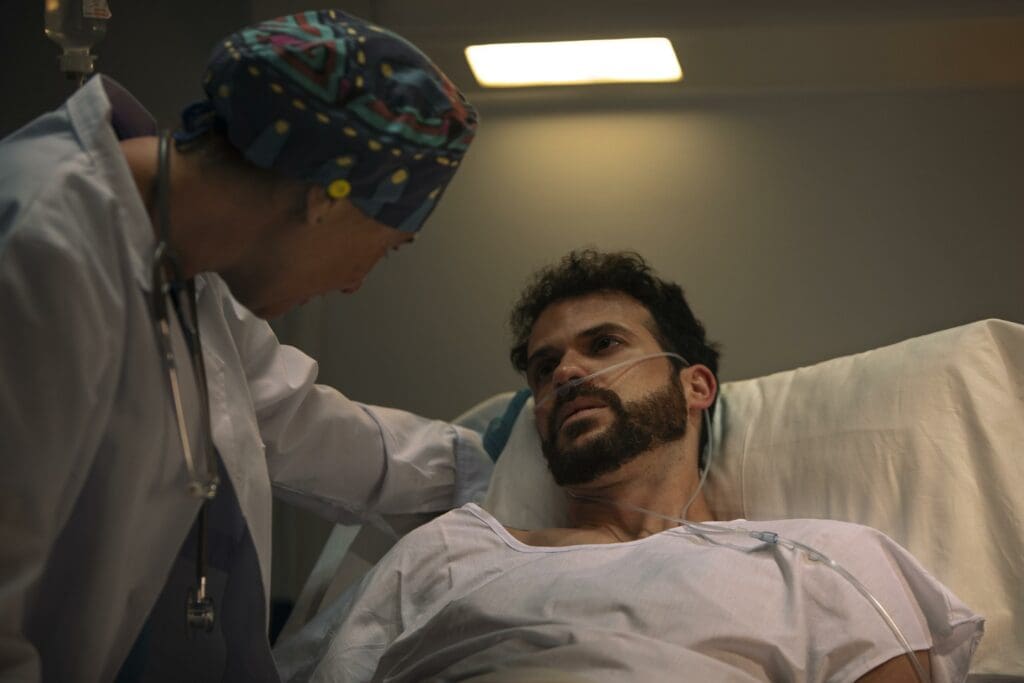
Having prostate surgery can be scary, and knowing how to recover is key. At Liv Hospital, we give clear advice on what to expect during recovery. Prostate cancer surgery is often chosen when cancer is in one place. How long it takes to get better depends on the surgery type and your health.
Usually, recovery after prostate cancer surgery takes 2 to 8 weeks. The surgery method, like robotic or traditional, affects how long it takes. We’re here to help our patients through every step, making sure they get the best care.
Key Takeaways
- Recovery time varies depending on the surgical approach and individual health.
- Robotic surgery typically has a shorter recovery time compared to traditional open surgery.
- Patients usually have a urinary catheter in place for about the first week.
- Erectile function and urinary incontinence may take several months to a year to recover.
- Most patients can expect to feel back to normal within 4 to 6 weeks.
Understanding Prostate Surgery and Its Purpose

It’s important for patients to understand prostate surgery and its purpose. This surgery, or prostatectomy, removes the prostate gland. It’s done for treating prostate cancer and other conditions.
Types of Prostate Procedures
There are different prostate procedures, like open prostatectomy, laparoscopic prostatectomy, and robotic prostatectomy. The choice depends on the patient’s health, cancer stage, and the surgeon’s skill.
| Procedure Type | Description | Recovery Time |
|---|---|---|
| Open Prostatectomy | Traditional open surgery with a larger incision | Typically longer, around 6-8 weeks |
| Laparoscopic Prostatectomy | Minimally invasive surgery with smaller incisions | Generally shorter, around 4-6 weeks |
| Robotic Prostatectomy | Robotic-assisted minimally invasive surgery | Often the shortest, around 2-4 weeks |
Surgical Approaches: Open vs. Minimally Invasive
Prostatectomy can be done in two ways: open or minimally invasive. Minimally invasive methods, like laparoscopic and robotic, have less blood loss and pain. They also lead to quicker recovery times than open surgery.
Robotic prostatectomy recovery is usually the shortest, taking 2 to 4 weeks. The choice between open and minimally invasive surgery depends on the patient’s health and their condition.
How Long to Recover from Prostate Surgery: General Timeline
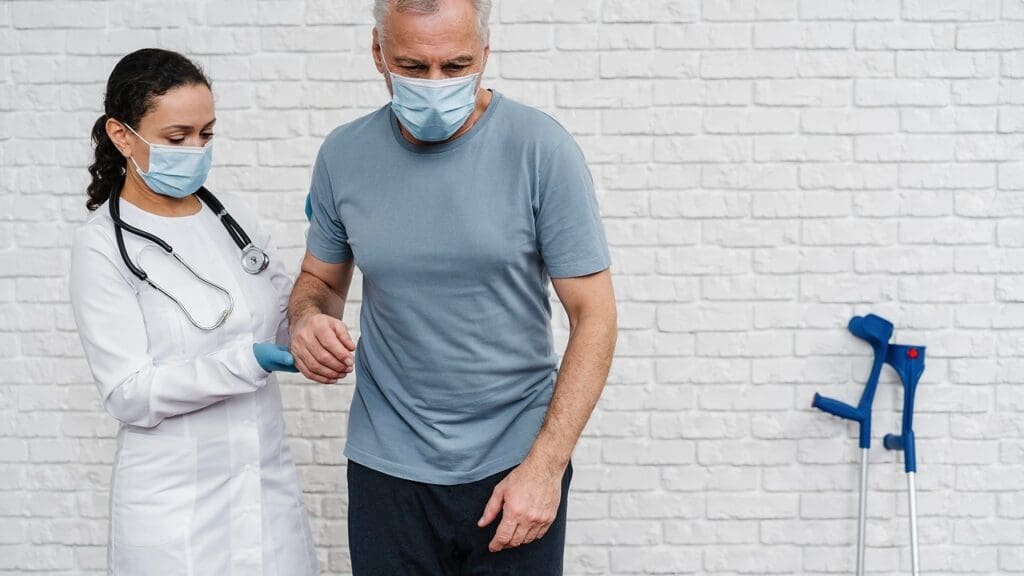
Knowing how long it takes to recover from prostate surgery is key. The recovery has several stages, each with its own milestones.
Immediate Post-Operative Period (0-7 Days)
The first recovery phase starts right after surgery and lasts a week. Patients are watched in the hospital for 1-3 days. It’s important to rest and not do too much.
For more details on this phase, check out prostatectomy FAQs.
Early Recovery Phase (1-4 Weeks)
In the early recovery phase, patients slowly start doing normal things again. Most feel better in 1-4 weeks after surgery. It’s vital to listen to the surgeon about what activities are okay and when to follow up.
The surgery itself can take 90 minutes to 2 hours or more. The recovery time depends on this.
Extended Recovery Phase (1-3 Months)
In the extended recovery phase, patients keep getting better and can do more things. Most start getting back to normal in 4 to 6 weeks after surgery. It can take months for full recovery, including getting back to normal with urination and sex.
We stress the need for patience and following the doctor’s instructions for the best recovery.
| Recovery Phase | Timeline | Key Activities |
|---|---|---|
| Immediate Post-Operative | 0-7 Days | Hospital stay, rest, monitoring |
| Early Recovery | 1-4 Weeks | Gradual resumption of activities |
| Extended Recovery | 1-3 Months | Full recovery, return to normal activities |
Recovery After Prostate Cancer Surgery
The journey to recovery after prostate cancer surgery is complex. It involves both physical healing and managing the cancer. Radical prostatectomy, a common treatment, can cure many patients. But, the recovery process needs special care.
Special Considerations for Cancer Patients
Cancer patients face unique challenges after prostate surgery. They must manage the surgery’s physical effects and deal with their cancer diagnosis and treatment. Recovery times can vary, typically lasting between 2 and 8 weeks, depending on the individual’s health and surgery extent.
Patients need to be aware of possible complications and the importance of follow-up care. As one expert notes,
“The key to a successful recovery is not just the surgery itself, but the complete care that follows.”
Follow-up Cancer Monitoring
After prostate cancer surgery, follow-up monitoring is key to detect cancer recurrence. This includes regular PSA tests and other diagnostic procedures. A structured follow-up plan helps in early detection and management of any issues.
| Follow-up Procedure | Frequency | Purpose |
|---|---|---|
| PSA Test | Every 3-6 months | Monitor for cancer recurrence |
| DRE (Digital Rectal Exam) | Annually | Check for physical signs of recurrence |
| Imaging Tests | As needed | Further investigation if PSA or DRE indicates possible recurrence |
Robotic Prostatectomy Recovery Time
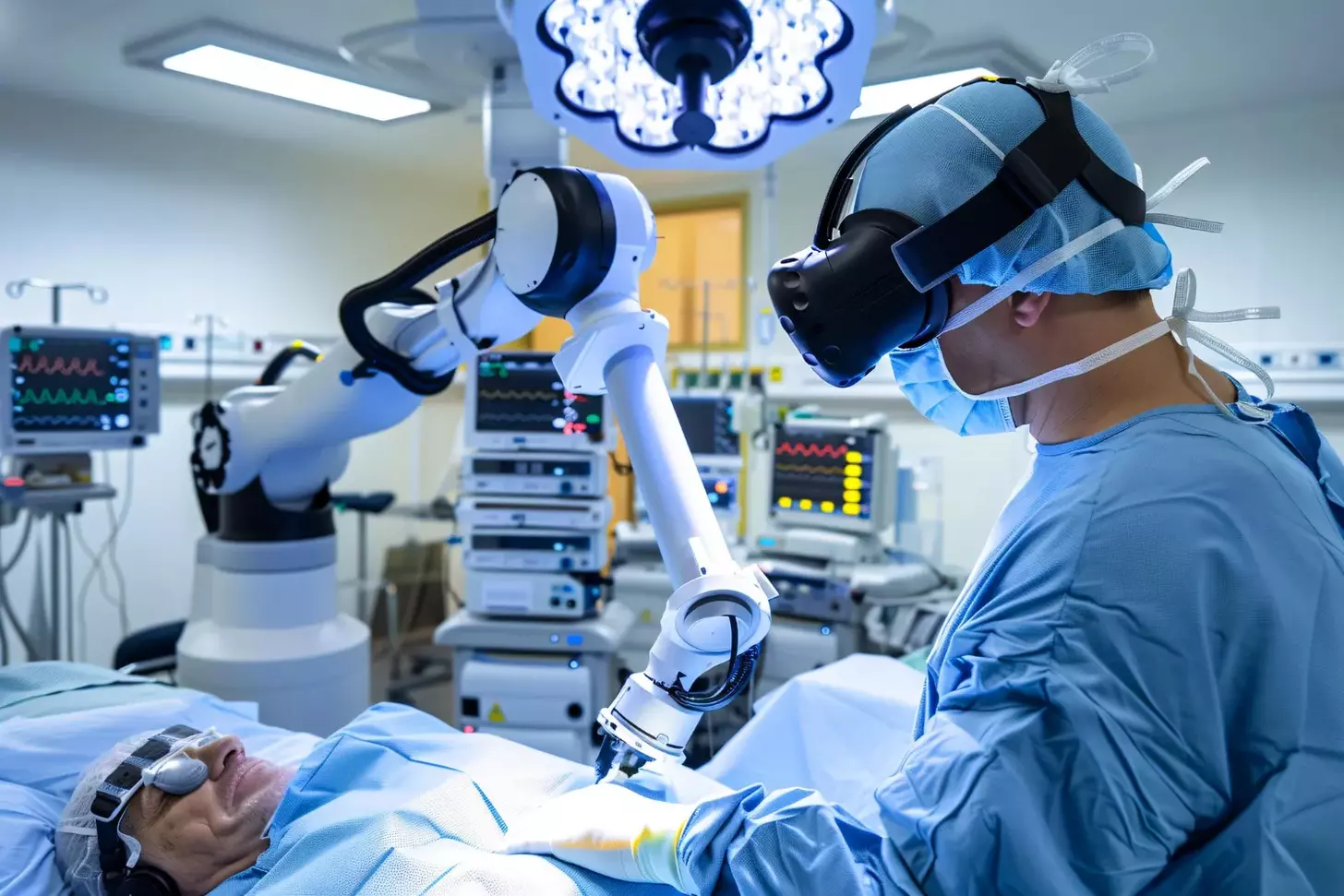
Robotic prostatectomy has changed how we treat prostate cancer. It offers a quicker recovery than old methods. We use robotic surgery to be more precise and less invasive, leading to better results for patients.
The advantages of robotic surgery are clear. Less blood loss and smaller incisions mean a faster recovery and fewer complications. The robotic system also helps in preserving tissues around the prostate. This is key for keeping urinary and sexual functions intact.
Benefits of Robotic-Assisted Surgery
Robotic-assisted prostatectomy has many benefits over traditional surgery. These include:
- Less damage to tissues because it’s a minimally invasive method
- More precise surgery thanks to 3D vision and special instruments
- Lower risk of problems like infections and excessive bleeding
These advantages lead to a quicker and smoother recovery for patients.
Expected Timeline for Return to Normal Activities
Patients usually go back to their usual activities in 2 to 4 weeks after robotic prostatectomy. But, this time can change based on the patient’s health and any existing conditions.
| Recovery Milestone | Expected Timeline |
|---|---|
| Return to light activities | 1-2 weeks |
| Resumption of normal activities | 2-4 weeks |
| Full recovery | 4-6 weeks |
Open Prostatectomy: Longer Recovery Expectations
Open prostatectomy is a traditional surgery with a longer recovery time than newer methods. Patients worry about how long it takes to get better.
Hospital Stay and Initial Recovery Period
Patients usually stay in the hospital for 2 to 3 days after open prostatectomy. We watch them closely for any issues and help manage pain.
When they go home, we tell them how to care for their wounds and manage pain. They need to rest for a few weeks.
| Recovery Aspect | Expected Duration | Key Considerations |
|---|---|---|
| Hospital Stay | 2-3 days | Monitoring for complications, pain management |
| Initial Recovery at Home | 2-4 weeks | Wound care, pain management, limited activities |
| Complete Healing | Up to 8 weeks | Gradual return to normal activities, follow-up care |
Complete Healing Process
It can take up to 8 weeks for full healing after open prostatectomy. Patients should slowly get back to normal, avoiding heavy lifting. We also check on them during follow-up visits.
Following post-operative instructions is key for a smooth recovery. We’re here to support our patients, helping them get back to their best.
The Surgical Procedure: What to Expect
Understanding prostate surgery is key for patients to get ready for recovery. We’ll explain what happens during surgery, including how long it lasts and your hospital stay.
How Long Does Prostate Surgery Take?
Prostate surgery can last from 90 minutes to 2 hours or more. This depends on the surgery’s complexity and the surgeon’s method. Patients should be prepared for a longer surgery time.
Hospital Stay Duration by Procedure Type
The time you stay in the hospital changes based on the surgery type. For example, robotic-assisted surgery often means a one-night stay. But open surgery might keep you for 2-3 nights. It’s important to talk about your expected hospital stay with your doctor.
Urinary Function Recovery Timeline
Knowing when you’ll get back to normal after prostate surgery is key. The journey includes managing catheters and doing pelvic floor exercises to regain bladder control.
Catheter Management and Removal
Right after surgery, a catheter helps drain your bladder. Urinary catheters are usually removed within 1-2 weeks after surgery. We give clear instructions on catheter care to avoid problems.
Managing Incontinence: Expectations and Improvement
Incontinence is common after prostate surgery. But, with the right care, it can get better. We teach patients how to handle incontinence, like using absorbent products and making lifestyle changes. Most people see their bladder control improve over time.
Pelvic Floor Exercises for Better Control
Kegel exercises are vital for getting back in control of your bladder. They help strengthen the muscles around the urethra. We suggest starting these exercises early and keeping them up as part of your recovery plan.
Here’s a quick look at what you might expect during recovery:
| Recovery Stage | Timeline | Expectations |
|---|---|---|
| Catheter Removal | 1-2 weeks | Initial improvement in urinary function |
| Incontinence Management | Several weeks to months | Gradual improvement in bladder control |
| Pelvic Floor Exercises | Ongoing | Strengthening of pelvic muscles for better control |
Sexual Function After Prostatectomy
Sexual function after prostate surgery is key to a man’s recovery and happiness. Prostatectomy, or the removal of the prostate gland, can affect sexual health. This is a big worry for many men going through this surgery.
Timeline for Erectile Function Recovery
The time it takes for erectile function to return after prostatectomy varies. Some men might see improvements in a few months to a year or more. The surgery method, age, and pre-surgery erectile health play a role.
Talking to your doctor can help understand your situation better. For more on what to expect after prostate surgery, check out Cancer Research UK.
Treatment Options and Support
There are many ways to manage erectile dysfunction after prostatectomy. Options include medicines, vacuum devices, and implants. Pelvic floor exercises are also helpful.
Our team is here to support and guide you. We help find the best treatment for each person. We focus on creating a plan that meets your needs for the best recovery.
Returning to Daily Activities After Surgery
Going back to daily life after prostate surgery needs careful planning. We help patients understand how to slowly get back to normal. This ensures a smooth recovery.
Activity Restrictions and Gradual Resumption
Patients should avoid heavy lifting and bending after surgery. We start with light activities like walking. This helps prevent problems and aids in healing.
It’s important to listen to your body in the early stages. We recommend slowly increasing activity levels. This helps avoid discomfort and promotes healing.
Guidelines for Work, Exercise, and Driving
Returning to work, exercise, and driving should be done with caution. We advise talking to your healthcare provider to set a timeline. This is based on your recovery progress.
Most patients should avoid hard exercise for weeks. Driving can usually start when you’re off strong pain meds. We suggest starting with part-time or modified work if needed.
Factors That Influence Prostate Surgery Recovery Time
Many things can change how long it takes to get better after prostate surgery. These include age, overall health, and any health problems you already have. We know that everyone’s recovery is different. So, it’s important to understand these factors for a good recovery.
Age and Overall Health Status
Your age and overall health status are big factors in recovery time. Older patients often need more time to heal because they might not have as much energy or health. We help patients know what to expect during their recovery based on these factors.
Impact of Pre-existing Conditions
Health problems like diabetes or heart disease can really impact recovery time. Patients with these issues might need more care and could take longer to get better. We work with patients to manage these conditions well during recovery.
Potential Complications and Their Effects
Like any surgery, there’s a chance for complications. Issues like infection or trouble with urine can make recovery longer. We do everything we can to avoid these problems. And we support patients if any do happen.
Conclusion: Preparing for a Successful Recovery Journey
Recovering from prostate surgery needs patience, care, and support. Knowing what to expect helps patients get ready for a smooth recovery. Our institution is dedicated to giving our patients the best care and support during their recovery.
With the right care and support, patients can have a successful recovery. Our team helps patients through the recovery process. This includes managing complications and helping them regain urinary and sexual function.
Getting ready for recovery means understanding what affects how long it takes. This includes age, health status, and any pre-existing conditions. Knowing these factors helps patients prepare better for their journey.
We think a successful recovery is a team effort. By working together, our medical team and patients can ensure the best care and support. This way, patients get the best possible care during their recovery.
FAQ
How long does it take to recover from prostate surgery?
Recovery time after prostate surgery varies. It depends on the surgery type, your health, and side effects. Early recovery takes weeks, and full recovery can take months.
What are the different types of prostate surgery?
There are several prostate surgery types. These include open prostatectomy, laparoscopic prostatectomy, and robotic prostatectomy. The choice depends on your health and cancer stage.
How long does robotic prostatectomy recovery take?
Robotic prostatectomy recovery is shorter than open surgery. You can usually get back to normal in a few weeks.
What can I expect during the immediate post-operative period?
Right after surgery, you’ll be in the hospital for a few days. You might feel pain, discomfort, and have trouble with urination.
How long does it take to recover urinary function after prostate surgery?
Recovering urinary function is key after surgery. It takes a few months for most people to see improvement.
Will I experience erectile dysfunction after prostate surgery?
Surgery can affect your sex life, including erectile function. Recovery time varies, and treatments are available to help.
When can I return to my daily activities after prostate surgery?
Getting back to daily life after surgery needs careful planning. Follow activity guidelines and advice on work, exercise, and driving.
How do pre-existing conditions affect prostate surgery recovery?
Pre-existing conditions can affect your recovery. Patients with these conditions need closer monitoring and special care.
What factors influence prostate surgery recovery time?
Several factors can affect recovery time. These include age, health status, and any pre-existing conditions.
How long does prostate surgery take?
Surgery time varies based on the type and your needs. Generally, it takes several hours.
What is the hospital stay duration after prostate surgery?
Hospital stay varies by surgery type and your needs. Most patients stay a few days.
References
- Medical News Today : https://www.medicalnewstoday.com/articles/prostate-cancer-surgery-recovery
- Hackensack Meridian Health : https://www.hackensackmeridianhealth.org/en/healthu/2021/05/18/what-to-expect-after-prostate-removal
- UC Davis Health (Prostatectomy FAQs) : https://health.ucdavis.edu/urology/specialties/robotic_surgery/prostatectomy_FAQs.html
- Cancer Research UK : https://www.cancerresearchuk.org/about-cancer/prostate-cancer/treatment/surgery/after-surgery
- MyHealth.Alberta.ca : https://myhealth.alberta.ca/Health/aftercareinformation/pages/conditions.aspx?hwid=ud2576