Last Updated on November 27, 2025 by Bilal Hasdemir
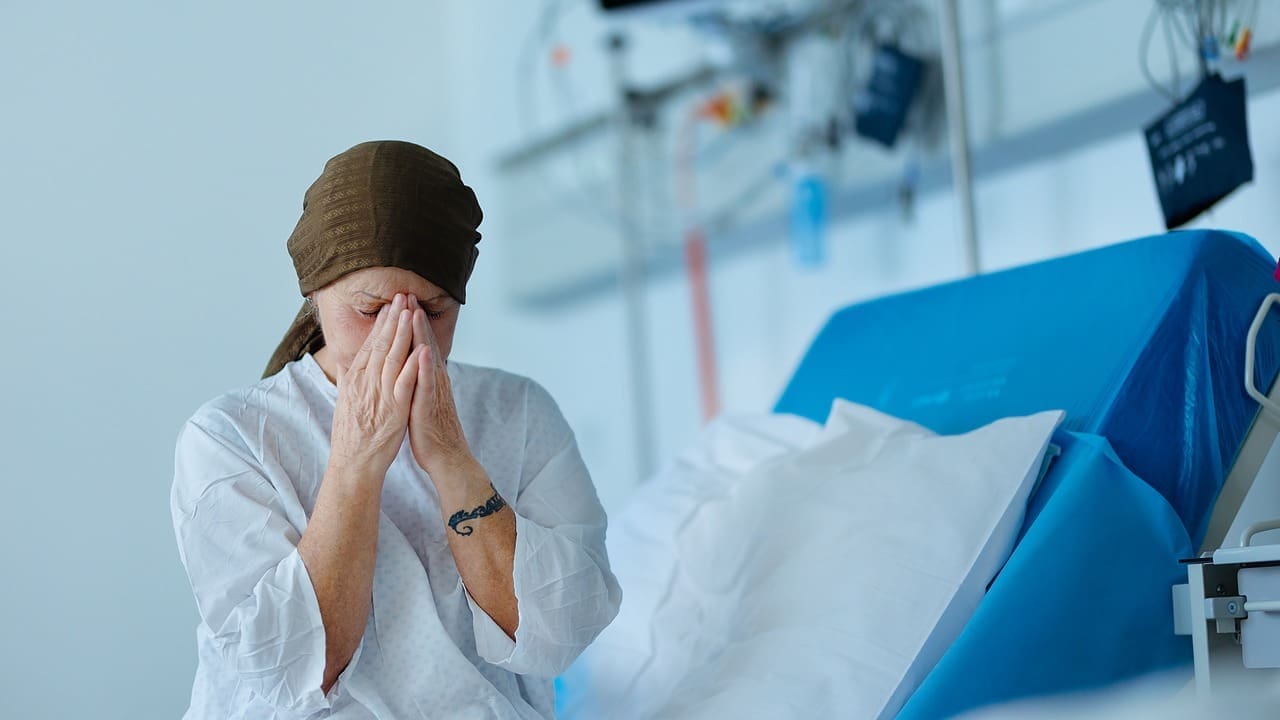
Recovery from brain surgery can take anywhere from 6 weeks to several months. The time needed depends on several factors. These include the size and type of tumor, the surgery type, the patient’s age, and their overall health.
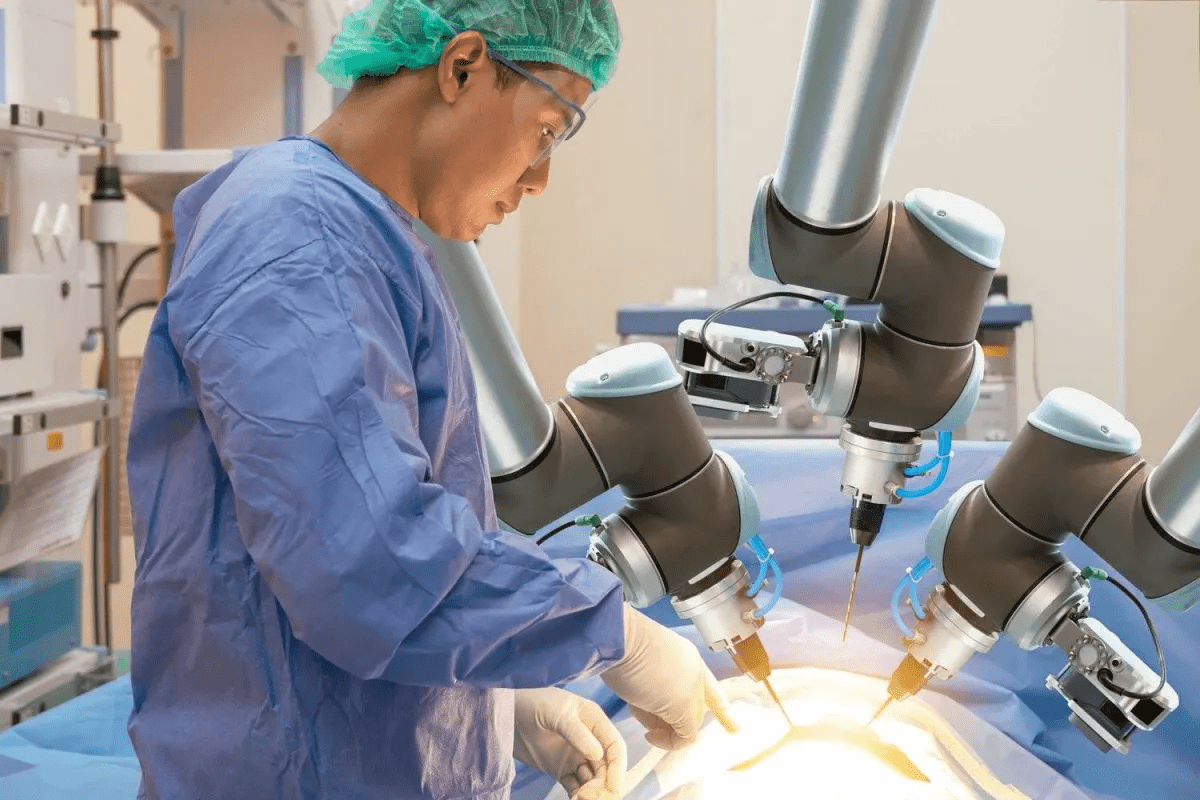
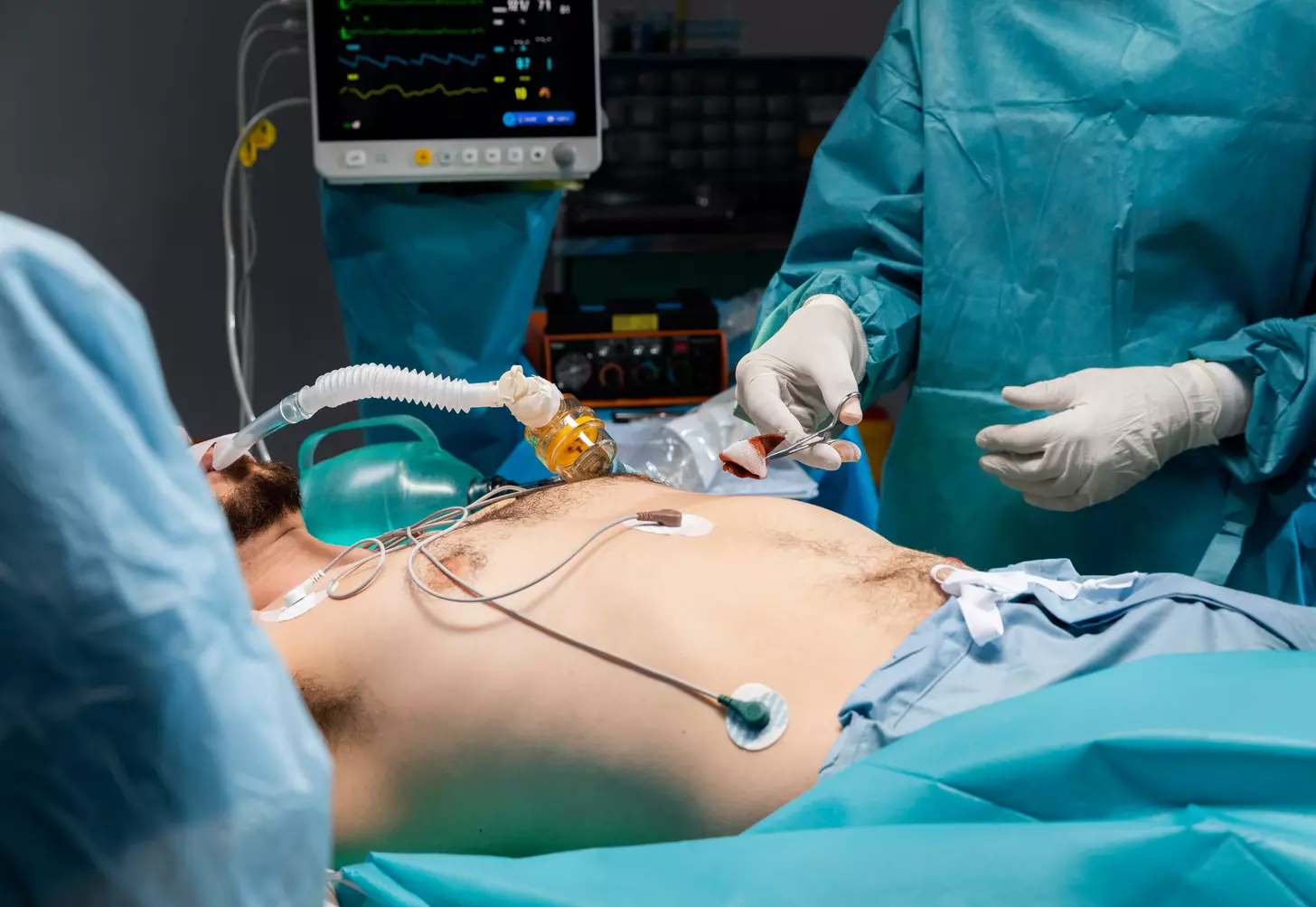
A craniotomy is a surgery that opens the skull to treat brain issues. It’s done for many reasons, like damaged blood vessels, tumors, or brain infections.
At Liv Hospital, we help patients with a customized recovery plan. We use the latest evidence and a patient-focused approach. Knowing the recovery timeline is key for patients and their families to prepare for the recovery period.
Key Takeaways
- Recovery time after brain surgery varies from 6 weeks to several months.
- Tumor size, type of surgery, patient age, and overall health influence recovery.
- A craniotomy is a complex surgery to treat brain problems.
- Liv Hospital provides personalized recovery timelines using evidence-based protocols.
- Understanding the recovery timeline is key for post-operative planning.
Understanding Brain Surgery Recovery: An Overview

Recovering from brain surgery is complex. It depends on the surgery type and the patient’s health. The recovery journey varies, from the first days after surgery to long-term rehab. The surgery’s nature, like removing a brain tumor, greatly affects how long it takes to recover.
Hospital stays after brain tumor surgery usually last from 3 to 10 days. Then, patients recover at home for 6 to 12 weeks. The recovery time depends on the surgery, the patient’s health, and any complications.
Types of Brain Surgeries and Their Impact on Recovery
The type of brain surgery greatly influences recovery. Different surgeries have different effects on patients.
Craniotomy vs. Minimally Invasive Procedures
A craniotomy removes part of the skull to access the brain. This can mean a longer recovery. On the other hand, minimally invasive procedures, like endoscopic surgeries, have smaller cuts and quicker recovery times. The choice depends on the condition and the patient’s health.
Emergency vs. Planned Surgical Interventions
The urgency of the surgery also matters. Emergency surgeries are urgent and can lead to a harder recovery. Planned surgeries allow for better preparation and smoother recovery, as everyone can prepare for it.
Knowing these differences helps patients and their families plan better. Understanding the surgery’s impact helps prepare for the recovery journey.
Immediate Post-Operative Recovery Period
The recovery time after brain surgery is key for the best results. This period involves careful monitoring and care. It helps manage risks and supports healing.
Hospital Stay Duration (3-10 Days)
The time in the hospital after brain surgery varies. It can be from 3 to 10 days. This depends on the surgery’s complexity and the patient’s health.
Intensive Care Unit Monitoring
First, patients are watched closely in the ICU. The ICU team looks for any immediate problems. They check for neurological changes, infection, or other issues.
Transition to Regular Hospital Room
When the patient is stable, they move to a regular room. Here, they get ongoing care and start their rehabilitation.
In the hospital, patients and their families learn about post-operative care. They learn about managing pain, recognizing complications, and the rehabilitation process.
| Care Aspect | ICU | Regular Hospital Room |
|---|---|---|
| Monitoring Level | Continuous, high-intensity | Regular, less intensive |
| Care Focus | Stabilization, complication prevention | Rehabilitation, recovery support |
| Patient Mobility | Limited | Gradually increased |
As patients get better, they start doing normal things again. Recovery from brain surgery can take months. Most people get back to normal in 1 to 2 months.
How Long to Recover from Brain Surgery: Timeline Expectations
Recovering from brain surgery is a journey with several stages. The first six weeks are key for healing. During this time, you’ll see big changes in your body and mind.
Short-Term Recovery (First 6 Weeks)
The first six weeks are very important for getting better. You’ll rest, start moving more, and deal with symptoms. We’ll show you what to expect.
Week 1-2: Initial Home Adjustment
The first two weeks at home are critical. You should rest well and not do too much. You might feel fatigue, headaches, and discomfort.
Start with gentle walks to boost blood flow. This helps avoid problems like pneumonia and constipation. Always take your medicine as told by your doctor to manage pain and symptoms.
Week 3-6: Gradual Activity Increase
Weeks 3-6 let you start doing more. You can walk more, do light exercises, or enjoy hobbies that don’t hurt your brain or body. It’s a time to move from resting to doing more every day.
Getting better mentally and emotionally takes time too. You might feel mood swings and think differently, but these will get better. Be patient and don’t rush your healing.
Keep seeing your doctor regularly during this time. They can help, answer questions, and check on your healing. This ensures you’re on the right path to full recovery.
Physical Recovery Milestones After Brain Surgery
The journey to physical recovery after brain surgery is unique for everyone. Patients will hit several key milestones on their way to full strength and mobility.
Regaining Mobility and Independence
Getting back to moving and doing things on your own is key after brain surgery. Patients start with small steps, like getting out of bed and walking short distances. It’s important to follow a plan of increasing physical activity to avoid problems and ensure a smooth recovery.
Progressive Physical Activity Guidelines
Start with gentle exercises and slowly increase the intensity and time as your doctor advises. Avoid lifting heavy things until your doctor says it’s okay. Here’s a sample plan for physical activity:
- Gentle stretching exercises in the first week
- Short walks around the house or hospital room
- Gradually increase walking distance and intensity over the next 6 weeks
When to Resume Driving and Working
Getting back to driving and work should be with your doctor’s okay. Usually, doctors say not to drive until they confirm it’s safe. The recovery time for brain surgery varies, but most can go back to work in 6 to 12 weeks. This depends on the surgery type and job demands.
| Recovery Stage | Typical Activities | Timeline |
|---|---|---|
| Immediate Post-Surgery | Rest, gentle exercises | First few days |
| Short-Term Recovery | Progressive walking, light stretching | First 6 weeks |
| Long-Term Recovery | Return to work, driving, and normal activities | 6 to 12 weeks |
After brain tumor removal, careful management is key for healing and avoiding complications. Always follow your healthcare provider’s instructions closely for the best results.
Cognitive and Emotional Recovery Timeline
Cognitive and emotional recovery is key after brain surgery. Understanding the timeline for getting better can help a lot. It gives insights and support for the journey ahead.
Cognitive Function Restoration
Getting better mentally after brain surgery takes time. It’s different for everyone. The type of surgery, health, and other conditions play a big role.
Memory and Concentration Improvements
Many see better memory and focus over time. Important steps for getting better include:
- Cognitive rehabilitation therapy
- Mental exercises tailored to the individual’s needs
- Adequate rest and stress management
At first, headaches and trouble focusing are common. But, these usually get better in a month or two as the brain heals.
Speech and Language Recovery
For some, getting better with speech and language is a big part of recovery. Speech therapy is key in helping patients talk better. The brain area affected by surgery affects how fast they get better.
Recovery milestones include speaking clearly, understanding complex sentences, and talking without getting tired.
We watch the recovery closely after brain surgery and tumor removal. Our team ensures patients get all the care they need. We help with the mental, emotional, and physical parts of getting better, guiding them every step of the way.
Key Factors Affecting Brain Surgery Recovery Time
Knowing what affects brain surgery recovery is key for patients and their families. The recovery from brain surgery depends on many things. It’s important to think about these factors when guessing how long it will take to get better.
Patient-Specific Factors
Each patient’s situation is unique when it comes to recovery after brain surgery. These factors can be broken down into two main groups: age and health, and lifestyle and support.
Age and Pre-existing Health Conditions
Age is a big factor in recovery. Older people might take longer to get better because their bodies aren’t as strong. Health problems like diabetes or heart disease can also slow down healing and increase the risk of complications.
A study on athletes with sports-related concussions showed how important individual factors are. This principle also applies to brain surgery recovery. It highlights the need to consider each patient’s unique situation.
Lifestyle and Support System
A patient’s lifestyle and support system are also key to their recovery. Eating well, exercising, and not smoking can help recovery go smoother and faster. Having a strong support system, like family and friends, can offer emotional and practical help during this time.
“The presence of a strong support system can significantly impact a patient’s recovery, providing both emotional and practical support during a challenging time.”
To show how these factors affect recovery, here’s a table:
| Factor | Impact on Recovery |
|---|---|
| Age | Older patients may have a longer recovery period |
| Pre-existing Health Conditions | Increased risk of complications, slower healing |
| Lifestyle | Healthy lifestyle contributes to smoother, faster recovery |
| Support System | Provides emotional and practical support |
Understanding these factors helps doctors create recovery plans that meet each patient’s needs. This approach can lead to better outcomes for everyone.
Brain Tumor Removal: Special Recovery Considerations
Recovering from brain tumor removal surgery is unique. Patients need to know how to heal well. The brain must be carefully managed to help recovery and avoid problems.
The Brain After Tumor Removal
Removing a brain tumor, like a meningioma, affects the brain’s function. It’s important to remember that every brain’s recovery is different.
Adapting to Changes in Brain Function
Patients might notice changes in thinking, feelings, or physical abilities after surgery. Working with their healthcare team is key. Rehabilitation programs can help regain lost abilities.
Monitoring for Tumor Recurrence
Watching for tumor return is a big part of recovery. Regular check-ups and tests, like MRI, are important. They help catch any issues early.
Knowing about recovery after brain tumor removal helps patients. By understanding challenges and working with their team, they can improve their recovery.
Multidisciplinary Care Approach at Liv Hospital
Liv Hospital is dedicated to top-notch care through a team effort. Our experts work together to support patients fully during their recovery.
Specialized Neurosurgical Rehabilitation Programs
We have special programs for brain surgery recovery. These help patients regain strength, mobility, and brain function.
Personalized Recovery Plans
Every patient’s recovery is unique at Liv Hospital. We create personalized recovery plans for each one. Our team works with patients and families to make a plan that meets their needs.
International Standards in Post-Operative Care
We follow international standards in post-operative care. This ensures our patients get the best care. Our team keeps up with new research and care methods.
We’re always learning more about brain surgery recovery. For example, we’re studying how to better understand meningioma growth. But our focus on quality and innovation never wavers.
Our care approach includes:
- Teams of neurosurgeons, rehabilitation specialists, and more
- Rehab programs made just for each patient
- Modern facilities and tools for recovery
We aim to create a supportive environment for recovery. This helps improve patient outcomes.
Conclusion: Navigating Your Brain Surgery Recovery Journey
Recovering from brain surgery is a complex process. It needs a full approach for physical, cognitive, and emotional health. Knowing the brain surgery recovery timeline helps patients set realistic goals and manage their journey.
At Liv Hospital, we support our patients through every step of their recovery. We offer personalized care and guidance. Eating healthy, like plain rice and yogurt, is key if your stomach is upset.
Recovery from brain surgery takes time, and it varies for everyone. The type of surgery and your health play big roles. Our team is here to provide top-notch care and support for international patients. We aim for a smooth and successful recovery for all.
FAQ
How long does it take to recover from brain surgery?
Recovery time depends on the surgery type, tumor size, patient age, and health. Most patients take about 6 weeks to recover slowly.
What is the typical hospital stay duration after brain surgery?
After brain surgery, patients usually stay in the hospital for 3 to 10 days. They are closely watched in the ICU before moving to a regular room.
What are the key factors that influence brain surgery recovery time?
Factors like age, health, lifestyle, and support system greatly affect recovery. Each patient’s situation is unique.
How long does it take to regain mobility and independence after brain surgery?
Getting back to normal takes time. Patients slowly regain mobility and independence over weeks. They focus on increasing physical activity.
What can I expect during the cognitive and emotional recovery process?
Recovering cognitive functions takes time and patience. Patients see improvements in memory, concentration, and speech over time.
Are there any special recovery considerations after brain tumor removal?
Yes, patients must adjust to brain function changes and watch for tumor return. They work closely with their healthcare team to manage recovery.
What kind of care can I expect at Liv Hospital during my recovery?
Liv Hospital provides a team-based care approach. They offer neurosurgical rehabilitation and personalized recovery plans to support patients.
When can I resume driving and working after brain surgery?
Resuming driving and work depends on individual recovery. Patients should follow their healthcare team’s advice.
How can I manage symptoms and challenges during the recovery process?
Patients should work with their healthcare team to manage symptoms. Focus on rest, physical activity, and emotional support.
What is the importance of a support system during brain surgery recovery?
A strong support system is key for recovery. It provides emotional support and helps with daily tasks and responsibilities.
References
- Cancer Research UK : https://www.cancerresearchuk.org/about-cancer/brain-tumours/treatment/surgery/recovering
- The Brain Tumour Charity : https://www.thebraintumourcharity.org/brain-tumour-diagnosis-treatment/treating-brain-tumours/adult-treatments/neurosurgery-adults/going-home-after-surgery-brain-tumour