Last Updated on November 27, 2025 by Bilal Hasdemir
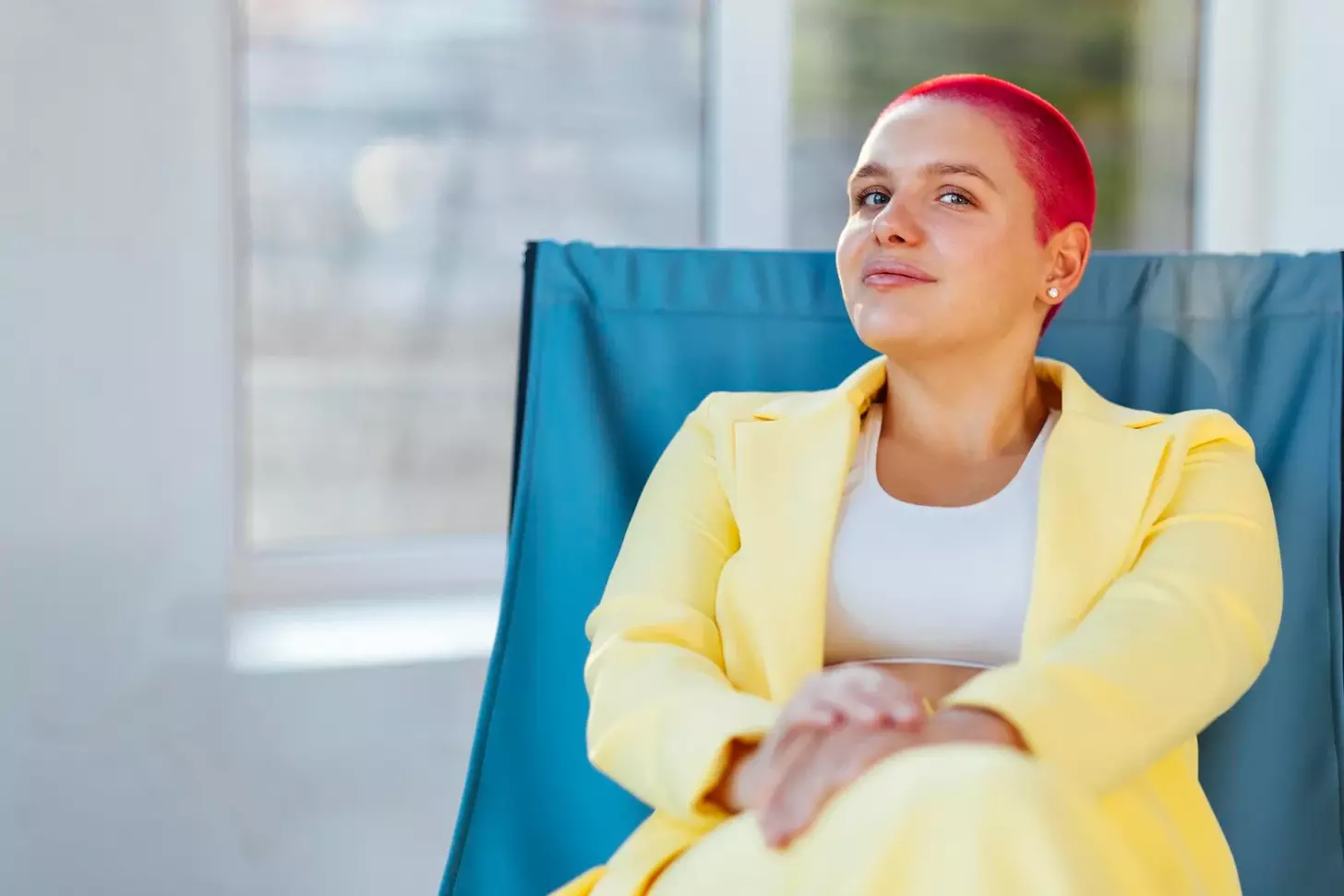
Recovering from chemotherapy varies from person to person. But, most patients need about two months to recover for every month they were treated. At Liv Hospital, we’re here to help you through this tough time.
Keeping a healthy lifestyle is key. Eating well and exercising regularly can help you feel better. Studies show that a healthy lifestyle can ease symptoms like fatigue and improve your overall health.
Key Takeaways
- Chemotherapy recovery is highly individualized.
- On average, recovery takes about two months for every month of treatment.
- A healthy lifestyle supports the recovery process.
- Balanced diet and regular exercise can help manage symptoms.
- Liv Hospital provides extensive support for international patients.
Understanding the Chemotherapy Recovery Process
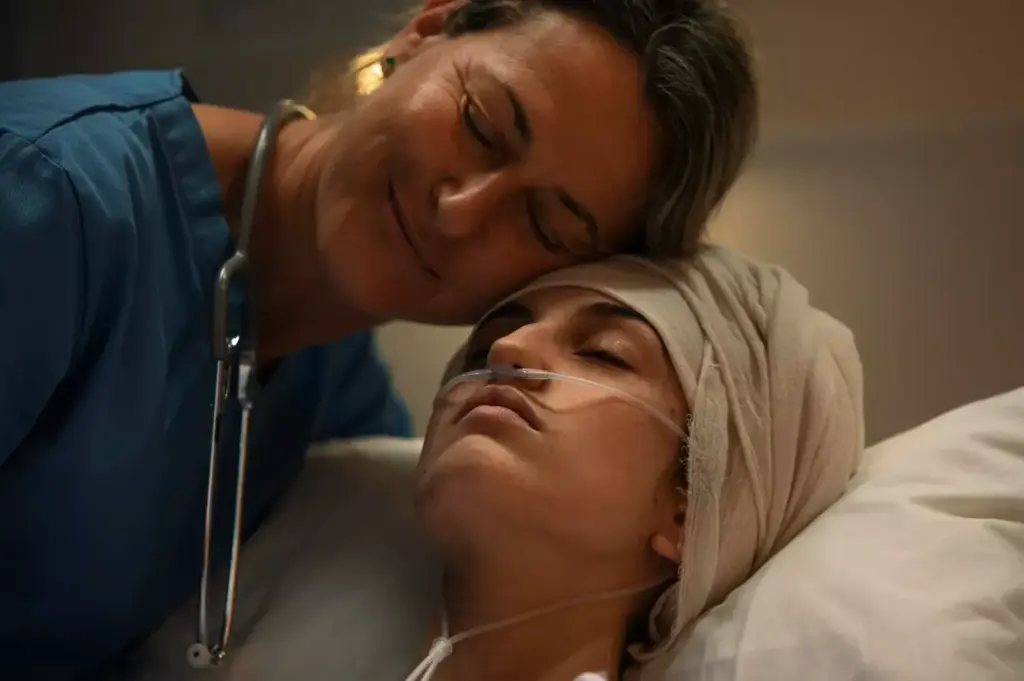
Chemotherapy recovery is more than just the end of treatment. It’s the start of healing and getting back to normal. We need to know what happens during this important time.
What Happens in Your Body After Treatment Ends
After your last chemotherapy session, your body starts a complex healing process. The chemotherapy recovery process includes cell regeneration, restoring body functions, and managing side effects. Regular doctor visits are key to keep an eye on your health and solve any issues quickly.
Studies show that when chemotherapy is timed right, it can greatly improve survival rates, even in older patients. This highlights the need for tailored care and follow-up.
Factors That Influence Recovery Time
Many things can affect how long it takes to recover, like the type and length of chemotherapy, your health before and during treatment, and your lifestyle. Eating well, drinking plenty of water, and exercising can help a lot.
Your mental and emotional health also matters a lot. Handling stress and getting support can make the recovery journey easier.
By understanding these factors and working with your healthcare team, you can make your chemo recovery process better. This can improve your life quality during this important time.
How Long Does It Take to Recover from Chemo: Typical Timelines

Knowing how long it takes to get better after chemotherapy is key for patients. It can change a lot from person to person. Many things affect how fast someone recovers, like the type of chemo, their health, and their lifestyle.
The Two-Month Rule: Recovery Per Treatment Month
A common rule is the “two-month rule.” It says for every month of chemo, it might take two months to feel better. But, this rule doesn’t consider how different everyone is.
For example, someone who had chemo for three months might need about six months to recover. But, this is just a rough idea. Real recovery times can be much different.
Short-Term vs. Long-Term Recovery Expectations
Recovering from chemo has two parts: short-term and long-term. Short-term recovery includes physical and emotional symptoms that can last weeks to months after treatment ends.
Long-term recovery is when you slowly get back to how you felt before chemo. This can take months to a year or more. It depends on many factors.
Individual Variations in Recovery Time
Recovery times can really vary from person to person. Things like age, health, and other health issues can affect how fast you recover.
Research on very old people shows that healthy living helps with aging and recovery. This means staying active and eating well can help you get better faster.
| Factor | Influence on Recovery Time |
|---|---|
| Age | Older patients may take longer to recover due to decreased physiological reserve. |
| Type of Chemotherapy | More intensive regimens can lead to longer recovery times. |
| Lifestyle Choices | A healthy diet and regular exercise can potentially shorten recovery time. |
We know that while general guidelines are useful, everyone’s experience is different. Our healthcare team is dedicated to giving personalized support during recovery.
Physical Effects After Your Last Chemo Treatment
After chemotherapy, patients face many physical challenges. These can differ greatly from person to person. They depend on the type of chemotherapy, the patient’s health, and any other health issues. Knowing these challenges and how to handle them is vital.
Immediate Post-Treatment Symptoms
Right after the last chemotherapy session, patients may feel a range of symptoms. These can include:
- Fatigue, which is one of the most common and persistent symptoms
- Nausea and vomiting, though usually less severe than during treatment
- Pain or discomfort at the site of chemotherapy administration
- Changes in appetite or digestion
One patient said, “The day after my last chemo treatment, I felt like I had been hit by a truck. The fatigue was overwhelming.” It’s important to manage these symptoms well to ease the transition to the post-treatment phase.
Lingering Physical Side Effects
Some side effects can last long after chemotherapy ends. Fatigue is a common lingering symptom, making it hard to do daily activities. Other effects may include:
- Neuropathy or numbness in hands and feet
- Changes in skin and nail health
- Weight changes or loss of muscle mass
- Osteoporosis or bone density loss, which can be helped with calcium-rich foods and exercise
Eating well is key to reducing these lingering side effects. A diet rich in calcium helps keep bones strong. A healthy body heals and recovers better.
In summary, dealing with the physical effects of chemotherapy is tough. But knowing and managing them is essential for recovery. By understanding the immediate and lingering effects, patients can better handle this critical part of their cancer journey.
The Emotional Journey of Post-Chemotherapy Recovery
When patients finish chemotherapy, they start a complex emotional journey. The end of treatment brings relief but also uncertainty about the future. It’s a time that needs careful navigation.
Processing the End of Active Treatment
The end of chemotherapy is a big change in a patient’s life. It’s a moment to celebrate but also brings many emotions. Patients might feel anxious or fearful about what’s next.
Cultivating a positive mental attitude is key during this time. Doing things you enjoy and staying connected with friends can help. Finding ways to cope is important for emotional healing.
Coping with Fear of Recurrence
Fear of cancer coming back is a big challenge after chemotherapy. This fear can make daily life hard. Talking to your healthcare team can offer reassurance and help.
Practicing mindfulness, meditation, and joining support groups can help manage this fear. Focusing on the present and taking things one step at a time can reduce anxiety.
Finding Your “New Normal”
After chemotherapy, finding what ‘normal’ means can be a big task. It involves adjusting to new physical and emotional realities. We help patients find and work towards their personal goals.
Doing things that bring joy and fulfillment is important. Whether it’s a favorite hobby or something new, we encourage patients to take an active role in their post-treatment life.
Managing “Chemo Brain” and Cognitive Changes
“Chemo brain” is a common issue after chemotherapy, causing memory and concentration problems. These changes can be frustrating and affect daily life.
| Cognitive Change | Strategies for Management |
|---|---|
| Memory Issues | Using memory aids like calendars, reminders on smartphones, and keeping a journal. |
| Difficulty Concentrating | Breaking tasks into smaller, manageable steps; practicing mindfulness and meditation. |
| Organizational Challenges | Creating to-do lists, setting priorities, and establishing a daily routine. |
Managing these cognitive changes takes patience and the right strategies. We suggest working with your healthcare team to create a plan that meets your needs.
Follow-Up Care After Completing Chemotherapy
After finishing chemotherapy, the focus turns to follow-up care. This is a key part of getting better. Regular visits are important to check your health and handle any side effects.
Typical Follow-Up Schedule
The number of follow-up visits changes based on your cancer type, stage, and treatments. Generally, you can expect:
- More visits in the first year, often every 3-6 months.
- Less visits in later years, usually every 6-12 months.
These visits help your healthcare team keep an eye on your recovery. They can also address any concerns and catch problems early.
Monitoring Tests and Procedures
During these visits, you might have different tests and procedures. These can include:
- Blood tests to check for tumor markers or other health indicators.
- Imaging tests like CT scans, MRI, or PET scans to watch for cancer return or spread.
- Physical exams to check your overall health and find any unusual signs.
These tests help your healthcare team spot any issues early. This makes them easier to handle.
When to Contact Your Healthcare Team
It’s important to know when to call your healthcare team between visits. Reach out if you notice:
- New or getting worse symptoms.
- Signs of infection, like fever or chills.
- Unexplained pain or discomfort.
Talking to your healthcare team quickly can lead to better care and outcomes.
Creating a Survivorship Care Plan
A survivorship care plan is a personal document for you. It outlines your cancer treatment, follow-up care, and health tips after treatment. It helps you and your healthcare team stay on the same page.
Key parts of a survivorship care plan are:
- Details of your cancer diagnosis and treatment.
- A schedule for follow-up visits and tests.
- Health tips for a healthy lifestyle.
- Info on managing late effects of treatment.
Having a detailed survivorship care plan helps you take charge of your recovery and long-term health.
Strategies to Support Your Recovery After Chemotherapy
Recovering from chemotherapy takes a lot of effort. It involves good nutrition, exercise, rest, and using other therapies. Remember, healing is not just about your body. It’s also about your mind and feelings.
Nutrition for Healing
Eating well is key to healing after chemotherapy. Eat lots of fruits, veggies, whole grains, and lean proteins. This helps your body get back to normal and boosts your immune system. Don’t forget to drink lots of water all day.
Here are some tips for your diet:
- Eat foods high in antioxidants like berries and leafy greens
- Choose foods rich in fiber for better digestion
- Add foods with omega-3s, like salmon and walnuts, to fight inflammation
As one survivor said, “
After chemotherapy, I made a conscious effort to eat healthier, and it made a significant difference in how I felt both physically and mentally.
“
Appropriate Exercise During Recovery
Exercise is also very important after chemotherapy. Start with gentle activities like walking, yoga, or swimming. These can help you get stronger and more energetic. Start slow and gradually do more as you get better.
Exercise also helps your mind. It can lower stress and anxiety. A study showed that those who exercised regularly felt better overall.
Rest and Sleep Optimization
Getting enough rest and sleep is essential for healing. Try to sleep at the same time every night and have a calming bedtime routine. Avoid caffeine and screens before bed to sleep better.
Make your bedroom a sleep haven. Keep it cool and dark. Rest when you need to and don’t overdo it.
Complementary Therapies That May Help
There are also other therapies that can help. These include:
- Acupuncture to manage pain and symptoms
- Meditation and mindfulness to reduce stress
- Massage therapy to relax and improve blood flow
Talk to your doctor before trying any new therapies. Make sure they’re safe for you.
By using these strategies, you can improve your health and life after chemotherapy.
What Happens After Chemotherapy: Next Steps
Chemotherapy is just the start. Many other treatments might follow. The choice depends on the cancer type and how well the patient responds to chemotherapy.
After chemotherapy, the treatment plan can change a lot. We’ll look at hormone therapy, radiation therapy, targeted and immunotherapy, and maintenance therapies.
Hormone Therapy Options
Hormone therapy is for cancers that grow because of hormones. This includes some breast and prostate cancers. It blocks the body’s hormones, stopping cancer cells from growing.
There are different hormone therapies:
- Selective estrogen receptor modulators (SERMs)
- Aromatase inhibitors
- Gonadotropin-releasing hormone (GnRH) agonists
These can be used alone or with other treatments for better results.
Radiation Therapy Considerations
Radiation therapy kills cancer cells with high-energy rays. It might be used after chemotherapy to get rid of any remaining cancer cells.
Whether to use radiation therapy depends on several things. These include the cancer type and stage, and the patient’s health.
Key considerations for radiation therapy include:
- The location and size of the tumor
- The type of cancer and its sensitivity to radiation
- The patient’s previous treatments and their response
Targeted and Immunotherapy Approaches
Targeted therapy and immunotherapy are new treatments for cancer. They have shown great promise in fighting different types of cancer.
Targeted therapy uses drugs that target cancer cells, protecting healthy cells. Immunotherapy boosts the body’s immune system to fight cancer better.
Examples of these treatments include:
- Monoclonal antibodies
- Cancer vaccines
- Checkpoint inhibitors
Maintenance Therapies
Maintenance therapies are given after initial treatment to keep cancer under control. They are important for cancers at high risk of coming back.
Examples of maintenance therapies include:
- Oral medications taken daily
- Periodic infusions of targeted therapy drugs
Knowing about these treatments after chemotherapy helps patients understand their cancer journey. It helps them make informed decisions about their care.
Building Your Support System During Recovery
Recovering from chemotherapy is not just about medical treatment. It also needs a strong support system to face challenges. A good support network can greatly improve your well-being. It offers emotional, practical, and financial help during this tough time.
Communicating with Family and Friends
Talking openly with loved ones is key to a strong support system. You should share your needs, feelings, and limits during recovery. Family and friends can offer great support, but they must know how to help you best.
Creating a care calendar with your loved ones can help. It organizes meal deliveries, rides to appointments, and more. This way, you get the support you need and your family and friends know how to help.
Support Groups and Counseling Resources
Joining a support group can give you a sense of community and understanding. These groups let you share experiences, ask questions, and get support from others facing similar challenges.
Counseling resources are also there for emotional support. Professional counselors can help you deal with chemotherapy’s emotional effects. They can also help with anxiety or depression and improve your mental health.
Working with Your Healthcare Team
Your healthcare team is a vital part of your support system. They guide you on managing side effects, advise on nutrition and exercise, and track your recovery progress.
It’s important to talk openly with your healthcare providers. Ask questions and share any concerns. Creating a survivorship care plan with them ensures you get the right follow-up care and support.
| Support Service | Description | Benefits |
|---|---|---|
| Family and Friends | Emotional support, practical help | Reduced feelings of isolation, assistance with daily tasks |
| Support Groups | Community, shared experiences | Emotional support, practical advice, sense of belonging |
| Counseling Resources | Professional emotional support | Management of anxiety and depression, improved mental health |
| Healthcare Team | Medical guidance, monitoring | Effective management of side effects, personalized care |
Financial and Practical Support Services
Recovering from chemotherapy can also mean facing financial challenges. Many organizations offer financial help for medication, transportation, and other cancer treatment costs.
Practical support services, like home care and meal delivery, are also very helpful. They reduce daily burdens, letting you focus on your health and well-being.
“The care and support of family, friends, and healthcare professionals made a significant difference in my recovery journey. It was a reminder that I wasn’t alone.”
Building a strong support system helps you deal with chemotherapy recovery better. Use all available resources, from your healthcare team to support groups and financial help, for a smoother recovery.
Conclusion: Embracing Life After Chemotherapy
As we wrap up this guide on recovering from chemotherapy, we stress the need to embrace life after treatment. Recovery is more than just healing physically; it’s about starting a new chapter. This chapter needs patience, resilience, and support.
Keeping a positive outlook and doing meaningful things can greatly improve life after chemotherapy. By understanding the recovery process and using the strategies we’ve shared, patients can face this journey with confidence. We urge patients to keep in touch with their healthcare team and support networks for a smooth transition.
Embracing recovery means recognizing the challenges of treatment and the changes that follow. It’s about finding new ways to live and rediscovering activities that bring joy. As patients move forward, they can look forward to rebuilding their strength and living a fulfilling life after chemotherapy.
FAQ
How long does it typically take to recover from chemotherapy?
Patients usually spend about two months recovering for every month of treatment. But, this time can change a lot. It depends on the type of chemotherapy, your health, and your lifestyle.
What are the most common physical effects after completing chemotherapy?
Fatigue is a big problem for many. Other side effects include neuropathy, hair loss, and changes in appetite or digestion. How long these effects last can vary a lot.
How can I manage fatigue after chemotherapy?
To fight fatigue, rest, exercise, and eat well are key. Make sure to sleep enough, do gentle exercises like yoga, and eat foods rich in proteins and vitamins.
What emotional challenges can I expect after chemotherapy?
You might feel scared, anxious, or find it hard to adjust. You could also experience “chemo brain.” Getting help from counseling, support groups, and loved ones can help a lot.
What is the typical follow-up schedule after completing chemotherapy?
The follow-up schedule depends on your cancer type, treatment, and health. You’ll likely have regular check-ups with your healthcare team. These may include tests to watch for any signs of cancer coming back.
Are there any additional treatments that may be necessary after chemotherapy?
Yes, more treatments might be needed. This could be hormone therapy, radiation, or other targeted treatments. These help ensure the best outcome for your cancer.
How can I support my recovery after chemotherapy?
Recovery support is about eating right, exercising, resting, and sleeping well. You might also find help in therapies like acupuncture or meditation.
Why is a support system important during recovery?
A strong support system is key. It offers emotional support, practical help, and helps you manage recovery. Talk to family and friends, join groups, and work with your healthcare team to build your support network.
How long does it take to get over the side effects of chemotherapy?
Side effects’ duration varies a lot. Some may go away soon after treatment, but others can last months or years. Your treatment intensity and health play big roles in how long side effects last.
What is a survivorship care plan, and why is it important?
A survivorship care plan is a personal plan for your follow-up care. It covers monitoring for cancer return, managing long-term effects, and improving your well-being. It’s essential for getting the care and support you need during recovery.