

Last Updated on November 27, 2025 by Bilal Hasdemir
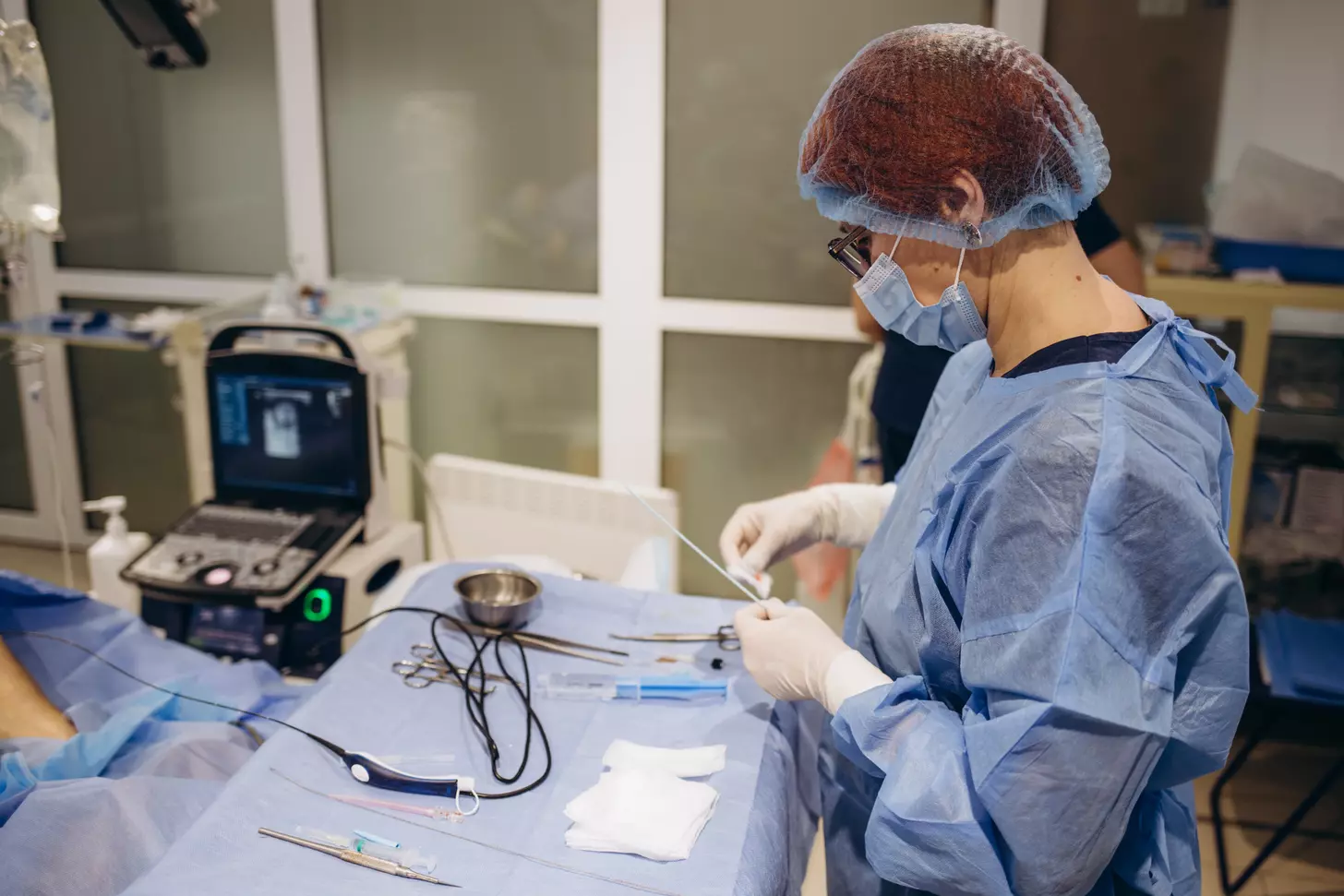
Laparoscopic hysterectomy is a surgery that removes the uterus through small cuts. At Liv Hospital, we focus on precise techniques and care. Laparoscopic hysterectomy surgery duration usually lasts between 1 to 2 hours.
The time needed can change based on the case’s complexity and the surgeon’s skill. Our experienced surgeons use the latest methods to get the best results.

It’s important for patients to know about laparoscopic hysterectomy. This surgery removes the uterus through small cuts in the belly. It’s a type of minimally invasive surgery.
Laparoscopic hysterectomy, or lap hyst, is a detailed procedure. It needs a lot of skill and care. Here are the main steps:
Choosing laparoscopic hysterectomy has many benefits. Some key ones are:
Knowing about laparoscopic hysterectomy helps patients make better health choices.
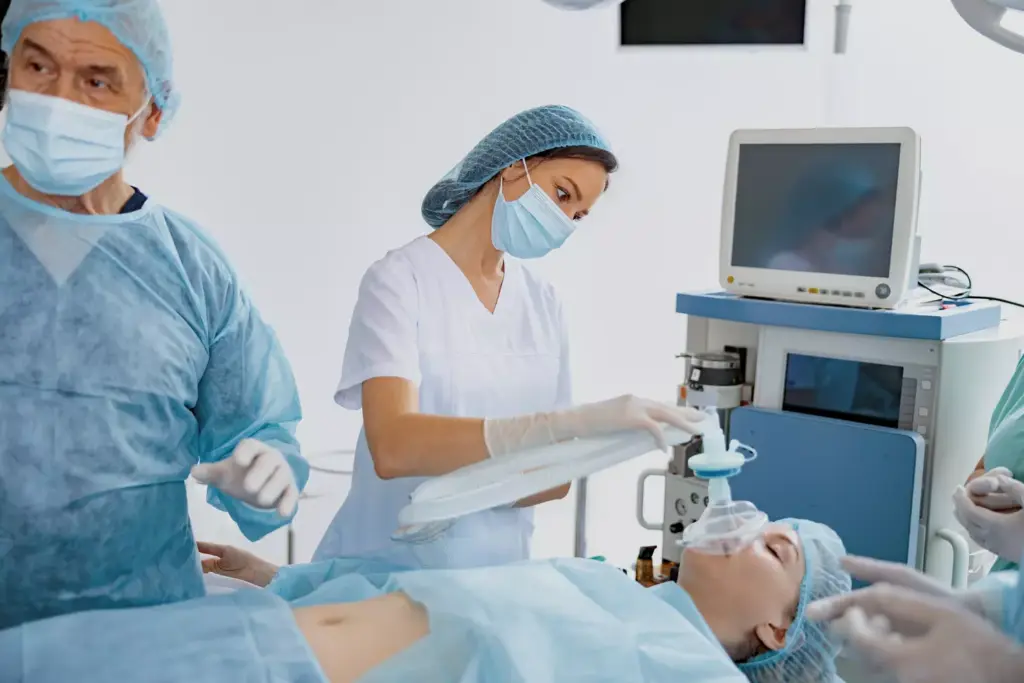
Laparoscopic hysterectomy is a flexible surgery that fits each patient’s needs. We offer two main types of laparoscopic hysterectomy procedures: total laparoscopic hysterectomy and laparoscopic partial hysterectomy.
Total Laparoscopic Hysterectomy removes the whole uterus, including the cervix. It’s often chosen for patients with uterine fibroids, endometriosis, or heavy bleeding. This method ensures the uterus is fully removed, lowering the chance of future problems.
Laparoscopic partial hysterectomy removes only the uterus, keeping the cervix. It’s considered when the cervix is healthy and there’s no disease. The choice between total and partial hysterectomy depends on the patient’s health, the condition being treated, and the surgeon’s advice.
The choice between these procedures is made after a detailed evaluation. This includes diagnostic tests and a talk between the patient and the healthcare provider. Factors influencing this decision include:
Our team is dedicated to personalized care. We ensure each patient gets a treatment plan that fits their unique needs.
Laparoscopic hysterectomy is a big step forward in surgery. It’s less invasive and has many benefits. Many patients and doctors prefer it because it’s a more modern way to do the surgery.
The laparoscopic method has key benefits. It leads to less pain after surgery and a faster recovery. This means less damage to the body, less scarring, and less pain while getting better.
| Characteristics | Laparoscopic Hysterectomy | Traditional Open Hysterectomy |
|---|---|---|
| Surgical Incisions | Small, minimally invasive | Large, open incision |
| Recovery Time | Typically quicker | Generally longer |
| Post-Operative Pain | Less pain | More pain |
In conclusion, laparoscopic hysterectomy is a modern, less invasive option. It has many benefits like less pain and quicker recovery. This is why it’s becoming more popular among patients and doctors.
The time it takes for a laparoscopic hysterectomy can change a lot. Knowing what affects it is key for doctors and patients. It helps set the right expectations and get ready for the surgery.
Things about the patient can really change how long the surgery lasts. These include the patient’s health, past surgeries, and body shape.
How complex the surgery is also matters. This includes how big the procedure is and any extra challenges.
Laparoscopic hysterectomy is a complex surgery. It can be tough when dealing with endometriosis or large fibr oids.
These cases, like those with big fibroids or endometriosis, are hard to handle. The surgery might take longer because of adhesions or big fibroids.
Endometriosis can cause adhesions, making it hard to see during surgery. Big fibroids need special techniques to remove safely. Surgeons need a lot of skill and experience for these cases.
Personalized surgical planning is key in these complex cases.Surgeons work with patients to plan their care. This teamwork is vital for managing these cases well.
Advanced surgical techniques and technology are very important. They help surgeons deal with tough situations better.
Healthcare providers use the latest in surgery to treat even the most difficult cases. This way, they can offer top-notch care.
The field of gynecological surgery is always changing. New techniques in laparoscopic hysterectomy are making treatments better. These changes help surgeons do the procedure safely and effectively.
Laser technology is a big step forward in laparoscopic hysterectomy. Laser hysterectomy uses a laser to cut and remove the uterus. This cuts down on bleeding and helps healing happen faster.
This method is great for patients with tough adhesions or endometriosis. The laser is very precise, causing less damage to nearby tissues. Patients often feel less pain and heal quicker than with old methods.
Robotic-assisted laparoscopic hysterectomy is also becoming more common. It uses a robotic system to help the surgeon. This system gives better views and more precise tools.
Robotic-assisted laparoscopic hysterectomy lowers the chance of problems and improves results. The robotic system’s precision and clear views make it a good choice for both surgeons and patients.
These new techniques are set to become even more important in treating conditions needing hysterectomy. They offer safer, more effective ways to care for patients. This means better care for women in gynecological surgery.
Getting ready for laparoscopic hysterectomy surgery is key to a smooth process. Knowing what to do can make a big difference in your experience and recovery.
Comprehensive Medical Evaluation
First, you’ll need a detailed medical check-up. This includes looking over your health history, current health, and any medicines you take. It’s important to talk to your doctor about:
Lifestyle Adjustments
Changing your lifestyle can also help. You might need to:
| Lifestyle Change | Benefit |
|---|---|
| Quitting smoking | Reduces risk of complications during and after surgery |
| Maintaining a healthy diet | Supports overall health and recovery |
| Staying hydrated | Ensures optimal bodily functions during recovery |
As the surgery gets closer, follow your doctor’s advice closely. This might include rules on what to eat and drink beforehand, and which medicines to take or avoid.
Being well-prepared and informed is key to a successful surgery and easy recovery. For more specific advice, talk to your healthcare provider.
Laparoscopic hysterectomy is a detailed surgery with many steps. It starts with an initial cut and ends with closing the incisions. We’ll walk you through each stage to help you know what to expect.
The surgery starts with small cuts in the belly. A laparoscope and tools are put through these cuts. The laparoscope is a thin, lighted tube with a camera. It lets the surgeon see the organs on a screen.
During the surgery, the surgeon and the team work together carefully. They use advanced tools for a clear view. This makes the surgery safer and more effective.
Choosing laparoscopic hysterectomy offers many benefits. Less post-operative pain and quicker recovery are key advantages.
Patients who choose this method often stay in the hospital less than those with open surgery. This is because laparoscopic surgery is less invasive. It causes less damage and fewer complications.
There are more benefits beyond the immediate recovery. Patients usually get back to their normal activities faster. This is great for those with busy lives or family duties.
Laparoscopic hysterectomy also offers improved cosmetic outcomes. The smaller incisions mean less visible scars. This is a big plus for those worried about scarring.
In summary, laparoscopic hysterectomy is a good choice for many. It leads to less pain, faster recovery, and quicker return to daily life.
Laparoscopic hysterectomy, like any surgery, has its own risks. It’s important for patients to know these risks to make good choices about their care.
This procedure is generally safe. But, it can lead to some complications, including:
To lower these risks, it’s key to follow post-operative instructions carefully. Also, make sure to attend all follow-up appointments.
Minimizing Risks
We take many steps to reduce risks. Our skilled surgical team will talk to you about the possible risks and benefits. This way, you’ll be well-informed.
Recovering from a laparoscopic hysterectomy means resting, managing pain, and following up with care. This period is key for your health and well-being.
Right after surgery, you’ll go to the recovery room. Our team will watch your vital signs and help with pain. Pain management is important, and we use different methods to reduce discomfort.
Resting is vital during the early recovery phase. You should avoid heavy lifting, bending, or exercise for a few weeks. As you heal, you can slowly get back to your usual activities.
Follow-up care is essential to track your healing and address any issues. We schedule appointments to check on your progress and guide you back to normal life.
Knowing the signs of complications like infection or bleeding is important. If you notice anything unusual, seek medical help right away. Following our care instructions and attending follow-ups can help avoid complications and ensure a smooth recovery.
We’re dedicated to giving you the best care during your recovery. Our team is here to answer any questions or concerns, making sure you’re supported every step of the way.
Laparoscopic hysterectomy is a big step forward in surgery. It brings less pain and faster healing. Knowing about this surgery is key to making smart choices.
We’ve looked at the different types of laparoscopic hysterectomies. We’ve also talked about how long the surgery takes and its benefits. The importance of getting ready, the surgery itself, and aftercare were also covered.
In short, laparoscopic hysterectomy is a detailed surgery that needs careful thought. By learning about it, patients can choose the best treatment for themselves. With its many benefits and the latest in medical tech, it’s a top choice for many.
Laparoscopic hysterectomy is a surgery to remove the uterus. It uses a laparoscope, a small camera. This method causes less pain and faster healing.
The surgery time varies. It depends on the case’s complexity and the surgeon’s skill.
It offers less pain and quicker healing. You also have a shorter hospital stay and less pain after surgery compared to open surgery.
Yes, they can. Laparoscopic hysterectomies have many benefits, like less pain and faster recovery.
Several factors can influence surgery time. These include the patient’s health, past surgeries, and any complicating conditions.
Laparohysterectomy is another name for laparoscopic hysterectomy. It’s a surgery to remove the uterus using a laparoscope.
Total hysterectomy removes the whole uterus. Laparoscopic partial hysterectomy removes part of it. The choice depends on the patient’s condition and the surgeon’s advice.
While generally safe, it can have risks. These include infection, bleeding, and injury to nearby organs.
Recovery is faster than with open surgery. Most people can get back to normal in a few weeks.
Laser hysterectomy uses advanced laser technology. It makes the procedure more precise and safe.
It’s a minimally invasive surgery. Robotic technology helps the surgeon be more precise and dexterous.
Preparation includes a thorough medical check-up. You’ll discuss medications and make lifestyle changes for the best outcome.
