Last Updated on November 18, 2025 by Ugurkan Demir
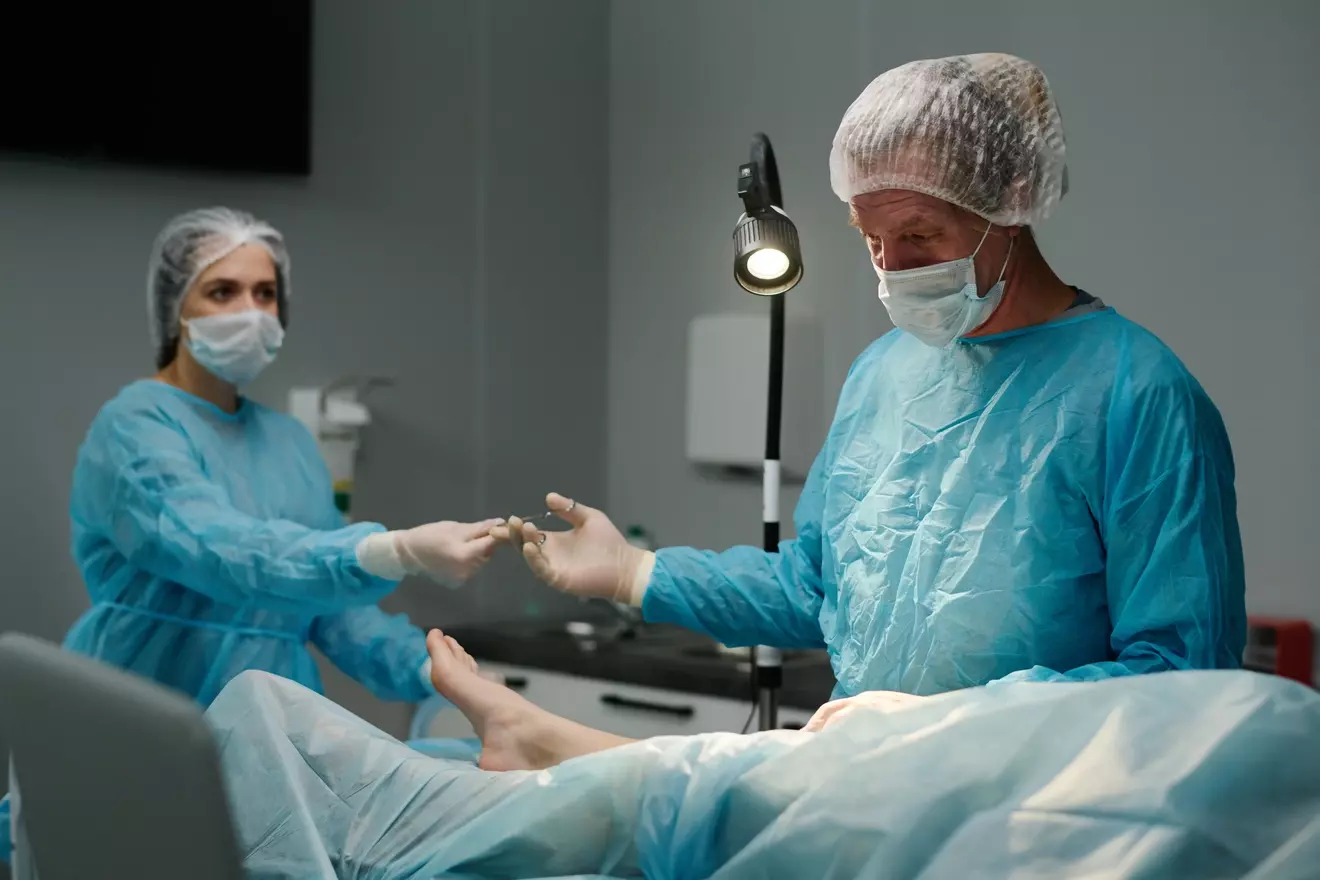
We know that bunion pain can really hurt your daily life. At Liv Hospital, we focus on you, the patient, to solve this problem.
Our minimally invasive bunion corrective surgery is a top choice. It fixes the bunion and you can recover faster than with old methods.
The surgery usually lasts from 45 minutes to 1.5 hours. Right after, you can walk with a special shoe. This new way fixes the bone right, giving you less pain and better results.
Key Takeaways
- Minimally invasive bunion surgery corrects bone misalignment, not just pain.
- The procedure typically takes between 45 minutes and 1.5 hours.
- Patients can walk the same day with a special protective shoe.
- This technique offers a quicker recovery time compared to traditional methods.
- Liv Hospital’s patient-centered approach ensures effective results and reduced discomfort.
Understanding Bunions and When Surgical Intervention Is Necessary
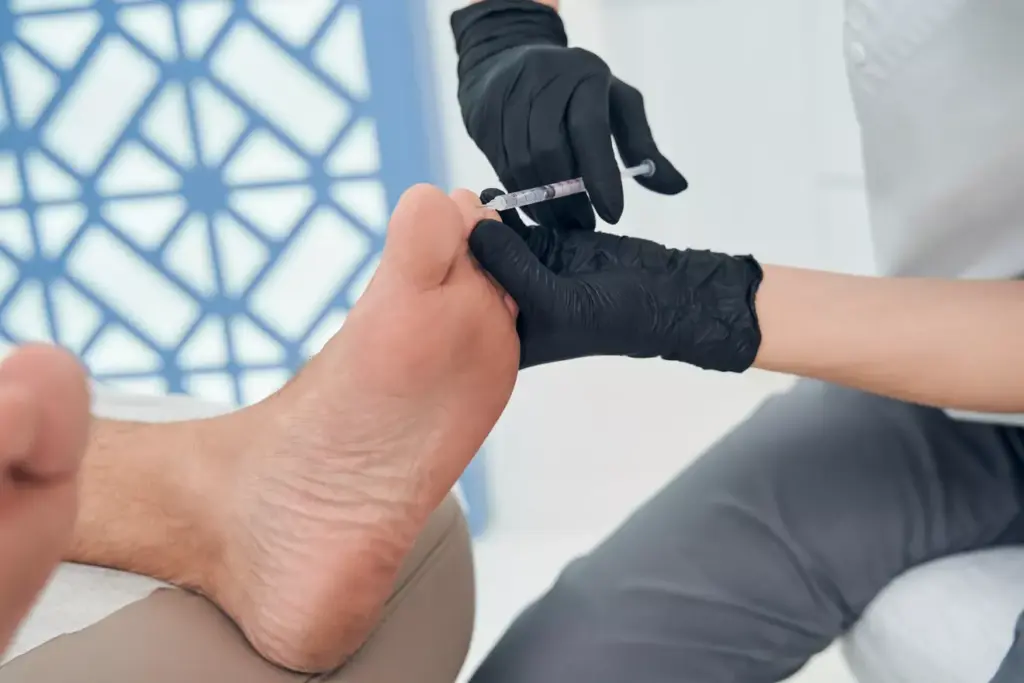
Bunions are more than just a cosmetic issue. They can cause severe pain and affect how you move if not treated. A bunion is a bony bump at the base of the big toe, making the toe lean towards others. This can make everyday activities painful.
Bunions develop from genetics, bad shoes, and foot mechanics. Knowing these causes helps find the best treatment. If untreated, bunions get worse, causing more pain and problems.
What Causes Bunions to Develop
Genetics, bad shoes, and foot mechanics cause bunions. Genetics play a big role, making some more likely to get bunions. Shoes that are too tight or don’t fit right can make it worse.
Conservative Treatment Options
In the early stages, bunions can be treated with padding, orthotics, and better shoes. These can ease pain and slow the bunion’s growth. But, they don’t fix the joint problem.
Conservative care includes:
- Padding and taping to reduce pressure on the bunion
- Orthotics to support the foot and improve biomechanics
- Footwear changes to avoid exacerbating the condition
When Surgery Becomes the Recommended Solution
If treatments don’t work, surgery might be needed. Minimally invasive bunion surgery is a good choice. It fixes the problem and reduces pain. This surgery uses smaller cuts and heals faster than old methods.
Surgery might seem scary, but new techniques make it safer and faster. Most people can start low-impact activities in 6-8 weeks. This makes surgery a good option for quick recovery.
What Is Minimally Invasive Bunion Surgery?
Minimally invasive bunion surgery is a new way to treat bunions. It uses small cuts to fix the bunion, causing less damage than old methods. This makes it a better choice for many people.
Defining Minimally Invasive Techniques
This surgery uses special tools through tiny cuts, usually under 1 cm. It causes less harm to soft tissues and helps wounds heal faster.
The surgery is done under local anesthesia, keeping the patient comfortable. Smaller cuts mean less chance of problems and quicker healing.
Comparison to Traditional Open Bunionectomy
Old bunion surgery needs a big cut, causing more harm and a longer recovery. But, the new method has big benefits. It leaves less scar, hurts less after, and you can get back to life sooner.
| Aspect | Minimally Invasive Bunion Surgery | Traditional Open Bunionectomy |
|---|---|---|
| Incision Size | Small (less than 1 cm) | Large (several cm) |
| Tissue Damage | Minimal | Significant |
| Recovery Time | Faster | Longer |
| Post-operative Pain | Less | More |
The Myth of “Non-Invasive” Bunion Removal
It’s important to know that even though it’s less invasive, it’s not completely non-invasive. The term “non-invasive” is often used wrongly in bunion treatment. It means there’s no surgery, which isn’t true for this method.
We say that minimally invasive bunion surgery is a careful method. It’s effective but also gentle, making it a good choice for fixing bunions with fewer issues.
How Long Does Bunion Surgery Take: Procedure Duration Explained
Many people wonder how long bunion surgery takes. Knowing this can help you plan your recovery. Minimally invasive bunion surgery is popular because it’s quicker.
Average Timeframe for Minimally Invasive Procedures
Minimally invasive bunion surgery usually lasts between 45 minutes and 1.5 hours. The exact time depends on the bunion’s severity and the surgeon’s skill. Our surgeons are experts, ensuring your surgery is done well and quickly.
Factors That May Extend Surgery Duration
Several things can affect how long bunion surgery takes. These include the bunion’s severity, any other foot issues, and your health. Sometimes, extra procedures are needed, which can make surgery longer. We’ll assess your situation before surgery to give a better time estimate.
Comparison to Traditional Surgery Length
Minimally invasive bunion surgery is often shorter than traditional open bunionectomy. Traditional surgery can last from 1 to 2 hours or more. The minimally invasive method, with smaller cuts and less tissue damage, usually means a faster surgery and quicker recovery.
| Surgery Type | Average Duration |
|---|---|
| Minimally Invasive Bunion Surgery | 45 minutes – 1.5 hours |
| Traditional Open Bunionectomy | 1 – 2 hours or more |
Understanding bunion surgery duration and what affects it helps you prepare. Our team aims to provide the best care, ensuring your surgery is smooth and efficient.
The Step-by-Step Minimally Invasive Bunion Surgery Process
Correcting a bunion through surgery is a detailed process. At our institution, we focus on your comfort and care at every step.
Pre-Surgical Preparation and Planning
We start by carefully evaluating your case. This includes looking at your medical history and doing imaging studies. We also talk about your hopes and worries.
Key steps in pre-surgical preparation include:
- Detailed patient history and physical examination
- Imaging studies (X-rays, etc.) to assess the bunion severity
- Discussion of anesthesia options and patient preferences
- Pre-operative instructions to ensure patient safety and comfort
Anesthesia Options and Administration
We offer different anesthesia choices to meet your needs. We work with you and our anesthesiology team to pick the best option.
| Anesthesia Type | Description | Benefits |
|---|---|---|
| Local Anesthesia | Numbing the specific area of surgery | Quick recovery, minimal side effects |
| Sedation | Relaxing the patient during the procedure | Reduces anxiety, promotes comfort |
| Regional Anesthesia | Numbing a larger area, such as below the knee | Effective pain management, less systemic impact |
Surgical Technique and Incision Placement
Our surgeons use advanced methods to reduce tissue damage and aid healing. They make precise cuts and use special tools to fix the bunion.
Patients often walk the same day with a protective shoe. This shows how the surgery is designed for quick recovery.
Understanding the steps of minimally invasive bunion surgery helps patients see the care and precision in their treatment. Our team is dedicated to supporting you every step of the way.
Does Bunion Surgery Hurt? Pain Expectations and Management
Many people wonder if bunion surgery hurts. We know managing pain is key to a smooth recovery. We’re here to give you all the info you need to feel better.
Pain Levels During Recovery
After a minimally invasive bunion surgery, patients often feel less pain. Less swelling and trauma make recovery easier. Most say they feel only mild to moderate pain, which they can handle with meds.
“I’ve done many minimally invasive bunion surgeries,” says a top orthopedic surgeon. “Patients usually say they feel less pain during recovery. Good pain management comes from the right surgery, care after, and teaching patients.”
Medication and Pain Control Strategies
Managing pain well involves several steps:
- Prescribed pain meds for the first few days
- Ice to cut down swelling
- Keeping the foot up to ease pain
- Resting and avoiding hard activities
We help each patient create a pain plan that works for them. This way, they stay comfortable while they heal.
How Pain Compares to Traditional Bunionectomy
Minimally invasive bunion surgery usually means less pain after than old methods. Smaller cuts and less damage mean less pain. Patients often get back to normal faster, feeling less pain while they recover.
In short, bunion surgery might hurt a bit, but it’s usually not too bad. Knowing what to expect and talking to your doctor can help you manage pain. This way, you can enjoy the benefits of the surgery without too much trouble.
Recovery Timeline and Milestones After Minimally Invasive Surgery
Knowing how to recover from minimally invasive bunion surgery is key. The time it takes can vary, but most people follow a similar path.
Same-Day Walking with Protective Footwear
Minimally invasive bunion surgery lets you walk the same day, but you’ll need to wear protective shoes. This is a big plus because it lets you stay active right away.
First Two Weeks: Initial Healing Phase
In the first two weeks, you might feel swollen and sore. Rest, ice, compression, and elevation (RICE) can help. Also, taking pain meds as directed is important.
Weeks 2-6: Progressive Activity Resumption
As you heal, you can start doing more things. By week 2 to 6, you can do low-impact exercises. Always listen to your doctor about how much to do.
Weeks 6-12: Return to Full Activities
By weeks 6-12, you should be back to doing everything you want. How fast you get there depends on your health and the surgery details.
| Recovery Phase | Typical Activities | Expected Milestones |
|---|---|---|
| Same Day | Walking with protective footwear | Immediate mobility |
| Weeks 1-2 | Rest, limited mobility | Initial healing begins |
| Weeks 2-6 | Progressive activity resumption | Increased mobility, reduced swelling |
| Weeks 6-12 | Return to full activities | Full recovery, return to normal activities |
Every person’s recovery is different. Our team is here to help you every step of the way. We want to make sure you get the best results.
Effectiveness of Minimally Invasive Bunion Correction
Minimally invasive bunion surgery is a top choice for fixing bunions. It’s known for its good results and quick recovery time. This is a big plus compared to older surgery methods.
Success Rates and Clinical Outcomes
Studies show that bunion surgeries can really help with pain and improve function. A study in a well-known orthopedic journal found that over 90% of patients saw big improvements after this surgery.
Long-Term Results and Recurrence Rates
Looking at how well a surgery works means checking its long-term effects and how often it needs to be done again. Long-term follow-up studies show that the benefits of this surgery can last. Many patients stay pain-free for a long time. While some might need another surgery, it’s not common, thanks to good care and the right shoes.
Patient Satisfaction Statistics
How happy patients are is key to knowing if a treatment works. Many studies show that most patients are happy with their minimally invasive bunion surgery. Their happiness often depends on how much pain they feel, how easily they can move, and how their feet look.
In short, the success of minimally invasive bunion correction is backed by solid research. Knowing the success rates, long-term effects, and how patients feel can help people choose the best treatment for themselves.
Benefits and Advantages of Less Invasive Approaches
Minimally invasive bunion surgery has many benefits. It’s a modern way to treat bunions. It leads to a quicker recovery and fewer problems than old methods.
Reduced Scarring and Cosmetic Benefits
This surgery has less scarring. It uses small cuts, not big ones like before. This means you’ll have less visible scarring and look better.
Lower Complication Rates
This surgery has lower complication rates than the old way. The small cuts lower the chance of infection and nerve damage. It also heals faster because it’s less invasive.
Faster Return to Normal Activities
People who get this surgery can get back to normal faster. The small cuts and less damage mean less pain and swelling. So, you can start doing your daily things sooner.
| Benefits | Minimally Invasive | Traditional Open Surgery |
|---|---|---|
| Scarring | Minimal | Significant |
| Complication Rates | Lower | Higher |
| Recovery Time | Faster | Slower |
In conclusion, minimally invasive bunion surgery is a good choice. It means less downtime and fewer problems. Knowing these benefits helps patients make better decisions.
Finding the Right Surgeon for Your Minimally Invasive Bunion Procedure
Choosing the right surgeon for your bunion surgery is key. Their skills and experience can greatly affect your recovery and the success of the surgery.
Specialized Training and Credentials to Look For
Make sure your surgeon has specialized training in bunion surgery. They should have education in foot and ankle surgery, focusing on minimally invasive methods. It’s also important they are board certified, showing they meet certain standards.
Check if they are a fellow of the American College of Foot and Ankle Surgeons. This shows they are committed to learning new techniques and staying updated.
Regional Considerations and Specialized Centers
The location of the surgery center matters too. For example, if you’re looking for minimally invasive bunion surgery in NYC, find a surgeon who knows the latest methods and has worked with many patients.
Specialized centers have teams for complex cases. They also offer better resources for care and recovery after surgery.
Questions to Ask During Your Consultation
Ask important questions during your first meeting with the surgeon. This will help you understand their experience and approach. Some questions to ask include:
- What experience do you have with minimally invasive bunion surgery?
- Can you share any patient testimonials or success stories?
- What are the possible risks and complications of this surgery?
- How will pain be managed during recovery?
These questions will help you understand the surgeon’s methods and make a better choice for your care.
Conclusion: Making an Informed Decision About Bunion Surgery
Learning about minimally invasive bunion surgery is key to making a smart choice. Knowing how long surgery takes and what recovery is like helps you prepare.
Minimally invasive surgery has many advantages. It leads to less scarring, fewer complications, and a quicker return to daily activities. The surgery’s length, usually between 45 to 90 minutes, and the methods used can differ based on your situation.
We aim to give you the best care and support during your treatment. Choosing our experienced team means you’re in safe hands. Our goal is to help you get the best results and improve your life.
FAQ
What is minimally invasive bunion surgery?
This surgery makes small cuts to fix bunions. It’s quicker to heal than old methods.
Does bunion surgery work?
Yes, it fixes bunions and relieves pain and discomfort.
How long does minimally invasive bunion surgery take?
It lasts 45-90 minutes. Time can vary based on the person.
Is minimally invasive bunion surgery painful?
Some pain is expected. But, there are ways to manage it.
What are the benefits of minimally invasive bunion surgery?
It has less scarring, fewer complications, and you can get back to normal faster.
How long does it take to recover from minimally invasive bunion surgery?
Recovery time is different for everyone. But, most can get back to normal in 6-12 weeks.
Can I walk after bunion surgery?
Yes, you can walk the same day with the right shoes.
What is the success rate of minimally invasive bunion correction?
It’s very successful. Studies show it works well for fixing bunions.
How do I choose the right surgeon for my minimally invasive bunion procedure?
Look for a surgeon with the right training and credentials. Also, consider specialized centers. Ask questions during your consultation to find the best surgeon for you.
Is non-invasive bunion removal a viable option?
“Non-invasive” bunion removal is often a myth. Most treatments are invasive. But, minimally invasive methods are more effective and quicker to recover from.
What are the advantages of less invasive approaches to bunion correction?
Less invasive methods have better looks, fewer complications, and a quicker recovery.