Last Updated on November 27, 2025 by Bilal Hasdemir
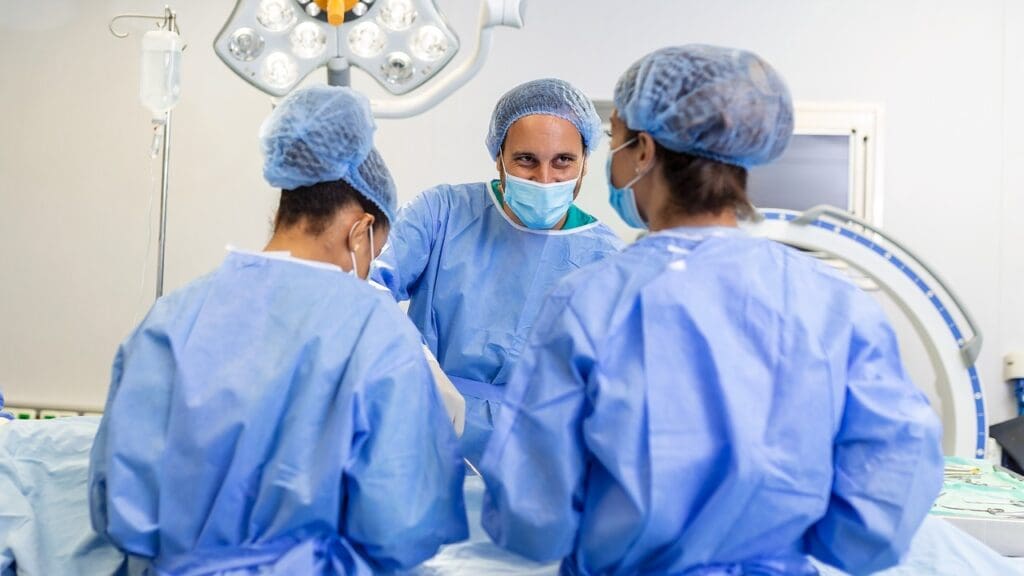
Many people worry about prostate surgery. At Liv Hospital, we aim to help by explaining the surgery’s length and recovery. We want you to feel well-informed.
Prostatectomy, a common surgery, lasts 2 to 3 hours. It’s done under general anesthesia. Thanks to new tech, robotic-assisted surgeries are now the norm. They help you recover faster and spend less time in the hospital.
We’re all about top-notch healthcare at Liv Hospital. We support international patients fully, making sure you get the best care. Our team is here to help you every step of the way. We’re all about your health and well-being.
Key Takeaways
- Prostate surgery typically takes 2-3 hours under general anesthesia.
- Robotic-assisted prostatectomies offer shorter hospital stays and faster recovery.
- Liv Hospital provides patient-centered care for international patients.
- Our team is dedicated to guiding you through every step of prostatectomy and recovery.
- Optimized care is ensured throughout the recovery process.
Understanding Prostate Surgery: Types and Approaches
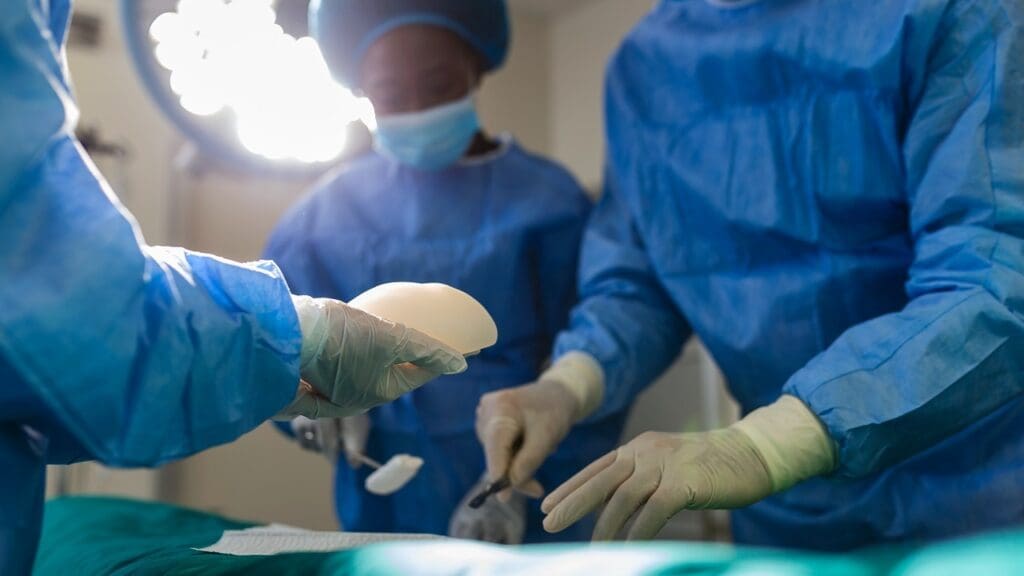
It’s key for patients to grasp the details of prostate surgery. This is because prostate surgery, like prostatectomy, is a big step. It’s mainly used to treat prostate cancer.
What is a Prostatectomy?
A prostatectomy is a surgery that removes the prostate gland. It’s often done to fight prostate cancer. For more info, check out prostatectomy FAQs.
Different Surgical Approaches for Prostate Removal
There are a few ways to remove the prostate:
- Robotic-assisted prostatectomy, which is precise and less invasive.
- Open prostatectomy, a traditional method with a bigger cut.
Each method has its good points and downsides. It’s important to talk about these with a doctor.
Who Needs Prostate Surgery?
Mostly, prostate surgery is for those with prostate cancer. Whether to have surgery depends on several things. These include:
- How far the cancer has spread.
- The patient’s health and age.
- The surgery’s benefits and risks.
Knowing these details helps patients make smart choices about their treatment.
How Long Does Prostate Surgery Take?

How long prostate surgery takes can vary a lot. This depends on whether it’s a robotic-assisted or open prostatectomy. Patients often wonder about the surgery time before they go in.
Duration of Robotic-Assisted Prostatectomy
Robotic-assisted prostatectomies usually take 2-3 hours. This method is more precise and flexible. It might make the surgery shorter. Key benefits of robotic-assisted surgery include:
- Minimally invasive technique
- Reduced blood loss
- Shorter hospital stay
Duration of Open Prostatectomy
Open prostatectomies can take longer. The time needed can be from 2 to 4 hours. Factors influencing open prostatectomy duration include:
- The surgeon’s experience
- The patient’s overall health
- The extent of the prostate cancer
Factors That May Extend Surgery Time
Several things can make prostate surgery take longer. These include:
- Complexity of the case: More complicated cases may need more time.
- Surgeon’s experience: Less experienced surgeons might take longer.
- Patient’s anatomy: Different anatomy can affect surgery time.
Knowing these factors can help patients prepare better. It can also help them understand what to expect during recovery.
Pre-Surgery Preparation: What to Expect
Getting ready for prostate surgery can make you feel less anxious. Knowing what to do beforehand helps a lot. It’s key to prepare well to cut down risks and make your prostate removal recovery time better.
Medical Evaluations and Tests
We do detailed medical checks before surgery to check your health. These might include blood tests, imaging, and more. Our team looks at your health history, meds, and allergies to make sure you’re safe.
Dietary and Medication Adjustments
Changing your diet and meds is needed before surgery. We might tell you to stop some meds that could mess with the surgery or your recovery. Also, we might suggest eating differently to keep you healthy and avoid problems.
Mental Preparation for Surgery
Getting your mind ready is as important as your body. We want you to talk about your worries with us or a counselor. Knowing what’s coming and having support can really help you feel better.
The Day of Surgery: Step-by-Step Process
Knowing what to expect on the day of prostate surgery can help patients feel more prepared and less anxious. We understand that this day can be daunting, but with the right information, you can navigate it with confidence.
Arrival and Pre-Operative Procedures
When you arrive at the hospital, our staff will welcome you and help with the admission process. You’ll then go to the pre-operative area. Here, you’ll change into a hospital gown, get an IV line, and meet your surgical team.
Anesthesia Administration
In the operating room, the anesthesia team will give you the right anesthesia. This ensures you’re comfortable during the surgery. We use the latest techniques to make sure you have a smooth recovery.
The Surgical Procedure
Your surgeon and the surgical team will then do the prostatectomy. The type of surgery you have, like robotic-assisted or open surgery, will determine the specifics. Our surgeons are very skilled in their techniques, aiming for the best results.
Immediate Post-Operative Care
After surgery, you’ll go to the recovery room. Our medical staff will watch over you closely. They’ll manage your pain and check for any immediate problems. They’ll also start teaching you about recovering from prostate surgery, including pain management and catheter care.
Understanding the steps of your surgery day can greatly improve your prostate surgery recovery time. Being informed and prepared helps you focus on recovering after prostate surgery effectively.
Hospital Stay Duration After Prostate Surgery
Knowing how long you’ll stay in the hospital after prostate surgery is important. The time can change a lot, depending on the surgery type. This includes robotic-assisted prostatectomy or open surgery.
Typical Length of Stay for Robotic Surgery
Robotic-assisted prostatectomies usually mean a shorter hospital stay. Most patients stay in the hospital for 1 to 2 days after surgery.
Typical Length of Stay for Open Surgery
Open prostatectomy is more invasive and needs a longer hospital stay. Patients may stay for 2 to 4 days or longer, based on their recovery.
When Extended Hospitalization May Be Necessary
Some patients might need to stay longer in the hospital. This could be because of complications or a slower recovery. Issues like significant bleeding, infection, or other problems can cause this.
| Surgical Approach | Typical Hospital Stay |
|---|---|
| Robotic-Assisted Prostatectomy | 1-2 days |
| Open Prostatectomy | 2-4 days or more |
Initial Recovery Phase: First Two Weeks
The first two weeks after prostate surgery are key for a smooth recovery. Patients must manage pain, deal with catheters, and follow activity limits. This helps the body heal properly.
Managing Pain and Discomfort
Patients often feel pain or discomfort after surgery. It’s important to stick to the pain management plan given by your doctor. This may include medication and other treatments. Always tell your doctor if the pain is severe or not getting better.
Dealing with Catheterization
A catheter helps with urination after surgery. It’s important to follow the care instructions from your healthcare team. This reduces the risk of infection or other problems. For more information, visit Cancer Research UK.
Activity Restrictions and Wound Care
During the first few weeks, avoid hard work, heavy lifting, and bending. Proper wound care is also vital to prevent infection. Always follow your doctor’s advice for wound care and watch for any signs of infection.
Warning Signs to Watch For
Be on the lookout for warning signs like severe pain, heavy bleeding, fever, or trouble urinating. If you notice any of these, call your doctor right away.
By managing pain, following catheter care, sticking to activity limits, and watching for warning signs, patients can smoothly get through the first two weeks. This sets the stage for a successful recovery in the long run.
Complete Recovery Timeline for Prostate Surgery
Knowing how long it takes to recover from prostate surgery is key. Most people get back to normal in 4 to 6 weeks. This timeline helps patients plan their recovery well.
Weeks 1-2: Early Recovery Milestones
In the first two weeks, patients often feel very tired and sore. They must manage their pain and deal with catheters. One patient said,
“The first week was tough, but with the support of my care team, I was able to navigate the challenges.”
Weeks 3-6: Returning to Normal Activities
By weeks 3-6, patients start to feel stronger and can do more. It’s important to start slowly to avoid problems. Always check with a doctor before starting to do more.
| Activity | Week 3-4 | Week 5-6 |
|---|---|---|
| Light Exercise | Recommended | Intensify |
| Driving | Not Recommended | Allowed |
| Heavy Lifting | Not Recommended | Gradually Allowed |
Months 2-6: Long-Term Recovery
Long-term recovery means getting better at controlling urine and sex. It’s a time when life quality really improves.
Differences in Recovery Between Surgical Approaches
The surgery type affects recovery time. Robotic surgery often means less blood loss and quicker healing than open surgery.
A doctor noted,
“The choice of surgical approach can significantly impact a patient’s recovery experience and overall outcome.”
Strategies to Speed Up Recovery After Prostatectomy
Recovering faster after prostate surgery needs a mix of good food, exercise, and mental health. The right steps can cut down recovery time and boost results.
Nutrition Tips for Faster Healing
Eating well is key for healing. Foods with protein help fix tissues, and antioxidants fight off inflammation. Drinking lots of water is also vital.
- Eat lean proteins like chicken and fish.
- Have fruits and veggies every day.
- Stay away from processed foods and sugars.
Appropriate Physical Activity and Exercise
Starting with gentle exercises can help. Walking is a good first step. As you get better, you can do more.
Pelvic Floor Exercises for Continence Recovery
Kegel exercises can help you control your bladder. They work by tightening and then relaxing the muscles that stop urine flow.
- Find the right muscles by stopping urine flow mid-stream.
- Do Kegel exercises in sets of 10, many times a day.
Mental Health and Emotional Recovery
Recovery isn’t just about the body; your mind matters too. Activities like meditation or yoga can help with emotional healing.
“The mind and body are not separate entities; taking care of one helps the other.”
Good nutrition, exercise, pelvic floor exercises, and mental health care can greatly improve recovery after prostate surgery.
Managing Post-Surgery Complications
Managing complications after prostate surgery is key for a smooth recovery. While prostate surgery is safe, some patients face complications that affect their quality of life.
Addressing Urinary Incontinence
Urinary incontinence is a common issue after prostate surgery. We suggest pelvic floor exercises, like Kegel exercises, to help control the bladder. These exercises strengthen the muscles around the bladder and urethra.
Dealing with Erectile Dysfunction
Erectile dysfunction is another possible complication. We advise talking to your healthcare provider about treatment options. This may include medication, lifestyle changes, or other interventions.
Handling Infection and Bleeding Risks
Infection and bleeding are risks after surgery. We tell patients to watch their temperature and look for signs of bleeding, like heavy clots or persistent bleeding.
When to Seek Immediate Medical Attention
Knowing when to seek immediate medical help is important. Patients should go to the emergency room for severe pain, heavy bleeding, fever over 101.5°F, or trouble urinating.
| Complication | Symptoms | Action |
|---|---|---|
| Urinary Incontinence | Leakage of urine | Perform Kegel exercises |
| Erectile Dysfunction | Inability to achieve or maintain an erection | Consult healthcare provider for treatment options |
| Infection | Fever, chills, redness or swelling at the surgical site | Monitor temperature, seek medical attention if fever exceeds 101.5°F |
| Bleeding | Heavy clots, persistent bleeding | Seek immediate medical attention |
By understanding these complications and how to manage them, patients can better navigate their recovery.
Conclusion: The Road to Full Recovery After Prostate Surgery
Recovering from prostate surgery takes time, patience, and following doctor’s orders. Knowing the prostatectomy recovery timeline helps set realistic goals for patients. This knowledge is key for those going through prostate removal surgery.
The first steps in recovery include managing pain, dealing with catheters, and following activity limits. It can take weeks to get back to normal with urination. It may take up to 6 months or more to regain normal erections. At Liv Hospital, we support our patients every step of the way. We provide detailed care and advice to help them recover smoothly from prostate removal.
By following the tips in this article, patients can improve their recovery after prostate surgery. We stress the importance of good nutrition, safe physical activity, and pelvic floor exercises. With the right support and care, patients can overcome the challenges of prostate surgery recovery and fully recover.
FAQ
How long does prostate surgery typically take?
The time for prostate surgery varies. Robotic-assisted surgery takes 2 to 4 hours. Open surgery might take 2 to 3 hours.
What are the different types of prostate surgery?
There are several types of prostate surgery. These include robotic-assisted, open, and laparoscopic prostatectomy. The choice depends on the patient’s health and the surgeon’s skill.
How long is the hospital stay after prostate surgery?
Hospital stay times differ. Robotic-assisted surgery patients stay 1-2 days. Open surgery patients might stay 2-3 days.
What can I expect during the initial recovery phase after prostate surgery?
The first two weeks can be tough. You might feel pain, discomfort, and have trouble controlling your urine. It’s key to follow your surgeon’s advice on pain, catheter care, and rest.
How long does it take to recover from prostate surgery?
Recovery times vary. Most can get back to normal in 3-6 weeks. But, it can take months for full recovery, including urinary and sexual function.
What are some strategies to enhance recovery after prostatectomy?
To recover faster, eat well, stay active, and do pelvic floor exercises. A healthy lifestyle and following post-op care can help too.
What are the possible complications after prostate surgery?
Complications include urinary issues, erectile dysfunction, infection, and bleeding. Always follow your surgeon’s advice and seek help if symptoms worsen.
How can I manage urinary incontinence after prostate surgery?
To handle urinary incontinence, try pelvic floor exercises and follow your surgeon’s advice. Lifestyle changes and treatments may also help.
What is the importance of mental health and emotional recovery after prostate surgery?
Mental and emotional recovery are key after surgery. Be aware of your feelings and seek help from healthcare, family, and friends if needed.
How long does it take to return to normal activities after prostate surgery?
It varies, but most can get back to normal in 3-6 weeks. Always follow your surgeon’s advice on activity and follow-up care.
References
- Cancer Council (Australia) : https://www.cancercouncil.com.au/prostate-cancer/management-treatment/surgery/what-to-expect-after-surgery/
- UC Davis Health : https://health.ucdavis.edu/urology/specialties/robotic_surgery/prostatectomy_FAQs.html
- Cancer Research UK : https://www.cancerresearchuk.org/about-cancer/prostate-cancer/treatment/surgery/after-surgery
- MyHealth.Alberta.ca : https://myhealth.alberta.ca/Health/aftercareinformation/pages/conditions.aspx?hwid=ud2576
- Mount Sinai : https://www.mountsinai.org/care/urology/services/robotic-surgery/da-vinci/after-surgery