Last Updated on September 20, 2025 by Ugurkan Demir
Getting a stem cell transplant is a big choice, with from $50,000 to $100,000. The American Society for Blood and Marrow Transplantation says this. The is high, and insurance can cover different amounts. A key factor patients often ask about is how long is the hospital stay for stem cell transplant, since this plays a major role in both recovery and overall .
The time you spend in the hospital depends on a few things. This includes the type of transplant and your health. For example, an autologous stem cell transplant might have a different stay time than others.
Knowing how long you’ll be in the hospital for a stem cell procedure helps. It lets you get ready and plan for a good recovery.
What Is a Stem Cell Transplant?
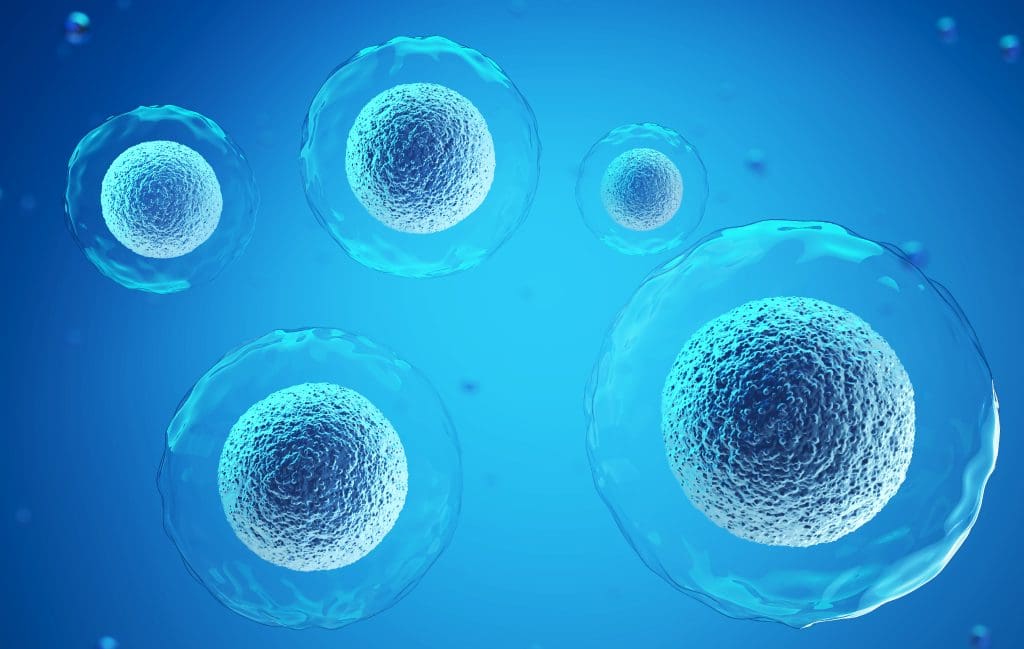
A stem cell transplant is a complex medical procedure. It replaces damaged or diseased stem cells with healthy ones. This treatment helps with various medical conditions, like some cancers and autoimmune diseases.
Types of Stem Cell Transplants
There are two main types of stem cell transplants: autologous and allogeneic. Autologous transplants use the patient’s own stem cells. These cells are collected, stored, and then reinfused after a conditioning regimen. Allogeneic transplants use stem cells from a donor, who can be related or unrelated to the patient.
Medical Conditions Requiring Transplants
Stem cell transplants treat many medical conditions. Autologous transplants are often used for multiple myeloma and lymphoma. Allogeneic transplants are used for a wider range of diseases, including leukemia and some genetic disorders.
General Timeline Overview
The timeline for a stem cell transplant varies. It depends on the transplant type and the patient’s condition. The process includes several stages: pre-transplant evaluation, conditioning, the transplant itself, and post-transplant recovery.
Autologous vs. Allogeneic Transplants: Hospital Stay Differences
It’s important for patients to know the difference between autologous and allogeneic stem cell transplants. This knowledge helps them understand how long they’ll stay in the hospital. Each transplant type has its own unique characteristics.
Autologous Stem Cell Transplant Process
An autologous stem cell transplant uses the patient’s own stem cells. This usually means a shorter hospital stay, often 2-3 weeks.
The process starts with stem cell harvesting, where the patient’s stem cells are collected. These cells are stored while the patient gets conditioning therapy. After that, the stem cells are put back into the patient.
Allogeneic Transplant Considerations
An allogeneic transplant uses stem cells from a donor. This transplant requires a longer hospital stay, usually 3-4 weeks. This is because there’s a higher risk of complications like graft-versus-host disease (GVHD).
Allogeneic transplants need careful matching between donor and recipient to lower GVHD risk. The conditioning regimen is also more intense to prevent rejection.
Why Hospital Stay Durations Vary
The length of hospital stay varies between autologous and allogeneic transplants for several reasons. The risk of complications, the intensity of the conditioning regimen, and the need for post-transplant monitoring all play a part.
| Transplant Type | Typical Hospital Stay | Key Considerations |
| Autologous | 2-3 weeks | Shorter stay due to lower risk of complications |
| Allogeneic | 3-4 weeks | Longer stay due to higher risk of GVHD and other complications |
Knowing these differences helps patients prepare for their hospital stay and recovery.
Pre-Transplant Evaluation and Preparation
Getting ready for a stem cell transplant means a lot of work. You’ll need to do medical tests, plan your finances, and get your home ready. This helps make sure you’re ready for the treatment and the recovery that comes after.
Required Medical Tests
Before the transplant, you’ll have to do many medical tests. These tests check your health and if you’re ready for the transplant. Here are some of the tests you might have:
- Blood work: This checks your blood cells and chemistry to see if they’re okay for the transplant.
- Imaging studies: X-rays, CT scans, or MRI scans look at your organs to find any problems.
- Cardiac evaluation: This checks your heart to make sure it can handle the transplant.
- Infectious disease screening: This finds and manages any infections that could make the transplant harder.
Financial and Planning
Stem cell transplants are expensive. So, financial and insurance planning is very important. You should:
- Check your insurance to see what’s covered and what you’ll have to pay for yourself.
- Talk to your healthcare provider or a financial counselor about getting help with .
- Think about how you’ll handle lost income while you’re recovering.
Home Preparation for Post-Discharge
Getting your home ready for after you leave the hospital is key. You should:
- Make a comfy spot for recovery with all the things you need.
- Make sure you have support from family or caregivers.
- Get all the supplies and equipment you’ll need for after the transplant.
By getting ready for the transplant and the recovery, you can make your chances of success better. And you’ll have an easier time getting better.
The Complete Stem Cell Procedure Timeline
The stem cell transplant process has several key phases. Knowing these phases helps patients prepare and recover smoothly.
Pre-Conditioning Phase
The first step is the pre-conditioning phase. Here, patients undergo tests to check their health and readiness for the transplant. It’s important to spot any issues that might affect the procedure.
Conditioning Regimen
The conditioning regimen is a vital part of the process. It uses high-dose chemotherapy and/or radiation to kill cancer cells and get the body ready for the transplant. Patients may experience side effects, so they are closely watched during this time.
Transplantation Day
On the transplant day, the patient gets the stem cells through an IV, like a blood transfusion. This is usually painless and takes a few hours. The stem cells then go to the bone marrow to start making new blood cells.
Post-Transplant Monitoring
After the transplant, patients are closely watched for signs of success and any complications. This is a critical time to ensure the transplant works well and manage side effects. Regular blood tests and visits are key during this phase.
| Phase | Description | Duration |
| Pre-Conditioning | Initial assessment and preparation | 1-2 weeks |
| Conditioning Regimen | High-dose chemotherapy and/or radiation | 1-2 weeks |
| Transplantation Day | Stem cell infusion | 1 day |
| Post-Transplant Monitoring | Monitoring for engraftment and complications | Several weeks to months |
Knowing the stem cell procedure timeline helps patients prepare for what’s ahead. By understanding each phase, patients can better manage their expectations and work with their healthcare team for a successful outcome.
Hospital Admission Process for Stem Cell Recipients
The hospital admission process is a key step for those about to get a stem cell transplant. It involves several important steps and checks. This process helps prepare patients for their treatment, ensuring their safety and the transplant’s success.
Required Documentation
Patients must bring various documents when admitted, like insurance info, medical history, and consent forms. Having these documents ready can make the admission process smoother.
Initial Medical Assessments
After admission, patients get initial medical checks to see how they’re doing. These checks might include blood tests, vital sign checks, and other tests. They make sure the patient is ready for the transplant.
Special Room Accommodations
Patients getting stem cell transplants stay in special rooms to lower infection risk. These rooms have HEPA filters and are kept under positive pressure. This keeps out external contaminants.
Infection Control Measures
Infection control is a big deal for stem cell transplant patients in the hospital. They follow strict hand hygiene rules, use personal protective equipment (PPE), and limit visitors. This helps prevent infections.
| Infection Control Measure | Description | Benefit |
| HEPA Filtration | Removes airborne pathogens | Reduces infection risk |
| Hand Hygiene | Strict washing and sanitizing protocols | Prevents pathogen spread |
| Visitor Restrictions | Limits exposure to external infections | Protects immunocompromised patients |
Knowing the hospital admission process helps stem cell transplant recipients prepare for their journey. They understand their safety and care are the main focus.
Average Hospital Stay Duration by Transplant Type
The length of hospital stay for stem cell transplant patients varies a lot. This depends on the type of transplant they get.
Stem cell transplants are mainly two types: autologous and allogeneic. Knowing the difference is key to understanding how long a patient will stay in the hospital.
Typical Autologous Transplant Hospital Stay
Patients getting an autologous transplant usually stay in the hospital for 2 to 3 weeks. They are watched closely for any complications. They also get care to help manage side effects.
Typical Allogeneic Transplant Hospital Stay
On the other hand, allogeneic transplant patients often stay longer, from 3 to 4 weeks. This is because they face a higher risk of complications like graft-versus-host disease (GVHD). They also need careful monitoring.
Factors That Can Extend Your Stay
Several things can make a transplant patient stay longer. These include:
- Infections and fever
- Graft-versus-host disease (GVHD)
- Organ dysfunction
- Delayed engraftment
The table below shows the average hospital stay for autologous and allogeneic transplants. It also lists factors that can affect how long a patient stays.
| Transplant Type | Average Hospital Stay | Factors Influencing Stay |
| Autologous | 2-3 weeks | Infections, GVHD, Organ Dysfunction, Delayed Engraftment |
| Allogeneic | 3-4 weeks |
Knowing these factors and the typical hospital stay for each transplant type helps. It prepares patients and their caregivers for the transplant and recovery.
Daily Hospital Routine During Your Stem Cell Transplant Stay
Patients getting stem cell transplants have a daily routine in the hospital. This includes medical checks, taking medicine, and getting diet advice. This routine is key for the transplant’s success and the patient’s healing.
Medical Monitoring Schedule
Stem cell transplant patients need constant medical monitoring. This includes regular blood tests and checking vital signs. The medical team watches the patient closely, making changes to treatments as needed to avoid problems.
Regular monitoring catches issues early. This means more blood tests, temperature checks, and other tests.
Medication Administration
Medicine is very important in stem cell transplants. Patients take medicines to prevent infection, handle side effects, and help the new cells take hold.
The hospital staff gives these medicines on time and in the right amount. This is done carefully to make sure the patient gets the right dose.
Nutrition and Dietary Restrictions
Nutrition is a big part of the transplant process. Patients get dietary guidance to manage side effects and stay healthy.
A specialized diet might be suggested to lower infection risk and ensure enough nutrients. This diet might mean avoiding certain foods.
Physical Activity Guidelines
Rest is important during the hospital stay, but gentle physical activity is also recommended. It helps keep strength up and prevents problems.
Patients learn about safe exercises and activities for their recovery. These are based on their health and what they can do.
Managing Side Effects During Hospitalization
Managing side effects is key when patients are in the hospital for a stem cell transplant. The treatment can save lives but also brings physical and emotional challenges. It’s important to tackle these issues quickly and well.
Common Physical Side Effects
Patients going through stem cell transplants face many physical side effects. These include fatigue, nausea, vomiting, diarrhea, and mucositis. These can really affect a patient’s life and need good management.
“The conditioning regimen can be tough on the body,”
“Having a detailed care plan is key to lessening these effects and helping the patient get better.”
Infection Prevention Protocols
Keeping infections away is a big part of care for stem cell transplant patients. Their immune systems are weak, making them more likely to get sick. Strict infection control measures are used, like using clean equipment and antibiotics.
- Frequent hand hygiene
- Use of personal protective equipment (PPE)
- Regular monitoring for signs of infection
Pain Management Approaches
Managing pain is vital for the comfort of stem cell transplant patients. A mix of medicines and non-medical methods is used. This includes opioids, non-opioid pain relievers, and things like meditation.
The American Pain Society says, “Using many ways to manage pain can help avoid opioid side effects while keeping pain under control.”
Emotional and Psychological Support
The emotional and mental effects of a stem cell transplant are big. Patients often feel anxiety, depression, and fear about their treatment and future. It’s important to offer emotional and mental support through counseling and support groups.
“Emotional support is very important during this tough time,” says a patient advocate. “Having a strong support system can really help a patient deal with their treatment.”
The Engraftment Process and Hospital Discharge Criteria
Engraftment is when transplanted stem cells start working and making new blood cells. This is a key step towards getting better.
Signs of Successful Engraftment
There are several signs that show engraftment is successful. These include:
- Increasing white blood cell count: When the white blood cell count goes up, it means the stem cells are making new blood cells.
- Improved blood cell production: As the stem cells grow, they start making healthy blood cells like red blood cells and platelets.
- Reduced need for transfusions: When the bone marrow makes blood cells well, the need for blood transfusions goes down.
Medical Benchmarks for Discharge
Before leaving the hospital, patients must meet certain medical standards. These include:
| Benchmark | Description |
| Stable blood counts | Patients need to have blood counts that are stable and getting better, showing engraftment is working. |
| No severe complications | There should be no serious problems like graft-versus-host disease or life-threatening infections. |
| Adequate pain management | Pain needs to be controlled with manageable medicines. |
Transitioning to Outpatient Care
Going to outpatient care needs careful planning. This includes:
- Coordination with outpatient teams: Making sure the outpatient team knows about the patient’s condition and treatment plan.
- Medication management: Giving clear instructions on how to use medicines and when to go for follow-up appointments.
- Home care arrangements: Making sure the patient has the right support and care at home.
Discharge Planning Process
The discharge planning starts early in the hospital stay. It involves:
- Assessing the patient’s home environment: Checking if the patient’s home is good for post-transplant care.
- Educating the patient and caregivers: Teaching them about post-discharge care, including how to manage medicines and watch for complications.
- Arranging follow-up care: Setting up appointments with the transplant team to check on the patient’s recovery.
Potential Complications That May Extend Hospital Stay
Patients getting stem cell transplants face many complications. These can make their hospital stay longer. Quick medical help is needed to stop things from getting worse.
Infections and Fever
Infections are a big worry for these patients because their immune systems are weak. Fever often means an infection is present. This needs fast medical check-ups and treatment.
Graft-Versus-Host Disease
Graft-versus-host disease (GVHD) happens when the transplanted cells attack the body. It can be acute or chronic. Managing GVHD is key to its treatment.
Organ Dysfunction
Organ dysfunction is another risk after a stem cell transplant. The treatment before the transplant can harm vital organs. This damage may need a longer hospital stay.
Delayed Engraftment
Delayed engraftment means the stem cells take too long to make blood cells. This makes patients stay in the hospital longer. They are at risk for infections and bleeding until the cells start working.
The table below shows the complications and how they affect hospital stay:
| Complication | Description | Impact on Hospital Stay |
| Infections and Fever | Fever indicating a possible infection in patients with weak immune systems. | Extended stay for treatment and monitoring. |
| Graft-Versus-Host Disease | Immune reaction of the graft against the host tissues. | Prolonged stay for GVHD management. |
| Organ Dysfunction | Damage to vital organs due to the conditioning regimen. | Extended care for organ support and recovery. |
| Delayed Engraftment | Slower than expected recovery of blood cell production. | Longer stay until engraftment and recovery. |
Knowing about these complications helps manage expectations. It ensures patients get the right care in the hospital. Quick action on these issues can greatly improve the transplant’s success.
Post-Discharge Recovery Timeline
The journey to recovery after a stem cell transplant is complex. It needs careful watching and follow-up care. Patients must stay alert and work with their healthcare team to smoothly move from hospital to home.
First 30 Days After Discharge
In the first 30 days after leaving the hospital, patients watch for infections, graft-versus-host disease (GVHD), and other issues. Follow-up appointments with the healthcare team are key. They should also know the signs that mean they need to see a right away, like fever, chills, or unusual bleeding.
30-100 Days Post-Transplant
Between 30-100 days after the transplant, patients keep getting better and their immune systems start to rebuild. Regular follow-up appointments are vital to track progress and solve any problems. Patients might start doing some normal things again but should stay away from germs and eat well.
Long-term Recovery Expectations
How long it takes to fully recover depends on the patient and the transplant type. Usually, it takes months to a year or more. Keeping a healthy lifestyle, like eating right and exercising, helps a lot.
Follow-up Appointment Schedule
The healthcare team creates a follow-up appointment schedule for patients. This ensures they get the care and checks they need during recovery. The schedule might include regular visits, blood tests, and other tests to watch the patient’s health and handle any issues.
Knowing the post-discharge recovery timeline and working with their healthcare team helps patients feel confident in their recovery. This way, they can get the best results.
Patient Experiences: Real Hospital Stay Stories
Patients who have had stem cell transplants share their stories. They talk about their time in the hospital and their recovery. Their experiences give us a glimpse into the challenges and victories of this journey.
Autologous Transplant Patient Perspectives
For those with autologous transplants, the hospital stay is a big part of their treatment. One patient said, “The first days were hard because of the treatment, but the ‘ help was key.”
Another patient mentioned, “I was amazed by the care and kindness of the staff. It made a tough time easier.”
Allogeneic Transplant Patient Perspectives
Patients with allogeneic transplants often stay in the hospital longer. This is because the procedure is more complex and needs close watching. A patient noted, “Being alone was hard, but knowing it was for my safety helped.”
Another patient talked about how important it was to be kept in the loop: “Knowing what was happening with my treatment was very reassuring.”
Caregiver Insights
Caregivers are essential in a patient’s recovery. One caregiver said, “Being there for my loved one was tough but rewarding. It taught me the value of patience and support.”
Another caregiver stressed the need to take care of oneself: “While caring for my family member, I learned to take care of myself too, to avoid burnout.”
Tips From Past Patients
Past patients have advice for those facing a stem cell transplant. One patient said, “Stay positive and rely on your support system.”
Another patient suggested, “Get ready for the physical and emotional challenges. Don’t be afraid to ask for help when you need it.”
| Aspect of Care | Autologous Transplant | Allogeneic Transplant |
| Average Hospital Stay | 2-3 weeks | 3-4 weeks |
| Conditioning Regimen | High-dose chemotherapy | Chemotherapy and/or radiation |
| Isolation Precautions | Variable | Often required |
Conclusion
The time a patient stays in the hospital for a stem cell transplant varies. It depends on the type of transplant and the patient’s health. Autologous transplants usually need a shorter stay than allogeneic ones.
It’s important for patients to understand the transplant process. This helps them prepare for the challenges and benefits of a stem cell transplant. With the right care and support, patients can have a successful outcome and better quality of life.
Recovering from a stem cell transplant takes time and careful monitoring. Patients must follow their treatment plan and keep up with follow-up appointments. This ensures a smooth recovery.
Being informed and prepared helps patients face their stem cell transplant journey confidently. This leads to a successful recovery and better health outcomes.
FAQ
What is graft-versus-host disease?
Graft-versus-host disease is a risk with allogeneic transplants. It happens when donor stem cells attack the patient’s body.
How are stem cells harvested?
Stem cells can come from the patient’s bone marrow or blood. They can also come from a donor.
What can I expect during my hospital stay for a stem cell transplant?
Expect regular monitoring and medication. You’ll also get nutritional guidance. Following physical activity guidelines is important.
How long does it take to recover from a stem cell transplant?
Recovery time varies. Patients need close follow-up care. This includes regular appointments to monitor their health.
What are the signs of successful engraftment?
Signs include blood work and tests. These show if the patient is ready for discharge.
What is the engraftment process?
Engraftment is a key part of the transplant. Patients must show signs of successful engraftment before leaving the hospital.
How is a stem cell transplant performed?
The transplant process starts with preparing the patient’s body. On the transplant day, the patient receives the stem cells. Monitoring after the transplant is key to success.
What are the possible complications of a stem cell transplant?
Complications include infections and organ dysfunction. Graft-versus-host disease and delayed engraftment are also risks.
What is the difference between autologous and allogeneic transplants?
Autologous transplants use the patient’s stem cells. Allogeneic transplants use donor stem cells. Autologous transplants are shorter. Allogeneic transplants are longer due to health risks.
How long is the hospital stay for a stem cell transplant?
The hospital stay varies. Autologous transplants are shorter. Allogeneic transplants are longer due to health risks.
What are the types of stem cell transplants?
There are two main types. Autologous transplants use the patient’s own stem cells. Allogeneic transplants use donor stem cells.
What is a stem cell transplant?
A stem cell transplant is a medical process. It replaces a patient’s damaged stem cells with healthy ones.