Last Updated on November 27, 2025 by Bilal Hasdemir
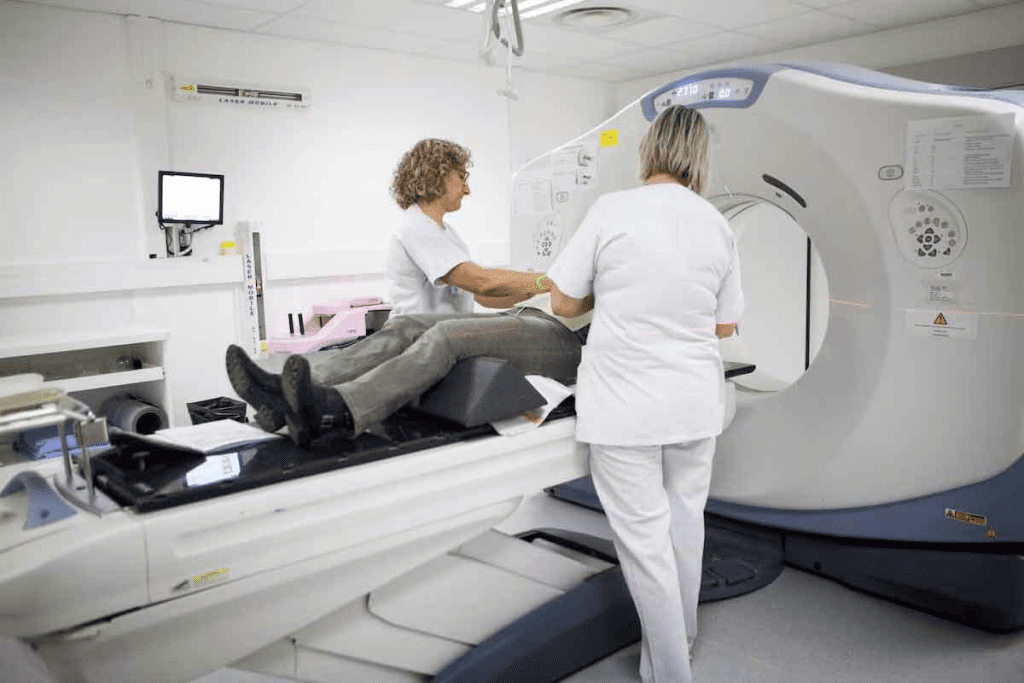
At Liv Hospital, we know how vital clear diagnosis is for bone health. A bone scan is key for spotting bone issues like cancer, infections, and metabolic problems. It uses a radioactive tracer to find bone damage or disease.
The whole process, from start to finish, can last up to four hours. This includes the time it takes for the tracer to circulate and the scan itself. Many patients wonder, “how long is a bone scan?” Typically, the tracer needs 2 to 4 hours to reach the bones, during which patients may wait and drink fluids. The actual scanning usually takes about 30 to 60 minutes. Knowing how long a bone scan takes and what the results mean is important for patients.
Our team at Liv Hospital focuses on patient care, using the newest methods for accurate diagnoses and treatment plans. We stress the need to understand normal versus abnormal results to guide treatment.
Key Takeaways
- A bone scan is a diagnostic test that detects bone abnormalities.
- The process can take up to four hours to complete.
- Understanding normal vs abnormal results is key for treatment.
- Liv Hospital uses the latest protocols for accurate diagnoses.
- Patient-centered care is our top priority.
What Is a Bone Scan and Why Is It Performed?
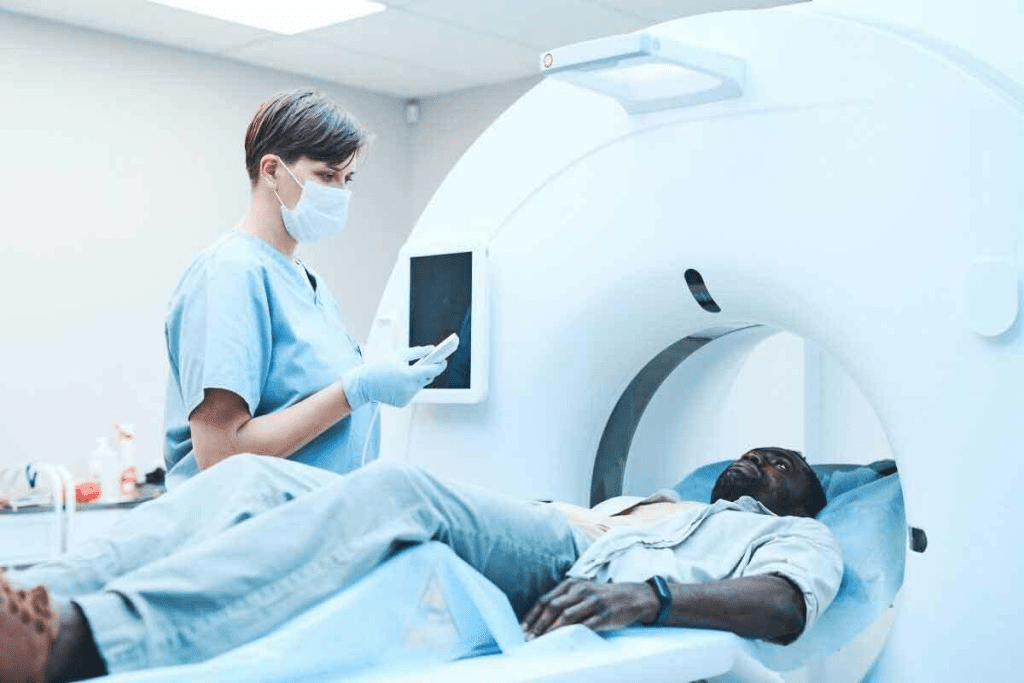
Knowing what a bone scan is and why it’s done can help patients understand their health better. A bone scan is a test that finds bone problems like cancer, infections, and metabolic bone diseases.
Definition and Purpose of Bone Scans
A bone scan uses a tiny amount of radioactive material injected into a vein. This material goes to the bones and organs. It helps doctors find out why bones hurt, if cancer has spread to bones, or if there’s an infection.
Bone scans are key to checking bone health. They help doctors plan the best treatment. The test involves injecting a radioactive tracer into a vein. After 2“3 hours, imaging takes 30“90 minutes. This makes the whole visit about 4“5 hours.
Common Reasons Doctors Order Bone Scans
Doctors order bone scans for many reasons, including:
- Diagnosing the cause of unexplained bone pain
- Detecting Cancer Metastasis to the bones
- Assessing bone infections or osteomyelitis
- Evaluating bone diseases such as Paget’s disease
- Monitoring the effectiveness of treatment for bone conditions
Understanding why you need a bone scan helps you prepare. If you’re getting a bone scan, follow your doctor’s pre-scan instructions. This ensures the test results are accurate.
How Bone Scans Work: The Science Behind Nuclear Medicine Imaging
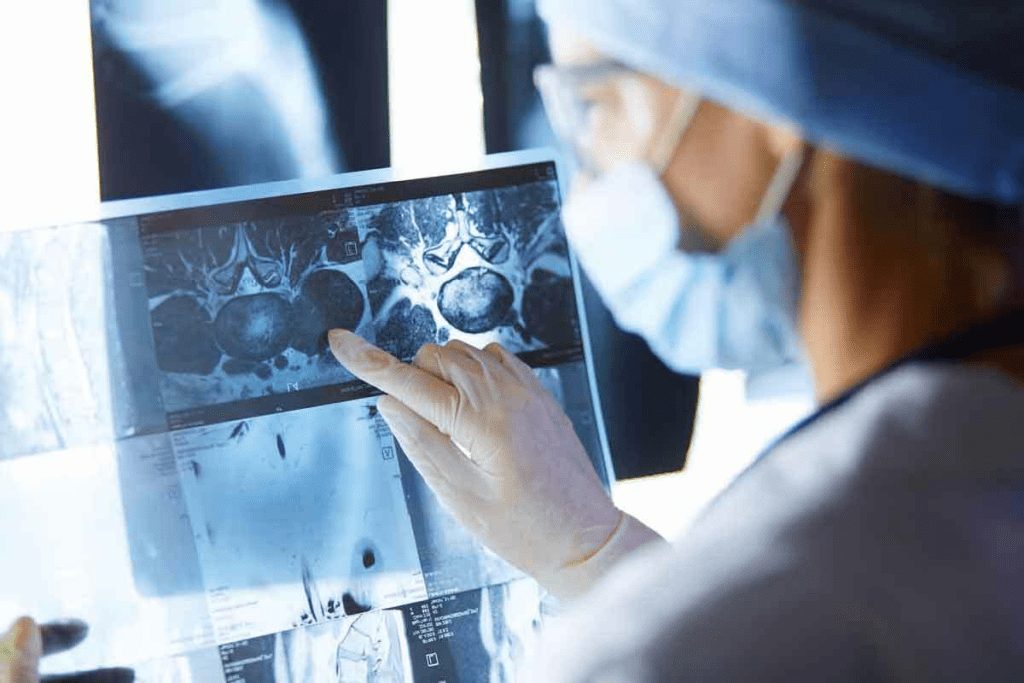
Bone scans use nuclear medicine imaging to show how bones work and find bone problems. They are a special test that helps doctors see how our bones are doing.
Radioactive Tracers and How They Function
A bone scan uses a special dye called Technetium-99m that is injected into your blood. This dye goes to areas of the bone that are very active, like where there’s inflammation or cancer. It then sends out gamma rays that a camera can pick up.
The steps are simple:
- The dye is given through an IV.
- It moves through your blood and sticks to bones.
- A camera catches the gamma rays from the dye.
- These rays help make pictures of your bones.
The Technology Used in Bone Scan Imaging
Bone scan imaging uses nuclear medicine. A special camera picks up the radiation from the dye. This camera moves around you to get pictures from all sides. These pictures show how active your bones are, helping doctors find problems.
Some cool things about bone scan technology are:
- High sensitivity: Bone scans can spot changes in bone activity early.
- Whole-body imaging: They can look at your whole skeleton, great for finding diseases that spread.
- Minimal preparation: You don’t need to do much before a bone scan, making it easy to get.
Using radioactive tracers might sound scary, but don’t worry. The amount used is tiny and safe. It’s gone from your body in a day or two. The test is quick and usually doesn’t hurt, with most people feeling fine after it.
How Long Is a Bone Scan: Timeline and Duration Explained
The time a bone scan takes can vary. We’ll explain what you can expect. A bone scan is a key diagnostic tool. Knowing how long it lasts helps patients prepare better.
Complete Appointment Duration Breakdown
When you arrive for your bone scan, the total time is about 4 to 5 hours. This includes the time for the radioactive tracer to circulate, waiting, and scanning.
The scanning itself takes about 1 hour. But the tracer needs time to absorb and circulate, adding to the total time.
Factors That May Affect Bone Scan Duration
Several factors can change how long your bone scan takes. These include the imaging facility’s protocol and your condition.
- The type of equipment used for the scan
- The area of the body being scanned
- Your overall health and how quickly your body absorbs the tracer
What to Expect During the Waiting Period
After the tracer is injected, there’s a waiting period. This lets it circulate and absorb into your bones. You might wait in a designated area or return later.
It’s key to follow your healthcare provider’s or the imaging facility’s instructions. This ensures the scan goes smoothly and effectively.
Understanding the process and timeline helps you prepare for the bone scan. It can also reduce any anxiety you might have.
Preparing for Your Bone Scan: What You Need to Know
To make sure your bone scan goes smoothly, follow these steps. Getting ready right is important for good results and to avoid problems.
Pre-Scan Instructions and Requirements
Your healthcare provider will give you specific instructions before your scan. You should arrive at least 30 minutes early. Wear comfy clothes and avoid metal jewelry or clothes.
Medications and Conditions That May Interfere
Tell your doctor about any meds you’re on, like Pepto-Bismol. Stop it four days before the scan. Pregnancy or recent barium studies can also impact the scan.
| Preparation Step | Description | Importance |
| Informing Healthcare Provider | Disclose all medications and conditions | High |
| Stopping Certain Medications | Avoid bismuth-containing medications | High |
| Comfortable Clothing | Wear clothing without metal parts | Medium |
| Arrival Time | Arrive at least 30 minutes early | Medium |
By following these tips, your bone scan will be safe and effective. This helps your healthcare team make accurate diagnoses and treatment plans.
The Bone Scan Procedure: Step-by-Step
When you arrive for your bone scan, you’ll first get an injection of a radioactive tracer. This is a key step in the imaging process. The tracer helps the nuclear medicine team see your bones and find any problems.
Injection Process
The injection is quick and usually doesn’t hurt much. The radioactive tracer is given through a vein in your arm. This tracer goes to areas of your bones that are very active. This can mean you have cancer, an infection, or a fracture.
After the injection, the tracer moves through your body. This is important for it to reach your bones.
The Waiting Period
The waiting time is usually between one to three hours. You might wait in a special area. It’s important to drink water and follow the team’s instructions.
| Activity | Duration | Notes |
| Injection | 5 minutes | Minimal discomfort |
| Waiting Period | 1-3 hours | Stay hydrated |
| Imaging | 30-60 minutes | Lie straight during the scan |
The Imaging Process
After waiting, you’ll do the imaging part. You’ll lie on a table, and a gamma camera will be placed over you. It’s important to stay very quiet during the scan.
The imaging takes about 30 to 60 minutes. The gamma camera picks up the radiation from the tracer. This makes detailed pictures of your bones.
Knowing about the bone scan procedure can make you feel less nervous. By understanding what happens, you can get ready better. This makes the whole experience smoother.
Bone Scans vs. Other Imaging Tests
It’s important to know how bone scans differ from other tests like X-rays, CT scans, and MRIs. Each tool is good for finding different bone problems.
Comparison with X-rays, CT Scans, and MRIs
Bone scans and other tests help check bone health, but show different things. X-rays are great for seeing fractures and bone shape. They give a quick look at bones.
CT scans show more detail, like inside bone structures. They’re good for complex fractures. MRIs look at soft tissues like tendons and ligaments. They also find bone marrow issues.
Bone scans focus on bone activity. They’re best for finding bone cancer and other bone problems. A doctor said,
“Bone scans provide a functional image of the bone, highlighting areas of increased or decreased bone activity.”
When a Bone Scan Is the Preferred Option
A bone scan is often chosen for bone metastasis or certain bone diseases. It’s great for cancer patients to see if cancer has spread to the bones. It’s also good for Paget’s disease, where bones are destroyed and regrown abnormally.
Choosing a bone scan depends on symptoms and medical history. For example, if someone has widespread bone pain or a cancer history, a bone scan might be suggested. It helps check bone health.
In short, while X-rays, CT scans, and MRIs are useful, bone scans offer a special view of bone health. Knowing when to use each is key to accurate diagnosis and treatment.
Understanding Normal Bone Scan Results
It’s important for patients and doctors to understand bone scan results. A bone scan is a tool used to check bone health. It shows areas where the bone is not acting normally.
Normal bone scan results mean the radioactive tracer is spread evenly in the bones. This shows there’s no unusual bone activity.
What Constitutes a Normal Bone Scan
A normal bone scan shows the tracer is spread evenly in the bones. This means all bones take up the tracer the same way. It shows there’s no bone disease or injury.
The signs of a normal bone scan are:
- Even tracer distribution in the bones
- No spots with more or less tracer
- Bones look the same on both sides
Examples of Normal Bone Scan Images
Normal bone scan images show tracer uptake in a symmetrical pattern. For example, both sides of the body should have similar tracer patterns. This symmetry is a key sign of healthy bones.
Knowing what a normal bone scan looks like helps doctors rule out bone problems. This helps them find other causes of symptoms. It’s key to making good treatment plans and telling patients about their bone health.
Identifying Abnormal Bone Scan Results
An abnormal bone scan can show many bone-related issues, like infections or cancer. It’s key to know the signs of abnormal bone activity when looking at scan results.
Common Patterns in Abnormal Scans
Abnormal bone scans show areas with more or less tracer uptake. These are called “hot spots” or “cold spots.” They point to different bone problems.
Hot spots mean more bone activity. This can be from cancer, fractures, or infections. On the other hand, cold spots show less activity. This might mean bone necrosis or certain tumors.
“Hot Spots” vs. “Cold Spots”: What They Mean
“Hot spots” or “cold spots” on a bone scan tell us a lot. “Hot spots” are linked to:
- Cancerous lesions
- Fractures
- Infections
- Arthritis
“Cold spots” might mean:
- Bone necrosis
- Certain types of tumors
- Other less common conditions
Conditions That Cause Abnormal Results
Many conditions can cause abnormal bone scan results. Knowing these is key for correct diagnosis and treatment.
| Condition | Description | Typical Bone Scan Finding |
| Cancer | Primary or metastatic bone cancer | Hot spots |
| Fractures | Traumatic or stress fractures | Hot spots |
| Infections | Osteomyelitis or other bone infections | Hot spots |
| Arthritis | Degenerative or inflammatory arthritis | Hot spots |
| Bone Necrosis | Loss of blood supply to bone tissue | Cold spots |
Understanding abnormal bone scan results helps doctors make better diagnoses. This leads to more effective treatments.
Can a Bone Scan Detect Cancer?
Bone scans are key in finding cancer, mainly when it spreads to the bones. They help spot unusual bone activity, which might mean cancer.
Bone Scan Sensitivity for Primary Bone Cancer
Primary bone cancers, like osteosarcoma, can be found with bone scans. These scans catch changes in bone activity due to cancer. Early detection is key to good treatment, and bone scans offer important clues.
Detecting Metastatic Cancer in the Bones
Bone scans are often used to find cancer that has spread to the bones. Metastatic bone disease is a big problem with cancers like breast, prostate, and lung. These scans help find where cancer has spread, helping doctors decide on treatment.
Distinguishing Cancer from Other Conditions
Even though bone scans are good at finding cancer, they can’t pinpoint it exactly. Other issues, like fractures, infections, or arthritis, can also show up as abnormal. It’s vital for a radiologist to carefully look at the results to tell cancer apart from these other problems.
In summary, bone scans are a big help in finding both primary bone cancer and cancer that has spread to the bones. Knowing how bone scans work in cancer diagnosis helps us take better care of patients.
Bone Scan Safety and Special Considerations
Bone scans are mostly safe, but there are important things to know. We will look at the safety of bone scans, including radiation risks, special care for some patients, and possible side effects.
Considerations for Pregnant Women and Children
Pregnant women and kids need extra care with bone scans. The risk of radiation is a big worry, as it can harm the fetus or affect kids’ health later. We think hard about whether a bone scan is really needed for them. If not, we look for other ways to see what’s going on.
“The risks associated with radiation exposure during pregnancy and childhood necessitate a cautious approach to the use of bone scans in these populations.”
Potential Side Effects and Complications
Bone scans are mostly safe, but there can be rare side effects. Some might have an allergic reaction to the tracer, but it’s rare. Others might feel a bit uncomfortable where the tracer was given. We watch patients closely before, during, and after the scan to handle any problems fast.
In short, bone scans are mostly safe, but we must be careful. By understanding the risks and taking steps to avoid them, we can make sure bone scans are used safely in medical tests.
Conclusion
At Liv Hospital, we know how important bone scans are for health. A bone scan helps find many bone problems, including cancer. It shows how well bones are working.
Understanding a bone scan helps patients know what’s going on with their bones. It helps doctors find and treat problems. We use the latest technology to make sure care is top-notch.
Choosing Liv Hospital means getting the best care. Our team works hard to help patients get better. We aim for the best results for everyone.
FAQ
How long does a bone scan typically take?
A bone scan usually takes 4 to 5 hours. This includes time for the radioactive tracer to circulate, waiting, and scanning.
What is a bone scan used for?
A bone scan helps find bone issues like cancer, infections, and metabolic diseases. It also helps diagnose unexplained bone pain.
How do bone scans work?
Bone scans use nuclear medicine and radioactive tracers. These tracers build up in active bone areas. A gamma camera then creates images.
What are “hot spots” and “cold spots” in a bone scan?
“Hot spots” show active bone areas. “Cold spots” show less activity. Both can point to bone issues.
Can a bone scan detect bone cancer?
Yes, bone scans can find primary bone cancers and cancers that have spread to bones.
Is a bone scan safe?
Bone scans are generally safe, with low radiation. But pregnant women and children need special care.
How do I prepare for a bone scan?
To prepare, follow the re-scan instructions. This includes dietary rules and avoiding certain meds. Tell your doctor about any health issues or meds.
What is the difference between a bone scan and other imaging tests like X-rays, CT scans, and MRIs?
Bone scans are great for spotting bone metabolism changes. They’re often used when other tests don’t work.
What are the possible side effects of a bone scan?
The side effects of a bone scan are usually minor. The biggest concern is radiation, but it’s usually low.
How long does it take to get the results of a bone scan?
Getting bone scan results can take a few days. It depends on the facility and the situation.
Why would a doctor order a bone scan?
Doctors order bone scans for many reasons. This includes finding the cause of bone pain, detecting bone cancer, or checking for infections.
References
- Adams, C., Mirvis, S., & Line, B. (2023). Bone Scan. StatPearls. https://www.ncbi.nlm.nih.gov/books/NBK531486/
- Brenner, A. I. (2012). The bone scan. Seminars in Nuclear Medicine, 42(3), 191-204. https://www.sciencedirect.com/science/article/abs/pii/S0001299811000961