Last Updated on November 26, 2025 by Bilal Hasdemir
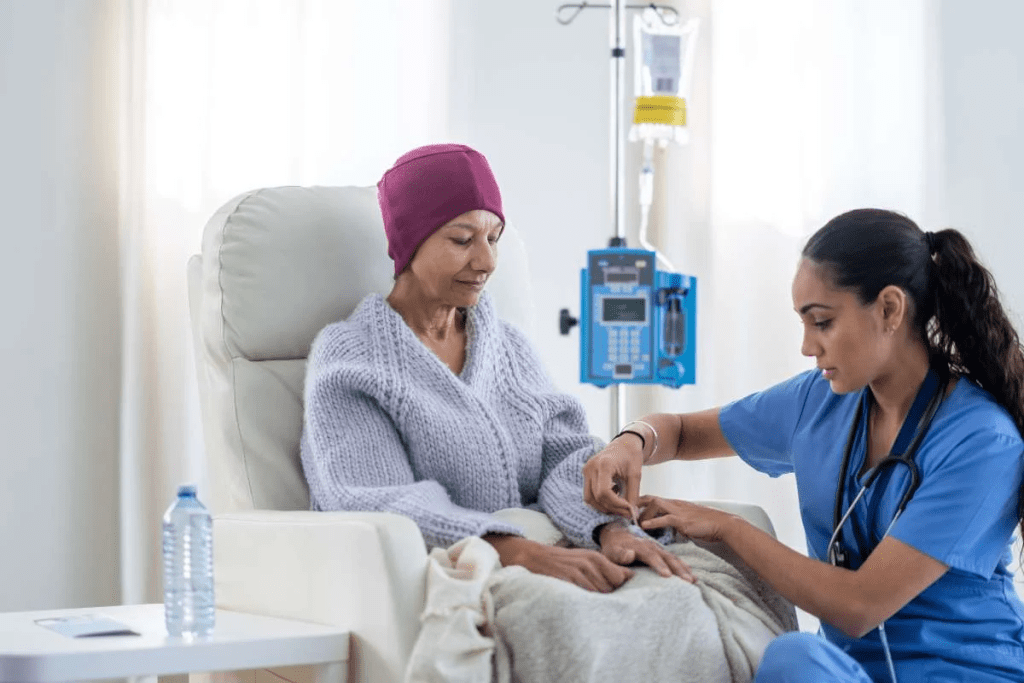
Cancer treatment is complex, and chemotherapy duration changes a lot from person to person. So, how long is chemotherapy? The number of rounds of chemo can vary greatly depending on the cancer type, treatment goals, and how well the patient responds. Chemotherapy is typically given in cycles, with each cycle followed by a rest period to allow the body to recover. A standard course usually lasts between 3 to 6 months, featuring around 4 to 8 cycles. However, some patients may need shorter or longer durations, sometimes spanning years for certain cancers or advanced stages. The length of chemotherapy treatment is personalized for each patient, considering factors like cancer stage, drug regimen, side effects, and overall patient health. Knowing what affects treatment length helps patients better prepare and understand their journey.
Key Takeaways
- Chemotherapy duration varies based on cancer type and treatment goals.
- The number of rounds of chemo depends on individual patient response.
- Treatment length can range from a few cycles to several months or years.
- Understanding chemotherapy basics is key for patients.
- Factors influencing treatment duration will be explored in detail.
Understanding Chemotherapy Basics
Chemotherapy is a treatment that uses drugs to kill cancer cells. It’s a key part in fighting cancer, often paired with surgery and radiation therapy.
What is Chemotherapy?
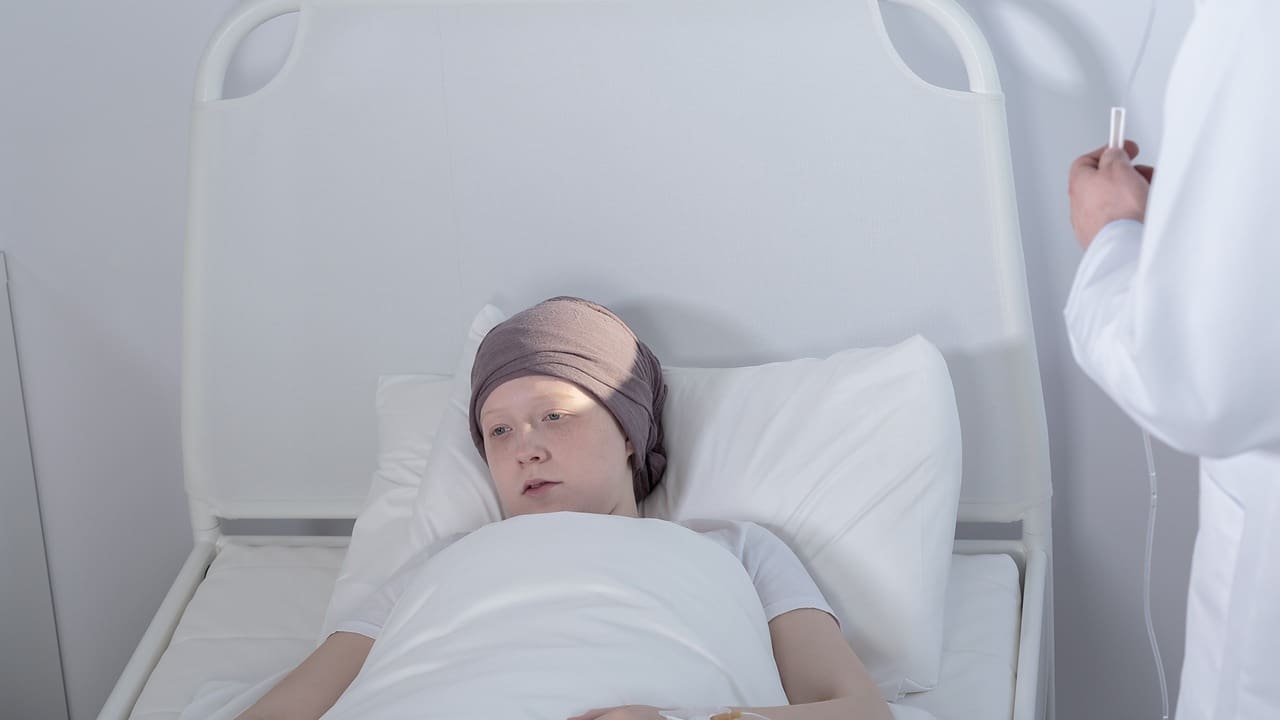
Chemotherapy uses strong drugs to target and kill cancer cells. These drugs can be taken by mouth or given through an IV, based on the cancer type and treatment plan.
How Chemotherapy Works
Chemotherapy targets cells that grow fast, like cancer cells. The drugs stop these cells from dividing, causing them to die. But, they can also harm other fast-growing cells, like hair and digestive tract lining.
Types of Chemotherapy Drugs
There are many types of chemotherapy drugs, each fighting cancer in its own way. These include:
- Alkylating agents, which damage the DNA of cancer cells to prevent them from reproducing.
- Antimetabolites, which interfere with the production of DNA and RNA.
- Anthracyclines, a type of antibiotic that damages the DNA of cancer cells.
- Plant alkaloids, derived from plants, which work by stopping the growth of cancer cells.
| Type of Chemotherapy Drug | Mechanism of Action | Examples |
| Alkylating Agents | Damage DNA to prevent cell reproduction | Cyclophosphamide, Chlorambucil |
| Antimetabolites | Interfere with DNA and RNA production | 5-Fluorouracil, Methotrexate |
| Anthracyclines | Damage DNA of cancer cells | Doxorubicin, Epirubicin |
Knowing the basics of chemotherapy is key for patients and their families. It helps them understand how it works and the different drugs used in treatment.
How Long is Chemotherapy? Typical Treatment Timelines
Many patients wonder how long chemotherapy will last. The answer varies from a few months to several years. The exact time depends on several factors like the cancer type, treatment goals, and how well the patient responds.
Factors That Determine Treatment Length
Several key factors influence how long chemotherapy lasts. These include:
- Type and stage of cancer: Different cancers react differently to chemotherapy, affecting treatment length.
- Treatment goals: Whether chemotherapy aims to cure cancer, control its growth, or ease symptoms impacts its duration.
- Patient’s overall health: Patients with certain health conditions may need adjusted treatment plans, potentially changing chemotherapy duration.
- Response to treatment: How well the cancer responds to chemotherapy can lead to adjustments in treatment length.
Average Duration of Chemotherapy Plans
Chemotherapy can last from a few months to several years. For some cancers, treatment might finish in 3 to 6 months. For others, it could take over a year or more.
| Cancer Type | Typical Chemotherapy Duration |
| Breast Cancer | 3 to 6 months |
| Lung Cancer | 4 to 6 months |
| Colorectal Cancer | 3 to 6 months |
First Treatment to Final Session Timeline
The time from the first to the last chemotherapy session varies a lot. Treatment response and managing side effects are key factors in this timeline.
Knowing what affects chemotherapy duration can help patients prepare better. It’s important for patients to talk about their treatment plans and expectations with their healthcare providers.
What Constitutes a “Round” or “Cycle” of Chemotherapy
Chemotherapy cycles are key in cancer treatment. They help make treatment more effective. A “cycle” or “round” is how chemotherapy is given, with time for treatment and rest.
Defining Chemotherapy Cycles
A chemotherapy cycle, or “round,” is when drugs are given and then a break. How long a cycle lasts depends on the cancer type, drugs, and how well the treatment works.
The cycle starts with giving chemotherapy drugs. These can be given through an IV, orally, or other ways. The time it takes to give the drugs can vary, from minutes to days.
What Happens During Each Cycle

During each cycle, the body changes a lot. The drugs target fast-growing cancer cells but also affect healthy cells. This can cause side effects like tiredness, nausea, hair loss, and a higher risk of infections.
Recovery is key in each cycle. After the drugs are given, the body needs time to recover. This time is important for healing and getting ready for the next cycle.
Why Chemotherapy is Given in Cycles
Chemotherapy is given in cycles to let the body rest between treatments. This way, the treatment is more effective. It targets cancer cells when they are most active but is gentler on healthy cells.
The Shimoyama protocol is an example of how cycles are important. It shows how spacing out treatments can reduce severe side effects. This improves the patient’s life during treatment.
Understanding chemotherapy cycles is important for patients. It helps them know what to expect and prepare for treatment. Knowing what happens in each cycle helps patients deal with chemotherapy’s challenges.
What is a 21-Day Chemo Cycle?
A 21-day cycle is a common way to give chemotherapy. It balances treatment and rest periods. This cycle is often used in cancer treatments to manage the disease and reduce long-term drug exposure.
Structure of a 21-Day Cycle
A typical 21-day cycle includes chemotherapy days followed by rest. For example, drugs might be given on Day 1. Then, the patient has until Day 21 to recover before starting again.
The exact details of the cycle depend on the cancer type, treatment plan, and patient health.
Why 21 Days is Common
The 21-day cycle is chosen for its balance between treatment and recovery. It follows the Shimoyama protocol, adapted for many chemotherapy plans. This cycle is picked to:
- Give bone marrow enough time to recover
- Reduce long-term drug exposure
- Keep treatment doses strong to fight cancer
Other Common Cycle Lengths
While 21 days is common, chemotherapy cycles can vary. Other typical lengths include:
| Cycle Length | Common Uses |
| 14 days | Dose-dense chemotherapy for aggressive cancers |
| 28 days | Some breast cancer and lymphoma treatments |
| Other variations | Depending on the specific chemotherapy protocol and cancer type |
The choice of cycle length depends on many factors. These include the cancer type, drugs used, and how well the patient responds to treatment.
How Many Rounds of Chemo is Normal for Different Cancers
The number of chemotherapy rounds changes a lot for different cancers. It’s important to know how long treatment usually lasts for each cancer type.
Breast Cancer
Breast cancer treatment can last from 4 to 6 cycles. Each cycle is 2-3 weeks long. This depends on the cancer’s stage and type.
Lung Cancer
Lung cancer treatment usually has 4 to 6 cycles. For non-small cell lung cancer (NSCLC), chemotherapy might be combined with other treatments like targeted therapy.
Colorectal Cancer
Colorectal cancer adjuvant treatment typically lasts about 6 months, delivered in 2“3 week cycles. The exact number depends on whether it’s adjuvant or neoadjuvant treatment.
Lymphoma
Lymphoma treatment can vary a lot. Patients usually get 3 to 6 cycles of chemotherapy. This is often part of a regimen like CHOP (cyclophosphamide, doxorubicin, vincristine, and prednisone).
The table below shows the typical number of chemotherapy rounds for different cancers:
| Cancer Type | Typical Number of Chemotherapy Rounds | Duration of Treatment |
| Breast Cancer | 4-6 cycles | 12-18 weeks |
| Lung Cancer | 4-6 cycles | 12-24 weeks |
| Colorectal Cancer | 6-12 weeks | 6-12 weeks |
| Lymphoma | 3-6 cycles | 12-24 weeks |
Knowing how many chemotherapy rounds are typical for different cancers helps patients prepare for their treatment.
How Many Rounds of Chemo is Normal for Breast Cancer
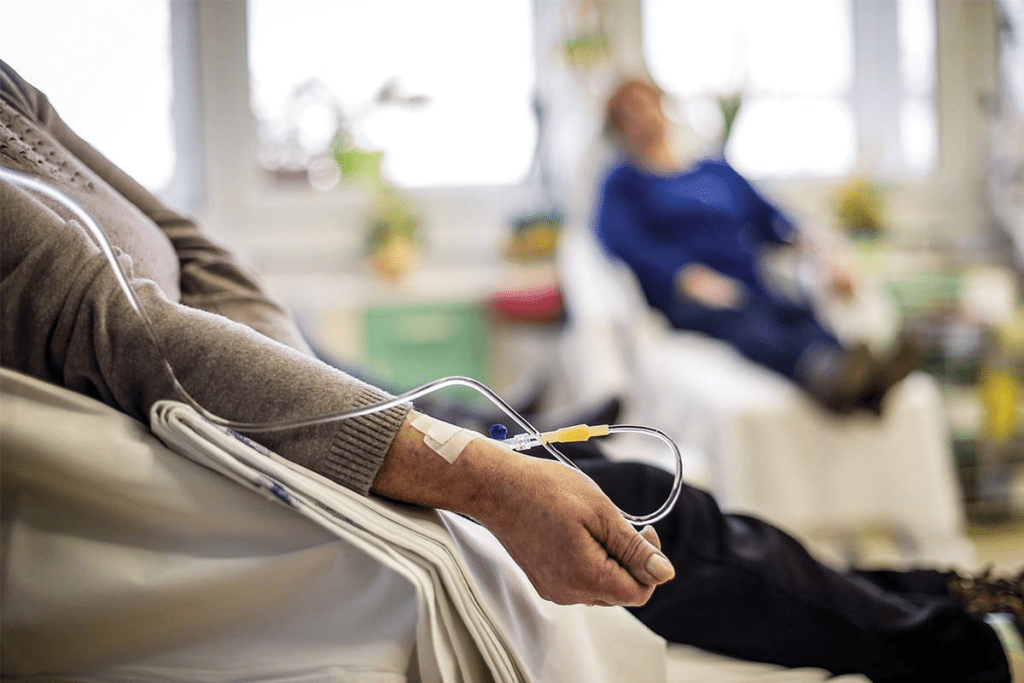
The length of chemotherapy for breast cancer depends on several things. These include the cancer’s stage and its biological characteristics. Chemotherapy uses drugs to kill cancer cells. The number of rounds can vary a lot from one person to another.
Early-Stage Breast Cancer
For early-stage breast cancer, chemotherapy is used after surgery. It helps lower the chance of cancer coming back. The number of cycles usually ranges from 4 to 6, based on the treatment plan and the patient’s health.
Common regimens for early-stage breast cancer include:
- AC (Adriamycin and cyclophosphamide) followed by Taxol (paclitaxel)
- TC (docetaxel and cyclophosphamide)
- FEC (fluorouracil, epirubicin, and cyclophosphamide) followed by docetaxel
Advanced Breast Cancer
For advanced breast cancer, chemotherapy aims to slow cancer growth and ease symptoms. The number of cycles can vary. Treatment continues until the cancer grows or side effects become too severe.
The choice of chemotherapy regimen for advanced breast cancer depends on several factors, including prior treatments, hormone receptor status, and HER2 status.
HER2-Positive vs. Triple-Negative Protocols
Breast cancers that are HER2-positive or triple-negative have different treatments. HER2-positive cancers are treated with targeted therapies like trastuzumab (Herceptin) and chemotherapy. Triple-negative cancers, lacking certain receptors and HER2 protein, are treated with chemotherapy alone.
HER2-positive breast cancer treatment may include:
- Trastuzumab (Herceptin) with chemotherapy
- Pertuzumab (Perjeta) in combination with trastuzumab and chemotherapy for more advanced cases
Triple-negative breast cancer treatment often involves:
- Anthracycline-based regimens (e.g., doxorubicin)
- Taxane-based regimens (e.g., paclitaxel)
Common Breast Cancer Chemotherapy Regimens
The choice of chemotherapy regimen depends on several factors. These include the cancer’s stage, overall health, and the tumor’s biological characteristics. Common regimens include those for early-stage and advanced breast cancer, tailored to individual needs and responses.
Knowing the details of your chemotherapy regimen is key. It helps manage expectations and side effects during treatment.
How Long is a Chemo Session?
The time a chemotherapy session lasts can change a lot. This depends on the type of treatment, how it’s given, and what the patient needs.
Outpatient vs. Inpatient Administration
Chemotherapy can be given in different places. It can be done as outpatient or inpatient treatment. Outpatient treatment lets patients go home the same day. Inpatient treatment means staying in the hospital.
Outpatient chemotherapy is the most common. It’s flexible and lets patients recover at home. The time needed can be short or long, depending on the treatment.
Inpatient chemotherapy is for more intense treatments. It’s when patients need close watch. Stays can last from a few days to weeks.
Factors Affecting Session Length
Many things can change how long a chemotherapy session lasts:
- Type of chemotherapy drugs
- How the treatment is given (intravenous, oral, etc.)
- Patient’s health and how they react to treatment
- The specific treatment plan
Preparing for Your Chemo Session
Knowing what to expect can help you feel less anxious. It prepares you for the treatment.
| Preparation Step | Description |
| Plan Your Transportation | Make sure someone can drive you home, as you might not feel well. |
| Eat a Light Meal | Having something in your stomach can help with nausea. |
| Bring Comfort Items | Things like a blanket or book can make your session more comfortable. |
| Ask Questions | Talk about any concerns or questions with your healthcare team. |
Understanding what affects chemotherapy session length helps. Preparing well can make your treatment journey easier.
Chemotherapy Regimens: Common Protocols
Chemotherapy regimens are complex plans to fight cancer. They change based on the cancer type, its stage, and the patient’s health.
Adjuvant vs. Neoadjuvant Chemotherapy
Adjuvant chemotherapy is given after main treatments like surgery. It aims to kill any cancer cells left behind. Neoadjuvant chemotherapy is given before main treatments. It makes tumors smaller, making surgery easier.
Key differences:
- Timing in relation to primary treatment
- Purpose: Adjuvant aims to prevent recurrence, while neoadjuvant aims to shrink tumors
Combination Chemotherapy
Combination chemotherapy uses many drugs to fight cancer. It’s more effective than using one drug because:
- It targets different parts of cancer cells
- It lowers the chance of drug resistance
Examples include AC-T for breast cancer and FOLFOX for colorectal cancer.
Dose-Dense Chemotherapy
Dose-dense chemotherapy gives drugs more often, like every two weeks. It’s good for some patients because:
- It increases the drug’s strength
- It might help fight aggressive cancers better
But it can also cause more side effects. So, doctors carefully choose who gets it and watch them closely.
Maintenance Chemotherapy
Maintenance chemotherapy is given at lower doses or less often after intense treatment. It helps keep cancer under control and prevent it from coming back.
“Maintenance therapy has become a standard approach in certain types of cancer, such as ovarian cancer and some leukemias, to prolong remission and improve survival.”
Knowing about these chemotherapy types helps patients understand their treatment options. This way, they can make better choices about their care.
How Long Does Chemotherapy Last in Your Body?
Knowing how long chemotherapy drugs stay in your body is key to managing treatment and side effects. Chemotherapy is a treatment that uses drugs to kill cancer cells. The time these drugs stay in your body can change a lot.
Drug Half-Life and Metabolism
The half-life of a drug is how long it takes for its level in the blood to drop by half. Different chemotherapy drugs have different half-lives. For example, cyclophosphamide’s half-life is 3-12 hours, while doxorubicin’s can be 10-50 hours.
How your body breaks down these drugs also matters. The liver breaks down many chemotherapy drugs. This process can vary based on your liver health, genetics, and other medications.
Short-Term vs. Long-Term Presence
Chemotherapy drugs can stay in your body for different lengths of time. Some are cleared quickly, while others can stay longer. For example, some platinum-based drugs can stay in your body for months or years.
The table below shows the half-lives of some common chemotherapy drugs:
| Chemotherapy Drug | Approximate Half-Life |
| Cyclophosphamide | 3-12 hours |
| Doxorubicin | 10-50 hours |
| Cisplatin | 20-40 hours |
| 5-Fluorouracil | 8-20 minutes |
Individual Factors Affecting Clearance
Many factors can affect how long chemotherapy drugs stay in your body. These include:
- Liver and Kidney Function: If your liver or kidneys don’t work well, drugs may take longer to clear.
- Age: Older adults might have slower liver and kidney function, affecting drug clearance.
- Genetics: Your genes can influence how you metabolize drugs.
- Other Medications: Taking other medications can change how chemotherapy drugs are broken down.
Healthcare providers need to understand these factors. They can then tailor treatments to each patient. This helps reduce side effects and improve treatment results.
Side Effects Timeline: When They Start and End
Knowing when chemotherapy side effects start and end is key for patients. Side effects can vary a lot in how soon they start and how long they last. This depends on the type of chemotherapy, the patient’s health, and other factors.
Immediate Side Effects (Hours to Days)
Side effects right after chemotherapy can happen within hours to days. These include:
- Fatigue
- Nausea and vomiting
- Hair loss
- Mouth sores
Doctors often use medicine to help with these side effects. For example, anti-nausea drugs can reduce nausea and vomiting.
Short-Term Side Effects (Weeks)
Side effects that last weeks start during chemotherapy. Common ones are:
- Increased risk of infection
- Bleeding or bruising
- Anemia
- Changes in skin and nail health
It’s important for doctors to keep an eye on these side effects during this time.
Long-Term Side Effects (Months to Years)
Side effects that last months to years can happen after chemotherapy stops. Examples include:
- Heart damage
- Nerve damage (neuropathy)
- Cognitive changes
- Increased risk of secondary cancers
Getting regular check-ups is key to managing these long-term effects.
Late Effects of Chemotherapy
Late effects of chemotherapy are health problems that show up years later. They can be caused by the treatment or how the body reacts to it. It’s important to watch for these effects to help with recovery.
Knowing when side effects happen helps patients prepare for treatment and recovery. It’s vital to talk to doctors about any concerns or specific situations.
Factors That May Extend or Shorten Chemotherapy Duration
Chemotherapy time can change a lot. Knowing why is key for patients to understand their treatment better.
Treatment Response
How well chemotherapy works is a big factor. If it’s working well, treatment might end sooner. But, if it’s not working, treatment could last longer.
Monitoring treatment response is very important. Doctors use tests and exams to see how well treatment is working. This helps them adjust the plan as needed.
Side Effect Severity
How bad side effects are can also change treatment time. If side effects are severe, treatment might need to slow down or stop for a while. This can make treatment last longer.
It’s important to manage side effects well. This helps keep quality of life high and treatment on track. Doctors might use extra medicines or support care to help.
Dose Adjustments
Changing how much chemotherapy is given is common. This helps balance treatment’s benefits and side effects. Changes in dose can affect how long treatment lasts.
In some cases, dose-dense chemotherapy is used. This means treatment is given more often. It might make treatment shorter but could also increase side effects.
Treatment Breaks
Sometimes, treatment needs to stop to let the body recover. How long these breaks are can vary a lot. They can affect how long treatment lasts.
During breaks, doctors check how to move forward. These breaks are important for managing treatment’s impact on health.
Monitoring Progress: How Doctors Determine if Chemo is Working
Doctors use many tools to see if chemotherapy is working. They look at how the patient is doing and use tests to check the treatment’s success. This helps them make changes if needed.
Imaging Tests
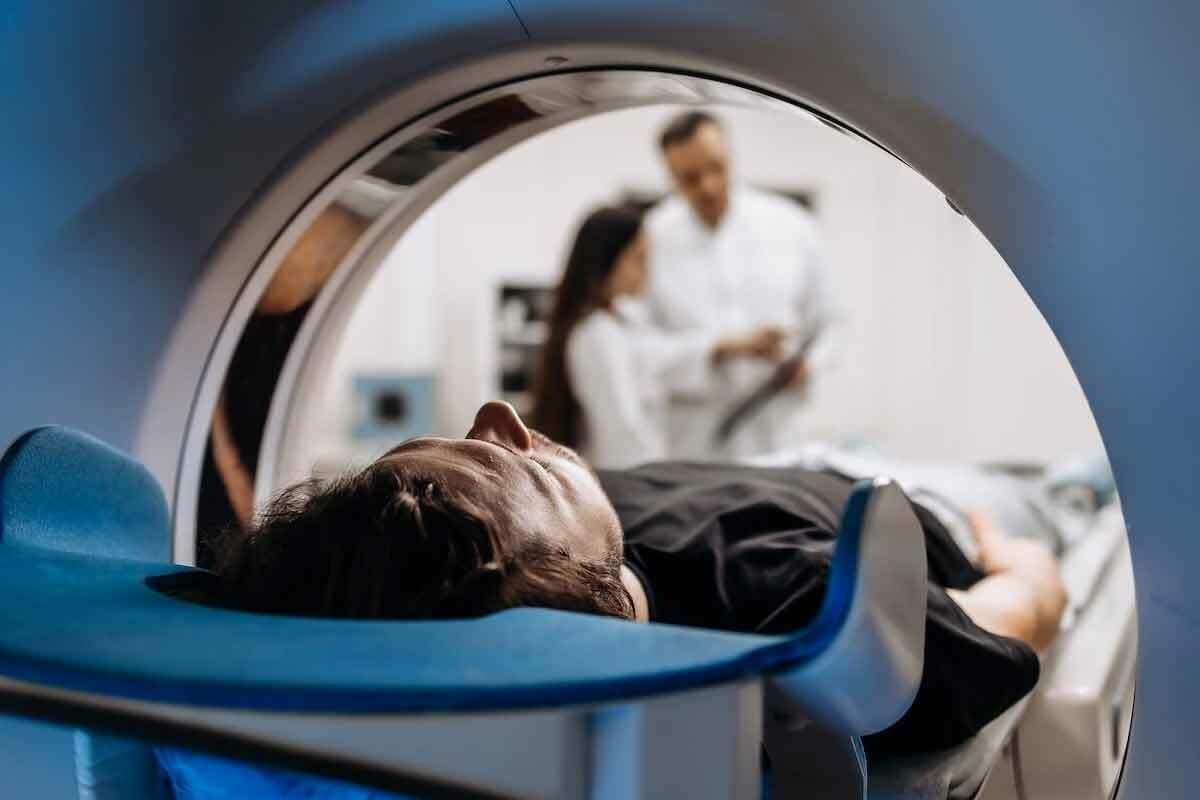
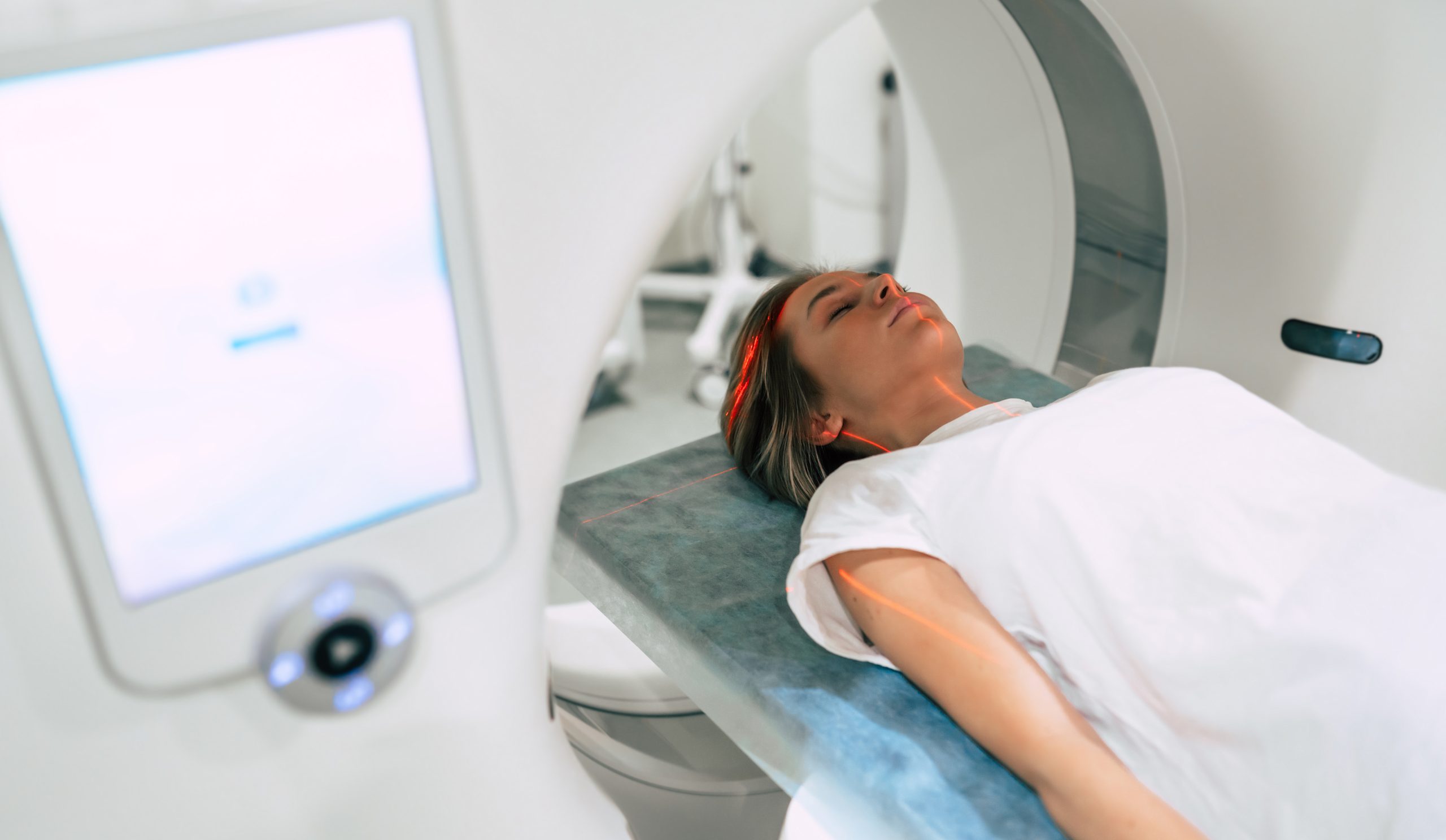
Imaging tests are key in checking if chemotherapy is working. CT scans, MRIs, and PET scans show what’s inside the body. Doctors compare these images to see if tumors are getting smaller or if the cancer is growing.
Blood Tests and Tumor Markers
Blood tests are also important. They look for tumor markers, which are signs of cancer. For example, in prostate cancer, doctors watch the PSA level. If this level goes down, it means the treatment is likely working.
Physical Examinations
Regular check-ups are also important. Doctors look for any changes in the body, like bigger lymph nodes or new symptoms. These exams, along with tests and blood work, give a full picture of how the treatment is doing.
When to Expect Evaluation During Treatment
Doctors usually check in at regular times during treatment. This depends on the cancer type, the treatment plan, and how the patient is doing. They often check before each treatment to see how it’s going and if there are any side effects. This helps them make changes to get the best results.
Conclusion: Navigating Your Chemotherapy Journey
Understanding chemotherapy and its duration is key for patients. Knowing how it works and how long it lasts helps them prepare. This knowledge is essential for a smooth treatment journey.
Chemotherapy isn’t just about the treatment itself. It’s also about knowing what can change its length. This includes how well the treatment works, side effects, and dose changes. Being informed helps patients make the most of their treatment and talk better with their doctors.
Every person’s chemotherapy journey is different. The number of treatments can vary a lot. It depends on the cancer type, its stage, and the treatment plan. By staying informed and talking openly with their healthcare team, patients can face their journey with more confidence and clarity.
FAQ
How long is a typical chemotherapy treatment?
Chemotherapy treatment time varies a lot. It depends on the cancer type, its stage, and your health. It can last from a few months to several years.
What is a chemotherapy cycle, and how long does it last?
A chemotherapy cycle is a treatment period followed by rest. Cycles can last different lengths. But, a common cycle is 21 days, with treatment on the first day and rest for the rest of the days.
How many rounds of chemotherapy are normal for breast cancer?
The number of chemotherapy rounds for breast cancer varies. It depends on the cancer stage and type. Usually, it’s 4 to 6 cycles, but it can change based on individual factors.
How long does a chemotherapy session last?
Chemotherapy session length varies a lot. It can be a few minutes to several hours or even days. This depends on the chemotherapy type and how it’s given.
What factors can affect the duration of chemotherapy treatment?
Several factors can change chemotherapy treatment length. These include how well the treatment works, side effect severity, dose changes, and treatment breaks.
How do doctors determine if chemotherapy is working?
Doctors check if chemotherapy is working in many ways. They use imaging tests, blood tests, tumor markers, and physical exams.
How long do chemotherapy drugs stay in the body?
How long chemotherapy drugs stay in the body varies. It depends on the drug’s half-life, how the body metabolizes it, and individual factors that affect clearance.
When do chemotherapy side effects typically start and end?
Side effects can start hours or days after treatment. They can last weeks, months, or even years after treatment ends.
What are the different types of chemotherapy regimens?
There are several chemotherapy regimens. These include adjuvant, neoadjuvant, combination, dose-dense, and maintenance chemotherapy. Each has its own goals and uses.
Can chemotherapy treatment be adjusted or stopped?
Yes, chemotherapy treatment can be adjusted or stopped. This is based on how well the treatment works, side effect severity, and overall health.
Reference
- Gebbia, V., et al. (2016). Chemotherapy in common solid tumors: Cancer treatment guidelines and real-life practice. Future Oncology, 12(21), 2463“2476. https://pubmed.ncbi.nlm.nih.gov/27670746/
How long is a typical chemotherapy treatment?
Chemotherapy treatment time varies a lot. It depends on the cancer type, its stage, and your health. It can last from a few months to several years.
What is a chemotherapy cycle, and how long does it last?
A chemotherapy cycle is a treatment period followed by rest. Cycles can last different lengths. But, a common cycle is 21 days, with treatment on the first day and rest for the rest of the days.
How many rounds of chemotherapy are normal for breast cancer?
The number of chemotherapy rounds for breast cancer varies. It depends on the cancer stage and type. Usually, it’s 4 to 6 cycles, but it can change based on individual factors.
How long does a chemotherapy session last?
Chemotherapy session length varies a lot. It can be a few minutes to several hours or even days. This depends on the chemotherapy type and how it’s given.
What factors can affect the duration of chemotherapy treatment?
Several factors can change chemotherapy treatment length. These include how well the treatment works, side effect severity, dose changes, and treatment breaks.
How do doctors determine if chemotherapy is working?
Doctors check if chemotherapy is working in many ways. They use imaging tests, blood tests, tumor markers, and physical exams.
How long do chemotherapy drugs stay in the body?
How long chemotherapy drugs stay in the body varies. It depends on the drug’s half-life, how the body metabolizes it, and individual factors that affect clearance.
When do chemotherapy side effects typically start and end?
Side effects can start hours or days after treatment. They can last weeks, months, or even years after treatment ends.
What are the different types of chemotherapy regimens?
There are several chemotherapy regimens. These include adjuvant, neoadjuvant, combination, dose-dense, and maintenance chemotherapy. Each has its own goals and uses.
Can chemotherapy treatment be adjusted or stopped?
Yes, chemotherapy treatment can be adjusted or stopped. This is based on how well the treatment works, side effect severity, and overall health.