Last Updated on November 26, 2025 by Bilal Hasdemir
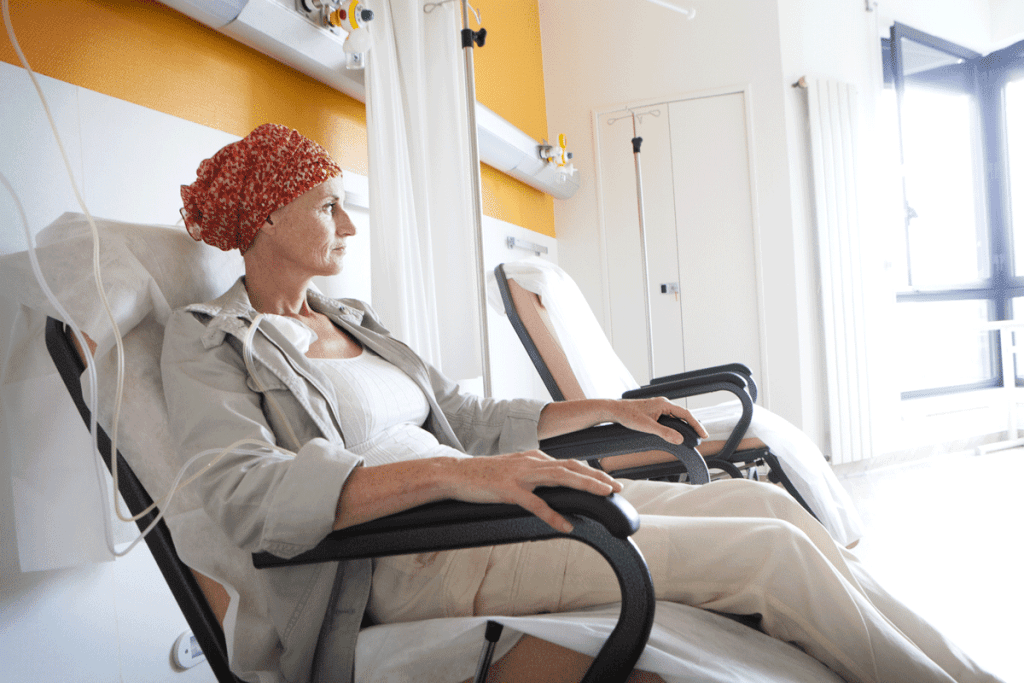
Getting a cancer diagnosis and starting chemotherapy can feel scary. Many patients and their families wonder about the treatment’s details, like how many chemotherapy sessions they’ll need.
Chemotherapy drugs are given in cycles over months. These cycles make up a course of treatment. How long you’ll be on chemotherapy depends on your cancer type, stage, and health.
how long is chemotherapy
In this article, we’ll cover the basics of chemotherapy. We’ll talk about what affects treatment length and what you can expect on your chemotherapy journey.
Key Takeaways
- Chemotherapy is given in cycles, with the number of sessions varying by patient.
- The length of chemotherapy depends on the cancer type and stage.
- Your health and how well you respond to treatment also affect treatment length.
- A series of cycles is called a course of treatment.
- Treatment plans are made just for you.
Understanding Chemotherapy Basics
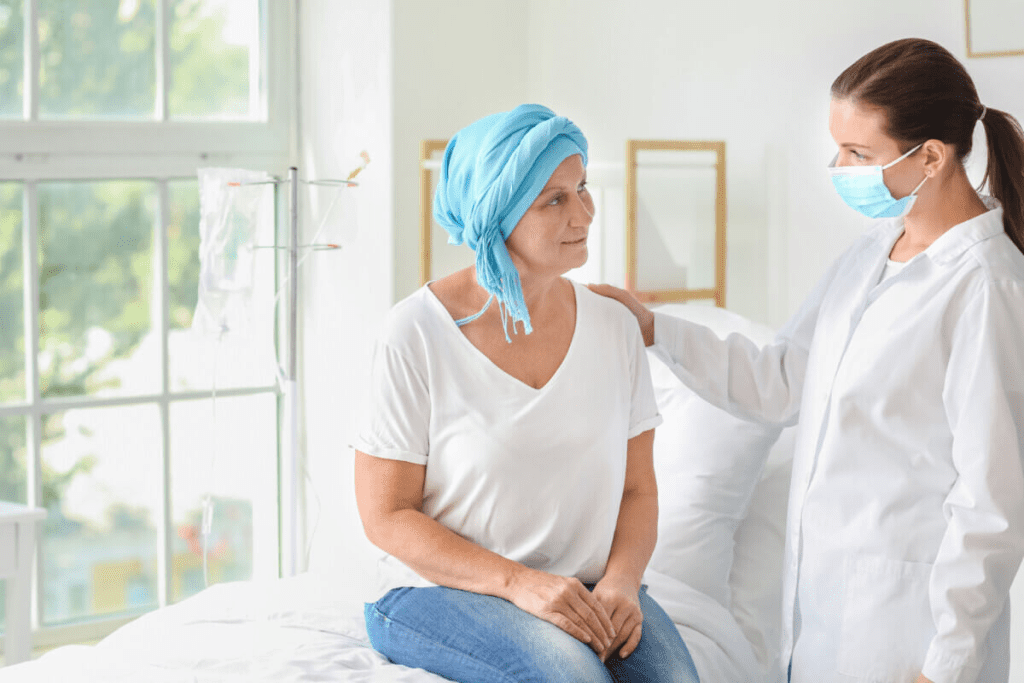
It’s important for patients to understand chemotherapy to make good choices about their care. Chemotherapy uses drugs to kill cancer cells and stop tumors from growing. It can be used alone or with other treatments like radiation or surgery.
What is Chemotherapy?

Chemotherapy is a treatment that uses drugs to kill cancer cells. It can reach cancer cells in different parts of the body. Chemotherapy can be given in different ways, like pills, through an IV, or injections.
How Chemotherapy Works in the Body
Chemotherapy targets fast-growing cells, like cancer cells, by stopping them from growing. Different drugs work in different ways to kill cancer cells. But, some drugs can also harm normal cells, causing side effects.
Common Types of Chemotherapy Drugs
There are many types of chemotherapy drugs, each with its own way of working and side effects. Some common types include:
- Alkylating agents, which damage the DNA of cancer cells
- Antimetabolites, which interfere with the production of DNA and RNA
- Anthracyclines, which work by interfering with the enzymes involved in DNA replication
- Plant alkaloids, which prevent cell division
| Chemotherapy Drug Type | Mechanism of Action | Examples |
| Alkylating agents | Damage DNA | Cyclophosphamide, Chlorambucil |
| Antimetabolites | Interfere with DNA/RNA production | 5-Fluorouracil, Methotrexate |
| Anthracyclines | Interfere with DNA replication enzymes | Doxorubicin, Epirubicin |
How Long Is Chemotherapy Treatment?
Chemotherapy treatment time varies a lot. It depends on several things. These include the cancer type and stage, the patient’s health, and the treatment goals.
Factors that determine treatment duration
Many things affect how long chemotherapy lasts. These include:
- Type and stage of cancer: Different cancers react differently to treatment. The cancer stage at diagnosis also plays a big role.
- Treatment goals: The treatment’s purpose affects its length. It can be to cure, control, or just ease symptoms.
- Patient’s overall health: Health issues can change the treatment plan. This might make treatment longer or shorter.
- Response to treatment: How well the cancer responds to treatment can change the treatment length.
Average length of chemotherapy plans
Chemotherapy plans can last a lot of time. Some treatments are short, while others go over a year. On average, it can be 3 to 6 months, but it really varies.
Differences between cancer types
The cancer type greatly affects treatment length. For example:
- Breast cancer: Chemotherapy for breast cancer usually lasts 3 to 6 months.
- Lung cancer: Lung cancer treatment can last several months.
- Colorectal cancer: Chemotherapy for colorectal cancer is often given for 3 to 6 months.
These are general guidelines. The actual treatment time can change based on the patient and how the cancer responds.
Defining Chemotherapy Cycles and Rounds
It’s key for patients to grasp chemotherapy cycles and rounds to manage their treatment well. Chemotherapy is a detailed process. Knowing its structure helps patients get ready for what’s coming.
What Constitutes a Chemotherapy Cycle
A chemotherapy cycle is the time between treatments. It includes the days of treatment and the days off in between. For example, a common cycle might be one day of treatment followed by weeks of rest before the next treatment.
Chemotherapy cycles vary in length based on the cancer type, drugs, and patient health. Some cycles last weeks, while others are shorter or longer. Knowing your cycle’s length helps you plan your life during treatment.
The Difference Between Cycles and Rounds
“Cycles” and “rounds” of chemotherapy are often confused, but they mean different things. A cycle includes treatment and recovery. A “round” is a single day of chemotherapy.
For example, if a patient gets chemotherapy every Monday for four weeks, they have a “round” each Monday. Then, they get a break. Knowing this helps understand the treatment schedule better.
How Treatment Schedules Are Determined
Treatment schedules depend on many factors. These include the cancer type, stage, drugs, and patient health. Oncologists adjust the schedule to ensure effectiveness and minimize side effects.
- The type and dose of chemotherapy drugs
- The patient’s overall health and response to treatment
- The goal of the treatment (curative, adjuvant, or palliative)
Understanding chemotherapy cycles and rounds helps patients prepare for their treatment. It’s vital to talk to your healthcare provider about any questions or concerns. This way, you’ll fully understand your treatment plan.
What Is a 21-Day Chemo Cycle?
The 21-day chemo cycle is a common schedule in cancer treatment. It balances treatment days with recovery time. This cycle is key for patients getting chemotherapy, as it gives a clear plan for their treatment.
Structure of the standard 21-day protocol
The standard 21-day chemotherapy plan involves giving chemotherapy drugs on specific days. This usually starts on Day 1, followed by a recovery period. The cycle then repeats every 21 days.
Key components of the 21-day cycle include:
- Treatment day: Chemotherapy is given, usually on Day 1.
- Recovery days: Patients rest from Day 2 to Day 21.
Treatment days versus recovery days
In a 21-day chemo cycle, Day 1 is when chemotherapy is given. Days after are for recovery, when patients may feel side effects and get better.
It’s important to know the difference between treatment and recovery days. This helps manage side effects and expectations.
Why the 21-day cycle is commonly used
The 21-day cycle is often used because it balances treatment intensity with recovery time. This balance is key for effective treatment and a good quality of life for patients.
| Benefits | Description |
| Balanced treatment and recovery | Allows patients to recover from side effects while maintaining treatment efficacy. |
| Structured treatment plan | Provides a clear schedule for patients and healthcare providers. |
| Flexibility for adjustments | Enables adjustments based on patient response and side effects. |
The 21-day chemo cycle is a key part of many cancer treatment plans. It offers a structured yet flexible way to do chemotherapy. By understanding this cycle, patients can better manage their treatment journey.
Single Chemotherapy Session Duration
The time a chemotherapy session lasts can change a lot. We’ll look at what makes it different for each person. This will help patients know what to expect during their treatment.
How long is a typical chemo session
A typical chemotherapy session can last from 30 minutes to several hours. The exact time depends on the type of drugs used and how they are given. For example, some drugs are injected quickly, while others are infused over hours.
Infusion times can vary a lot. Some treatments need to be infused for 24 hours or more. This is usually done at home or in a special center, not in a clinic.
Factors affecting session length
Several things can affect how long a chemotherapy session lasts. These include:
- The type and dose of chemotherapy drugs
- The method of administration (e.g., intravenous, oral, or injection)
- The patient’s overall health and response to treatment
- The need for pre-medication or hydration
Pre-medication is often given to prevent certain side effects. Hydration may be needed to help the body process the drugs better.
Different administration methods and timeframes
Chemotherapy can be given in different ways, each with its own time:
- Intravenous (IV) infusion: This is common and can take from 30 minutes to several hours.
- Oral chemotherapy: Patients take the medication at home. The “session” time is very short, usually just a consultation.
- Injections: Some chemotherapy drugs are given as injections. These can be quick, sometimes taking only a few minutes.
Knowing these factors and methods can help patients get ready for their chemotherapy sessions. It helps them plan their time better.
Standard Number of Chemotherapy Rounds by Cancer Type
The type of cancer greatly affects how many rounds of chemotherapy a patient will get. Each cancer type has its own unique traits that guide treatment plans. We’ll look at the usual chemotherapy plans for breast, lung, colorectal, lymphoma, and leukemia cancers. This will help patients understand what to expect.
Breast Cancer Chemotherapy Protocols
The number of chemotherapy rounds for breast cancer depends on the cancer’s stage and type. Patients with early-stage breast cancer might get 4 to 6 cycles of chemotherapy. These cycles are usually given every 2 or 3 weeks.
For advanced breast cancer, treatment can last longer, sometimes over 6 cycles. The exact treatment plan depends on the cancer’s hormone receptor status and HER2 expression.
Lung Cancer Treatment Durations
Lung cancer treatment plans differ based on the cancer type. Non-small cell lung cancer (NSCLC) treatments often include 4 to 6 cycles of chemotherapy. These might be combined with targeted therapy or immunotherapy.
Small cell lung cancer (SCLC) treatments are more intense. They also involve 4 to 6 cycles of chemotherapy. But, SCLC treatments are more aggressive because this cancer grows quickly.
Colorectal Cancer Chemotherapy Plans
Colorectal cancer treatment combines surgery, chemotherapy, and sometimes radiation. The usual chemotherapy plan for colorectal cancer is 6 months long. It’s divided into 12 cycles, given every 2 weeks.
“Chemotherapy for colorectal cancer has evolved significantly, with modern regimens offering improved outcomes and reduced toxicity.”
An Oncologist
Lymphoma and Leukemia Treatment Timelines
Lymphoma and leukemia need different chemotherapy approaches. Lymphoma treatments can range from 3 to 8 cycles, depending on the type and stage.
Leukemia treatments are more intense. They include induction, consolidation, and maintenance phases. The total treatment time can vary a lot, sometimes lasting years.
| Cancer Type | Typical Number of Chemotherapy Cycles | Treatment Duration |
| Breast Cancer | 4-6 cycles | 3-6 months |
| Lung Cancer (NSCLC) | 4-6 cycles | 3-6 months |
| Colorectal Cancer | 12 cycles (every 2 weeks) | 6 months |
| Lymphoma | 3-8 cycles | Varies (typically 3-8 months) |
| Leukemia | Varies (induction, consolidation, maintenance) | Several months to years |
How Many Rounds of Chemo Is Normal for Breast Cancer
The number of chemotherapy rounds for breast cancer varies. It depends on the cancer’s stage and type. Each treatment plan is tailored to the patient’s cancer.
Early-stage breast cancer protocols
Chemotherapy for early-stage breast cancer aims to prevent recurrence. It usually lasts from 4 to 6 cycles. The exact number depends on the treatment and how well the patient responds.
Some common treatments include:
- AC-T (Adriamycin and cyclophosphamide followed by Taxol)
- TC (Taxotere and cyclophosphamide)
- FEC-T (5-fluorouracil, epirubicin, and cyclophosphamide followed by Taxotere)
These treatments are given every 2 or 3 weeks. They last about 3 to 6 months.
Advanced breast cancer treatment duration
Advanced breast cancer treatment can last longer. It continues until the cancer grows or side effects become too severe.
Chemotherapy may go on for 6 to 12 months or more. This depends on how well the patient responds and can handle the treatment.
HER2-positive and triple-negative considerations
HER2-positive breast cancer often gets targeted therapies like trastuzumab (Herceptin) along with chemotherapy. Treatment for HER2-positive cancer usually lasts about 12 months.
Triple-negative breast cancer, lacking certain receptors, mainly gets chemotherapy. The number of rounds can vary but usually is 4 to 6 cycles.
Hormone therapy and its impact on treatment length
Hormone therapy is used with chemotherapy for hormone receptor-positive breast cancer. It can last 5 to 10 years.
Adding hormone therapy to the plan can sometimes shorten the need for chemotherapy.
A leading oncologist, says, “Hormone therapy greatly improves outcomes for hormone receptor-positive breast cancer patients.”
“The goal of breast cancer treatment is to provide the most effective therapy while minimizing side effects and improving quality of life.”
A Breast Cancer Specialist
Adjuvant vs. Neoadjuvant Chemotherapy Duration
When it comes to cancer treatment, timing is everything. Chemotherapy can be given before or after surgery. The choice depends on the cancer type, stage, and the patient’s health.
Timing Differences in Treatment Approaches
Neoadjuvant chemotherapy is given before surgery to shrink tumors. This makes them easier to remove. Doctors can then see how well the cancer responds.
Adjuvant chemotherapy is given after surgery. It aims to kill any cancer cells left behind. This reduces the chance of cancer coming back.
The length of neoadjuvant chemotherapy varies. It depends on the treatment plan and how the tumor responds. Adjuvant chemotherapy’s length also varies, based on the treatment and the patient’s recovery.
Length of Pre-surgical Chemotherapy
Neoadjuvant chemotherapy is given in cycles. The number of cycles depends on the treatment plan. Patients usually get 3 to 6 cycles before surgery.
Each cycle lasts from 2 to 4 weeks. This depends on the drugs used and how well the patient can handle the treatment.
Post-surgical Chemotherapy Timelines
Adjuvant chemotherapy starts after the patient has fully recovered from surgery. It usually begins a few weeks after surgery. The length of treatment varies based on the protocol.
In some cases, like breast cancer, adjuvant chemotherapy lasts 3 to 6 months. This schedule helps ensure all cancer cells are killed, lowering the risk of recurrence.
Common Chemotherapy Regimens and Their Durations
Chemotherapy plans vary a lot. They are made just for each patient. The type and how long it lasts depend on many things. These include the cancer type and stage, the patient’s health, and what the doctors want to achieve.
Standard Combination Protocols
Combination chemotherapy uses more than one drug to fight cancer better. Standard combination protocols are tried and true for certain cancers. For example, the AC-T regimen is often used for breast cancer.
“The use of combination chemotherapy has significantly improved treatment outcomes for many cancer patients,” says a renowned oncologist. “By combining drugs with different mechanisms of action, we can more effectively target cancer cells and reduce the risk of resistance.”
Single-Agent vs. Multi-Drug Regimens
Choosing between single-agent and multi-drug regimens depends on many things. These include the cancer type and stage, and the patient’s health. Single-agent chemotherapy might be better for some patients because of their health or how they react to side effects.
- Single-agent regimens involve the use of one chemotherapy drug.
- Multi-drug regimens combine two or more chemotherapy drugs.
Dose-Dense Chemotherapy Schedules
Dose-dense chemotherapy means giving chemotherapy more often. It’s usually every two weeks instead of every three. This method can work better for some cancers by giving cancer cells less time to recover.
Targeted Therapy Combinations
Targeted therapies aim directly at cancer cells or the stuff around them that helps them grow. Mixing targeted therapies with chemotherapy can make treatment more effective. For example, adding trastuzumab to chemotherapy has helped patients with HER2-positive breast cancer a lot.
As we keep improving cancer treatment, knowing about different chemotherapy plans and how long they last is key. It helps both patients and doctors make the best choices.
How Long Does Chemotherapy Stay in Your Body?
It’s important for patients to know how long chemotherapy stays in their body. Chemotherapy drugs target and kill cancer cells but can harm healthy cells too. The time these drugs stay in the body varies based on the type, dosage, and individual factors.
Immediate Effects After Administration
Chemotherapy starts working right away to kill cancer cells. Side effects like nausea, fatigue, and hair loss can happen quickly. These effects come from the drug and how the body reacts to it.
Drug Half-Life and Elimination Timeframes
The half-life of a drug is how long it takes for its level in the blood to drop by half. Chemotherapy drugs have different half-lives, from hours to days. It can take days to weeks for the drug to leave the body completely after treatment ends.
- Some chemotherapy drugs need to be given often because they have a short half-life.
- Others can be given less often because they have a longer half-life.
- The kidneys and liver are key in getting rid of chemotherapy drugs.
Long-Term Presence in Tissues
Even though chemotherapy drugs leave the blood, some stay in tissues longer. This can cause late effects or long-term side effects, like secondary cancers or organ damage.
Factors Affecting Drug Clearance
Several things can affect how fast chemotherapy drugs are cleared from the body. These include:
- Age and overall health of the patient: Older patients or those with certain health conditions may metabolize drugs more slowly.
- Liver and kidney function: These organs are responsible for metabolizing and excreting chemotherapy drugs.
- Type and dose of chemotherapy: Different drugs have different clearance rates.
- Genetic factors: Some patients may have genetic variations that affect drug metabolism.
Knowing these factors and how they affect chemotherapy duration can help manage treatment and side effects better.
The Chemotherapy Process Timeline
Understanding the chemotherapy timeline can be tough, but knowing what to expect helps. The process includes preparation, treatment, and follow-up checks. Knowing this timeline helps patients get ready for what’s next.
Before Starting Treatment
Before starting, patients go through several steps. This includes:
- Medical checks to see how they’re doing
- Talking about treatment goals and what to expect
- Looking at treatment plans and possible side effects
- Planning for support during treatment
Pre-treatment preparations are key for a smooth journey. Patients should:
- Follow special diet instructions before treatment
- Make plans for getting to and from treatment
- Have someone with them for the first treatment
What to Expect After First Chemo Treatment
The first treatment is a big step. Patients can expect:
- Getting chemotherapy drugs, which can take hours
- Checking vital signs and watching for side effects
- Learning how to handle common side effects
It’s normal to feel nervous or unsure at the first treatment. Our medical team is here to help and support you.
What to Expect After 2nd Chemo Treatment
By the second treatment, patients often know more about what to expect. Key points include:
- Watching for side effects and how the treatment is working
- Making changes to the treatment plan if needed
- Getting ongoing support and tips for managing side effects
Patients are encouraged to keep a treatment diary to track their experiences and side effects.
Mid-Treatment Evaluations and Adjustments
Mid-treatment checks are important for seeing how well the treatment is working. This may include:
- Imaging tests to check how the tumor is responding
- Reviewing side effects and adjusting supportive care
- Talking about treatment goals and possible changes to the plan
These checks make sure the treatment is on track and any problems are fixed quickly.
Factors That May Extend or Shorten Treatment Duration
Chemotherapy plans can change based on how a patient responds and handles side effects. Knowing these factors helps patients understand their treatment better.
Response-Based Adjustments to Treatment Plans
How well the cancer responds to treatment can change plans. If the cancer shrinks a lot, treatment might end sooner. But, if it doesn’t shrink as much, treatment could last longer.
- Positive Response: Big tumor shrinkage might shorten or change treatment.
- Stable Disease: If the cancer stays the same, treatment goes on as planned.
- Poor Response: If the cancer doesn’t shrink, treatment plans might change.
Managing Side Effects and Treatment Breaks
Handling side effects is key in chemotherapy. Severe side effects might mean taking breaks or changing treatment plans.
“The goal is to balance the effectiveness of the treatment with the patient’s quality of life,” says an oncologist. “Adjusting treatment plans based on side effects is a common practice.”
- Reducing Dosage: Lower doses can help with severe side effects.
- Delaying Treatment: Treatment might be delayed to let side effects heal.
Dose Reductions and Their Impact on Schedule
Lowering doses can affect treatment length. While it helps with side effects, it might also make treatment less effective.
Patient-Specific Considerations
Each patient’s health, age, and other conditions affect treatment length.
- Age and Health: Older patients or those with health issues might need different plans.
- Genetic Factors: Genetic markers can affect how well a patient responds to drugs.
Understanding these factors helps patients navigate their chemotherapy journey. It lets them make informed decisions about their care.
Managing Life During Extended Chemotherapy
Living with prolonged chemotherapy can be tough, but there are ways to keep life good. It impacts not just your body but also your work, daily life, and relationships.
Work and Daily Activities During Treatment
Many people keep working while getting chemo. It helps them feel normal and gives them a purpose. But, being flexible and talking to your boss about your needs is key. You might need to work from home or take breaks.
Talking to your boss about your treatment and side effects can make your work place more supportive.
Doing daily tasks can also change. Prioritize what’s important, save energy, and learn to say no. You might need to ask for help with things like grocery shopping or cleaning.
Planning Around Chemotherapy Cycles
Knowing your chemo schedule is important for planning. Be aware of treatment days, side effects, and rest time between cycles. This helps plan activities, vacations, or events around your treatment.
Keeping a calendar for your treatment, side effects, and changes is helpful. It helps you and your doctors see patterns and adjust your treatment as needed.
Support Systems for Long-Term Treatment
A strong support system is crucial for long-term chemo. This includes family, friends, support groups, and healthcare teams. Emotional support is as important as medical care, helping with the mental side of treatment.
Support groups, online or in-person, offer a sense of community. Sharing experiences and advice with others going through the same thing is very helpful.
Financial Considerations for Extended Therapy
Long-term chemo can be expensive, with bills, lost income, and other costs. Talk to your healthcare team or a financial advisor about your financial worries. They can help you understand your options and resources.
Many groups offer financial help for cancer patients, covering costs like medication, travel, and living expenses. Looking into these resources can ease some of the financial stress of extended chemo.
Maintenance Chemotherapy and Extended Approaches
Maintenance chemotherapy helps keep the first treatment effective for a long time. It’s especially useful for cancers with a high risk of coming back.
When Maintenance Therapy Is Recommended
Doctors suggest maintenance chemotherapy for patients who have responded well to their first treatment. But, they might still face cancer coming back. The decision to use maintenance therapy depends on the cancer type, stage, patient’s health, and how well they responded to the first treatment.
Typical Duration of Maintenance Protocols
The length of maintenance chemotherapy varies. It can last from months to years. For some leukemias, it might go up to 2-3 years.
| Cancer Type | Typical Maintenance Duration | Key Considerations |
| Acute Lymphoblastic Leukemia (ALL) | 2-3 years | Risk of relapse, patient age, and overall health |
| Multiple Myeloma | 1-2 years | Response to initial therapy, presence of certain genetic markers |
| Ovarian Cancer | 1-2 years | Stage at diagnosis, response to initial chemotherapy |
Quality of Life During Long-term Treatment
Keeping quality of life high is key during long-term chemotherapy. Patients on maintenance therapy often have fewer side effects than during the first treatment. Yet, they might still deal with fatigue, nerve damage, and a higher risk of infections. Supportive care, like medicines for side effects and lifestyle changes, helps a lot.
Monitoring During Maintenance Therapy
Regular checks are vital during maintenance chemotherapy. They help see if the treatment is working and manage side effects. This includes blood tests, imaging, and doctor visits. Treatment plans might change based on how the patient is doing.
Understanding maintenance chemotherapy helps patients and doctors work together. They can improve treatment results and keep the patient’s quality of life high during this long treatment phase.
Conclusion
Understanding chemotherapy is key for patients to handle their treatment well. We’ve covered many parts of chemotherapy, like its basics and how long it lasts. Our goal is to give patients the knowledge they need to choose the best care for themselves.
Chemotherapy’s length changes based on the cancer type and stage, and the patient’s health. We looked at different chemotherapy plans and how they affect treatment time. We also talked about what can make treatment longer or shorter.
Knowing about chemotherapy helps patients get ready for their treatment. We want to help patients understand what’s coming. This way, they can make smart choices and go through treatment with confidence. Our aim is for a successful chemotherapy treatment outcome.
FAQ
How many rounds of chemotherapy are normal?
The number of chemotherapy rounds can vary. It depends on the cancer type, stage, and the patient’s health. Treatment can last from a few cycles to several months.
What is a 21-day chemo cycle?
A 21-day chemo cycle means chemotherapy is given for a few days. Then, there’s a break, and it starts again every 21 days. This cycle is used in many chemotherapy plans.
How long does a single chemotherapy session take?
A chemotherapy session can last from a few minutes to hours. It depends on the drugs used and how they are given.
How long does chemotherapy stay in your body?
Chemotherapy drugs stay in the body for different times. It depends on the drug type, dosage, and the patient’s health. Most drugs leave the body in a few days to weeks.
What is the difference between adjuvant and neoadjuvant chemotherapy?
Adjuvant chemotherapy is given after surgery to lower cancer risk. Neoadjuvant chemotherapy is before surgery to shrink tumors.
How many rounds of chemotherapy are normal for breast cancer?
Breast cancer patients usually get 4 to 6 chemotherapy cycles. This depends on the cancer stage, HER2 status, and hormone receptor status.
What is maintenance chemotherapy?
Maintenance chemotherapy is for some cancers. It uses lower doses or less frequent treatments over time. It helps keep cancer under control and prevent it from coming back.
How do chemotherapy regimens vary?
Chemotherapy plans vary a lot. They depend on the cancer type, patient health, and treatment goals. Plans include combination treatments, single drugs, and targeted therapies.
What factors influence chemotherapy treatment duration?
Treatment length depends on the cancer type, stage, and patient response. It also depends on managing side effects. Treatment plans are often adjusted for each patient.
How can patients manage life during extended chemotherapy?
Patients can manage life during extended chemotherapy by balancing work and daily activities. They can plan around treatment cycles, use support systems, and think about financial issues.
References
Haslam, A., Prasad, V., & others. (2022). Duration of treatment in oncology clinical trials. PMC. https://www.ncbi.nlm.nih.gov/pmc/articles/PMC9271471/