Last Updated on November 27, 2025 by Bilal Hasdemir
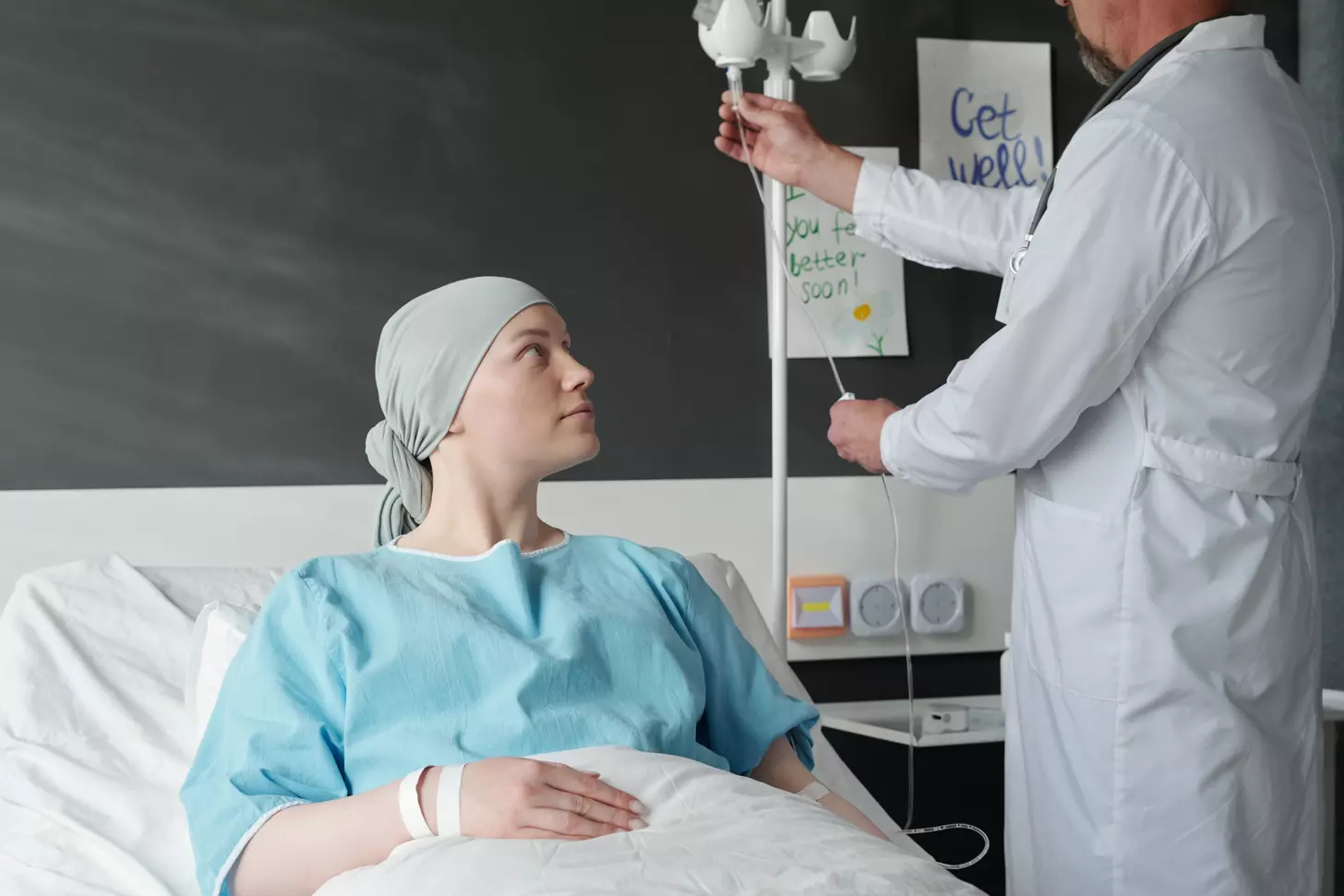
At Liv Hospital, we know dealing with a breast cancer diagnosis is tough. Our oncology teams work hard to give you personalized care. They make sure your chemotherapy is tailored just for you.
We use the newest methods to make sure you get the best treatment. We always keep your safety and quality of life in mind.
Chemotherapy treatment for breast cancer usually takes three to six months for early or locally advanced disease. How long it lasts depends on several things. These include the cancer type, stage, how well you respond to treatment, and your overall health.
Common chemotherapy drugs are anthracyclines, taxanes, cyclophosphamide, 5-fluorouracil, and carboplatin. They are often used together in treatment.
We are here to support you every step of the way. We offer top-notch healthcare with kindness and understanding.
Key Takeaways
- Chemotherapy for breast cancer typically lasts between three and six months.
- The duration depends on the cancer type, stage, and patient health.
- Common chemotherapy agents include anthracyclines, taxanes, and cyclophosphamide.
- Our oncology teams tailor treatment regimens to each individual’s needs.
- We prioritize safety and quality of life throughout treatment.
Understanding Breast Cancer Chemotherapy

Chemotherapy is key in fighting breast cancer. It targets cancer cells that may have spread. This treatment uses drugs to kill cancer cells, helping to prevent the cancer from coming back and improving survival chances.
The Role of Chemotherapy in Breast Cancer Treatment
Chemotherapy is a vital part of breast cancer treatment. It has several roles. It can be used before surgery to make tumors smaller, making them easier to remove. Sometimes, it’s given after surgery to kill any cancer cells left behind. This lowers the chance of the cancer returning.
Chemotherapy is used because it targets cancer cells all over the body. Unlike treatments like surgery or radiation, which focus on one area, chemotherapy goes after cancer cells everywhere. This makes it a powerful tool in fighting breast cancer.
When Chemotherapy Is Recommended
Chemotherapy is often suggested for patients with certain types of breast cancer. This includes cancers that are large or have spread to the lymph nodes. The choice to use chemotherapy depends on the cancer’s stage, the patient’s health, and the tumor’s characteristics.
We recommend chemotherapy for early-stage breast cancer to lower the risk of it coming back. For more advanced cases, chemotherapy helps control the cancer’s growth and eases symptoms.
Adjuvant vs. Neoadjuvant Chemotherapy
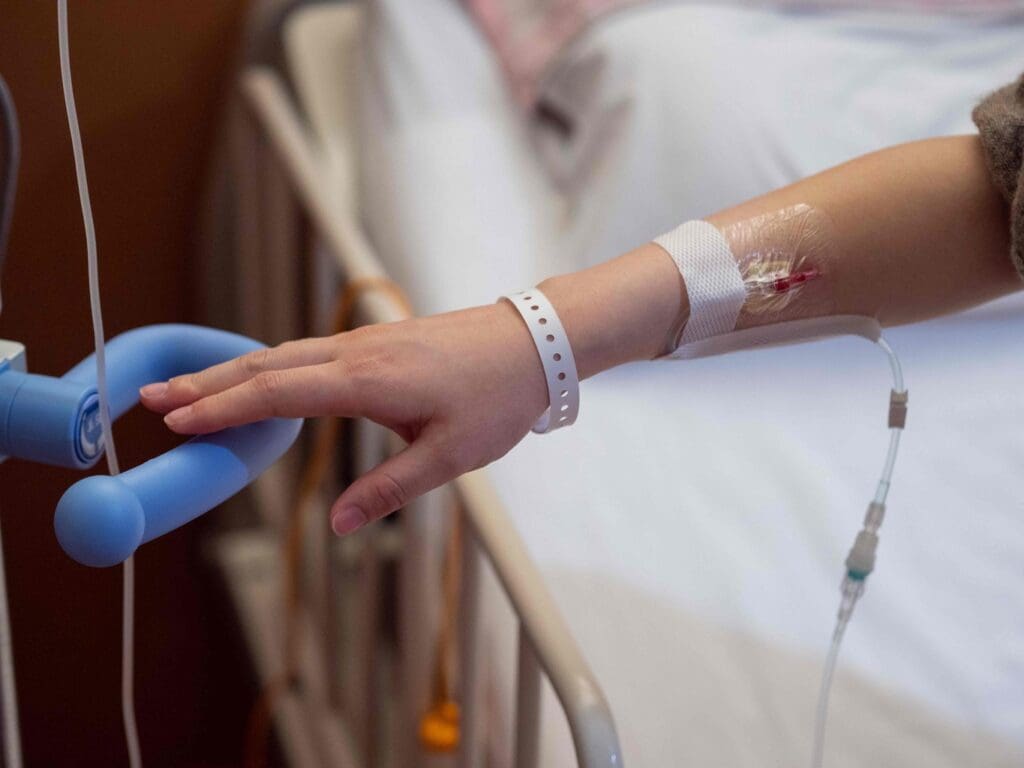
When it comes to breast cancer treatment, when you have chemotherapy matters a lot. It can be given at different times, and knowing the difference is key for both patients and doctors.
Timing of Chemotherapy in the Treatment Plan
Chemotherapy can be given in two main ways: adjuvant and neoadjuvant. Adjuvant chemotherapy is given after surgery to kill any cancer cells left behind. This helps lower the chance of cancer coming back. Neoadjuvant chemotherapy is given before surgery to make the tumor smaller, making it easier to remove.
Choosing between adjuvant and neoadjuvant chemotherapy depends on many things. These include the cancer’s stage and type, and the patient’s health. We look at all these factors to decide the best treatment for our patients.
How Treatment Timing Affects Duration
The timing of chemotherapy can change how long treatment lasts. For example, neoadjuvant chemotherapy might be given for several cycles before surgery. Then, more treatment is given after surgery. The total time for chemotherapy can vary, and it’s tailored to each person’s needs. For more details on chemotherapy rounds, visit our page on chemotherapy rounds.
In summary, knowing the difference between adjuvant and neoadjuvant chemotherapy is important. It helps us manage breast cancer better. We work with our patients to pick the right chemotherapy, including the type of chemotherapy agents for breast cancer and how long treatment will last.
How Long Is Chemotherapy Treatment for Breast Cancer
The time needed for chemotherapy to treat breast cancer varies. It depends on the cancer’s stage. Early-stage, locally advanced, or metastatic cancer all have different treatment times.
Standard Duration for Early and Locally Advanced Breast Cancer
Chemotherapy is a key part of treating early and locally advanced breast cancer. It helps lower the chance of cancer coming back. The usual time for chemotherapy is three to six months.
Chemotherapy is given in cycles. Each cycle is a few weeks long, followed by a break. For example, a common treatment plan includes four to six cycles, spaced every three to four weeks.
| Chemotherapy Regimen | Typical Number of Cycles | Duration |
|---|---|---|
| AC (Doxorubicin and Cyclophosphamide) | 4 cycles | 12 weeks |
| TAC (Docetaxel, Doxorubicin, Cyclophosphamide) | 6 cycles | 18 weeks |
| CMF (Cyclophosphamide, Methotrexate, 5-Fluorouracil) | 6 cycles | 24 weeks |
Treatment Timeline for Metastatic Breast Cancer
Metastatic breast cancer aims to slow the disease’s spread and ease symptoms. Chemotherapy can go on for a long time. It stops when the cancer grows too much or side effects become too severe.
Research on Optimal Treatment Duration
Researchers are trying to find the best length for chemotherapy in breast cancer. They aim to find a balance between effective treatment and avoiding side effects. Different chemotherapy plans and lengths are being studied for different patients.
A study in the Journal of Clinical Oncology showed a shorter chemotherapy course might work as well as a longer one for some early-stage breast cancer patients. This could help reduce long-term side effects.
We keep up with new research to offer the best treatments to our patients.
Factors That Affect Chemotherapy Duration
Many things can change how long chemotherapy lasts for breast cancer patients. Knowing these helps both patients and doctors make better choices.
Cancer Type and Stage
The type and stage of breast cancer greatly affect treatment length. For example, early-stage breast cancer might need less chemotherapy than locally advanced or metastatic breast cancer. We look at tumor size, lymph node involvement, and if the cancer has spread.
Treatment Response and Effectiveness
How well the cancer reacts to chemotherapy is key. If the cancer responds well, treatment might be shorter. But if it’s resistant, treatment could last longer or we might try different drugs.
Patient Health and Tolerance
A patient’s health and how well they handle chemotherapy are also important. Those with health issues or severe side effects might need changes in their treatment. This could affect how long chemotherapy lasts.
| Factor | Description | Impact on Chemotherapy Duration |
|---|---|---|
| Cancer Type and Stage | Tumor characteristics and spread | Early-stage: shorter duration; Advanced-stage: longer duration |
| Treatment Response | Effectiveness of chemotherapy | Good response: shorter duration; Poor response: longer or alternative treatment |
| Patient Health | Overall health and tolerance | Poor health or severe side effects: adjustments to treatment plan |
Understanding these factors helps patients navigate their treatment. We work with our patients to customize their chemotherapy. This way, we meet their unique needs and circumstances.
Common Chemotherapy Drugs for Breast Cancer
Chemotherapy for breast cancer uses many drugs. Each drug works in its own way. They are often mixed together to work better and prevent resistance.
Anthracyclines: Doxorubicin and Epirubicin
Anthracyclines are key drugs in breast cancer treatment. Doxorubicin and Epirubicin are the most used. They stop DNA and RNA making, causing cells to die.
Guidelines say anthracyclines are good for breast cancer, but they can harm the heart. So, doctors watch heart health closely during treatment.
“Anthracyclines remain a cornerstone in the treatment of breast cancer, providing significant benefits in disease-free survival and overall survival.”
Taxanes: Paclitaxel and Docetaxel
Taxanes are important in breast cancer treatment. Paclitaxel and Docetaxel are the top choices. They stop cells from dividing and cause them to die.
Taxanes are often paired with other drugs like anthracyclines. Studies show this combo improves survival in early-stage breast cancer.
Other Common Agents: Cyclophosphamide, 5-Fluorouracil, and Carboplatin
Other drugs are also used for breast cancer. Cyclophosphamide damages DNA, stopping cancer cells. 5-Fluorouracil blocks DNA making, and Carboplatin cross-links DNA, killing cells.
These drugs are mixed in different ways, like AC or CMF, to treat various breast cancers. The right mix depends on the cancer type, stage, and the patient’s health.
Standard Chemotherapy Regimens and Combinations
The choice of chemotherapy regimen is key in treating breast cancer. We use different drug combinations to target cancer cells. The right regimen depends on the cancer stage, patient health, and treatment goals.
AC (Doxorubicin and Cyclophosphamide)
The AC regimen combines Doxorubicin and Cyclophosphamide. It’s a common treatment for breast cancer. This combo is effective in fighting cancer cells and is often used to lower the risk of cancer coming back.
TAC (Docetaxel, Doxorubicin, Cyclophosphamide)
The TAC regimen adds Docetaxel to AC. It’s a more intense treatment. Research shows TAC can improve survival rates, mainly for those with high-risk breast cancer.
CMF (Cyclophosphamide, Methotrexate, 5-Fluorouracil)
The CMF regimen uses Cyclophosphamide, Methotrexate, and 5-Fluorouracil. Though less common today, CMF has been a traditional choice for some patients. It’s often chosen for those who can’t handle anthracyclines.
Dose-Dense Regimens
Dose-dense chemotherapy means giving chemotherapy more often, like every two weeks. This can help some patients by stopping cancer cells from growing back. It’s often used for aggressive or high-risk breast cancers.
Every patient is different, and we tailor chemotherapy to fit each person’s needs. By exploring the options together, we can find the best treatment plan.
The Chemotherapy Treatment Cycle
Chemotherapy for breast cancer is given in cycles. This lets the body rest between treatments. It’s key for handling side effects and making the treatment work well.
What Happens During a Typical Cycle
A typical cycle includes getting chemotherapy drugs and then resting. How long a cycle lasts depends on the treatment plan and the patient’s health.
During treatment, patients might feel tired, sick to their stomach, or lose their hair. How bad these side effects are can differ for each person.
Key Components of a Chemotherapy Cycle:
- Chemotherapy administration
- Recovery period
- Monitoring of side effects
- Assessment of treatment response
Recovery Periods Between Treatments
The time between cycles is vital for the body to heal and make new cells. Patients should rest, eat well, and drink plenty of water during this time.
“Recovery is a critical part of the chemotherapy process. It’s essential for patients to listen to their bodies and take the necessary steps to manage their side effects.”
Monitoring Progress and Adjusting Treatment
Healthcare providers keep a close eye on how well the treatment is working and make changes as needed.
| Monitoring Aspect | Description | Adjustment Criteria |
|---|---|---|
| Treatment Response | Assessment of tumor size and spread | Change in chemotherapy regimen |
| Side Effects | Evaluation of side effect severity | Modification of supportive care |
| Patient Health | Monitoring of overall health and well-being | Adjustment of treatment schedule |
By watching how the patient is doing, doctors can decide if to keep or change the treatment plan.
Living Through Chemotherapy Treatment
Going through chemotherapy for breast cancer is more than just getting treatment. It’s about learning to live with its effects every day. Patients need to know how to handle treatment’s impact on their life.
Managing Side Effects Effectively
Handling side effects is key in breast cancer chemotherapy. Side effects like tiredness, nausea, hair loss, and changes in appetite are common. To deal with these, patients can take a few steps:
- Stay hydrated by drinking plenty of water
- Eat small, frequent meals to manage nausea and maintain nutrition
- Rest when needed to combat fatigue
- Use gentle hair care products to minimize hair loss impact
Maintaining Quality of Life During Treatment
To keep a good quality of life during chemo treatment for breast cancer, a holistic approach is needed. This means not just dealing with physical side effects but also emotional and mental well-being.
Patients should keep in touch with loved ones, do things they love, and try stress-reducing activities like meditation or yoga. “Staying active and doing things that bring joy can really help patients feel better during chemotherapy breast cancer treatment,” says a leader of a cancer support group.
Support Systems and Resources
A strong support system is essential for patients going through breast cancer chemotherapy. This includes family, friends, support groups, and healthcare teams. Having access to resources like counseling, nutrition advice, and help with symptoms can make a big difference.
Patients should ask their healthcare team for help with managing side effects and keeping a good quality of life. “We’re here to support our patients every step of the way, from explaining the types of chemo for breast cancer to emotional support during treatment,” says a hospital oncology department.
Conclusion
Knowing how long chemotherapy for breast cancer lasts is key for both patients and doctors. We’ve looked at what affects how long treatment goes on. This includes the cancer type and stage, how well the treatment works, and the patient’s health.
Chemotherapy for breast cancer can last from a few months to over a year. Doctors use drugs like anthracyclines, taxanes, and others like cyclophosphamide and 5-fluorouracil.
There are different ways to give chemotherapy for breast cancer. Some common ones are AC, TAC, and CMF. In some cases, doctors use dose-dense regimens. Each treatment cycle has sessions and breaks in between. Patients are closely watched to make sure the treatment is working right.
Understanding breast cancer chemotherapy helps patients know what to expect. We offer full support and top-notch healthcare. We’re here to help patients through every part of their treatment.
FAQ
What is the typical duration of chemotherapy treatment for breast cancer?
Chemotherapy for breast cancer usually lasts three to six months. Each cycle is two to three weeks long.
What are the common chemotherapy drugs used for breast cancer?
Common drugs include anthracyclines, taxanes, cyclophosphamide, 5-fluorouracil, and carboplatin. They are often used together.
What is the difference between adjuvant and neoadjuvant chemotherapy?
Adjuvant chemotherapy is given after surgery to prevent recurrence. Neoadjuvant chemotherapy is before surgery to shrink tumors.
How does the type and stage of cancer affect chemotherapy duration?
The type and stage of cancer greatly influence how long chemotherapy lasts.
What are the standard chemotherapy regimens used for breast cancer?
Standard treatments include AC, TAC, CMF, and dose-dense regimens. These are based on the latest research.
How is progress monitored during chemotherapy treatment?
Progress is checked regularly. Treatment plans are adjusted as needed to improve outcomes.
How can patients manage side effects effectively during chemotherapy?
Patients can manage side effects by using support systems and resources. Keeping quality of life high is also important.
What is the treatment timeline for metastatic breast cancer?
Treatment for metastatic breast cancer varies. It depends on the case and how well the patient responds.
How does patient health and tolerance affect chemotherapy duration?
A patient’s health and how well they tolerate treatment greatly affect how long chemotherapy lasts.
What happens during a typical chemotherapy cycle?
In a typical cycle, patients get chemotherapy and then rest before the next cycle.
What chemotherapy options are available for breast cancer?
We offer many chemotherapy options. These include different regimens and combinations to help patients.
How long does chemotherapy treatment for breast cancer usually last?
Chemotherapy for breast cancer usually lasts three to six months. It can vary based on individual factors.
What are the chemotherapy agents used for breast cancer?
Agents include anthracyclines, taxanes, cyclophosphamide, 5-fluorouracil, and carboplatin.
What is the role of chemotherapy in breast cancer treatment?
Chemotherapy is key in treating breast cancer. It kills cancer cells that may have spread.
References
- American Cancer Society. (n.d.). Chemotherapy for Breast Cancer. Retrieved from https://www.cancer.org/cancer/types/breast-cancer/treatment/chemotherapy-for-breast-cancer.html
- Breast Cancer Research Foundation (BCRF). (n.d.). Chemotherapy for Breast Cancer. Retrieved from https://www.bcrf.org/about-breast-cancer/chemotherapy-breast-cancer/
- Susan G. Komen. (n.d.). What to Expect During Chemotherapy. Retrieved from https://www.komen.org/breast-cancer/treatment/type/chemotherapy/what-to-expect/
- Patient Power. (n.d.). How Long Does Chemo Take?. Retrieved from https://www.patientpower.info/navigating-cancer/how-long-does-chemo-take
- Sharma, R., et al. (2008). Quality of life and psychological impact of adjuvant chemotherapy for early breast cancer. European Journal of Cancer. PMC2375405. Retrieved from https://pmc.ncbi.nlm.nih.gov/articles/PMC2375405/