Last Updated on November 27, 2025 by Bilal Hasdemir
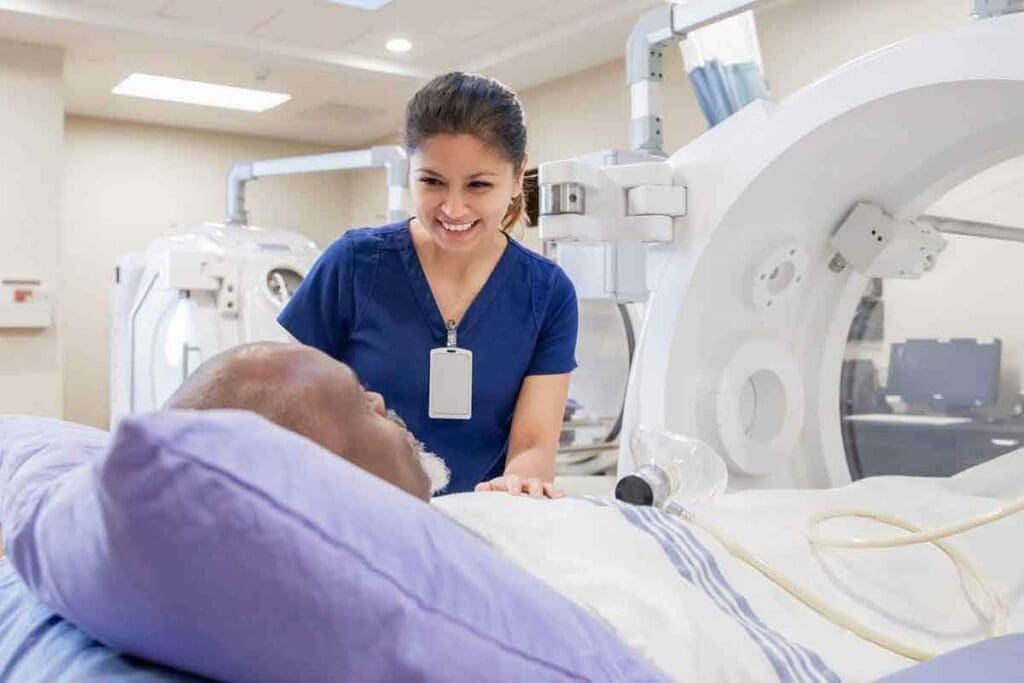
External beam radiation therapy (EBRT) is a common cancer treatment. It uses high-energy radiation beams to kill cancer cells. Knowing how long and how often you’ll get radiation treatments is key for patients.
Liv Hospital offers precise external beam radiation therapy based on the latest research. The time and number of radiation therapy sessions can change. This depends on the cancer type, stage, and the patient’s needs.
Key Takeaways
- External beam radiation therapy is a common cancer treatment.
- The duration and frequency of radiation therapy vary depending on the cancer type and stage.
- Liv Hospital provides precise and patient-centered radiation therapy protocols.
- Understanding radiation therapy is key for patients to make informed decisions.
- Radiation therapy uses high-energy radiation beams to target cancer cells.
What Radiation Therapy Is and How It Works
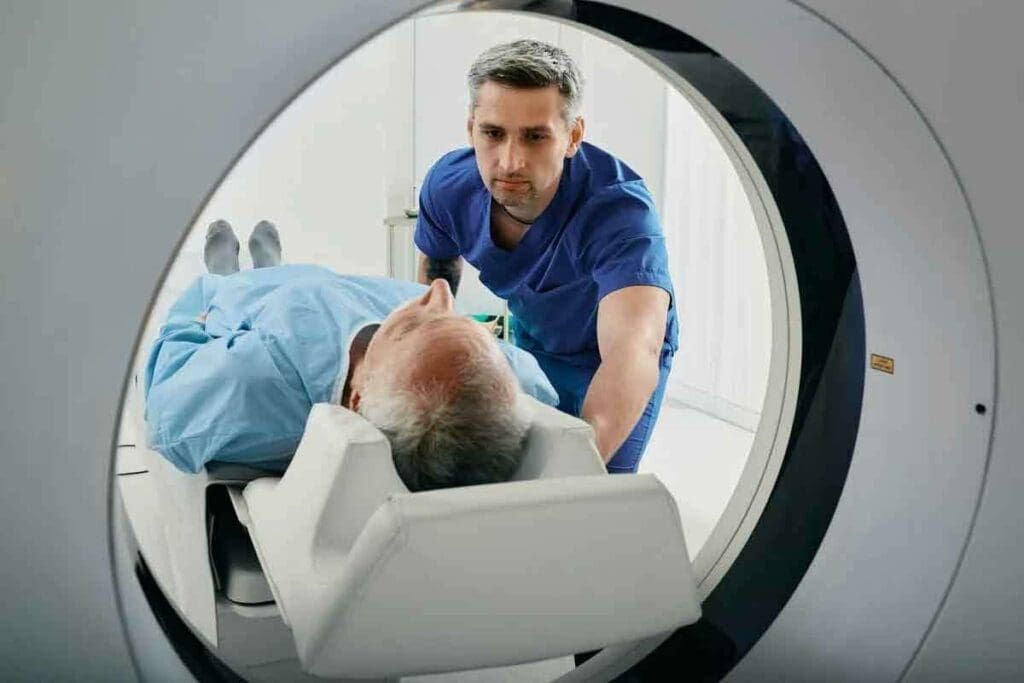
Radiation therapy uses beams of radiation to harm cancer cells’ DNA. This stops them from growing. It’s a key part in fighting many cancers.
This treatment targets fast-growing cancer cells. High-energy radiation beams are sent to the tumor to kill or slow down cancer cells. These beams come from photons, protons, or electrons.
The Science Behind High-Energy Radiation Beams
A machine called a linear accelerator makes these beams. They can go deep into the body to hit tumors in different places.
Photon beams can reach deep tumors, making them good for many cancers. The beam’s energy can be changed to fit the tumor’s depth and location.
“Radiation therapy is a highly effective treatment for many types of cancer, often leading to cure or significant relief.” –
A renowned oncologist
How Radiation Targets and Destroys Cancer Cells
High-energy radiation harms cancer cells’ DNA, stopping them from growing. As these cells die, the tumor gets smaller.
| Type of Radiation Beam | Characteristics | Clinical Use |
| Photon Beams | High-energy X-rays, deep penetration | Treating deep-seated tumors |
| Proton Beams | Precise energy delivery, minimal damage to surrounding tissue | Treating tumors near critical structures |
| Electron Beams | Variable energy, suitable for superficial tumors | Treating skin cancers or superficial lesions |
The right beam type and energy depend on the tumor’s location and size. Radiation oncologists pick the best option to treat the tumor well while protecting healthy tissues.
External Beam Radiation Therapy (EBRT) Explained
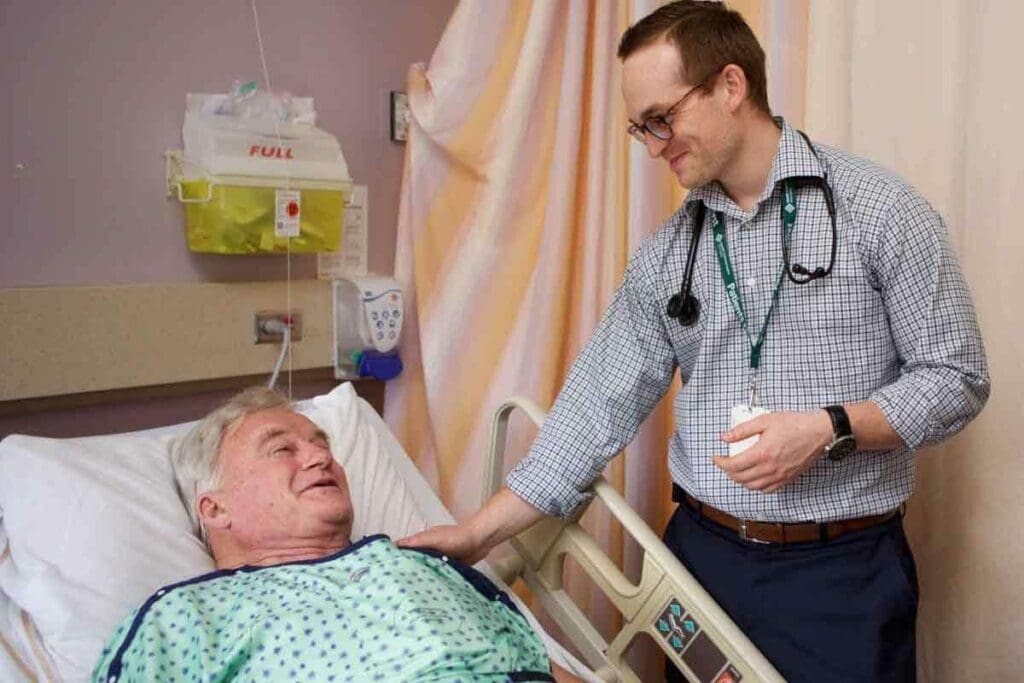
External Beam Radiation Therapy (EBRT) is a non-invasive way to treat cancer. It uses high-energy radiation beams to kill cancer cells. Machines called linear accelerators send radiation beams right at the tumors.
EBRT is used for many types of cancer. It works by harming the DNA of cancer cells. This stops them from growing and dividing.
How Linear Accelerators Deliver Radiation Beams
Linear accelerators make radiation beams. They create high-energy X-rays that match each patient’s needs. The process includes:
- Precise targeting of the tumor using advanced imaging techniques.
- Generation of radiation beams with the right energy level.
- Delivery of the radiation beams to the tumor site from many angles.
Different Types of External Radiotherapy Techniques
There are several External Beam Radiation Therapy techniques. These include:
- 3D-CRT (Three-Dimensional Conformal Radiation Therapy): This method uses shaped beams to target the tumor. It protects healthy tissues.
- IMRT (Intensity-Modulated Radiation Therapy): IMRT changes the radiation beams‘ intensity. This makes treatment more precise.
- Stereotactic Radiosurgery: This technique gives a high dose of radiation to a small, precise tumor.
These external radiotherapy methods have made cancer treatment better. They offer patients better results and fewer side effects.
How Long Is Radiation Therapy? Treatment Duration Overview
The time it takes for radiation therapy varies a lot. It depends on several important factors. Knowing the usual time and what affects it helps patients get ready for their treatment.
The Standard 2-8 Week Treatment Window
Most people get radiation therapy for 2 to 8 weeks. This is a general rule. The exact time depends on the person’s specific situation.
Key factors influencing treatment duration include:
- Type and stage of cancer
- Treatment goals (curative, palliative, or adjuvant)
- Patient’s overall health and response to therapy
Cancer-Specific Factors That Determine Treatment Length
The type and stage of cancer are key in deciding treatment length. For example, early-stage cancers might need shorter treatments. But, more advanced cancers might need longer ones.
Examples of cancer-specific treatment durations:
- Early-stage breast cancer: 3-4 weeks
- Locally advanced lung cancer: 6-7 weeks
- Prostate cancer: 4-8 weeks
It’s important for patients to talk to their radiation oncologist. They should understand their treatment plan and how long it will take.
The Standard Radiation Schedule: Monday Through Friday Treatments
The standard radiation therapy schedule is set to balance treatment benefits and healthy tissue recovery. This balance is key to getting the most from radiation therapy while reducing side effects.
Why Weekend Breaks Are Essential for Healthy Tissue Recovery
Radiation therapy is given Monday through Friday, with weekends off. This isn’t random. It’s based on how both cancer and healthy tissues react to radiation.
Healthy tissues can recover from radiation damage. The weekend break helps them fix some of this damage. This reduces the chance of long-term side effects. A leading oncologist notes:
“The weekend break is key. It lets normal tissues recover, which is vital for less late toxicity.”
This recovery is important for keeping healthy tissues working right. Cancer cells, on the other hand, can’t repair as well. This makes them more vulnerable to radiation therapy.
The Importance of Maintaining Your Treatment Calendar
Sticking to your radiation therapy schedule is vital for success. Skipping a session can let the tumor grow back. This makes it harder for radiation to work.
- Mark your treatment appointments on your calendar.
- Plan your daily activities around your treatment schedule.
- Arrange for transportation to and from your treatment sessions.
- Communicate with your radiation oncology team if you need to reschedule.
Keeping up with your treatment calendar is more than just showing up. It’s about giving yourself the best chance for a good outcome. Radiation oncologists stress the importance of being consistent and following the treatment plan.
Tips for Staying on Track:
- Set reminders for your appointments.
- Keep a log of your treatment sessions.
- Stay in touch with your healthcare team for support.
By understanding the standard radiation schedule and keeping up with your treatment calendar, you can improve your treatment experience and results.
Inside a Radiation Therapy Session: What to Expect
Knowing what happens during radiation therapy can make you feel more comfortable and informed. A radiation therapy session is a detailed process. It involves several steps to make sure the radiation beams hit the right spot.
The 30-45 Minute Appointment Breakdown
A typical radiation therapy session lasts 30 to 45 minutes. This time includes getting ready, positioning, and the actual radiation treatment. The preparation phase gets the patient into the right spot on the treatment table.
This table is designed to keep the target area steady and ensure the radiation hits the right spot.
Actual Radiotherapy Beam Exposure Time (2-5 Minutes)
Even though the whole session is 30-45 minutes, the actual radiation time is much shorter. It usually lasts from 2 to 5 minutes. This shows how precise and efficient modern radiation therapy is.
During this time, the radiation therapist leaves the room. The machine then sends the right dose of radiation. This might seem scary, but it’s all controlled and monitored to make sure the right dose goes to the right place.
The whole process of radiation therapy is very precise and requires a lot of skill. Knowing what happens can help patients feel more ready and comfortable with their treatment.
How Often Do You Get External Beam Radiation Treatments?
Patients often wonder how often they’ll get external beam radiation therapy. The answer depends on several things. These include the cancer type and stage, the treatment plan, and the therapy’s goals.
Daily Treatment Protocols and Their Rationale
Most patients get these treatments daily, from Monday to Friday. This schedule helps deliver a steady dose of radiation. It also lets healthy tissues rest over the weekend. Daily treatment protocols aim to harm cancer cells more while protecting healthy tissues.
Daily treatments target cancer cells when they’re most active. This makes the therapy more effective. It’s based on the idea that cancer cells are easier to damage when they’re dividing.
Exceptions to Standard Treatment Frequency
While daily treatments are common, there are exceptions. These depend on the cancer type, treatment goals, and patient health. Some patients might get twice-daily treatments, known as hyperfractionation. This is helpful for certain tumors.
Other exceptions include different radiation schedules. These changes depend on the cancer and the patient’s health. They help tailor the treatment to each person’s needs.
| Treatment Schedule | Description | Benefit |
| Standard Fractionation | Daily treatments, Monday through Friday | Allows healthy tissues to recover |
| Hyperfractionation | Twice-daily treatments | Beneficial for certain tumor types |
| Hypofractionation | Fewer, larger doses over a shorter period | Reduces overall treatment time |
Knowing the treatment schedule is key for patients. It helps them prepare and set realistic expectations. The treatment team will discuss the schedule and any needed changes based on the patient’s response.
Traditional vs. Hypofractionated Radiation Schedules
Radiation therapy has evolved to include traditional and hypofractionated options. These cater to different patient needs. The choice depends on the cancer type, stage, and the patient’s health.
Traditional 5-8 Week Courses: When They’re Recommended
Traditional radiation schedules last 5-8 weeks. Treatments are given daily, Monday through Friday. This method is often chosen for cancers needing a long treatment time.
It allows for a high total dose of radiation. This helps avoid damage to healthy tissues.
The benefits of traditional radiation schedules include:
- Effective for a wide range of cancer types and stages
- Allows for healthy tissue recovery between sessions
- Can be used with other treatments, like chemotherapy
Accelerated and Hypofractionated Options (3-4 Weeks)
Hypofractionated radiation gives larger doses over 3-4 weeks. It’s used for specific cancers or aggressive treatment needs.
Benefits of hypofractionated radiation include:
- Shorter treatment time, making it easier for patients
- Potential for better tumor control with higher doses
- Convenient for those with logistical or geographical challenges
Larger Doses Over Shorter Periods: Benefits and Considerations
When considering hypofractionated radiation, weigh the benefits against risks. Larger doses can increase side effects, mainly if sensitive areas are treated.
Key considerations for hypofractionated radiation include:
- Careful patient selection based on cancer type and stage
- Precise treatment planning to minimize exposure to surrounding tissues
- Close monitoring for side effects
In conclusion, both traditional and hypofractionated radiation have their roles in cancer treatment. The choice depends on the patient’s specific needs and the cancer’s characteristics.
How Many Rounds of Radiation Is Considered Normal?
Many people wonder how many radiation therapy sessions are needed. The answer depends on several things, like the cancer type and stage.
Usually, radiation therapy involves 20 to 40 sessions. This is the standard for many cancers.
Understanding the Common Range of 20-40 Sessions
The 20-40 session range is not random. It comes from lots of research and doctor experience. It helps give enough radiation to kill cancer cells without harming healthy tissues too much.
- Lower end of the range (20 sessions): Used for early-stage cancers or when the goal is to ease symptoms.
- Higher end of the range (40 sessions): Needed for more serious cancers or aggressive types.
Why Session Numbers Vary by Cancer Type and Stage
The number of radiation therapy sessions depends a lot on the cancer’s details.
- Cancer Type: Each cancer type reacts differently to radiation. Some need more, others less.
- Cancer Stage: The cancer’s stage is very important. Early-stage cancers might need fewer sessions, while advanced ones might need more.
- Treatment Goals: Whether the treatment aims to cure or just ease symptoms also affects the number of sessions.
Knowing these factors helps patients and their families get ready for treatment.
Precision Techniques: Pinpoint Radiation Treatments
Precision techniques in radiation therapy have made a big leap in cancer treatment. They allow for more accurate targeting of tumors. These advanced methods have changed the field of radiation oncology, leading to better results and fewer side effects for patients.
Advanced EBRT Radiation Delivery Methods
External Beam Radiation Therapy (EBRT) has seen big changes with new precision techniques. Two key examples are Intensity-Modulated Radiation Therapy (IMRT) and Stereotactic Body Radiation Therapy (SBRT).
- IMRT: This method changes the intensity of the radiation beam. It helps target tumors more precisely while protecting healthy tissue.
- SBRT: SBRT gives high doses of radiation to specific spots. It’s great for treating small, well-defined tumors and is often done in fewer sessions than traditional therapy.
Impact on Treatment Schedules
Precision techniques in radiation therapy change treatment schedules. They allow for more accurate delivery of radiation. This means treatments can sometimes be shorter.
For example, SBRT can be finished in just a few sessions. This is much shorter than the usual 5-8 weeks.
Some key benefits of precision techniques include:
- Reduced treatment duration
- Improved tumor control
- Minimized exposure to surrounding healthy tissues
These advancements highlight the need for personalized treatment plans in radiation therapy. They ensure each patient gets the best care for their specific needs.
Managing Side Effects Throughout Your Radiation Course
The length and area of radiation therapy affect side effects. Side effects usually happen only in the treated area. It’s important to know about these side effects and how to handle them.
Common Side Effects Based on Treatment Duration
Side effects change with treatment length and body area. Shorter treatments often mean fewer side effects. Longer treatments can cause more severe effects.
| Treatment Duration | Common Side Effects |
| Short-term (2-3 weeks) | Mild fatigue, skin redness, localized hair loss |
| Medium-term (4-5 weeks) | Increased fatigue, more pronounced skin reactions, possible nausea if treating the abdomen |
| Long-term (6-8 weeks) | Significant fatigue, pronounced skin reactions, possible diarrhea or urinary issues based on treatment area |
Strategies for Coping During the Treatment Period
Effective side effect management involves lifestyle changes and following your care team’s advice. Eating well, staying hydrated, and resting enough are key.
- Nutritional Strategies: A diet full of fruits, vegetables, and lean proteins can help lessen side effects.
- Skin Care: Using gentle skin care and avoiding harsh products on the treated area can reduce skin reactions.
- Rest and Relaxation: Resting well and doing stress-reducing activities like meditation or yoga can help with fatigue and overall health.
Can You Get Beam Radiation Therapy More Than Once?
Deciding on more than one round of beam radiation therapy is complex. It depends on many factors. These include the patient’s health, the cancer type, and how they reacted to radiation before.
Factors That Determine Eligibility for Repeat Treatments
Several key factors decide if a patient can get beam radiation therapy again. These are:
- The type and stage of cancer
- The location of the tumor
- The dose and frequency of previous radiation therapy
- The patient’s overall health and response to previous treatments
Doctors look at these factors to see if repeat radiation therapy is possible. They consider tissue tolerance and cumulative radiation exposure closely.
Tissue Tolerance and Cumulative Radiation Exposure Considerations
Tissue tolerance is how well normal tissues handle radiation. Cumulative radiation exposure is the total dose over time. Both are key to deciding if repeat therapy is safe and effective.
| Factor | Description | Consideration for Repeat Therapy |
| Tissue Tolerance | Ability of normal tissues to withstand radiation | High tolerance allows for safer repeat therapy |
| Cumulative Radiation Exposure | Total dose of radiation received over time | Higher cumulative exposure may limit repeat therapy |
| Previous Treatment Response | How well the patient responded to previous radiation therapy | A positive response may support repeat therapy |
Choosing to do beam radiation therapy again is a detailed process. Healthcare providers weigh tissue tolerance, cumulative radiation exposure, and other factors. This helps them decide if repeat therapy is right for each patient.
Conclusion: Preparing for Your Radiation Therapy Journey
It’s important to understand the process, duration, and frequency of radiation therapy. Knowing what to expect helps patients navigate their journey better.
Radiation therapy usually involves many sessions. The number of treatments depends on the cancer type and stage. Most patients get external beam radiation therapy. This is given Monday to Friday, with weekends off for healthy tissues to heal.
Patients should keep a treatment calendar and stick to the schedule. This ensures the treatment works well and reduces side effects. Being informed and prepared helps individuals take charge of their therapy.
Knowing the treatment process and what it requires helps patients make the most of it. This way, they can increase their chances of a successful outcome.
FAQ
What is external beam radiation therapy (EBRT)?
External beam radiation therapy (EBRT) uses high-energy beams to kill cancer cells. It does this from outside the body.
How long is radiation therapy?
Radiation therapy lasts from 2-8 weeks. It depends on the cancer type and stage.
How often do you get external beam radiation treatments?
You get treatments daily, Monday to Friday. Weekends off let healthy tissue recover.
What is the standard radiation treatment schedule?
Treatments are given daily, Monday to Friday. The actual radiation time is just a few minutes.
Can you get radiation treatment more than once?
Getting treatment more than once depends on several factors. These include tissue tolerance and total radiation exposure.
How many rounds of radiation is considered normal?
The number of sessions varies. It depends on the cancer type and stage. Usually, it’s between 20-40 sessions.
What are hypofractionated and accelerated radiation schedules?
These schedules use larger doses over shorter times. They are used in some cases, lasting 3-4 weeks.
How do precision techniques like IMRT and SBRT impact treatment schedules?
IMRT and SBRT make treatment more targeted and efficient. They can change treatment schedules.
What are the common side effects of radiation therapy?
Side effects vary based on treatment duration and location. They can be managed with a healthy diet and staying hydrated.
How long does a radiation therapy session last?
A session lasts 30-45 minutes. The actual radiation time is 2-5 minutes.
What is the importance of maintaining a treatment calendar?
Keeping a treatment calendar is key. It ensures radiation therapy is on schedule for the best results.
How do linear accelerators deliver radiation beams?
Linear accelerators produce high-energy X-rays. These X-rays target and destroy cancer cells, sparing healthy tissue.
References
- National Cancer Institute. (2018). External Beam Radiation Therapy for Cancer. https://www.cancer.gov/about-cancer/treatment/types/radiation-therapy/external-beam
- American Society of Clinical Oncology. (2022). Benefits of Adopting Hypofractionated Radiotherapy as a Standard of Care. https://ascopubs.org/doi/10.1200/GO.22.00215