Last Updated on November 18, 2025 by Ugurkan Demir
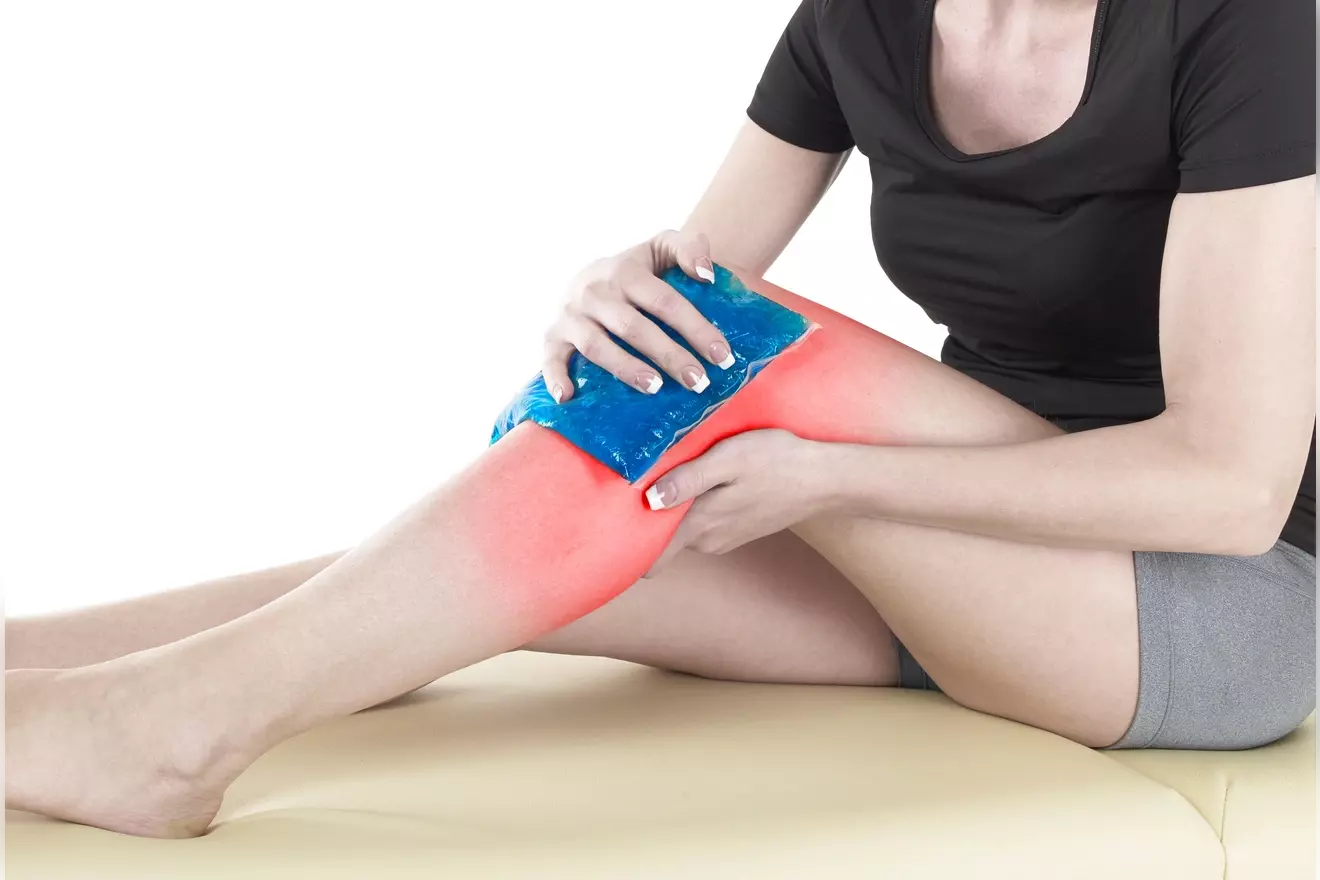
After total knee replacement (TKR) surgery, proper post-operative care is key for a smooth recovery. At Liv Hospital, we stress the importance of icing and elevating your knee. Icing cuts down on inflammation, and elevating helps reduce swelling.
Recovering from TKR surgery can be tough. Our team helps you with evidence-based recovery tips to speed up healing and boost comfort. By sticking to our advice, you can have a comfortable and effective recovery.
Key Takeaways
- Icing is a vital post-operative care practice that helps reduce pain and swelling.
- Elevation aids in minimizing swelling after TKR surgery.
- Proper post-operative care is key for a smooth recovery.
- Liv Hospital provides evidence-based recovery practices to speed healing.
- Following our recommendations ensures a comfortable and effective recovery.
Understanding Total Knee Replacement Surgery and Recovery
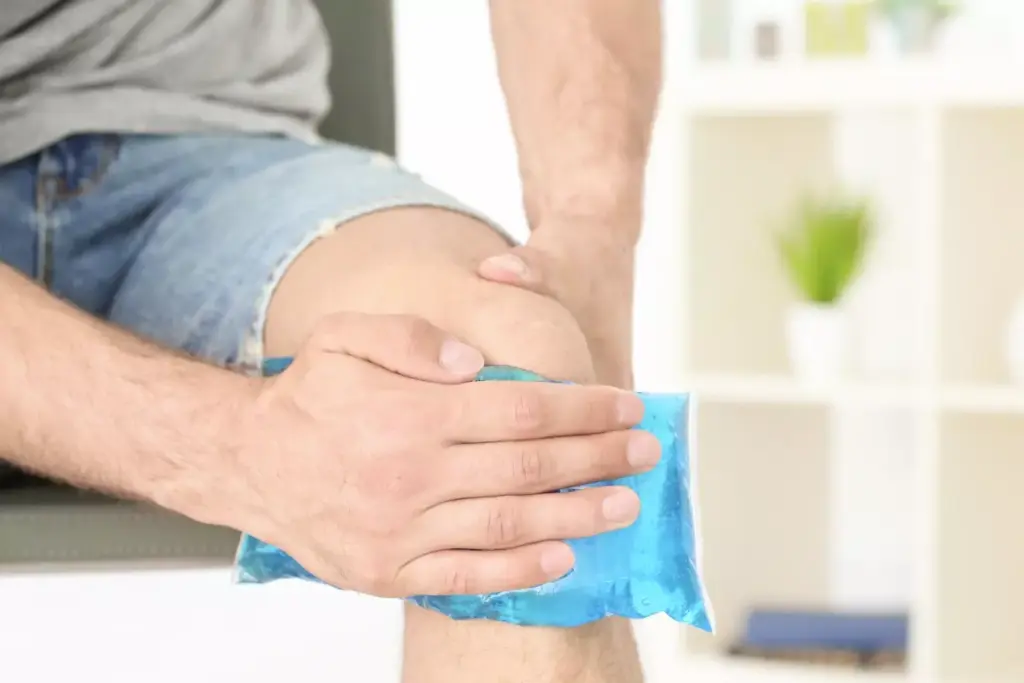
It’s important for patients to know about TKR surgery and recovery. Total Knee Replacement (TKR) surgery replaces the knee joint with artificial parts. This is done to treat severe arthritis or knee damage.
We’ll cover the basics of TKR surgery and recovery. We’ll talk about the importance of post-operative care and what to expect during recovery.
What Happens During TKR Surgery
During TKR surgery, the damaged parts of the knee are replaced with prosthetics. The surgery takes about 1-2 hours. It’s done under general or regional anesthesia.
The procedure includes:
- Removing the damaged cartilage and bone from the knee joint
- Replacing the knee joint with artificial components made of metal and plastic
- Resurfacing the kneecap (patella) to improve the knee’s function and reduce pain
Post-operative care starts right after surgery. It focuses on managing pain, reducing swelling, and promoting healing.
Why Post-Operative Care Is Critical
Good post-operative care is key for a successful recovery after TKR surgery. It helps manage pain, reduces complications, and ensures proper healing. Important aspects of post-operative care include:
| Care Aspect | Description | Benefits |
|---|---|---|
| Pain Management | Using medications and other techniques to control pain | Reduces discomfort, promotes mobility |
| Icing and Elevation | Applying ice to reduce swelling and elevating the leg | Minimizes swelling, aids in healing |
| Physical Therapy | Engaging in exercises to regain knee mobility and strength | Improves knee function, enhances recovery |
Setting Realistic Recovery Expectations
It’s important to have realistic recovery expectations after TKR surgery. Knowing recovery takes time helps manage expectations and follow the care plan. Patients can expect:
- Significant pain reduction within the first few weeks
- Gradual improvement in knee mobility and strength over several months
- Full recovery, including regaining strength and returning to normal activities, within 3-6 months
By understanding the recovery timeline and following post-operative care instructions, patients can get the best results from TKR surgery.
The Importance of Icing After Knee Replacement
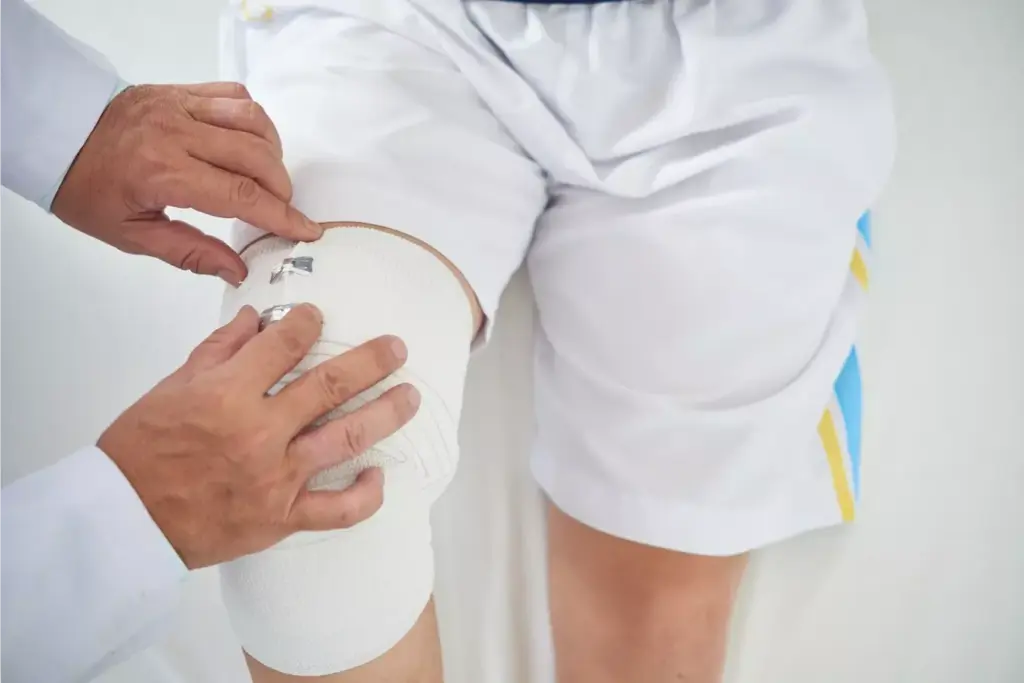
Icing is a simple yet effective method for reducing pain and swelling after total knee replacement (TKR) surgery. By applying ice to the affected area, patients can significantly reduce their discomfort and inflammation. This promotes a smoother recovery process.
How Ice Therapy Reduces Pain and Inflammation
Ice therapy, also known as cryotherapy, works by constricting blood vessels and reducing blood flow to the affected area. This constriction helps to decrease inflammation and pain. When ice is applied to the skin, it also numbs the nerve endings, providing additional pain relief.
The science behind ice therapy is based on its ability to:
- Reduce metabolic rate and enzymatic activity, decreasing inflammation
- Numb nerve endings, providing pain relief
- Constrict blood vessels, reducing blood flow and swelling
Benefits of Consistent Icing for Recovery
Consistent icing after TKR surgery offers numerous benefits for recovery. These include:
- Reduced pain and discomfort
- Less swelling and inflammation
- Improved range of motion
- Faster recovery times
To illustrate the benefits of icing, let’s consider the following comparison:
| Recovery Aspect | With Regular Icing | Without Regular Icing |
|---|---|---|
| Pain Level | Reduced pain due to numbing effect | Increased pain and discomfort |
| Swelling | Less swelling due to constricted blood vessels | More swelling and inflammation |
| Recovery Time | Faster recovery due to reduced inflammation | Slower recovery due to increased inflammation |
Scientific Evidence Supporting Ice Therapy
Numerous studies have investigated the effectiveness of ice therapy in managing pain and inflammation after surgery. The evidence supports the use of ice as a simple, non-invasive, and effective method for reducing post-operative discomfort.
A study published in the Journal of Orthopaedic Surgery found that patients who used ice therapy after TKR surgery experienced significant reductions in pain and swelling. This was compared to those who did not use ice therapy.
How Long to Ice Knee After TKR: Recommended Timeframes
The time you ice your knee after TKR surgery changes as you heal. At first, icing is key, but you can adjust how often and for how long as you get better.
First 2-3 Weeks Post-Surgery
In the first 2-3 weeks, icing is a big part of getting better. We suggest icing your knee for 20 minutes, several times a day. This helps lower pain and swelling, which are biggest right after surgery.
- Ice your knee every 2-3 hours
- Use a consistent icing schedule, specially after physical therapy or exercise
- Watch your pain and change icing as needed
Weeks 3-6 After Surgery
When you hit weeks 3-6, your pain and swelling should lessen. You can then cut back on icing. Usually, icing 2-3 times a day is enough, focusing on after activities that hurt or swell your knee.
- Keep icing after hard activities or physical therapy
- Change icing based on your pain and swelling
- Slowly stop icing as your knee feels better
Beyond 6 Weeks: When to Continue Icing
After 6 weeks, most people don’t need to ice as much. But some might need it now and then, after activities that strain the knee. Listen to your body and ice when you need to.
- Ice as needed for occasional pain or swelling
- Try other ways to manage pain, as your doctor suggests
- Slowly stop icing as your knee heals more
Always follow your surgeon’s advice on icing after TKR surgery. Everyone heals differently. Adjusting your icing helps you heal faster and feel less pain.
Proper Icing Techniques for Optimal Results
Effective icing techniques are key for the best results after knee replacement surgery. It’s important to know the right ways to ice for the best benefits.
The 20-Minute Rule: Why It Matters
The 20-minute rule is a must for icing. You should ice for 20 minutes, then take a 20-minute break. This helps prevent damage and makes the therapy work better.
Why 20 minutes? Studies show icing for 20 minutes is enough to cool tissues and work well without harm. Longer icing can damage tissues, so it’s important to keep sessions short.
Types of Ice Therapy Options
There are many ice therapy options, each with its own benefits. Knowing these can help patients pick the best one for them.
| Type of Ice Therapy | Description | Benefits |
|---|---|---|
| Ice Packs | Simple, frozen gel packs that can be wrapped around the knee. | Easy to use, readily available. |
| Cold Compression Wraps | Wraps that combine cold therapy with compression to reduce swelling. | Reduces swelling, can be more effective than ice packs alone. |
| Cryotherapy Units | Advanced devices that circulate cold water or air to provide consistent cooling. | Provides consistent temperature control, can be more effective for severe pain and inflammation. |
Avoiding Common Icing Mistakes
While icing is helpful, there are mistakes that can lessen its benefits. Knowing these can help use icing more effectively.
- Insufficient wrapping: Not wrapping ice packs well can cause uneven cooling and less effectiveness.
- Over-icing: Icing too long or too often can harm tissues.
- Ignoring skin sensations: Pay attention to how your skin reacts to icing and adjust as needed.
By using proper icing techniques, patients can get the most out of ice therapy and aid in their recovery after knee replacement surgery.
Elevation: A Critical Component of Post-TKR Recovery
Elevation is a simple yet effective method for reducing discomfort and swelling after knee replacement surgery. By elevating your leg above the level of your heart, you can significantly improve venous return. This helps reduce swelling. We recommend that patients understand the importance of proper elevation techniques to maximize their recovery.
Why Elevation Reduces Swelling
Elevating your leg helps to reduce swelling by improving blood flow and reducing fluid accumulation in the knee area. When you elevate your leg above heart level, gravity assists in reducing inflammation. It does this by facilitating the return of blood to the heart. This simple technique can significantly impact your recovery by minimizing swelling and promoting healing.
Proper Elevation Techniques
To elevate your knee effectively, ensure that your leg is straight and supported with pillows or a wedge under your ankle and calf. Avoid bending your knee or putting pressure on your heel. For more detailed guidance on post-TKR recovery, you can refer to our comprehensive guide on knee replacement recovery timeline and.
Combining Elevation with Daily Activities
You can incorporate elevation into your daily routine by elevating your leg during rest periods, while watching TV, or when working on a computer. It’s essential to strike a balance between elevation and mobility to avoid stiffness. By combining elevation with gentle exercises, you can enhance your recovery and improve overall outcomes.
How Long to Elevate Your Knee After Replacement Surgery
Elevating your knee after surgery is key to healing. It reduces swelling, improves blood flow, and eases pain. We suggest a specific schedule to get the most from this recovery method.
First Two Weeks: 4-6 Hours Daily
In the first two weeks after TKR surgery, elevate your knee for 4-6 hours daily. This helps fight gravity’s effects, reducing swelling. Elevate your knee above your heart to help blood flow and reduce inflammation.
Weeks 3-6: Adjusted Elevation Schedule
As your knee heals and swelling goes down, adjust your elevation. For weeks 3-6, aim for 2-3 hours daily. Keep an eye on swelling and adjust as needed. If swelling increases, you might need to elevate more often.
When to Continue Elevation Beyond 6 Weeks
Some patients may need to keep elevating their knee after six weeks. If swelling or discomfort persists, talk to your doctor. Most people can stop frequent elevation after six weeks, but it depends on your healing.
Following this elevation schedule helps manage swelling and aids in recovery after TKR surgery. Always get advice from your healthcare provider for your specific needs.
Understanding Swelling Timelines After Knee Replacement
Swelling is common after knee replacement surgery. Knowing when it will happen helps patients prepare for recovery. We guide our patients through this time, making sure they’re ready for their journey.
What to Expect in the First Month
In the first month, swelling is usually at its highest. This is a normal reaction to the surgery. It’s important to manage it with ice and elevation.
Most swelling peaks in the first two weeks. It then starts to go down as patients get through rehab. It’s key to ice and elevate the knee regularly to reduce swelling.
We suggest icing the knee for 20 minutes, with a 40-minute break in between. Elevate the leg on a pillow or cushion, keeping the knee above the heart.
3-12 Weeks: When Most Swelling Subsides
Between 3 to 12 weeks, swelling starts to go down for most patients. This is because the body is healing and inflammation is decreasing. Patients start to move more easily and feel better.
Keep doing gentle exercises and physical therapy to help healing and prevent stiffness. Ice and elevate the knee as needed, but less often as swelling goes down.
Beyond 3 Months: Residual Swelling
After three months, some patients might have mild swelling left. This can vary based on healing speed and surgery extent. It’s important to watch it and talk to your doctor if it’s a concern.
Keep an eye on swelling and adjust your icing and elevation as needed. Sometimes, more steps are needed to handle swelling that doesn’t go away.
| Timeframe | Expected Swelling Level | Recommended Interventions |
|---|---|---|
| 0-4 weeks | High | Frequent icing and elevation |
| 3-12 weeks | Moderate to low | Continue icing and elevation as needed |
| Beyond 3 months | Mild | Monitor swelling and adjust interventions |
Knowing when swelling happens after knee replacement surgery helps patients prepare. By sticking to an icing and elevation routine and talking to their doctor, patients can recover well and get the best results.
Individual Variations in Recovery and Healing
Recovery times after TKR can vary a lot. This is because many things can affect how fast someone heals.
Factors That Affect Recovery Timelines
Many things can make each person’s recovery different. These include their health, age, and how well they follow doctor’s orders. For example, people with health problems or who smoke might take longer to recover.
We suggest changing how often you ice and elevate your knee based on how you feel. This can help you manage pain and swelling better.
Adjusting Icing and Elevation to Your Needs
Changing how you ice and elevate your knee is key. Some might need to ice more often at first. Others might find elevation works better for swelling.
Here’s a table showing when to ice and elevate based on how far along you are in recovery:
| Recovery Stage | Icing Frequency | Elevation Duration |
|---|---|---|
| First 2-3 Weeks | Every 2-3 hours | 4-6 hours daily |
| Weeks 3-6 | As needed | 2-4 hours daily |
| Beyond 6 Weeks | Occasional use | As needed |
Tracking Your Progress
It’s important to keep an eye on how you’re doing. We suggest keeping a journal to track your pain, swelling, and how well icing and elevation work.
By paying attention to how each person recovers, we can make recovery plans that fit their needs. This can lead to better results.
Conclusion: Creating Your Post-TKR Recovery Plan
Recovering from total knee replacement surgery needs a good plan. This plan should include icing, elevation, and other care steps. At Liv Hospital, we help our patients through their recovery.
Understanding the value of these steps and making them fit your needs is key. This way, patients can get the best results and go back to their usual activities. We suggest patients work with their healthcare team to make a recovery plan that meets their specific needs.
When making a recovery plan after knee replacement, think about several things. These include the patient’s health, the surgery’s complexity, and their lifestyle. This approach helps ensure a smooth and effective recovery.
FAQ
How many days should I ice after knee replacement surgery?
Ice your knee for 20 minutes, several times a day, for the first 2-3 weeks. Adjust the frequency as you recover.
How long should you elevate your knee after surgery?
Elevate your leg for 4-6 hours daily for the first two weeks. Adjust the time as swelling goes down.
When should swelling go down after knee replacement?
Swelling usually goes down by 10 to 12 weeks. But, some may have mild swelling for up to 3 months. Be patient with the swelling reduction.
How often to ice after knee replacement?
Ice your knee several times a day for the first 2-3 weeks. Adjust as your comfort and swelling change.
How long to ice knee after replacement?
Ice until pain and swelling lessen. This is more intense in the first 2-3 weeks, but varies by individual.
How long to elevate leg after knee replacement?
Elevate your leg for 4-6 hours daily for the first two weeks. Gradually decrease time as swelling goes down.
When can I take a shower after total knee replacement?
You can shower 2-3 days after surgery, or as your doctor advises. Always follow wound care and showering instructions.
How long does swelling last after total knee replacement?
Swelling can last several months. But, most see a big reduction by 10 to 12 weeks. Some may have mild swelling beyond 3 months.
3 months after knee replacement, is it normal to have swelling?
Yes, mild swelling is normal up to 3 months or more. Swelling reduction times vary among people.
How long should you ice your knee after knee replacement?
Ice for 20 minutes, several times a day, in the first 2-3 weeks. Adjust as your recovery and comfort allow.
After total knee replacement (TKR) surgery, proper post-operative care is key for a smooth recovery. At Liv Hospital, we stress the importance of icing and elevating your knee. Icing cuts down on inflammation, and elevating helps reduce swelling.
Recovering from TKR surgery can be tough. Our team helps you with evidence-based recovery tips to speed up healing and boost comfort. By sticking to our advice, you can have a comfortable and effective recovery.
Key Takeaways
- Icing is a vital post-operative care practice that helps reduce pain and swelling.
- Elevation aids in minimizing swelling after TKR surgery.
- Proper post-operative care is key for a smooth recovery.
- Liv Hospital provides evidence-based recovery practices to speed healing.
- Following our recommendations ensures a comfortable and effective recovery.
Understanding Total Knee Replacement Surgery and Recovery
It’s important for patients to know about TKR surgery and recovery. Total Knee Replacement (TKR) surgery replaces the knee joint with artificial parts. This is done to treat severe arthritis or knee damage.
We’ll cover the basics of TKR surgery and recovery. We’ll talk about the importance of post-operative care and what to expect during recovery.
What Happens During TKR Surgery
During TKR surgery, the damaged parts of the knee are replaced with prosthetics. The surgery takes about 1-2 hours. It’s done under general or regional anesthesia.
The procedure includes:
- Removing the damaged cartilage and bone from the knee joint
- Replacing the knee joint with artificial components made of metal and plastic
- Resurfacing the kneecap (patella) to improve the knee’s function and reduce pain
Post-operative care starts right after surgery. It focuses on managing pain, reducing swelling, and promoting healing.
Why Post-Operative Care Is Critical
Good post-operative care is key for a successful recovery after TKR surgery. It helps manage pain, reduces complications, and ensures proper healing. Important aspects of post-operative care include:
| Care Aspect | Description | Benefits |
|---|---|---|
| Pain Management | Using medications and other techniques to control pain | Reduces discomfort, promotes mobility |
| Icing and Elevation | Applying ice to reduce swelling and elevating the leg | Minimizes swelling, aids in healing |
| Physical Therapy | Engaging in exercises to regain knee mobility and strength | Improves knee function, enhances recovery |
Setting Realistic Recovery Expectations
It’s important to have realistic recovery expectations after TKR surgery. Knowing recovery takes time helps manage expectations and follow the care plan. Patients can expect:
- Significant pain reduction within the first few weeks
- Gradual improvement in knee mobility and strength over several months
- Full recovery, including regaining strength and returning to normal activities, within 3-6 months
By understanding the recovery timeline and following post-operative care instructions, patients can get the best results from TKR surgery.
The Importance of Icing After Knee Replacement
Icing is a simple yet effective method for reducing pain and swelling after total knee replacement (TKR) surgery. By applying ice to the affected area, patients can significantly reduce their discomfort and inflammation. This promotes a smoother recovery process.
How Ice Therapy Reduces Pain and Inflammation
Ice therapy, also known as cryotherapy, works by constricting blood vessels and reducing blood flow to the affected area. This constriction helps to decrease inflammation and pain. When ice is applied to the skin, it also numbs the nerve endings, providing additional pain relief.
The science behind ice therapy is based on its ability to:
- Reduce metabolic rate and enzymatic activity, decreasing inflammation
- Numb nerve endings, providing pain relief
- Constrict blood vessels, reducing blood flow and swelling
Benefits of Consistent Icing for Recovery
Consistent icing after TKR surgery offers numerous benefits for recovery. These include:
- Reduced pain and discomfort
- Less swelling and inflammation
- Improved range of motion
- Faster recovery times
To illustrate the benefits of icing, let’s consider the following comparison:
| Recovery Aspect | With Regular Icing | Without Regular Icing |
|---|---|---|
| Pain Level | Reduced pain due to numbing effect | Increased pain and discomfort |
| Swelling | Less swelling due to constricted blood vessels | More swelling and inflammation |
| Recovery Time | Faster recovery due to reduced inflammation | Slower recovery due to increased inflammation |
Scientific Evidence Supporting Ice Therapy
Numerous studies have investigated the effectiveness of ice therapy in managing pain and inflammation after surgery. The evidence supports the use of ice as a simple, non-invasive, and effective method for reducing post-operative discomfort.
A study published in the Journal of Orthopaedic Surgery found that patients who used ice therapy after TKR surgery experienced significant reductions in pain and swelling. This was compared to those who did not use ice therapy.
How Long to Ice Knee After TKR: Recommended Timeframes
The time you ice your knee after TKR surgery changes as you heal. At first, icing is key, but you can adjust how often and for how long as you get better.
First 2-3 Weeks Post-Surgery
In the first 2-3 weeks, icing is a big part of getting better. We suggest icing your knee for 20 minutes, several times a day. This helps lower pain and swelling, which are biggest right after surgery.
- Ice your knee every 2-3 hours
- Use a consistent icing schedule, specially after physical therapy or exercise
- Watch your pain and change icing as needed
Weeks 3-6 After Surgery
When you hit weeks 3-6, your pain and swelling should lessen. You can then cut back on icing. Usually, icing 2-3 times a day is enough, focusing on after activities that hurt or swell your knee.
- Keep icing after hard activities or physical therapy
- Change icing based on your pain and swelling
- Slowly stop icing as your knee feels better
Beyond 6 Weeks: When to Continue Icing
After 6 weeks, most people don’t need to ice as much. But some might need it now and then, after activities that strain the knee. Listen to your body and ice when you need to.
- Ice as needed for occasional pain or swelling
- Try other ways to manage pain, as your doctor suggests
- Slowly stop icing as your knee heals more
Always follow your surgeon’s advice on icing after TKR surgery. Everyone heals differently. Adjusting your icing helps you heal faster and feel less pain.
Proper Icing Techniques for Optimal Results
Effective icing techniques are key for the best results after knee replacement surgery. It’s important to know the right ways to ice for the best benefits.
The 20-Minute Rule: Why It Matters
The 20-minute rule is a must for icing. You should ice for 20 minutes, then take a 20-minute break. This helps prevent damage and makes the therapy work better.
Why 20 minutes? Studies show icing for 20 minutes is enough to cool tissues and work well without harm. Longer icing can damage tissues, so it’s important to keep sessions short.
Types of Ice Therapy Options
There are many ice therapy options, each with its own benefits. Knowing these can help patients pick the best one for them.
| Type of Ice Therapy | Description | Benefits |
|---|---|---|
| Ice Packs | Simple, frozen gel packs that can be wrapped around the knee. | Easy to use, readily available. |
| Cold Compression Wraps | Wraps that combine cold therapy with compression to reduce swelling. | Reduces swelling, can be more effective than ice packs alone. |
| Cryotherapy Units | Advanced devices that circulate cold water or air to provide consistent cooling. | Provides consistent temperature control, can be more effective for severe pain and inflammation. |
Avoiding Common Icing Mistakes
While icing is helpful, there are mistakes that can lessen its benefits. Knowing these can help use icing more effectively.
- Insufficient wrapping: Not wrapping ice packs well can cause uneven cooling and less effectiveness.
- Over-icing: Icing too long or too often can harm tissues.
- Ignoring skin sensations: Pay attention to how your skin reacts to icing and adjust as needed.
By using proper icing techniques, patients can get the most out of ice therapy and aid in their recovery after knee replacement surgery.
Elevation: A Critical Component of Post-TKR Recovery
Elevation is a simple yet effective method for reducing discomfort and swelling after knee replacement surgery. By elevating your leg above the level of your heart, you can significantly improve venous return. This helps reduce swelling. We recommend that patients understand the importance of proper elevation techniques to maximize their recovery.
Why Elevation Reduces Swelling
Elevating your leg helps to reduce swelling by improving blood flow and reducing fluid accumulation in the knee area. When you elevate your leg above heart level, gravity assists in reducing inflammation. It does this by facilitating the return of blood to the heart. This simple technique can significantly impact your recovery by minimizing swelling and promoting healing.
Proper Elevation Techniques
To elevate your knee effectively, ensure that your leg is straight and supported with pillows or a wedge under your ankle and calf. Avoid bending your knee or putting pressure on your heel. For more detailed guidance on post-TKR recovery, you can refer to our comprehensive guide on knee replacement recovery timeline and.
Combining Elevation with Daily Activities
You can incorporate elevation into your daily routine by elevating your leg during rest periods, while watching TV, or when working on a computer. It’s essential to strike a balance between elevation and mobility to avoid stiffness. By combining elevation with gentle exercises, you can enhance your recovery and improve overall outcomes.
How Long to Elevate Your Knee After Replacement Surgery
Elevating your knee after surgery is key to healing. It reduces swelling, improves blood flow, and eases pain. We suggest a specific schedule to get the most from this recovery method.
First Two Weeks: 4-6 Hours Daily
In the first two weeks after TKR surgery, elevate your knee for 4-6 hours daily. This helps fight gravity’s effects, reducing swelling. Elevate your knee above your heart to help blood flow and reduce inflammation.
Weeks 3-6: Adjusted Elevation Schedule
As your knee heals and swelling goes down, adjust your elevation. For weeks 3-6, aim for 2-3 hours daily. Keep an eye on swelling and adjust as needed. If swelling increases, you might need to elevate more often.
When to Continue Elevation Beyond 6 Weeks
Some patients may need to keep elevating their knee after six weeks. If swelling or discomfort persists, talk to your doctor. Most people can stop frequent elevation after six weeks, but it depends on your healing.
Following this elevation schedule helps manage swelling and aids in recovery after TKR surgery. Always get advice from your healthcare provider for your specific needs.
Understanding Swelling Timelines After Knee Replacement
Swelling is common after knee replacement surgery. Knowing when it will happen helps patients prepare for recovery. We guide our patients through this time, making sure they’re ready for their journey.
What to Expect in the First Month
In the first month, swelling is usually at its highest. This is a normal reaction to the surgery. It’s important to manage it with ice and elevation.
Most swelling peaks in the first two weeks. It then starts to go down as patients get through rehab. It’s key to ice and elevate the knee regularly to reduce swelling.
We suggest icing the knee for 20 minutes, with a 40-minute break in between. Elevate the leg on a pillow or cushion, keeping the knee above the heart.
3-12 Weeks: When Most Swelling Subsides
Between 3 to 12 weeks, swelling starts to go down for most patients. This is because the body is healing and inflammation is decreasing. Patients start to move more easily and feel better.
Keep doing gentle exercises and physical therapy to help healing and prevent stiffness. Ice and elevate the knee as needed, but less often as swelling goes down.
Beyond 3 Months: Residual Swelling
After three months, some patients might have mild swelling left. This can vary based on healing speed and surgery extent. It’s important to watch it and talk to your doctor if it’s a concern.
Keep an eye on swelling and adjust your icing and elevation as needed. Sometimes, more steps are needed to handle swelling that doesn’t go away.
| Timeframe | Expected Swelling Level | Recommended Interventions |
|---|---|---|
| 0-4 weeks | High | Frequent icing and elevation |
| 3-12 weeks | Moderate to low | Continue icing and elevation as needed |
| Beyond 3 months | Mild | Monitor swelling and adjust interventions |
Knowing when swelling happens after knee replacement surgery helps patients prepare. By sticking to an icing and elevation routine and talking to their doctor, patients can recover well and get the best results.
Individual Variations in Recovery and Healing
Recovery times after TKR can vary a lot. This is because many things can affect how fast someone heals.
Factors That Affect Recovery Timelines
Many things can make each person’s recovery different. These include their health, age, and how well they follow doctor’s orders. For example, people with health problems or who smoke might take longer to recover.
We suggest changing how often you ice and elevate your knee based on how you feel. This can help you manage pain and swelling better.
Adjusting Icing and Elevation to Your Needs
Changing how you ice and elevate your knee is key. Some might need to ice more often at first. Others might find elevation works better for swelling.
Here’s a table showing when to ice and elevate based on how far along you are in recovery:
| Recovery Stage | Icing Frequency | Elevation Duration |
|---|---|---|
| First 2-3 Weeks | Every 2-3 hours | 4-6 hours daily |
| Weeks 3-6 | As needed | 2-4 hours daily |
| Beyond 6 Weeks | Occasional use | As needed |
Tracking Your Progress
It’s important to keep an eye on how you’re doing. We suggest keeping a journal to track your pain, swelling, and how well icing and elevation work.
By paying attention to how each person recovers, we can make recovery plans that fit their needs. This can lead to better results.
Conclusion: Creating Your Post-TKR Recovery Plan
Recovering from total knee replacement surgery needs a good plan. This plan should include icing, elevation, and other care steps. At Liv Hospital, we help our patients through their recovery.
Understanding the value of these steps and making them fit your needs is key. This way, patients can get the best results and go back to their usual activities. We suggest patients work with their healthcare team to make a recovery plan that meets their specific needs.
When making a recovery plan after knee replacement, think about several things. These include the patient’s health, the surgery’s complexity, and their lifestyle. This approach helps ensure a smooth and effective recovery.
FAQ
- Healthline. (n.d.). Total Knee Replacement Surgery Recovery Timeline – Rehabilitation after knee surgery typically lasts about 12 weeks. Retrieved from https://www.healthline.com/health/total-knee-replacement-surgery/rehabilitation-timeline (Healthline)
- NGHS. (2025, March 26). How Long Does It Take to Recover from Total Knee Replacement? Retrieved from https://www.nghs.com/2025/03/26/how-long-does-it-take-to-recover-from-total-knee-replacement (Northeast Georgia Health System)
- PracticePlusGroup. (2024, May 31). Knee Replacement Recovery Guide – Most patients will see a significant improvement … full recovery can take up to 18 months. Retrieved from https://practiceplusgroup.com/knowledge-hub/knee-replacement-recovery-guide/ (Practice Plus Group)
- Integrity Orthopedics. (n.d.). The Phases of Recovery After Knee Replacement Surgery – … full recovery may take up to a year. Retrieved from https://www.integrity-orthopedics.com/blog/the-phases-of-recovery-after-knee-replacement-surgery (Integrity Orthopedics)
- NHS. (n.d.). Knee Replacement – Recovery. Retrieved from https://www.nhs.uk/tests-and-treatments/knee-replacement/recovery/ (nhs.uk)