For those going through fertility treatments, knowing when embryo implantation happens is key. The path to pregnancy with IVF is both interesting and nerve-wracking. It’s filled with a detailed timeline.
The stage of embryo implantation is vital. It doesn’t start right after the transfer. Instead, it takes a few days. For day 5 blastocyst transfers, implantation starts 1 to 2 days later. It usually finishes by days 6 to 10 of embryo development.
Knowing when and how your transferred embryo implants can make the wait easier. It helps you know what to expect after your procedure.
Key Takeaways
- Implantation typically begins 1-2 days after day 5 blastocyst transfer.
- The process is generally completed by days 6 to 10 of embryo development.
- Understanding the timeline can help ease concerns during the two-week wait.
- The timing of implantation varies based on the stage of the embryo at transfer.
- Embryo implantation is a critical step in the IVF process.
The Embryo Transfer Process Explained

For many, the embryo transfer process is a big moment in their fertility journey. Knowing what happens during this procedure can help ease worries and get people ready for what’s next.
The embryo transfer process involves moving the embryo into the uterus with a catheter. This is done under ultrasound guidance.
What Happens During an Embryo Transfer
During an embryo transfer, the embryo is carefully placed into the uterus. This process is usually painless and doesn’t need anesthesia. The use of ultrasound guidance ensures that the embryo is placed in the optimal position for implantation.
Different Types of Embryo Transfers
There are different types of embryo transfers, including fresh and frozen embryo transfers. The type of transfer can affect how long it takes for implantation. Fresh embryo transfers occur when the embryo is transferred shortly after egg retrieval, while frozen embryo transfers involve thawing and transferring an embryo that was previously frozen.
Transfer Type | Description | Implantation Timeline |
Fresh Embryo Transfer | Embryo transferred shortly after egg retrieval | Typically 1-2 days after transfer |
Frozen Embryo Transfer | Previously frozen embryo thawed and transferred | Variable, depending on the endometrial preparation |
Understanding the Biological Timeline of Implantation

The journey to successful IVF starts with knowing the implantation timeline. Implantation is a complex process between the embryo and the uterine lining. In natural conception, it happens 6-10 days after fertilization. But, IVF timing can change based on the embryo’s stage at transfer.
The Natural Implantation Process
In natural pregnancy, implantation happens when a fertilized egg reaches the uterus. The uterine lining thickens in preparation. The embryo then attaches and invades the lining for successful implantation.
This process is detailed and involves many biological signals. The embryo sends signals to the uterus, and the uterus prepares for implantation. Knowing this helps us understand how IVF supports implantation.
How IVF Affects Implantation Timing
In IVF, implantation timing changes based on the embryo’s stage at transfer. Embryos are usually transferred on day 3 or day 5 after fertilization. The timing after transfer can show how well the treatment is working.
For example, transferring a day 5 blastocyst is closer to natural implantation. The blastocyst stage is when the embryo is most ready to implant. Knowing how IVF changes implantation timing helps patients prepare for their treatment results.
Embryo Stage at Transfer | Typical Implantation Time | Notes |
Day 3 Embryo | 5-7 days after transfer | Additional time for the embryo to develop to blastocyst stage |
Day 5 Blastocyst | 1-3 days after transfer | Closer to the natural implantation window |
By understanding the implantation timeline and how IVF changes it, patients can have better expectations. This knowledge helps fertility specialists tailor treatments, which can improve success rates.
How Many Days After Embryo Transfer Does Implantation Occur
Knowing when embryo implantation happens after transfer is key for IVF patients. Many factors can affect when this happens.
General Implantation Timeline
For those going through IVF, knowing when implantation might happen helps manage hopes. Usually, for day 5 transfers, implantation starts 1-2 days later. So, by day 7 or 8, the embryo is usually settling into the uterine lining.
Here’s a simple timeline to help you understand:
Day Post-Transfer | Embryo Development Stage |
1-2 | Embryo begins to hatch from its shell |
3-4 | Implantation process starts |
5-7 | Implantation continues, embryo embeds into uterine lining |
8-10 | Implantation typically completes |
Factors That Influence Implantation Timing
While there’s a general timeline, many things can change when implantation happens. These include:
- Embryo Quality: Better quality embryos tend to implant well and on time.
- Uterine Receptivity: How ready the uterine lining is also plays a big role.
- Patient Age and Health: Both can affect embryo quality and how receptive the uterus is.
Knowing these factors helps patients guess when implantation might happen. Remember, day 1 post embryo transfer is when the embryo starts to interact with the uterine environment.
By understanding the general timeline and what can change it, patients can better get ready for IVF. Watching ivf after transfer day by day gives insights into how the embryo is doing.
Day 5 Blastocyst Transfer Implantation Timeline
Knowing when implantation happens after a day 5 blastocyst transfer is key for IVF patients. It helps them know what to expect and get ready for the next part of their journey.
What to Expect 1-2 Days After Transfer
Right after a day 5 blastocyst transfer, the embryo starts to implant in 1-2 days. The blastocyst, now a bit bigger, starts to stick to the uterine lining. This is a very important time, but it’s just the beginning.
Key events 1-2 days after transfer include:
- The blastocyst continues to hatch from its outer shell.
- Initial contact between the blastocyst and the endometrium occurs.
- The implantation process begins, though it’s not yet complete.
The Complete Implantation Process (Days 6-10)
By days 6 to 10, the implantation is fully done after a day 5 blastocyst transfer. The embryo digs deeper into the uterine lining, making a strong bond for growth.
Here’s a breakdown of what happens during days 6-10:
- Day 6: The implantation process advances as the trophoblast cells of the embryo start to invade the endometrium more deeply.
- Days 7-8: The embryo is almost fully implanted, and the trophoblast cells continue to proliferate, starting to produce hCG (human chorionic gonadotropin).
- Days 9-10: Implantation is typically complete, and hCG levels become detectable in blood tests, confirming pregnancy.
Knowing these steps helps patients understand the complex implantation process. It shows how important the day 5 blastocyst transfer is in their IVF journey.
Day 3 Embryo Transfer Implantation Timeline
Knowing the timeline for Day 3 embryo transfer is key for IVF patients. After a Day 3 embryo transfer, the embryo grows outside the womb before it implants in the uterus.
Development from Day 3 Embryo to Blastocyst
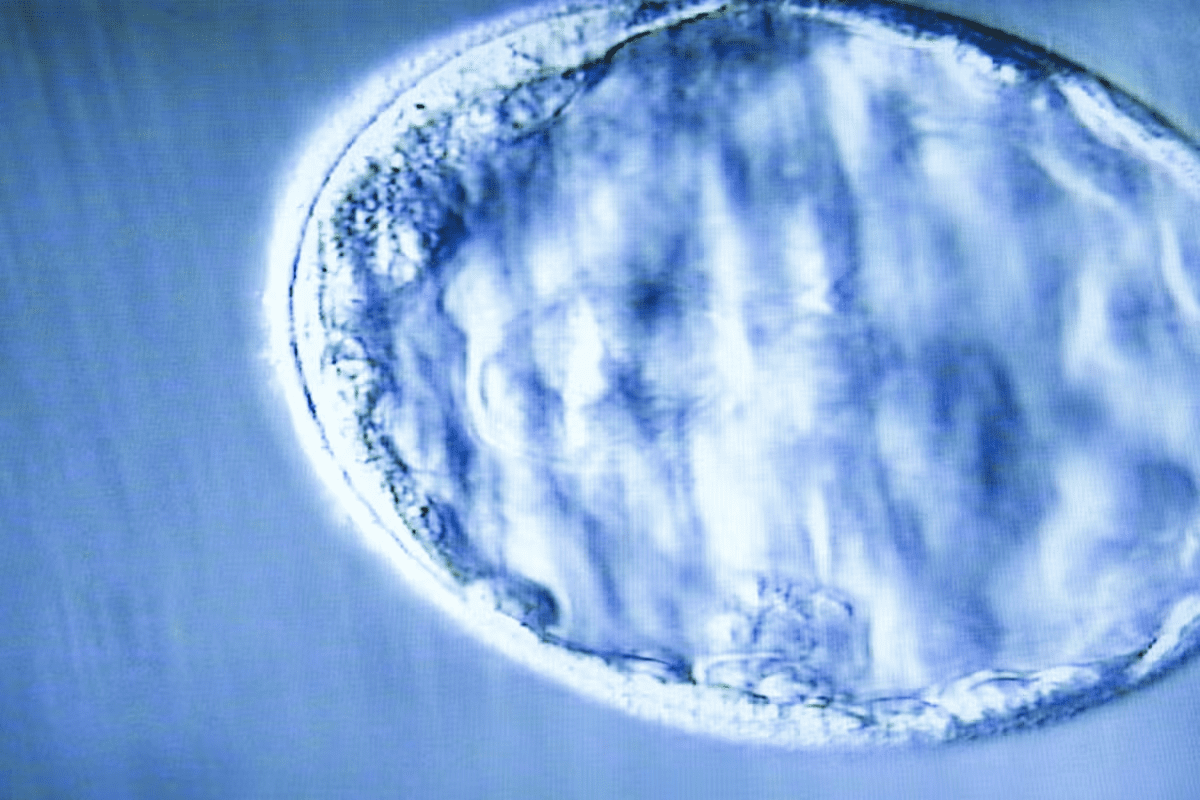
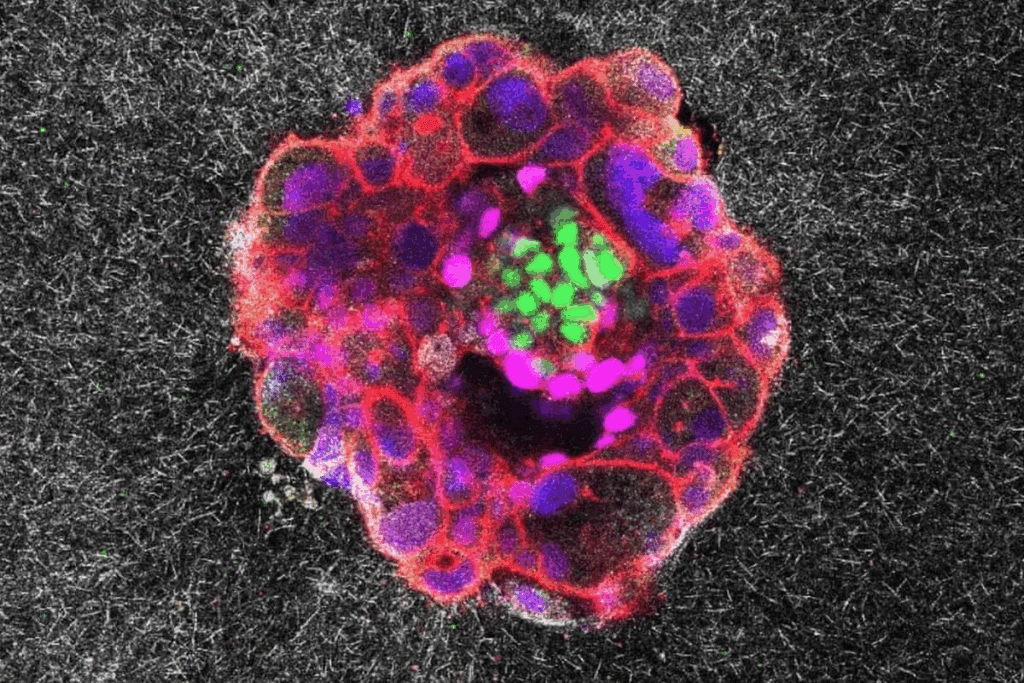
A Day 3 embryo is at the cleavage stage, with cells dividing fast. Over the next 2-3 days, it grows into a blastocyst. This stage has a fluid-filled cavity and an inner cell mass.
The move from a Day 3 embryo to a blastocyst is vital for implantation. During this time, the embryo changes a lot, getting ready to implant in the uterine lining.
Expected Implantation Window (5-7 Days After Transfer)
Implantation for Day 3 embryo transfers usually happens 5-7 days after the transfer. This matches the natural implantation window, when the embryo is a blastocyst.
- The embryo hatches from its outer shell
- It makes contact with the uterine lining
- Implantation starts, with the embryo embedding into the endometrium
Patients often wonder if implantation has succeeded during this time. While too early for a pregnancy test, knowing the implantation timeline helps manage hopes.
Understanding what happens day by day after IVF transfer helps patients. They learn how long it takes for the embryo to implant after transfer. Usually, implantation is done by the time a pregnancy test can be taken, around 9-10 days post-transfer.
Frozen Embryo Transfer (FET) Implantation Timeline
Frozen embryo transfer is becoming more popular. Knowing when implantation happens is key for those going through IVF. We’ll look at FET and compare it to fresh embryo transfers to help understand it better.
Comparing Fresh vs. Frozen Embryo Implantation
The timing for frozen embryos is similar to fresh ones, if thawed right. What matters most is the embryo’s quality and the uterus’s readiness.
Key similarities between fresh and frozen embryo implantation include:
- The biological process of implantation remains the same.
- The timing of implantation is largely dependent on the embryo’s developmental stage at transfer.
- Both fresh and frozen embryo transfers require a receptive endometrium for successful implantation.
When Does Implantation Occur After Frozen Embryo Transfer
Implantation after FET happens around the same time as fresh transfers. For blastocyst stage embryos, it’s usually 1-2 days after transfer. The whole process can take up to 7-10 days.
It’s essential to note that the thawing process does not significantly impact the implantation timeline. The key is matching the embryo’s stage with the uterine environment.
How Long After FET Does Embryo Implant
Implantation timing after FET can differ from person to person. But, studies show it’s about 6-10 days for blastocysts on average.
Days After FET | Embryo Developmental Stage | Implantation Process |
1-2 | Thawed blastocyst | Initial implantation attempts |
3-5 | Implantation initiation | Embryo starts to embed |
6-10 | Implantation completion | Embryo fully embedded |
Knowing the FET implantation timeline can ease worries for IVF patients. While experiences differ, being informed can offer comfort and clarity.
IVF After Transfer Day by Day
Knowing what happens after an embryo transfer can make the waiting period clearer. The process has several key stages that affect the success of IVF.
Day 1 Post Embryo Transfer: What’s Happening
On the first day, the embryo starts to hatch from its outer shell, the zona pellucida. This is a critical step for implantation into the uterine lining.
Day 3 After IVF Embryo Transfer
By the third day, the embryo has divided into several cells, known as a cleavage-stage embryo. It’s important for the embryo to grow and develop for implantation.
Day 4 After IVF Transfer: Embryo Development
On the fourth day, the embryo becomes a morula, compacting and preparing for the blastocyst stage. This is a key moment in its journey towards implantation.
7 Days After Embryo Transfer: Implantation Complete
By the seventh day, implantation is usually complete. The embryo has attached to the uterine lining, a major milestone in IVF.
To understand the day-by-day process after embryo transfer, here’s a summary:
Day | Embryo Development Stage | Key Events |
1 | Embryo hatching | Starts to hatch from zona pellucida |
3 | Cleavage-stage embryo | Multiple cell divisions |
4 | Morula stage | Compaction and preparation for blastocyst formation |
7 | Implantation complete | Embryo attaches to uterine lining |
Knowing these stages can help patients understand their IVF treatment better. It gives them a sense of control and clarity during a stressful time.
The Three Phases of Embryo Implantation
Embryo implantation is a complex process with multiple stages. It’s key for IVF success. Knowing these stages helps us understand the biological processes in IVF.
Phase 1: Apposition – Initial Contact
The first phase is apposition, where the embryo touches the endometrium. This stage is critical for successful implantation. During apposition, the embryo gets closer to the uterine lining through molecular interactions.
Phase 2: Adhesion – Stable Attachment
After apposition, the embryo undergoes adhesion. It forms a strong bond with the endometrium. This phase is vital for the embryo to get the nutrients it needs for growth.
Phase 3: Invasion – Embedding in the Endometrium
The final phase is invasion. Here, the embryo embeds itself into the endometrium. The trophoblast cells of the embryo connect with the mother’s bloodstream. This phase is essential for a successful pregnancy.
Understanding the three phases of embryo implantation helps us appreciate IVF’s complexity. Recognizing each phase’s importance supports the implantation process. This can improve IVF success rates.
The implantation process after IVF transfer is complex. Knowing when implantation happens helps track IVF treatment success. This knowledge is valuable for both patients and healthcare providers.
Signs and Symptoms of Successful Implantation
Knowing the signs of successful implantation is key for IVF patients. Everyone’s experience is different, but there are common signs that suggest implantation has happened.
Physical Indicators of Implantation
Physical symptoms are often the first signs of implantation. These can include:
- Mild cramping, similar to menstrual cramps
- Spotting or light bleeding as the embryo implants
- Breast tenderness from hormonal changes
- Fatigue as the body supports the growing embryo
It’s important to remember that these symptoms can also mean other things or just be part of the IVF process. They don’t always mean implantation has been successful.
When Symptoms May Appear After Transfer
Symptoms can start as early as a few days after the embryo transfer. For some, noticeable symptoms may show up around 7-10 days after the transfer.
Day Post-Transfer | Possible Symptoms |
3-5 days | Mild cramping, spotting |
6-8 days | Breast tenderness, fatigue |
9-10 days | Heightened sense of smell, mood swings |
1 Week After FET: What to Expect
One week after a frozen embryo transfer (FET), symptoms can get stronger. This is because hormone levels are rising. It’s also when the embryo is deeply embedding into the uterine lining.
Key expectations include:
- Increased urination due to hormonal changes
- Mood swings from pregnancy hormones
- Bloating and mild discomfort from implantation
While these signs are hopeful, remember that a pregnancy test and ultrasound are the only ways to confirm implantation and pregnancy.
Factors That Affect Embryo Implantation Success
Understanding what affects embryo implantation can really help improve IVF success rates. This process is complex and influenced by many factors.
Embryo Quality and Grading
The quality of the embryo is key to successful implantation. Embryo grading helps embryologists check how viable an embryo is. They look at its shape and structure.
Top-quality embryos have a higher chance of implanting well. They are judged on cell count, even cell division, and how much they are fragmented.
Endometrial Receptivity
Endometrial receptivity is when the uterine lining can accept an embryo. A receptive endometrium is essential for implantation to happen.
Things like endometrial thickness, hormonal balance, and any uterine issues can affect receptivity.
Maternal Age and Health Factors
Maternal age is a big factor in IVF success. Women under 35 usually have better success rates because their eggs are healthier.
Other health factors and lifestyle choices can also play a role in implantation success.
Medical Support During the Implantation Window
The time after embryo transfer is very important. We offer full medical support to help implantation. This includes both medicine and watching closely to get the best results.
Medications to Support Implantation
After embryo transfer, we might give you medicines to help implantation. These include progesterone supplements to keep the uterine lining right. Progesterone is key because it makes the lining thicker, welcoming the embryo.
We might also give you antibiotics to stop infections or low-dose aspirin for better blood flow. The medicines you get depend on your health and the IVF plan.
Monitoring After Embryo Transfer
Watching how things go after embryo transfer is very important. We use ultrasound checks and blood tests to see how implantation is going. These tests show us the uterine lining’s thickness and if pregnancy hormones are there.
Day 1 after embryo transfer starts our monitoring. We tell patients what to watch for and when to call us if they notice anything odd. IVF after transfer is watched closely day by day to catch any problems early.
When to Contact Your Fertility Specialist
It’s key for patients to know when to call their fertility specialist. If you have severe pain, heavy bleeding, or fever, call right away. These signs could mean you need help fast.
If you’re worried about your medicine, symptoms, or treatment progress, reach out. Our team is here to help and reassure you during this time.
Conclusion: Understanding Your Unique Implantation Journey
Every patient’s journey to implantation is unique. It’s shaped by things like embryo quality and health. Knowing this can help manage hopes and worries.
We’ve looked at the different parts of embryo implantation after transfer. This includes when it happens and what affects it. Usually, it’s 6-10 days after the transfer. But, it can change. For example, after a day 5 blastocyst transfer, it often happens in 1-2 days.
It’s key to remember that when implantation happens can vary. Things like the type of transfer, whether it’s fresh or frozen, and the embryo’s quality matter. These all impact when implantation occurs.
Understanding when implantation happens and what affects it can help patients through IVF. We aim to offer full support and care. Our goal is to help patients achieve their dream of starting a family.
FAQ
When does embryo implantation occur after transfer?
The timing of embryo implantation varies. It depends on the embryo’s stage at transfer. For day 5 blastocysts, it starts 1-2 days after transfer.
What happens during an embryo transfer?
The embryo is placed in the uterus during transfer. The type of transfer, fresh or frozen, can affect the timing of implantation.
How does IVF affect implantation timing?
IVF’s timing of implantation depends on the embryo’s stage at transfer. Knowing this can help patients understand their treatment better.
How many days after embryo transfer does implantation occur?
Implantation timing varies. It depends on the embryo’s stage and individual factors.
What to expect after a day 5 blastocyst transfer?
After a day 5 blastocyst transfer, implantation starts 1-2 days later. The full process takes 6-10 days.
What happens after a day 3 embryo transfer?
After a day 3 transfer, the embryo grows into a blastocyst before implanting. The implantation window is 5-7 days after transfer.
When does implantation occur after frozen embryo transfer?
Implantation after frozen embryo transfer (FET) is similar to fresh transfers. But, timing can vary slightly.
What happens day by day after IVF transfer?
After IVF transfer, the embryo goes through stages. On day 1, it continues to develop. By day 7, implantation is usually complete.
What are the signs and symptoms of successful implantation?
Symptoms like mild cramping, spotting, and mood changes may appear around 1 week after FET. They don’t confirm implantation, though.
What factors affect embryo implantation success?
Success depends on embryo quality, endometrial receptivity, and maternal age and health.
What medical support is available during the implantation window?
Support includes medications, monitoring, and guidance on when to contact your fertility specialist. This helps during the critical phase.
How long after FET does embryo implantation occur?
Implantation after FET happens 1-2 days after transfer for day 5 blastocysts. It’s similar to fresh transfers.
What is the implantation timeline for day 3 embryo transfers?
Day 3 embryos develop into blastocysts before implanting. The implantation window is 5-7 days after transfer.
How does the stage of the embryo at transfer affect implantation timing?
The embryo’s stage at transfer greatly influences timing. Day 5 blastocysts implant earlier than day 3 embryos.
References
National Center for Biotechnology Information. Evidence-Based Medical Guidance. Retrieved from https://www.ncbi.nlm.nih.gov/pmc/articles/PMC6724395/