Knowing your menstrual cycle is key to figuring out when you can get pregnant. Women with a 28-day cycle usually ovulate about 14 days before their next period. How many days after your period can you get pregnant? This ultimate guide reveals the surprising, critical facts about your fertile window.
At Liv Hospital, we offer international expertise in reproductive medicine. We help you understand your fertility patterns. Our specialists give you the facts you need to make smart choices about your reproductive health.
Figuring out when you’re most fertile is important for planning a family. Old myths say you can only get pregnant on certain days. But today’s science shows it’s more complex and personal.
Key Takeaways
- Ovulation typically occurs 14 days before the next menstrual period in a 28-day cycle.
- Understanding your menstrual cycle is key to determining your fertile window.
- Liv Hospital provides international expertise in reproductive medicine.
- Evidence-based knowledge helps in making informed reproductive health decisions.
- A woman’s fertility patterns are unique and influenced by her menstrual cycle.
The Menstrual Cycle Explained

The menstrual cycle is a complex process. It involves hormonal changes and physiological events. It starts on the first day of a woman’s period and ends on the first day of her next period. Knowing the different phases helps us understand fertility.
Phases of the Menstrual Cycle
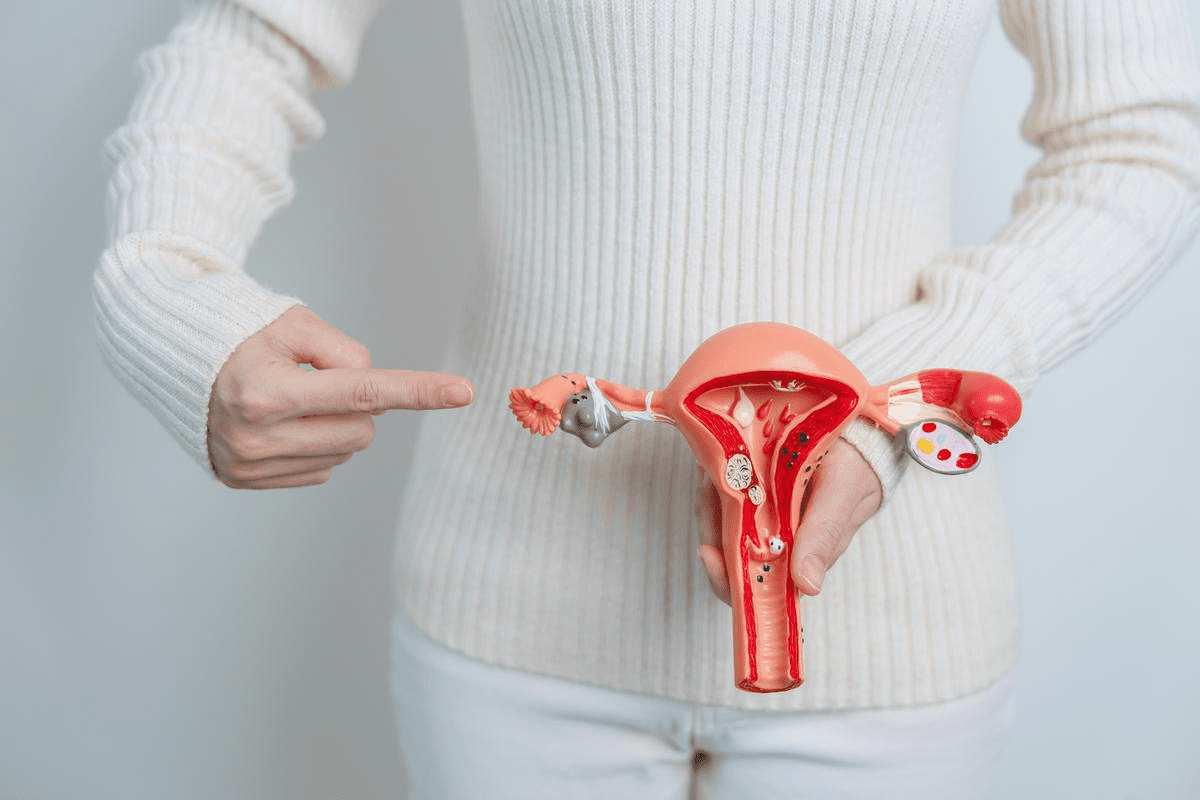
The menstrual cycle has four main phases: menstruation, the follicular phase, ovulation, and the luteal phase.
- Menstruation: This is the first phase, where the uterus sheds its lining, resulting in bleeding.
- Follicular Phase: This phase overlaps with menstruation. It involves the growth of follicles in the ovaries, which produce estrogen.
- Ovulation: Typically occurring 14 days before the next menstrual cycle, ovulation is when an egg is released from the ovary.
- Luteal Phase: After ovulation, the empty follicle in the ovary forms the corpus luteum. It produces progesterone to prepare the uterine lining for a possible pregnancy.
Hormonal Changes Throughout Your Cycle
Hormonal changes are key in the menstrual cycle. Estrogen levels rise during the follicular phase, promoting the growth of the uterine lining. After ovulation, progesterone levels increase. This prepares the uterine lining for a fertilized egg.
What Happens During Menstruation
During menstruation, the body sheds the uterine lining, resulting in bleeding. This is triggered by a drop in progesterone levels if pregnancy does not occur. Menstruation typically lasts between 3 to 7 days.
Normal Cycle Length Variations
The average menstrual cycle length is about 28 days. But, it can vary a lot among women. Cycles can range from 21 to 35 days and are considered normal. Factors like stress, weight changes, and health can affect cycle length.
Understanding these variations is key to tracking fertility and identifying any issues.
Understanding Ovulation and Fertility
[Add image here]
Ovulation is when a mature egg is released from the ovary. It’s key to human reproduction and happens once a month. Knowing when ovulation occurs helps women plan for pregnancy.
What Is Ovulation?
Ovulation is when a mature egg is released into the fallopian tube. This usually happens 14 days before the next period in a 28-day cycle. But, timing can vary a lot from woman to woman and cycle to cycle.
Hormonal changes, like a surge in luteinizing hormone (LH), trigger the egg release. Knowing these changes helps women find their most fertile days.
Signs and Symptoms of Ovulation
Some women might notice signs of ovulation. These can include:
- Mild pelvic pain or twinges on one side of the lower abdomen
- An increase in cervical mucus that is clear and slippery
- A slight rise in basal body temperature
- Heightened sense of smell or other sensory changes
Noting these signs can help women know when ovulation is happening. But, not all women experience these symptoms.
The Lifespan of Eggs and Sperm
Knowing how long eggs and sperm last is key for conception. A released egg can live for 12 to 24 hours. Sperm can last up to 5 days inside the female body. So, intercourse doesn’t have to be exactly at ovulation for pregnancy to occur.
“The fertile window is not just the day of ovulation but includes the several days leading up to it, due to the longevity of sperm.”
— American Society for Reproductive Medicine
How Many Eggs Are Released During Ovulation
Usually, one egg is released during ovulation. But, sometimes more than one egg can be released. This can lead to fraternal twins if both eggs are fertilized. The release of multiple eggs can depend on genetics, age, and fertility treatments.
Ovulation Characteristics | Typical Outcome | Variations |
Number of Eggs Released | One | Multiple (possible fraternal twins) |
Egg Lifespan | 12-24 hours | Variable |
Sperm Lifespan | Up to 5 days | Variable depending on conditions |
Understanding ovulation and related factors helps women manage their fertility. This knowledge aids in making informed decisions about getting pregnant.
How Many Days After Your Period Can You Get Pregnant?
Many women wonder when they can get pregnant after their period. Knowing when you’re most fertile is key for planning a baby. Your chances of getting pregnant depend on your menstrual cycle length and when you ovulate.
In a 28-day cycle, ovulation usually happens around day 14. But, cycles can vary, changing when ovulation occurs. It’s important to know your cycle to figure out when you’re most fertile.
The Typical Fertility Timeline
For women with regular cycles, the best time to get pregnant is around ovulation. Sperm can live up to five days inside a woman, while an egg is only viable for 24 hours after ovulation. So, having sex before and on the day of ovulation increases your chances.
Fertility Timeline After Period:
Cycle Day | Fertility Status |
1-5 | Menstruation; Low Fertility |
6-12 | Increasing Fertility |
13-15 | Peak Fertility (Ovulation around Day 14) |
16-28 | Decreasing Fertility |
Why the Days Right After Your Period Usually Have Lower Fertility
The days right after your period are less fertile because ovulation hasn’t happened yet. But, this can change based on your cycle length. Women with shorter cycles might ovulate as early as day 7 or 8.
Exceptions to Be Aware Of
While there’s a general timeline for fertility, there are exceptions. Irregular cycles, hormonal imbalances, and other factors can shift when ovulation occurs. Some women might even experience breakthrough ovulation, where they ovulate more than once in a cycle.
Can You Get Pregnant Right After Your Period Ends?
Getting pregnant right after your period is less likely but possible. This is more likely for women with shorter cycles or early ovulation. Your chances increase if you have unprotected sex close to ovulation.
Knowing your cycle and when you’re most fertile can boost your chances of getting pregnant. By tracking your cycle and identifying your fertile days, you can plan when to try to conceive.
The Fertile Window: When Conception Is Most Likely
The fertile window is a key time in your cycle for getting pregnant. It’s when you’re most likely to conceive. This is important for couples trying to have a baby.
The Six-Day Fertility Window Explained
The fertile window is five days before ovulation and the day of ovulation. Sperm can live inside a woman for up to five days. This makes these days perfect for fertilization.
Understanding the fertile window is key. It helps couples plan when to have sex for the best chance of getting pregnant. Studies show the chances are highest in this six-day window.
Peak Fertility Days
Peak fertility days are when you’re most likely to get pregnant. These are usually the day of ovulation and the day before. The best chance of conception happens when sperm meets egg in the fallopian tube.
“The probability of conception is highest during the six-day fertile window, with the peak being the day of ovulation and the day before.” –
American Society for Reproductive Medicine
How to Identify Your Personal Fertile Window
To find your fertile window, track your cycle and look for ovulation signs. You can use:
- Basal body temperature charting
- Cervical mucus monitoring
- Ovulation prediction kits
- Calendar-based tracking methods
Using these methods helps women find their fertile window more accurately.
Research on Conception Probability by Cycle Day
Studies show conception chances change throughout the cycle. The highest chance is in the six-day fertile window. The peak is the day of ovulation and the day before.
Cycle Day | Probability of Conception |
5 days before ovulation | 4% |
4 days before ovulation | 16% |
3 days before ovulation | 23% |
2 days before ovulation | 31% |
1 day before ovulation | 33% |
Day of ovulation | 33% |
Knowing these chances helps couples plan better for getting pregnant.
Cycle Length Variations and Their Impact on Fertility
Knowing how cycle length changes affects fertility is key for women wanting to conceive. The length of a woman’s menstrual cycle greatly impacts her chances of getting pregnant. Cycle lengths vary a lot among women, which can affect when they ovulate and their fertility.
Short Cycles (21-24 Days)
Women with shorter cycles, between 21 and 24 days, ovulate sooner after their period. This shortens the time they have to conceive. For example, a woman with a 23-day cycle might ovulate around day 9. This means she could get pregnant soon after her period.
Average Cycles (25-30 Days)
Cycles between 25 and 30 days are considered average. Women with these cycles usually ovulate around the middle, between days 12 and 16. This makes it easier to plan for conception because the fertile window is more predictable.
Long Cycles (31-35+ Days)
Longer cycles, over 30 days, can delay ovulation. It might happen as late as days 18-21 or later. This delay makes it hard to know when you’re most fertile, which can make getting pregnant take longer.
Irregular Cycles and Fertility Challenges
Irregular cycles make it tough for fertility. When cycles vary a lot, it’s hard to guess when you’ll ovulate. This makes it harder to time conception. Women with irregular cycles might find it helpful to use fertility tracking methods to understand their cycles better.
In summary, knowing about cycle length and its effect on fertility is vital for women trying to conceive. By understanding how different cycle lengths affect ovulation timing, women can plan better for pregnancy.
Tracking Your Cycle for Pregnancy Planning
To get pregnant, knowing your menstrual cycle and fertile window is key. Tracking your cycle can boost your chances of conceiving. It helps find the best time to conceive.
There are many ways to track your cycle, each with its own benefits. We’ll look at these methods to help you pick the right one for you.
Calendar-Based Tracking Methods
Calendar-based tracking uses a calendar to predict ovulation. It requires noting your period’s start and end dates over months to spot patterns.
Key steps in calendar-based tracking:
- Record the first day of your period on a calendar.
- Track the length of your cycle, noting the number of days until your next period.
- Use this data to estimate when you are likely to ovulate.
Basal Body Temperature Charting
Basal body temperature charting takes your temperature every morning. It’s based on your temperature rising slightly after ovulation.
To effectively chart your basal body temperature:
- Use a basal body thermometer, which is more sensitive than a regular thermometer.
- Take your temperature at the same time every morning.
- Record your temperature on a chart or graph to visualize the changes.
Cervical Mucus Monitoring
Cervical mucus monitoring observes changes in your cervical mucus. The changes in mucus color and consistency hint at your fertile window.
Observing cervical mucus:
- Notice the color and consistency of your cervical mucus.
- Record any changes, such as an increase in clear, stretchy mucus, which often indicates approaching ovulation.
Ovulation Prediction Kits
Ovulation prediction kits (OPKs) detect the luteinizing hormone (LH) surge in your urine. This surge happens before ovulation, giving a precise ovulation time.
Using ovulation prediction kits effectively:
- Choose an OPK that fits your budget and preferences.
- Follow the instructions provided with the kit.
- Test your urine at the same time each day, typically in the afternoon.
By using these methods together or the one that suits you best, you can better track your cycle. This increases your chances of getting pregnant.
Natural Family Planning Methods
Fertility awareness is key in natural family planning. These methods track body signs to find the fertile window. This way, people can plan for or avoid pregnancy. It’s a holistic approach that needs commitment and body understanding.
Using Fertility Awareness to Achieve Pregnancy
Couples trying to conceive find natural family planning helpful. They use basal body temperature, cervical mucus, or ovulation kits to time sex. Being consistent and accurate is essential for success.
Using Fertility Awareness to Avoid Pregnancy
Natural family planning also helps avoid pregnancy. By knowing their fertile days, people can choose not to have sex. It’s important to correctly read and understand fertility signs for this method to work.
Effectiveness Rates and Considerations
The success of natural family planning depends on the method and how well it’s followed. Studies show effectiveness rates from 75% to over 99% for avoiding pregnancy. The best results come from careful tracking and learning.
Method | Effectiveness Rate | Key Considerations |
Basal Body Temperature | 75-88% | Requires consistent daily tracking |
Cervical Mucus Monitoring | 80-90% | Observation skills are key |
Ovulation Prediction Kits | 85-95% | Can be pricey; needs LH surge knowledge |
Sympto-thermal Method | 95-99% | Uses many signs for better accuracy |
When to Seek Professional Guidance
Natural family planning can be challenging. If you’re having trouble tracking or are unsure, get help from a healthcare provider or fertility educator. Professional advice can make these methods more effective.
Common Misconceptions About Fertility and Conception
Fertility and conception are filled with myths. These myths can confuse those trying to conceive. It’s important to know the facts for good family planning.
The “Safe Period” Myth
Many think there’s a “safe period” when you can’t get pregnant. They believe certain days in their cycle are completely safe.
But, the truth is more complicated. While getting pregnant is less likely at some times, there’s no completely safe period. Sperm can live inside a woman for up to five days. Ovulation can happen at different times, making it hard to find a safe window.
Cycle Day | Probability of Conception | Notes |
1-5 | Low | Menstruation, but sperm can survive |
6-12 | Increasing | Approaching ovulation |
13-15 | High | Peak fertility window |
Misconceptions About Ovulation Timing
Many think ovulation always happens on day 14 of a 28-day cycle. But, cycle lengths vary a lot among women, and even for the same woman over time.
Ovulation can happen earlier or later than expected. This can change the timing of the fertile window. It’s important to know ovulation is triggered by hormones, not just cycle day.
Can You Get Pregnant During Your Period?
Many believe getting pregnant during menstruation is impossible. But, it’s not a complete guarantee against conception.
If your cycle is short and your period is long, or if you ovulate early, you can get pregnant. This is because sperm can be present when ovulation happens.
Can You Get Pregnant If Not Ovulating?
Some think not ovulating means you can’t get pregnant. While ovulation is key for conception, irregular or infrequent ovulation doesn’t mean it’s impossible.
Occasional ovulation can happen, even if it’s not regular. If sperm is present during this time, you can get pregnant.
Conclusion
We’ve looked into the menstrual cycle, ovulation, and fertility to help you find your fertile window. This knowledge is key for planning a pregnancy.
The menstrual cycle, ovulation, and fertility are all connected. By tracking your cycle, you can increase your chances of getting pregnant. We talked about different cycle lengths and how they affect fertility. We also covered ways to track your cycle, like calendars, basal body temperature, and ovulation kits.
It’s important to clear up myths about fertility and conception. Knowing the “safe period” is a myth and understanding ovulation signs can guide your reproductive health.
With the knowledge from this article, you can manage your fertility journey. Whether you’re trying to conceive or just want to know your body better, understanding your cycle and ovulation is essential. It helps you reach your reproductive goals.
FAQ
What is fertility period in a woman?
The fertility period, also known as the fertile window, is when a woman can get pregnant. It happens around ovulation, when an egg is released from the ovary.
Can I get pregnant on the first day of my period?
Getting pregnant on the first day of your period is unlikely but not impossible. Sperm can live inside a woman for up to five days. If your cycle is short or you ovulate early, there’s a small chance.
How fertile are you after a period?
Your fertility after a period varies. It depends on your cycle length and when you ovulate. The days right after your period are usually less fertile, but it differs for everyone.
How soon is ovulation after your period?
Ovulation usually happens at the cycle’s midpoint. For a 28-day cycle, it’s around day 14. But it can be earlier or later in shorter or longer cycles.
Are women fertile after their period?
Yes, women can be fertile after their period, if their cycle is short or they ovulate early. Knowing your cycle and fertile window is key to figuring out when you’re most fertile.
Can you get pregnant if not ovulating?
No, ovulation is needed for pregnancy. It’s when a mature egg is released for sperm to fertilize. Without ovulation, getting pregnant is much harder.
What is a normal menses cycle in days?
A normal cycle is 21 to 35 days, with 28 days being average. Cycle length varies and can be influenced by hormones and health.
How many eggs are released during ovulation?
Usually, one egg is released during ovulation. But sometimes, more than one egg can be released, leading to twins if both are fertilized.
How many days before your period can you get pregnant?
Getting pregnant is more likely around ovulation. This can be several days before your period, depending on your cycle.
What is the menstrual cycle to get pregnant?
Knowing your cycle is key to planning pregnancy. It involves hormonal changes and events like menstruation, ovulation, and the luteal phase.
When are you most fertile after your period?
Your fertility after a period depends on your cycle and when you ovulate. For most, the peak fertility days are around ovulation, a few days after menstruation.
What is a 23-day cycle considered?
A 23-day cycle is short. Women with short cycles may ovulate early, as early as day 7 or 8. This affects fertility and the fertile window.
Reference:
National Center for Biotechnology Information. Evidence-Based Medical Guidance. Retrieved from https://www.ncbi.nlm.nih.gov/pmc/articles/PMC7164578/