Data and statistics on how many egg retrievals is average to achieve a successful pregnancy. Knowing the average number of eggs retrieved during IVF is key for those getting fertility treatment. The number of eggs can greatly affect treatment success.
Usually, 8 to 14 mature eggs are taken out during an IVF cycle. But, this count can change due to age, ovarian reserve, and the treatment’s stimulation protocols.
Women under 35 usually get between 5 and 14 eggs. Looking into what affects egg retrieval shows both how many and how good the eggs are matter for IVF success.
Key Takeaways
- The average number of eggs retrieved during IVF is between 8 and 14.
- Age and ovarian reserve are key factors influencing egg retrieval.
- The success of IVF depends on both the quantity and quality of eggs retrieved.
- Women under 35 typically retrieve between 5 and 14 eggs.
- Understanding these factors helps set realistic expectations for fertility treatment.
The Basics of IVF Egg Retrieval

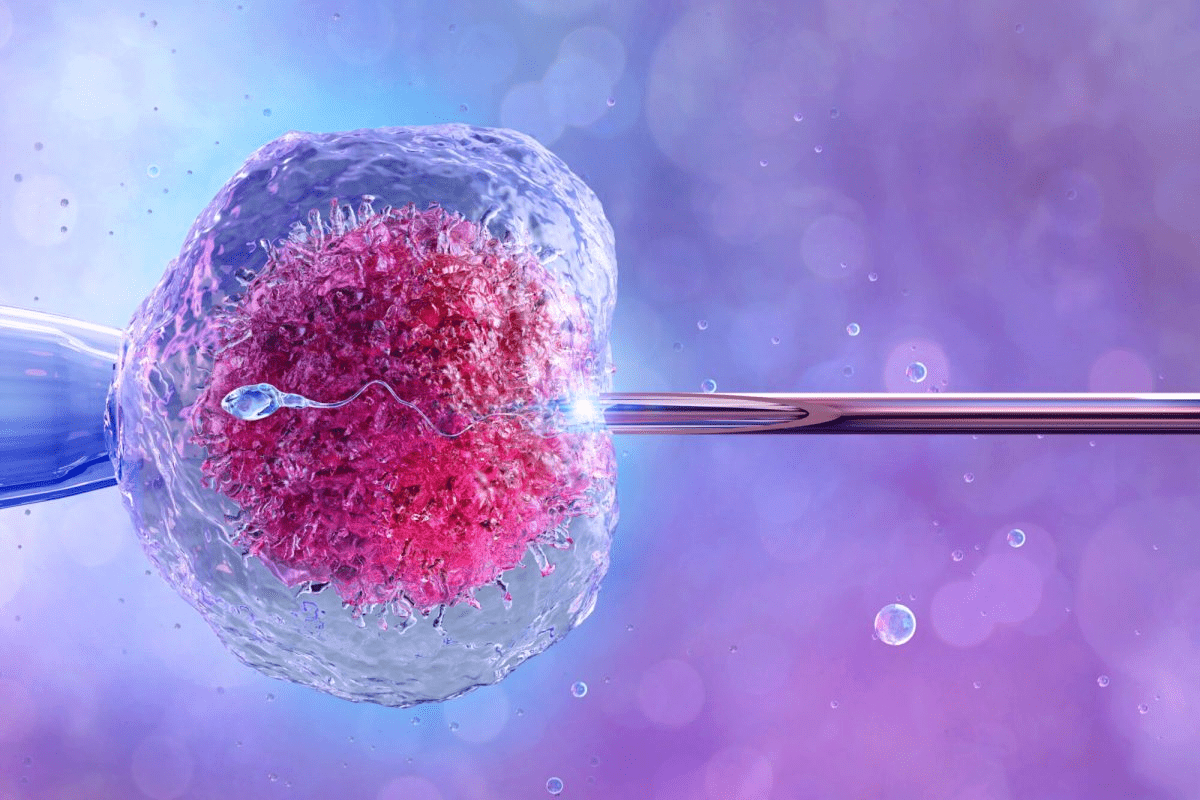
Learning about IVF egg retrieval is key for those starting fertility treatments. This process is a vital part of IVF. It involves collecting eggs from the ovaries after they are stimulated.
The Egg Retrieval Procedure Explained
The egg retrieval process is complex and requires skill. It’s a minor surgery where a fertility expert uses ultrasound to get eggs from the ovaries. This is done under sedation to reduce pain.
First, the ovaries are stimulated with medications to produce many eggs. When the eggs are ready, a trigger shot is given. Then, the egg retrieval is scheduled.
Why Egg Quantity Matters in IVF Success
The number of eggs in IVF greatly affects success. Studies show more eggs mean better chances of healthy embryos. This is because more eggs can lead to more embryos.
| Egg Quantity | Success Rate |
|---|---|
| 1-5 eggs | Lower success rates |
| 8-14 eggs | Optimal success rates |
| 15+ eggs | Higher success rates, but with diminishing returns beyond 20 eggs |
Knowing how many eggs matter can help set realistic hopes for IVF. It helps in making better choices for fertility treatments.
Average Number of Eggs Retrieved During IVF

Knowing how many eggs are usually retrieved during IVF is key for those going through fertility treatments. The number of eggs can greatly affect how well IVF works.
The 8-14 Egg Range
Most IVF cycles get between 8 and 14 eggs. This range is seen as a good sign for a successful egg retrieval. Getting eggs in this range means you have enough for fertilization and they are likely to be of good quality.
What Research Shows About Optimal Egg Numbers
Studies link the number of eggs retrieved to IVF success. Having more eggs can up the chances of getting multiple embryos. But, it’s not just about how many eggs you get; the quality of those eggs matters too. Research finds that live birth rates go up with more eggs until a certain point.
The Significance of the 15-Egg Threshold
Research points to 15 eggs as the best number for IVF success. Getting more than 15 eggs might not improve success rates. The 15-egg mark is important because it’s where the benefits start to decrease. Knowing this can help set realistic hopes for IVF success.
By understanding these points, people can know what to expect from IVF. This knowledge helps them make better choices about their treatment.
How Many Egg Retrievals Is Average for a Successful Outcome
The number of egg retrievals needed for IVF success varies a lot. Age, ovarian reserve, and health are key factors. They help decide how many times you might need to go through the process.
It’s important to know about egg retrieval cycles. This helps set realistic goals and plan your treatment. We’ll look at the average number of retrievals needed, based on age and success rates.
Single vs. Multiple Retrieval Cycles
Some people get pregnant with just one egg retrieval. Others might need more. The choice to do more cycles depends on several things. These include how many eggs are retrieved, their quality, and how well you respond to the treatment.
Multiple retrieval cycles might be needed for a few reasons:
- The first cycle might not get many eggs.
- The eggs might not be of good quality.
- Previous cycles didn’t lead to pregnancy.
Number of Retrievals by Age Group
Age is a big factor in how many egg retrievals you might need. Younger women usually need fewer cycles than older women.
Women between 38-40 might need 3-4 retrievals to have the best chance of success. This is because their egg quality and number might be going down.
Success Rates Based on Cumulative Retrievals
Cumulative retrieval success rates show how likely you are to succeed with more cycles. Studies suggest that more cycles can lead to better success rates, even for those with lower ovarian reserve.
Knowing how many egg retrievals it takes to succeed helps you make better choices. It also helps set more realistic goals for your IVF journey.
Egg Retrieval Statistics for Women Under 35
Women under 35 thinking about IVF should know about egg retrieval numbers and success rates. This age group usually has better egg quality and quantity. This makes them more likely to succeed with IVF.
Average Range: 5-14 Mature Eggs
Women under 35 can expect to get between 5 and 14 mature eggs in an IVF cycle. This is a good range for a successful outcome. The exact number depends on things like ovarian reserve and how well you respond to stimulation.
Success Rates with 15 Eggs
Studies show that with 15 eggs, women aged 18-34 have a 40% live birth rate. This highlights how important it is to get the right number of eggs for a good IVF cycle.
What to Expect in Your First Cycle
Your first IVF cycle should come with realistic expectations. While results can vary, knowing the average egg retrieval numbers and success rates helps. Your egg quality, your fertility specialist’s skill, and your health also affect your IVF success.
By understanding these stats and working with your fertility specialist, you can make better choices. This can help you increase your chances of a successful IVF journey.
Egg Retrieval Numbers for Women 35-37
Women between 35 and 37 face unique challenges in IVF. Their egg retrieval numbers offer insights into their treatment. This age is key because it impacts egg quality and success rates.
Average of 13 Eggs per Retrieval
Women in this age group usually get 13 eggs during IVF. This number is important for live birth chances. Egg quality and quantity often decline with age compared to younger women.
Average Egg Retrieval Numbers by Age
| Age Group | Average Eggs Retrieved |
|---|---|
| 35-37 | 13 |
| Under 35 | 15-20 |
| 38-40 | 10 |
Success Rates with 15 Eggs
Getting 15 eggs at this age can lead to a 36% live birth rate. This is good news for women in this age group. Medical Expert, “The number of eggs retrieved is key for success, even in the mid-30s.”
“The number of eggs retrieved is a critical factor in determining IVF success, even in the mid-30s.” – Medical Expert, Fertility Specialist
Planning for Additional Cycles
Women aged 35-37 might need more IVF cycles. It’s important to talk to your fertility specialist about this. Egg quality, ovarian reserve, and health play a role in needing more cycles.
Knowing about egg retrieval numbers and success rates helps women in this age group. We aim to support and guide them through their IVF journey.
Egg Retrieval Results for Women 38-40
Women between 38 and 40 face unique challenges in IVF. The average number of eggs retrieved is key to success. Egg quality and quantity naturally decline with age.
Average Egg Retrieval Numbers
Women aged 38-40 can get an average of 10 eggs in an IVF cycle. The number can range from 10 to 34 eggs. This range varies based on individual factors and how well the ovaries respond to stimulation.
Success Rates with 15 Eggs
With 15 eggs, women in this age group have a 27% chance of a live birth. This highlights the need to get as many eggs as possible for better success rates.
The Need for Multiple Retrievals
Because egg quality and quantity decrease with age, some women may need more than one retrieval. We help our patients find the best approach for their situation.
| Age Group | Average Eggs Retrieved | Live Birth Rate with 15 Eggs |
|---|---|---|
| 38-40 | 10 | 27% |
| 35-37 | 13 | 36% |
| Under 35 | 5-14 | 40% |
The table shows how egg numbers and success rates change with age. This helps us tailor treatments to each patient’s needs.
We focus on personalized care in IVF. By considering individual factors and adjusting treatments, we aim to increase success rates for women aged 38-40.
Egg Retrieval Outcomes for Women Over 40
Looking into IVF results for women over 40 shows us how egg numbers change with age. As women get older, they have fewer and lower-quality eggs. It’s important to know what to expect and to look at all possible choices.
Average of 8 Mature Eggs
Women over 40 usually get about 8 mature eggs during IVF. This number can change based on how many eggs they have and how well they respond to treatments.
Key Considerations:
- Tests for ovarian reserve can give clues about egg numbers.
- Custom treatment plans can help get more eggs.
Success Rates with 15 Eggs (16% Live Birth Rate)
With 15 eggs, women over 40 have a 16% chance of a live birth. This might seem low, but remember, more cycles can add up. Also, there are other ways to build a family.
| Number of Eggs Retrieved | Live Birth Rate for Women Over 40 |
|---|---|
| 5 | 8% |
| 10 | 12% |
| 15 | 16% |
Realistic Expectations and Alternative Approaches
It’s key to have realistic hopes when trying IVF at 40. Even with 8 eggs, some might find better success with donor eggs or other ways to start a family.
Alternative Approaches to Consider:
- Donor egg programs
- Embryo donation
- Adoption
By knowing the facts and looking at all options, women over 40 can make smart choices for their IVF journey.
Research Findings on Egg Numbers and Success Rates
A major study of over 400,000 IVF cycles has uncovered key insights. It shows how many eggs are retrieved affects success rates. This research helps us understand the link between egg numbers and live births.
Analysis of 400,000+ IVF Cycles
The study looked at data from over 400,000 IVF cycles. This large dataset allowed researchers to spot trends and patterns. Such insights are hard to find in smaller studies.
The Correlation Between Egg Numbers and Live Births
The research found a strong link between egg numbers and live birth rates. More eggs mean higher chances of a live birth, but only up to a point. This is key to understanding IVF success.
Why Success Plateaus at 15-20 Eggs
Live birth rates keep going up with more eggs until around 15 eggs. Then, success rates level off between 15-20 eggs. This shows that more than 15 eggs doesn’t always mean better success.
Diminishing Returns Beyond 20 Eggs
But, the study also found that too many eggs can lead to less success. Having more eggs is good up to a point. But, too many eggs don’t increase live birth chances as much.
These findings can help those going through IVF make better choices. Knowing how egg numbers affect success rates can set realistic expectations. It helps plan the IVF journey more effectively.
Factors Affecting Egg Retrieval Numbers
Knowing what affects egg retrieval is key for IVF success. The number of eggs retrieved can vary a lot between people. Several important factors influence this variation.
Age and Ovarian Reserve
Age is a big factor in egg retrieval numbers. As women get older, they have fewer eggs. Studies show that egg quality and quantity drop after 35.
Ovarian reserve is also critical. Women with lower reserves have fewer eggs. We check reserve through tests like antral follicle count and anti-Müllerian hormone levels.
| Age Group | Average Eggs Retrieved |
|---|---|
| Under 35 | 10-15 |
| 35-37 | 8-12 |
| 38-40 | 5-8 |
| Over 40 | 3-5 |
Stimulation Protocols and Medication Response
The IVF protocol used can affect egg retrieval numbers. Different medications and doses can change egg production. Some women may get more eggs with certain protocols.
How well someone responds to IVF meds can vary a lot. The type and dose of medication, and how sensitive someone is, can affect egg production. We watch patients closely and adjust treatment as needed.
“The choice of stimulation protocol and medication dosage is critical in optimizing egg retrieval numbers. A personalized approach is essential to maximize the chances of success.”
Medical Conditions Impacting Egg Production
Some medical conditions can change egg production and retrieval numbers. For example, PCOS can lead to more eggs, while POI can mean fewer eggs.
Other conditions, like endometriosis, can also affect egg quality and quantity. We consider these conditions when planning treatment to improve IVF success.
Lifestyle and Environmental Factors
Lifestyle and environmental factors can also impact egg retrieval numbers. Smoking, too much alcohol, and toxins can harm egg quality and quantity.
Living a healthy lifestyle, like eating well and exercising, can help IVF success. We guide patients on how to improve their chances of success.
By understanding these factors, we can tailor IVF treatment better. This helps increase the chances of a successful outcome for each patient.
Strategies to Optimize Your Egg Retrieval Results
To get the best results from egg retrieval, you need to prepare well before the cycle. This means making lifestyle changes and getting medical checks. Working with a fertility specialist is also key. They can help tailor treatments to your needs.
Pre-Cycle Preparation
Getting ready for your cycle is very important. Eating well, exercising, and managing stress are all part of it. Medical checks before starting can also help find any issues that might affect your eggs.
Working with Your Fertility Specialist
It’s vital to work closely with a fertility specialist. They can adjust treatments to fit your specific situation. This can help improve how well you respond to medications and increase your chances of success.
When to Consider Additional Retrievals
Knowing when to have more egg retrievals is important for IVF success. Your age, how many eggs you have, and past results can guide this decision. Talking to a fertility specialist can help figure out the best plan.
Balancing Quality and Quantity
It’s important to balance the number and quality of eggs. Having more eggs can help, but the quality of those eggs matters too. Good preparation and careful treatment plans can help with both.
| Strategy | Description | Benefit |
|---|---|---|
| Pre-cycle preparation | Lifestyle changes and medical evaluations | Improved egg quality and quantity |
| Personalized treatment protocols | Tailored medication and stimulation | Optimized egg retrieval |
| Balancing quality and quantity | Careful consideration of egg quality and number | Enhanced IVF success rates |
Conclusion: Setting Realistic Expectations for Your IVF Journey
When we dive into IVF treatment, it’s key to set realistic goals. Knowing how many eggs are usually retrieved helps us prepare better. This knowledge is based on several factors.
Age, how many eggs you have left, and the treatment plan all play a role. These elements affect how many eggs you might get. This information helps us understand success rates better.
By knowing what to expect, we can make better choices about our treatment. This way, we can tailor our care to fit our needs. Our aim is to give you the tools to face your IVF journey with confidence.
FAQ
What is the average number of eggs retrieved during IVF?
On average, 8 to 14 mature eggs are retrieved during an IVF cycle. This number can change based on several factors. These include age, ovarian reserve, and the stimulation protocols used.
How does age affect the number of eggs retrieved during IVF?
Age greatly affects the number of eggs retrieved. Women under 35 usually get between 5 and 14 mature eggs. Women over 40 get about 8 mature eggs on average.
What is considered an optimal number of eggs retrieved for IVF success?
Research shows that getting around 15 eggs is best for success. Getting more than 15 eggs might not improve success rates.
How many egg retrievals are required for a successful IVF outcome?
The number of egg retrievals needed for success varies. It depends on age and ovarian reserve. Some may succeed with one cycle, while others need more.
What are the success rates with 15 eggs retrieved during IVF?
Success rates with 15 eggs vary by age. Women under 35 have a 40% live birth rate. Women aged 35-37 have a 36% rate. Women aged 38-40 have a 27% rate. Women over 40 have a 16% rate.
What factors can impact the number of eggs retrieved during IVF?
Several factors can affect egg retrieval numbers. These include age, ovarian reserve, and stimulation protocols. Individual responses to medication, medical conditions, and lifestyle also play a role.
How can individuals optimize their egg retrieval results?
To improve egg retrieval results, individuals can try several strategies. These include pre-cycle preparation and working with a fertility specialist. Tailoring stimulation protocols and addressing medical conditions can also help.
What is the correlation between egg numbers and live birth rates?
Research shows that live birth rates increase with more eggs retrieved up to 15 eggs. After 15 eggs, success rates don’t improve. Getting more than 20 eggs can actually decrease success rates.
Why do success rates plateau at 15-20 eggs retrieved?
Success rates plateau at 15-20 eggs because more eggs don’t always mean more embryos. Other factors, like egg quality, become more important.
How can individuals set realistic expectations for their IVF journey?
To set realistic expectations, individuals should understand average egg retrieval numbers. They should also know the factors that influence these numbers and how they relate to success rates.
References
National Center for Biotechnology Information. Evidence-Based Medical Guidance. Retrieved from https://pubmed.ncbi.nlm.nih.gov/21558332/