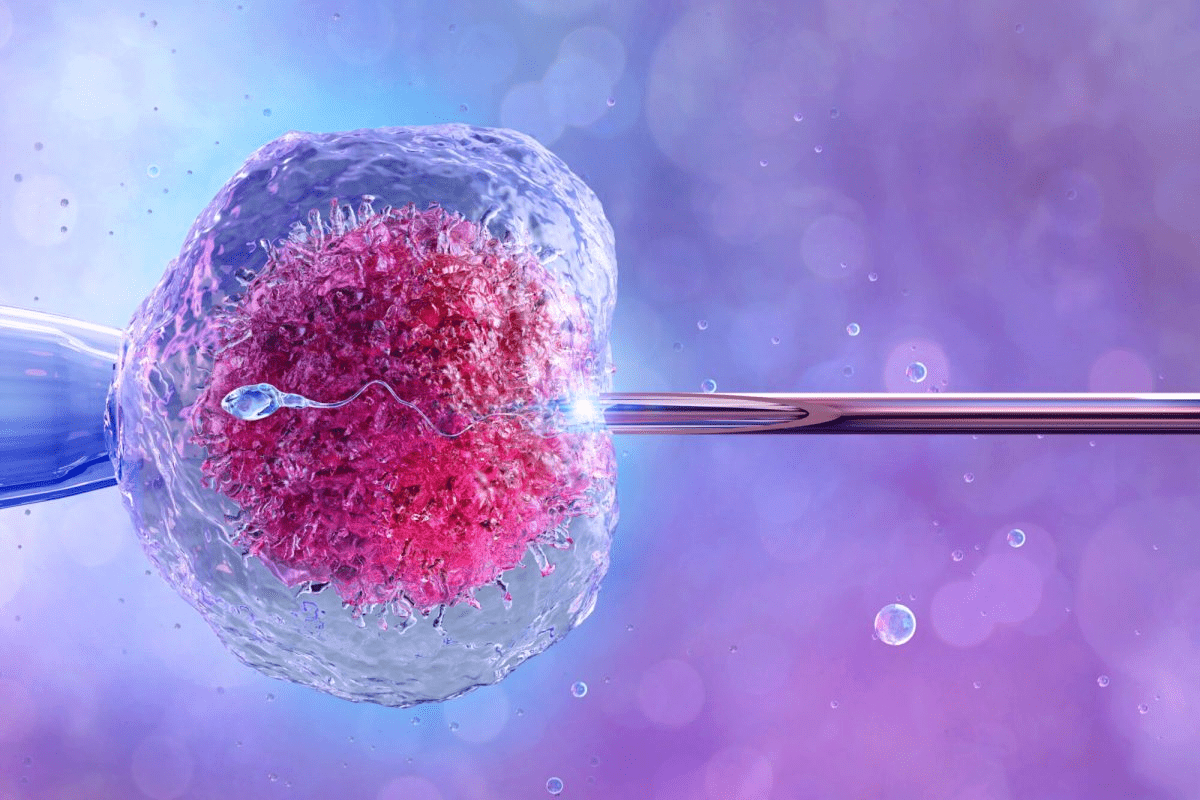
Chart and data on how many eggs are usually retrieved during ivf based on AMH and age. Knowing how many eggs retrieved during IVF is key for those thinking about fertility treatments. Age greatly affects how many eggs you can get and your chances of getting pregnant. We focus on giving you care that fits your unique needs during your IVF journey.
Usually, 10-20 eggs are taken out during IVF. But, this number changes with age. Women under 35 usually get about 16.2 eggs. Women over 42 get around 7.3 eggs. At Liv Hospital, we follow international medical standards to support our patients fully.
We make sure you get personalized care that meets your needs. We aim to guide you through your IVF process with kindness and knowledge.
Key Takeaways
- The number of eggs retrieved during IVF varies significantly by age.
- Women under 35 typically retrieve more eggs than older women.
- Average egg retrieval numbers range from 16.2 eggs for women under 35 to 7.3 eggs for women over 42.
- Personalized care is essential for a successful IVF journey.
- Liv Hospital is committed to providing complete support for international patients.
The IVF Egg Retrieval Process Explained
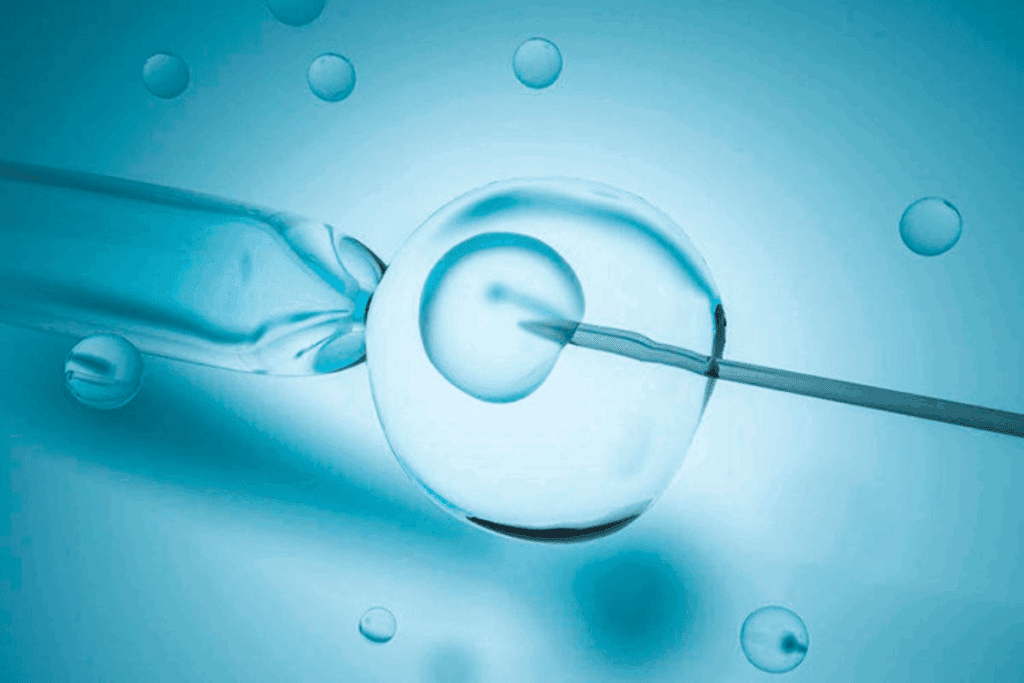
Egg retrieval is a key part of IVF, and knowing what to expect can make it easier. The IVF egg retrieval process is complex, starting with controlled ovarian stimulation.
What Happens During the Egg Retrieval Procedure
The egg retrieval is done under sedation or light anesthesia to reduce pain. A needle is guided by ultrasound to get the eggs from the ovaries. Then, the fluid is checked under a microscope to find and get the eggs.
The whole thing usually takes 15-30 minutes. Most women can go home the same day. They might feel some cramping or spotting later.
“The egg retrieval process is a critical step in IVF, requiring precision and care to maximize the chances of successful fertilization and pregnancy.”
The Science Behind Controlled Ovarian Stimulation
Controlled ovarian stimulation (COS) is key in IVF. COS uses fertility meds to make the ovaries produce many eggs. This increases the chances of getting healthy eggs for fertilization.
The plan for stimulation is made just for you, based on your age, how many eggs you have, and how you’ve reacted to meds before. Ultrasound and blood tests help doctors adjust the meds to get the best results without risks.
Understanding the IVF egg retrieval and controlled ovarian stimulation can help patients feel more confident on their fertility journey.
How Many Eggs Are Usually Retrieved During IVF

Knowing the average number of eggs retrieved during IVF is key. It helps set realistic hopes. The number of eggs can greatly affect treatment success.
Average Range of Eggs Retrieved
Typically, 10-20 eggs are taken out during a standard IVF cycle. This number can change due to several things. These include the woman’s age, how many eggs she has, and the IVF treatment used.
Medical Expert, a fertility expert, says, “The number of eggs is a sign of how well the ovaries respond to treatment. But, the quality of those eggs is just as important.”
“The goal of IVF is not just to get as many eggs as we can. It’s to get enough high-quality eggs to increase the chances of a successful pregnancy.”
Medical Expert, Fertility Specialist
What Constitutes a “Good” Retrieval
Doctors see 10-15 mature eggs as the best. This number is linked to better IVF success rates.
| Number of Eggs Retrieved | Success Rate |
|---|---|
| Less than 5 eggs | Lower success rate |
| 5-9 eggs | Moderate success rate |
| 10-15 eggs | Higher success rate |
| More than 15 eggs | Highest success rate, but with diminishing returns beyond 20 eggs |
While the number of eggs is important, it’s not the only thing that matters. Other factors like egg quality, sperm quality, and how ready the uterus is also count a lot.
We know every person’s fertility journey is different. What’s considered a “good” retrieval can vary. Our fertility experts work with each patient to create a treatment plan that suits them best.
Optimal Egg Numbers for IVF Success
IVF success depends a lot on how many eggs are retrieved. Studies show a specific range is best. The number of eggs affects how well IVF works.
Big studies have given us clues about egg numbers and success. One study looked at over 400,000 IVF cycles. It found a sweet spot for egg numbers.
Research Findings from 400,000+ IVF Cycles
Getting 10 to 15 mature eggs leads to the best success rates. This is because it offers enough eggs for fertilization without too much risk. Too few eggs might mean fewer chances of success. Too many eggs can lead to serious health issues.
Why 10-15 Mature Eggs Represents the Sweet Spot
The 10-15 egg range is ideal for IVF success. It gives enough eggs for fertilization but keeps risks low. This balance helps in choosing the best embryo for transfer.
Having multiple embryos means a better chance of picking the healthiest one. This improves the success rate of IVF.
Diminishing Returns Beyond 15 Retrieved Eggs
But, getting more than 15 eggs doesn’t keep improving success rates. This is because of higher risks of OHSS and lower egg quality. Over-stimulation can harm the ovaries.
Beyond 15 eggs, the extra eggs don’t boost success chances. Instead, they add risks. Fertility experts must carefully manage how they stimulate the ovaries.
Knowing the right number of eggs for IVF success is key. Aiming for 10-15 mature eggs can increase success rates. It also reduces risks.
Understanding Age-Related Decline in Egg Quantity and Quality
As women get older, their ability to have children changes. This includes both how many eggs they have and the quality of those eggs. This natural process, called ovarian reserve depletion, varies from woman to woman but follows a common pattern.
The Biology of Ovarian Reserve Depletion
The ovarian reserve is the number of eggs a woman can use for fertilization. From birth, this number goes down until menopause, when it’s gone. Age is the main reason for this decrease. We’ll look at how this affects IVF success.
How Age Affects Both Egg Numbers and Genetic Quality
Age doesn’t just lower the number of eggs. It also makes them less genetically good. Chromosomal problems increase with age, making it harder to get pregnant and have a healthy baby. We’ll talk about how this affects IVF success rates.
| Age Group | Average Eggs Retrieved | Percentage of Chromosomally Normal Eggs |
|---|---|---|
| Under 35 | 10-15 | 60-70% |
| 35-39 | 5-10 | 40-60% |
| 40 and above | Less than 5 | Less than 20% |
We’ve seen how age impacts egg quantity and quality, key for IVF success. Knowing this helps women make better choices about their reproductive health.
Egg Retrieval Numbers for Women Under 35
IVF success rates for women under 35 depend on how many eggs are retrieved. Knowing what to expect is key for making good treatment choices.
Expected Outcomes
Women under 35 usually get between 5 and 14 eggs during IVF. On average, they get about 16.2 eggs per cycle. This number is good for success.
Success Rates with Different Retrieval Numbers
The number of eggs retrieved greatly affects IVF success. Studies show:
- Getting less than 5 eggs often means lower success rates because there are fewer embryos.
- Getting between 5-14 eggs is usually best. It balances success rates with the risk of OHSS.
- Getting more than 15 eggs can increase success rates but also raises the risk of OHSS.
Our fertility experts help patients aim for the best egg retrieval numbers. They balance the chance of pregnancy with the risk of treatment.
Knowing how egg retrieval numbers affect IVF success helps women under 35 make better choices. They can understand their treatment options better.
Egg Retrieval Numbers for Women Ages 35-39
For women aged 35-39, knowing about egg retrieval numbers is key. It helps set realistic hopes for IVF success. Age plays a big role in how many eggs are retrieved during IVF.
Typical Retrieval Outcomes in This Age Group
Women aged 35-37 usually get about 13 eggs. Those 38-39 get around 10.9 eggs. These numbers are important because they affect IVF success. But, they can change based on many factors like ovarian reserve and health.
“The number of eggs retrieved is a critical factor in determining IVF success rates,” say fertility specialists. “While age is a big factor, it’s not the only one. Egg quality and the woman’s health also matter a lot.”
Why 5-9 Eggs Yields Optimal Pregnancy Rates
Studies show that 5-9 eggs are best for women aged 35-39. This number balances enough eggs for fertilization and avoids overstimulation risks. We’ve seen this ‘sweet spot’ greatly improve IVF success chances.
Getting fewer than 5 eggs might lower success chances. Getting more than 9 eggs doesn’t always mean more success. It can even raise the risk of complications.
Success Probability Based on Retrieval Numbers
The chance of success with IVF depends on how many eggs are retrieved. For women aged 35-39, the data shows:
- Getting 1-4 eggs leads to success rates under 20%.
- Getting 5-9 eggs can result in success rates from 25% to 35%.
- Getting 10 or more eggs might increase success rates, but not always in a straight line.
We stress that while these numbers are helpful, they don’t tell the whole story. Many factors like egg quality, uterine receptivity, and the fertility clinic’s skill also matter for IVF success.
In summary, knowing about egg retrieval numbers is essential for women aged 35-39 going through IVF. By understanding typical outcomes and the best egg number for success, women can make better choices about their treatment.
Egg Retrieval Numbers for Women Age 40 and Above
For women aged 40 and above, knowing about egg retrieval numbers is key. As we get older, our eggs decrease in both quantity and quality. It’s vital to understand what IVF treatment might bring.
Realistic Expectations for Egg Retrieval After 40
Women over 40 often see a big drop in egg quality and quantity. Studies show that women over 42 might get about 7.3 eggs during IVF. This number can change a lot from person to person.
It’s important to talk to a fertility specialist to get a plan that fits you.
The Direct Correlation Between Egg Count and Success
Egg count and IVF success are closely linked for women over 40. More eggs can mean better chances, but it’s not everything. The eggs’ quality, the uterus’s health, and other factors also matter.
Our experience shows that some women over 40 succeed with IVF, even with fewer eggs. But, it’s good to know the challenges and be ready for more cycles.
Knowing how egg count affects IVF success helps you make better choices. We suggest talking to a fertility specialist to figure out the best steps for you.
Factors That Influence Egg Retrieval Beyond Age
Many things can affect how many and how good the eggs are during IVF, not just age. Age is important, but other things also matter a lot. Knowing these can help both patients and doctors get ready for IVF.
Ovarian Reserve Testing: AMH, FSH, and Antral Follicle Count
Ovarian reserve testing is key to figuring out if a woman can have successful egg retrieval. We check a few important things: Anti-Müllerian Hormone (AMH), Follicle-Stimulating Hormone (FSH), and Antral Follicle Count (AFC).
AMH tells us about the eggs left, FSH shows how hard the ovaries are working, and AFC counts small follicles in the ovaries at the start of the cycle.
| Test | What It Measures | Significance for IVF |
|---|---|---|
| AMH | Remaining egg supply | Predicts response to ovarian stimulation |
| FSH | Pituitary gland’s effort to stimulate ovaries | High levels may indicate poor ovarian reserve |
| AFC | Number of antral follicles | Helps predict number of eggs that may be retrieved |
Medical Conditions Affecting Egg Production
Some medical issues can really change how many and how good the eggs are. For example, PCOS can make too many eggs, while POI can make very few.
Other problems, like endometriosis, can also mess with egg quality and IVF success. We look at each patient’s health history to see how it might affect egg retrieval.
Impact of BMI, Smoking, and Other Lifestyle Factors
Lifestyle choices also matter a lot for egg retrieval. BMI can change how well fertility meds work. Being too heavy or too light can hurt egg quality.
Smoking is bad for the ovaries and can make eggs worse. We tell patients to stop smoking before starting IVF to improve their chances.
By knowing about these factors and how they work together, we can make plans that help each patient get the best results from egg retrieval.
The Relationship Between Follicles and Retrieved Eggs
It’s important to know how follicles and eggs work together for IVF success. Follicles are where eggs grow in the ovaries. The number of follicles can tell us how many eggs might be found during IVF.
How Many Eggs Can Be Retrieved Per Follicle
Not every follicle has a mature egg. The number of eggs found per follicle can change. Studies show that 80% to 90% of follicles might have an egg.
Many things affect if an egg is found in a follicle. These include the follicle’s size and quality, the IVF treatment, and the patient’s health.
Why Not All Follicles Yield Mature Eggs
There are reasons why not all follicles have mature eggs. Some follicles have eggs that are not ready yet. Others might be empty or have eggs that can’t be fertilized.
Key factors affecting egg maturity include:
- The quality of the ovarian stimulation protocol
- The patient’s ovarian reserve
- Age and overall health of the patient
Knowing these details helps doctors make better treatment plans. This increases the chances of getting viable eggs for a successful IVF cycle.
Strategies to Optimize Egg Retrieval Results
To get the best results from IVF, we focus on improving egg retrieval. This means creating personalized plans, using advanced treatments, and considering each patient’s unique needs.
Customized Stimulation Protocols by Age Group
One key strategy is using customized stimulation protocols based on age. Younger women and those over 35 need different approaches. This is because they respond differently to treatments.
We adjust medications and dosages based on age, ovarian reserve, and past responses. This tailored approach aims to get more eggs safely, avoiding risks like OHSS.
Adjuvant Therapies and Supplements
Adjuvant therapies and supplements also play a big role. They include DHEA and Coenzyme Q10, which may improve egg quality.
Other treatments like growth hormone and antioxidants might also help. But, we use them carefully, based on each patient’s needs and history.
When Multiple Retrieval Cycles May Be Beneficial
For some, multiple retrieval cycles can be beneficial. This is true for those with low ovarian reserve or poor initial responses.
Multiple cycles can help gather enough eggs for IVF. But, this choice depends on the patient’s health, finances, and emotional readiness.
In summary, improving egg retrieval results combines customized protocols, adjuvant therapies, and sometimes, multiple cycles. Tailoring treatments to each patient can greatly enhance IVF success rates.
Conclusion
Understanding what affects IVF egg retrieval is key for those going through fertility treatments. The number of eggs found during IVF changes a lot with age. Younger women usually get more eggs.
But, other things like how well the ovaries work, health issues, and lifestyle choices also matter a lot. These factors help decide how well IVF will work.
Knowing about these factors helps people understand their IVF journey better. We talked about how age is important but not the only thing that matters. Things like special treatment plans, extra help, and healthy living can really help get more eggs.
Getting to know all about what affects IVF success helps people make smart choices about their treatment. We stress the need for care that fits each person’s unique situation. This way, everyone can get the best results from their IVF treatment.
FAQ
How many eggs are typically retrieved during IVF?
The number of eggs retrieved in IVF varies. It usually ranges from 10 to 20 eggs, depending on age.
What is considered a good number of eggs retrieved during IVF?
Fertility experts say 10-15 mature eggs are best for IVF. This balance increases pregnancy chances while avoiding OHSS risks.
How does age affect the number of eggs retrieved during IVF?
Age greatly affects egg retrieval numbers. Younger women usually get more eggs than older ones. Women under 35 tend to have more eggs, while those over 40 have fewer.
What factors beyond age influence egg retrieval numbers?
Many factors can affect egg retrieval numbers. These include ovarian reserve, medical conditions like PCOS, and lifestyle factors like smoking and BMI.
How many eggs can be retrieved per follicle?
Not every follicle yields a mature egg. Usually, one egg is retrieved per follicle, but egg maturity is not guaranteed.
What is the relationship between follicles and retrieved eggs?
Follicles contain eggs, and follicle numbers hint at egg retrieval possibilities. But, not all follicles have mature eggs.
Can egg retrieval results be optimized?
Yes, egg retrieval results can be improved. Customized stimulation protocols, adjuvant therapies, and supplements can help. Multiple cycles may also be beneficial in some cases.
How does ovarian reserve testing impact IVF treatment?
Ovarian reserve testing, including AMH, FSH, and antral follicle count, helps tailor IVF treatment. It assesses a woman’s egg reserve.
What are the success rates with different egg retrieval numbers?
Success rates vary with egg retrieval numbers. Higher numbers usually mean higher success rates, up to a point. But, individual results can vary a lot.
How many eggs are usually fertilized during IVF?
Egg fertilization in IVF depends on egg and sperm quality. Usually, a portion of retrieved eggs are fertilized, but not all.
What is the average number of eggs retrieved by age?
Egg retrieval numbers vary by age. Women under 35 usually retrieve more eggs than those over 40.
References
National Center for Biotechnology Information. Evidence-Based Medical Guidance. Retrieved from https://pubmed.ncbi.nlm.nih.gov/32308369/