Figuring out the right number of eggs to get during IVF is tricky. It’s a question that has confused both patients and doctors. Old ideas said there was a set number, but new studies show it really depends on the person.
At Liv Hospital, we know every patient is different. We offer care that’s both top-notch and tailored to you. Studies say getting 10 to 15 mature eggs is usually best for success in IVF. But, things like age, how many eggs you have, and your health also matter a lot.
Knowing these things helps us make better choices for your IVF treatment.
Key Takeaways
- The best number of eggs for IVF changes with each patient.
- Getting 10 to 15 mature eggs is often the sweet spot for success.
- Age, how many eggs you have, and your health are big factors.
- It’s all about you when we plan your IVF treatment.
- Liv Hospital mixes world-class care with care that’s just for you.
Understanding the IVF Egg Retrieval Process
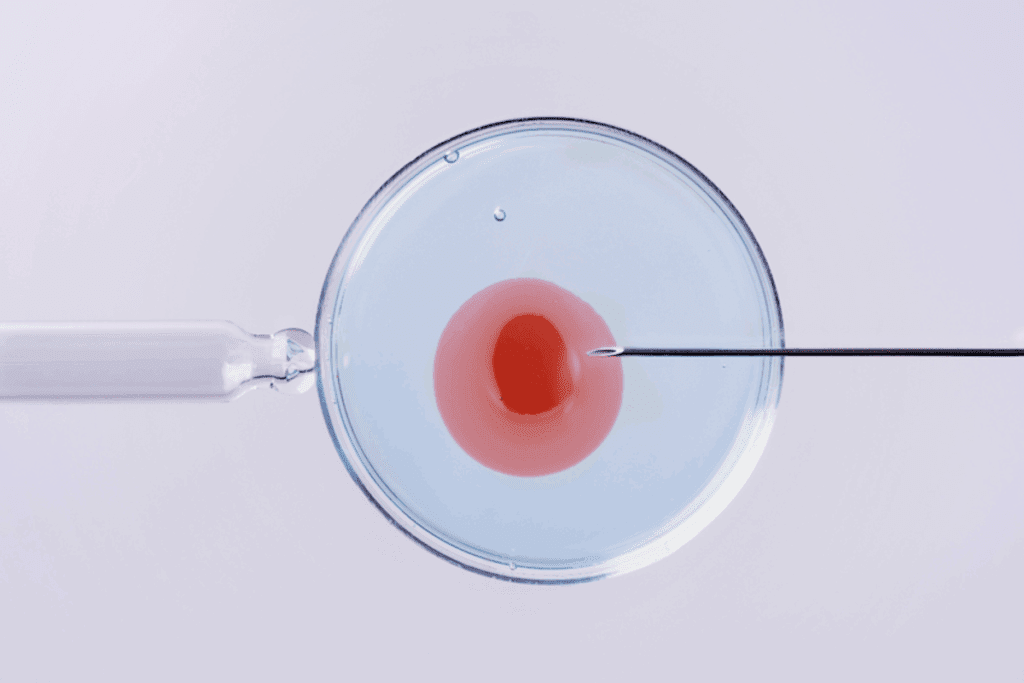
The IVF journey starts with a key step: learning about egg retrieval. This step is vital for IVF success. It affects how many eggs are available for fertilization.
The Role of Egg Retrieval in IVF Treatment
Egg retrieval is a key part of IVF. It lets doctors collect eggs for fertilization outside the body. The more eggs retrieved, the better the chances of successful IVF.
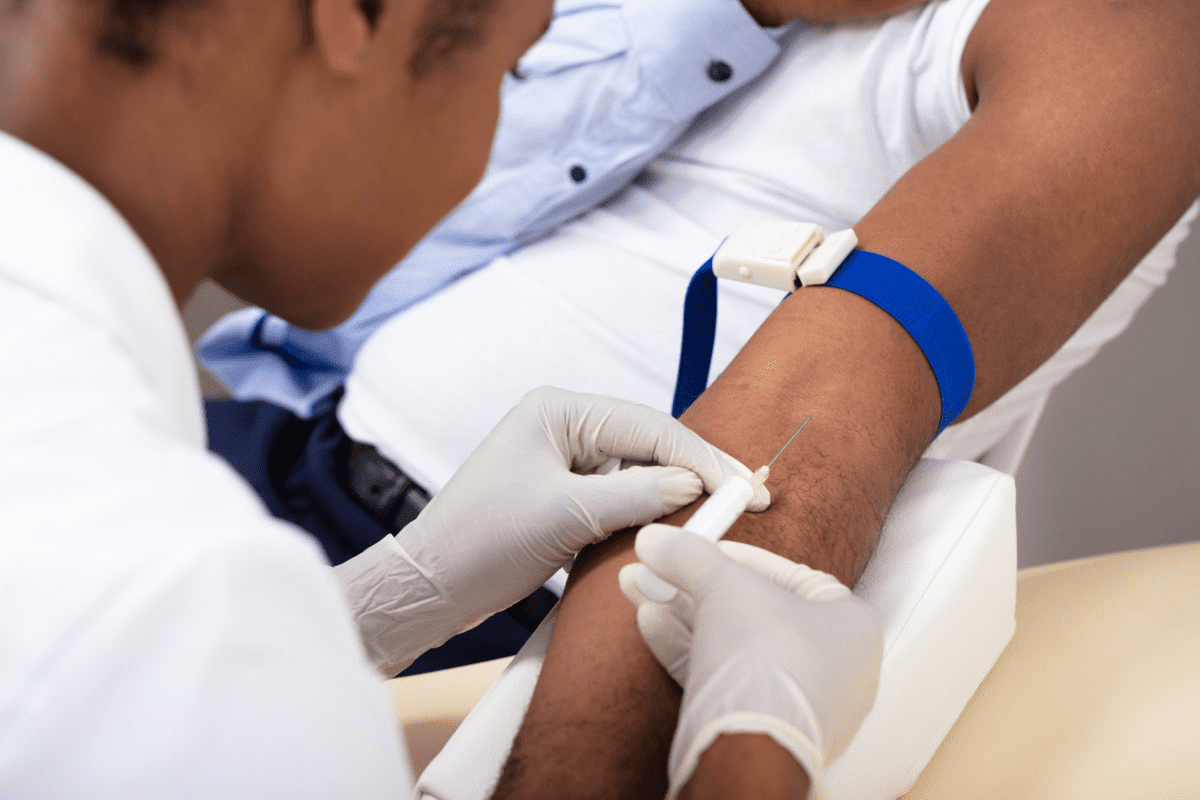
After 13 days of hormone treatments, a thin needle is used to get eggs from follicles. Women under 35 usually get about 16.2 eggs. Those over 42 get an average of 7.3 eggs.
Controlled Ovarian Stimulation
Controlled ovarian stimulation is the first step. Medications are used to make the ovaries produce more eggs. This increases the chances of getting healthy eggs.
The goal is to get as many eggs as possible while avoiding risks. The treatment plan is made based on how well each person responds to the medications.
Monitoring Follicle Development
Tracking follicle growth is key during stimulation. Ultrasound scans and blood tests monitor follicle growth. This helps doctors know when to do the egg retrieval.
| Age Group | Average Eggs Retrieved |
|---|---|
| Under 35 | 16.2 |
| 35-39 | 11.4 |
| 40-42 | 8.5 |
| Over 42 | 7.3 |
By understanding the IVF egg retrieval process, patients can better grasp the complexities. This knowledge helps them appreciate the steps to increase their chances of IVF success.
What Research Says About Optimal Egg Numbers
[Add image here]
Research has explored the best number of eggs for IVF success. It looks into how many eggs to retrieve for the best IVF results.
The 10-15 Egg Range Study
A 2011 study found that 10 to 15 eggs are ideal for IVF. It showed that success rates go up with more eggs, until 15. Then, success rates don’t get much better.
This study said 10-15 eggs are the best. They offer a good balance between success and avoiding problems.
The 2018 Research on 17-25 Eggs
Recent studies suggest even more eggs might be better. A 2018 study found the best success rates with 17-25 eggs. It showed that more eggs mean more embryos, which increases the chance of a healthy embryo for transfer.
Why More Isn’t Always Better
More eggs can mean better chances of IVF success. But, too many eggs can lead to serious problems like Ovarian Hyperstimulation Syndrome (OHSS). OHSS is a serious condition caused by IVF medications.
So, finding the right balance is key. It’s important to get enough eggs for success without risking too many problems.
In summary, research shows the ideal egg number varies. But, knowing these studies helps both patients and doctors make better choices for IVF.
How Many Eggs Is Good for Retrieval: The General Consensus
There’s no single answer to how many eggs are best for IVF. But research has found a general agreement. The number of eggs retrieved can greatly affect the chance of a successful pregnancy. Usually, 10-15 mature eggs are seen as the best for most people. Yet, this can change based on age, egg quality, and other personal factors.
The “Sweet Spot” for Most Patients
Studies show that 10 to 15 eggs often lead to the highest success rates. A study in Human Reproduction found that 11 to 15 eggs resulted in a 34.6% live birth rate per cycle. This range is called the “sweet spot” because it balances success chances with the risks of overstimulation well.
“The optimal number of eggs to retrieve is a delicate balance between maximizing the chances of pregnancy and minimizing the risk of complications.”
– Medical Expert, Fertility Specialist
When Higher Numbers May Be Beneficial
For some, getting more than 15 eggs might be better. This is true for younger patients or those with a history of poor fertilization or failed IVF cycles. More eggs can mean healthier embryos. But, getting too many eggs can raise the risk of Ovarian Hyperstimulation Syndrome (OHSS).
- Younger patients with a high ovarian reserve
- Patients with a history of poor fertilization
- Cases where multiple IVF cycles have failed
When Lower Numbers May Be Sufficient
Some patients might need fewer eggs due to age, diminished ovarian reserve, or previous surgery. Getting fewer eggs doesn’t mean lower success chances. Quality of eggs and patient health are more important for success.
In summary, while 10-15 eggs are often seen as the best, the right number varies. Age, ovarian reserve, and health are key factors in finding the best approach for each person.
Age-Related Factors Affecting Optimal Egg Numbers
Age is key when it comes to how many eggs are best for IVF success. As women get older, their eggs’ quality and number go down. It’s important to know how age affects IVF results.
Under 35: Optimal Numbers and Success Rates
Women under 35 usually need at least 10 eggs for the best pregnancy chances. This age group often responds well to IVF, with eggs of better quality.
Success rates are generally higher in this age group. This is because the eggs are of better quality. We see higher fertilization rates and healthier embryos.
Ages 35-39: Changing Expectations
Women aged 35 to 39 need to think more about their egg numbers. Even though egg quality starts to drop, getting 8 to 12 eggs can lead to good IVF success.
In this age group, finding the right balance is key. It’s about getting enough eggs without risking ovarian hyperstimulation syndrome (OHSS). Personalized treatment plans are very important.
Over 40: Why More Eggs May Be Necessary
For women over 40, the situation is different. The quality and number of eggs drop a lot. So, more eggs are needed to have a good chance of success.
In this age group, getting 15 or more eggs might be needed. This helps make up for the lower quality eggs and increases the chances of getting viable embryos.
| Age Group | Optimal Egg Number | Success Rate |
|---|---|---|
| Under 35 | 10-15 eggs | Higher |
| 35-39 | 8-12 eggs | Moderate |
| Over 40 | 15+ eggs | Lower, but viable |
Knowing these age-related factors helps tailor IVF treatment to each person. This can improve the chances of success.
From Retrieval to Fertilization: What to Expect
After eggs are taken out, the next step is fertilization. This is a key part of IVF. Not all eggs are ready or can be fertilized. Knowing what affects fertilization success is very important.
About 80% of eggs are mature and can be fertilized. If 10 eggs are taken, we expect 8 to be mature. And about 6-7 of those will fertilize.
Typical Fertilization Rates
Fertilization rates can change for many reasons. These include egg and sperm quality, and the IVF method used. On average, 70% to 90% of mature eggs fertilize.
Mature vs. Immature Eggs
The egg’s maturity is key for fertilization. Mature eggs are more likely to be fertilized and grow into healthy embryos. Immature eggs may not be ready and are often thrown away.
Mature eggs are ready for fertilization at the metaphase II stage. Immature eggs are not yet ready or have not finished maturing.
Factors Affecting Fertilization Success
Many things can affect fertilization success. These include:
- Egg quality and maturity
- Sperm quality and count
- The fertilization method (conventional IVF vs. ICSI)
- The age of the individuals involved
Knowing these factors helps us make the IVF treatment better. This increases the chances of successful fertilization and embryo growth.
The Embryo Development Journey
Embryo development is a complex journey that greatly affects IVF success. After fertilization, embryos go through several stages. Each stage is vital for the treatment’s success.
The number of eggs retrieved in IVF affects how many embryos can be transferred. Usually, 30-50% of fertilized embryos reach the blastocyst stage. This is a key milestone in their development.
Day 3 vs. Day 5 Embryos
Embryos are cultured for either 3 or 5 days before transfer. Day 3 embryos are in the cleavage stage, while Day 5 embryos have reached the blastocyst stage. The choice between Day 3 and Day 5 depends on the number and quality of embryos.
| Characteristics | Day 3 Embryos | Day 5 Embryos |
|---|---|---|
| Developmental Stage | Cleavage stage | Blastocyst stage |
| Cell Number | 6-8 cells | Multiple cell layers |
| Implantation Potentia | Lower | Higher |
Blastocyst Formation Rates
The rate of blastocyst formation varies among individuals. Factors like egg quality, sperm quality, and culture conditions affect this rate. A higher rate is linked to better IVF outcomes.
Studies show that 30-50% of fertilized eggs develop into blastocysts. This percentage can change based on the mentioned factors.
Genetic Testing Considerations
Genetic testing of embryos offers valuable insights into their viability and genetic health. Preimplantation genetic testing (PGT) screens for chromosomal abnormalities or specific genetic conditions.
The decision to test embryos depends on several factors. These include the patient’s age, medical history, and past IVF results. Testing can help choose the healthiest embryos for transfer, potentially boosting success rates.
Risks of Retrieving Too Many Eggs
Getting too many eggs during IVF can cause problems. The goal of IVF is to get pregnant, but getting many eggs can lead to issues.
Ovarian Hyperstimulation Syndrome (OHSS)
One big risk is Ovarian Hyperstimulation Syndrome (OHSS). OHSS makes the ovaries swell and can cause serious problems. Symptoms range from mild to severe, including pain, nausea, and in bad cases, blood clots and trouble breathing.
OHSS Risk Factors
- High doses of fertility medications
- Large number of follicles
- Young age
- Low body mass index (BMI)
Impact on Egg Quality
Getting too many eggs can also lower their quality. More eggs might mean a better chance of getting pregnant, but the eggs’ health is key. Overstimulated ovaries can lead to less healthy eggs.
| Number of Eggs Retrieved | Success Rate | Risk of OHSS |
|---|---|---|
| 1-5 | Lower | Low |
| 10-15 | Higher | Moderate |
| 20+ | Highest | High |
Financial Considerations
The cost of IVF can also be affected by the number of eggs. More eggs mean more embryos to freeze and store. This can increase the cost of treatment. OHSS can also lead to extra medical bills for monitoring and hospital stays.
It’s important for IVF patients to know about the risks of getting too many eggs. Being informed helps patients work with their doctors to reduce risks and improve their chances of success.
Challenges of Low Egg Retrieval Numbers
IVF success often depends on how many eggs are retrieved. But what if that number is low? For many, low egg retrieval numbers pose a big challenge. They can affect the chances of getting pregnant through IVF.
Diminished Ovarian Reserve
Low egg retrieval numbers often stem from diminished ovarian reserve. This happens when ovaries lose function, leading to fewer eggs. Women with this condition may face lower IVF success rates due to fewer and lower-quality eggs.
It’s important to understand what causes diminished ovarian reserve. Age, genetics, and certain medical treatments can play a role. When faced with this condition, patients and doctors must explore other ways to increase IVF success.
Poor Responders: Options and Strategies
Those who are poor responders to ovarian stimulation face unique challenges. They might benefit from different treatment plans, like adjusted medication or minimal stimulation IVF. These methods might not produce as many eggs as traditional IVF but can help achieve pregnancy.
Other options for poor responders include:
- Adjusting the dosage or type of fertility medications
- Considering alternative IVF protocols
- Exploring the use of natural cycle IVF
Poor responders should work closely with their reproductive endocrinologist. This helps tailor a treatment plan that meets their specific needs and increases their chances of success.
When to Consider Donor Eggs
For some, low egg retrieval numbers may be too big a hurdle. In such cases, donor eggs can be a good alternative. Donor eggs come from younger women with better ovarian reserve, boosting the chances of successful fertilization and pregnancy.
Choosing donor eggs is a personal decision that should be made after careful thought and consultation with a healthcare provider. Age, ovarian reserve, and past IVF outcomes are important factors to consider when deciding on donor eggs.
Understanding the challenges of low egg retrieval numbers and the options available helps patients make informed decisions about their IVF journey. Whether through adjusted treatment plans or donor eggs, there are ways to achieve success even with these challenges.
Personalizing Your IVF Protocol
Personalizing your IVF protocol is key to success. Every person’s journey through IVF is different. Factors like age, medical history, and how well you respond to treatments play a big role.
Working with Your Reproductive Endocrinologist
Working closely with your reproductive endocrinologist is vital. They will look at your unique situation. This includes your ovarian reserve, hormone levels, and past IVF cycles.
During your first meetings, talk about:
- Your medical history and any past fertility treatments
- Your goals and what you hope to achieve with IVF
- Any worries or questions you have about the process
Together, you and your doctor can create a plan that meets your needs. This plan aims to increase your chances of success.
Adjusting Medications for Optimal Response
Adjusting your medication is a big part of personalizing your IVF protocol. The goal is to get the right number of eggs without overdoing it.
Your doctor might change:
- The type and amount of fertility meds
- How long you’re stimulated
- When you get the trigger shot to get eggs ready
If you’re not responding well, your doctor might suggest different meds or a different approach. If you’re at risk of too much stimulation, they might take it easier.
Lifestyle Factors That May Improve Egg Yield
Some lifestyle choices can also help improve your egg yield and IVF success. While the science is not fully in, consider these:
- Nutritional adjustments: Eat a balanced diet with lots of antioxidants, omega-3s, and folate
- Stress management: Try meditation, yoga, or acupuncture to lower stress and maybe improve IVF results
- Exercise: Regular, moderate exercise is good for your health
- Avoiding harmful substances: Cut down on alcohol, tobacco, and too much caffeine
By combining a personalized medical plan with healthy lifestyle choices, you can boost your chances of success with IVF. Remember, everyone responds differently to IVF. So, it’s important to work closely with your healthcare team to tailor your treatment.
Conclusion: Finding Your Personal Balance for IVF Success
Finding the right number of eggs for IVF is key. We’ve looked at studies and factors like age and health. These all play a part in how many eggs are best.
The number of eggs needed varies for each person. For many, 10-15 eggs is a good start. But, it’s different for everyone. Remember, more eggs don’t always mean better. Too many can lead to OHSS, while too few might lower success chances.
Success in IVF comes from finding what works for you. Working with a reproductive endocrinologist is important. They help create a plan that fits your needs and health. This way, you get the right number of eggs for your IVF.
Knowing what affects egg retrieval and fertilization helps you make smart choices. We’re dedicated to top-notch healthcare and support for international patients. Our goal is to help you build a family.
FAQ
How does age affect the number of eggs retrieved during IVF?
As women get older, they have fewer and lower-quality eggs. Women under 35 usually get more eggs. Those over 40 might get fewer, making each egg more valuable.
What is controlled ovarian stimulation, and how does it impact egg retrieval?
Controlled ovarian stimulation uses medicine to make the ovaries produce more eggs. This is key for IVF success, as it gives more eggs to choose from.
How many eggs are typically fertilized during IVF?
About 70-80% of mature eggs get fertilized. The success depends on the egg and sperm quality.
What is the difference between Day 3 and Day 5 embryos?
Day 3 embryos are at the cleavage stage. Day 5 embryos are blastocysts, which have a better chance of implanting. But, not all embryos grow at the same rate.
What are the risks associated with retrieving too many eggs?
Getting too many eggs can lead to ovarian hyperstimulation syndrome (OHSS), a serious condition. It can also lower egg quality and increase costs.
What options are available for patients with low egg retrieval numbers?
If you have few eggs, you might adjust your medication or try different IVF methods. Using donor eggs is also an option. Talking to a reproductive endocrinologist can help find the best approach.
How can lifestyle factors impact egg yield during IVF?
Eating well, exercising, and managing stress can improve egg yield. Working with your healthcare provider can help find the right lifestyle changes.
What is the role of genetic testing in IVF?
Genetic testing helps pick healthy embryos, reducing the chance of genetic problems. It’s very helpful for older women or those who have had miscarriages.
How many embryos are typically produced during IVF?
The number of embryos varies based on eggs retrieved and fertilized. Usually, several embryos are available for transfer, allowing for the selection of the healthiest ones.
References
National Center for Biotechnology Information. Optimal Egg Retrieval Number for IVF Success: Individualized Approach. Retrieved from https://www.ncbi.nlm.nih.gov/pmc/articles/PMC5134887/