Last Updated on November 26, 2025 by Bilal Hasdemir
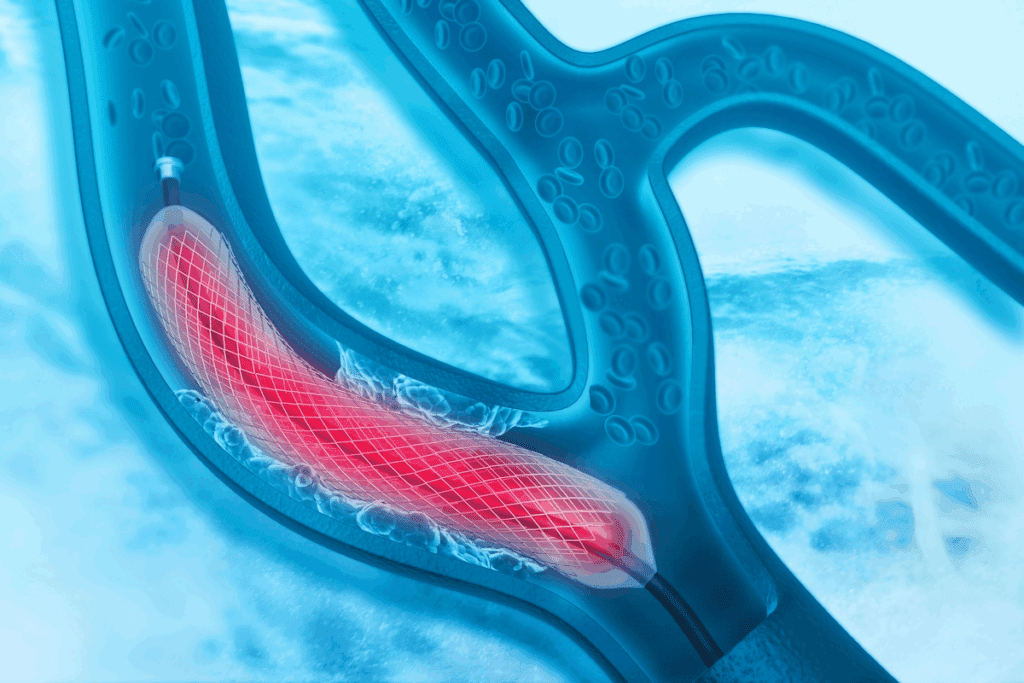
At Liv Hospital, we know that heart stents play a vital role in treating coronary artery disease. A heart stent is a small, mesh-like tube made from metal alloys such as stainless steel or cobalt-chromium. It helps keep narrowed or blocked arteries open, allowing proper blood flow to the heart.
Many patients ask, how many stents can you get in your heart? The answer depends on your heart’s condition and the extent of blockage. Some people may need just one stent, while others might require multiple—sometimes three or more—placed in different arteries. However, cardiologists decide this carefully, based on imaging results and overall heart function.
Each stent is usually 2.0 mm to 5.0 mm wide and 8 mm to 33 mm long, designed to fit different artery sizes. These small, flexible tubes are inserted through a minimally invasive procedure, helping restore normal blood flow safely.
At Liv Hospital, our expert cardiologists focus on personalized care, using the latest medical techniques to ensure the best outcomes for every patient.
Key Takeaways
- Heart stents are small, tube-shaped devices made from metal alloys.
- They are designed to keep narrowed or blocked coronary arteries open.
- The size of heart stents varies, typically ranging from 2.0 mm to 5.0 mm in diameter.
- Heart stents are inserted through minimally invasive procedures.
- Understanding heart stent dimensions is key for patient care and treatment options.
Understanding Heart Stents: An Overview
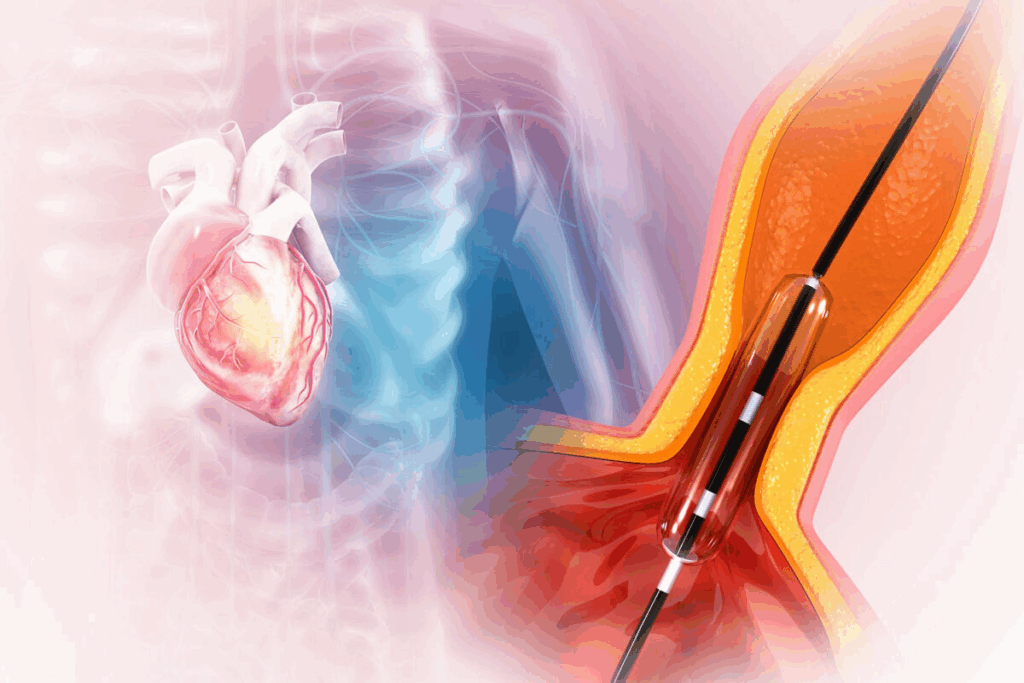
Heart stents are small, mesh-like devices used to keep coronary arteries open. They improve blood flow to the heart. These tiny tubes are key in treating coronary artery disease, caused by plaque buildup.
“The use of stents has become a cornerstone in the management of coronary artery disease,” says a leading cardiologist. Stents support the artery walls and ensure blood flow to the heart muscle. This reduces the risk of heart attack and angina symptoms.
The Purpose of Cardiac Stents
Cardiac stents have several important roles. They help to:
- Keep coronary arteries open after angioplasty
- Improve blood flow to the heart muscle
- Reduce symptoms of angina
- Prevent heart attacks
Stents improve the quality of life for patients with coronary artery disease. Studies show they reduce major cardiac events.
When Stents Are Necessary for Heart Health
Stents are needed for patients with significant coronary artery blockages. Conditions that may require stent placement include:
- Acute coronary syndrome
- Stable ischemic heart disease
- Severe coronary artery disease
In these cases, stents offer a minimally invasive solution to restore blood flow. The decision to use a stent depends on the patient’s condition and medical history.
Understanding heart stents helps patients grasp treatment options for coronary artery disease. As technology advances, stents will likely improve, leading to better patient outcomes.
How Big Is a Stent? Dimensions and Measurements
Heart stents come in different sizes. Knowing these sizes is key for both patients and doctors. The size of a heart stent is very important for treating heart disease.
The size of a stent is mainly about its diameter and length. These sizes help make sure the stent fits right in the artery. This is important for treating blockages.
Standard Diameter Ranges: 2.0mm to 5.0mm
The diameter of a stent is very important. It must match the artery it goes into. Heart stents usually range from 2.0 mm to 5.0 mm. This range helps treat different artery sizes well.
Length Variations: 8mm to 33mm
The length of a stent is also key. It must cover the blockage well. Stent lengths vary from 8 mm to 33 mm. This depends on the blockage size and the patient’s needs.
To understand heart stent sizes better, here’s a quick summary:
| Dimension | Typical Range |
| Diameter | 2.0 mm – 5.0 mm |
| Length | 8 mm – 33 mm |
Typical coronary stents are 8 to 48 millimeters long. They are 2 to 5 millimeters wide. But, the exact size depends on the patient and the blockage.
Knowing heart stent sizes is very important. It helps pick the right stent for each patient. By looking at diameter and length, doctors can make sure the stent fits well. This leads to better treatment results.
What Does a Heart Stent Look Like?
A heart stent is a small, mesh-like cylinder. It keeps arteries open and boosts blood flow to the heart. This might seem complex, but it’s actually simple. Let’s dive into the details of heart stent structure and appearance.
Mesh-Like Structure and Lattice Design
Heart stents have a detailed mesh-like structure, like tiny fishing nets. This design is flexible and can expand, which is vital for moving through blood vessels. It also supports artery walls well.
The mesh design is usually made from metal alloys. These materials are strong and safe for the body. The lattice pattern lets the stent be compressed for easy insertion. Then, it expands to fit snugly in the artery.
Visual Comparison to Everyday Objects
Imagine a heart stent as a spring coil or a mesh tube. These objects are flexible and can expand. Like a spring, a stent is small for insertion and then grows to support the artery walls.
The table below compares stents with everyday objects to help you see their structure:
| Stent Feature | Everyday Object Comparison | Description |
| Mesh-Like Structure | Tiny Fishing Net | Flexible and expandable design |
| Lattice Design | Spring Coil | Provides strength and support |
| Expandable | Mesh Tube | Can be compressed and expanded |
By comparing heart stents to everyday objects, we can grasp their complex design. Their mesh-like structure and lattice design are essential for keeping arteries open and improving heart health.
Materials Used in Modern Heart Stents
Modern heart stents are made from important materials. These materials help the stents work well and keep patients safe. Most stents are made from metal alloys like stainless steel or cobalt-chromium. These materials are strong and safe for the body.
Metal Alloys: Stainless Steel and Cobalt-Chromium
Stainless steel and cobalt-chromium are top choices for stent materials. Stainless steel is durable and doesn’t corrode easily. Cobalt-chromium alloys are flexible and show up well on X-rays, making them easier to see during procedures.
These metals are picked for their strength and how well they work with the body. They help avoid bad reactions.
Drug-Eluting vs. Bare Metal Stents
There are two main types of heart stents: drug-eluting stents (DES) and bare metal stents (BMS). Drug-eluting stents have a special coating that helps prevent the artery from getting narrow again. This coating slowly releases medicine to keep the artery healthy.
Bare metal stents are just metal without any coating. They help keep the artery open but don’t have the extra benefit of medicine to prevent narrowing.
Choosing between drug-eluting and bare metal stents depends on many things. These include the patient’s health history, the type of blockage, and the doctor’s advice.
| Stent Type | Material | Drug Coating | Primary Benefit |
| Drug-Eluting Stent (DES) | Metal Alloy (e.g., Stainless Steel, Cobalt-Chromium) | Yes | Reduces Restenosis |
| Bare Metal Stent (BMS) | Metal Alloy (e.g., Stainless Steel, Cobalt-Chromium) | No | Provides Structural Support |
The Heart Stent Insertion Procedure
Heart stent insertion is a new way to treat heart disease. It’s a small procedure that helps open blocked arteries. It involves several important steps to place the stent correctly.
Preparation for Stent Placement
Before the stent goes in, tests are done to find the blockage. Coronary angiography shows the arteries and where the blockage is.
Then, the patient gets local anesthesia. This numbs the area where the catheter will go.
Catheterization Process
A catheter is put through an artery in the leg or arm. It’s guided to the blocked artery using fluoroscopy, a special X-ray.
“The catheterization process is a key step in the stent insertion. It needs great care to safely reach the blocked artery.”
Balloon Angioplasty and Stent Deployment
Once the catheter is in place, balloon angioplasty is done. A balloon is inflated to widen the artery. Then, the stent is put in to keep the artery open.
This method has greatly helped patients with heart disease. It’s a less invasive option than surgery.
How Does a Heart Stent Work?
A heart stent works by giving mechanical support to artery walls. This ensures blood keeps flowing without interruption. The stent helps keep the artery open, which is key for the heart muscle to get the blood it needs.
Mechanical Support for Artery Walls
A heart stent acts like a scaffold. It keeps the artery open and stops it from getting blocked again. This support is vital for keeping the artery open, allowing for unobstructed blood flow to the heart muscle.
Doctors say, “Stents help blood flow better through the artery where they’re placed. Along with angioplasty, they can stop a heart attack and improve symptoms of heart disease.” This shows how important stents are for heart health.
Improving Blood Flow to Heart Muscle
Stents keep the artery open, making sure the heart muscle gets the oxygen and nutrients it needs. This improvement in blood flow lowers the risk of heart attacks and eases symptoms like chest pain and shortness of breath.
We know how important it is for heart stents to work right after they’re placed. They provide mechanical support and improve blood flow, playing a big role in keeping the heart healthy.
“The use of stents has revolutionized the treatment of coronary artery disease, improving patient outcomes and quality of life.”
Timeline: How Long Does It Take to Put in a Stent?
Knowing how long a stent placement takes is key for patients. We’ll cover what affects the time it takes and what recovery is like.
Factors Affecting Procedure Duration
The time for stent placement can range from 30 to 90 minutes. Several things can change this time, like the case’s complexity and the patient’s health.
Procedures like PCI, carotid artery stenting, and EVAR have their own times. Each procedure has unique factors that can influence the time needed.
- The complexity of the blockage or lesion being treated
- The number of stents being placed
- The patient’s vascular anatomy
- Any complications that may arise during the procedure
A leading cardiologist says, “The time for a stent placement isn’t just about the doctor’s skill. It also depends on the patient’s condition and how they react to treatment.”
“The more complex the case, the longer the procedure may take.”
Recovery Time After Stent Placement
Recovery after a stent placement is important. Most patients go home within a day or two. But, full recovery can take weeks.
It’s good to have a recovery plan. This plan usually includes:
- Resting for the rest of the day after the procedure
- Avoiding heavy lifting and strenuous activities for a few days
- Following a healthy diet and lifestyle
- Attending follow-up appointments with their healthcare provider
Most patients can get back to normal in a week or two. But, some might need more time. Always follow your healthcare team’s advice.
By knowing what affects the time for stent placement and following a good recovery plan, patients can get the best results.
Customization of Heart Stents for Patient Anatomy
Customizing heart stents for each patient is key to success in cardiac care. Every patient’s blood vessels are different. So, we tailor stent placement to fit each person’s needs.
Choosing the right stent size is important. We look at the widest part of the blood vessel. This makes sure the stent is just right, avoiding problems. Getting the size right is vital for the stent to work well and prevent future issues.
Selecting the Right Stent Size for Individual Patients
Finding the right stent size is a detailed process. We study the patient’s blood vessels closely. This helps us pick a stent that fits perfectly.
- We measure the diameter to ensure a good fit.
- The stent’s length is chosen based on the blockage’s size.
- We also think about the patient’s overall health and future needs.
Advancements in Stent Design and Technology
New stent designs and technologies have made procedures better. Stents now are more flexible and deliver drugs more effectively. They also come in more precise sizes.
New materials and making techniques have made stents safer and more effective. For example, drug-eluting stents have cut down on restenosis. Also, new coatings make stents better for the body.
In cardiology, customizing stents is essential for top-notch care. By using the latest tech and focusing on the patient, we get better results. This improves our patients’ lives.
Conclusion: Living with a Heart Stent
Getting a heart stent can change your life. It’s key to know how to live with it to keep your heart healthy. People with stents usually recover faster than those who have CABG surgery.
Following aftercare instructions is vital to keep the stent working right. This means making lifestyle changes and taking your medicines as told. This way, you can lower the chance of problems and keep your heart working well.
Places like Liv Hospital are important for heart stent patients. They offer top-notch care that combines the latest in medicine with caring for patients. Their help is key in guiding patients through recovery and teaching them how to manage their heart health long-term.
Living with a heart stent means you have to keep working on your heart health. By staying in touch with your doctors and making smart choices about your lifestyle, you can improve your heart health and feel better overall.
FAQ
How big is a heart stent?
Heart stents are usually between 2.0 mm to 5.0 mm wide. They are 8 mm to 33 mm long.
What does a heart stent look like?
Heart stents look like tiny mesh nets or spring coils. This design makes them flexible and expandable.
What are heart stents made of?
Today’s heart stents are made from metal alloys. These include stainless steel and cobalt-chromium. They are strong and safe for the body.
How do stents work?
Stents support the artery walls. They prevent collapse and blockages. This ensures blood flows well to the heart.
What is the purpose of a cardiac stent?
Cardiac stents keep coronary arteries open. They improve blood flow to the heart. They help patients with coronary artery disease.
When are stents necessary for heart health?
Stents are needed for acute coronary syndrome and stable ischemic heart disease. These conditions cause severe blockages.
How is a stent inserted?
Inserting a stent involves catheterization and balloon angioplasty. The stent is then deployed to widen the artery.
How long does it take to put in a stent?
Putting in a stent takes 30 to 90 minutes. The time varies based on the case’s complexity and the procedure.
What is the difference between drug-eluting stents and bare metal stents?
Drug-eluting stents release medication to prevent narrowing. Bare metal stents are just metal without any coating.
How are heart stents customized for individual patients?
New stent designs and technology allow for customization. This means stents can be made to fit each patient’s needs more precisely.
What is the recovery time after stent placement?
Recovery time after stent placement varies. Patients must follow aftercare instructions. This helps the stent work well and reduces complications.
References
- Hagemeister, J., et al. (2005). Compliance of a cobalt chromium coronary stent alloy. PMC. https://pmc.ncbi.nlm.nih.gov/articles/PMC1283148/