Last Updated on December 2, 2025 by Bilal Hasdemir

Many people get hernia surgery each year. They often wonder: how long will the repair last? The answer depends on several things. These include the type of hernia, the surgery method, and the patient’s health how many years hernia repair last.
The durability of hernia repair is influenced by many factors. It’s important to know what affects how long it lasts. By looking at these factors, patients can understand what to expect from their hernia surgery.
Key Takeaways
- The type of hernia affects the longevity of the repair.
- Surgical technique plays a critical role in the durability of hernia repair.
- Patient-related factors can influence the success of hernia surgery.
- Understanding these factors helps patients have realistic expectations.
- The longevity of hernia repairs can differ significantly between individuals.
Understanding Hernia Repairs and Their Durability

Understanding the various types of hernias and their associated challenges is crucial to determining the lifespan of hernia repairs. Hernias happen when an organ or tissue bulges through a weak spot in the muscle or tissue that usually keeps it in place.
Types of Hernias and Their Repair Challenges
There are many types of hernias, each with its own repair hurdles. The most common ones are:
- Inguinal hernias, which occur in the groin area
- Femoral hernias, which occur in the upper thigh
- Umbilical hernias, which occur around the belly button
- Incisional hernias, which occur through a scar or incision in the abdomen
Each hernia type has its own repair challenges. For example, inguinal hernias are the most common and can be fixed in several ways. Femoral hernias, more common in women, need a more careful approach.
Hernia Type | Common Repair Challenges |
Inguinal | Mesh complications, recurrence |
Femoral | Delicate dissection, risk of femoral vessel injury |
Umbilical | High recurrence rate if not properly closed |
Common Surgical Approaches to Hernia Repair
Surgical methods for hernia repair have improved, giving patients more options. The main methods are open repair and laparoscopic repair.
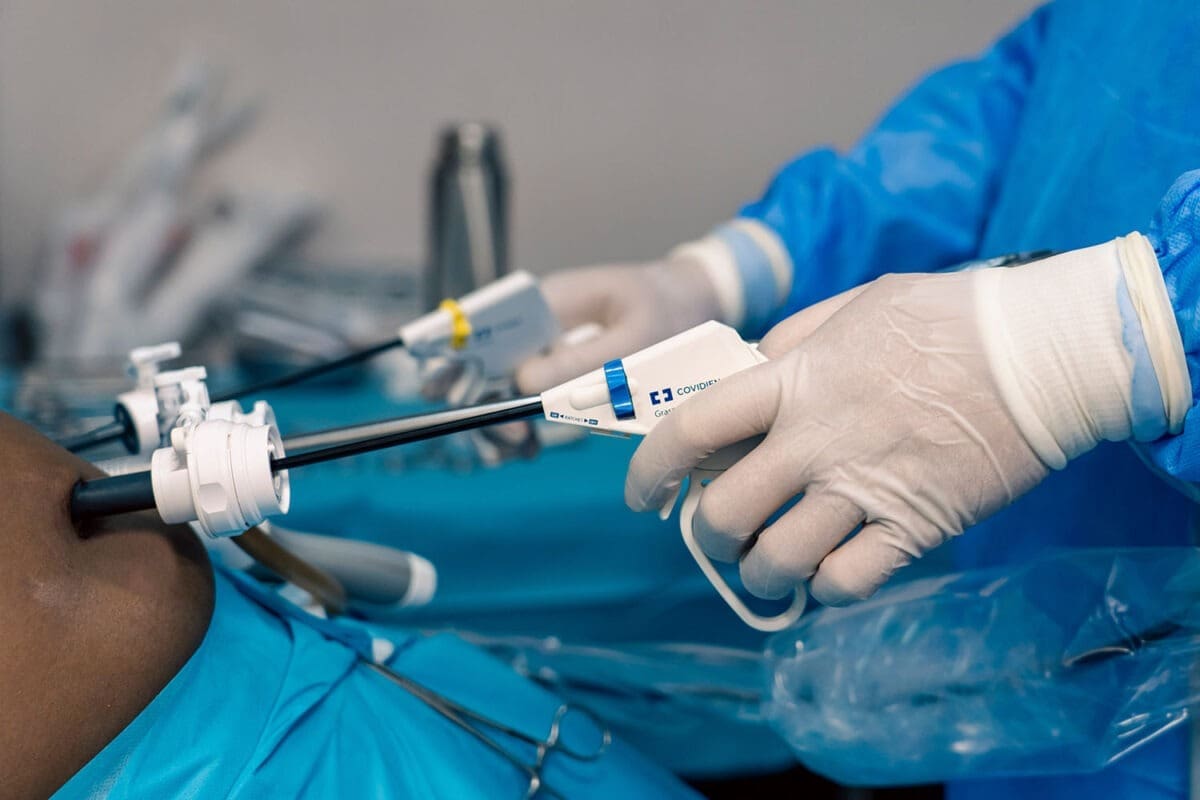
Open repair uses one big incision in the abdomen to fix the hernia. It’s a straightforward method. Laparoscopic repair, with its small incisions and camera, is less invasive and might lead to quicker recovery.
It’s important for both patients and healthcare providers to understand these surgical methods and their effects on hernia repair durability.
The Expected Lifespan of Hernia Repairs

The length of time a hernia repair lasts can change a lot. This depends on the type of hernia, the surgery method, and the patient’s health.
Average Durability Statistics by Repair Type
Each type of hernia repair has its own durability stats. Mesh repairs usually last longer than those done with sutures. Studies show mesh repairs can last 10 to 15 years or more.
Mesh Repairs: These are very durable. Some studies say the failure rate is less than 5% over 10 years.
Suture-Only Repairs: These have a higher failure rate. It’s often between 10% to 20% over 5 years.
Variation in Longevity Based on Hernia Location
The location of the hernia affects how long the repair lasts. For example, groin area hernias have different longevity than belly button or cut hernias.
- Inguinal hernias fixed with mesh often have a failure rate under 2% over 5 years.
- Umbilical hernias in adults might have a higher failure rate if not reinforced well.
What Medical Research Reveals About Repair Permanence
Medical studies give us important info on hernia repair permanence. They show many repairs can last for years, but the risk of failure grows over time.
Things that affect how long a repair lasts include the surgery method, the repair material (like mesh type), and patient factors like age, weight, and smoking.
Factors That Determine How Many Years Hernia Repair Last
The life of a hernia repair depends on many things. These include the patient’s health, the surgery method, and post-op care.
Patient-Related Factors Affecting Durability
Things about the patient greatly affect how long a hernia repair lasts. Age and overall health are key. Older people or those with health issues might see their repair not last as long.
A study found that older patients face a higher risk of hernia coming back. This is because their tissues are weaker and they might have other health problems.
“The presence of comorbidities such as diabetes and smoking can significantly impact the durability of hernia repairs.”
Surgical Technique Factors
The way a hernia is fixed also matters a lot. Using mesh placement tends to make repairs last longer than just stitches.
The skill of the surgeon and the method used can change the outcome. Laparoscopic repairs, for example, lead to quicker healing and fewer problems. This makes the repair last longer.
Post-Operative Care and Its Impact on Longevity
How well a patient recovers after surgery is very important. Good wound care and following activity guidelines can lower the chance of problems and the repair coming back.
Doctors usually tell patients to avoid heavy lifting and hard activities for a few weeks after surgery. Following these rules can help the repair last longer.
Mesh vs. Non-Mesh Repairs: Longevity Comparison
Choosing between mesh and non-mesh techniques for hernia repair is key. It affects how long the repair lasts. The debate is about which method is better for patients.
Synthetic Mesh Durability and Long-Term Outcomes
Synthetic mesh is popular for hernia repairs because it lasts long and works well. Studies have shown it has fewer recurrences than non-mesh methods. But, the type of synthetic mesh matters for how long it lasts.
Polypropylene mesh is very durable and doesn’t break down easily. Newer mesh materials are designed to be partially absorbed. This might reduce problems while keeping the repair strong.
Biological Mesh Lifespan and Applications
Biological meshes come from animal tissues and are used when synthetic mesh isn’t right. They last differently, with some studies showing more recurrences than synthetic mesh.
But, biological meshes are great for complex cases. They help tissue grow and might lower risks from synthetic materials.
Suture-Only Repair Longevity and Limitations
Suture-only repairs don’t use mesh and have been used before. They work sometimes but often have more recurrences than mesh repairs. Their lasting power depends on how tight the repair is and if the sutures break.
Limitations of suture-only repairs include more recurrences, mainly in bigger hernias. This makes mesh repairs a better choice for many doctors.
Hernia Mesh Longevity: What to Expect
The life of hernia mesh repairs depends on many things. These include the mesh type, how the surgery is done, and the patient’s health. Generally, mesh repairs are very durable and can last for decades.
Repair Type | Average Longevity | Recurrence Rate |
Synthetic Mesh | 10-20 years | Low ( |
Biological Mesh | 5-10 years | Moderate (5-15%) |
Suture-Only | Variable | High (>20%) |
Open vs. Laparoscopic Repair: Impact on Long-Term Results
The choice between open and laparoscopic repair greatly affects hernia surgery outcomes. Each method has its own benefits and drawbacks. These factors influence recovery time, recurrence rates, and patient satisfaction.
Long-Term Outcomes of Open Repairs
Open hernia repair is a traditional approach. It involves one incision to access and repair the hernia. While effective, it often leads to longer recovery times and higher recurrence rates compared to laparoscopic methods.
“The long-term success of open hernia repair is well-documented, but it requires careful patient selection and meticulous surgical technique.”
Long-Term Outcomes of Laparoscopic Repairs
Laparoscopic hernia repair uses several small incisions. A camera and instruments are inserted to repair the hernia. This method causes less tissue damage, reduces postoperative pain, and leads to quicker recovery times.
Repair Method | Recurrence Rate | Complication Rate |
Open Repair | 5-10% | 10-15% |
Laparoscopic Repair | 2-5% | 5-10% |
Robotic-Assisted Repairs and Their Durability
Robotic-assisted hernia repair is a new technique. It combines laparoscopic surgery’s benefits with robotic precision and dexterity. Early studies suggest it may offer better long-term outcomes than traditional laparoscopic repairs.
Hernia Recurrence Rates Over Time
The chance of a hernia coming back changes over time. Many things can affect this. Knowing these rates helps patients who have had hernia surgery. It helps them understand what to expect and how to take care of themselves after surgery.
First Year Recurrence Statistics
Most hernias come back within the first year after surgery. The rate can be between 1% and 10%. This depends on the type of hernia and the surgery method.
Laparoscopic repairs often have lower rates than open repairs in the first year.
Five-Year Recurrence Rates
Looking at five years after surgery, we see how well the repair worked. Studies show that by then, the rates can vary a lot. They often show how successful the surgery was and the patient’s health.
Some studies say that by this time, the rate can be as low as 5% for some mesh repairs.
Ten-Year and Beyond Recurrence Data
Data on hernia recurrence beyond ten years is rare but important. It shows how long hernia repairs last. Research suggests that some patients may see their risk go up over time.
Things like the mesh type, patient lifestyle, and health issues affect long-term results.
Factors That Increase Recurrence Risk
Many things can make a hernia come back. These include being overweight, smoking, and lifting heavy things. The surgery method and mesh quality also matter.
How well a patient takes care of themselves after surgery is key. Following recommended lifestyle changes can help a lot.
Understanding these factors and rates helps patients and doctors. They can work together to lower the chance of recurrence. This ensures the best results after hernia surgery.
Signs That Your Hernia Repair Is Failing
It’s important to know the signs of hernia repair failure. After surgery, watch your body closely for any unusual symptoms.
Physical Symptoms of Repair Failure
Physical symptoms can show if your hernia repair is failing. Look out for:
- Swelling or bulging at or near the repair site
- Pain or discomfort, often during activity
- Nausea or vomiting, which could mean bowel obstruction
- Fever, a sign of infection
These signs need quick medical help if they don’t get better or get worse.
Pain Patterns That Suggest Complications
Pain is a big warning sign after hernia repair. The type and how bad the pain is can tell a lot:
- Acute pain at the surgery site might mean infection or mesh issues.
- Chronic pain that lasts too long could be nerve damage or mesh problems.
Keep an eye on your pain and tell your doctor about it.
When to Consult Your Doctor About Possible Recurrence
If you notice any of these, see your doctor:
Symptom | Possible Indication |
Increasing pain | Potential recurrence or complication |
Visible bulge | Hernia recurrence |
Fever or redness | Infection |
If you have unusual symptoms or worry about your recovery, contact your healthcare provider.
Common Causes of Hernia Repair Failure
Hernia repair failure is a complex issue. It’s influenced by technical surgical issues and patient risk factors. Knowing these causes is key to making hernia repairs last longer and work better.
Technical Surgical Issues Leading to Failure
Technical problems during surgery are a big reason for hernia repair failure. Issues like not placing the mesh right, not closing the hernia defect well, and bad fixation techniques can cause it to come back.
Patient Risk Factors for Unsuccessful Repairs
Things about the patient can also make hernia repair fail. Age, being overweight, smoking, and health problems can slow healing and make it more likely for the hernia to come back.
Mesh-Related Complications and Their Frequency
Complications from the mesh used in repairs are another big issue. Mesh can sometimes cause problems like it moving, getting infected, or sticking to other tissues.
Mesh-Related Complication | Frequency | Common Symptoms |
Mesh Migration | 2-5% | Pain, swelling, and palpable mass |
Infection | 1-3% | Redness, fever, and wound discharge |
Adhesion Formation | 5-10% | Abdominal pain, bowel obstruction |
It’s important to know about these possible problems to manage what patients expect and improve results. Doctors and patients need to think about the good and bad of using mesh.
Extending the Lifespan of Your Hernia Repair
To make sure your hernia repair lasts, you need to take care of yourself after surgery. This means following certain guidelines and making smart choices. Doing so can help your repair last longer.
Post-Surgery Activity Guidelines for Optimal Healing
After hernia surgery, it’s important to slowly get back to normal activities. Avoid heavy lifting, bending, or hard exercises for 4-6 weeks after surgery. Walking is okay to keep blood flowing and prevent clots.
Also, pay attention to your posture and don’t strain yourself. Using the right lifting techniques and avoiding sudden movements can lower the chance of the hernia coming back.
Activity | Recommended Timing Post-Surgery | Guidelines |
Light Walking | Immediately after surgery | Short walks around the house |
Light Household Chores | 2-3 weeks post-surgery | Avoid heavy lifting or bending |
Moderate Exercise | 4-6 weeks post-surgery | Gradually increase intensity |
Strenuous Activities/Heavy Lifting | 6-8 weeks or as advised by the doctor | Avoid until fully cleared by the surgeon |
Lifestyle Modifications to Prevent Recurrence
Changing your lifestyle can help prevent the hernia from coming back. Keeping a healthy weight, quitting smoking, and eating a diet full of fiber can help. Also, managing chronic coughing and avoiding constipation can help reduce pressure on the repaired area.
It’s also good to stop smoking and drink less alcohol. These habits can slow down healing and increase the risk of problems.
Long-Term Maintenance Strategies for Repair Durability
Long-term care means sticking to healthy habits and seeing your doctor regularly. Doing regular, moderate exercise can make your abdominal muscles stronger. It’s also important to watch for any signs of problems or if the hernia comes back.
By taking care of yourself after surgery, making lifestyle changes, and keeping up with maintenance, you can make your hernia repair last longer. This will help you live a better life.
Hernia Surgery Success Rate and Effectiveness
Hernia surgery is common, but its success depends on many factors. The type of hernia, the surgery method, and the patient’s health all matter.
Statistical Analysis of Long-Term Success
Research shows that hernia surgery success rates differ. Laparoscopic repair often has a low recurrence rate, around 1-2% in five years. Open repair might see a recurrence rate of 2-5% in the same time frame.
The mesh type, surgery method, and patient health are key to success. Age and overall health also play a role.
Measuring Effectiveness Beyond Recurrence
Recurrence rates are important, but they’re not everything. A good surgery also means a better quality of life for the patient. This includes less pain, quicker recovery, and being happy with the outcome.
Laparoscopic repair often leads to less pain and faster recovery. This shows why looking at the whole recovery is important.
Quality of Life Considerations in Successful Repairs
Improving a patient’s quality of life is key to a successful hernia surgery. A good repair means no more pain and being able to do things you love again. Many patients see big improvements in their lives after surgery.
Choosing the right mesh and surgery method is vital. Good post-surgery care and rehabilitation help patients get the best results.
Advancements in Hernia Repair Technology
New technologies are changing how we treat hernias. These changes make treatments more durable and effective. This is great news for patients.
New Mesh Materials and Their Longevity Benefits
New mesh materials are a big step forward. They are made to work better with the body. This reduces complications and makes repairs last longer.
Biological meshes come from natural tissues. They are very compatible with the body. Synthetic meshes have also improved, with stronger and more durable materials.
Innovative Surgical Techniques Improving Durability
New surgical methods are also making repairs last longer. Laparoscopic surgery is a key example. It’s less invasive, which means less recovery time and fewer complications.
Robotic-assisted surgery is another innovation. It gives surgeons more precision and control. This can lead to more accurate repairs.
Future Directions in Extending Hernia Repair Lifespan
Future research aims to make repairs even better. There’s a focus on smart meshes that can adapt to the body. This could prevent problems before they start.
As these technologies improve, patients will see better results. They will enjoy a better quality of life and have less chance of needing another surgery.
Special Considerations for Different Patient Populations
Hernia repair needs vary by patient group. Each group has unique factors that affect repair success and longevity. Tailored approaches are necessary for the best outcomes.
Pediatric Hernia Repair Longevity
Children need special care for hernia repairs. These repairs are usually successful, with a low chance of needing another surgery. Laparoscopic methods are often used, leading to faster recovery times.
Geriatric Patients and Repair Durability
Older patients face extra health challenges that can impact repair success. The choice of surgery and mesh material must consider their health and life expectancy.
Athletes and High-Activity Individuals: Maintaining Repair Integrity
For athletes and those who are very active, hernia repairs must be strong. The right mesh and surgical method are key to avoiding future problems.
Obese Patients and Hernia Repair Challenges
Obese patients have unique challenges with hernia repairs. High intra-abdominal pressure is a big issue. Special surgery and care plans are needed to improve results.
Patient Group | Considerations | Surgical Approach |
Pediatric | Developmental stage, low recurrence rate | Laparoscopic |
Geriatric | Comorbidities, life expectancy | Tailored to health status |
Athletes | High physical strain, mesh durability | Robust mesh, precise technique |
Obese | Increased intra-abdominal pressure | Specialized approach, post-operative care |
Healthcare providers must understand these special needs. This knowledge helps them create effective treatment plans for all patients.
When Revision Surgery May Be Necessary
Hernia recurrence or repair failure might mean you need a second surgery, called revision surgery. This is when the first surgery doesn’t work as hoped, often because the hernia comes back or there are problems.
Indications for Repeat Repair
There are a few reasons you might need revision surgery. These include:
- Recurrence of the hernia
- Complications such as infection or mesh rejection
- Chronic pain or discomfort
- Failure of the initial repair to adequately address the hernia
A study on the website says the decision for revision surgery is based on a thorough check-up. This check-up looks at why the first surgery didn’t work.
Success Rates of Revision Surgeries
The success of revision surgery depends on many things. These include why the first surgery failed, the surgical method, and the patient’s health. Studies show that while revision surgery can work, its success rates might not be the same as the first surgery.
“Revision surgery requires a tailored approach to address the specific challenges presented by each patient.” This quote shows how complex and personal revision surgeries are.
Recovery Expectations After Secondary Repairs
Recovery from revision surgery might be different from the first time. The extent of the surgery, the method used, and the patient’s health all play a role. Usually, patients are told to follow a similar care plan as after the first surgery, but with some adjustments.
It’s important to know what to expect after surgery. Talking to your doctor about revision surgery and recovery is key. They can give you advice tailored to your situation.
Conclusion
Hernia repair is a very effective treatment. But, how long it lasts depends on many things. These include the surgery method, the patient’s health, and how well they care for themselves after surgery.
The type of hernia and where it is can greatly affect hernia repair longevity. For example, mesh repairs often last longer than suture-only repairs. This is because mesh helps the repair stay strong over time.
Hernia surgery durability also depends on the patient. Things like age, health, and lifestyle play a big role. By choosing the right activities and making healthy lifestyle choices, people can make their repair last longer.
In the end, a successful hernia repair needs good surgery, proper care after surgery, and a healthy lifestyle. Knowing what affects hernia repair longevity helps people take steps to make their repair last. This improves their quality of life.
FAQ
How long does a hernia repair typically last?
The life of a hernia repair depends on many things. These include the type of hernia, the surgery method, and the patient’s health. Generally, a hernia repair can last for many years. But, it’s hard to say exactly how long.
What is the average durability of different types of hernia repairs?
The life of hernia repairs varies by type. Mesh repairs usually last longer than non-mesh repairs. Studies show mesh repairs can last 10-15 years or more. Non-mesh repairs might not last as long.
How does the location of the hernia affect the longevity of the repair?
Where the hernia is can affect how long the repair lasts. Hernias in high-pressure areas, like the groin, might not last as long. But, hernias in lower-pressure areas, like the abdominal wall, might last longer.
What are the signs that indicate hernia repair failure?
Signs of a failed hernia repair include a bulge or lump, pain, and bowel obstruction. Chronic pain or discomfort could also mean mesh problems.
How can I extend the lifespan of my hernia repair?
To make your hernia repair last longer, follow activity guidelines after surgery. Stay healthy, avoid heavy lifting, and manage conditions like obesity or diabetes. These steps can help prevent recurrence.
What are the common causes of hernia repair failure?
Hernia repair failures often come from surgical mistakes, patient risks, or mesh problems. Mistakes in surgery or mesh placement are common. Patient risks include obesity, smoking, and chronic coughing.
How effective is hernia surgery in the long term?
Hernia surgery is usually very effective in the long run. Studies show it has a low failure rate. It greatly improves patients’ quality of life.
What advancements have been made in hernia repair technology?
New hernia repair tech includes better mesh materials and surgical methods. Biologic and absorbable meshes, and robotic-assisted repairs are some examples. These aim to make repairs more durable and effective.
Are there special considerations for different patient populations?
Yes, different patients need special care. Kids might need special mesh, while older patients need gentler surgery. Athletes and active people should modify their activities. Obese patients might need extra support to prevent recurrence.
When is revision surgery necessary?
Revision surgery is needed if the first repair fails or comes back. Reasons include recurrent hernias, chronic pain, or mesh issues. The success of revision surgeries depends on the case and the reason for failure.
What is the success rate of revision surgeries?
Revision surgeries are less successful than first-time repairs. But, with the right patient and technique, they can work well. They help manage recurrent hernias and improve life quality.
References
National Center for Biotechnology Information. Evidence-Based Medical Insight. Retrieved from https://www.ncbi.nlm.nih.gov/pmc/articles/PMC5901827/