Last Updated on November 26, 2025 by Bilal Hasdemir
After a heart stent procedure, many patients wonder how much weight can you lift after a stent safely. The answer depends on several factors, including your heart health, the type of stent used, and your overall recovery progress.
Determining safe weight-lifting limits is essential to avoid putting strain on your heart or causing complications at the stent site. Generally, doctors advise avoiding heavy lifting during the early stages of recovery.
At Liv Hospital, we focus on patient safety and personalized guidance. Our experts provide advice on gradually resuming exercises and safely building strength, so you regain confidence while protecting your heart. Knowing how much weight can you lift after a stent ensures a smooth and safe return to physical activity.
Key Takeaways
- Safe weight lifting limits after a heart stent procedure vary based on individual heart health.
- The type of stent used and whether a heart attack occurred are key factors.
- Patients are generally advised to avoid heavy lifting during the initial recovery.
- A patient-centered approach helps in safely rebuilding strength and confidence.
- Expert guidance is essential for resuming exercise while protecting the heart.
Understanding Heart Stent Procedures and Recovery

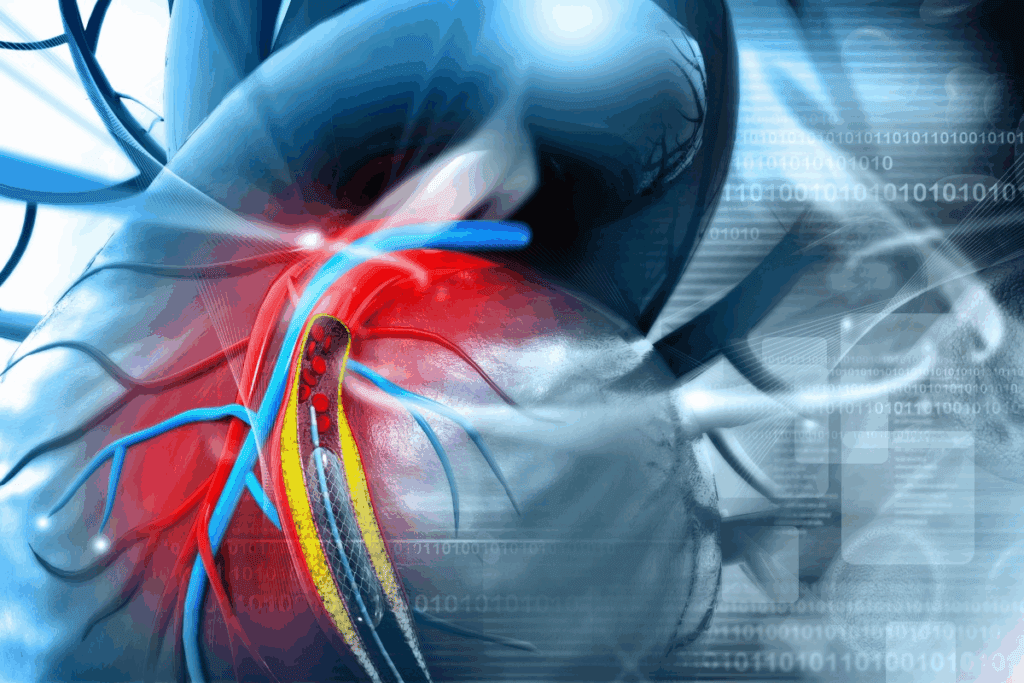
After a heart stent procedure, knowing how to recover is key. A heart stent is a small, wire mesh tube in a blocked artery. It helps blood flow to the heart.
What is a Heart Stent?
A heart stent is a small device used after angioplasty. It keeps the artery open after the balloon is removed. This helps prevent the artery from blocking again. It’s important for managing coronary artery disease and preventing heart attacks.
The Healing Process After Stent Placement
The body naturally responds to the stent with scar tissue. The stent is placed with a balloon angioplasty. It expands to keep the artery open. Over time, the artery heals, and the risk of restenosis goes down. It’s important to follow your doctor’s instructions during this time.
- Follow a healthy diet to support heart health
- Adhere to prescribed medications to prevent clotting and promote healing
- Attend follow-up appointments to monitor the healing process
Different Types of Stents and Their Impact on Recovery
There are different stents, like bare metal and drug-eluting stents. Bare metal stents are made of metal mesh. Drug-eluting stents release medication to prevent cell growth. The type of stent depends on the patient’s health and artery condition.
| Stent Type | Description | Impact on Recovery |
| Bare Metal Stent | Made of metal mesh, keeps the artery open mechanically | Higher risk of restenosis requires longer antiplatelet therapy |
| Drug-Eluting Stent | Releases medication to prevent cell proliferation | Lower risk of restenosis, may require longer antiplatelet therapy |
Knowing about heart stent procedures and recovery helps patients make better choices. By following medical advice and living a healthy lifestyle, people can get the most from their stent placement. This improves their heart health.
The Importance of Physical Activity After a Stent
Getting a heart stent means you need to start moving more. Exercise is key to your heart’s health. It’s safe and helps you feel better overall.
Benefits of Exercise for Heart Health
Exercise is great for your heart. It makes your heart work better and lowers the chance of heart problems. It also makes you feel better overall.
It can lower your blood pressure and improve your cholesterol levels. Studies show that exercising after a stent can lead to better health and fewer heart issues.
How Exercise Affects Stented Arteries
Exercise helps stented arteries by improving blood flow. It keeps the arteries open and healthy. It’s important to follow a safe exercise plan.
Evidence Supporting Safe Return to Activity
Many studies prove that with the right guidance, you can safely start exercising again after a stent. A big review found that exercise programs help lower heart risks.
| Study | Sample Size | Outcome |
| Smith et al. (2020) | 1000 patients | Significant reduction in cardiovascular events |
| Johnson et al. (2019) | 500 patients | Improved cardiovascular fitness and reduced mortality |
| Williams et al. (2018) | 750 patients | Enhanced overall well-being and reduced symptoms |
In short, moving more is vital after a heart stent. Knowing the benefits and following a safe plan lets you enjoy exercise while staying safe.
Initial Recovery Period: What to Expect
Recovering from a heart stent procedure takes time and understanding. The first few days are very important for a good recovery. We’ll help you know what to expect during this time.
First Few Days After the Procedure
After you go home, rest for the first two days. You might feel very tired and weak the next day. Resting is key to helping your body heal. You might see some bruising or soreness where the catheter was, but it usually goes away.
Weeks 1-4: Gradual Return to Activity
As you start the first few weeks, you can slowly get back to normal. Listen to your body and don’t rush. Most people can do light activities in a week. But, wait for a doctor’s okay before doing hard activities.
| Week | Activity Level | Guidelines |
| 1 | Light | Resume daily activities like walking, but avoid heavy lifting |
| 2-3 | Moderate | Gradually increase activity, introduce light exercise |
| 4 | Near Normal | Most activities can be resumed, pending medical clearance for strenuous exercise |
When to Expect Medical Clearance for Exercise
You’ll get the okay for exercise after a check-up with your doctor. This might include a stress test to make sure your heart is ready. Always follow your doctor’s advice about when to start or resume exercise, such as strenuous activities or weight lifting.
By knowing the recovery period and following your doctor’s advice, you can have a safe and smooth recovery. Remember, patience and a slow return to activity are important for your strength and the success of your stent placement.
How Much Weight Can You Lift After a Stent?
After getting a heart stent, many wonder how much they can lift safely. The answer depends on your heart health and the stent type. It’s best to wait at least a week before lifting heavy things.
General Guidelines Based on Recovery Timeline
The recovery time is key to knowing how much you can lift. In the first days, avoid heavy lifting and hard activities. As you get better, you can start doing more.
- In the first week, stick to lifting light things, like objects under 10-15 pounds.
- By weeks 2-4, you might lift moderate weights, about 20-30 pounds, with your doctor’s okay.
- After a month, your doctor might say it’s okay to do harder activities, like lifting heavier weights.
Factors That Influence Weight Lifting Capacity
Many things affect how much you can lift after a stent. These include:
- The stent type and where it’s placed in the artery.
- Your heart health and any health issues you had before.
- How old are you and how fit you are.
- Any problems during or after the stent was put in.
Knowing these factors helps make a safe lifting plan just for you.
Personalized Approach to Weight Limits
It’s important to have a plan that’s just right for you. Talk to your doctor to figure out how much you can lift safely. They might do tests to see if your heart is ready for more activity.
With a plan made just for you, you can start lifting weights again. This will help your heart get stronger and speed up your recovery.
Medical Evaluation Before Resuming Resistance Training
Before you start resistance training again after a heart stent, getting a full medical check-up is key. This check-up is not just a formality. It’s a vital step to make sure you’re safe while exercising.
The Role of Stress Tests
A big part of this check-up is often a stress test. Stress tests check how your heart works when you’re physically active. You might walk on a treadmill or ride a stationary bike. This test shows how your heart handles stress and spots any problems that might happen during exercise.
If you’re going to do intense workouts, talking to your cardiologist about a treadmill stress test is smart. The test’s results give your doctor important info about your heart’s stress performance.
Physician Assessment Criteria
Your doctor will look at several things to see if you’re ready for resistance training. They’ll check your stress test results, your overall health, and details about your stent. They’re looking for signs of reduced blood flow to the heart or other issues during the test.
Your doctor will also check your current symptoms, medical history, and any medicines you take. This thorough check helps figure out the right exercises for you.
Creating a Personalized Exercise Plan
After your medical check-up, your doctor will make a personalized exercise plan for you. This plan will fit your health, fitness goals and any safety precautions you need. It’s a detailed plan to help you safely get back into resistance training.
A good exercise plan helps you reach your fitness goals and lowers the risk of problems. It’s like a guide that shows you how to exercise safely. This way, you can start resistance training again with confidence, knowing you’re doing it right.
Cardiac Rehabilitation: Your Roadmap to Recovery
Cardiac rehabilitation is a detailed plan for getting better after a heart stent. It helps patients regain their heart health. This program is designed to help patients reach their health goals and improve their quality of life.
These programs start with an assessment to check the patient’s health and fitness. Most insurance covers these programs for those who have had a heart attack. This makes them a helpful resource for many.
The Structure of Cardiac Rehab Programs
Cardiac rehab programs have different phases. First, patients learn about their condition and how to recover. They also learn about making lifestyle changes.
The main part of these programs is supervised exercise. It’s tailored to each patient’s needs and gets more challenging as they get stronger.
These exercises often start with walking, cycling, or swimming. Aerobic exercise boosts the heart’s ability to pump blood. This improves circulation and lowers the risk of heart problems.
Transitioning from Aerobic to Resistance Exercises
As patients get better, they start doing resistance training. This helps build muscle strength and endurance. Healthcare professionals carefully manage this transition to make sure the heart is ready.
Resistance training uses light weights, bands, or body weight. It aims to improve muscle fitness without stressing the heart too much. Patients are closely watched to adjust the training as needed.
| Exercise Type | Initial Intensity | Progression |
| Aerobic | Low to Moderate | Increased duration and intensity |
| Resistance | Light Weights | Gradual increase in weight or reps |
Working with Exercise Physiologists and Specialists
Cardiac rehab offers the chance to work with exercise physiologists and specialists. They customize the program to meet each patient’s needs. This ensures a safe and effective recovery.
By joining cardiac rehab, patients not only get physically better. They also learn how to manage their condition and prevent future heart problems. This approach empowers patients to take charge of their health, leading to better outcomes.
Safe Resistance Training Progression After a Stent
A heart stent procedure is a big step towards recovery and getting back to physical activities. Adding resistance training to your routine can boost your heart health. A 2023 Scientific Statement by the American Heart Association says it helps keep muscle mass and strength up. This is important for those who have had a heart stent.
Starting with Light Weights and Body Weight Exercises
Begin with light weights and body weight exercises when you start resistance training after a stent. This method helps you build strength slowly without stressing your heart too much. Start with squats, lunges, and leg raises. These exercises work many muscles without needing heavy weights.
Sample Body Weight Exercises:
- Push-ups
- Seated leg raises
- Wall squats
- Arm circles
Monitoring Your Body’s Response
It’s important to watch how your body reacts to resistance training, even more so after a heart stent. Be on the lookout for signs like chest pain, dizziness, or shortness of breath. If you notice any, stop right away and talk to your doctor.
Listen to your body and adjust your workout plan as needed.
Gradual Progression Techniques
Slowly increasing the intensity of your workouts is key to safe resistance training after a stent. Gradually add weight, reps, or sets over time. A well-planned progression helps you reach your fitness goals without risking your heart health.
| Week | Exercise | Sets/Reps | Weight |
| 1-2 | Leg Press | 3 sets of 10 reps | Light |
| 3-4 | Leg Press | 3 sets of 12 reps | Moderate |
| 5-6 | Leg Press | 4 sets of 15 reps | Heavy |
Sample Exercises That Minimize Cardiac Strain
Some exercises are better for patients with a heart stent because they put less strain on the heart. These include lower-body exercises and those that don’t make you hold your breath or strain.
By sticking to a structured resistance training program and paying attention to your body, you can safely improve your fitness after a heart stent procedure.
Potential Risks and Warning Signs
After a heart stent procedure, it’s important to know the risks of physical activity. Exercise is good for the heart, but there are risks and warning signs to watch out for. This ensures a safe recovery.
Can a Heart Stent Move During Exercise?
Many worry if a heart stent can move during exercise. Stent movement is very rare if you follow the right exercise protocols. It, Pushing too hard during recovery can raise the risk of stent problems. Always follow your doctor’s advice to stay safe.
Warning Signs to Stop Exercising Immediately
Knowing when to stop exercising is key. Look out for these warning signs:
- Severe chest pain or discomfort
- Shortness of breath
- Dizziness or lightheadedness
- Pain or discomfort in the arms, back, neck, jaw, or stomach
If you notice any of these, stop exercising and get medical help right away.
Chest Pain While Lifting: When to Worry
Chest pain while lifting or exercising is a worry. Not all chest pain is heart-related, but it’s important to tell the difference. If the pain is severe, spreads, or comes with shortness of breath, get medical help.
When to Seek Medical Attention
Knowing when to get medical help is key for your safety. If you see any warning signs or have concerns about your recovery or stent, talk to your healthcare provider. Regular check-ups and being proactive about your health can lower risks from exercising after a heart stent.
Conclusion
Recovering from a heart stent procedure needs careful planning and following medical advice. Knowing what to avoid helps patients recover well. Avoiding heavy lifting, driving too soon, and flying too soon after the procedure helps a lot.
We talked about the importance of medical checks, cardiac rehab, and safe exercise. Adding these to their recovery plan helps patients improve their heart health and overall well-being. It’s key to follow stent recovery tips, like slowly getting back to physical activities and watching how the body reacts.
In short, a good recovery after a heart stent procedure is possible by following the right precautions and guidelines. This way, patients can avoid risks and enjoy the benefits of their treatment. They can live a healthier and more active life.
FAQ
How soon can I exercise after a heart stent procedure?
The time to start exercising after a heart stent varies. It depends on your health and the procedure details. Usually, you should avoid heavy lifting and hard activities for a few days to a week. Always listen to your doctor’s advice.
What are the best exercises after angioplasty and stenting?
Start with low-impact exercises like walking, cycling, or swimming after angioplasty and stenting. These improve heart health without too much strain. You can add resistance training later, with a doctor’s or exercise physiologist’s help.
Can a heart stent move or be dislodged during exercise?
It’s rare for a heart stent to move or get dislodged during exercise. But, there’s a small risk if the stent isn’t fully covered or if there’s a lot of stress on it. Getting a medical check before exercising can lower this risk.
What should I avoid after having a stent inserted?
Avoid heavy lifting, bending, or hard activities after a stent. Stick to your medication, go to follow-up appointments, and watch for any signs of problems or stent failure.
Can lifting heavy weights damage my heart after a stent procedure?
Lifting heavy weights can strain your heart, which is risky after a stent. Always follow your doctor’s advice on safe lifting and gradually increase your activity.
When can I lift 50 pounds after open-heart surgery or a stent procedure?
The time to lift 50 pounds varies based on your recovery and the surgery details. Usually, it’s best to avoid heavy lifting for weeks. Always get your doctor’s okay before lifting heavy.
What are the warning signs that I should stop exercising immediately after a stent procedure?
Stop exercising right away if you have chest pain, shortness of breath, dizziness, or any unusual symptoms. If you notice any, stop and see a doctor.
How does cardiac rehabilitation help after a heart stent procedure?
Cardiac rehab offers a safe, supervised program after a heart stent. It helps you regain heart health and feel better. You’ll do aerobic exercises, resistance training, and learn about heart-healthy living.
References
- Rassaf, T., Steiner, S., & Kelm, M. (2013). Postoperative care and follow-up after coronary stenting. Dtsch Arztebl International, 110 (5), 72-82. https://www.ncbi.nlm.nih.gov/pmc/articles/PMC3576602/
- Shroff, A., Gilchrist, I., Caputo, R., Bertrand, M., & Pancholy, S. (2016). Same-day discharge after percutaneous coronary intervention. JAMA Cardiology, 1 (3), e160141. https://jamanetwork.com/journals/jamacardiology/fullarticle/2506675
- Li, J., et al. (2024). Analysis of influential factors of stent-related adverse outcomes: A 10-year single-centre study. Scientific Reports, 14, 79362. https://www.nature.com/articles/s41598-024-79362-7