Last Updated on November 27, 2025 by Bilal Hasdemir
For those navigating the challenges of endometriosis, understanding the role of laparoscopic resection is crucial. This minimally invasive procedure is considered the gold standard for both diagnosis and treatment.
At Liv Hospital, we are committed to providing leading-edge, patient-focused care. Our approach to managing endometriosis involves utilizing laparoscopic surgery, which enables surgeons to directly visualize and remove endometriotic lesions.
The decision on how often to undergo laparoscopic resection depends on individual medical needs and symptom recurrence. Studies indicate that recurrences after initial surgery can occur, potentially leading to repeat interventions.
Key Takeaways
- Laparoscopic resection is a minimally invasive procedure for diagnosing and treating endometriosis.
- It is considered the gold standard for both diagnostic and therapeutic interventions.
- The frequency of the procedure depends on individual medical needs and symptom recurrence.
- Recurrences after initial surgery can occur in up to 20–40% of cases within 5 years.
- Understanding the benefits and limitations helps patients make informed decisions about their care.
Understanding Endometriosis and Its Impact

The journey to understanding endometriosis begins with recognizing its prevalence and the wide range of symptoms it presents. Endometriosis is a chronic inflammatory disease characterized by the presence of endometrial-like tissue outside the uterus, leading to various health issues.
What Is Endometriosis?
Endometriosis occurs when tissue similar to the lining inside the uterus is found outside the uterus, causing pain and discomfort. This misplaced tissue can lead to inflammation, scarring, and adhesions, affecting surrounding organs and structures. The exact cause of endometriosis remains unknown, but it is believed to involve a combination of genetic, hormonal, and environmental factors.
Prevalence and Demographics
Endometriosis affects a significant portion of the female population, with estimates suggesting that it impacts around 10% of women of reproductive age worldwide. The prevalence varies across different studies and depends on the diagnostic methods used. It’s more common among women who have a family history of the condition and those who have never given birth.
Common Symptoms and Their Impact on Quality of Life
The symptoms of endometriosis can vary widely among affected women, but common complaints include pelvic pain, dysmenorrhea (painful menstruation), and infertility. These symptoms can significantly impact a woman’s quality of life, affecting her daily activities, mental health, and overall well-being. Understanding these symptoms is crucial for providing appropriate care and support.
We recognize that endometriosis is not just a physical health issue but also has emotional and social implications. By acknowledging the complexity of this condition, we can better support those affected and work towards improving their quality of life.
Laparoscopic Resection of Endometriosis: The Procedure Explained
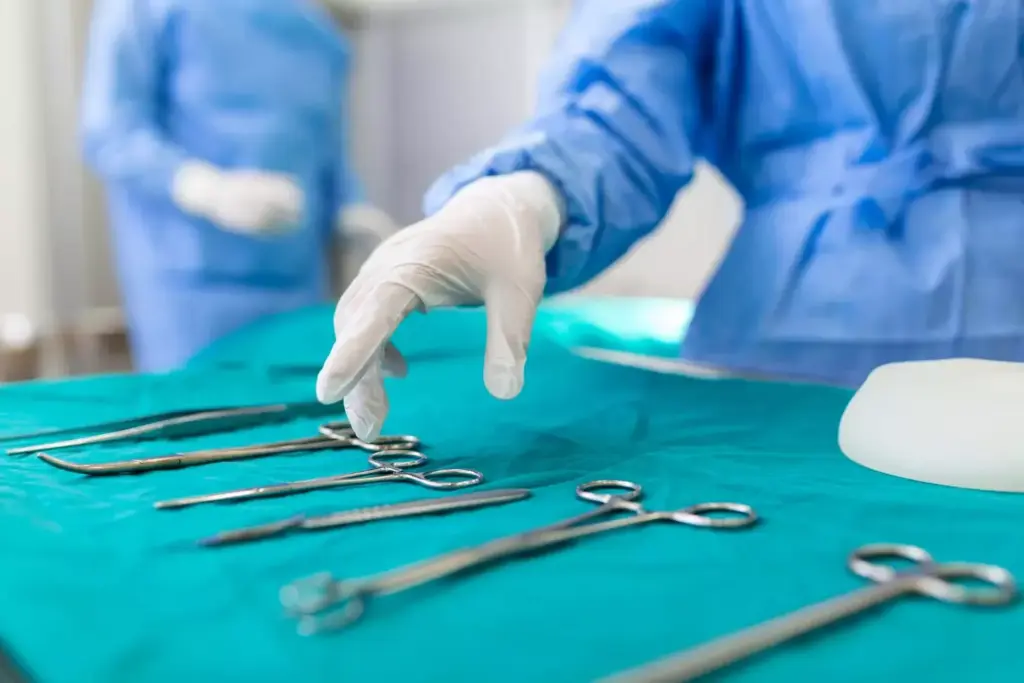
Laparoscopic resection of endometriosis combines the benefits of minimally invasive surgery with the precision needed to effectively treat this challenging condition. This surgical technique has revolutionized the management of endometriosis, offering patients a more comfortable and efficient recovery process.
Definition and Minimally Invasive Approach
Laparoscopic resection is a surgical procedure that involves making small incisions in the abdomen to insert a laparoscope and other specialized instruments. The laparoscope, equipped with a high-definition camera, allows surgeons to visualize the pelvic cavity and identify endometriotic lesions. This minimally invasive approach reduces tissue damage and trauma, leading to less postoperative pain and quicker recovery times.
Equipment and Technology Used
The success of laparoscopic resection depends on the advanced equipment and technology used. High-definition cameras provide clear visualization, while specialized energy-based tools enable precise removal of endometriotic tissue. We utilize state-of-the-art laparoscopic systems that enhance our ability to diagnose and treat endometriosis effectively.
The key equipment used includes:
- High-definition laparoscopes for clear visualization
- Specialized energy-based instruments for precise tissue removal
- Advanced laparoscopic systems for enhanced diagnostic and therapeutic capabilities
Advantages Over Traditional Open Surgery
Laparoscopic resection offers several advantages over traditional open surgery, including reduced postoperative pain, shorter hospital stays, and quicker recovery times. These benefits make it an attractive option for patients seeking to minimize downtime and maximize outcomes. The table below summarizes the key differences between laparoscopic resection and open surgery.
| Characteristics | Laparoscopic Resection | Open Surgery |
|---|---|---|
| Incision Size | Small (less than 1 cm) | Large (often 10-20 cm) |
| Postoperative Pain | Less | More |
| Recovery Time | Shorter (often 1-2 weeks) | Longer (often 4-6 weeks) |
| Hospital Stay | Shorter (often outpatient) | Longer (often 2-4 days) |
By choosing laparoscopic resection, patients can benefit from a more comfortable and efficient treatment process. Our team is committed to providing the highest level of care, utilizing the latest technology and techniques to ensure the best possible outcomes.
The Diagnostic Value of Laparoscopy for Endometriosis
In the realm of endometriosis diagnosis, laparoscopy stands out as a gold standard. We rely on this minimally invasive surgical procedure to provide a definitive diagnosis, which is crucial for guiding treatment decisions.
Why Laparoscopy Is the Gold Standard for Diagnosis
Laparoscopy is considered the gold standard for diagnosing endometriosis due to its ability to visually identify endometriotic lesions. During the procedure, we insert a laparoscope through a small incision in the abdomen, allowing us to directly visualize the pelvic cavity. This visual examination enables us to detect even small lesions that might not be visible through imaging tests like ultrasound or MRI.
Limitations of Non-Surgical Diagnostic Methods
Non-surgical diagnostic methods, such as pelvic exams, ultrasound, and MRI, have limitations in detecting endometriosis. While these methods can identify larger endometriomas or deep infiltrating endometriosis, they often miss smaller lesions. As a result, laparoscopy remains the most reliable method for diagnosing endometriosis, especially in cases where symptoms persist despite negative imaging results.
Visual Identification and Confirmation of Endometriotic Lesions
The visual identification of endometriotic lesions during laparoscopy is crucial for establishing a definitive diagnosis. We can directly observe the size, location, and extent of the lesions, which helps in planning the appropriate treatment. The visual confirmation also allows us to take biopsies for histological examination, further confirming the diagnosis.
The following table summarizes the key advantages of laparoscopy in diagnosing endometriosis:
| Diagnostic Method | Ability to Detect Endometriosis | Invasiveness |
|---|---|---|
| Laparoscopy | Highly effective for detecting small and large lesions | Minimally invasive |
| Ultrasound | Limited to detecting larger endometriomas | Non-invasive |
| MRI | Effective for deep infiltrating endometriosis but may miss smaller lesions | Non-invasive |
By utilizing laparoscopy, we can achieve a more accurate diagnosis, which is essential for developing an effective treatment plan tailored to the individual patient’s needs.
Surgical Techniques Used During Laparoscopic Procedures
During laparoscopic procedures for endometriosis, surgeons utilize various techniques to remove or destroy endometriotic lesions. The choice of technique depends on several factors, including the location, size, and depth of the lesions, as well as the surgeon’s expertise.
Excision vs. Ablation Methods
Two primary surgical techniques are employed during laparoscopic resection of endometriosis: excision and ablation. Excision involves the surgical removal of endometriotic lesions, providing a specimen for pathological examination. This method is particularly useful for deep infiltrating endometriosis. On the other hand, ablation focuses on destroying the lesions using energy-based devices, such as lasers or electrosurgical tools.
We often use a combination of both techniques to achieve optimal results. The decision between excision and ablation depends on the specific characteristics of the endometriotic lesions and the patient’s overall condition.
Diathermy and Energy-Based Treatment Options
Diathermy is a common technique used during laparoscopic surgery for endometriosis. It involves the use of electrical energy to heat and destroy endometriotic lesions. Various energy-based devices are available, including monopolar and bipolar electrosurgery, and advanced devices like plasma kinetic technology.
These energy-based treatment options offer precise control over the destruction of endometriotic tissue, minimizing damage to surrounding healthy tissue.
Tissue Sampling and Pathological Confirmation
Regardless of the surgical technique used, tissue sampling for pathological confirmation is a crucial step in the management of endometriosis. Excised lesions are sent for histopathological examination to confirm the diagnosis and rule out other conditions, such as malignancy.
We emphasize the importance of pathological confirmation to ensure that the treatment plan is based on an accurate diagnosis.
Adhesion Prevention Strategies
Adhesion formation is a potential complication of laparoscopic surgery. To minimize this risk, we employ various adhesion prevention strategies, including meticulous surgical technique, the use of anti-adhesive barriers, and gentle tissue handling.
By adopting these strategies, we can reduce the risk of postoperative adhesions and related complications, such as bowel obstruction or chronic pain.
Recovery and Outcomes After Laparoscopic Surgery
Understanding the recovery process and outcomes after laparoscopic surgery is crucial for patients considering this treatment option. Laparoscopic resection for endometriosis offers several benefits, including shorter recovery times and reduced postoperative pain compared to traditional open surgery.
Immediate Post-Operative Experience
Immediately after the surgery, patients are monitored in the recovery room for a few hours. We understand that this period can be crucial, and our medical team is dedicated to ensuring a smooth transition. Some common experiences during this time include:
- Mild to moderate pain, which is typically managed with prescribed pain medication
- Nausea or dizziness, which usually resolves within a few hours
- Fatigue, as the body begins to recover from the anesthesia and the surgical procedure
Our healthcare providers will guide you through managing these symptoms and provide personalized care to minimize discomfort.
Short-Term Recovery Timeline
The short-term recovery timeline varies among individuals, but most patients can expect to:
- Resume light activities within a few days to a week after surgery
- Return to normal activities, including work, within 2-4 weeks
- Experience a gradual improvement in energy levels over the first few weeks
It’s essential to follow the post-operative instructions provided by your healthcare team to ensure a smooth and effective recovery.
Long-Term Symptom Relief Expectations
Laparoscopic resection of endometriosis can provide significant long-term symptom relief for many patients. While individual results may vary, studies have shown that:
- A substantial reduction in pelvic pain and other symptoms associated with endometriosis
- Improved quality of life, as patients experience fewer disruptions due to endometriosis symptoms
We work closely with our patients to monitor their progress and adjust treatment plans as necessary to achieve the best possible outcomes.
Potential Complications and Management
While laparoscopic surgery is generally associated with fewer complications than open surgery, potential issues can arise. These may include:
- Infection
- Bleeding or hematoma
- Adhesions or bowel injury
Our experienced medical team is trained to manage these complications effectively, and we take every precaution to minimize risks. If you experience any unusual symptoms or concerns during your recovery, it’s crucial to contact your healthcare provider promptly.
How Often Can Patients Undergo Repeat Laparoscopic Procedures?
Understanding the frequency of laparoscopic procedures is crucial for managing endometriosis effectively. The need for repeat surgeries depends on various factors, including the severity of symptoms, the extent of the disease, and the patient’s overall health.
Medical Guidelines on Surgical Frequency
While specific guidelines on the frequency of laparoscopic surgeries for endometriosis vary, most medical professionals agree that the decision to perform repeat procedures should be based on individual patient needs. The American College of Obstetricians and Gynecologists (ACOG) suggests that the management of endometriosis should be tailored to the individual, considering factors such as symptom severity and the patient’s reproductive goals.
Individual Factors Affecting Surgical Decisions
Several individual factors influence the decision to undergo repeat laparoscopic procedures. These include:
- The severity of symptoms and their impact on quality of life
- The extent of endometriotic lesions and adhesions
- The patient’s overall health and surgical risk
- Previous surgical outcomes and the effectiveness of prior treatments
- The patient’s reproductive plans and desires
These factors are carefully considered by healthcare providers when determining the need for and frequency of laparoscopic surgeries.
Risks Associated with Multiple Laparoscopies
While laparoscopic surgery is generally considered safe, there are risks associated with multiple procedures. These risks include:
- Adhesion formation and bowel or bladder injury
- Infection and other post-operative complications
- Potential damage to surrounding organs during surgery
Understanding these risks is essential for making informed decisions about repeat laparoscopic procedures.
Tissue Healing and Surgical Intervals
Adequate time for tissue healing between surgeries is crucial to minimize complications and optimize outcomes. The interval between procedures can vary depending on individual factors, but generally, allowing sufficient time for recovery is recommended.
We have compiled a table to illustrate the key considerations for repeat laparoscopic procedures:
| Consideration | Description | Impact on Surgical Frequency |
|---|---|---|
| Symptom Severity | The level of pain and discomfort experienced by the patient | More severe symptoms may require more frequent surgeries |
| Extent of Disease | The spread and depth of endometriotic lesions | Widespread disease may necessitate more frequent interventions |
| Overall Health | The patient’s general health and presence of comorbidities | Poor health may limit the frequency of surgeries |
| Previous Surgical Outcomes | The effectiveness and complications of prior surgeries | Successful outcomes may influence the timing of repeat procedures |
By considering these factors and understanding the risks and benefits, healthcare providers can work with patients to determine the most appropriate schedule for laparoscopic procedures.
Recurrence Rates and Need for Additional Surgeries
Endometriosis recurrence is a significant concern for patients and healthcare providers, necessitating a comprehensive understanding of its rates and implications. Studies have shown that the recurrence of endometriosis after laparoscopic resection is a common issue that affects a considerable number of patients.
Statistical Data on 5-Year Recurrence Rates
Research indicates that the recurrence rates after initial surgery can range from 20–40% within 5 years. According to a study published in BMC Gastroenterology, this statistic underscores the importance of long-term follow-up and management plans for patients who have undergone laparoscopic resection for endometriosis.
| Time Frame | Recurrence Rate |
|---|---|
| 1 Year | 5-10% |
| 2 Years | 10-20% |
| 5 Years | 20-40% |
Predictors of Endometriosis Recurrence
Several factors can predict the likelihood of endometriosis recurrence. These include the stage of endometriosis at the initial surgery, the completeness of the surgical excision, and the patient’s age. Understanding these predictors helps in identifying patients at higher risk and tailoring their treatment plans accordingly.
Key predictors include:
- Incomplete surgical excision
- Advanced stage of endometriosis at diagnosis
- Younger age at the time of surgery
Monitoring for Symptom Return
Regular follow-up is crucial for early detection of recurrence. We recommend a structured follow-up plan that includes symptom assessment and potentially imaging studies to monitor for signs of recurrent endometriosis.
“Regular monitoring and a proactive approach to managing symptoms are key to improving the quality of life for patients with recurrent endometriosis.” – Expert in Gynecological Surgery
When to Consider a Second or Third Procedure
The decision to undergo additional surgeries is based on several factors, including the severity of symptoms, the impact on quality of life, and the patient’s overall health. We discuss these factors with our patients to determine the best course of action.
By understanding the recurrence rates and the factors that influence them, we can better manage patient expectations and develop effective treatment plans. Our goal is to provide comprehensive care that addresses the physical and emotional needs of our patients.
Patient Selection for Repeat Laparoscopic Resection
Repeat laparoscopic resection for endometriosis is a complex decision that necessitates a thorough assessment of the patient’s condition and needs. When evaluating candidates for repeat surgery, several critical factors come into play.
Medical Criteria for Surgical Candidacy
The decision to proceed with repeat laparoscopic resection is heavily influenced by medical criteria, including the severity of symptoms, the extent of endometriotic lesions, and the patient’s previous surgical outcomes. Patients with severe symptoms or significant lesion recurrence are typically considered good candidates for repeat surgery.
According to a study published in the Journal of Minimally Invasive Gynecology, “The severity of endometriosis and the presence of deep infiltrating endometriosis are key factors in determining the need for repeat surgery” (1). This highlights the importance of thorough preoperative evaluation.
Quality of Life Considerations
Quality of life is another crucial factor in patient selection for repeat laparoscopic resection. Patients experiencing significant pain or discomfort that interferes with their daily activities may benefit from surgical intervention. The goal is to improve the patient’s quality of life by reducing symptoms and enhancing overall well-being.
- Assessing the impact of symptoms on daily life
- Evaluating the effectiveness of previous treatments
- Considering the patient’s personal preferences and expectations
Age and Fertility Factors
Age and fertility considerations also play a significant role in the decision-making process. Younger patients, especially those with a desire for future fertility, may be considered for repeat surgery to maximize their chances of conception. Surgical techniques that preserve ovarian function and minimize adhesions are particularly important in this population.
“The preservation of ovarian function and minimization of adhesions are critical considerations in the surgical management of endometriosis in young women.” – Endometriosis Specialist
Balancing Risks and Benefits
Finally, it’s essential to balance the risks and benefits of repeat laparoscopic resection for each patient. While surgery can offer significant symptom relief, it’s not without risks, including potential complications and the possibility of recurrence. A thorough discussion with the patient about these factors is crucial to informed decision-making.
| Factors to Consider | Benefits | Risks |
|---|---|---|
| Medical Criteria | Symptom relief, improved quality of life | Surgical complications, recurrence |
| Quality of Life | Enhanced daily functioning, reduced pain | Temporary discomfort, recovery time |
| Age and Fertility | Preservation of ovarian function, improved fertility | Potential impact on ovarian reserve |
By carefully evaluating these factors and considering the individual needs and circumstances of each patient, healthcare providers can make informed decisions about proceeding with repeat laparoscopic resection.
Specialized Techniques for Complex Endometriosis Cases
Managing complex endometriosis cases requires a multifaceted approach, incorporating specialized techniques to address the unique challenges presented by this condition. We recognize the importance of tailored treatment strategies to improve patient outcomes.
Laparoscopy for Bowel Endometriosis
Bowel endometriosis is a severe form of endometriosis that requires precise surgical intervention. Laparoscopic surgery has emerged as a preferred method for treating bowel endometriosis due to its minimally invasive nature and effectiveness. We utilize advanced laparoscopic techniques to remove endometrial lesions affecting the bowel, thereby alleviating symptoms and enhancing the quality of life for our patients.
Robotic-Assisted Laparoscopic Excision
Robotic-assisted laparoscopic excision represents a significant advancement in the surgical management of complex endometriosis. This technique combines the benefits of laparoscopy with the precision of robotic technology, allowing for more intricate dissections and improved outcomes. We employ robotic-assisted laparoscopy to treat deep infiltrating endometriosis and other complex cases, providing our patients with the best possible care.
Advanced Approaches for Deep Infiltrating Endometriosis
Deep infiltrating endometriosis (DIE) poses significant challenges due to its invasive nature and potential to cause severe symptoms. We adopt advanced surgical approaches, including segmental bowel resection and discoid excision, to address DIE effectively. These techniques are designed to remove the endometrial lesions completely, reduce the risk of recurrence, and improve patient quality of life.
Multidisciplinary Surgical Teams
The management of complex endometriosis cases often requires a multidisciplinary approach, involving collaboration between gynecologists, colorectal surgeons, and other specialists. We assemble multidisciplinary surgical teams to provide comprehensive care tailored to the individual needs of our patients. This collaborative approach ensures that all aspects of the condition are addressed, leading to more effective treatment outcomes.
The Importance of Surgeon Experience and Specialized Centers
When it comes to laparoscopic resection of endometriosis, the expertise of the surgeon plays a crucial role in determining the outcome. The complexity of endometriosis, particularly in advanced cases, demands a high level of surgical skill and experience.
Impact of Surgical Expertise on Outcomes
The skill and experience of the surgeon significantly influence the success of laparoscopic endometriosis surgery. Studies have shown that surgeons with specialized training and higher volumes of procedures tend to have better patient outcomes, including lower complication rates and higher rates of symptom relief.
Key outcomes affected by surgeon expertise include:
- Completeness of endometriosis removal
- Risk of surgical complications
- Recovery time
- Long-term symptom relief
Benefits of Endometriosis Centers of Excellence
Endometriosis centers of excellence offer a multidisciplinary approach to care, bringing together specialists from various fields to provide comprehensive treatment. These centers are equipped with the latest technology and staffed by experienced surgeons who specialize in endometriosis treatment.
| Benefits | Description |
|---|---|
| Multidisciplinary Care | Teams of specialists work together to provide comprehensive care |
| Advanced Technology | Access to the latest surgical and diagnostic technologies |
| Experienced Surgeons | Surgeons with specialized training and high-volume experience in endometriosis surgery |
Questions to Ask About Surgeon Experience
Patients should be proactive in understanding their surgeon’s experience with laparoscopic endometriosis surgery. Key questions to ask include:
- How many laparoscopic endometriosis surgeries have you performed?
- What is your experience with complex or deep infiltrating endometriosis cases?
- Can you share outcomes data or patient testimonials?
Referral Pathways to Specialists
For patients seeking specialized care, referral pathways can provide a direct route to experienced surgeons. Primary care physicians or gynecologists can often recommend specialists or centers of excellence for endometriosis treatment.
By choosing a surgeon with extensive experience and seeking care at specialized centers, patients can significantly improve their chances of successful outcomes in the management of endometriosis.
Alternatives to Repeated Surgical Interventions
For many patients, exploring alternatives to repeated surgical interventions becomes a crucial step in managing endometriosis. While surgery can provide relief, it’s not always a long-term solution, and some patients may seek other options to manage their symptoms effectively.
Hormonal Management Strategies
Hormonal therapies are a common alternative to surgery for managing endometriosis. These treatments aim to reduce estrogen levels or stop its production, which can help in shrinking endometriotic lesions.
- Hormonal Contraceptives: Birth control pills, patches, or rings can help manage symptoms by regulating or stopping menstrual cycles.
- Gonadotropin-Releasing Hormone (GnRH) Agonists: These medications can reduce estrogen production, leading to a decrease in endometriosis symptoms.
- Progestins: Progestin therapy can help by thinning the lining of the uterus, reducing symptoms.
According to a study published in BMC Gastroenterology, hormonal management is often considered for patients who are not good candidates for surgery or prefer not to undergo surgical intervention.
Pain Management Approaches
Pain management is a critical aspect of endometriosis care. Various strategies can be employed to manage pain effectively, improving the quality of life for patients.
| Pain Management Method | Description |
|---|---|
| Over-the-Counter Pain Relievers | Medications like ibuprofen or acetaminophen can help manage mild to moderate pain. |
| Prescription Pain Medications | Stronger pain relievers may be prescribed for more severe pain. |
| Nerve Blocks | Procedures that involve injecting medication into nerves to block pain signals. |
Emerging Non-Surgical Treatments
Research into new treatments offers hope for patients seeking alternatives to surgery. Emerging therapies include:
- Elagolix: An oral GnRH antagonist that has shown promise in reducing endometriosis-associated pain.
- Anti-Angiogenic Therapies: Treatments aimed at preventing the formation of new blood vessels that supply endometriotic lesions.
“The development of new therapeutic options for endometriosis is crucial, as current treatments may not be effective for all patients.”
Integrative and Complementary Therapies
Many patients find relief through integrative and complementary therapies that can be used alongside conventional treatments.
- Acupuncture: This traditional Chinese medicine technique involves inserting thin needles into specific points on the body to manage pain.
- Dietary Changes: Some patients find that altering their diet can help manage symptoms.
- Physical Therapy: Gentle exercises and physical therapy can help improve pelvic floor muscle strength and reduce pain.
By considering these alternatives to repeated surgical interventions, patients and healthcare providers can work together to develop a comprehensive management plan tailored to individual needs.
Conclusion
Effective management of endometriosis involves a combination of surgical and non-surgical approaches. Laparoscopic resection of endometriosis is a crucial surgical intervention that offers significant benefits, including improved symptom relief and quality of life.
We have explored the complexities of endometriosis, the procedure of laparoscopic resection, and the factors influencing the frequency of surgical interventions. By understanding the benefits and risks associated with laparoscopic resection, patients can make informed decisions about their care.
A comprehensive approach to endometriosis management, incorporating both surgical and non-surgical interventions, is essential for optimal outcomes. This tailored strategy enables healthcare providers to address the unique needs of each patient, improving overall well-being and reducing the risk of recurrence.
FAQ
What is endometriosis and how is it diagnosed?
Endometriosis is a chronic inflammatory disease characterized by endometrial-like tissue outside the uterus, often causing pelvic pain, dysmenorrhea, and infertility. Laparoscopy is considered the gold standard for diagnosing endometriosis, as it allows for direct visualization and confirmation of endometriotic lesions.
How often can you have laparoscopic resection of endometriosis?
The frequency of undergoing laparoscopic resection for endometriosis depends on individual medical needs, symptom recurrence, and overall health. While there’s no one-size-fits-all answer, studies show that recurrences after initial surgery occur in up to 20–40% of cases within 5 years, potentially leading to repeat interventions in selected patients.
What are the benefits of laparoscopic resection over traditional open surgery?
Laparoscopic resection offers several advantages, including reduced postoperative pain, shorter hospital stays, and quicker recovery times, making it an attractive option for patients seeking to minimize downtime and maximize outcomes.
What surgical techniques are used during laparoscopic procedures for endometriosis?
Surgical techniques include excision and ablation methods. Excision involves the surgical removal of endometriotic lesions, while ablation focuses on destroying the lesions using energy-based devices, such as diathermy.
How is the decision made to undergo repeat laparoscopic procedures?
The decision to undergo repeat laparoscopic procedures is based on individual factors, including symptom severity, overall health, and previous surgical outcomes. Medical guidelines provide a framework, but patient-specific considerations play a significant role.
What are the risks associated with multiple laparoscopic procedures?
Risks include potential complications, such as adhesions, and the impact of repeated surgeries on tissue healing. Understanding these risks is crucial for making informed decisions about repeat procedures.
Are there alternatives to repeated surgical interventions for endometriosis?
Yes, alternatives include hormonal management strategies, pain management approaches, emerging non-surgical treatments, and integrative and complementary therapies, which can be explored to reduce the need for repeated surgeries.
Why is surgeon experience important in the management of endometriosis?
Surgeon experience directly influences surgical outcomes, with more experienced surgeons achieving better results. Endometriosis centers of excellence provide a multidisciplinary approach to care, offering comprehensive treatment options.
What should I consider when selecting a surgeon for laparoscopic resection of endometriosis?
When selecting a surgeon, consider their experience, expertise, and the benefits of seeking care at specialized centers. Patients should ask about their surgeon’s experience and the referral pathways to specialists.