Last Updated on November 27, 2025 by Bilal Hasdemir

Knowing how often you get radiation treatments is key for those fighting cancer. At Liv Hospital, we make radiation therapy schedules just for you. Typically, radiation therapy is given once a day, five days a week (Monday through Friday) for several weeks, depending on the cancer type and treatment plan. This schedule follows international standards and prioritizes your health by balancing effectiveness with safety.
The number and length of radiation therapy sessions change based on your cancer type and stage. Also, what you want to achieve and your overall health matter. If you wonder how often do you get radiation, treatment is typically given once a day, five days a week, for several weeks. However, schedules can be adapted with hypofractionation or other approaches to best fit your unique situation. At Liv Hospital, we make sure your treatment plan fits you perfectly, considering your individual needs and health status.
Key Takeaways
- Radiation treatment frequency depends on the type and stage of cancer.
- Treatment goals and patient health influence radiation therapy schedules.
- Liv Hospital adopts a patient-centered approach to radiation therapy.
- Personalized treatment plans reflect international standards and patient well-being.
- Understanding radiation treatment schedules helps patients prepare for their treatment journey.
Understanding Radiation Therapy Basics
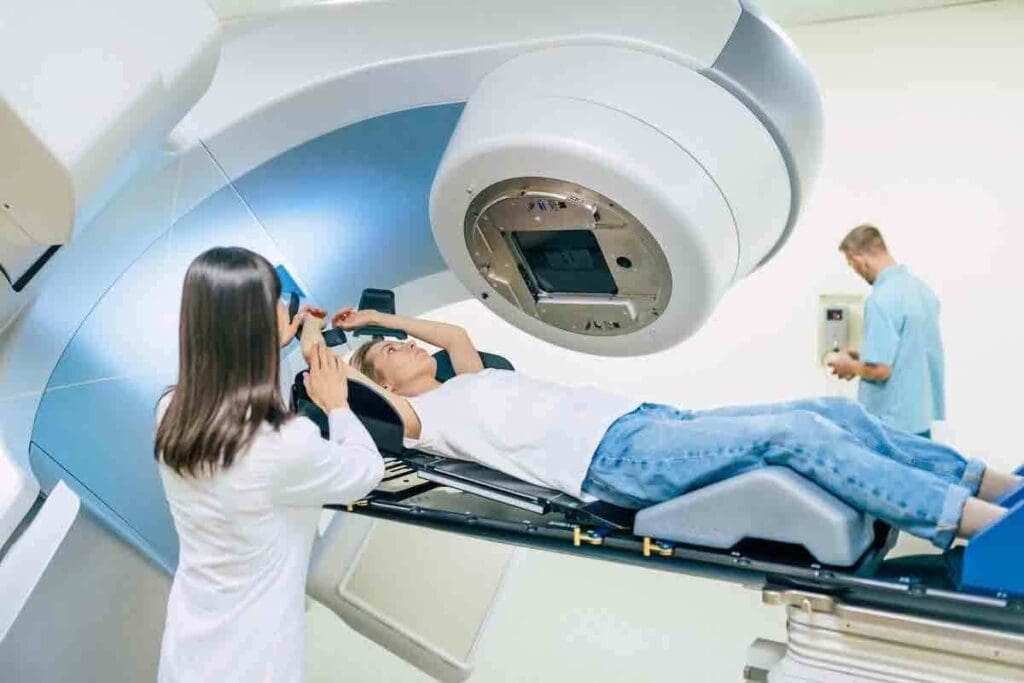
Learning about radiation therapy is key for patients going through cancer treatment. It’s a vital part of cancer care. It uses high-energy particles or waves to kill cancer cells.
What Is Radiation Therapy?
Radiation therapy, or radiotherapy, kills cancer cells with high-energy rays. We use the latest technology to make sure the treatment is precise and effective.
How Radiation Treatments Work
Radiation treatments damage cancer cells’ DNA, stopping them from growing. This damage comes from the high-energy particles or waves used in treatment. We plan and deliver the therapy carefully to target cancer cells while protecting healthy tissues.
Types of Radiation Delivery Methods
There are different ways to deliver radiation, like external beam radiation therapy (EBRT), internal radiation therapy (brachytherapy), and systemic radiation therapy. EBRT is the most common, using machines to aim radiation at the cancer site from outside the body. Within EBRT, there are techniques like 3-D conformal radiation therapy, Intensity-Modulated Radiation Therapy (IMRT), and Stereotactic Body Radiation Therapy (SBRT).
| Type of Radiation Therapy | Description | Common Uses |
| External Beam Radiation Therapy (EBRT) | Delivers radiation from outside the body using machines. | Various cancers, including breast, prostate, and lung cancer. |
| Internal Radiation Therapy (Brachytherapy) | Involves placing radioactive material inside the body near the cancer site. | Prostate, cervical, and breast cancers. |
| Systemic Radiation Therapy | Uses radioactive substances that travel through the body to target cancer cells. | Certain types of thyroid cancer and other systemic cancers. |
Radiation therapy is usually given once a day, five days a week, for three to seven weeks. The exact schedule depends on the cancer type, stage, and treatment goals. We work with patients to create a treatment plan that fits their needs and situation.
Standard Radiation Treatment Schedules
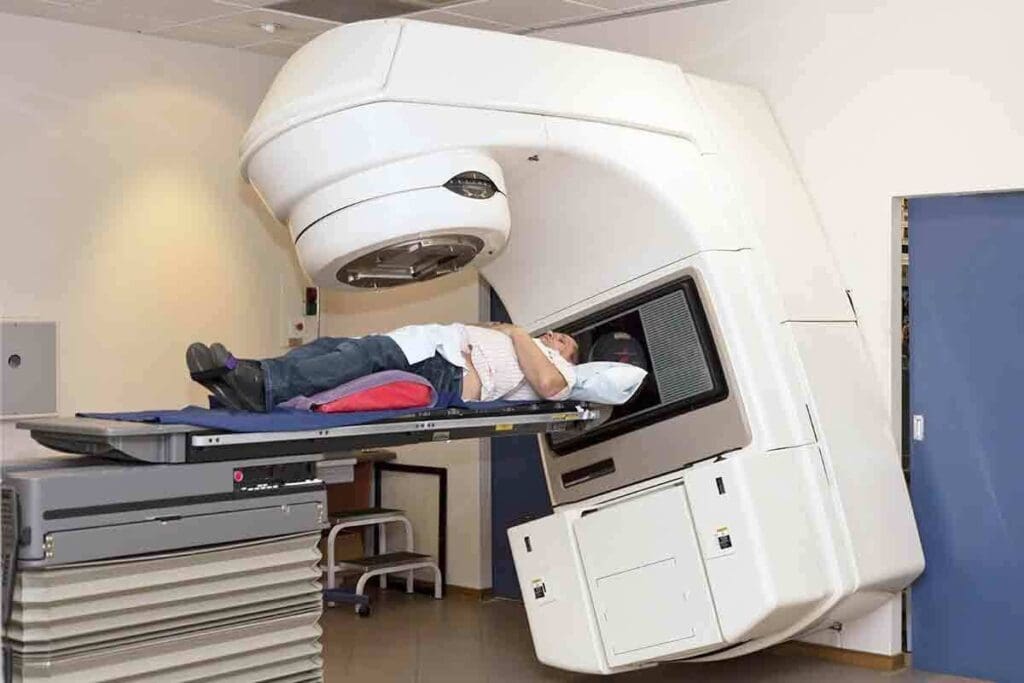
Radiation treatment schedules aim to be effective and reduce side effects. Therapy is given once a day, five days a week. This can last from three to seven weeks.
The schedule is tailored to the cancer type, stage, and the patient’s health. We help patients understand their treatment plan and what to do before it starts.
The Typical Five-Day Weekly Schedule
Most patients get radiation therapy Monday to Friday. They have weekends off. Treatments are at the same time every day.
Benefits of the Five-Day Schedule:
- Allows for consistent treatment timing
- Provides a balance between treatment intensity and recovery time
- Facilitates coordination with other treatment modalities
Duration of Standard Treatment Courses
The length of radiation therapy varies. It depends on the cancer type, stage, and treatment goals. Courses usually last from three to seven weeks.
| Cancer Type | Typical Treatment Duration |
| Breast Cancer | 3-6 weeks |
| Prostate Cancer | 4-8 weeks |
| Lung Cancer | 4-7 weeks |
Planning and Simulation Sessions
Before starting, patients have planning and simulation sessions. These are key to setting the treatment schedule and ensuring accurate radiation delivery.
“The precision in radiation therapy is achieved through meticulous planning and simulation, ensuring that patients receive the most effective treatment possible.”
—A medical expert, Radiation Oncologist
During simulation, patients have imaging tests like CT scans. This helps doctors plan the treatment. The data from these sessions goes into creating a personalized plan.
Knowing about standard radiation treatment schedules helps patients prepare. It lets them understand what to expect during their therapy.
How Often Do You Get Radiation Treatments for Different Cancer Types
Different cancers need different radiation treatment plans. Each cancer type has its own unique needs. Knowing these differences helps patients prepare for their treatment journey.
Breast Cancer Radiation Schedules
Breast cancer treatment often lasts several weeks. Patients usually get radiation daily, Monday to Friday, for 5-6 weeks. Some might get hypofractionated radiation therapy, which shortens treatment to 3-4 weeks.
Studies show hypofractionation works as well as standard treatment for breast cancer. The choice between these depends on the patient and their cancer.
Prostate Cancer Radiation Schedules
Prostate cancer treatment plans vary. Standard treatment is daily, 5 days a week, for 8-9 weeks. But hypofractionated radiation therapy can shorten this to 5-6 weeks or less.
Some with low- or intermediate-risk prostate cancer might get ultra-hypofractionation. This means treatment in just 5 fractions or fewer. It’s effective and convenient for patients.
Lung Cancer Radiation Schedules
Lung cancer treatment plans vary by stage and type. Early-stage non-small cell lung cancer often gets Stereotactic Body Radiation Therapy (SBRT). This delivers high doses in 3-5 fractions.
Advanced lung cancer usually gets standard fractionation. This means daily treatments, 5 days a week, for 6-7 weeks. Some also get concurrent chemoradiation, combining radiation with chemotherapy.
Head and Neck Cancer Radiation Schedules
Head and neck cancer treatment is complex. It’s given daily, Monday to Friday, for 6-7 weeks. Careful planning is needed to protect sensitive areas.
Some patients might get altered fractionation schedules. This includes accelerated or hyperfractionation to improve results.
| Cancer Type | Typical Radiation Schedule | Alternative Schedules |
| Breast Cancer | Daily, 5 days a week, for 5-6 weeks | Hypofractionation (3-4 weeks) |
| Prostate Cancer | Daily, 5 days a week, for 8-9 weeks | Hypofractionation (5-6 weeks) or Ultra-hypofractionation (5 fractions or less) |
| Lung Cancer | Daily, 5 days a week, for 6-7 weeks (conventional fractionation) | SBRT (3-5 fractions) for early-stage NSCLC |
| Head and Neck Cancer | Daily, 5 days a week, for 6-7 weeks | Altered fractionation (accelerated or hyperfractionation) |
These are general guidelines. Each patient’s treatment plan is tailored to their needs and cancer type.
Hypofractionated Radiation Therapy: Shorter Treatment Courses
Hypofractionated radiation therapy has changed cancer care. It gives higher doses of radiation in fewer sessions. This makes treatment easier for patients without losing effectiveness.
What Is Hypofractionated Radiation?
Hypofractionated radiation therapy gives more radiation in fewer sessions than usual. Patients don’t have to go to treatment every day. Instead, they might go a few times a week or even less.
Benefits of Shortened Treatment Schedules
The main advantages of hypofractionated radiation therapy are:
- Reduced treatment duration: Patients finish treatment faster, which is less of a disruption to their lives.
- Improved patient compliance: With fewer sessions, patients stick to their treatment plans better.
- Potential for reduced side effects: This method might cause less damage to healthy tissues because it’s more precise.
Cancer Types Suitable for Hypofractionation
Hypofractionated radiation therapy works best for some cancers, like:
- Prostate cancer: Research shows it’s as effective as traditional methods for prostate cancer.
- Breast cancer: Early-stage breast cancer patients might benefit from it.
- Lung cancer: It’s being tested for lung cancer, mainly for those who can’t have surgery.
Research Supporting Hypofractionation
Many studies have looked into hypofractionated radiation therapy. They show it can be as good as traditional radiation for some cancers. The big plus is that it’s shorter.
A study in a top oncology journal found that hypofractionated radiation works as well as traditional radiation for prostate cancer. It also means patients don’t have to be in treatment as long.
As more research comes in, we’ll see hypofractionated radiation used for more cancers. This will give patients more options that are both effective and convenient.
Ultra-Hypofractionated and Single-Session Treatments
Ultra-hypofractionated radiation therapy is a new way to fight cancer. It means fewer visits to the doctor without losing effectiveness. This method is great for certain cancers, making treatment quicker and easier.
We use ultra-hypofractionated treatments to cut down treatment time to just one to five sessions. Thanks to new tech and careful planning, the radiation hits the tumor right on target.
Stereotactic Body Radiation Therapy (SBRT)
Stereotactic Body Radiation Therapy (SBRT) is a type of ultra-hypofractionated treatment. It gives high doses of radiation to small tumors in a few visits. SBRT works best for tumors in places like the lung, liver, and spine that are easy to reach and target.
SBRT has many benefits, including:
- High precision in targeting tumors
- Fewer treatment sessions than regular radiation therapy
- Good for tumors that can’t be removed or are hard to treat
Stereotactic Radiosurgery (SRS)
Stereotactic Radiosurgery (SRS) is a special kind of radiation therapy. It gives a single, high dose of radiation to a tumor. It’s not surgery, but a non-invasive treatment that uses advanced tech to hit tumors with great accuracy.
“SRS has changed how we treat some brain tumors and other brain lesions. It’s a safe and effective choice instead of surgery.”
Candidates for Ultra-Hypofractionated Treatments
Not every patient is right for ultra-hypofractionated radiation therapy. Whether to use SBRT or SRS depends on the tumor’s type, size, and where it is, plus the patient’s health.
Our radiation oncologists check each patient to see if ultra-hypofractionated treatment is good for them. They look at the tumor and the patient’s health history to make sure the treatment is safe and works well.
Using advanced techniques like SBRT and SRS, we can give patients better and easier treatment options. These treatments cut down on the number of visits and keep treatment effectiveness high, making things better for patients.
Factors That Determine Your Radiation Treatment Schedule
The schedule for radiation treatments is made just for you. It depends on the cancer type and stage. Our radiation oncologists work with you to create a plan that fits your needs.
Cancer Type and Stage
The type and stage of cancer affect your treatment schedule. Different cancers react differently to radiation. The stage of cancer also determines how long and intense the treatment will be.
Cancer type matters because tumors have different sensitivities to radiation. Some cancers, like lymphoma, respond well to radiation and need shorter treatments. Others, like glioblastoma, may need longer treatments because they grow fast.
Tumor Size and Location
The size and location of the tumor are key in planning your treatment. Larger tumors might need more radiation or longer treatments. The tumor’s location is also important because it affects how precise the treatment needs to be.
Tumors near important areas may need special treatments. These treatments, like stereotactic body radiation therapy (SBRT) or intensity-modulated radiation therapy (IMRT), help protect healthy tissues.
Treatment Goals (Curative vs. Palliative)
The treatment goals are important in planning your schedule. Curative treatments aim to get rid of the cancer and take longer. Palliative treatments focus on easing symptoms and improving life quality, and are shorter.
Knowing if your treatment is curative or palliative helps everyone understand what to expect. It helps in making informed decisions about your care.
Your Overall Health Status
Your overall health is a big factor in your treatment schedule. Patients with health issues or other treatments might need special plans. Our team looks at your health to make a treatment plan that works best for you.
By considering these factors, we can tailor your radiation treatment. This way, we aim for the best results while keeping your quality of life in mind.
What to Expect During a Radiation Treatment Session
Radiation treatment is a key part of cancer therapy. Knowing what to expect can make a big difference. We aim to guide you through each step of your treatment.
Length of Each Treatment Session
The time for each radiation treatment can change based on your cancer type and treatment plan. For example, whole breast radiation usually takes 15 to 30 sessions. Each session is about 15 to 30 minutes long. Our team works efficiently to keep you comfortable and ensure accurate treatment.
The Treatment Process
You’ll be placed on a treatment table during your session. Our team will use imaging tests to check the treatment area. The radiation itself is painless and quick, lasting just a few minutes. We make sure you’re comfortable and secure during the process.
Here’s what you can expect during the treatment process:
- You’ll be positioned on the treatment table, and immobilization devices may be used to help you remain steady.
- Our radiation therapists will leave the room during the actual radiation delivery, but they will be monitoring you from another room and can communicate with you through an intercom.
- The radiation delivery itself is typically very quick, lasting only a few minutes.
Weekly Check-ups During Treatment
We schedule regular check-ups with your radiation oncologist during treatment. These check-ups help us monitor your progress and address any concerns or side effects. They are key to adjusting your treatment plan for the best results.
Managing Treatment-Related Anxiety
Radiation therapy can cause anxiety for many patients. We offer support services like counseling and relaxation techniques to help. Our team is dedicated to making you feel comfortable and informed throughout your treatment.
Remember, you are not alone in this process. Our dedicated team is here to support you every step of the way. We provide the care and guidance you need to navigate your radiation treatment successfully.
Is There a Maximum Number of Radiation Treatments?
Whether there’s a limit on radiation treatments is a complex issue. It depends on many factors. The main concern is the total dose of radiation to healthy tissues.
Radiation therapy is tailored for each patient. We carefully evaluate each patient’s situation to determine the best course of treatment. This includes the cancer type and stage, and the patient’s health.
Cumulative Radiation Dose Considerations
The total dose of radiation is key in deciding on treatment limits. Too much radiation can harm healthy tissues. This can cause side effects and complications.
To avoid these risks, doctors use advanced planning. They aim to give the right dose to the tumor while protecting healthy tissues.
Tissue Tolerance and Recovery
How well tissues can handle radiation is important. Different tissues have different limits. Knowing these limits helps plan safe treatments.
We assess the tolerance of critical organs and tissues when considering more treatments.
Can You Have Radiation Therapy More Than Once?
Some patients may need more radiation therapy after the first round. Deciding on this depends on several factors. These include the first treatment dose, how long ago it was, and the patient’s health.
Reirradiation Possibilities and Limitations
Reirradiation might be an option for some patients. But it’s not right for everyone. The decision to reirradiate involves a thorough evaluation of the patient’s previous treatment history and current condition.
While it can be effective, not all patients are good candidates. We work closely with patients to find the best treatment. This depends on their unique situation and needs.
Success Rates of Radiation Therapy
Knowing how well radiation therapy works is key for both patients and doctors. The success of this treatment depends on many things. These include the cancer type and stage, the patient’s health, and what the treatment aims to do.
Factors Affecting Treatment Success
Several important factors can change how well radiation therapy works. These include:
- Cancer Type and Stage: Early cancers often do better with radiation therapy.
- Tumor Size and Location: Where and how big the tumor is can greatly affect treatment success.
- Patient’s Overall Health: People in better health usually do better with radiation therapy.
- Treatment Goals: If the goal is to cure or just to ease symptoms, it changes how well treatment works.
Success Rates by Cancer Type and Stage
The success of radiation therapy changes a lot depending on the cancer type and stage. For example:
- Early-Stage Cancers: For cancers like breast, prostate, and lung, early treatment can cure over 70% of cases.
- Advanced Cancers: For cancers that have spread, radiation therapy helps make symptoms better and improves life quality.
Combining Radiation With Other Treatments
Using radiation therapy with other treatments like surgery or chemotherapy can make treatment better. This mix is often used to:
- Improve Local Control: Surgery and radiation together can lower the chance of cancer coming back.
- Address Microscopic Disease: Chemotherapy can hit tiny cancer cells that radiation might miss.
Long-term Outcomes and Follow-up
It’s very important to keep an eye on how a patient is doing after radiation therapy. This helps catch any problems early and manage side effects. Regular check-ups with doctors are key to making sure treatment is working well.
At our place, we focus on making treatment plans that work best for each patient. We offer support and use the latest in radiation therapy to help patients get the best results.
Patient-Centered Scheduling Approaches
Liv Hospital focuses on the patient’s needs and comfort. We know everyone is different, so we make our scheduling flexible. This way, we can meet each patient’s unique situation.
Flexible Scheduling Options
We know flexibility is key for our patients. Many travel far or have complex plans. So, we adjust treatment times to fit their schedules. This makes it easier for them to get their therapy.
Flexible scheduling helps reduce wait times and boosts patient happiness. It also leads to better treatment results. By tailoring our care, we support our patients better.
Transportation and Lodging Assistance
We help with travel and lodging for those far away. Our team plans travel and stays to fit each patient’s needs. This makes their journey easier and less stressful.
“At Liv Hospital, we believe that the journey to recovery should be as comfortable as possible. Our transportation and lodging assistance programs are designed to support our patients every step of the way.”
Coordinating Multiple Treatment Modalities
Many patients need different treatments like radiation, surgery, and chemo. Our team is great at managing these treatments together. We make sure the transition between therapies is smooth and quick.
Adapting Schedules for Patient Needs
We keep changing our schedules to fit our patients’ changing needs. We adjust treatment times, include family, and offer more support. We aim to give care that’s just right for each person.
By focusing on patient-centered scheduling, we make treatment better. We improve outcomes and offer full support to those getting radiation therapy.
Conclusion: Navigating Your Radiation Treatment Journey
Understanding what affects your radiation treatment schedule is key. At Liv Hospital, we know that radiation therapy is complex. It needs careful planning and coordination.
It’s not just about the treatment itself. It’s about being informed and supported every step of the way. We focus on patient-centered care. This means we meet each person’s needs with compassion and expertise.
Knowing about radiation treatment schedules helps patients on their journey. Our team is committed to providing top-notch care. We help patients make informed choices about their treatment.
We encourage you to ask questions and get support from your healthcare team. With the right guidance, you can confidently move through your radiation treatment. And you can achieve the best results.
FAQ
How often do you get radiation treatments?
Radiation treatment schedules vary. They depend on the cancer type, stage, and treatment goals. Most treatments happen 5 days a week. But some get fewer sessions.
What is the maximum number of radiation treatments?
The number of treatments depends on several factors. These include the total dose of radiation, how well tissues can handle it, and recovery time. Our doctors carefully plan each treatment.
Can you have radiation therapy more than once?
Yes, some patients get radiation therapy again. This is called reirradiation. It depends on the cancer type, previous doses, and the patient’s needs.
How long does radiation therapy last?
Treatment length varies. Standard treatments can last weeks. Shorter treatments are possible for some.
What is the success rate of radiation therapy?
Success rates vary. They depend on the cancer type, stage, and treatment goals. Our doctors aim for the best outcomes for each patient.
How long is a session of radiotherapy?
Sessions are short. They usually last 15-30 minutes. This depends on the treatment plan and the patient’s needs.
How often are radiation treatments?
Treatments are given 5 days a week. Some get fewer sessions, depending on their plan.
Can you have radiotherapy more than once?
Yes, some patients get radiation therapy again. This depends on the cancer, previous doses, and patient needs.
What is hypofractionated radiation therapy?
Hypofractionated therapy gives higher doses in fewer sessions. It’s a shorter treatment for some cancers. Research supports it.
How many rounds of radiation are normal?
The number of sessions varies. Standard treatments last weeks. Shorter treatments are possible for some.
References
- National Cancer Institute. (2015, April 28). Radiation therapy for cancer. https://www.cancer.gov/about-cancer/treatment/types/radiation-therapy