Last Updated on November 26, 2025 by Bilal Hasdemir
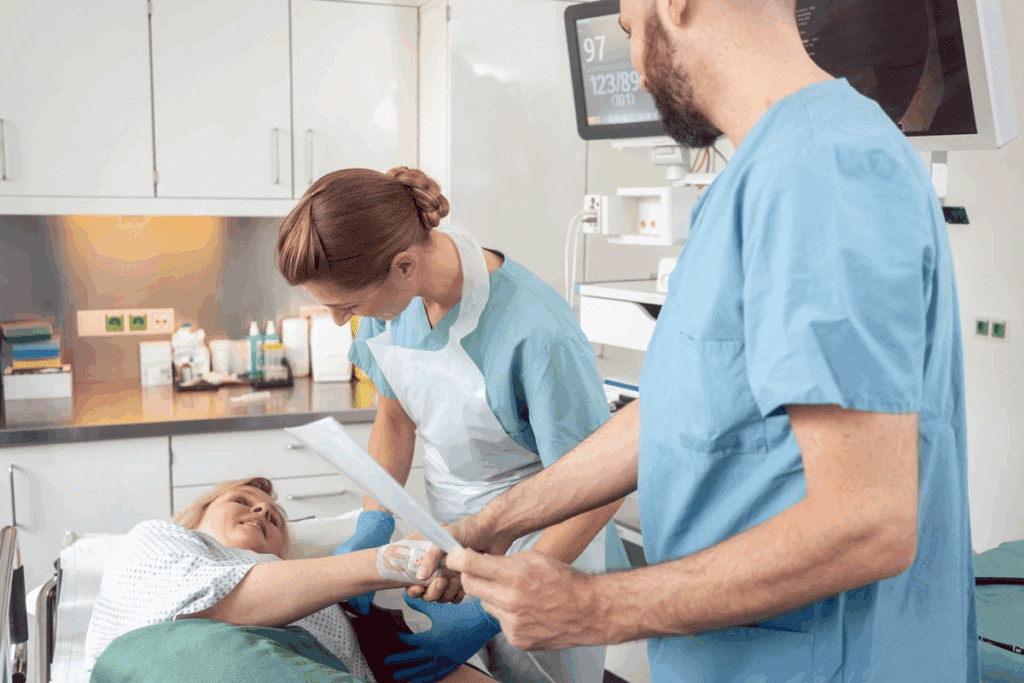
Colorectal cancer is a big health worry, but early detection can save lives. Learn how often should you have a colonoscopy and follow medical screening guidelines for prevention.
The US Preventive Services Task Force says adults 45 to 75 should get screened for colorectal cancer. Knowing colonoscopy frequency is key to keeping you healthy. Your family history, past colonoscopy results, and health status all play a part in the colonoscopy guidelines.
Key Takeaways
- Colonoscopy is a vital tool for spotting colorectal cancer.
- The US Preventive Services Task Force suggests screening for adults 45 to 75.
- How often you need a colonoscopy depends on your risk and past results.
- Understanding colonoscopy guidelines is vital for your health.
- Liv Hospital’s patient-first focus offers trusted advice.
Understanding Colonoscopy as a Screening Tool
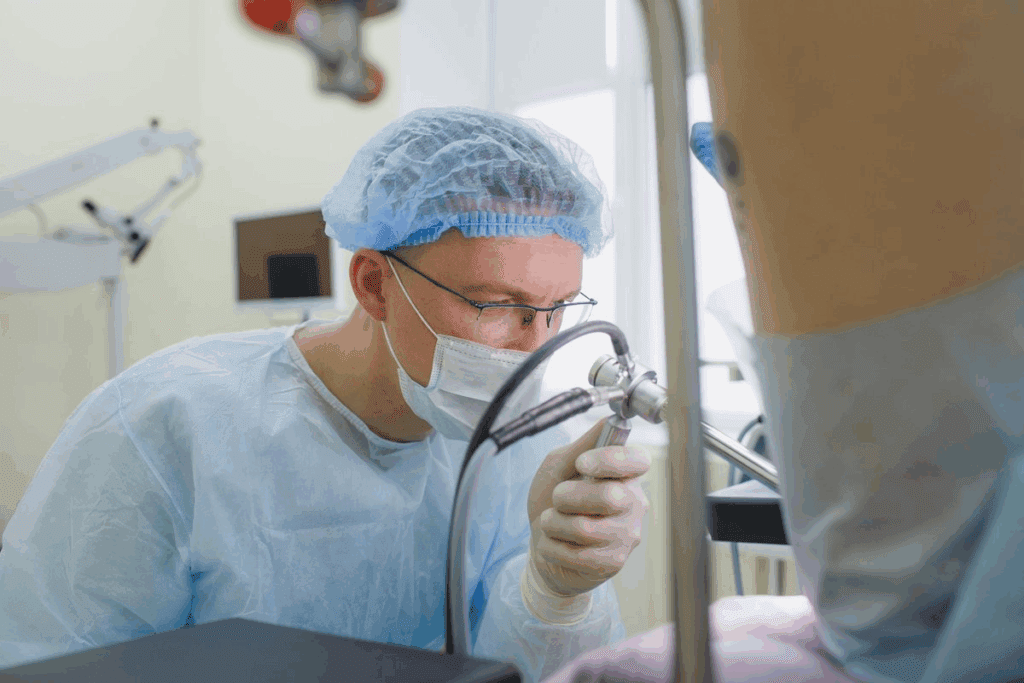
Colonoscopy is key in finding and stopping colorectal cancer early. It lets doctors see inside the colon and rectum for polyps, cancer, and other issues.
What is a Colonoscopy and Its Purpose
A colonoscopy uses a flexible tube with a camera and light. Doctors use it to check the colon and rectum for problems. The main goal is to find colorectal cancer early and remove polyps before they turn cancerous.
The Role in Colorectal Cancer Prevention and Detection
Most colorectal cancers start from polyps in the colon or rectum. Tests like colonoscopy can spot these polyps early, stopping cancer. It also finds cancer when it’s easier to treat.
Colonoscopy plays a big role in colorectal cancer prevention and finding cancer. It can find and remove polyps, stopping cancer from starting. This makes it a powerful tool in fighting cancer.
How Often Should You Have a Colonoscopy: Standard Guidelines

To figure out how often you need a colonoscopy, it’s key to know the standard rules. Big health groups have set guidelines for colonoscopy screening. They aim to stop colorectal cancer before it starts.
Starting Age for Colonoscopy Screening
For people at average risk, guidelines say to start colonoscopy at 45. Most folks should start screening for colorectal cancer right after they turn 45. This age was picked because colorectal cancer rates go up in this age group.
Starting screening at 45 helps catch and remove polyps before they turn cancerous. This greatly lowers the risk of getting colorectal cancer.
The 10-Year Interval for Average-Risk Adults
For those at average risk, a colonoscopy is usually needed every 10 years. This time frame is based on how slow colorectal cancer grows. Most polyps take years to turn cancerous.
A 10-year interval is a good balance. It helps catch cancer early without too many risks. It’s important to stick to this schedule to get the most from colonoscopy.
By following these guidelines, average-risk adults can lower their risk of colorectal cancer a lot. It’s important to talk to a healthcare provider. They can help figure out the best screening schedule for you, based on your risk factors.
Risk-Based Screening Intervals
Personal risk assessment is key in setting up colonoscopy screening plans. Those with a family history of colorectal cancer or genetic syndromes need more checks. This approach means high-risk people get screened often, while low-risk ones don’t.
Defining Low, Medium, and High-Risk Categories
Risk levels are set based on family history, genetics, and medical history. Low-risk individuals have no family history of colorectal cancer and no personal history of advanced polyps. Medium-risk individuals might have some risk factors but not enough to be high-risk. High-risk individuals have a big family history, genetic syndromes, or a personal history of colorectal cancer or advanced polyps.
How Personal Risk Factors Influence Screening Frequency
Personal risk factors greatly affect how often you should get a colonoscopy. For example:
- Those with a family history of colorectal cancer might start screenings earlier and have them more often.
- People with genetic syndromes like FAP or Lynch syndrome need more frequent and earlier screenings.
- Those with a personal history of advanced polyps or colorectal cancer might need more frequent checks.
Healthcare providers use these risk factors to set up the right screening schedule for each patient. This helps prevent and catch colorectal cancer early.
Family History and Genetic Factors
Genetic factors and family history play big roles in preventing and catching colorectal cancer early. People with a family history of this cancer are at higher risk. This means they need a more tailored approach to screening.
Impact of First-Degree Relatives with Colorectal Cancer
Having a first-degree relative (like a parent, sibling, or child) with colorectal cancer before 60 raises your risk. This means you might need to start colonoscopy screenings earlier and more often. For example, if a parent or sibling got cancer before 60, you might start screenings at 40 or 10 years before they were diagnosed, whichever is sooner.
Having more than one first-degree relative with cancer increases your risk even more. It’s important to talk to your doctor about your risk. They can help figure out the best screening schedule for you.
Hereditary Syndromes and Required Screening Frequency
Some hereditary syndromes, like Lynch syndrome and Familial Adenomatous Polyposis (FAP), raise your risk of colorectal cancer a lot. Lynch syndrome, for instance, means you’re at higher risk of getting colorectal cancer. You might need to start colonoscopy screenings earlier and more often.
- People with Lynch syndrome usually need annual colonoscopy screenings starting at 20-25.
- Those with FAP often need annual sigmoidoscopy or colonoscopy starting in their teens. This is because the risk of getting colorectal cancer is almost 100% if not treated.
Genetic testing can find these syndromes. This lets doctors tailor your screening and prevention plan. If you have a family history of these syndromes, getting genetic counseling and testing is key.
Knowing about family history and genetics helps you take steps to catch colorectal cancer early. Regular check-ups with your doctor and following screening schedules are key to managing and reducing these risks.
Colonoscopy Findings and Follow-Up Recommendations
Understanding your colonoscopy results is key to knowing what to do next. Your healthcare provider will use these results to decide when you should have your next screening.
Normal Results: The 10-Year Guideline Explained
If your colonoscopy shows no polyps or abnormalities, you’ll likely need another one in 10 years. This is because polyps grow slowly and the risk of cancer is low for people with no history of polyps or cancer.
Normal colonoscopy results mean you can relax a bit. But, it’s important to stick to the screening schedule. This helps catch any problems early.
Types of Polyps and Their Impact on Surveillance Intervals
The type and number of polyps found affect how often you’ll need to be screened. Adenomatous polyps, for example, are precancerous and need closer monitoring.
- Low-risk polyps: Finding 1-2 small (
- High-risk polyps: Finding 3-10 adenomas, or any large adenoma, or one with villous features, or high-grade dysplasia, means you’ll need a follow-up in 3 years.
High-Risk Lesions and Increased Monitoring Protocols
People with high-risk lesions, like large adenomas or significant dysplasia, need more frequent checks. These signs point to a higher risk of cancer, so you’ll need a colonoscopy sooner.
| Polyp Characteristics | Recommended Surveillance Interval |
| Normal or 1-2 small tubular adenomas | 5-10 years |
| 3-10 adenomas, or adenoma ≥1 cm, or with villous features or high-grade dysplasia | 3 years |
| More than 10 adenomas | Less than 3 years, consider genetic testing |
It’s vital to follow the recommended screening schedule based on your colonoscopy results. This helps catch and prevent colorectal cancer early.
Age-Specific Considerations for Colonoscopy Frequency
When it comes to colonoscopies, age matters a lot. Health groups give advice based on age. As people get older, their health risks change, so age affects how often they should get screened.
Guidelines for Adults Ages 45-49
Adults between 45 and 49 should start screening for colorectal cancer. The American Cancer Society says to start at 45 for those at average risk. Screening can be a stool test or a colonoscopy. If the colonoscopy is normal, you’ll need another one in 10 years.
Recommendations for Adults Ages 50-75
People between 50 and 75 should keep getting screened for colorectal cancer. The USPSTF says screening in this age group can lower death rates from colorectal cancer. If your colonoscopy is normal, you’ll need another one in 10 years. But, if you have polyps or other risks, you might need to go more often.
Screening Considerations for Adults Over 75
For those over 75, screening decisions depend on their health and life expectancy. The USPSTF says to consider individual factors, like health conditions and preferences, for those 76 to 85. Usually, screening stops for those over 75 with serious health issues or short life expectancy.
In summary, age is key in figuring out how often to get a colonoscopy. Knowing the guidelines for different ages helps people make smart choices about their screenings.
Special Circumstances Affecting Colonoscopy Intervals
Special cases, like a history of colorectal cancer or inflammatory bowel disease, change how often you should get a colonoscopy. These situations need a custom plan, not the usual advice for people at average risk.
Inflammatory Bowel Disease and Modified Screening Schedules
People with inflammatory bowel disease (IBD) face a higher risk of colorectal cancer. The American Gastroenterological Association says, “Patients with long-standing IBD need regular colonoscopy checks to find dysplasia and early cancer.” Early detection and prevention are key. For IBD patients, the first colonoscopy is 8-10 years after diagnosis. Then, they need one every 1-3 years, based on their disease’s severity.
“Patients with long-standing IBD require regular surveillance colonoscopy to detect dysplasia and early cancer.” – American Gastroenterological Association
Post-Colorectal Cancer Surveillance Guidelines
Those who have had colorectal cancer need close monitoring for any signs of return or new cancers. The rules suggest a colonoscopy a year after surgery, then every 3 years, and every 5 years if all looks good. This careful watch is essential for better outcomes for cancer survivors. The exact timing can change based on what’s found and the person’s health.
Impact of Incomplete or Poor-Quality Examinations
The quality of a colonoscopy matters as much as how often it’s done. A bad or incomplete colonoscopy can miss important signs, possibly delaying cancer detection. Poor quality can come from bad bowel prep, not seeing the whole colon, or not spending enough time during the exam. It’s important to make sure colonoscopies are done well for them to be effective.
In summary, things like inflammatory bowel disease, a history of colorectal cancer, and the quality of the colonoscopy affect how often you should get screened. By making screening plans based on individual risks and health, doctors can provide better care.
Alternative Screening Methods and Their Relation to Colonoscopy
There are many ways to screen for colorectal cancer, not just colonoscopy. Each method has its own benefits and follow-up plans. Colonoscopy is the top choice, but other options are also good.
Some people might not want to have a colonoscopy. Or they might have health issues that make it hard. That’s where other tests come in. These include stool tests, CT colonography, and flexible sigmoidoscopy.
Stool-Based Tests and Follow-Up Colonoscopy Requirements
Stool tests are easy and don’t hurt. They look for blood or DNA changes in your stool. These signs can mean you might have cancer or polyps.
- Fecal Occult Blood Tests (FOBT): These tests find blood in your stool, which could mean cancer.
- Fecal Immunochemical Tests (FIT): FIT is more precise and looks for the globin part of hemoglobin.
- Stool DNA Tests: These tests find DNA changes in your stool linked to cancer or polyps.
If a stool test shows something bad, you’ll need a colonoscopy. This lets doctors see and remove any problems. How often you get tested depends on the type, but it’s usually every year or two.
CT Colonography and Flexible Sigmoidoscopy Intervals
CT Colonography, or virtual colonoscopy, uses CT scans to see the colon. It’s less invasive than regular colonoscopy. If it finds polyps or lesions, you’ll need a colonoscopy to check them.
Flexible Sigmoidoscopy uses a camera tube to look at the lower colon. It’s done every 5-10 years, based on what’s found and your risk. It doesn’t look at the whole colon, so you might need a colonoscopy if it finds something.
Choosing a screening method depends on many things. These include your risk, what you prefer, and if you have symptoms. Knowing about all these options and what comes next is key to catching cancer early.
Conclusion: Maintaining Your Colonoscopy Schedule
Keeping up with your colonoscopy schedule is key to preventing colorectal cancer. Regular screenings help catch cancer early. This can greatly lower your risk of getting the disease.
Knowing your risk factors is important. This includes your family and medical history, and past colonoscopy results. This knowledge helps you stay proactive about your colon health.
Sticking to your colonoscopy schedule is essential for catching cancer early. It lets your doctor find problems before they get worse. This way, you can get the right treatment quickly.
Regular colonoscopies are a big part of staying healthy. Stay informed and follow your schedule. Work with your doctor to keep your colon in top shape.
FAQ
How often should I have a colonoscopy if I’m at average risk for colorectal cancer?
If you’re at average risk, you should get a colonoscopy every 10 years. This starts at age 45.
What factors influence how often I should get a colonoscopy?
Your personal risk factors matter. This includes family history, genetic syndromes, and past colonoscopy results.
How does family history impact my colonoscopy screening schedule?
A family history of colorectal cancer can change your screening schedule. You might start earlier and have more frequent tests.
What if I have a hereditary syndrome that increases my risk of colorectal cancer?
Hereditary syndromes like Lynch syndrome mean you start screening early. You’ll need more frequent colonoscopies, often every 1-3 years.
How do the results of my colonoscopy affect my follow-up recommendations?
Normal results mean waiting 10 years for the next test. But, polyps or high-risk lesions might need more frequent checks.
What are the guidelines for colonoscopy frequency for adults over 75?
For those over 75, screening depends on health and life expectancy. Some say stop routine screening.
How does inflammatory bowel disease affect my colonoscopy schedule?
Inflammatory bowel disease means more frequent tests. You might need a colonoscopy every 1-3 years to watch for cancer.
Are there alternative screening methods to colonoscopy?
Yes, there are alternatives like stool tests and CT colonography. But, a colonoscopy is usually needed for follow-up if results are bad.
How often should I have a colonoscopy if I’ve had colorectal cancer?
After colorectal cancer, you’ll need more frequent tests. This is usually every 3-5 years to check for recurrence.
What if my previous colonoscopy was incomplete or of poor quality?
If your last colonoscopy was bad, you might need a repeat sooner. This depends on the quality and completeness of the test.
Can I get a colonoscopy too frequently?
While safe, too many colonoscopies can be risky. It’s important to follow the recommended guidelines.
How often do I need a colonoscopy if I have a history of polyps?
The frequency depends on the polyp type, number, and size. Your personal risk factors also play a role.
References
Garruti, G., et al. (2018). Cholecystectomy: a way forward and back to metabolic disease? Current Opinion in Lipidology, 29(3), 189-195. Retrieved from https://pmc.ncbi.nlm.nih.gov/articles/PMC8114797