Last Updated on November 18, 2025 by Ugurkan Demir
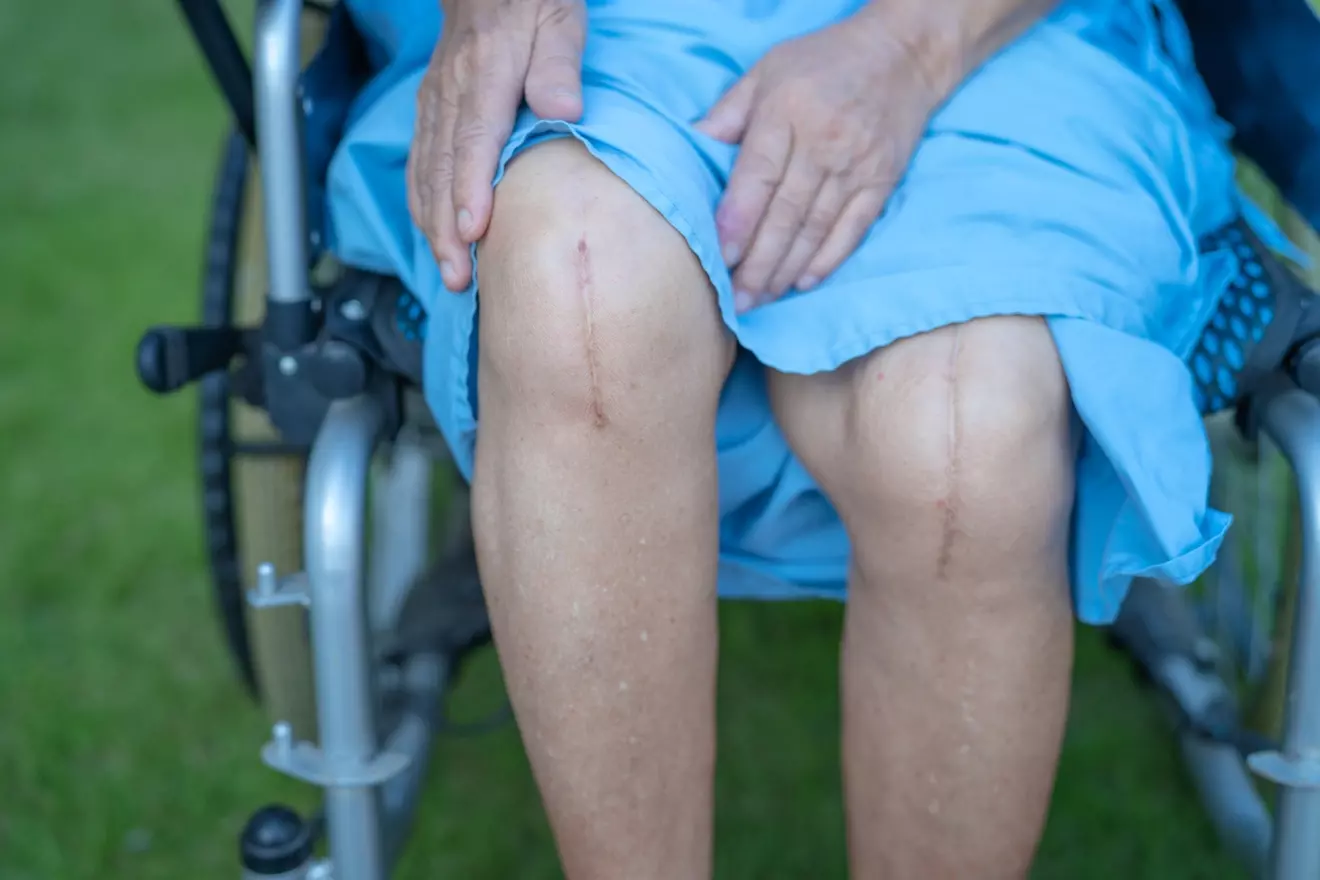
Recovering from knee replacement surgery is tough, but with the right care, you can manage swelling and speed healing. At Liv Hospital, we offer top-notch healthcare and support for international patients.
Icing is a key part of recovery. In the first 48 hours, ice every few hours for 15-20 minutes. This helps with swelling and pain. We’ll show you why icing is important and give you 7 essential tips for a smooth recovery.
Key Takeaways
- Icing is vital in the first 48 hours after knee replacement surgery.
- Manage swelling and pain with frequent icing sessions.
- Follow our 7 essential recovery tips for a smooth recovery.
- Liv Hospital provides world-class healthcare for international patients.
- Proper post-operative care optimizes healing and reduces complications.
Understanding the Importance of Icing After Knee Replacement
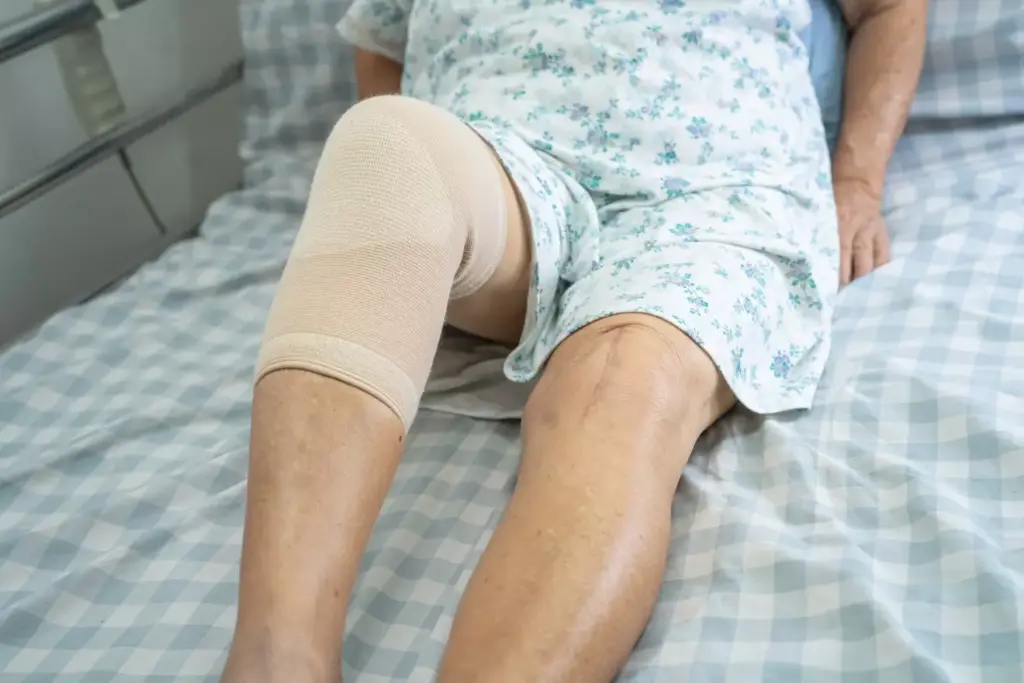
Icing after knee replacement surgery is key to a smooth recovery. It’s not just a simple act; it’s backed by science. It helps reduce inflammation and manage pain.
How Icing Reduces Inflammation and Pain
Icing after knee replacement surgery helps by constricting blood vessels. This reduces blood flow to the affected area. With less blood flow, there are fewer inflammatory cells, which reduces inflammation.
Also, icing numbs the pain by slowing down nerve signals. This makes it a great way to manage pain after surgery. By icing regularly, you can use less pain medication, making recovery safer and more comfortable.
The Science Behind Cold Therapy for Surgical Recovery
Cold therapy, or cryotherapy, is widely used to reduce pain and inflammation after surgery. It works by slowing down cellular activity, reducing inflammation, and numbing pain.
| Benefits of Cold Therapy | Description |
|---|---|
| Reduces Inflammation | Cold temperatures constrict blood vessels, reducing blood flow to the affected area and subsequent inflammation. |
| Manages Pain | Cold therapy numbs the pain by reducing nerve conduction velocity, providing relief from post-surgical pain. |
| Enhances Recovery | By reducing inflammation and pain, cold therapy promotes a faster and more comfortable recovery. |
Setting Expectations for Your Recovery Journey
Recovery from knee replacement surgery is a journey that needs patience and dedication. Icing is a key part of this journey, helping manage pain and inflammation. By icing regularly, you can set yourself up for a successful recovery.
When thinking about “how long to ice knee after replacement,” follow a structured icing schedule, at least in the early stages. The frequency and duration of icing sessions depend on your individual needs and your healthcare provider’s advice.
The Critical First 48 Hours: Immediate Post-Surgery Icing Protocol
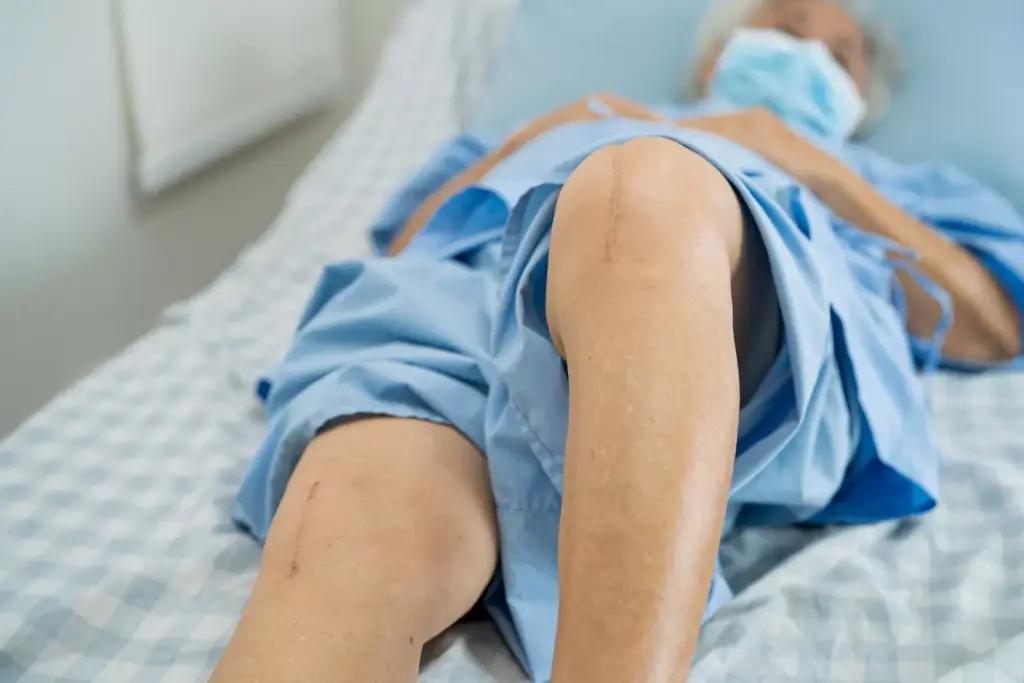
The first 48 hours after knee replacement surgery are key for a smooth recovery. Your body is most ready to respond to treatments that reduce pain and swelling. Icing is a powerful tool for this.
Icing is not just a passive treatment; it’s an active part of your recovery. Knowing how to ice correctly can help you control your recovery and possibly shorten your healing time.
Frequency of Icing in the First Two Days
In the first 48 hours, ice your knee every 2-3 hours for best pain and swelling control. This frequent icing helps by constricting blood vessels and reducing metabolic rate. Consistency is key during this time, as it lays the foundation for your recovery.
A study in a leading orthopedic journal showed that regular icing in the first 48 hours post-surgery leads to less pain and faster recovery. This is compared to those who didn’t ice regularly.
| Time Post-Surgery | Icing Frequency | Duration per Session |
|---|---|---|
| 0-24 hours | Every 2 hours | 15-20 minutes |
| 24-48 hours | Every 3 hours | 15-20 minutes |
Duration of Each Icing Session
Each icing session should last 15 to 20 minutes. This duration is best for reducing inflammation without harming tissues from too much cold. It’s important to let your skin warm up between icing sessions to avoid damage.
Signs That You’re Icing Correctly
So, how do you know if you’re icing correctly? Look for these signs:
- Reduced swelling around the knee area
- Decreased pain levels
- Numbness or a cold sensation in the knee that subsides shortly after removing the ice
If you notice numbness that lasts, skin discoloration, or increased pain, adjust your icing routine.
How Often to Ice After Knee Replacement: Weeks 1-6
Understanding the best icing schedule after knee replacement surgery is key. It helps manage pain and swelling. The icing needs change a lot in the first six weeks, so it’s important to adjust your plan.
Recommended Icing Schedule for Weeks 1-2
In the first two weeks, ice 3-4 times daily. This helps reduce inflammation and pain right after surgery. Each ice session should last 15-20 minutes to cool the tissue safely.
Transitioning to “As Needed” Icing in Weeks 3-6
By weeks 3-6, you can switch to icing only when needed. Swelling and pain should be less by then. Ice after therapy or if pain or swelling come back.
Adjusting Frequency Based on Swelling and Pain
Watch how your body reacts and adjust icing as needed. Ice more if swelling or pain increase. Ice less if you’re feeling better. Listening to your body is essential for a good recovery.
Tracking Your Progress
Keeping a recovery journal is very helpful. Record how often and long you ice, and any changes in swelling, pain, and movement. This helps you see patterns and make better recovery plans. Being proactive and listening to your body helps you recover faster.
Essential Recovery Tip #1: Proper Icing Technique and Safety
To get the most out of icing after knee surgery, knowing the right way to do it is key. Icing helps reduce pain and swelling after knee replacement. But, it must be done correctly to work best.
Safe Application Methods
When icing, it’s important to avoid direct skin contact and other risks. Always use a barrier, like a towel, between the ice and your skin.
Key steps for safe icing:
- Wrap the ice pack in a towel or cloth.
- Apply the wrapped ice pack to the affected area.
- Secure the ice pack with a bandage or elastic wrap if necessary.
Avoiding Direct Skin Contact
Direct ice contact can lead to frostbite or nerve damage. To prevent this, always use a barrier.
“The use of ice packs or cold compresses is a common method for managing post-operative pain and swelling. But, it’s critical to use these tools correctly to avoid complications.” –
Types of Ice Packs and Cold Therapy Devices
There are many ice packs and cold therapy devices out there, each with its own benefits. Some popular ones include:
| Type | Description | Benefits |
|---|---|---|
| Reusable Ice Packs | Can be frozen and reused multiple times. | Convenient, cost-effective. |
| Cold Compression Sleeves | Provides both cold therapy and compression. | Enhances swelling reduction, easy to use. |
| Cryotherapy Units | Advanced devices that circulate cold water or air. | Precise temperature control, effective pain relief. |
Duration of Icing Sessions (10-20 Minutes)
The length of icing sessions is important for both effectiveness and safety. Sessions should last between 10 to 20 minutes. This helps with pain relief and swelling reduction without risking injury.
By following these guidelines, icing can be a valuable and safe part of your recovery after knee replacement surgery.
Essential Recovery Tip #2: Combining Elevation with Icing
Elevating your knee above heart level, along with icing, boosts your recovery after knee surgery. This method reduces swelling and pain better than either alone.
How to Properly Elevate Your Knee Above Heart Level
To elevate your knee right, lie down and use pillows to prop your leg up. Make sure your knee is higher than your heart. This cuts down blood flow and swelling.
- Use multiple pillows or a wedge pillow to support your leg.
- Keep your knee straight and comfortable.
- Avoid bending your knee or putting pressure on it.
Optimal Timing for Combined Elevation and Icing
Timing is key when you’re icing and elevating your knee in the first 48 hours after surgery. Do both as often as you can during this time.
Recommended Schedule:
- Ice and elevate your knee for 20-30 minutes.
- Take a 10-15 minute break.
- Repeat the process as needed, specially in the first two days after surgery.
Equipment That Can Help with Elevation
There are many tools to help elevate your knee, making it easier and more comfortable.
- Pillows or a body pillow for support.
- A reclining chair or adjustable bed.
- A leg elevation wedge or foam wedge.
Duration of Elevation Periods
The length of time you should elevate your knee changes as you recover. In the early stages, more frequent elevation is best.
For the first 48 hours: Elevate your knee as much as you can, when sitting or lying down.
After 48 hours: Keep elevating your knee, but do it more after activities that swell your knee.
By using elevation and icing together, you can greatly improve your recovery after knee surgery.
Essential Recovery Tip #3: Managing Swelling Expectations
Swelling after knee replacement surgery can worry you if you don’t know what to expect. Swelling is a natural part of healing. Knowing how long it will last can make your recovery better.
Normal Swelling Timeline After Knee Replacement
Swelling peaks in the first few days after surgery. This is because your body is reacting to the surgery. It’s important to remember that some swelling is normal.
When Swelling Should Begin to Decrease (2-4 Weeks)
Swelling starts to go down in 2-4 weeks. You might notice your knee moving better and doing daily tasks easier. This is a good sign you’re getting better.
- Swelling reduction is gradual.
- Improvement in knee mobility is often noticeable.
- Pain levels typically decrease as swelling goes down.
Full Resolution of Swelling (Up to Three Months)
While swelling goes down quickly, it can take up to three months to fully go away. Some swelling might stay for months. Being patient and sticking to your recovery plan is key.
When to Be Concerned About Persistent Swelling
If swelling:
- Does not improve over time.
- Is accompanied by increased pain or redness.
- Is severe and interferes with your daily activities.
You should talk to your doctor. They can figure out why you have swelling and what to do next.
Knowing what to expect with swelling and when to see a doctor can help you feel more confident in your recovery. By managing your expectations and following your recovery plan, you can get the best results from your knee replacement surgery.
Essential Recovery Tip #4: Post-Operative Wound Care and Showering
Knowing how to care for your wound after total knee replacement surgery is key. It helps avoid infections and makes sure your cut heals right.
When It’s Safe to Shower After Surgery
Usually, you can start showering 2-3 days after surgery. This depends on how well your wound is healing. Always listen to what your doctor says about showering and wound care.
Before you shower, make sure your cut is covered with a waterproof dressing. This keeps water out of your wound. It’s a big step in keeping your wound safe and preventing infection.
Protecting Your Incision While Icing
When you ice your knee, keep your incision away from the ice. Wrap the ice in a cloth or towel to protect your skin.
Always check your incision for any signs of irritation or reaction after icing. If you see redness, swelling, or discharge, call your doctor right away.
Signs of Proper Wound Healing
Watching how your wound heals is important. Look for these signs of healing:
- The incision site is clean and dry.
- There’s no significant redness or swelling around the incision.
- You don’t notice any unusual discharge or odor.
Managing Incision Care While Maintaining Icing Schedule
It’s important to plan how to care for your incision and follow your icing schedule. Clean and dry your incision before putting on a new dressing. Don’t ice directly over your incision.
By following these tips, you can keep your incision healthy while icing as part of your recovery.
Essential Recovery Tip #5: Balancing Icing with Physical Therapy
Recovering from knee replacement surgery means balancing icing with physical therapy. This mix can greatly improve your recovery. We’ll show you how to blend icing with physical therapy to ease pain and aid in healing.
Coordinating Icing Sessions with Exercise
It’s key to match your icing with your physical therapy. Ice your knee before therapy to cut down on pain and swelling. Then, ice again after to ease any discomfort or swelling from the exercises.
For example, ice your knee for 15-20 minutes before your morning therapy. After your exercises, ice again for 15-20 minutes to help your knee heal.
Using Ice to Manage Post-Exercise Discomfort
Physical therapy can sometimes cause knee pain or swelling. Ice can help with this. Keep a cold pack or ice wrapped in a towel ready to use right after therapy.
Working with Your Physical Therapist on an Icing Schedule
It’s important to work with your physical therapist on an icing plan. They can guide you on when to ice, making sure you get the most from both icing and therapy.
| Activity | Recommended Icing Time | Benefits |
|---|---|---|
| Before Physical Therapy | 15-20 minutes | Reduces initial pain and inflammation |
| After Physical Therapy | 15-20 minutes | Manages post-exercise discomfort and swelling |
Progressing Through Rehabilitation Milestones
Keep an eye on your progress and adjust your icing plan as needed. You’ll likely see big improvements in the first 3 months after surgery. Regular check-ins with your healthcare team will help fine-tune your recovery plan.
By balancing icing with physical therapy and teaming up with your healthcare team, you can make the most of your recovery. This approach will help you get the best results from your knee replacement surgery.
Essential Recovery Tip #6 & #7: Monitoring Progress and Creating a Recovery Environment
Keeping an eye on your recovery and setting up a supportive space are key. As you heal, track your progress and adjust your plan as needed.
Key Recovery Milestones: 2 Weeks, 6 Weeks, and 3 Months
Knowing the key milestones in your recovery helps you stay on track. Patients often see big improvements at certain times:
- At 2 weeks, you’ll find it easier to do daily tasks, and pain should be manageable.
- By 6 weeks, you’ll have more range of motion and can start tougher exercises.
- At 3 months, your knee function will have improved a lot, though some swelling might remain.
Setting Up Your Home for Optimal Recovery
Creating a comfy and safe space at home is key. Think about these changes:
- Clear pathways to avoid tripping.
- Install handrails in places like bathrooms and stairways.
- Use a raised toilet seat to ease knee strain.
- Keep important items within reach to avoid straining.
Tools and Accessories That Complement Icing Therapy
Several tools can make your recovery better. These include:
- Compression wraps to reduce swelling.
- Elevating pillows or wedges for leg support.
- Cold therapy devices for icing.
Building a Support System for Long-Term Recovery
A strong support system is essential for long-term recovery. This includes:
- Family and friends for daily help.
- Professional caregivers for extra support.
- Support groups for sharing experiences and advice.
By tracking your progress, setting up a good recovery space, and using the right tools and support, you can greatly improve your knee replacement recovery.
Conclusion: Your Path to Successful Knee Replacement Recovery
Recovering from knee replacement surgery needs a few key steps, with icing being very important. By following the 7 essential recovery tips in this article, you’re on the right path. At Liv Hospital, we’re here to support you every step of the way, ensuring you get the best care.
Knowing when to ice your knee is key after surgery. Usually, ice your knee for 15-20 minutes, 3-4 times a day, at first. As you get better, you might ice less often. By three months after your surgery, you’ll likely see big improvements in how your knee feels and works.
Our team at Liv Hospital is here to help you from the start to the end of your recovery. Using icing along with other recovery methods will help you get the best results. This way, you can live a more active and pain-free life.
FAQ
How many days should I ice after knee replacement surgery?
Ice your knee for at least 48 hours after surgery. Do 15-20 minute sessions every few hours. As you get better, you’ll ice less often.
How long should I ice my knee after knee replacement surgery?
Ice for 15-20 minutes, 3-4 times a day for the first two weeks. After that, ice as needed based on swelling and pain.
How often should I elevate my knee after surgery?
Elevate your knee above heart level, often with icing. Do this during icing sessions and as needed to reduce swelling.
When can I take a shower after total knee replacement surgery?
You can shower 2-3 days after surgery, but follow your surgeon’s advice. Protect your incision site when showering.
How long does swelling last after total knee replacement surgery?
Swelling is normal and can last weeks. It starts to go down in 2-4 weeks. Full resolution takes up to three months.
What are the signs of proper wound healing after knee replacement surgery?
A clean, dry incision site with little redness is good. No infection signs like more pain, swelling, or pus. Contact your doctor if worried.
How can I manage post-exercise discomfort after knee replacement surgery?
Ice after exercise to ease discomfort. Match icing with physical therapy. Work with your therapist to plan your icing schedule.
What are some key recovery milestones after knee replacement surgery?
Expect pain to lessen and mobility to improve by 2 weeks. See big progress in physical therapy by 6 weeks. Full recovery is usually by 3 months.
How can I set up my home for optimal recovery after knee replacement surgery?
Make a comfy resting area and keep things within reach. Use tools like ice packs and elevation devices to aid in recovery.
References
- Ice and inflammation: total knee replacement. SucceedCourses. Retrieved from https://www.succeedcourses.com/blog/ice-and-inflammation-total-knee-replacement/ (Succeed Courses)
- How long to use cold therapy after surgery. OrthoBracing Blogs & Resources. Retrieved from https://orthobracing.com/blogs/resources/how-long-to-use-cold-therapy-after-surgery (OrthoBracing)
- How to use ice treatment after knee surgery. Chris Bailey Orthopaedics. Retrieved from https://www.chrisbaileyorthopaedics.com/blog/how-to-use-ice-treatment-after-knee-surgery/ (Chris Bailey Orthopaedics)
- Total knee replacement post‑op instructions. Edwin Su, MD. Retrieved from http://www.edwinsu.com/total-knee-replacement-post-op-instructions/ (edwinsu.com)