Last Updated on December 1, 2025 by Bilal Hasdemir
Many ask, “how quickly does cancer spread? It depends on the cancer type, stage, and individual factors”some grow slowly, while others spread fast.
The speed at which cancer grows can change a lot. Things like the cancer type, its genes, and the patient’s health are all important. Tyrosine kinase inhibitors are a new hope. They target specific ways cancer cells grow and spread.
Key Takeaways
- Cancer spread is influenced by age and tumorigenesis.
- The growth rate of cancer varies based on its type and genetic makeup.
- Tyrosine kinase inhibitors are a treatment option that targets cancer cell growth pathways.
- Understanding cancer growth patterns is key for effective treatment.
- Advanced age is linked to cancer progression in some cases.
The Biology of Cancer Cell Growth
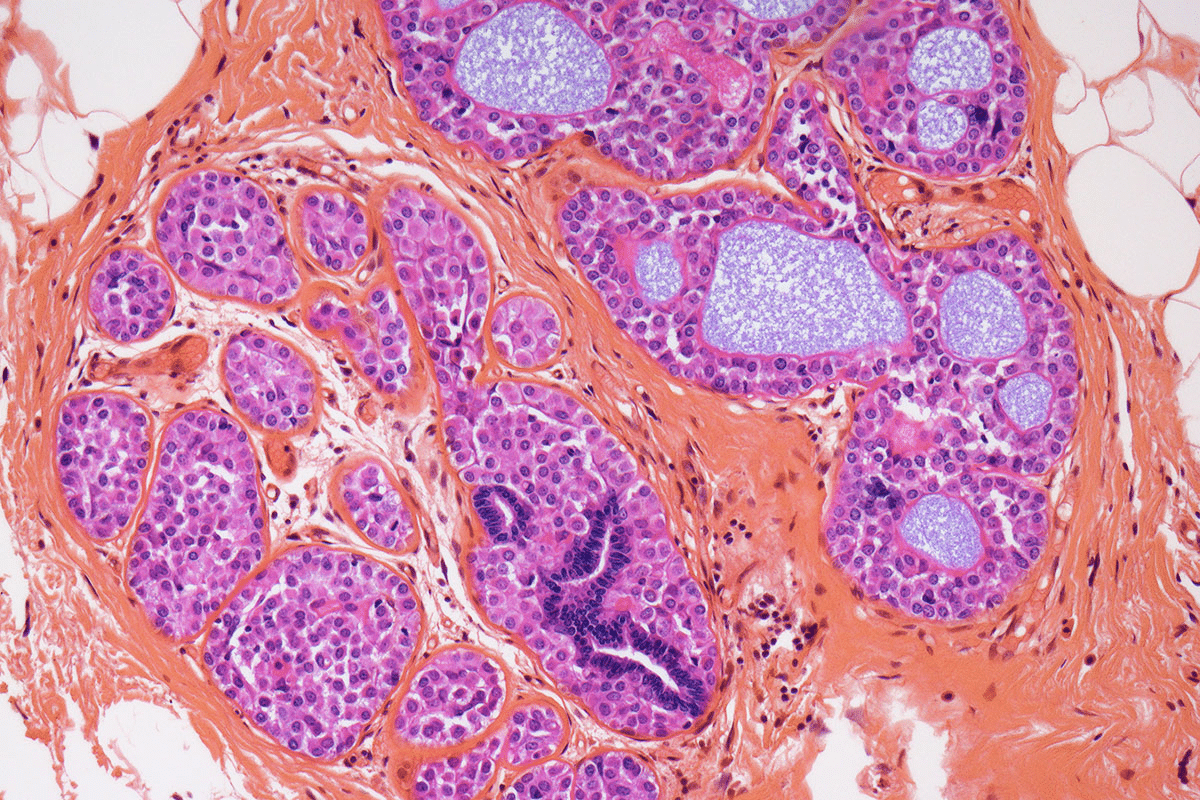
Cancer is all about cells growing out of control. They don’t follow the usual rules. This happens because of genetic changes that mess with how cells work.
Cell Division Gone Wrong: The Hallmark of Cancer
Cancer cells keep growing without stopping. They ignore signals that tell them to stop. Experts say, “Cancer cells can bypass the body’s natural mechanisms for controlling cell growth, leading to tumor formation”
“Cancer is a disease of unchecked cell proliferation, driven by genetic instability and environmental factors.”
This endless division is what makes cancer special. It’s caused by changes in genes that control cell growth.
Distinguishing Between Benign and Malignant Growth
Not every abnormal growth is cancer. Benign tumors, for example, don’t spread or invade. But malignant tumors do. The main difference is their ability to harm and spread. Knowing this helps choose the right treatment.
The science behind cancer cell growth is very complex. It involves many genetic and environmental factors. By understanding how cancer grows, we can create better treatments to fight it.
Factors That Determine Cancer Growth Rates
Cancer growth rates are shaped by many factors. These include genetic mutations and the tumor microenvironment. Knowing these factors helps predict how fast cancer will grow and find the best treatments.
Genetic Mutations and Cell Type
Genetic changes are key in how fast cancer grows. Different cancers grow at different speeds. Some grow fast, while others grow slower.
For example, some genetic changes make cells grow more. Others make tumors grow more aggressively.
- Key genetic factors:
- Mutations in oncogenes and tumor suppressor genes
- Genetic instability and epigenetic changes
- Specific genetic mutations associated with aggressive tumor behavior
Tumor Microenvironment Influence
The tumor microenvironment greatly affects cancer growth rates. This environment includes non-cancerous cells like immune cells and fibroblasts. They can either help or hinder tumor growth.
A study showed that older peritoneal cavities are more welcoming to cancer cells. This shows how important the microenvironment is in cancer growth.
Patient-Specific Factors: Age, Immunity, and Comorbidities
Age, immunity, and comorbidities also play a role in cancer growth. Older people often have weaker immune systems. This makes it easier for cancer to spread.
Having other health issues like diabetes can also affect cancer treatment. These factors can change how cancer grows and responds to treatment.
- Patient-specific factors to consider:
- Age and its impact on immune function
- Presence of comorbidities and their effect on cancer treatment
- Immune status and its influence on tumor growth
The Metastatic Process Explained
Cancer metastasis is a complex process. It turns a local disease into a widespread threat. Cancer cells leave the main tumor, enter the blood, and start new tumors in other organs.
Breaking Away: How Cancer Cells Enter Circulation
The metastasis journey starts with cancer cells leaving the main tumor. This is called exfoliation. They can go into body cavities or the bloodstream.
For example, some cancers shed cells into the peritoneal cavity. This is how they spread.
Once detached, cells must invade nearby tissue and get into the blood. This is key for reaching other parts of the body.
Establishing New Colonies: The Mechanics of Metastasis
After getting into the blood, cells face many challenges. They must survive the trip, avoid the immune system, and start a new tumor. This is a complex battle between cancer cells and the body’s defenses.
Some cancers prefer to spread to certain organs. For example, breast cancer often goes to bones, lungs, and liver.
Organ-Specific Patterns of Cancer Spread
Many factors influence where cancer spreads. These include the cancer type, where the main tumor is, and the cells’ molecular makeup. Knowing these patterns helps predict how the disease will grow and develop treatments.
For instance, prostate cancer usually goes to bones. Lung cancer can spread to the brain, bones, and adrenal glands. The reasons for these patterns are complex and involve many factors.
Typical Timelines for Cancer Development
The time it takes for cancer to develop varies a lot. Knowing these timelines helps both patients and . It guides treatment plans and gives a better idea of what to expect.
From Initial Mutation to Detectable Mass
The first genetic change in a cell to a noticeable tumor can take years or decades. Many things can affect this time, like the cancer type, genetics, and environment (Source: Second web source). For example, some cancers grow fast, like pancreatic cancer. Others, like prostate cancer, grow slowly over years.
Understanding Tumor Doubling Time
Tumor doubling time is how long it takes for a tumor to grow twice its size. This is important because it shows how fast a tumor grows. Some tumors grow quickly, in just weeks, while others take months or years.
This information helps know how aggressive a cancer is. They can then plan the best treatment.
Why Some Cancers Remain Dormant for Years
Some cancers can stay hidden for a long time. This can happen for many reasons, like the cancer’s genes, the immune system, and the tumor’s environment. For example, some breast and prostate cancers grow slowly and don’t cause symptoms for years.
Research is ongoing to understand why some cancers stay hidden. This could lead to better ways to find and treat them early.
| Cancer Type | Typical Tumor Doubling Time | Growth Rate |
| Breast Cancer | 100-300 days | Variable |
| Lung Cancer | 30-180 days | Fast to Moderate |
| Prostate Cancer | 200-500 days | Slow to Moderate |
Knowing how long it takes for cancer to develop helpsgive better care. It shows why regular check-ups are so important. Early detection and treatment can make a big difference.
Breast Cancer: Growth Patterns and Progression
Breast cancer grows in complex ways, influenced by many factors. These include the biology of the tumor and the patient’s health. Knowing these factors helps us create better treatments and improve outcomes.
Triple-Negative vs. Hormone-Positive Growth Rates
Breast cancer is not just one disease; it’s a range of diseases with different traits. Two main types are triple-negative breast cancer (TNBC) and hormone-positive breast cancer. TNBC lacks estrogen receptors, progesterone receptors, and excess HER2 protein, making it aggressive and hard to treat. Hormone-positive cancers grow slower and may respond to hormone therapies.
Studies show that TNBC grows faster than hormone-positive cancers. A study found TNBC has a higher Ki-67 labeling index. This marker shows faster cell growth, leading to more aggressive tumors.
Mammographic Detection Thresholds and Timeline
Mammography is key in finding breast cancer. Its success depends on breast density and the radiologist’s skill. Generally, mammography can spot tumors when they are about 1 cm in diameter, but this can change.
The time from when a tumor starts to when it’s found is complex. It’s influenced by how fast the tumor grows and how often you get screened.
“The average doubling time for breast cancer is estimated to be around 200 days, but this can range from less than 100 days to over 600 days, depending on the tumor subtype.”
Knowing this timeline helps us set better screening times and find tumors earlier.
| Tumor Subtype | Average Doubling Time (Days) | Typical Detection Size (cm) |
| Triple-Negative | 100-150 | 1-2 |
| Hormone-Positive | 200-300 | 1-3 |
Lymph Node Involvement and Distant Spread
Lymph nodes play a big role in breast cancer staging and how well a patient will do. Cancer cells often first go to nearby lymph nodes before spreading to distant places. How likely this is depends on the tumor’s size and type.
TNBC is more likely to spread to lymph nodes and distant sites than hormone-positive cancers. Knowing how cancer spreads helps us plan treatments like surgery, radiation, and systemic therapies.
Every patient’s fight with breast cancer is unique, shaped by many biological and factors. By understanding these differences, we can offer more personalized and effective care.
Prostate Cancer: Often Slow, Sometimes Swift
Prostate cancer can grow at different rates. It often grows slowly, but sometimes it can grow fast. Knowing how it grows helps treat it better.
Gleason Score and Growth Correlation
The Gleason score is key in understanding prostate cancer growth. It rates the tumor based on how much it looks like normal prostate cells. A higher score means the cancer is more aggressive and grows faster.
Research shows the Gleason score is a good predictor of how well a man will do. For example, men with a score of 6 or less usually have a better outlook than those with higher scores.
PSA Velocity as a Measure of Progression
PSA velocity is another important factor. It measures how fast PSA levels change over time. A quick rise in PSA levels may mean the cancer is aggressive and needs closer watch or more treatment.
PSA velocity is calculated by tracking PSA level changes over time. A higher rate is linked to a higher risk of cancer spreading and growing.
Bone Metastasis Timeline in Advanced Disease
In advanced prostate cancer, bone metastasis is a common problem. The time it takes for bones to be affected varies. It depends on the Gleason score and PSA velocity.
Bone metastasis can cause a lot of pain and other serious problems. Knowing the risk and when it might happen helps manage advanced prostate cancer better.
Lung Cancer: Rapid Progression Concerns
It’s important to understand how lung cancer grows to create good treatment plans. There are two main types: small cell lung cancer (SCLC) and non-small cell lung cancer (NSCLC). Each type grows differently and needs different treatments.
Small Cell vs. Non-Small Cell Growth Differences
Small cell lung cancer grows fast and spreads early. It often shows up with disease all over the body. Non-small cell lung cancer grows slower but can be aggressive too. The way each type grows affects treatment and how well patients do.
“The difference between SCLC and NSCLC matters a lot,” says a top oncologist. “SCLC needs quick and strong treatment because it grows fast.”
Smoking Impact on Tumor Acceleration
Smoking is a big risk for lung cancer and makes tumors grow faster. Studies show smoking increases lung cancer risk and makes the disease worse. A study found, “Smoking makes lung cancer grow faster, showing why quitting is key in cancer care.”
Brain Metastasis Risk and Timeline
Lung cancer, mainly NSCLC, often spreads to the brain. The chance of brain metastasis is high, and when it happens can vary. Knowing the risks and when brain metastasis might happen is key for watching and managing it.
- The risk of brain metastasis is higher in patients with advanced NSCLC.
- Regular imaging studies are key for catching brain metastases early.
- Symptoms of brain metastasis include headaches, seizures, and changes in thinking.
Other Common Cancers and Their Spread Patterns
Beyond breast, prostate, and lung cancer, other cancers like colorectal, melanoma, and pancreatic cancer pose unique challenges. We’ll look at their growth patterns and how they spread.
From Polyp to Invasive Disease
Colorectal cancer often starts as a benign polyp. Over time, it can turn malignant. This process can take years, giving us a chance to catch it early through screening.
The growth rate of colorectal cancer varies. Some tumors grow slowly, while others grow fast. Knowing this helps choose the right treatment.
Unpredictable and Sometimes Explosive Growth
Melanoma, a skin cancer, is unpredictable. Some grow slowly, while others grow fast. Catching it early is key.
Melanoma can spread early, making it dangerous. Even thin melanomas can spread, highlighting the need for quick action.
Why It’s Often Detected Late
Pancreatic cancer is often caught late. Its symptoms are often mistaken for other conditions. By the time it’s diagnosed, it may have spread, making treatment harder.
The aggressive nature of pancreatic cancer and late diagnosis lead to poor outcomes. Ongoing research aims to find better ways to detect and treat it.
Cancer Staging and Progression Timeline
Cancer staging systems help understand how serious cancer is and what the future might hold. Knowing how far cancer has spread is key to choosing the right treatment.
The TNM Classification System Explained
The TNM system is a common way to stage cancer. It was created by the Union for International Cancer Control (UICC) and the American Joint Committee on Cancer (AJCC). It looks at three main things: the size of the tumor (T), if nearby lymph nodes are involved (N), and if cancer has spread (M).
Each part gets a score. The scores together show the cancer’s stage. This method helps talk clearly about cancer spread and decide on treatments.
Average Time from Stage 1 to Stage 4
The time it takes for cancer to move from Stage 1 to Stage 4 varies. It depends on the type of cancer and the person. Stage 1 means the cancer is small and local. Stage 4 means it has spread to distant parts of the body.
This change can happen in months or years. How fast it happens depends on the cancer’s aggressiveness, the patient’s immune system, and any treatments they get.
Stage Migration: When Better Detection Changes Statistics
Stage migration happens when better tests lead to more cancers being caught early. This means more cancers are diagnosed at earlier stages. This can make survival rates seem better than they really are.
It’s important to remember this when looking at cancer statistics. It shows how new tests and treatments can really make a difference in survival rates.
Debunking Myths: Can Tumors Grow Overnight?
The idea that cancer can grow fast overnight is a common fear. But what does science really say? We often hear wrong things about how fast tumors grow. It’s key to know the truth about cancer growth.
Perceived vs. Actual Growth Rates
Tumors don’t grow overnight. The feeling of fast growth might come from inflammation or body changes. Real growth rates differ a lot between cancers and depend on genetics, environment, and patient health.
Research shows tumors double in size from weeks to years. This shows how complex cancer is. It highlights the need for tailored treatment plans.
Inflammation and Swelling Effects on Tumor Size
Inflammation and swelling can make a tumor seem bigger. When a tumor gets inflamed, it can swell with immune cells and fluid. This swelling can look like the tumor is growing fast. This swelling can be mistaken for tumor growth, causing unnecessary alarm. It’s key to understand how inflammation affects tumor size for accurate diagnosis and treatment.
- Inflammation can cause a tumor to appear larger.
- Swelling may be mistaken for tumor growth.
- Accurate diagnosis requires consideration of these factors.
Psychological Aspects of Discovering a Lump
Finding a lump can be very upsetting, often leading to fears of fast cancer growth. The emotional impact of finding a new lump is big. It’s vital to give accurate info and support. Healthcare providers play a key role in easing worries and guiding what to do next after finding a lump.
Not all lumps are cancer, and a detailed check is needed to find out why. By understanding the emotional side of finding a lump, we can help patients more during this tough time.
Diagnostic Windows and Treatment Timelines
The time from cancer diagnosis to treatment start is key in cancer care. Early detection is vital for better cancer outcomes, as studies show (Source: Second web source).
Imaging Limitations for Early Detection
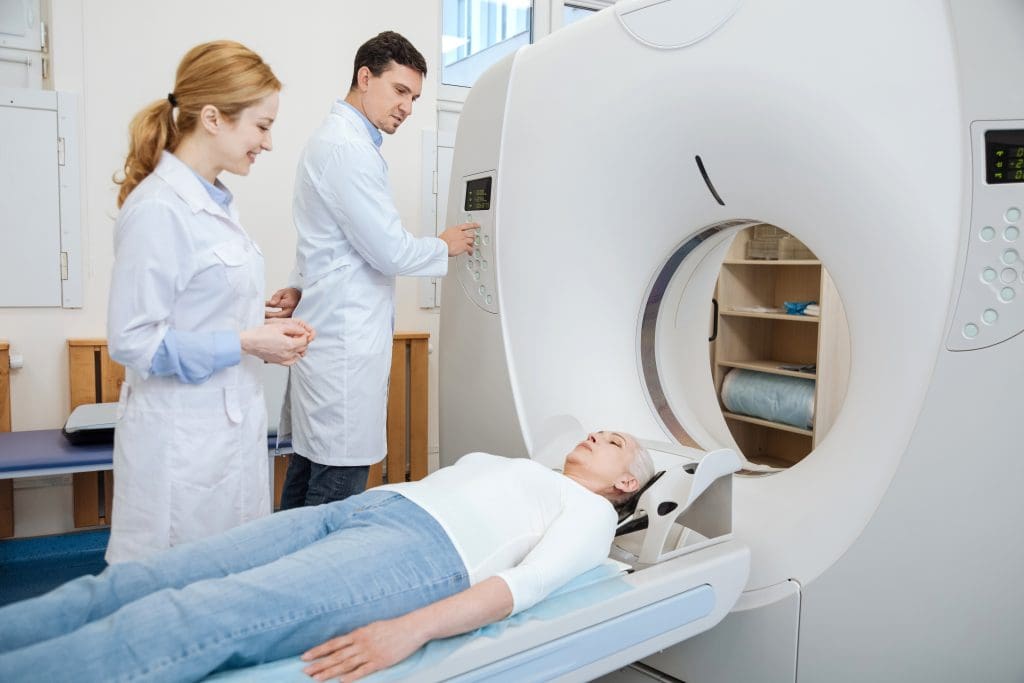
Even with new imaging tech, finding cancer early is hard. Imaging tools like MRI and CT scans help, but they’re not perfect. We must think about these limits when we talk about diagnostic windows.
- Resolution limits of current imaging technologies
- Difficulty in detecting small or diffuse tumors
- Variability in interpretation among radiologists
The Critical Window Between Diagnosis and Treatment
The time from diagnosis to treatment is very important. Waiting too long can hurt patient outcomes. We need to know what affects this time to give better care.
- Coordination of multidisciplinary care teams
- Patient-specific factors, such as comorbidities and preferences
- Logistical considerations, including insurance approvals
Impact of Treatment Delays on Outcomes
Waiting too long for treatment can greatly affect cancer outcomes. Studies link quick action to better survival and quality of life. We must work to reduce delays for better patient care.
Key considerations include the type of cancer, the stage at diagnosis, and the patient’s overall health. By understanding these, we can meet each patient’s unique needs.
Tyrosine Kinase Inhibitors: Targeting Cancer’s Growth Engines
Tyrosine kinase inhibitors (TKIs) have changed cancer treatment. They target the molecular engines that drive tumor growth. This has given new hope to patients with few treatment options before.
Molecular Mechanism of TKIs in Halting Cancer Spread
TKIs block tyrosine kinases, enzymes that control cell division and survival. In cancer cells, these enzymes are often too active or mutated. This leads to uncontrolled growth.
By stopping tyrosine kinase activity, TKIs disrupt cancer’s growth signals. This effectively stops the disease from spreading.
TKIs are specific, targeting cancer cells while sparing healthy tissues. This reduces side effects seen with traditional chemotherapy. Their targeted approach makes them a key part of cancer treatment.
First, Second, and Third-Generation TKIs
TKIs have evolved over time, each generation addressing new challenges and improving effectiveness. First-generation TKIs were the first to offer a new treatment option. But, they had limitations, like resistance development.
Second-generation TKIs were made to overcome these issues. They are more potent and work against mutated kinases. These drugs help patients who have become resistant to first-generation TKIs.
Third-generation TKIs are the latest advancement. They are more selective and effective against specific mutations. These drugs target resistance mutations that develop during treatment with earlier TKIs. This provides a more personalized approach to cancer therapy.
Research is ongoing to develop new TKIs and improve existing ones. Understanding cancer’s growth and spread helps us use TKIs better. This can lead to better patient outcomes.
Precision Medicine: Matching Treatments to Cancer Biology
Precision medicine is changing how we treat cancer. It tailors treatments to each patient’s needs. By knowing the genetic and molecular details of each cancer, we can make treatments more effective.
Genomic Testing to Predict Spread Patterns
Genomic testing is key in precision medicine. It helps us guess how cancer might spread. By looking at tumor genetics, we find therapy targets and predict metastasis.
Some genetic changes suggest cancer might spread to places like the lungs or liver. This info helps us plan treatments and watch for cancer growth.
Biomarkers That Guide TKI Selection
Biomarkers are important in precision medicine. They help pick the best treatment for a patient. For TKIs, biomarkers are vital in finding who will benefit most.
For example, certain genetic changes, like EGFR or ALK, show a patient might do well with certain TKIs. Using biomarkers for TKI selection improves treatment results and reduces side effects.
Liquid Biopsies for Real-Time Monitoring
Liquid biopsies are a new way to check on cancer. They look at tumor DNA in blood for real-time updates. This lets us adjust treatments as needed.
| Advantages of Liquid Biopsies | Traditional Biopsy Methods |
| Non-invasive | Invasive |
| Real-time monitoring | Limited to a single time point |
| Can detect minimal residual disease | May not detect minimal residual disease |
Precision medicine is making cancer care better. As we learn more about cancer, we’ll see even more new uses of precision medicine.
Resistance Mechanisms: When Cancer Adapts
Cancer treatment faces a big challenge: resistance to Tyrosine Kinase Inhibitors (TKIs). This resistance can take many forms. It makes treating cancer harder and affects how well patients do.
Primary vs. Acquired Resistance to TKIs
There are two main types of resistance to TKIs: primary and acquired. Primary resistance means cancer cells don’t respond to TKIs from the start. Acquired resistance happens when cancer cells adapt to the treatment over time, often through genetic changes.
It’s key to know the difference between these resistances. This helps us create better treatment plans for each patient.
Genetic Mutations That Drive Resistance
Genetic changes are a big part of TKI resistance. These changes can make the drug less effective or find new ways for cancer cells to grow.
- EGFR mutations are common in non-small cell lung cancer. They can make some TKIs less effective.
- Secondary mutations can happen during treatment, making resistance worse.
- The activation of alternative signaling pathways helps cancer cells find ways to keep growing, even with TKIs.
Strategies to Overcome Treatment Failure
To beat TKI resistance, we need a few strategies:
- Next-generation TKIs that target resistant mutations.
- Combination therapies that use TKIs with other treatments to fight resistance.
- Regular monitoring of the tumor’s genetic profile to catch new resistance early.
- trials to find new ways to fight resistance.
By tackling TKI resistance head-on, we can make treatments better. This improves life quality for cancer patients.
Emerging Research in Cancer Growth Control
New research is showing us how to control cancer growth better. This gives hope to people all over the world. We’re learning more about cancer biology, leading to new ways to fight tumors.
New tyrosine kinase inhibitors (TKIs) are being tested in trials. These TKIs aim to fix the problems of earlier versions, like resistance and selectivity issues.
Some promising TKIs include:
- Third-generation TKIs that target specific mutations in cancer cells, improving efficacy and reducing side effects.
- Mutant-selective TKIs that are designed to spare wild-type kinases, minimizing toxicity.
These new TKIs are showing great promise in trials. They could lead to better outcomes for patients.
| TKI Generation | Target Mutations | Trial Phase |
| Third-generation | Specific resistance mutations | Phase III |
| Mutant-selective | EGFR, ALK, and other oncogenic drivers | Phase II |
Combination Approaches to Prevent Resistance
Researchers are looking at combining TKIs with other therapies to fight resistance. This mix aims to boost effectiveness and delay resistance.
Some strategies include:
- TKI + Immunotherapy: Combining TKIs with checkpoint inhibitors to leverage the immune system’s ability to fight cancer.
- TKI + Other Targeted Therapies: Pairing TKIs with other targeted agents to create a multi-faceted attack on cancer cells.
Immunotherapy Integration with Targeted Treatments
Combining immunotherapy with targeted treatments like TKIs is a promising area. This mix could lead to longer-lasting responses and better survival rates.
As we dive deeper into these areas, we’ll find new ways to improve cancer treatment. These innovative methods are shaping the future of cancer care, bringing hope to patients and their families.
Lifestyle Factors That May Influence Cancer Progression
Looking into how cancer grows, our daily habits matter a lot. What we eat, how much we exercise, and our stress levels all affect cancer’s spread.
Diet and Nutritional Impacts on Tumor Growth
Our diet can either help or hinder cancer growth. Eating lots of fruits, veggies, and whole grains gives us key nutrients and antioxidants. These can slow down tumor growth. But, a diet full of processed foods, sugar, and unhealthy fats can speed it up.
Nutritional components that might help fight cancer include:
- Omega-3 fatty acids in fatty fish
- Antioxidants in berries and leafy greens
- Fiber in whole grains and legumes
Exercise Effects on Cancer Metabolism
Exercise is good for cancer metabolism. It can lower insulin resistance, boost the immune system, and affect hormone levels that impact cancer growth.
Studies have shown that exercise can improve outcomes for patients with breast, colon, and prostate cancer. The reasons are complex, involving changes in metabolism, immune response, and tumor environment.
Stress Reduction and Immune Function
Long-term stress weakens the immune system, letting cancer cells grow and spread. Stress-reducing activities like meditation, yoga, and deep breathing can help. They support the immune system.
Adding stress-reducing habits to our daily lives can help our bodies fight cancer better. This approach to cancer care works alongside traditional treatments and boosts overall health.
Conclusion: Balancing Urgency and Perspective in Cancer Care
When dealing with cancer, finding the right balance is key. We must act quickly, but also think about each patient’s unique situation. This balance is vital for effective care.
Cancer treatment can’t be the same for everyone. Things like the type of tumor, the patient’s health, and their lifestyle matter a lot. By using new technologies in precision medicine, we can make treatments fit each person better. This helps improve their health and life quality.
To truly help patients, we need a careful mix of urgency and understanding. This way, we can give the best treatment when it’s needed most. At the same time, we make sure to support their emotional and mental health during their journey.
FAQ
How quickly can cancer spread?
Cancer spread rates can vary a lot. We talk about what affects these rates and why understanding growth patterns is important.
What is the average time from stage 1 to stage 4 cancer?
The time from stage 1 to stage 4 cancer varies a lot. We discuss the TNM system and how cancer can move through stages.
Can lifestyle factors influence cancer progression?
Yes, lifestyle choices like diet, exercise, and stress can affect cancer progression. We look into how these factors can help control tumor growth and boost the immune system.
How do cancer cells develop resistance to TKIs?
Cancer cells can become resistant to TKIs through genetic changes. We discuss ways to overcome this resistance and new research on controlling cancer growth.
What is precision medicine in cancer treatment?
Precision medicine matches treatments to a cancer’s unique biology. We explore how this approach can predict how cancer will spread and guide treatment choices.
How do tyrosine kinase inhibitors halt cancer spread?
TKIs target specific growth signals in cancer cells. We explain how different TKIs work and their role in fighting cancer.
What is the critical window between diagnosis and treatment?
The time between finding out you have cancer and starting treatment is very important. We discuss why delays can be harmful and the need for early detection.
Can tumors grow overnight?
Tumors can’t grow overnight. We clear up this myth and talk about the real growth rates of tumors and the emotional impact of finding a lump.
How quickly does prostate cancer grow?
Prostate cancer often grows slowly, but sometimes it can grow quickly. We discuss how the Gleason score helps predict growth and how PSA velocity shows progression.
How quickly does breast cancer grow?
Breast cancer growth rates can differ. We talk about how fast different types of breast cancer grow and how they are detected.
How long does it take for cancer to develop?
The time it takes for cancer to develop can vary a lot. We explore why some cancers take years to grow and why others grow faster.
How does cancer metastasis occur?
Metastasis is when cancer cells spread to other parts of the body. We explain how this happens and why some cancers spread to certain areas more than others.
What factors influence cancer growth rates?
Several things can affect how fast cancer grows. These include genetic changes, the type of cell, the tumor’s environment, and factors like age and health.
How does cancer cell growth go wrong?
Cancer happens when cells start growing out of control. We look into why this happens and the difference between normal and cancerous growth.
What are tyrosine kinase inhibitors, and how do they work?
Tyrosine kinase inhibitors (TKIs) are a special kind of treatment. They block certain enzymes that help cancer cells grow. This stops the cancer from spreading by blocking its growth signals.
How quickly does cancer spread?
Cancer spread can vary a lot. It depends on the cancer type, its stage, and other factors. We talk about what affects cancer growth rates and why it’s key to know how it grows.