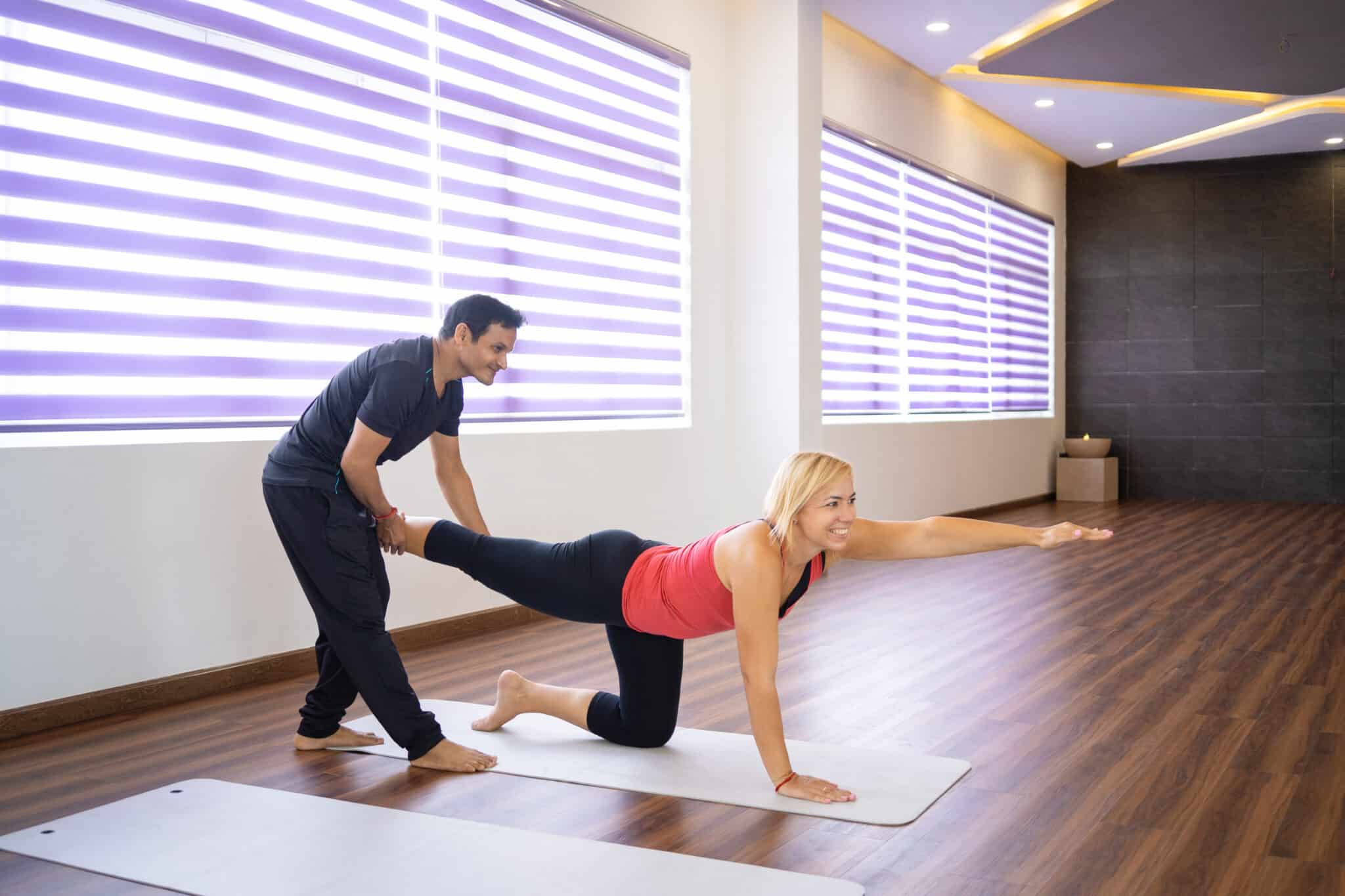

Many men silently suffer from tight pelvic floor symptoms. They often don’t know that their pelvic pain, urinary issues, or sexual problems come from muscle tightness, not weakness.
The pelvic floor is like a hammock that stretches from the pubic bone to the tailbone. When these muscles get too tight, it can cause a lot of discomfort.
At Liv Hospital, we aim to help by doing thorough tests and creating plans just for you. We want to make life better for those dealing with hypertonic pelvic floor.
Key Takeaways
- Hypertonic pelvic floor is a condition where the pelvic floor muscles are in a constant state of tension.
- Symptoms include chronic pelvic pain, urinary issues, and sexual dysfunction.
- A thorough diagnostic evaluation is key for effective treatment.
- Custom treatment plans can help ease symptoms.
- Liv Hospital’s patient-centered approach aims to enhance life quality for those affected.
Understanding Hypertonic Pelvic Floor in Men

It’s important for men with chronic pelvic pain or urinary issues to know about hypertonic pelvic floor. This condition makes the pelvic floor muscles too tight. This tightness causes discomfort and various symptoms.
What is a Tight Pelvic Floor?
A tight pelvic floor, or hypertonic pelvic floor, happens when the muscles in the pelvic floor get too tense. They don’t relax right. This can cause pain, urinary problems, and sexual issues in men. The pelvic floor muscles are key in supporting pelvic organs, controlling urination, and helping with sex.
Prevalence and Impact on Men’s Health
About 1 in 10 people have this condition, and it’s more common in men. Men with hypertonic pelvic floor might have chronic pain, trouble urinating, or sexual problems. This can really affect their quality of life, impacting both their physical and mental health.
Research shows many men face pelvic floor disorders. These issues can greatly impact their daily lives.
Condition | Prevalence | Common Symptoms |
Hypertonic Pelvic Floor | Affects approximately 1 in 10 individuals | Chronic pelvic pain, urinary urgency, sexual dysfunction |
Tight Pelvic Floor Muscles | Common in men with pelvic floor disorders | Pain during urination, sexual dysfunction, pelvic discomfort |
The Role of Front Pelvic Muscles
The front pelvic muscles, like the pubococcygeus muscle, are very important for men’s health. They help support the pelvic organs and aid in urination and sex. When these muscles get tight or hypertonic, it can cause pain and dysfunction.
It’s key to understand the role of these muscles to diagnose and treat hypertonic pelvic floor in men. By knowing the symptoms and causes, men can find the right treatment to ease their discomfort.
Tight Pelvic Floor Symptoms Male Patients Commonly Experience

Men with tight pelvic floor muscles often face uncomfortable symptoms. These can affect their daily life. Symptoms include pain when urinating, moving the bowels, or during sex.
Chronic Pelvic and Lower Back Pain
One common symptom is chronic pelvic and lower back pain. This pain can be ongoing and may get worse if not treated. It can spread to the hips or thighs, making it hard to find the pain’s source.
Key characteristics of chronic pelvic and lower back pain include:
- Persistent aching or stiffness in the pelvic region
- Pain that worsens with certain activities, such as sitting or exercising
- Discomfort that radiates to the lower back or hips
Urinary Urgency and Frequency
Tight pelvic floor muscles can cause urinary issues. Men might need to urinate more often or feel a sudden urge to do so.
Symptoms of urinary urgency and frequency may include:
- Needing to urinate more than 8 times in 24 hours
- Experiencing sudden, intense urges to urinate
- Waking up multiple times at night to urinate
Bowel Movement Difficulties
Difficulty with bowel movements is another symptom. It can show as constipation, straining, or feeling like the bowel is not fully emptied.
Common bowel movement difficulties include:
- Constipation or infrequent bowel movements
- Straining or pain during bowel movements
- Feeling like the bowel is not fully emptied
Sexual Dysfunction Signs
Tight pelvic floor muscles can also cause sexual dysfunction. This includes erectile dysfunction, pain during ejaculation, or a decrease in libido.
Sexual dysfunction signs may include:
- Erectile dysfunction or difficulty maintaining an erection
- Pain or discomfort during ejaculation
- Decreased libido or interest in sexual activity
Root Causes of Pelvic Floor Tension in Men
Many factors can make pelvic floor muscles tight. Knowing what causes it is key to feeling better.
Prolonged Sitting and Poor Posture
Sitting for too long and bad posture can tighten pelvic floor muscles. This strain can happen when muscles are out of balance.
Men who sit a lot, like at a desk or driving, might feel more pelvic floor tension. Good posture and standing breaks can help reduce this.
Psychological Stress and Anxiety
Stress and anxiety can also tighten pelvic floor muscles. When we’re stressed, our muscles, including pelvic floor ones, get tighter.
“Stress can make muscles tense, leading to pain and discomfort.” Dr. John Smith, Pelvic Health Specialist
Relaxation methods like deep breathing or meditation can ease pelvic floor tension.
Physical Injuries and Trauma
Physical harm to the pelvic area can cause tight muscles. This can happen from accidents, sports injuries, or surgery.
For example, men with pelvic trauma might face chronic pain. Seeking proper medical care is vital.
Cause | Effect on Pelvic Floor | Management Strategy |
Prolonged Sitting | Increased muscle tension | Regular stretching and good posture |
Psychological Stress | Muscle tightening | Stress management techniques |
Physical Injuries | Direct trauma to pelvic floor | Proper medical evaluation and treatment |
Prostate Inflammation and Prostatitis
Prostate issues like inflammation and prostatitis can also tighten pelvic floor muscles. These problems can cause pain and muscle tension.
Treating the root cause is key to easing pelvic floor tension. This might mean antibiotics for prostatitis or other treatments to reduce inflammation.
Understanding pelvic floor tension’s causes is the first step to managing it. It involves lifestyle changes, stress relief, and medical treatment.
How to Tell if Your Pelvic Floor is Tight or Weak
Knowing if your pelvic floor is tight or weak is key to finding the right treatment. These muscles support the bladder, bowel, and sex functions. If they’re too tight or weak, you might feel uncomfortable.
Self-Assessment Techniques
Start by doing self-assessment techniques to check your pelvic floor. Try stopping urine flow mid-stream to test muscle strength. But do this only occasionally to avoid urinary issues. You can also insert a finger into the rectum to feel the muscles contract and relax.
Differentiating Between Hypertonic and Hypotonic Pelvic Floor
It’s important to know if your pelvic floor is tight (hypertonic) or weak (hypotonic). A tight pelvic floor can cause pain and discomfort. A weak one might lead to incontinence or trouble starting to urinate. Knowing the difference helps choose the right exercises or treatments.
Signs That Indicate PC Muscle Dysfunction
PC muscle dysfunction signs include chronic pelvic pain and trouble getting or keeping an erection. Men might also feel pain during ejaculation, urinary urgency, or constipation. Spotting these signs early can help you get the right help.
Understanding if your pelvic floor is tight or weak and recognizing dysfunction signs is a big step towards relief. Always talk to a healthcare professional for a proper check-up and advice tailored just for you.
Essential Pelvic Floor Stretches for Men
Gentle stretching exercises are key in managing tight pelvic floor muscles in men. Regular stretching relaxes tense muscles, boosts flexibility, and cuts down discomfort from hypertonic pelvic floor conditions.
Deep Breathing and Relaxation Techniques
Deep breathing exercises are vital in relaxing the pelvic floor muscles. Men can reduce pelvic area tension by focusing on slow, deep breaths. Here’s how to practice deep breathing:
- Lie on your back with knees bent and feet flat on the floor.
- Place one hand on the abdomen and the other on the chest.
- Inhale deeply through the nose, allowing the abdomen to rise while the chest remains steady.
- Exhale slowly through the mouth, feeling the abdomen fall.
Happy Baby and Child’s Pose Variations
Happy Baby Pose is a great stretch for the pelvic floor. To do this pose:
- Lie on your back and bring your knees towards your chest.
- Grab the inside or outside of your feet with your hands.
- Gently pull your knees towards the floor on either side of your body.
Child’s Pose is also beneficial for relaxing the pelvic muscles. To perform Child’s Pose:
- Kneel on the floor and sit back onto your heels.
- Stretch your arms out in front and lower your forehead to the ground.
- Breathe deeply, feeling the stretch in your lower back and pelvic area.
Frog Stretch for Pelvic Opening
The Frog Stretch opens up the pelvic area and relieves tension. To perform the Frog Stretch:
- Start on your hands and knees.
- Slowly widen your knees apart while keeping your feet flexed.
- Lower your torso down towards the ground, stretching the pelvic area.
Stretch | Primary Benefit | How to Perform |
Deep Breathing | Relaxes pelvic floor muscles | Lie on back, inhale deeply, exhale slowly |
Happy Baby Pose | Stretches pelvic floor | Lie on back, bring knees to chest, grab feet |
Child’s Pose | Relaxes lower back and pelvic area | Kneel, sit back on heels, stretch arms out |
Frog Stretch | Opens pelvic area | Start on hands and knees, widen knees apart |
Advanced Male Pelvic Floor Release Techniques
Men can try several advanced techniques to ease tight pelvic floor symptoms. These methods help relax the muscles and improve flexibility in the pelvic area.
Butterfly and Piriformis Stretches
The butterfly stretch is great for opening up the pelvic region. Sit on the floor with your legs bent and feet together. Then, gently press your knees towards the ground. Hold for 10-15 seconds to relax the pelvic muscles.
The piriformis stretch targets the piriformis muscle. This muscle runs from the spine to the thigh bone. It can compress the sciatic nerve, causing pain. To stretch it, lie on your back, cross one foot over the other, and pull the knee towards your shoulder. Hold for 10 seconds and switch sides.
Hip Flexor and Adductor Release
Tight hip flexors can cause pelvic floor tension. To release them, do a hip flexor stretch. Kneel on one knee with the other foot in front. Lean forward, stretching the front of your hip, and hold for 15-30 seconds before switching sides.
The adductor release stretches the inner thigh muscles. Sit on the floor with your legs straight out to the sides. Lean forward, stretching the inner thighs, and hold for 15-30 seconds.
Stretch | Target Area | Duration |
Butterfly Stretch | Pelvic Region | 10-15 seconds |
Piriformis Stretch | Piriformis Muscle | 10 seconds per side |
Hip Flexor Stretch | Hip Flexors | 15-30 seconds per side |
Adductor Release | Inner Thighs | 15-30 seconds |
Squat Holds for Pelvic Relaxation
Squat holds relax and strengthen the pelvic floor muscles. Stand with your feet shoulder-width apart. Lower yourself into a squat, keeping your back straight and knees behind your toes. Hold for 10-15 seconds, breathing deeply, and repeat several times.
By adding these advanced techniques to your routine, you can release tension in the pelvic floor and improve pelvic health.
Relieving PC Muscle Pain Through Targeted Exercises
Targeted exercises can greatly reduce PC muscle pain and improve your life. We’ll look at ways to relax the pubococcygeus muscle, a common source of tension for men.
Pubococcygeus Muscle Relaxation Techniques
The pubococcygeus muscle is key for pelvic floor function. Gentle exercises can help relax it. Deep breathing is a great way to relax the PC muscle. Slow, deep breaths can calm the muscle and lessen tension.
- Start by lying on your back with your knees bent.
- Place one hand on your abdomen and the other on your chest.
- Inhale deeply through your nose, allowing your abdomen to rise while your chest remains steady.
- Exhale slowly through your mouth, feeling your abdomen fall.
Reverse Kegels for Tension Release
Reverse Kegels are a good way to release tension in the PC muscle. Unlike regular Kegels, which contract the muscle, reverse Kegels relax it.
To do a reverse Kegel:
- First, find your PC muscle by stopping urine flow mid-stream.
- Once you know the muscle, sit or lie down comfortably.
- Inhale deeply, then exhale slowly while releasing the muscle’s tension.
- Do this several times, focusing on feeling the muscle relax.
Pelvic Clock Exercise
The pelvic clock exercise is also helpful for PC muscle pain. It involves imagining the pelvis as a clock face and moving the pelvic floor muscles in a circular motion.
To do the pelvic clock exercise:
- Picture a clock face on your pelvis, with 12 o’clock at the pubic bone and 6 o’clock at the coccyx.
- Contract and release the pelvic floor muscles in a sequence, starting from 12 o’clock and moving clockwise.
- Then, repeat the sequence in a counterclockwise direction.
Internal vs. External Approaches
Both internal and external methods can help with PC muscle pain. Internal techniques directly engage the PC muscle, while external methods focus on surrounding muscles and overall pelvic relaxation.
Using both approaches together can offer more relief. It’s a good idea to try different techniques to see what works best for you.
Daily Routine for Managing Tight Pelvic Floor
Creating a daily routine can help with tight pelvic floor muscles. Include exercises and relaxation techniques in your schedule. This way, you can manage tight pelvic floor symptoms effectively.
Morning Stretching Sequence
Start your day with gentle stretches to loosen tight pelvic floor muscles. Begin with deep breathing. Inhale through your nose and exhale slowly through your mouth.
Then, do stretches like the “happy baby” pose. Lie on your back, pull your knees to your chest, and rock from side to side. Focus on relaxing your pelvic floor muscles. Repeat for 5-10 minutes to release tension.
Midday Tension Check and Release
Take a few minutes in the middle of the day to release tension. Sit comfortably with your back straight. Take deep breaths and focus on your pelvic floor muscles.
If you feel tension, inhale deeply and exhale slowly while relaxing your pelvic floor. Repeat a few times to stay flexible and reduce discomfort.
Evening Relaxation Protocol
In the evening, have a relaxation protocol to unwind before sleep. Try progressive muscle relaxation. Tense and then relax different muscle groups, starting from your toes to your head.
Focus on your pelvic floor muscles as you relax. This can improve your sleep quality and reduce tight pelvic floor symptoms.
Integrating Techniques into Your Lifestyle
To make these routines work, integrate them into your daily life. Set reminders for your morning stretches and midday checks. As you get used to them, they’ll become part of your routine.
Consistency is key. Stick to these daily practices to manage tight pelvic floor muscles and improve pelvic health.
“The key to managing tight pelvic floor muscles is consistency and patience. By incorporating these daily routines into your lifestyle, you can experience significant relief from discomfort and improve your overall well-being.” Dr. John Smith, Pelvic Health Specialist
Lifestyle Modifications to Reduce Pelvic Tension
Making lifestyle changes is key to lowering pelvic floor tension and boosting health. By changing our daily habits, we can lessen symptoms of a tight pelvic floor.
Ergonomic Sitting and Standing Postures
Keeping ergonomic postures is vital for easing pelvic tension. When sitting, feet should be flat on the floor or on a footrest. Knees should be at or below hip level to reduce pelvic floor pressure. Standing right, with shoulders back and weight balanced, also helps.
- Stand and stretch often if your job has you sitting a lot.
- Use a back support or lumbar roll to keep your lower back’s natural curve.
- Avoid crossing your legs or ankles to prevent poor circulation and pelvic tension.
Bathroom Habit Adjustments
Simple changes in bathroom habits can help lower pelvic tension. Straining during bowel movements puts extra pressure on the pelvic floor. To avoid this:
- Eat a high-fiber diet to help with regular bowel movements.
- Don’t delay bowel movements to avoid constipation and straining.
- Use a footstool to elevate your feet while on the toilet for a better position.
Stress Management Techniques
Stress management is critical for easing pelvic tension, as stress can tighten muscles. Deep breathing exercises, meditation, and yoga are great for managing stress. Regular exercise, like walking or swimming, also helps reduce stress.
- Do relaxation techniques every day, even when you’re not stressed, to keep stress low.
- Seek professional help if you’re struggling with stress or anxiety.
Dietary Changes to Reduce Inflammation
Making dietary changes can cut down inflammation, which may cause pelvic tension. Eating foods rich in omega-3s, like fish, leafy greens, and nuts, is beneficial. Drinking plenty of water is also key.
Food Type | Examples | Benefits |
Anti-inflammatory foods | Fatty fish, leafy greens, nuts | Reduce inflammation |
High-fiber foods | Fruits, vegetables, whole grains | Promote regular bowel movements |
By making these lifestyle changes, people can see a big drop in pelvic tension and symptoms. This leads to better health and well-being overall.
Physical Therapy and Medical Treatments
Physical therapy and medical treatments can help men with tight pelvic floor symptoms. If simple changes don’t work, professional help can offer relief.
Professional Pelvic Floor Therapy
Pelvic floor therapy focuses on the muscles and nerves in the pelvic area. A trained therapist can find the cause of tight muscles and create a treatment plan. They use manual therapy, stretching, and exercises to help.
Benefits of Professional Pelvic Floor Therapy:
- Relief from chronic pelvic pain
- Improved bladder and bowel function
- Enhanced sexual function
- Personalized treatment plans
Biofeedback Training Benefits
Biofeedback training uses sensors to show real-time body responses. It helps men control their pelvic floor muscles better. This can lead to muscle relaxation and symptom relief.
“Biofeedback training has been shown to be highly effective in treating pelvic floor disorders by helping patients gain voluntary control over their pelvic floor muscles.” –
A leading urologist
Medication Approaches
In some cases, medication is needed to manage tight pelvic floor symptoms. This can include muscle relaxants, pain relievers, or medications for conditions like prostatitis. It’s important to work with a healthcare provider to find the right medication.
Medication Type | Purpose | Considerations |
Muscle Relaxants | Relax pelvic floor muscles | Potential side effects, dosage adjustments |
Pain Relievers | Manage pain | Risk of dependency, gastrointestinal side effects |
Antibiotics/Anti-inflammatory | Treat underlying infections/inflammation | Antibiotic resistance, possible allergic reactions |
Trigger Point Release Techniques
Trigger point release is a manual therapy technique. It involves applying pressure to specific muscle areas to relieve tension. This can be very effective for men with tight pelvic floor muscles.
By adding physical therapy and medical treatments to a care plan, men can find relief from tight pelvic floor symptoms. It’s important to work with healthcare professionals to find the best treatment.
When to Seek Professional Help
Tight pelvic floor symptoms can be tough to handle alone. Knowing when to get professional help is key for relief.
Warning Signs That Require Medical Attention
Some symptoms mean you need to see a doctor right away. These include:
- Severe pain in the pelvic area that doesn’t get better with self-care
- Difficulty urinating or being unable to urinate
- Painful ejaculation or ongoing erectile dysfunction
- Blood in the semen or urine
- Big changes in bowel habits
If you’re showing any of these signs, see a doctor fast.
Finding the Right Pelvic Floor Specialist
Finding the right specialist is important. Here’s what to do:
- Look for a urologist or physical therapist who specializes in pelvic floor issues
- Check their credentials and experience with similar cases
- Ask your primary care doctor or other healthcare providers for recommendations
- Choose specialists who offer a team approach to treatment
As Dr. Jane Smith, a renowned urologist, says, “The right specialist can greatly improve your treatment. Don’t be afraid to ask for a second opinion if you need to.”
Specialist Type | Qualifications to Look For | What to Expect |
Urologist | Board certification, experience in pelvic floor disorders | Comprehensive evaluation of urinary and sexual health |
Pelvic Floor Physical Therapist | Specialized training in pelvic floor therapy, experience with male patients | Personalized physical therapy to relax and strengthen pelvic floor muscles |
What to Expect During Evaluation and Treatment
At your first visit, you’ll get a detailed check-up. This includes:
- Detailed medical history
- Physical examination, possibly a digital rectal exam
- Talking about your symptoms and lifestyle
- Potential diagnostic tests (e.g., ultrasound, urodynamic studies)
Treatment plans are made just for you. They might include physical therapy, medication, lifestyle changes, or a mix of these.
Insurance and Cost Considerations
It’s important to know about your insurance and costs. Many plans cover pelvic floor treatments, but coverage varies.
“It’s key to talk about money with your healthcare provider early to avoid surprises,” says John Doe, a patient advocate.
Being informed and proactive helps you get the care you need without financial stress.
Conclusion: Building a Sustainable Pelvic Health Plan
Creating a long-term plan for pelvic health is key for lasting relief and well-being. By using the techniques and lifestyle changes mentioned, people can make a detailed pelvic health plan. This plan will meet their specific needs.
A good pelvic health plan includes regular pelvic floor stretches and good posture. It also means managing stress well. By doing these things every day, men can lessen tight pelvic floor symptoms and boost their health.
Managing tight pelvic floor well needs a mix of physical exercises, lifestyle changes, and sometimes professional help. Taking a proactive and all-around approach to pelvic health helps achieve lasting relief and better quality of life.
We urge people to be active in their pelvic health by creating a plan that fits their lifestyle and needs. This ensures sustainable pelvic health and overall well-being.
FAQ
What is a hypertonic pelvic floor, and how does it affect men?
A hypertonic pelvic floor means the muscles in the pelvic area are too tight. This tightness can cause pain, trouble with urination, and sex problems in men.
How can I tell if my pelvic floor muscles are tight or weak?
To check if your pelvic floor muscles are tight or weak, try self-assessment. Tight muscles might cause pain, urgent need to pee, or trouble starting or stopping pee. Weak muscles might lead to leaks or feeling heavy in the pelvic area.
What are the common symptoms of tight pelvic floor muscles in men?
Men with tight pelvic floor muscles often feel chronic pain, lower back pain, and need to pee a lot. They might also have trouble with bowel movements and sex. These issues can really affect a man’s life.
What causes pelvic floor tension in men?
Pelvic floor tension can come from many things. It might be from sitting too long, bad posture, stress, injuries, or health issues like prostate problems.
What stretches can help relieve tight pelvic floor muscles?
Stretches like deep breathing, happy baby pose, frog stretch, butterfly stretch, and piriformis stretch can help. These stretches relax the muscles and ease tension.
How can I manage tight pelvic floor muscles on a daily basis?
Start your day with stretches, release tension midday, and relax in the evening. Making these habits part of your daily life can help manage tight muscles.
What lifestyle modifications can help reduce pelvic tension?
Changing your environment, managing stress, eating right, and using the bathroom correctly can help. These changes can greatly improve your pelvic health.
When should I seek professional help for tight pelvic floor muscles?
If you have ongoing or severe symptoms like pain, pee or bowel problems, or sex issues, get help. A doctor can evaluate and create a treatment plan for you.
What can I expect during a professional evaluation and treatment for tight pelvic floor muscles?
A doctor will check your symptoms and might do tests. Treatment could include therapy, biofeedback, medicine, or special techniques to release tension.
How can physical therapy help with tight pelvic floor muscles?
Physical therapy, like pelvic floor therapy, offers exercises and techniques to relax the muscles. It helps manage and relieve tightness.
Are there any exercises that can help relieve PC muscle pain?
Yes, exercises like reverse Kegels, pelvic clock, and relaxation methods can help. These exercises target the pubococcygeus muscle and can reduce pain.
References
National Center for Biotechnology Information. Evidence-Based Medical Guidance. Retrieved from https://pmc.ncbi.nlm.nih.gov/articles/PMC10511008/