Last Updated on November 18, 2025 by Ugurkan Demir

Going back to activities like jogging or running after knee replacement surgery needs careful thought. At Liv Hospital, we balance caution with the wish to be active again.
Studies say patients should wait 6 to 12 months after surgery to start high-impact activities. We make sure each patient gets a recovery plan that fits their needs.
We aim to offer top-notch healthcare and support. We guide you through recovery with care and knowledge.
Key Takeaways
- Return to high-impact activities is generally recommended 6 to 12 months after surgery.
- A personalized rehabilitation plan is key for safe recovery.
- Following medical advice is vital for jogging or running again.
- Liv Hospital offers full support during recovery.
- Expert care and custom plans help you safely get back to being active.
Understanding Knee Replacement Surgery and Its Impact on Running
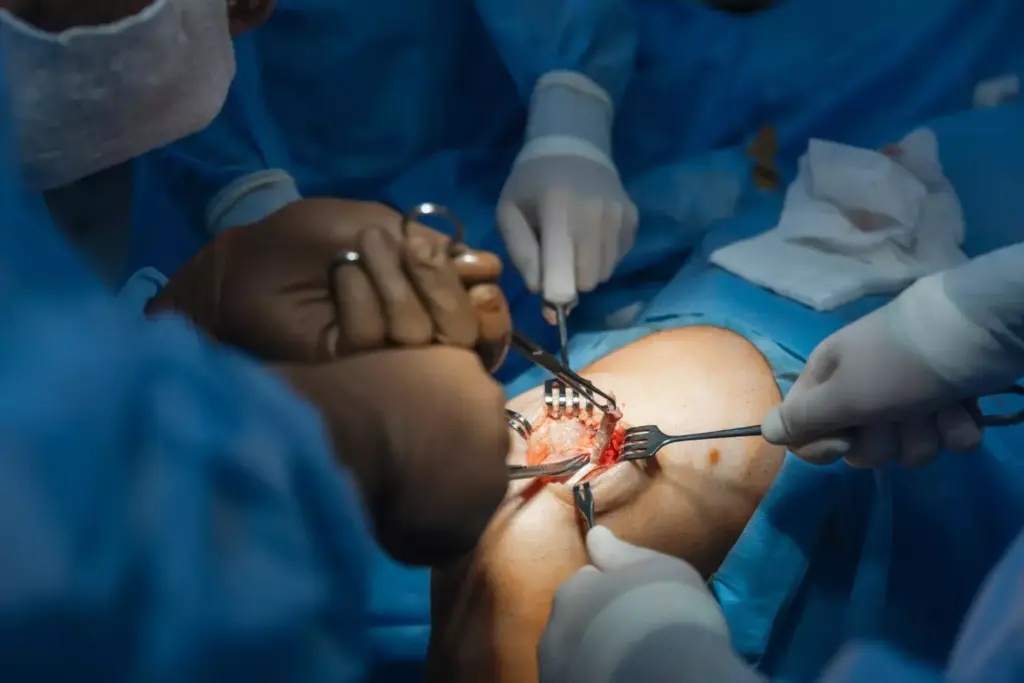
When you decide to get knee replacement surgery, you might wonder about running afterward. It’s key to know the details of knee replacement and how it affects runners.
Types of Knee Replacement Procedures
Knee replacement surgery, or knee arthroplasty, has different types. The most common are Total Knee Replacement (TKR) and Partial Knee Replacement (PKR). The type you choose can affect your recovery and when you can run again.
There are also different surgical techniques. Minimally invasive surgery and computer-assisted surgery might help you recover faster and better. Knowing about these options is important if you want to run again.
How Different Implant Materials Affect Activity Level
The materials used in knee implants can change how well the prosthetic works. You might find metal alloys, high-density polyethylene, or ceramic used. Each has its own benefits and downsides, like how they wear over time.
- Metal alloys are strong and last long.
- High-density polyethylene helps with cushioning and reduces friction.
- Ceramic implants are known for low wear and being safe for the body.
The material you choose can affect how long your knee replacement lasts. It also impacts your ability to do high-impact activities like running.
Mechanical Changes to Consider for Runners
After surgery, your knee will change in ways that might affect running. These changes include how your knee aligns, the balance of soft tissues, and the biomechanics of your lower leg. Runners need to understand these changes and how they might change their running.
Rehabilitation is key to adapting to these changes. A good rehab program can help you build strength, improve your range of motion, and get back to running.
The Medical Perspective: Can You Jog After Knee Replacement?
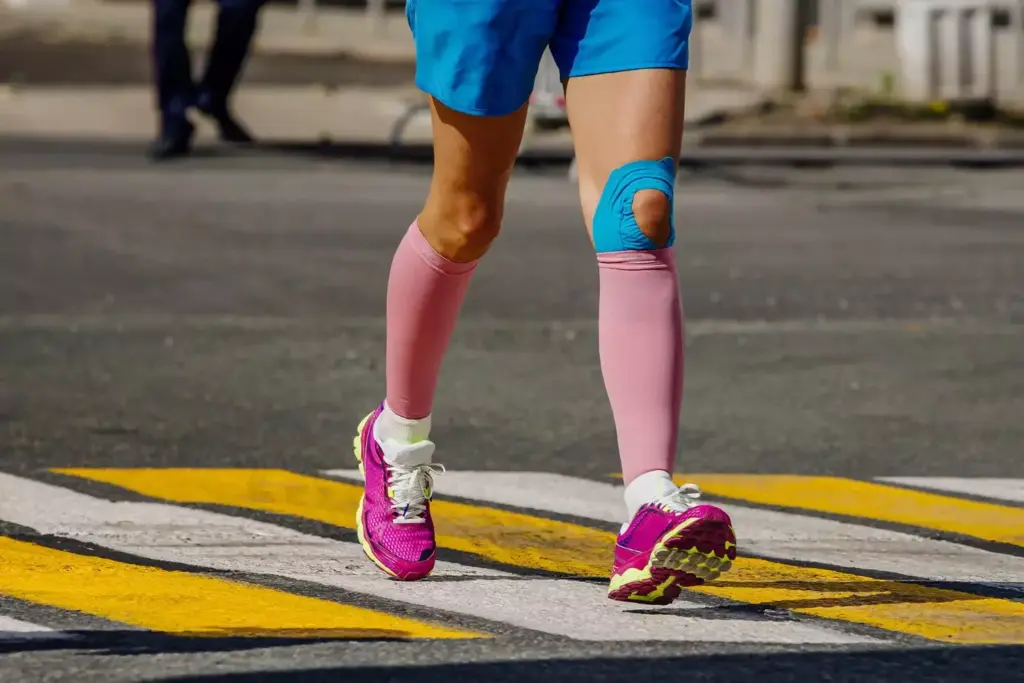
Many patients after knee replacement surgery wonder if they can jog again. This question has a complex answer. It depends on several factors, which we will look into.
Current Research on High-Impact Activities Post-Surgery
Recent studies have looked into jogging after knee replacement. They found that some patients can jog again, but it’s not without risks. A study in the Journal of Arthroplasty showed good results for some. But, there’s a higher chance of wear and tear on the implant.
What Orthopedic Surgeons Typically Recommend
Orthopedic surgeons talk about the risks and benefits of jogging after knee replacement. Some say to avoid it, while others suggest modified exercises. The choice depends on the patient’s health, the surgery type, and their rehab progress.
Individual Factors That Influence Return to Running
Many things affect whether a patient can jog after knee replacement. These include:
- The type of knee replacement procedure performed
- The patient’s overall health and physical condition
- The progress made during the rehabilitation process
- The presence of any comorbidities or underlying health conditions
Healthcare providers use these factors to give personalized advice. They help decide if jogging is safe for each patient.
Typical Recovery Timeline for Knee Replacement Patients
After knee replacement surgery, patients go through a recovery process in phases. Knowing these phases helps manage expectations and return to activities like jogging smoothly.
Initial Recovery Phase (0-3 Months)
The first phase focuses on rest, managing pain, and starting to move. Patients do gentle exercises to keep flexibility and strength. In the first six weeks, they see big improvements in pain and mobility.
Key milestones during this phase include:
- Regaining basic mobility, such as walking and climbing stairs
- Managing pain effectively through medication and physical therapy
- Gradually increasing activity levels without overexertion
Intermediate Recovery (3-6 Months)
In the next phase, patients see big improvements in knee function and strength. This phase is key for rebuilding muscle and improving joint stability. It prepares them for more challenging activities.
During this phase, patients can expect:
- Increased range of motion and reduced stiffness
- Enhanced muscle strength around the knee
- Improved balance and coordination
| Recovery Phase | Key Activities | Expected Outcomes |
|---|---|---|
| Initial (0-3 Months) | Rest, pain management, gentle exercises | Improved pain levels, basic mobility |
| Intermediate (3-6 Months) | Strengthening exercises, mobility enhancement | Increased strength, improved knee function |
| Advanced (6-12 Months) | Advanced physical therapy, return to sports | Full recovery, return to jogging and other activities |
Advanced Recovery (6-12 Months and Beyond)
In the final phase, patients can start returning to demanding activities like jogging. It’s vital to keep up with a structured rehabilitation program for the best results.
“The key to a successful recovery is not just the surgery itself, but the complete rehabilitation that follows. Patients who stick to their rehabilitation plans tend to have better outcomes and can return to their activities more effectively.” – Orthopedic Specialist
Understanding the recovery timeline helps patients prepare for their journey. Working closely with healthcare providers ensures the best results.
Pre-Surgery Activity Level and Its Influence on Post-Surgery Running
How active you are before surgery matters a lot for running after knee replacement. Your physical shape before surgery affects your recovery and results.
How Previous Running Experience Affects Outcomes
Runners before surgery often recover differently than non-runners. Their previous running experience helps them get back to running faster. This is because they are already in better shape.
Studies show runners have stronger muscles and better heart health. These are great for healing. Plus, they know what running feels like, making it easier to start again after surgery.
Setting Realistic Expectations Based on Your History
It’s key to have realistic expectations about running after surgery. Even with running experience, surgery and recovery vary. Talk to your doctor about your running goals.
Discuss your running goals with your doctor. Consider your activity level and health before surgery. This helps set realistic goals and understand how to reach them.
Preparing Physically Before Surgery for Better Running Outcomes
Preparing physically before surgery can greatly improve your recovery. Exercises that strengthen the knee, improve flexibility, and boost heart health are important.
- Do low-impact exercises like cycling or swimming to keep your heart fit.
- Work on knee muscle strength with squats, lunges, and leg press.
- Stretch to improve flexibility.
Focus on these areas before surgery. This can shorten your recovery time and help you get back to running sooner.
The Rehabilitation Process: From Walking to Jogging
After knee replacement surgery, a good rehabilitation plan is key to jogging again. This plan helps patients move from simple walking to jogging. It’s a slow process that depends on health, surgery type, and dedication to the program.
Essential Physical Therapy Milestones
Physical therapy is vital in this journey. It focuses on regaining knee movement, strengthening muscles, and improving balance. Patients aim to walk alone and show enough knee strength and flexibility.
Some important physical therapy goals include:
- Getting a full knee range of motion
- Building strength in the quadriceps and hamstrings
- Boosting proprioception (body awareness)
- Enhancing functional ability
Strength and Flexibility Benchmarks
Strength and flexibility are key in rehab. Patients must reach a certain strength level in their knee and muscles for jogging. They also need to be flexible for full knee movement. Goals include mastering specific exercises and reaching strength targets.
| Benchmark | Description | Target Value |
|---|---|---|
| Knee Flexion | Ability to bend the knee | 120 degrees |
| Quadriceps Strength | Strength of the front thigh muscles | Grade 4/5 on manual muscle testing |
| Single-Leg Stand | Balance on one leg | 30 seconds without support |
Progressive Loading Techniques
Progressive loading is essential for safely moving forward in rehab. It means slowly increasing exercise intensity to strengthen the knee. Techniques include resistance bands, weights, and jogging.
Each patient’s progress and comfort level guide progressive loading. Always watch for pain and adjust the program as needed.
Signs You’re Ready to Start Jogging After Knee Replacement
Before you start jogging after knee replacement surgery, it’s key to know when you’re ready. Your readiness depends on your physical health, how well you’re recovering, and your mental state.
Physical Indicators of Readiness
There are physical signs that show you’re ready to jog. These include:
- Improved strength and flexibility: Your knee needs to be strong and flexible enough for jogging.
- Reduced pain: You should feel little to no pain in your knee during everyday activities.
- Enhanced range of motion: Your knee should move well, allowing for jogging’s natural motion.
Tests Your Doctor May Perform
Your doctor might do tests to see if you’re ready to jog. These tests include:
- Functional assessments: Checking how well you do daily tasks and simple exercises.
- Strength tests: Testing the strength of your knee and the muscles around it.
- Gait analysis: Watching how you walk to spot any issues that might affect jogging.
Mental Preparation Considerations
Mental preparation is as important as physical readiness. Think about:
- Confidence in your knee: Feeling sure your knee can handle jogging.
- Understanding the risks: Knowing the possible risks and complications of jogging after knee replacement.
One patient said, “I was nervous about jogging again after my knee replacement. But with my doctor’s help and my own mental prep, I felt ready to try.”
Conversations to Have With Your Healthcare Team
Talking openly with your healthcare team is vital. Discuss:
- Your jogging goals: Share your goals and get advice on how to reach them safely.
- Any concerns or fears: Talk about any worries you have about jogging after knee replacement.
- Progress monitoring: Learn how your progress will be tracked and what changes might be needed.
By thinking about these points and talking with your healthcare team, you can safely and successfully start jogging again after knee replacement surgery.
Safe Jogging Protocols for Knee Replacement Patients
Safe jogging is key for knee replacement patients to avoid problems and get back to activities smoothly. After surgery, patients must plan their recovery carefully to protect their new joint.
Starting with Walk-Jog Intervals
Walk-jog intervals are a big part of safe jogging after knee replacement. They help patients build up their endurance and strength slowly. Start with brisk walking and add short jogging bits, watching how your body feels.
Appropriate Surfaces and Footwear
It’s important to pick the right place and shoes for jogging after knee replacement. Softer places like grass or a treadmill are better for your joints than hard ones like asphalt. Also, wearing the right jogging shoes can help lessen the impact on your knee.
| Surface | Impact Level | Recommendation |
|---|---|---|
| Grass | Low | Highly Recommended |
| Treadmill | Low to Moderate | Recommended |
| Asphalt | High | Not Recommended |
Proper Warm-Up and Cool-Down Routines
Having the right warm-up and cool-down routines is important for jogging safely. Before jogging, do some light exercises to get your blood flowing and muscles ready. After jogging, cool down to lessen muscle soreness and aid in recovery.
Monitoring Pain and Swelling
Keeping an eye on pain and swelling is key during recovery. Listen to your body and adjust your jogging plan if needed. If pain or swelling gets worse, you might need to change how often or how hard you jog.
By sticking to these safe jogging tips, knee replacement patients can lower the risk of problems and enjoy jogging again.
Risks and Considerations for Running with a Knee Replacement
Running after knee replacement surgery comes with risks. Many patients go back to sports they love. But, it’s key to know how it affects your implant and joint health.
Potential Impact on Implant Longevity
Running puts a lot of stress on knee implants. High-impact activities might make them last shorter. The type and durability of the implant matter a lot.
Implant Longevity Considerations:
- Type of implant material (e.g., metal, ceramic, polyethylene)
- Age and overall health of the patient
- Intensity and frequency of running activities
Warning Signs to Stop Activity
Listen to your body when running after knee replacement. Some signs mean you should stop and see your doctor.
Warning Signs:
- Increased pain or swelling
- Instability or feeling of the knee “giving way”
- Unusual noises or sensations from the knee
Long-Term Joint Health Considerations
Running after knee replacement affects more than just the implant. It can also harm the surrounding tissues and joints.
| Activity Level | Impact on Joint Health |
|---|---|
| Low-Impact Activities | Generally considered safe, with minimal risk to joint health |
| High-Impact Activities (e.g., Running) | May increase risk of wear and tear on the implant and surrounding joints |
Real Patient Experiences and Outcomes
Experiences with running after knee replacement vary. Some do it without problems, while others face challenges.
Patient Outcomes:
- Success stories of patients returning to running
- Challenges faced by patients who experienced complications
Knowing the risks helps patients decide if running after knee replacement is right for them.
Beyond Jogging: Other Sports After Knee Replacement
Many people wonder if they can play sports after knee replacement surgery. This goes beyond just jogging. We’ll look at if you can play different sports after surgery.
Can You Play Basketball After Knee Replacement?
Playing basketball after knee surgery is tough because it’s high-impact. It involves quick moves and jumps, which can stress the knee. Some patients might play basketball again, but they should do it carefully and with a doctor’s advice. The knee can wear out faster or get injured.
Before playing basketball again, talk to your doctor about the risks. You also need to be strong and flexible in your knee through rehab.
Tennis, Golf, and Other Recreational Sports
Tennis and golf are better options than basketball after knee surgery. Doubles tennis is easier than singles because you cover less court. Golf is low-impact and safe for knee patients. But, both sports need careful planning to avoid knee stress.
Swimming, cycling, and using an elliptical trainer are safe and good for your heart. They’re low-impact and don’t strain your knee too much.
Sport-Specific Modifications for Knee Replacement Patients
For those who want to play sports again, making some changes can help. Changing how you play, using the right gear, and modifying techniques can lower injury risks. For tennis, a two-handed backhand is easier on the knee than a one-handed one.
“The key to returning to sports after knee replacement is a gradual and well-planned rehabilitation program. It’s not just about regaining strength, but also about improving flexibility and endurance.”
Deciding to play sports again after knee surgery should be with a doctor’s advice. Consider your health, the surgery type, and the sport’s demands.
Conclusion: Making Informed Decisions About Jogging After Knee Replacement
When we talk about jogging after knee replacement surgery, making smart choices is key. We’ve looked at how different things affect a person’s ability to start jogging again. This includes the type of surgery, how long it takes to recover, and how active they were before surgery.
It’s important for patients to talk to their doctors to figure out what’s best for them. By listening to their doctors and thinking about their own situation, people can make good choices about jogging. This helps avoid problems and makes sure they get the most out of their new knee.
Our main aim is to help patients stay active and healthy after surgery. With the right rehab plan and safe jogging practices, they can live a full and active life. This way, they can enjoy being active without worrying about their knee.
FAQ
Can you run with a knee replacement?
Running with a knee replacement is possible, but it’s important to follow a specific recovery plan. Always talk to your healthcare team to find the best approach for you.
How long after knee replacement can you run?
The time it takes to start running again varies. It depends on your health and how well you recover. Usually, people can start with walk-jog intervals 6-12 months after surgery.
Can you jog after total knee replacement?
Yes, jogging is possible after a total knee replacement. But, it’s important to start slowly and get your doctor’s okay. Begin with walk-jog intervals and watch for pain and swelling.
What are the risks of running with a knee replacement?
Running with a knee replacement can lead to several risks. These include wear and loosening of the implant, more pain and swelling, and long-term damage to the joint. It’s wise to consider these risks and think about low-impact activities instead.
Can you play basketball after knee replacement surgery?
Playing sports like basketball after knee replacement is possible. But, it’s important to think about the impact on your implant. Talk to your doctor about any necessary modifications to play safely.
How does pre-surgery activity level affect post-surgery running outcomes?
Being active before surgery can help you recover faster and better. It’s good to stay somewhat active before surgery to improve your running after it.
What are the signs that I’m ready to start jogging after knee replacement?
You’re ready to jog if you have enough strength, flexibility, and little pain. Also, make sure you have a good range of motion. Always check with your doctor to see if you’re ready.
What safe jogging protocols should I follow after knee replacement?
Start with walk-jog intervals and choose the right surfaces and shoes. Always warm up and cool down properly. Watch for pain and swelling while jogging.
Can I participate in other sports after knee replacement surgery?
Yes, many sports are possible after knee replacement, like tennis and golf. Just talk to your doctor about any necessary changes to play safely and enjoyably.
How can I prepare physically before surgery for better running outcomes?
Stay active before surgery with cardio and strength training. This improves your health and prepares your body for running after surgery.