Last Updated on December 2, 2025 by Bilal Hasdemir

Having a laminectomy is a big step towards easing back pain and better living. It’s key to know when you can start walking again. Most people can walk right after surgery, based on how they felt before. Learn the key timeline: how soon can you walk after a laminectomy? Understand that mobilization begins within hours of the procedure clearly.
The journey to getting better is as important as the surgery. Walking after a laminectomy is a big step towards getting back to normal. Your health, age, and how complex the surgery was affect how long it takes to recover.
Key Takeaways
- Many patients are able to take short walks shortly after a laminectomy, depending on their condition.
- The ability to walk depends on pre-surgery functionality.
- Overall health and age influence the recovery process.
- A gradual return to normal activities is recommended.
- Understanding the laminectomy recovery timeline is crucial for a smooth recovery.
Understanding Laminectomy: A Brief Overview
A laminectomy is a major surgery to ease pressure on the spinal cord and nerves. It’s often chosen when other treatments don’t work for spinal stenosis and similar issues.
What is a Laminectomy?
A laminectomy removes part or all of the lamina, a vertebrae part covering the spinal canal. This makes more room for nerves, easing pressure from stenosis or other problems. We’ll explain the details of this procedure and what patients can expect.
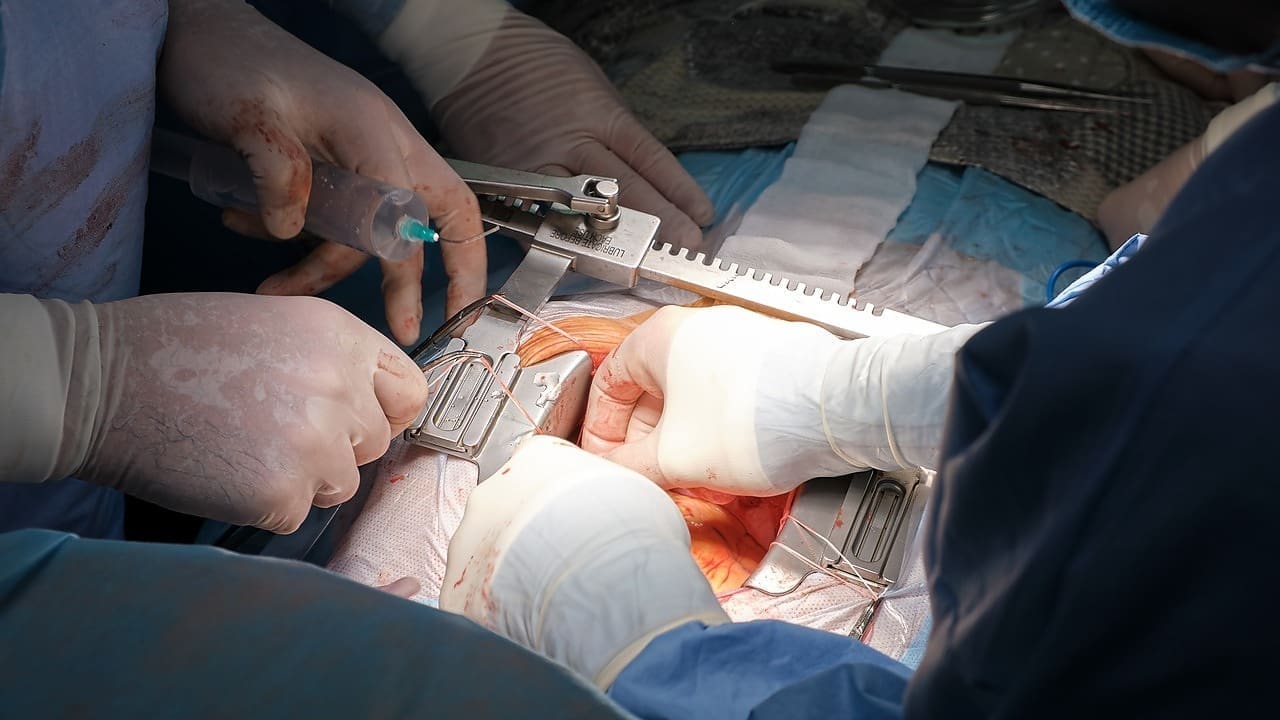
- The surgical team makes an incision in the back to reach the spine.
- They then remove part or all of the lamina to ease nerve pressure.
- At times, other surgeries like discectomy or spinal fusion are done along with laminectomy.
Common Reasons for Undergoing Laminectomy
The main reason for a laminectomy is to treat spinal stenosis, a narrowing of the spinal canal. Other reasons include:
- Herniated discs that press on nerves.
- Spinal tumors or infections affecting the spinal cord.
- Degenerative disc disease causing nerve compression.
These issues can lead to a lot of pain and discomfort. If other treatments don’t work, a laminectomy might be suggested.
Types of Laminectomy Procedures
There are various ways to do a laminectomy, depending on the patient’s condition and health. Some common types are:
- Lumbar laminectomy: Targets the lower back area.
- Minimally invasive laminectomy: Uses smaller cuts and special tools to lessen tissue damage.
- Open laminectomy: A traditional method with a bigger incision for better access to the spine.
Each method has its own advantages and disadvantages. We’ll delve into these to help patients understand their options better.
The Immediate Post-Surgical Period
After a laminectomy, the first days are key for a good recovery. Doctors watch the patient closely and manage pain well.
First 24 Hours After Surgery
The first day is very important. Patients stay in the hospital to watch for any problems. Managing pain helps them move early and recover better.
Hospital Stay Duration
How long you stay in the hospital varies. It’s usually 1 to 4 days. This depends on the surgery and your health.
Initial Mobility Expectations
Walking is encouraged the day after surgery. It helps avoid blood clots and aids healing. Healthcare teams or family help with walking, and aids are often used.
Following the doctor’s advice on moving is crucial. Knowing what to expect helps patients recover well.
How Soon Can You Walk After a Laminectomy?
Many patients wonder when they can start walking again after a laminectomy. The time frame varies based on health and surgery details.
Day of Surgery Mobility
Most patients can walk on the day of surgery. But, how much they can move depends on their health before surgery. Starting to move early is key to avoiding problems and healing faster.
Your doctor will give you specific walking instructions after surgery. They’ll check your health and tell you how to walk safely.
First Week Walking Progression
In the first week, patients usually get better at moving around. The aim is to walk more and manage pain well.
| Day | Expected Mobility |
| Day 1-2 | Limited mobility, short walks |
| Day 3-5 | Gradual increase in walking distance |
| Day 6-7 | More frequent and longer walks |
Factors Affecting Initial Walking Ability
Several things can affect how soon you can walk after a laminectomy. These include:
- Pre-surgery mobility and overall health
- The extent and complexity of the surgery
- Post-operative pain management
- Adherence to the recommended rehabilitation program
By knowing these factors and listening to your doctor, you can improve your recovery and walk sooner.
The First Steps: Walking Assistance After Surgery
Walking after spine surgery often needs aids for safety and stability. After a laminectomy, patients must be careful with their movements. This helps avoid complications and aids in healing. We’ll show you the types of walking aids, how to use them, and when you might walk on your own.
Types of Walking Aids Used
Several walking aids are used after laminectomy surgery. These include:
- Walkers: Providing maximum support and stability, walkers are often recommended for patients who have undergone significant spinal surgery.
- Canes: Used for additional support and balance, canes can be particularly helpful for patients who need a little extra assistance.
- Crutches: Though less commonly used for laminectomy patients, crutches can be an option for those who need to avoid putting weight on their spine.
Choosing the Right Aid: The choice of walking aid depends on the patient’s overall health, the extent of the surgery, and their surgeon’s recommendations. It’s essential to follow the healthcare provider’s guidance on selecting and using the appropriate walking aid.
Proper Use of Walking Aids
Using walking aids correctly is crucial for safety and to prevent further injury. Here are some tips for proper use:
- Ensure the walking aid is adjusted to the correct height to avoid straining your back or legs.
- Take small steps and move slowly to maintain balance.
- Keep your back straight and avoid twisting or bending.
Practice makes perfect: Practicing with your walking aid under the supervision of a healthcare professional can help you become more comfortable and confident.
When to Expect Independence from Walking Aids
The timeframe for becoming independent from walking aids varies among patients. Generally, most people can stop using walking aids within a few weeks after surgery. This is when they have regained enough strength and stability. However, this timeline can be influenced by factors such as overall health, age, and the complexity of the surgery.
Follow-up Care: Regular follow-up appointments with your healthcare provider are crucial for assessing your progress. They help determine when it’s safe to discontinue the use of walking aids.
Week-by-Week Recovery Timeline
Recovery after a laminectomy is a gradual process. It can be broken down into distinct phases, each with its milestones and challenges. Understanding this timeline helps patients and caregivers prepare for the journey ahead.
Weeks 1-2: Initial Recovery Phase
The first two weeks post-laminectomy are critical for initial healing. During this period, patients typically experience discomfort, swelling, and limited mobility. Rest and adherence to the prescribed medication regimen are crucial. Patients are usually advised to avoid heavy lifting, bending, or strenuous activities.
As patients progress through the first couple of weeks, they can expect gradual improvement in their symptoms. It’s essential to follow the post-operative instructions provided by the healthcare team to ensure proper healing.
Weeks 3-4: Expanding Mobility
By weeks 3 and 4, patients often notice significant improvements in their mobility and a reduction in pain. Gentle exercises and short walks become more manageable, helping to strengthen the back muscles and improve circulation. It’s a period where patients start to regain their independence.
During this phase, it’s crucial to gradually increase activity levels to avoid overexertion. Patients should continue to follow their rehabilitation plan, which may include physical therapy to enhance recovery.
Weeks 5-8: Progressive Improvement
Between weeks 5 and 8, most patients experience substantial progress in their recovery. They can typically resume more daily activities, including light household chores and short trips. The focus remains on progressive strengthening and flexibility exercises to support long-term recovery.
It’s also a period where patients can start to reintroduce more strenuous activities under the guidance of their healthcare provider. Monitoring progress and adjusting the rehabilitation plan as needed are key during this phase.
Beyond 8 Weeks: Long-term Recovery
After 8 weeks, patients usually enter the long-term recovery phase, where they can expect to continue improving and gradually return to their normal activities. It’s essential to maintain a healthy lifestyle, including regular exercise and a balanced diet, to support spinal health.
Follow-up appointments with healthcare providers are crucial to monitor the healing process and address any concerns or complications that may arise.
Understanding the laminectomy recovery timeline and adhering to the recommended rehabilitation plan can significantly enhance a patient’s outcome. While recovery times can vary, most patients can expect substantial improvement within 4 to 6 weeks post-surgery.
Pain Management and Its Impact on Walking
Walking after a laminectomy depends a lot on pain management. Patients often feel different levels of pain after surgery. This pain can slow down their recovery and make it hard to move around.
Medication Strategies
Medicine is key in controlling pain after surgery. Doctors give patients pain meds to help them feel better and move easier. The kind and amount of medicine depends on how much pain the patient feels and what the doctor suggests.
Managing medicine well means finding the right balance. It’s important to take medicine as told by the doctor. This helps patients get better faster.
Non-Pharmaceutical Pain Management
There are also ways to manage pain without medicine. These include:
- Physical therapy to improve mobility and strength
- Relaxation techniques such as deep breathing or meditation
- Heat or cold therapy to reduce discomfort
- Gentle exercises to maintain flexibility
Alternative therapies like acupuncture or chiropractic care might also be suggested by a doctor.
How Pain Affects Walking Progress
Pain can really slow down walking after surgery. If pain is high, it’s hard to move around. But, if pain is well-managed, patients can walk sooner and feel better.
It’s important for patients to tell their doctors about their pain. This way, doctors can adjust the pain plan. This helps patients walk better and recover faster.
Physical Therapy After Laminectomy
Recovering from laminectomy surgery needs a key part: physical therapy. It helps patients regain strength, balance, and confidence. We guide them through this important time.
Initiating Physical Therapy
Physical therapy starts three to six weeks after surgery. It helps prevent stiffness and boosts blood flow. It’s crucial to work with a therapist who knows about post-surgery care.
Common Exercises in Physical Therapy
Patients do various exercises in physical therapy. These include:
- Gentle stretching to improve flexibility
- Strengthening exercises for the back and core muscles
- Balance training to reduce the risk of falls
- Low-impact aerobic exercises to enhance cardiovascular health
These exercises get harder as patients get stronger.
The Impact of Physical Therapy on Walking Ability
Physical therapy aims to help patients walk again. It includes exercises and gait training. This helps patients feel confident and safe while walking.
Patients who do physical therapy well recover faster. They face fewer problems and get back to normal sooner.
Safe Walking Techniques Post-Laminectomy
Walking safely after a laminectomy means paying attention to how you stand, move, and where you walk. It’s key to use methods that lower the chance of problems and help you heal.
Proper Posture While Walking
Keeping the right posture is vital when walking after a laminectomy. This means keeping your head up, shoulders back, and spine straight. Good posture helps ease back strain and aids in healing.
To get the right posture while walking:
- Look straight ahead, not down.
- Relax your shoulders and keep them back.
- Don’t slouch or lean forward.
- Use your core muscles to support your lower back.
Avoiding Twisting Movements
Twisting can strain your spine, especially after a laminectomy. It’s important to avoid twisting when walking or doing daily tasks.
To cut down on twisting:
- Take small steps to stay balanced.
- Turn your whole body, not just your waist.
- Use a walking aid if you need to.
Managing Stairs and Uneven Surfaces
Stairs and uneven surfaces can be tough to handle after a laminectomy. Here are some tips for safe navigation:
| Surface | Tips for Safe Navigation |
| Stairs | Use handrails, take one step at a time, and consider using a walking aid. |
| Uneven Surfaces | Wear sturdy shoes, take small steps, and use a walking aid if necessary. |
By using these safe walking tips, you can lower the risk of problems and help your recovery after a laminectomy.
Walking Restrictions and Limitations
After a laminectomy, it’s important to watch your walking. Walking helps prevent blood clots and keeps muscles strong. But, it’s key to follow certain rules to help your recovery.
Distance Limitations by Recovery Phase
The safe walking distance changes as you heal. At first, aim for short walks of 100 to 200 feet. Then, you can walk more as you get better.
| Recovery Phase | Recommended Walking Distance | Guidelines |
| Immediate Post-Surgery (0-2 weeks) | 100-200 feet | Short, frequent walks |
| Early Recovery (2-4 weeks) | 200-500 feet | Gradually increase distance |
| Late Recovery (4-8 weeks) | 500 feet to 1 mile | Continue to increase as tolerated |
Walking Duration Guidelines
How long you walk is also important. Start with short walks of 5-10 minutes. As you get better, you can walk longer.
- Initial Phase: 5-10 minutes, 2-3 times a day
- As Recovery Progresses: Gradually increase to 15-20 minutes, 3-4 times a day
Signs You’re Walking Too Much
Knowing when you’re walking too much is key. Look out for signs like:
- Increased pain or discomfort
- Swelling or redness in the legs
- Fatigue that doesn’t improve with rest
- Difficulty managing pain with medication
If you notice these signs, talk to your doctor right away.
Comparing Laminectomy Recovery to Other Spine Surgeries
Knowing how different spine surgeries affect recovery is key. It helps set realistic expectations and improves outcomes. We’ll look at how laminectomy recovery compares to spinal fusion and microdiscectomy.
Laminectomy vs. Spinal Fusion Recovery
Laminectomy and spinal fusion are two different surgeries. A laminectomy removes part of the vertebra to relieve nerve pressure. Spinal fusion joins vertebrae together using bone grafts and hardware.
Spinal fusion recovery is generally longer and more complex. This is because the bone needs time to fuse, which can take months.
Key differences in recovery include:
- Recovery Time: Spinal fusion takes longer to recover from than laminectomy.
- Mobility Restrictions: Spinal fusion patients may face more mobility restrictions during recovery.
- Pain Management: Both procedures need pain management, but the extent and duration vary.
Laminectomy vs. Microdiscectomy Recovery
Microdiscectomy is a minimally invasive surgery to remove herniated disc material. It often results in less tissue damage and quicker recovery compared to laminectomy. However, it depends on the specific condition being treated.
Recovery comparisons between laminectomy and microdiscectomy include:
- Surgical Impact: Microdiscectomy is less invasive, leading to less post-operative pain.
- Return to Activity: Microdiscectomy patients may return to normal activities sooner.
- Hospital Stay: Both procedures may be outpatient, but microdiscectomy might have a shorter hospital stay.
Factors That Make Recovery Easier or Harder
Several factors can affect spine surgery recovery, including:
- Patient Health: Pre-existing health conditions can impact recovery.
- Surgical Technique: The surgeon’s skill and technique used can affect recovery.
- Post-operative Care: Following post-operative instructions is crucial for a smooth recovery.
Understanding these factors and comparing different surgeries helps patients prepare for their recovery journey.
Potential Complications Affecting Mobility
Laminectomy is usually safe, but complications can happen. These can make it hard to walk after surgery. Knowing about these risks helps manage expectations and ensures a smooth recovery.
Nerve Damage Concerns
Nerve damage is a big worry after laminectomy. It can happen during surgery or when nerves get irritated. Symptoms include numbness, tingling, or weakness in the legs, which can really affect how you move.
We do everything we can to avoid nerve damage during surgery. But if it happens, we need to treat it to help you feel better and move better.
Infection and Its Impact on Walking
Infection is another problem that can slow down recovery after laminectomy. It can cause pain, swelling, and redness. This can make it hard to walk.
To lower the risk of infection, we follow strict rules. If an infection does happen, we treat it quickly with antibiotics or more surgery to fix it.
Post-Laminectomy Syndrome
Post-laminectomy syndrome (PLS) is when patients have ongoing pain after surgery. It’s caused by many things, like scar tissue, nerve damage, or spine instability.
Dealing with PLS needs a few steps. This includes physical therapy, managing pain, and sometimes more surgery to fix the problem.
| Complication | Symptoms | Management Strategies |
| Nerve Damage | Numbness, tingling, weakness in legs | Physical therapy, pain management |
| Infection | Pain, swelling, redness at surgical site | Antibiotics, surgical intervention |
| Post-Laminectomy Syndrome | Persistent pain or discomfort | Physical therapy, pain management, potential additional surgery |
Lifestyle Modifications for Optimal Recovery
Recovering from a laminectomy is more than just resting. It requires a full approach to lifestyle changes. Making certain adjustments can greatly improve our healing.
Home Environment Adjustments
Creating a safe and comfortable recovery space at home is key. We need to make simple changes for safety and comfort. Here are some tips:
- Clearing clutter to prevent tripping hazards
- Installing handrails in strategic locations, such as bathrooms and stairways
- Using non-slip mats in the shower or bathtub
- Ensuring good lighting throughout the house
These changes help us avoid falls and injuries. This lets us focus on healing.
Nutritional Considerations
Eating well is vital for recovery. Nutritional considerations after surgery help us heal and regain strength. We should eat:
- Protein-rich foods to support tissue repair
- Calcium and vitamin D for bone health
- Fiber-rich foods to prevent constipation, a common post-surgery issue
- Adequate hydration to support overall bodily functions
Staying away from processed foods and sugars helps manage inflammation. It supports our health too.
Sleep Positioning and Quality
Quality sleep is crucial for healing. Proper sleep positioning makes a big difference. Here’s how to sleep right:
- Sleeping on our back with a pillow under the knees to reduce strain on the spine
- Using a supportive mattress and pillows to maintain proper spinal alignment
- Avoiding sleeping on the stomach, as it can arch the back and put pressure on the spine
By focusing on these lifestyle changes, we can create the best recovery environment. This supports our body’s healing and improves our well-being.
Returning to Daily Activities
After a laminectomy, patients often ask when they can go back to normal life. This includes doing household chores, driving, and going back to work. The time it takes to get back to these activities varies. It depends on how fast you recover and what your healthcare team says.
Household Activities Timeline
Getting back to household chores is a slow process. You should avoid heavy lifting and bending at first. You can start with light tasks like dusting or folding laundry a few weeks after surgery.
It’s important to increase your activities slowly. Don’t lift heavy things or bend too much. Also, ask for help with tasks that are too hard.
- Start with simple tasks like light dusting or folding laundry.
- Gradually increase activity levels over time, avoiding heavy lifting or bending.
- Ensure you have assistance for tasks that require significant physical exertion.
Driving After Laminectomy
Driving is usually okay once you meet certain conditions. You should:
- Be off narcotic pain medication.
- Have regained enough strength and mobility to drive safely.
- Be able to react quickly to driving situations without discomfort.
Usually, you can start driving again in 2-4 weeks. But always check with your surgeon first.
Returning to Work Considerations
When you can go back to work depends on your job and how fast you recover. For desk jobs, you might be back in 2-4 weeks. But if your job is very physical, it could take 6-12 weeks or more.
Talking to your employer and healthcare provider about when to go back to work is key. Consider things like:
- The physical demands of your job.
- Any necessary workplace accommodations.
- A gradual return to full duties, if recommended.
By following these tips and your healthcare team’s advice, you can safely get back to your daily activities. This will help you recover well and for a long time.
Exercises to Avoid After Laminectomy
Knowing which exercises to skip after laminectomy surgery is crucial for a smooth recovery. The spine is more fragile after surgery, and some activities can harm the healing process. We’ll list the exercises and activities to avoid during recovery. This ensures a safe and effective return to normal life.
High-Impact Activities to Avoid
High-impact activities are too hard on the spine and should be skipped in the early recovery phase. These include:
- Running or Jogging: These activities can cause significant stress on the spine, potentially complicating the healing process.
- Contact Sports: Engaging in contact sports like football, basketball, or soccer is risky as they can lead to direct injury or sudden, harmful movements.
- Aerobics and High-Impact Exercise Classes: Many aerobic exercises involve high-impact movements that are not suitable for someone recovering from laminectomy surgery.
Bending and Twisting Restrictions
Bending and twisting can put too much stress on the spine, especially after a laminectomy. Patients should:
- Avoid Heavy Lifting: Lifting heavy objects can strain the back and should be minimized or avoided altogether in the initial recovery period.
- Limit Bending: Activities that require bending, such as gardening or picking up items from the floor, should be done carefully or avoided.
- Minimize Twisting: Twisting movements, common in activities like golf or tennis, should be limited until the spine has fully healed.
When Certain Exercises Can Be Safely Reintroduced
The time to start exercising again after laminectomy varies. It depends on how well you recover and your doctor’s advice. Generally, start with low-impact activities like walking. Then, slowly move to more challenging exercises. Always follow your doctor’s advice on when to start different activities.
- Start with gentle exercises and gradually increase intensity.
- Monitor your body’s response to new activities and stop if you experience pain or discomfort.
- Attend physical therapy sessions as recommended by your healthcare provider to learn safe exercises and get personalized advice.
By avoiding harmful activities and following a structured rehabilitation plan, patients can optimize their recovery after laminectomy surgery.
Conclusion
Laminectomy recovery is a complex process that needs careful planning. Knowing when you can walk after surgery is key for success. How well you move after surgery affects the outcome.
Several factors influence when you can walk after laminectomy surgery. These include the type of surgery, your health, and following doctor’s orders. By understanding these and working with your healthcare team, you can improve your recovery and get back to moving.
Remember, patience and persistence are crucial during recovery. With a good plan and proper care, you can have a successful outcome. Following the advice in this article will help you start your recovery smoothly.
FAQ
How soon can I walk after a laminectomy?
Most patients can start walking soon after a laminectomy. This is often on the same day as the surgery. They do this under the guidance of their healthcare provider.
What factors affect my ability to walk after laminectomy surgery?
Several factors can affect your ability to walk after surgery. These include your overall health, age, and the complexity of the surgery. Complications can also play a role.
What types of walking aids are used after laminectomy?
After laminectomy, patients often use walkers, canes, and crutches. These aids help them stay balanced and reduce strain on their back during recovery.
How long do I need to use walking aids after laminectomy?
The time needed to use walking aids varies. Most patients can stop using them within a few weeks. This depends on how well they recover.
What are the walking restrictions after laminectomy?
After laminectomy, patients are advised to limit their walking distance. They should also avoid bending, twisting, or lifting heavy objects. This helps prevent complications and aids in healing.
How does pain management affect my walking progress?
Effective pain management is key to maintaining mobility. Without it, pain can limit your ability to walk and participate in physical therapy.
When does physical therapy typically begin after laminectomy?
Physical therapy usually starts a few weeks after surgery. It helps patients regain strength, improve mobility, and restore their walking ability.
What are some safe walking techniques after laminectomy?
To walk safely after laminectomy, maintain proper posture. Avoid twisting movements and take small steps. This ensures safe walking during recovery.
How long does it take to recover from a laminectomy?
Recovery times vary. Most patients see significant improvement in 6-8 weeks. Full recovery may take several months.
Can I drive after laminectomy surgery?
Driving is not recommended until you stop taking narcotic pain medication. You should be able to drive safely, usually within a few weeks.
What exercises should I avoid after laminectomy?
Avoid high-impact activities, bending, and twisting movements in the initial recovery phase. This prevents complications and promotes healing.
How does laminectomy recovery compare to other spine surgeries?
Laminectomy recovery is compared to spinal fusion and microdiscectomy recoveries. The complexity and extent of the surgery influence recovery duration and challenges.
What lifestyle modifications support optimal recovery after laminectomy?
To support recovery, adjust your home environment and maintain proper nutrition. Optimize sleep positioning as well. These actions contribute to a smoother recovery.
References
National Center for Biotechnology Information. Evidence-Based Medical Insight. Retrieved from https://www.ncbi.nlm.nih.gov/books/NBK545232/