Last Updated on December 1, 2025 by Bilal Hasdemir
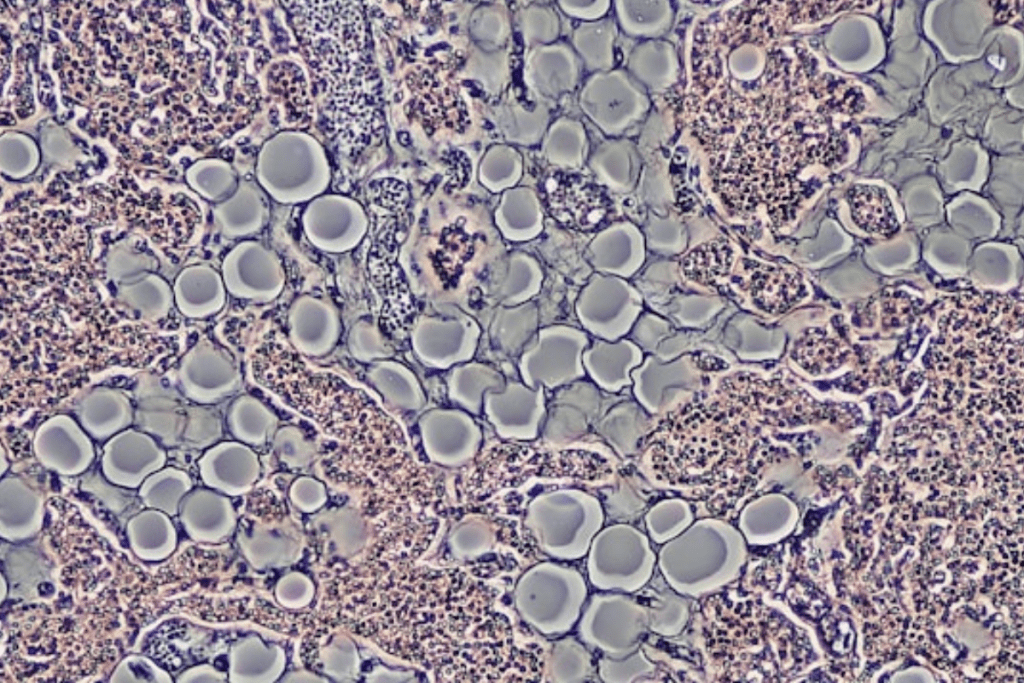
Did you know that stem cells can regenerate and repair damaged tissues? This makes them key in regenerative medicine. So, what exactly are stem cells? They are special cells that can make more of themselves and turn into different cell types.
Stem cells are like the building blocks of life. They can grow into many cell types in our bodies. Knowing where stem cells come from is important for using them to help people.
Stem cells treat various diseases by regenerating and repairing damaged tissues, making them a cornerstone of regenerative medicine. These unique cells can replicate themselves and transform into different cell types, offering hope for conditions that were previously difficult to manage. Understanding how stem cells treat illnesses is key to unlocking their full medical potential.
Key Takeaways
- Stem cells can self-renew and turn into different cell types.
- They are very important in regenerative medicine.
- Understanding stem cells is key to using them for healing.
- Stem cells can come from many places in our bodies.
- The special abilities of stem cells make them valuable for research.
Understanding Stem Cells: The Building Blocks of Life
Stem cells are special because they can turn into different types of cells. Scientists study them to learn about diseases and create healthy cells to replace sick ones.
Defining Stem Cells and Their Unique Properties
Stem cells can self-renew and differentiate into multiple cell typesThis makes them very important for medical research and possible treatments. The unique properties of stem cells include:
- Self-renewal: The ability to maintain their numbers through cell division.
- Potency: The capacity to differentiate into various cell types, ranging from totipotent to multipotent stem cells.
Director of the National Institutes of Health, said,
“Stem cells are a remarkable example of the body’s capacity for self-renewal and regeneration.”
The Importance of Stem Cells in Medicine and Research
Stem cells are key in understanding diseases and finding new treatments. They can turn into many types of cells, making them perfect for fixing damaged tissues. The possible uses of stem cells in medicine include:
| Therapeutic Area | Potential Application |
| Cardiovascular Diseases | Repairing damaged heart tissue |
| Neurodegenerative Disorders | Replacing damaged neural cells |
| Diabetes | Generating insulin-producing cells |
Studying stem cells helps us understand human biology better. It also opens new ways to treat diseases. As research goes on, stem cells will likely play a bigger role in medicine.
Types of Stem Cells: From Totipotent to Multipotent
There are many types of stem cells, each with its own abilities. They range from totipotent to multipotent. This variety is key for their use in medicine and research.
Embryonic Stem Cells
Embryonic stem cells come from the inner cell mass of a blastocyst, an early embryo. They are pluripotent, which means they can turn into almost any cell in the body. This makes them very useful for research and possible treatments.
A leading stem cell researcher, said, “The ability to isolate and culture embryonic stem cells has opened up new avenues for understanding human development and disease.” This shows how important embryonic stem cells are for medical progress.
Adult Stem Cells
Adult stem cells, also known as somatic stem cells, are found in adult tissues. They are multipotent, which means they can turn into a few types of cells related to their tissue. For example, hematopoietic stem cells in the bone marrow can make different blood cells.
Adult stem cells are key for fixing and keeping tissues healthy. They are also good because they can be used from a patient’s own cells (autologous transplantation). This makes them a good choice for some treatments.
Induced Pluripotent Stem Cells (iPSCs)
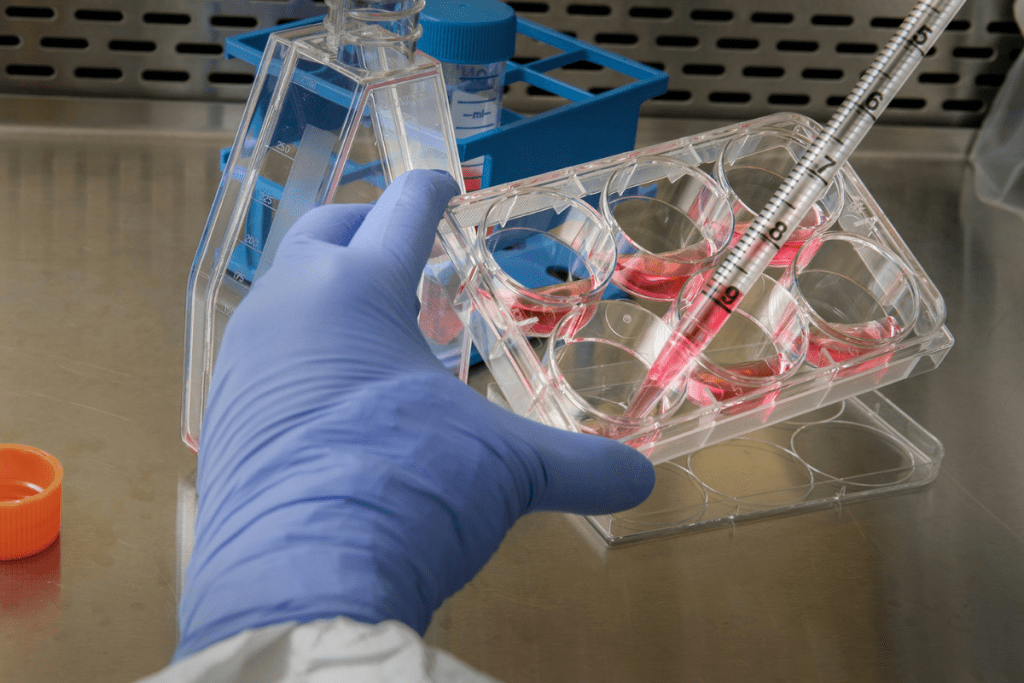
Induced pluripotent stem cells are made from adult cells that are changed to be like embryonic stem cells. This change is done by adding certain genes. This lets iPSCs turn into many different cell types.
The creation of iPSCs is seen as a big breakthrough. It helps avoid some of the ethical issues with embryonic stem cells. It also gives a flexible tool for studying diseases and finding new drugs.
The Nobel laureate who discovered iPSCs, said, “The ability to make iPSCs from patients with specific diseases will change how we understand diseases. It will also help make personalized treatments.”
Embryonic Sources: The Original Stem Cell Reservoir
Embryonic stem cells come from embryos and are key for studying human biology and finding new treatments. They are usually taken from embryos made through in vitro fertilization (IVF). These cells can turn into almost any cell type, making them very useful for research and treatments.
Blastocysts and Inner Cell Mass
These stem cells come from the inner cell mass of blastocysts, which are embryos at about 5 days old. The inner cell mass is where the fetus will form. To get these stem cells, researchers take them from the inner cell mass and grow them in vitro.
Ethical Considerations and Alternatives
Using embryonic stem cells is a big ethical issue because it means destroying embryos. This has led to looking for other sources, like induced pluripotent stem cells (iPSCs). These are made from adult cells that are changed to be like embryonic stem cells. Because of these concerns, there are strict rules on using embryonic stem cells in research.
Research Limitations and Regulations
Research on embryonic stem cells faces many rules, which vary by country. In the U.S., for example, there are specific rules for using federal money for this research. Also, there’s a risk that these stem cells could grow into teratomas (tumors), which is a big problem for using them to help people.
| Stem Cell Type | Source | Pluripotency |
| Embryonic Stem Cells | Inner Cell Mass of Blastocysts | Yes |
| Induced Pluripotent Stem Cells (iPSCs) | Reprogrammed Adult Cells | Yes |
| Adult Stem Cells | Various Adult Tissues | No (Multipotent) |
Perinatal Sources: Birth-Related Stem Cell Collection

The time around birth is special for collecting stem cells. We can get them from umbilical cord blood and placental tissue. This time, called the perinatal period, is key because stem cells are plentiful and easy to get.
Umbilical Cord Blood: A Rich Source of Hematopoietic Stem Cells
Umbilical cord blood is full of hematopoietic stem cells. These cells are important for making blood. Cord blood stem cells help treat diseases like leukemia and lymphoma.
Using these stem cells is good because they are easy to find and store. They also have a low chance of causing harm. Studies show they can turn into different cell types, which could help in many ways.
Placental Tissue and Wharton’s Jelly
Placental tissue and Wharton’s Jelly are also great for stem cells. Placental tissue has many stem cells, including mesenchymal stem cells. These cells help fight inflammation and keep the immune system in check.
Wharton’s Jelly, a soft part in the umbilical cord, is full of mesenchymal stem cells. These cells can become many types of cells. They might help fix damaged tissues and grow new ones.
Amniotic Fluid and Membrane
Amniotic fluid and membrane are also being studied for stem cells. Amniotic fluid stem cells can turn into cells from all three germ layers. This makes them very flexible for use in medicine.
Stem cells from amniotic fluid and membrane could help fix many diseases and injuries. This is very promising for regenerative medicine.
| Perinatal Source | Stem Cell Type | Potential Applications |
| Umbilical Cord Blood | Hematopoietic Stem Cells | Treatment of hematological disorders, such as leukemia and lymphoma |
| Placental Tissue | Mesenchymal Stem Cells | Tissue repair, anti-inflammatory therapy |
| Wharton’s Jelly | Mesenchymal Stem Cells | Regenerative medicine, tissue engineering |
| Amniotic Fluid and Membrane | Multipotent Stem Cells | Regenerative medicine, treatment of various diseases |
Adult Tissue Sources: Accessing Stem Cells Throughout Life
Adult tissues are key places where stem cells live. These cells could change how we treat diseases. Unlike cells from embryos, adult stem cells are found in our bodies all our lives. This makes them easier to use for research and treatments.
Bone Marrow: The Traditional Source
Bone marrow is a rich source of adult stem cells. These cells help make blood cells and are used to treat blood disorders. To get these cells, doctors take a sample from the hip bone under local anesthesia.
Using stem cells from bone marrow has its perks. They can turn into many types of cells and are easy to get. But, the process can be invasive and might not give many cells. This means they might need to be grown outside the body before use.
Adipose (Fat) Tissue: An Abundant Alternative
Adipose tissue, or fat, is also a good source of stem cells. Doctors get these cells through liposuction and then break them down. These stem cells can turn into different types of cells, like fat cells and bone cells.
Adipose-derived stem cells are plentiful and easy to get. They also help control the immune system. This makes them useful for treating autoimmune diseases and reducing inflammation.
Dental Pulp, Skin, and Other Adult Sources
Other adult tissues also have stem cells. For example, dental pulp has cells that can help grow new teeth. Skin cells can help heal wounds and grow new skin.
Other sources include blood, menstrual blood, and umbilical cord tissue. Each source has its own benefits and uses. This opens up new ways to use stem cells for treatments and research.
In summary, adult tissues provide many stem cell sources. Each has its own advantages and challenges. As we learn more about these cells, we’ll see new uses in regenerative medicine.
Stem Cell Therapy: Applications and Treatment Options
Stem cell therapy is a new hope for many patients. It uses stem cells to fix or grow new tissues. This could help treat many diseases.
Current FDA-Approved Treatments
The FDA has approved some stem cell treatments. These are mainly for blood disorders like leukemia and lymphoma. They help replace damaged bone marrow with healthy blood cells.
Some of these treatments use hematopoietic stem cells from umbilical cord blood. These cells are very good at making new blood cells in patients who have lost theirs.
Experimental and Clinical Trial Therapies
Many more stem cell therapies are being tested in clinical trials. They aim to treat degenerative diseases, autoimmune disorders, and heart problems. These trials check if these treatments are safe and work well.
- Trials using mesenchymal stem cells for fixing tissues
- Studies on induced pluripotent stem cells (iPSCs) for healing
- Research on stem cells for brain disorders
Autologous vs. Allogeneic Transplantation
Stem cell treatments can come from the patient (autologous) or a donor (allogeneic). Autologous transplantation avoids graft-versus-host disease, a big risk with donor cells. But, donor cells are easier to get and might be cheaper.
“The choice between autologous and allogeneic stem cell transplantation depends on various factors, including the patient’s condition, the specific disease being treated, and the availability of suitable donors.”
-Expert Opinion
Research in stem cell therapy is growing. It’s opening up new ways to treat diseases. This gives patients new hope for better health.
Comparing Stem Cell Sources: Advantages and Limitations
It’s important to know the good and bad of different stem cell sources. Each source has its own strengths and weaknesses that affect how well they work in therapy.
Potency and Differentiation Ability
The power of stem cells to change into different cell types is key. Embryonic stem cells can turn into almost any cell, making them great for fixing damaged tissues. On the other hand, adult stem cells can only change into a few types of cells.
Induced pluripotent stem cells (iPSCs) are another option. They start from adult cells and can become like embryonic stem cells. But, scientists are working to make them more reliable and stable.
How Easy to Get and How to Collect
Getting stem cells can be easy or hard, depending on where they come from. Umbilical cord blood and placental tissue are easy to get from births. They have lots of stem cells for blood and other tissues. But, getting embryonic stem cells is harder because of rules and ethics.
Adult stem cells can be found in bone marrow and adipose tissue. But getting them can be tricky and might not always work well.
Safety and How Well They Work
The safety of stem cell treatments is very important. We worry about them causing immune problems or tumors. Using a patient’s own cells, called autologous stem cell transplantation, is safer. But, using cells from someone else, called allogeneic transplantation, needs careful matching to avoid problems.
How well stem cells work also depends on their source. Some sources might cause more immune reactions. Scientists are always trying to make stem cell treatments safer and more effective.
The Future of Stem Cell Sourcing: Emerging Technologies
Advances in bioengineering and gene editing are changing stem cell research. These new technologies could bring big changes by finding new stem cell sources and making current methods better.
Bioengineered and Synthetic Sources
Bioengineered stem cells are a big step in stem cell science. Scientists can now make stem cells with specific traits for different treatments. Synthetic sources create artificial stem cells or cells that act like stem cells through advanced engineering.
These new stem cells might solve problems with traditional sources, like not having enough or being rejected by the immune system.
Gene Editing and Custom Stem Cells
Gene editing, like CRISPR/Cas9, lets us make custom stem cells with exact genetic changes. This means we can treat genetic diseases by fixing genes at the stem cell level.
Custom stem cells can be made to last longer, turn into specific cell types better, or avoid being rejected by the immune system. This personalized approach could greatly improve regenerative medicine.
Organoids and Tissue-Specific Stem Cell Niches
Organoids are three-dimensional cell cultures made from stem cells. They are a new tool for studying development, disease, and possible treatments. These miniature organs act like real organs, giving insights into how they grow and work.
Studying stem cells in organoids can help us understand how to use them for healing. This could lead to new ways to fix damaged tissues and organs.
Conclusion: Choosing the Right Stem Cell Source
The choice of stem cell source depends on the specific application and the condition being treated. Various sources, including embryonic, perinatal, and adult tissues, offer distinct advantages and limitations.
When considering stem cell therapy applications, it’s essential to select a source that aligns with the therapeutic goal. For instance, hematopoietic stem cells from umbilical cord blood are often used to treat blood disorders. On the other hand, mesenchymal stem cells from adipose tissue may be used for tissue repair.
Choosing the right stem cell source is key for the success of stem cell therapy. By understanding the unique properties and potentials of different stem cell sources, researchers and clinicians can develop more effective treatments. This is for a range of diseases and conditions.
FAQ
What are stem cells, and why are they important?
Stem cells can grow and change into different cell types. They are key in medical research and treatments. They help in regrowing damaged tissues.
What are the different types of stem cells?
There are embryonic, adult, and induced pluripotent stem cells. Each type has its own uses and benefits.
Where do embryonic stem cells come from?
Embryonic stem cells come from the inner cells of early embryos. These embryos are often from in vitro fertilization.
What are the ethical considerations surrounding embryonic stem cell research?
Using embryonic stem cells is debated because it destroys embryos. This has led to strict rules and looking for other sources.
What are perinatal stem cells, and where are they found?
Perinatal stem cells are found in umbilical cord blood and placental tissue. They are also in amniotic fluid. These cells are rich in stem cells.
What are the advantages of using adult stem cells?
Adult stem cells are easy to get and can be found in many tissues. They are less likely to cause immune reactions. This makes them good for treatments.
What is the difference between autologous and allogeneic stem cell transplantation?
Autologous uses a patient’s own stem cells. Allogeneic uses stem cells from another person. Both have their own benefits and challenges.
What are the current FDA-approved stem cell therapies?
The FDA has approved stem cell treatments for blood disorders like leukemia. They also approve treatments for some autoimmune diseases. More research is being done to find new uses.
How do bioengineered and synthetic stem cell sources work?
Bioengineered and synthetic stem cells use new technologies. These include gene editing and bioengineering. They create stem cells with specific traits.
What is the future of stem cell sourcing?
New technologies like bioengineering and gene editing will change stem cell sourcing. They will open up new ways to use stem cells for treatments.
References
- Daley, G. Q. (2012). The promise and perils of stem cell therapeutics. Cell Stem Cell, 10(6), 740“749. https://doi.org/10.1016/j.stem.2012.05.010
- Food and Drug Administration. (2022). Consumer alert on regenerative medicine products including stem cells and exosomes. U.S. Food & Drug Administration. https://www.fda.gov/vaccines-blood-biologics/consumers-biologics/consumer-alert-regenerative-medicine-products-including-stem-cells-and-exosomes
- Hanna, J. H., Saha, K., & Jaenisch, R. (2010). Pluripotency and cellular reprogramming: Facts, hypotheses, unresolved issues. Cell, 143(4), 508“525. https://doi.org/10.1016/j.cell.2010.10.008
- National Institutes of Health. (2022). Stem cell basics. National Institute of General Medical Sciences. https://stemcells.nih.gov/info/basics
- U.S. National Library of Medicine. (2023). Stem cell therapy. MedlinePlus. https://medlineplus.gov/stemcelltherapy.html