Last Updated on November 27, 2025 by Bilal Hasdemir
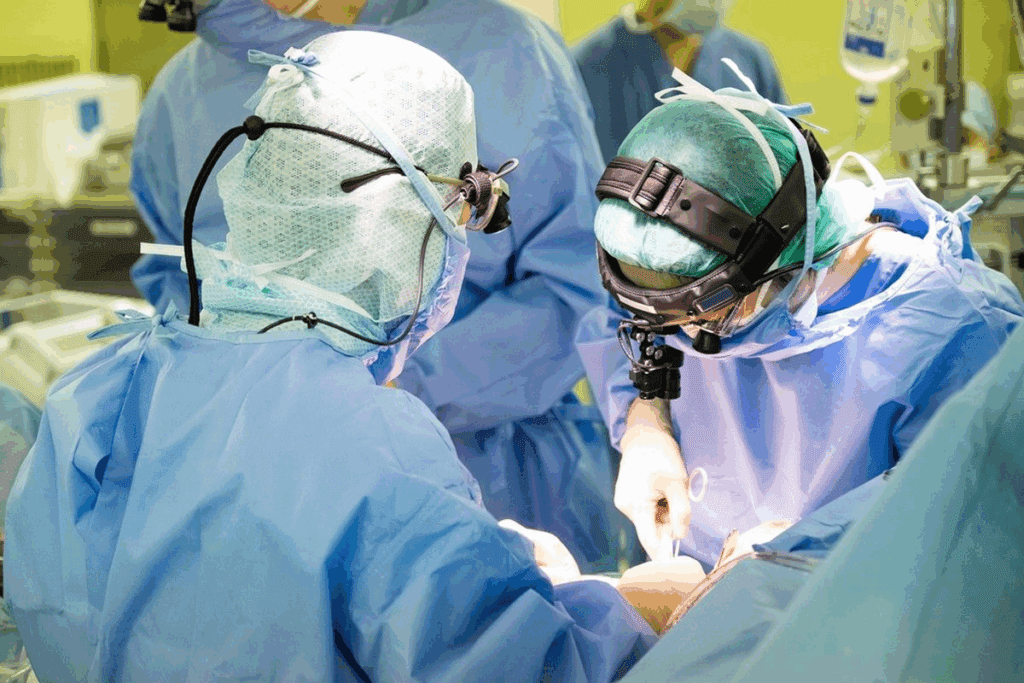
Thoracic surgery is a complex field that deals with surgical procedures within the chest cavity. It helps diagnose and treat issues involving the lungs, esophagus, and other chest organs. Thanks to advances in medical technology, thoracic surgery is now more precise and less invasive.
Understanding how thoracic surgery is performed is key for patients and medical professionals alike. There are many types of thoracic procedures, each with specific methods and applications.
Our skilled surgeons use the latest tools and techniques to ensure the best outcomes for patients. This article will explore how thoracic surgery is performed, including the procedures, methods, and approaches used to treat chest conditions effectively.
Key Takeaways
- Thoracic surgery involves surgical procedures within the chest cavity.
- There are various types of thoracic surgery, each with its unique applications.
- Advancements in medical technology have improved thoracic surgery procedures.
- Our surgeons use state-of-the-art equipment to ensure the best possible outcomes.
- Thoracic surgery is used to diagnose and treat various conditions affecting the lungs and other organs.
Common Conditions Requiring Thoracic Surgery

The chest cavity houses vital organs. When diseases or disorders affect these areas, thoracic surgery may be needed. Thoracic surgeons are key in diagnosing and treating lung, esophagus, and chest wall issues.
Lung Diseases and Disorders
Lung diseases often lead to thoracic surgery. Lung cancer is a top reason for such surgeries. Procedures like lobectomy remove cancerous lung parts. Other lung issues, like COPD and lung nodules, may also need surgery.
Some lung diseases and disorders that might need thoracic surgery include:
- Lung cancer
- Chronic obstructive pulmonary disease (COPD)
- Lung nodules or tumors
- Pulmonary infections
- Congenital lung abnormalities
Esophageal Conditions
Esophageal conditions often require thoracic surgery. Esophageal cancer is a major reason, with esophagectomy removing the diseased part. Other issues, like esophageal strictures and achalasia, may also need surgery.
| Esophageal Condition | Description | Surgical Intervention |
| Esophageal Cancer | Malignancy of the esophagus | Esophagectomy |
| Esophageal Strictures | Narrowing of the esophagus | Dilation or resection |
| Achalasia | Failure of the esophagus to properly move food | Heller myotomy |
Chest Wall Abnormalities
Chest wall issues may also need thoracic surgery. Conditions like pectus excavatum (sunken chest) and pectus carinatum (protruding chest) may need surgery. This improves both function and appearance.
Thoracic surgery is complex, treating many critical conditions. Knowing about these conditions helps both patients and healthcare providers make better care decisions.
Types of Thoracic Surgical Procedures
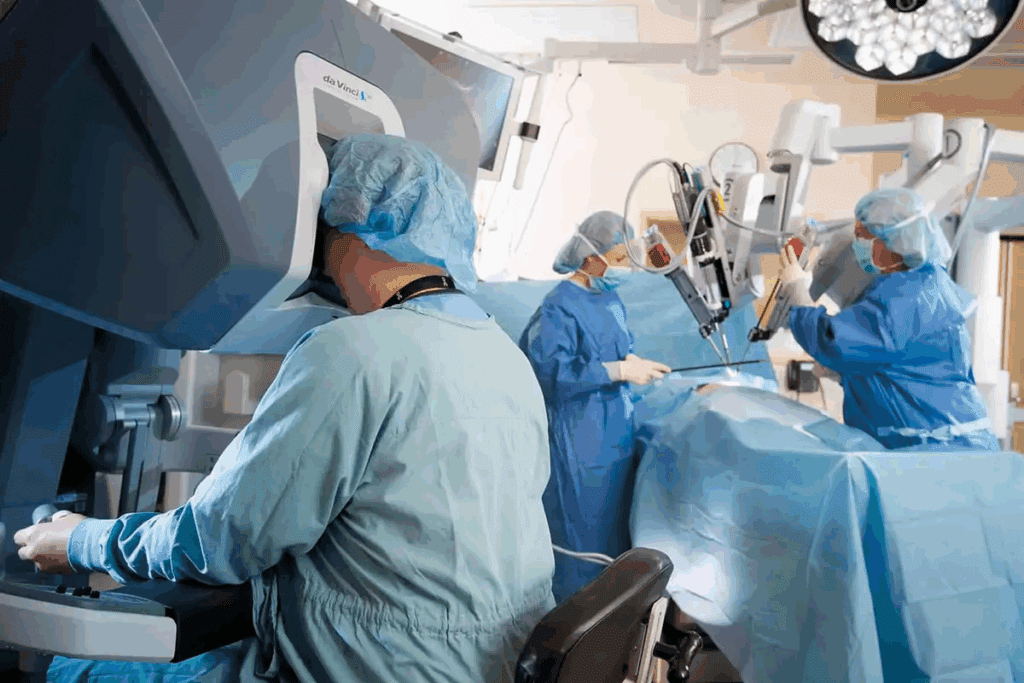
Thoracic surgery includes many types, like diagnosis, treatment, and reconstruction. Knowing these categories helps us understand the wide range of thoracic surgery.
Diagnostic Procedures
Diagnostic procedures in thoracic surgery are key to finding and confirming diseases. Biopsies are a main tool, where we take tissue samples for tests. We use different methods for biopsies, like needle and surgical biopsies, based on the tissue’s location and type.
Mediastinoscopy is another way to diagnose, by examining the mediastinum, the space between the lungs. It helps us find conditions like lung cancer or lymphoma.
Therapeutic Procedures
Therapeutic procedures treat diseases in the thoracic cavity. Lobectomy and pneumonectomy involve removing lung parts or all, usually for lung cancer. Esophagectomy removes part or all of the esophagus, mainly for esophageal cancer.
These surgeries are complex and need a skilled team. We use the latest techniques and technology to get the best results for our patients.
Reconstructive Procedures
Reconstructive procedures fix or rebuild chest structures. Chest wall reconstruction is common after tumor removal or birth defects. We use prosthetics and the patient’s own tissue to rebuild the chest wall, aiming for both function and appearance.
Reconstructive surgeries are customized for each patient. They require a detailed approach that considers physical and emotional recovery.
The Thoracic Surgery Team
Effective thoracic surgery is a team effort, not just about the surgeon. The thoracic surgery team includes many healthcare professionals. They work together to get the best results for patients.
Thoracic Surgeons and Their Training
Thoracic surgeons lead the team and perform surgery. They train for years, first in general surgery and then in thoracic surgery. This training prepares them for complex surgeries.
They need to know a lot about the chest area, surgery, and caring for patients. Their skills are key in treating chest problems like lung and esophagus issues.
Supporting Medical Professionals
The team also has many other important members. These include:
- Anesthesiologists who give anesthesia and watch patient health during surgery.
- Nurses who help before, during, and after surgery.
- Respiratory therapists who manage breathing and ventilation.
- Radiologists who help diagnose with imaging.
Role of Each Team Member During Surgery
Each team member has a specific job during surgery. The surgeon does the operation, and the anesthesiologist handles anesthesia. Nurses help the surgeon and anesthesiologist.
Good teamwork and communication are key for a successful surgery. The team works together to solve problems and care for the patient.
Knowing about the team helps patients feel more confident in their care. The team’s work together is vital for good surgery results and patient recovery.
Preoperative Preparation
Thoracic surgery needs careful preoperative preparation to reduce risks and improve patient care. This step is key to making sure patients are ready for surgery. It helps keep them safe and boosts the chances of a good outcome.
Medical Evaluation and Testing
A thorough medical check is essential before surgery. We run tests to see how well the patient is and spot any risks. These tests usually include:
- Cardiac assessment: To check the heart’s function and find any heart issues that might affect surgery.
- Pulmonary function tests: These tests look at lung capacity and function. They’re important for figuring out if a patient can handle thoracic surgery.
- Imaging studies: Like CT scans and X-rays, to get detailed views of the thoracic area and the lungs and other important structures.
- Laboratory tests: Blood tests to check for infections, blood clotting, and other vital health signs.
Patient Education and Counseling
Teaching patients is a big part of getting ready for surgery. We want our patients to know what to expect before, during, and after surgery. Our team talks to them about:
- Preoperative instructions: What to eat, what meds to take, and other things to do before surgery.
- Surgical risks and benefits: What could go wrong and what the surgery might achieve.
- Postoperative care: How to manage pain, take care of the wound, and the need for follow-up visits.
Immediate Preoperative Procedures
On the day of surgery, we do several things to get the patient ready. These include:
- Administering preoperative medications: To calm the patient and get them ready for anesthesia.
- Establishing intravenous access: For giving fluids, meds, and anesthesia during surgery.
- Preparing the surgical site: Cleaning and disinfecting where the surgery will happen.
By carefully following these steps, we make thoracic surgery safer and more successful.
Anesthesia for Thoracic Surgery
Anesthesia is key in thoracic surgery, needing skill and care. It helps patients go through complex surgeries with little pain and safety.
Types of Anesthesia Used
In thoracic surgery, the right anesthesia is vital. General anesthesia is often used. It keeps patients comfortable and pain-free during surgery.
We choose the best anesthetic for each patient. This depends on their health, the surgery, and the anesthesiologist’s choice. Our team is ready for any anesthesia challenge, aiming for the best results.
One-Lung Ventilation Technique
One-lung ventilation (OLV) is used in thoracic surgery. It isolates the lung being worked on. This is key for surgeries like lobectomies and pneumonectomies.
OLV needs careful management to keep the patient oxygenated and ventilated. We use advanced ventilation and watch vital signs closely. This ensures the best conditions during surgery.
| Aspect | Description | Importance |
| Ventilation Strategy | Use of double-lumen endotracheal tubes or bronchial blockers | Ensures isolation of the lung and prevents cross-contamination |
| Oxygenation Management | Monitoring of oxygen saturation and adjustment of FiO2 | Critical for maintaining adequate oxygen supply |
| Anesthetic Depth | Adjustment of anesthetic agents to maintain appropriate depth | Ensures patient comfort and prevents awareness |
Monitoring During Thoracic Surgery
Monitoring in thoracic surgery is vital for safety. We use ECG, pulse oximetry, blood pressure monitoring, and capnography.
We also use advanced hemodynamic monitoring. This helps us check the heart and manage fluids. Our anesthesiologists work with the surgical team to handle any changes quickly.
Good monitoring lets us act fast if problems come up. This ensures the best outcome for the patient.
How Thoracic Surgery is Performed: Traditional Approaches
Thoracic surgery has used traditional methods for years to treat chest conditions. These methods have improved over time, helping patients get better care.
Thoracotomy Technique
The thoracotomy technique involves cutting the chest wall to get to the thoracic cavity. It lets surgeons work on the lungs, esophagus, and more. The cut is made between the ribs, and a tool spreads the ribs for a clear view.
Key steps in the thoracotomy technique include:
- Choosing the right spot for the incision based on the patient’s body and the condition being treated.
- Making the incision and cutting through muscle layers to reach the ribs.
- Using a rib spreader to open the chest cavity gently.
Sternotomy Procedure
The sternotomy procedure cuts through the sternum to get to the chest. It’s used for surgeries on the heart or midline structures. The sternum is split, and a retractor keeps it open for a clear view.
The sternotomy procedure is great for:
- Heart surgeries that need direct access.
- Operations on the thymus gland or other midline areas.
Rib Spreading and Chest Cavity Access
Rib spreading is key in both thoracotomy and sternotomy. It uses retractors to open the ribs for chest access. This step needs care to avoid harm to the ribs or nearby tissues.
Effective rib spreading and chest cavity access enable:
- A clear view of the surgical site.
- Precise surgical work.
- Less chance of complications.
Knowing these traditional thoracic surgery methods helps us see how surgery has evolved. It shows the need for ongoing innovation in the field.
Minimally Invasive Thoracic Surgery Techniques
Minimally invasive thoracic surgery has changed the game in thoracic surgery. It gives patients less invasive options than traditional open surgery. This is thanks to new surgical tech and techniques.
Video-Assisted Thoracoscopic Surgery (VATS)
Video-Assisted Thoracoscopic Surgery, or VATS, lets surgeons work through small cuts. They use a camera and tools through these small openings. This method causes less damage and leads to less pain and quicker healing.
Key aspects of VATS include:
- Smaller incisions, resulting in less tissue damage
- Reduced postoperative pain
- Shorter hospital stays
- Faster return to normal activities
Robotic-Assisted Thoracic Surgery
Robotic-assisted thoracic surgery is a step up from VATS. It uses a robotic system to help the surgeon. This tech offers clear 3D views and precise tools, making complex surgeries more accurate.
Benefits of robotic-assisted surgery include:
- Enhanced precision and dexterity
- Improved visualization through 3D imaging
- Reduced surgeon fatigue
- Potential for improved patient outcomes
Benefits of Minimally Invasive Approaches
Minimally invasive thoracic surgery has many benefits. It uses smaller cuts, which means less damage and faster healing.
| Benefit | VATS | Robotic-Assisted |
| Reduced Postoperative Pain | Yes | Yes |
| Shorter Hospital Stay | Yes | Yes |
| Faster Recovery | Yes | Yes |
| Improved Precision | No | Yes |
The table shows VATS and robotic-assisted surgery have many benefits over open surgery. The right choice depends on the procedure, patient needs, and the surgeon’s skills.
Specific Thoracic Surgical Procedures
Thoracic surgery includes many complex procedures. These include lobectomy, pneumonectomy, and esophagectomy. Each has its own purpose and method. These surgeries treat lung diseases, esophageal issues, and chest wall problems.
Lobectomy and Pneumonectomy
Lobectomy removes a lung lobe, often for lung cancer. Lobectomy is a standard procedure for early-stage lung cancer. It gives patients a chance for a cure. Pneumonectomy removes a whole lung for more serious cases.
Before these surgeries, we do a lot of planning. We use CT and PET scans to see how far the disease has spread. This helps us plan the best surgery.
Esophagectomy
Esophagectomy removes the esophagus, mainly for esophageal cancer. There are different ways to do this surgery, including minimally invasive methods. These can make recovery faster and reduce pain.
The choice of technique depends on the patient’s health and the disease. We think about these things to find the best surgery for each patient.
Chest Wall Resection and Reconstruction
Chest wall resection removes part of the chest wall, often for tumors. Reconstruction may be needed to fix the chest wall and help the lungs work right.
We use different methods for chest wall reconstruction. This includes prosthetics and muscle flaps. Our goal is to fix the chest wall and avoid complications.
In summary, surgeries like lobectomy, pneumonectomy, esophagectomy, and chest wall resection need a lot of skill and planning. We aim to give our patients the best care and results.
Thoracic Surgery Instruments and Equipment
Thoracic surgery’s success depends on the right tools and technology. We use many tools to help with complex surgeries. This ensures both precision and safety.
Specialized Surgical Tools
Thoracic surgeons use many tools, like retractors, graspers, and dissectors. These tools help them work in the thoracic cavity’s delicate areas. For example, rib retractors help spread the ribs to reach the lungs and other organs.
Tools like electrocautery devices are also key. They help dissect and stop bleeding, making the surgery safer. The precision of these tools is very important in thoracic surgery.
Imaging and Navigation Technology
New imaging and navigation tech have changed thoracic surgery. Video-assisted thoracoscopic surgery (VATS) and robotic-assisted surgery use high-definition images. This gives surgeons a clear view of what they’re doing.
Navigation systems help surgeons find and avoid risks. This tech makes surgeries more precise, leading to better results for patients.
Stapling and Sealing Devices
Stapling and sealing devices are key for closing incisions and resections in thoracic surgery. Surgical staplers cut and seal tissues at the same time. This reduces bleeding and air leaks risks. They’re very important in surgeries like lobectomy, where closing is critical.
Also, tissue sealants are used to strengthen staple lines. They help prevent air leaks or bleeding. Using these devices has made thoracic surgeries safer and more effective.
Step-by-Step Process of a Typical Thoracic Operation
Thoracic surgery includes many procedures, each with its own steps. Understanding these steps is key to success, from start to finish.
Initial Incision and Exposure
The first step is making the initial incision. This is a critical moment that requires precision. It ensures the thoracic cavity is exposed well.
The surgical team uses different techniques, like thoracotomy or sternotomy. This depends on the patient’s condition and the surgery needed.
Thoracotomy involves making an incision between the ribs to access the lungs or other thoracic structures. This method allows surgeons to work on specific areas with less disruption to surrounding tissues.
Surgical Manipulation and Resection
After accessing the thoracic cavity, the team does the necessary manipulations and resections. This may include removing diseased parts of the lung, esophagus, or other structures. The goal is to fix the problem while keeping as much healthy tissue as possible.
“The precision required in thoracic surgery is unparalleled, as surgeons must navigate complex anatomy with utmost care.” –
A renowned thoracic surgeon
Advanced surgical tools and imaging technologies help in this precise process. They make the operation both effective and safe.
Closure and Immediate Post-Procedure Care
After the surgery, the team focuses on closing the incision. They use sutures or staples to close the tissues securely. Then, they apply dressings to protect the wound.
Immediate post-procedure care is vital for recovery. The medical team watches vital signs closely and manages pain well. This ensures the patient’s comfort and safety.
Intraoperative Considerations and Challenges
Intraoperative considerations are key to the success of thoracic surgery. Surgeons face many challenges during these procedures. These challenges can greatly affect patient outcomes.
Managing Bleeding and Fluid Loss
Managing bleeding and fluid loss is vital in thoracic surgery. A lot of blood loss can cause instability in the patient’s blood flow. We use advanced tools and techniques like electrocautery and vascular stapling to reduce bleeding.
A study in the Journal of Thoracic and Cardiovascular Surgery found that using advanced hemostatic agents can cut down blood loss. Effective fluid management is also important. It involves giving crystalloids and colloids to keep blood volume right and avoid low blood volume.
| Strategy | Description | Benefits |
| Electrocautery | Uses electrical energy to cut and coagulate tissue | Reduces bleeding, precise dissection |
| Vascular Stapling | Seals blood vessels and bronchi with staples | Minimizes blood loss, secure closure |
| Hemostatic Agents | Topical agents that promote blood clotting | Reduces bleeding, easy to apply |
Protecting Vital Structures
Keeping vital structures safe during thoracic surgery is essential. The thoracic cavity has important organs like the heart, lungs, and major blood vessels. We use meticulous dissection techniques and intraoperative monitoring to protect these organs.
The key to successful thoracic surgery lies in the ability to navigate complex anatomy while preserving vital structures.
We use techniques like transesophageal echocardiography (TEE) to check the heart’s function in real-time. This helps us adjust our surgery if needed.
Handling Unexpected Findings
Even with good planning, unexpected things can happen during thoracic surgery. These might include tumors spreading more than expected, unusual anatomy, or complications like bleeding. We are trained to adjust our plan to handle these surprises well.
Dealing with unexpected findings needs experience, skill, and calmness. We might change our plan, talk to other specialists, or use extra techniques to manage the situation.
- Maintain composure under pressure
- Have a contingency plan in place
- Collaborate with a multidisciplinary team
Being ready for surprises helps us get the best results for our patients in thoracic surgery.
Postoperative Care in Thoracic Surgery
The postoperative period is key in thoracic surgery. It needs careful management for the best results. Good postoperative care helps avoid complications, manages pain, and aids in a smooth recovery.
Immediate Recovery Period
The immediate recovery after thoracic surgery is very important. Patients are watched closely in the ICU or PACU. They are checked for vital signs, oxygen levels, and any signs of trouble.
We make sure patients get enough oxygen and pain relief. This helps prevent breathing problems.
Key aspects of the immediate recovery period include:
- Close monitoring of vital signs and oxygen saturation
- Adequate pain management
- Respiratory therapy to prevent complications
- Early mobilization to prevent deep vein thrombosis (DVT)
Pain Management Strategies
Pain management is a big part of postoperative care in thoracic surgery. We use a mix of pain relief methods to cut down on opioid use. This approach helps avoid side effects.
- Epidural analgesia
- Patient-controlled analgesia (PCA)
- Oral analgesics
- Regional nerve blocks
Good pain management makes patients more comfortable. It also helps them move around sooner and lowers the chance of breathing problems.
Chest Tube Management
Chest tube management is also very important in thoracic surgery. Chest tubes remove fluid, air, or blood from the chest. We watch them closely to avoid problems.
Key considerations for chest tube management include:
- Monitoring drainage output and characteristics
- Ensuring proper tube placement and securing
- Managing tube removal based on clinical criteria
By managing chest tubes well, we can lower the risk of complications. This helps patients recover better.
Recovery Process After Thoracic Surgery
The journey to full recovery after thoracic surgery starts with a good postoperative care plan. We know that the recovery process is key to getting strong again and going back to normal activities.
Hospital Stay Duration
The time spent in the hospital after thoracic surgery depends on the surgery type and the patient’s health. Usually, patients stay for a few days to a week or more.
Our medical team watches over the patient closely. They manage pain and prevent complications during this time.
Physical Therapy and Rehabilitation
Physical therapy is very important after thoracic surgery. Our rehabilitation team creates a special exercise plan for each patient. This plan helps improve lung function, strength, and mobility.
Starting to move and do breathing exercises early is key. It helps avoid problems like pneumonia and aids in healing.
| Rehabilitation Phase | Goals | Interventions |
| Early Postoperative | Pain management, prevention of complications | Breathing exercises, early mobilization |
| Intermediate | Improving lung function, strength | Physical therapy, aerobic exercises |
| Late Postoperative | Return to normal activities, full recovery | Progressive exercises, lifestyle counseling |
Return to Normal Activities
Going back to normal activities after thoracic surgery takes time. Patients should avoid heavy lifting, bending, and hard work for weeks.
We help figure out when it’s okay to do daily things, drive, and go back to work. This depends on how well each patient is recovering.
Our team is dedicated to giving full care and support during recovery. Knowing what to expect helps patients get through this important time and reach the best results.
Potential Risks and Complications
It’s important for patients to know about the risks of thoracic surgery. This surgery is effective for many conditions. But, it’s key to understand the possible risks.
Common Complications
Thoracic surgery can lead to some complications. These include infection, bleeding, and breathing problems. Infection is a big risk after thoracic surgery. Patients often get antibiotics to lower this risk.
Respiratory issues can happen because of lung changes during surgery. People with lung problems are more at risk. We closely watch lung function before, during, and after surgery.
- Infection
- Bleeding
- Respiratory issues
- Reaction to anesthesia
Long-term Side Effects
Some patients face long-term side effects after thoracic surgery. These can include chronic pain, less lung function, and chest wall changes. It’s important to talk about these with your doctor.
Chronic pain is a possible long-term side effect. We help patients manage pain well. Reduced lung function can happen, mainly if lung tissue is removed.
Warning Signs to Monitor
After thoracic surgery, it’s vital to watch for warning signs. These signs can mean complications are happening. Look out for:
- Increasing pain or trouble breathing
- Fever or chills
- Redness, swelling, or discharge from the surgical site
- Coughing up blood or rust-colored mucus
If you see these symptoms, call your doctor right away. Catching and treating complications early can help a lot.
We stress the need for follow-up care. This helps catch and fix any complications quickly. Knowing about the risks and complications helps patients recover better.
Conclusion: Advancements and Future of Thoracic Surgery
Thoracic surgery is changing fast, thanks to new techniques and technology. We’ve seen big improvements in how surgeries are done, making patients’ recovery times shorter. The future looks bright, with more research and new ideas coming along.
New ways to do surgery, like video-assisted thoracoscopic surgery (VATS) and robotic-assisted thoracic surgery, have changed the game. These methods cause less harm to patients, leading to less pain and faster healing.
Looking ahead, we expect even more advanced technology to join the field. Things like artificial intelligence and better imaging will make surgeries even more precise. This will help patients all over the world.
FAQ
What is thoracic surgery, and what conditions does it treat?
Thoracic surgery is a field that deals with surgeries in the chest area. It helps treat serious conditions like lung diseases, such as cancer and COPD. It also addresses esophageal issues and chest wall problems like pectus excavatum.
What are the different types of thoracic surgical procedures?
There are many types of thoracic surgeries. These include biopsies for diagnosis, surgeries like lobectomies and esophagectomies for treatment, and chest wall reconstruction for repair. Each type has its own purpose and benefits.
What is the role of the thoracic surgery team?
The thoracic surgery team includes surgeons, anesthesiologists, nurses, and more. Their teamwork is key to a successful surgery. Each member plays a vital role during the procedure.
How is anesthesia used in thoracic surgery?
Anesthesia is vital in thoracic surgery. It can be general or regional anesthesia. Techniques like one-lung ventilation help surgeons work better. Monitoring the patient is also critical for safety.
What are the traditional approaches to thoracic surgery?
Traditional methods include making incisions in the chest. Techniques like thoracotomy and sternotomy are used. Sometimes, spreading the ribs is needed for better access.
What are the benefits of minimally invasive thoracic surgery?
Minimally invasive surgeries, like VATS and robotic-assisted surgery, have big advantages. They lead to quicker recovery, less pain, and smaller scars.
What are some specific thoracic surgical procedures?
Specific surgeries include lobectomy, pneumonectomy, and esophagectomy. There’s also chest wall resection and reconstruction. Each procedure has its own use and outcomes.
What instruments and equipment are used in thoracic surgery?
Special tools and technology are used in thoracic surgery. This includes imaging, navigation, and stapling devices. They help make the surgery safe and effective.
What is the step-by-step process of a typical thoracic operation?
A typical thoracic operation involves several steps. These include making the incision, doing the surgery, and closing the wound. Each step is important for success.
What are the possible risks and complications of thoracic surgery?
Risks and complications can include common issues and long-term effects. It’s important to know these to ensure a smooth recovery.
What is the recovery process like after thoracic surgery?
Recovery after thoracic surgery includes a hospital stay and physical therapy. It’s a gradual process back to normal activities. Following a recovery plan is key to the best results.
How is postoperative care managed in thoracic surgery?
Postoperative care focuses on the immediate recovery, pain management, and chest tube management. These are critical for a smooth recovery and to avoid complications.
What are the future directions in thoracic surgery?
The field of thoracic surgery is evolving with new research and technology. These advancements aim to improve patient outcomes and expand treatment options.
References
- Postoperative care after thoracic surgery in the times of ERAS. (2024). European Journal of Cardio-Thoracic Surgery. Abstract available at https://www.sciencedirect.com/science/article/abs/pii/S1521689624000223
- Optimizing postoperative care protocols in thoracic surgery. (2015). Journal of Thoracic Disease, 7(10), 1849-1857. Retrieved from https://pmc.ncbi.nlm.nih.gov/articles/PMC4756237/