Last Updated on November 17, 2025 by Ugurkan Demir
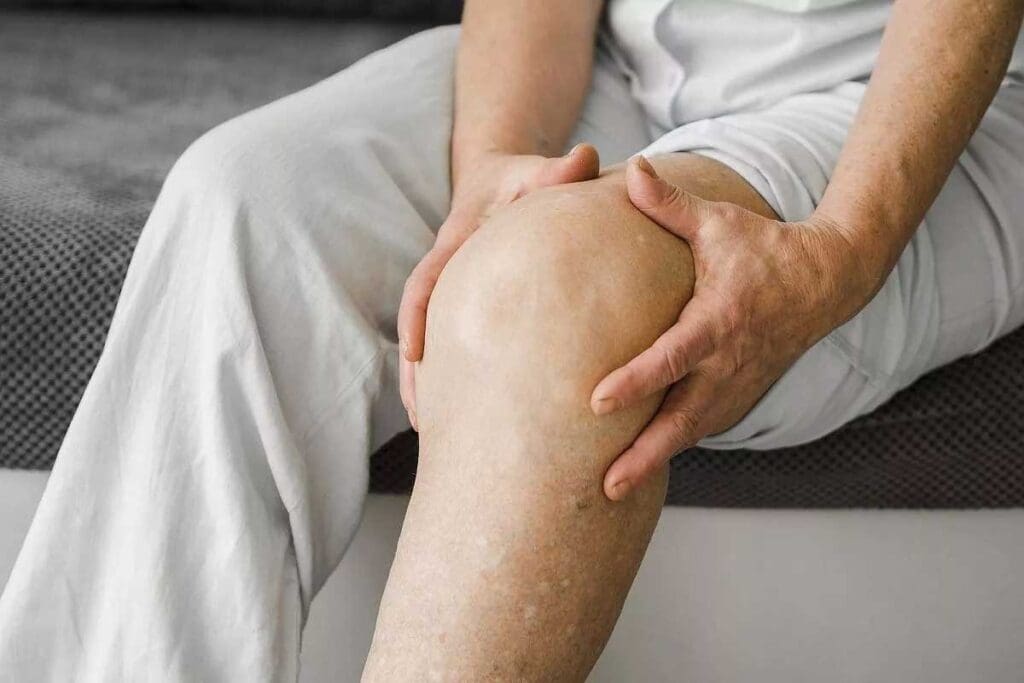
How to avoid deep vein thrombosis (DVT) is something everyone at risk should know. Deep vein thrombosis is a serious condition that can occur without warning and may lead to life-threatening complications if left untreated. At LivHospital, we are dedicated to helping our patients understand, prevent, and manage DVT through expert care and education.
DVT happens when a blood clot forms in the deep veins of the leg or thigh. Knowing how to avoid deep vein thrombosis involves understanding the symptoms, risk factors, and preventive measures. Staying active, avoiding long periods of sitting, and following medical advice can all help reduce your risk.
At LivHospital, we focus on patient awareness and proactive healthcare. By learning the key signs, symptoms, and prevention tips, you can take important steps to avoid deep vein thrombosis and protect your long-term health.
Key Takeaways
- Understanding the risks associated with DVT
- Recognizing the signs and symptoms of DVT
- Effective prevention tips to reduce the risk of DVT
- The importance of seeking medical attention if symptoms persist
- LivHospital’s approach to managing and treating DVT
Understanding Deep Vein Thrombosis (DVT)
It’s important to know about deep vein thrombosis to spot its signs and prevent it. DVT, or deep vein thrombosis, is when a blood clot forms in a deep vein, usually in the legs. If not treated quickly, it can cause serious health problems.
What Is Deep Vein Thrombosis?
Deep vein thrombosis happens when a blood clot forms in the deep veins. These veins are in the muscles of the legs, thighs, and pelvis. The clot can block blood flow, causing swelling, pain, and other symptoms.
How Blood Clots Form in Deep Veins
Blood clots in deep veins form from several factors. These include changes in blood flow, injury to blood vessel walls, and blood clotting more easily. Prolonged sitting, surgery, and some medical conditions can raise the risk of clotting.
Common Locations for DVT Development
DVT often happens in the legs, mainly in the calf and thigh. It can also occur in other areas, like the arms, but this is rarer. Spotting DVT symptoms in these areas is key for early treatment.
| Location | Common Symptoms | Risk Factors |
| Calf | Pain, swelling, redness | Prolonged immobility, trauma |
| Thigh | Pain, swelling, warmth | Surgery, cancer |
| Pelvis | Pain, swelling | Pregnancy, obesity |
Knowing where DVT usually happens and its risk factors helps. People can take steps to lower their risk and get medical help if symptoms show up.
Recognizing the Warning Signs of DVT
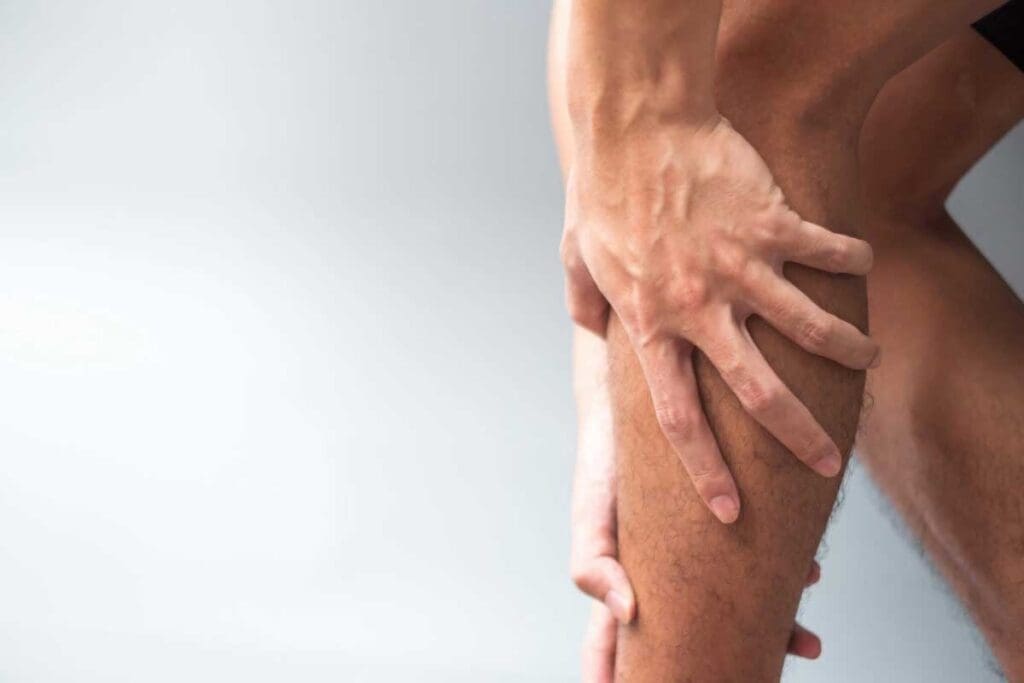
Knowing the signs of DVT is key to avoiding serious problems. Deep Vein Thrombosis can show itself in different ways. Some symptoms might seem minor at first but can get worse if ignored.
Early Indicators of Blood Clots in Legs
Signs of deep vein thrombosis include swelling in one leg, pain in the calf or thigh, and warm skin. You might also see red or discolored skin. These signs can mean you have a blood clot.
Key early signs to watch for:
- Swelling in one leg (rarely both legs)
- Pain or tenderness in the calf or thigh
- Warmth or redness of the skin over the affected area
When to Seek Immediate Medical Attention
If you have trouble breathing, chest pain, or a severe headache, get medical help fast. These could mean the clot has moved to your lungs, causing a pulmonary embolism.
“If you experience sudden shortness of breath, chest pain, or fainting, seek emergency medical care immediately.”
| Symptom | Description | Action |
| Swelling | One leg swollen, often accompanied by pain | Monitor and seek medical attention if it persists |
| Warmth or Redness | Skin feels warm or appears red | Seek medical evaluation |
| Severe Pain | Pain that doesn’t improve with rest | Seek immediate medical care |
Silent DVT: When Symptoms Aren’t Obvious
DVT can sometimes happen without any symptoms, known as silent DVT. This is very dangerous because it can cause serious problems without any warning.
Being aware of risk factors like recent surgery, long periods of sitting, or a family history of DVT can help. It can spot people at risk, even if they don’t show symptoms.
Common Symptoms of Deep Vein Thrombosis in the Calf
Knowing the signs of deep vein thrombosis (DVT) in the calf is key to avoiding serious issues. DVT happens when a blood clot forms in deep veins, often in the legs. The calf is a common spot for DVT to occur. Spotting these signs early can help you get the medical help you need.
Deep Vein Thrombosis Calf Symptoms
Symptoms of DVT in the calf include pain or tenderness, swelling, and redness or discoloration. We’ll dive into these symptoms to help you know what to watch for.
Pain or tenderness in the calf is a common symptom. This pain can be mild or severe. It’s important to tell the difference from muscle strain.
Symptoms of a Blood Clot in Your Calf
A blood clot in the calf can cause swelling, warmth, and redness. The skin might also look pale or blue-tinged. If you notice these signs, seeing a doctor is a must.
If you’re experiencing any of these symptoms, it’s important to talk to a healthcare professional for a proper check-up.
DVT Signs in Calf vs. Muscle Strain
Telling DVT signs apart from muscle strain is important. Muscle strain can cause pain and swelling, but DVT symptoms are usually more severe and last longer. If you have pain, swelling, warmth, or redness that doesn’t get better with rest, it might be DVT.
If you’re not sure what’s causing your symptoms, it’s best to see a doctor.
Identifying Blood Clots in the Thigh and Upper Leg
Knowing the signs of blood clots in the thigh and upper leg is key to avoiding serious issues. These clots can be very dangerous if not caught early.
Signs of Blood Clot in Upper Leg
The upper leg may show swelling, redness, and warmth if there’s a blood clot. Watching for these signs is important, mainly if you’re at risk for DVT.
- Swelling in one leg (rarely both)
- Pain or tenderness in the leg
- Red or discolored skin
- The affected leg feels warmer than the other
Blood Clot in Thigh Pain Characteristics
The pain from a thigh blood clot can feel like a cramp or soreness. It might be constant or only happen when you stand or walk.
Key characteristics include:
- Pain that doesn’t improve with rest
- Swelling or inflammation
- Redness or discoloration
Blood Clot Back of Leg Symptoms
A blood clot at the back of the leg can feel like a muscle strain. But, if symptoms get worse or come with swelling and redness, see a doctor.
If you notice any of these symptoms, get medical help right away. Early treatment can make a big difference.
Visual Appearance of DVT
Knowing the visual signs of Deep Vein Thrombosis (DVT) is key for early treatment. The look of DVT can hint at its presence. Yet, not all cases show obvious signs.
What Does a Blood Clot Look Like in Your Leg?
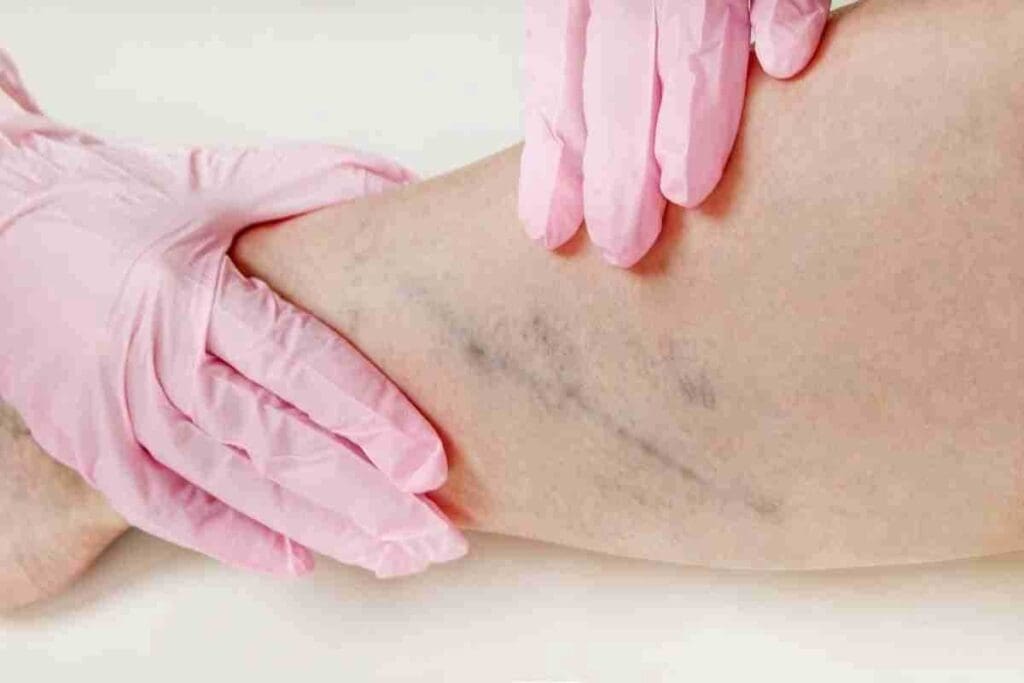
A blood clot in the leg can look different, making it hard to spot. Look for redness, swelling, and warmth in the area. The skin might also look discolored, with a reddish or bluish hue.
DVT Appearance and Skin Changes
Skin changes are a big part of DVT’s look. The leg might swell, and the skin could feel tight or warm. Sometimes, the skin turns pale or bluish because of less blood flow.
Knowing these signs is important. They can mean there’s a blood clot. But, remember, some clots don’t show any signs.
Can You See Blood Clots in Legs?
Mostly, you can’t see blood clots in legs. Instead, you’ll notice changes in the skin and leg look. You might see swelling or redness, but the clot itself is not visible.
| Visual Sign | Description |
| Redness | The affected area may appear red or have a reddish tint. |
| Swelling | Swelling is a common symptom, making the affected leg larger than usual. |
| Warmth | The skin over the clot may feel warmer than the surrounding areas. |
Being alert to these signs and getting medical help if they show up is vital. It helps catch DVT early and treat it right.
Deep Vein Thrombosis Pain Location and Characteristics
It’s important to know the pain signs of DVT to spot this serious issue. DVT pain can show up in different spots and feel unique. So, it’s key to grasp its usual signs.
Typical Pain Patterns in Leg Thrombosis
DVT pain usually feels like a deep ache or soreness in the leg. It often hits the calf or thigh. Knowing these patterns helps us catch DVT early.
- Pain that gets worse when standing or walking
- A feeling of heaviness or tension in the leg
- Pain that feels sharp or stabbing
Pain Behind the Knee and Other Common Sites
Pain behind the knee is a big warning sign. Other common spots for DVT pain are the calf and thigh. Knowing these areas helps us spot DVT sooner.
Can You Feel DVT? Understanding Sensations
People with DVT might feel anything from mild discomfort to severe pain. We’ll cover the usual feelings of DVT to help you know what to watch for.
- A feeling of warmth or tenderness in the affected leg
- Swelling or redness in the affected area
- A sensation of pain or discomfort that gets worse over time
By knowing these pain signs and feelings, we can spot DVT and get the right medical help.
Diagnostic Methods for DVT
Knowing how to spot a blood clot in the leg is key for quick medical help. Finding Deep Vein Thrombosis (DVT) needs a mix of doctor’s checks, medical history, and special tests.
Detecting Blood Clots in the Leg
Finding a blood clot in the leg starts with a doctor’s exam and looking at your medical history. Doctors search for swelling, pain, and color changes. But, some DVTs don’t show symptoms, making it harder to find.
Clinical prediction rules, like the Wells score, help guess if you might have DVT. These rules look at symptoms, risk factors, and other possible causes.
Medical Tests for DVT Diagnosis
Many tests help find DVT, with ultrasound being the top choice. Ultrasound uses sound waves to show vein images, helping doctors spot clots.
- Duplex ultrasound: Mixes Doppler and ultrasound to check blood flow and find clots.
- Venography: Uses X-rays and dye to see clots in veins.
- D-dimer test: A blood test that shows if a clot has dissolved. It’s not alone enough to confirm DVT but can help rule it out.
Self-Assessment Techniques and Limitations
Self-checks can help notice DVT signs, but they’re not perfect. Don’t skip the doctor’s visit. People can watch for leg pain, swelling, or warmth. But only a doctor can really say if you have DVT with the right tests.
If symptoms don’t go away or get worse, see a doctor right away. Catching DVT early and treating it can really help.
Complications and Risks of Untreated DVT
It’s important to understand the dangers of untreated DVT. Deep Vein Thrombosis can cause serious problems if not treated. We’ll look at these risks and why quick medical help is key.
How Serious Are Blood Clots in Legs?
Blood clots in the legs are a serious issue. They can break loose and block other parts of the body. This risk of further complications is a big worry.
Pulmonary Embolism: A Life-Threatening Complication
Pulmonary embolism is a major risk of untreated DVT. It happens when a clot blocks blood flow in the lungs. This is a medical emergency that needs quick attention. As doctors say,
“Pulmonary embolism is a medical emergency that can cause sudden death if not treated promptly.”
Long-Term Consequences of Untreated DVT
Untreated DVT can lead to long-term problems. These include chronic pain, swelling, and skin color changes in the leg. This is called post-thrombotic syndrome (PTS). These effects can really lower a person’s quality of life.
High-Risk Situations for Developing DVT
Knowing when you’re at higher risk for Deep Vein Thrombosis (DVT) is key. Some factors can greatly up your chances of getting DVT. Being aware of these can help you act early.
Post-Surgical DVT Risks
Surgery can raise your DVT risk. This is true for operations on the abdomen, pelvis, hip, or leg. “The risk of DVT after surgery can be substantial, says a vascular surgeon. This is more likely for major surgeries or if you can’t move much afterward.”
Blood clots more easily during and after surgery. Also, not moving much can slow blood flow. Both of these increase your DVT risk.
Signs of DVT After Surgery
Watch for signs of DVT after surgery. Look for swelling, pain, or tenderness in your leg. Redness or warmth is also a warning sign.
A swollen foot or calf might mean a blood clot. If you notice these symptoms, get medical help right away.
Extended Travel and Immobility
Long trips, like flights or car rides, can raise your DVT risk. Sitting for a long time can make blood pool in your legs. This increases clot risk.
Drink plenty of water and move around often. This can help lower your risk.
Medical Conditions That Increase DVT Risk
Some medical conditions can also up your DVT risk. These include cancer, heart disease, and blood clotting issues. Being overweight or obese, having a family history of DVT, and being over 60 also increase your risk.
By knowing these high-risk situations, you can take steps to lower your DVT risk. Follow your doctor’s advice on moving after surgery. Stay hydrated during long trips. And manage any health conditions you have.
How to Avoid Deep Vein Thrombosis: Preventive Strategies
Preventing Deep Vein Thrombosis (DVT) is possible with movement, hydration, and lifestyle changes. Knowing and using these strategies can lower your risk of getting DVT.
Movement and Exercise Recommendations
Regular exercise is key in stopping DVT. Walking, stretching, and leg exercises boost blood flow and lower clot risk. For those who can’t move much, simple exercises like ankle rotations help.
People at high risk or stuck in one place for a long time (like on long flights or after surgery) need special exercises. Always talk to a doctor to get the right exercise plan for you.
Hydration and Dietary Considerations
Drinking enough water is important for blood flow and avoiding dehydration, which can lead to DVT. Drink water all day, more in hot weather or when you’re active.
Eating right can also help prevent DVT. Eat lots of fruits, veggies, and whole grains for better blood vessel health. Some foods, like vitamin K, affect blood clotting, so talk to a doctor about what you eat.
Lifestyle Modifications to Reduce DVT Risk
Changing your lifestyle can also lower DVT risk. Quitting smoking is a big help because it damages blood vessels and raises clot risk. Staying at a healthy weight through diet and exercise also helps veins and blood flow.
For those at high risk, wearing compression stockings can help by improving leg blood flow, as advised by a doctor.
By adding these prevention tips to your daily routine, you can greatly lower your chance of getting DVT and its serious problems.
Medical Approaches to DVT Prevention
Medical methods are key in stopping Deep Vein Thrombosis (DVT), mainly for those at high risk. We suggest mixing different strategies to lower blood clot risk effectively.
Compression Stockings and Their Benefits
Compression stockings are a top pick for DVT prevention. They apply pressure that gets stronger at the ankle and weaker up the leg. This boosts blood flow and cuts down clot risk.
Benefits of Compression Stockings:
- Improved circulation
- Reduced swelling
- Prevention of blood clots
Medications for DVT Prevention
Medicines also have a big role in stopping DVT. Anticoagulants are used to thin blood and stop clots. These are key for those at high risk, like surgery patients or those with DVT history.
Types of Anticoagulant Medications:
- Low Molecular Weight Heparin (LMWH)
- Unfractionated Heparin (UFH)
- Direct Oral Anticoagulants (DOACs)
Swollen Foot Blood Clot Prevention
Swollen feet might mean DVT is present. To stop blood clots, use elevation, compression, and meds. Raising the leg above heart level helps with swelling and flow.
When to Consider Preventive Treatment
Think about DVT prevention if you’re at high risk. This includes past DVT, major surgery, or certain health issues. Talk to a doctor to find the right prevention plan for you.
By using these medical steps, we can greatly lower DVT risk and its serious side effects.
Conclusion
Understanding the signs and symptoms of Deep Vein Thrombosis (DVT) is key to reducing its risk. This article has shown how awareness and action can help manage DVT risk. It’s important to know how to prevent it.
We’ve looked at where DVT often occurs and the signs to watch for. We’ve also talked about how to diagnose it. Plus, we’ve covered high-risk situations and ways to prevent them.
Our main point is that knowing about DVT and taking steps to prevent it is vital. By staying informed and taking preventive actions, we can keep our blood vessels healthy. This reduces the chance of DVT and its serious complications. In short, a well-rounded approach to DVT prevention is essential for our health.
FAQ
What is deep vein thrombosis (DVT) and how does it occur?
Deep vein thrombosis (DVT) is a serious condition. It happens when a blood clot forms in a deep vein, usually in the legs. This can occur due to prolonged immobility, injury, or genetic predisposition.
What are the common symptoms of DVT in the calf?
Symptoms of DVT in the calf include pain, swelling, warmth, and redness. The pain can feel like a cramp or soreness. It often gets worse when standing or walking.
How can I identify a blood clot in my thigh or upper leg?
Signs of a blood clot in the thigh or upper leg include swelling, pain, or tenderness. The pain can be severe. It may also be accompanied by warmth, redness, or discoloration.
Can I see a blood clot in my leg?
Sometimes, a blood clot can cause visible changes in the skin, like redness, swelling, or discoloration. But not all blood clots are visible. Some may not cause any noticeable symptoms.
What are the typical pain patterns associated with DVT?
The pain from DVT can vary. It often feels like a cramp or soreness in the affected leg. The pain may worsen when standing or walking and can be accompanied by swelling, warmth, or redness.
What are the risks associated with untreated DVT?
Untreated DVT can lead to serious complications. One risk is pulmonary embolism, a life-threatening condition. It occurs when a blood clot breaks loose and travels to the lungs. Untreated DVT can also cause long-term damage to the veins and lead to chronic symptoms.
How can I reduce my risk of developing DVT?
To reduce the risk of DVT, stay mobile, even during long periods of travel or after surgery. Staying hydrated, maintaining a healthy weight, and avoiding smoking can also help. Compression stockings and medications may be recommended for individuals at high risk.
What are the signs of DVT after surgery?
Signs of DVT after surgery include pain, swelling, or tenderness in the legs. Redness or warmth in the affected area is also a sign. If you experience these symptoms after surgery, seek medical attention immediately.
Can medical conditions increase the risk of DVT?
Yes, certain medical conditions can increase the risk of DVT. These include cancer, heart disease, and genetic disorders. Conditions that affect blood clotting, like factor V Leiden, can also increase the risk.
How can I prevent DVT during extended travel?
To prevent DVT during extended travel, stay mobile by getting up and moving regularly. Staying hydrated, avoiding tight clothing, and considering compression stockings can also help.
When should I consider preventive treatment for DVT?
Preventive treatment for DVT may be recommended for individuals at high risk. This includes those with a history of DVT, cancer, or genetic disorders. A healthcare professional will assess the individual’s risk factors and determine the best course of action.
Reference
- CDC – About Venous Thromboembolism (Blood Clots):