Last Updated on December 1, 2025 by Bilal Hasdemir
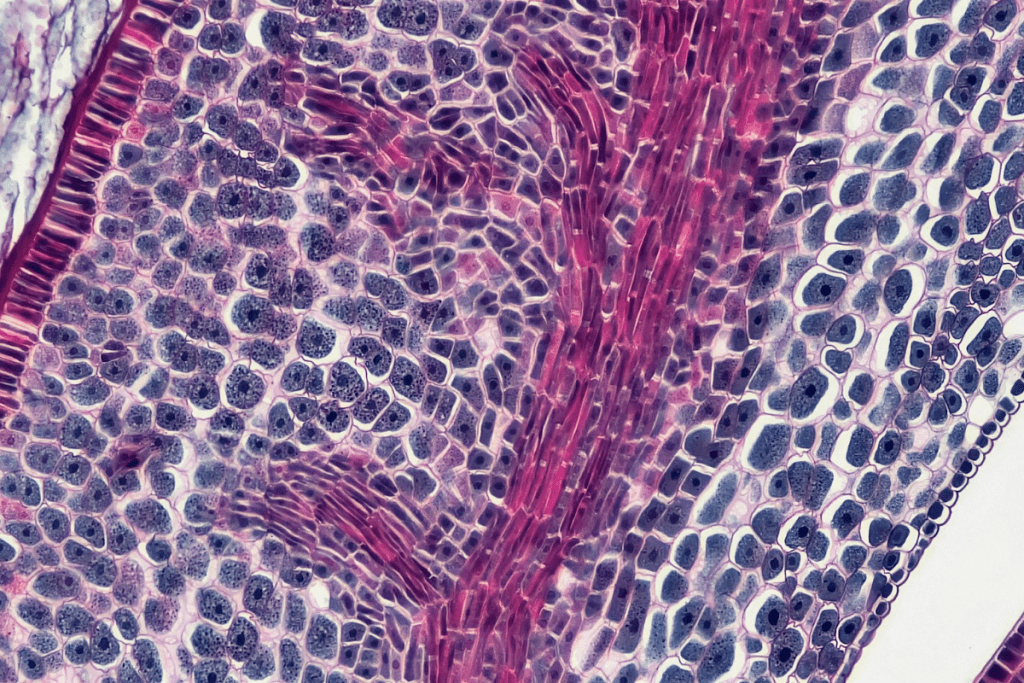
Did you know our bodies have a natural repair system? Adult repair stem cells help keep us healthy by fixing damaged tissues. But, how well they work can change with age and lifestyle.
There are supplements called stem cell activators that help these cells do their job. Research on stem cell“active compounds shows promising results. They help our bodies fix tissues better.
Key Takeaways
- Adult repair stem cells are key for fixing tissues.
- Lifestyle choices can affect how well stem cells work.
- Stem cell activator supplements aid in natural repair.
- Research on stem active compounds is ongoing.
- Boosting stem cells can improve our overall health.
The Biology of Adult Repair Stem Cells
Understanding adult repair stem cells is key to knowing how they keep us healthy. These cells can turn into different types of cells. They help fix and grow tissues.
Definition and Types of Adult Stem Cells
Adult stem cells are found in adult bodies. They can grow and change into many cell types. There are mesenchymal stem cells and hematopoietic stem cells. Mesenchymal stem cells can become bone, cartilage, and muscle cells. Hematopoietic stem cells make blood cells.
“The ability of stem cells to grow tissues is vital for staying healthy and avoiding sickness.”
How Stem Cells Contribute to Tissue Repair
Stem cells are important for fixing tissues. They turn into new cells to replace old or damaged ones. For example, mesenchymal stem cells help fix bones and cartilage. Hematopoietic stem cells help make new blood cells.
“Stem cells do more than just replace cells,” a study on stem cell biology says. “They also help the environment around cells.”
The Decline of Stem Cell Function with Age
As we get older, our stem cells work less well. This makes it harder for our bodies to repair tissues. This decline is due to many factors, like more oxidative stress and changes in how cells work.
Studies suggest that using stem cells activators or cellular health supplements might help. They could make stem cells work better, even as we age.
The Science of Stem Cell Activation Mechanisms
Recent studies have uncovered the complex ways stem cells are activated and help repair tissues. Knowing these mechanisms is key to creating effective ways to rejuvenate cells and boost the body’s repair abilities.
Key Signaling Pathways in Stem Cell Activation
Stem cell activation is controlled by complex signaling pathways. These pathways respond to different signals from the cell and its environment. The Notch signaling pathway is important for deciding stem cell fate and how they differentiate. Other pathways, like Wnt/β-catenin and PI3K/Akt, also help activate and grow stem cells.
Growth Factors and Cytokines
Growth factors and cytokines are vital for turning on stem cells. They send molecular signals that help cells grow and change. For example, vascular endothelial growth factor (VEGF) and fibroblast growth factor (FGF) help with blood vessel growth and repair. Cytokines, like interleukins and tumor necrosis factor-alpha (TNF-alpha), also shape the stem cell environment.
Epigenetic Regulation of Stem Cell Function
Epigenetic changes, like DNA methylation and histone modification, greatly affect stem cell behavior. These changes can either help or hinder stem cell growth and change. Grasping how epigenetics controls stem cells is essential for creating targeted treatments to boost cell regeneration and health.
By understanding stem cell activation, scientists can craft better ways to rejuvenate cells and fix tissues. This research is key to creating new treatments that could improve human health and lifespan.
Dietary Strategies to Support Stem Cell Function
The food we eat greatly affects our stem cells. It helps them repair and grow tissues. Eating the right foods can boost stem cell health. But, a bad diet can slow it down. Let’s look at how to eat to activate stem cells and stay healthy.
Caloric Restriction and Intermittent Fasting
Less food can help stem cells work better. When we eat less, our body gets better at fixing and recycling cells. This is called autophagy. It makes stem cells more active and gives our cells more energy.
Intermittent fasting also helps stem cells. It means we eat and then don’t eat for a while. Research shows it makes more stem cells and helps them turn into different types of cells.
Plant Compounds that Enhance Stem Cell Activity
Some plants have compounds that help stem cells. Resveratrol, curcumin, and EGCG are examples. They make stem cells work better and help our cells grow back.
- Resveratrol, found in grapes and berries, helps stem cells and makes us live longer.
- Curcumin, in turmeric, fights inflammation and boosts stem cell activity.
- EGCG, in green tea, keeps stem cells healthy and helps our cells grow back.
Essential Nutrients for Cellular Regeneration
We need certain nutrients for our stem cells to thrive. Vitamins like D and C, and minerals like zinc, are key. They keep stem cells healthy.
Eating a variety of whole foods gives us these nutrients. Foods high in antioxidants, like fruits and veggies, protect stem cells. They help keep us healthy overall.
Exercise as a Natural Cell Activator
Exercise is a strong stem cell activator that boosts the body’s repair powers. Regular workouts help move stem cells around, which is key for fixing tissues and keeping us healthy.
How Physical Activity Stimulates Stem Cell Mobilization
Working out sets off the release of growth factors and cytokines. These are important for turning on stem cells. When muscles get damaged from exercise, for example, it sends signals to stem cells to move to the area. This helps in fixing and growing new tissue.
This process uses complex signals to get stem cells moving. Exercise’s natural cellular activator effect helps keep tissues healthy and may even slow down aging.
Optimal Exercise Types for Stem Cell Activation
Not every workout is the same when it comes to getting stem cells moving. Studies show that a mix of cardio, strength training, and HIIT works best. Cardio exercises like running or cycling boost heart health, which helps stem cells work better.
- Aerobic exercises like running or cycling
- Resistance training to stimulate muscle growth and repair
- High-intensity interval training (HIIT) for enhanced metabolic and cellular stress resistance
Mixing these types of workouts can help get the most out of cell revitalization from exercise.
Recovery Protocols to Maximize Regenerative Benefits
While exercise is great for getting stem cells going, rest is just as important. Getting enough sleep and eating well are key to making the most of exercise’s benefits. A good diet and enough rest help the body fix itself.
Also, using recovery methods like stretching or foam rolling can help. These methods aid in faster recovery and better stem cell movement.
Stem Cell Activator Supplements: Evidence and Options
Recent studies have looked into supplements that can turn on stem cells. As interest in regenerative medicine grows, knowing how supplements help activate stem cells is key.
Clinically Studied Supplement Ingredients
Some ingredients in supplements have been studied for their ability to activate stem cells. For example, curcumin, found in turmeric, boosts stem cell activity because it fights inflammation. Another is resveratrol, from grapes, which may help keep cells healthy.
“Using natural compounds like curcumin and resveratrol could be a good way to improve stem cell function,” a study found.
Dosage Considerations and Timing
The right amount and when to take stem cell activator supplements matters. Studies show the best dose can change based on the ingredient and the person’s health.
- Curcumin: 500-2000 mg per day
- Resveratrol: 50-200 mg per day
When you take them also plays a part. Some supplements work better at certain times or with food.
Potential Synergistic Combinations
Using different supplements together might work better than one alone. For instance, mixing curcumin with other anti-inflammatory substances could make it more effective.
“Mixing natural compounds might be a better way to activate stem cells than using just one,” a top regenerative medicine researcher said.
In summary, while results can differ, some supplements seem to help activate stem cells. As research keeps improving, it’s important to keep up with new findings and talk to health experts before adding supplements.
Stem Cell Reactivation Patches and Transdermal Technologies
Stem cell reactivation patches are a new area in the fight against aging. They use transdermal delivery to possibly wake up stem cells. These patches are part of a group of technologies that send active ingredients through the skin into the blood. There, they can help stem cells work better.
Mechanism of Action for Transdermal Delivery
Transdermal systems, like stem cell patches, release ingredients that go through the skin. These ingredients are thought to help stem cells, boosting the body’s repair powers. The big plus is they might avoid being broken down in the stomach.
For transdermal delivery to work, the ingredients must get past the skin’s barrier. To help, scientists use special tools like permeation enhancers and micro-needles.
Scientific Assessment of Patch Effectiveness
Scientists are both curious and skeptical about stem cell patches. The idea is interesting, but there’s no solid proof they really work. They claim to boost stem cell activity and improve health, but more research is needed.
- Limited Clinical Evidence: There aren’t many good studies on these patches.
- Mechanistic Studies: Some research looks at how ingredients might affect stem cells. But this research often uses lab tests or animals.
- Regulatory Status: The rules for these patches vary. Some are sold as supplements or cosmetics, not drugs.
Consumer Reviews and Clinical Evidence
People have mixed feelings about stem cell patches. Some say they feel more energetic or look younger. Others don’t see any difference. It’s hard to know for sure because results can vary a lot.
From a scientific standpoint, we need more solid research. Until then, it’s smart to be cautious. Understand the possible benefits and the unknowns.
Advanced Technologies for Cellular Activation
New medical technologies are finding ways to turn on stem cells and boost cell growth. These new methods are being studied to see if they can make stem cells work better and keep cells healthy.
Photobiomodulation and Red Light Therapy
Photobiomodulation, or low-level laser therapy, uses light to get cells working right. Studies show it can turn on stem cells by making more ATP, cutting down on stress, and making cells younger.
Red light therapy has been tested in many studies. It shows promise in fixing tissues and making new cells. It can help wounds heal faster, reduce swelling, and make skin look better.
Pulsed Electromagnetic Field (PEMF) Treatments
PEMF therapy uses electromagnetic fields to get cells working. It has been found to help move stem cells, fix tissues, and keep cells healthy.
- Enhances stem cell activation and mobilization
- Improves tissue repair and regeneration
- Supports overall cellular health and function
Hyperbaric Oxygen and Other Emerging Approaches
Hyperbaric oxygen therapy means breathing pure oxygen in a special room. It helps stem cells by releasing growth factors and getting more oxygen to tissues.
New methods like electrical stimulation, ultrasound, and nanotechnology are also being looked at. They aim to help cells grow and stay healthy. These technologies could make stem cells work better and keep cells in top shape.
In short, new tech like photobiomodulation, PEMF, and hyperbaric oxygen are being studied for cell activation and growth. Knowing how these work can help people choose the best ways to stay healthy and feel good.
Lifestyle Factors That Inhibit Stem Cell Activation
Many lifestyle choices can harm our body’s ability to activate stem cells. This affects our health and how well we can repair ourselves. Using a natural cell activator approach means avoiding things that stop stem cells from working. By doing this, we can boost our cellular energy and help our cells stay healthy.
Chronic Stress and Inflammation
Chronic stress and inflammation stop stem cells from activating. Stress makes our body produce cortisol, a hormone that weakens our immune system. Prolonged exposure to cortisol makes it harder for our body to repair itself, affecting stem cell function.
Inflammation, caused by stress, bad diet, or pollution, also hinders stem cell activation. Reducing inflammation through diet, stress management, and supplements can help our body activate stem cells better.
Sleep Deprivation Effects on Regeneration
Sleep deprivation is another big problem for stem cell activation. Our body repairs and regenerates cells when we sleep, and stem cells are key to this. Adequate sleep is vital for stem cell function, and not getting enough can slow down our body’s repair processes.
Studies show that not sleeping enough can reduce stem cell function. This makes it harder for our body to fix damaged tissues. Getting adequate sleep and keeping a regular sleep schedule helps our stem cells work better.
Environmental Toxins and Mitigation Strategies
Being exposed to environmental toxins is another lifestyle factor that harms stem cell activation. Toxins like heavy metals, pesticides, and pollutants can damage stem cells. Reducing exposure to these toxins through lifestyle changes and protective measures can help.
To fight environmental toxins, we can use air and water purifiers, avoid plastics, and eat foods high in antioxidants. By reducing toxin exposure, we can make a healthier environment for stem cell activation and overall health.
Medical and Clinical Approaches to Stem Cell Activation
Recent research has led to new ways to activate stem cells. Our growing knowledge of stem cells opens doors to new treatments. These treatments could use stem cells’ power to heal.
Doctors are looking at many ways to boost stem cell activation. This includes medicines and new technologies. They’re also interested in stem cell activator supplements to help the body heal itself.
Current FDA-Approved Treatments
There are only a few FDA-approved treatments for stem cell activation. But, some stem active substances show promise in clinical trials. They might help keep stem cells healthy.
Some treatments use growth factors and cytokines to get stem cells moving and changing. These are mainly for conditions like bone marrow problems or anemia.
Experimental Therapies in Clinical Trials
New treatments are being tested in clinical trials. These include stem cells activator compounds, gene therapies, and cell treatments. They aim to improve stem cell function.
Researchers are also looking at combining therapies for better results. For example, using stem cell activation with photobiomodulation or PEMF therapy might help more.
“The future of regenerative medicine lies in our ability to harness and control the body’s stem cell populations. Advances in stem cell activation therapies hold great promise for treating a wide range of diseases and injuries.”
When to Consider Professional Medical Intervention
While lifestyle and supplements can help stem cells, sometimes you need a doctor. If you have a medical condition or haven’t seen results from lifestyle changes, see a doctor.
A doctor can give advice tailored to your health. They can decide if new treatments or FDA-approved options are right for you.
Measuring and Monitoring Stem Cell Activity
Measuring stem cell activity gives us insights into our body’s ability to heal itself. It shows how well our body can repair and grow. This is key to understanding our health and how well treatments work.
Biomarkers Associated with Stem Cell Function
Biomarkers are important for checking stem cell activity. They tell us about the health and work of stem cells. Key biomarkers include circulating stem cell counts, telomere length, and growth factor levels.
Healthcare experts use these biomarkers to see how well someone can heal. This helps them understand the person’s ability to regenerate.
Self-Assessment of Regenerative Health
While tests by doctors give detailed info, we can also check our health ourselves. Things like energy levels, skin health, and recovery time after exercise can tell us about our stem cells. These signs can help us see how our health changes over time.
We can use these signs to see if our health is getting better or worse. Then, we can make changes to our life or what we take to help our health.
Professional Testing Options and Interpretation
For a detailed check, there are professional tests. These tests look at specific signs of stem cell health. They give a clear view of how well someone can heal.
When thinking about cellular health supplements or natural cell activators, these tests show if they work. It’s important to talk to a doctor to understand what the results mean for our health and how to improve it.
By using tests, checking ourselves, and living a healthy life, we can improve our stem cell activity. This helps us stay healthy and boosts our body’s natural healing powers.
Common Misconceptions About Stem Cell Activation
As more people learn about stem cell activation, it’s important to clear up myths. The field of regenerative medicine is growing fast. But, it’s filled with misconceptions and exaggerated claims about what stem cell activation can do.
Debunking Popular Myths and Exaggerated Claims
One myth is that stem cell activation can stop aging completely. While stem cell activation can improve health and possibly increase lifespan, it’s not a cure-all for aging. Studies show it can help with tissue repair and regeneration, but it’s just one part of staying healthy.
Another myth is that all stem cell activation methods work the same. The truth is, different methods like diet, exercise, and supplements have different levels of proof. It’s key to know the science behind each one.
Understanding the Limitations of Current Approaches
Today’s stem cell activation methods have their limits. For example, some supplements and lifestyle changes can help stem cells, but the field is just starting. We need more research to really know how these methods affect our health.
It’s also important to remember that results can vary a lot. Things like age, health, and genetics can affect how well stem cell activation works for you.
Realistic Expectations for Regenerative Outcomes
It’s important to have realistic hopes. Stem cell activation is not a quick solution but a long-term way to better health. It’s part of a bigger plan that includes a healthy lifestyle, good food, and regular exercise.
Knowing what stem cell activation can and can’t do helps people make better health choices. By using proven strategies and keeping hopes realistic, people can use stem cell activation to improve their health.
Safety Considerations and Potential Risks
Exploring stem cell activation brings up important safety questions. Different methods, like diet, exercise, or supplements, can affect people differently. It’s key to think about these effects.
Regulatory Status of Stem Cell Products
The rules for stem cell products, like cell rejuvenation formulas and stem cell enhancers, vary by country. In the U.S., the FDA watches over these products. But, the rules can change based on the product type.
“The FDA regulates stem cell products under the Public Health Service Act and the Federal Food, Drug, and Cosmetic Act,” says the FDA. This shows why following these rules is important for safety.
Potential Side Effects of Activation Methods
Most stem cell activation methods are safe if used right. But, some might cause side effects. For example, some cellular health supplements could react badly with certain people.
- Allergic reactions to ingredients
- Interactions with other medications
- Exacerbation of underlying health conditions
It’s smart to talk to a doctor before trying new things, like supplements. This is very important for people with health issues.
Special Considerations for Specific Health Conditions
Some health conditions require extra care or avoiding certain methods. For instance, people with cancer history should be careful with methods that might grow tumors.
“Patients with a history of malignancy should consult their healthcare provider before using any stem cell activation therapies.”
Knowing about safety and risks helps people make better choices about using stem cell activation methods.
Conclusion
Learning how to activate adult repair stem cells is key to staying healthy. This article has covered the basics of stem cells, how to activate them, and ways to boost their function. We’ve looked at diet, exercise, and new technologies that help.
Adding stem cell activators to your daily life can boost your body’s repair abilities. It’s important to know what hinders stem cell activation. By adopting a holistic approach, you can support your cells’ growth.
As science moves forward, keeping up with stem cell research is vital. This knowledge helps you make better health choices. By using what you’ve learned and seeking expert advice, you can improve your stem cell health. This leads to better overall well-being.
FAQ
What are adult repair stem cells, and how do they contribute to overall health?
Adult repair stem cells help keep our bodies healthy. They can turn into different types of cells. This helps replace old or damaged cells, supporting our health.
How do dietary strategies support stem cell function?
Eating right can help stem cells work better. Eating less, fasting sometimes, and eating certain plants can help. They help cells grow back, reduce damage, and make stem cells more active.
Can exercise activate stem cells, and if so, what types of exercise are most beneficial?
Yes, exercise can wake up stem cells. Aerobic, strength training, and HIIT are best. They help get stem cells moving.
Are stem cell activator supplements effective, and what ingredients should I look for?
Some supplements might help stem cells. Look for vitamins, minerals, and plant extracts. These have been shown to boost stem cell activity.
Do stem cell reactivation patches really work, and what is the scientific evidence?
Patches claiming to reactivate stem cells are debated. Some say they work by delivering ingredients through the skin. But, more research is needed to confirm their benefits.
What lifestyle factors can inhibit stem cell activation, and how can I mitigate their effects?
Stress, inflammation, lack of sleep, and toxins can harm stem cells. To fight these, manage stress, eat anti-inflammatory foods, sleep well, and avoid toxins.
What are the possible risks and side effects of stem cell activation methods?
Most stem cell methods are safe, but risks exist. Side effects might include bad reactions to supplements or too much exercise. New technologies can also have unknown effects.
Reference
Bloch, W. (2016). Stem Cell Activation in Adult Organisms. International Journal of Molecular Sciences, 17(7), 1005.
McAlpine, C. S., Kiss, M. G., Rattik, S., He S., Silver, P. K., Jahan S., et al. (2022). Sleep modulates hematopoiesis and protects against atherosclerosis. The Journal of Experimental Medicine, 219(10), e20220379.