Anxiety disorders affect millions worldwide. In the U.S., about 19.1% of adults had an anxiety disorder last year. It’s key to know how to calm anxiety and stop attacks quickly.
Recent stats show 43% of U.S. adults feel more anxious than before. This is due to work stress, money worries, and personal issues. To manage anxiety, use proven techniques like those from MD Anderson’s anxiety management tools.
Key Takeaways
- Understand the importance of managing anxiety effectively
- Learn quick techniques to stop anxiety attacks
- Discover evidence-based methods for anxiety relief
- Explore resources for anxiety management
- Develop strategies for reducing anxiety in daily life
Understanding Anxiety Attacks and Their Impact

It’s key to understand anxiety attacks to manage their effects on daily life. Anxiety disorders are a big issue worldwide, affecting many people.
The Global Prevalence of Anxiety Disorders
The World Health Organization says nearly 275 million people have anxiety disorders. This is about 3.5% of the world’s population. Women are 1.6 times more likely to have anxiety than men. This shows why we need to know about and manage anxiety disorders well.
Recognizing Physical Symptoms of Anxiety Attacks
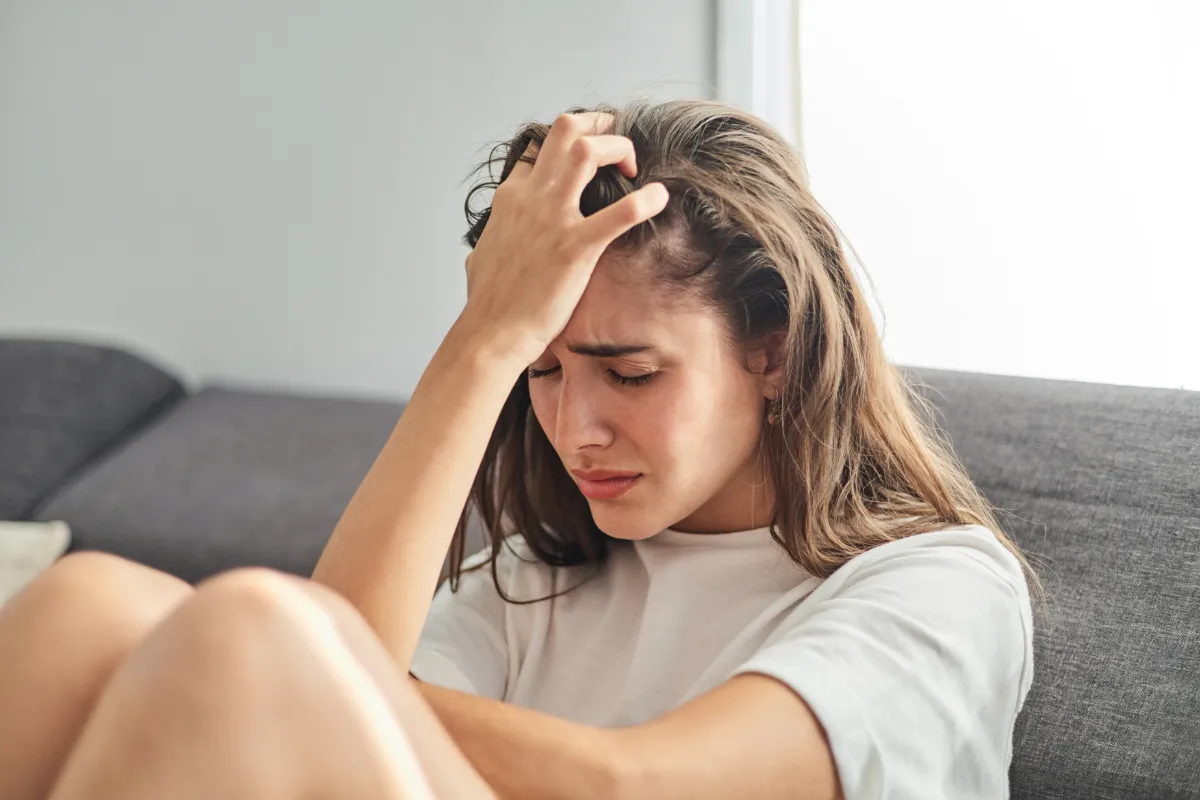
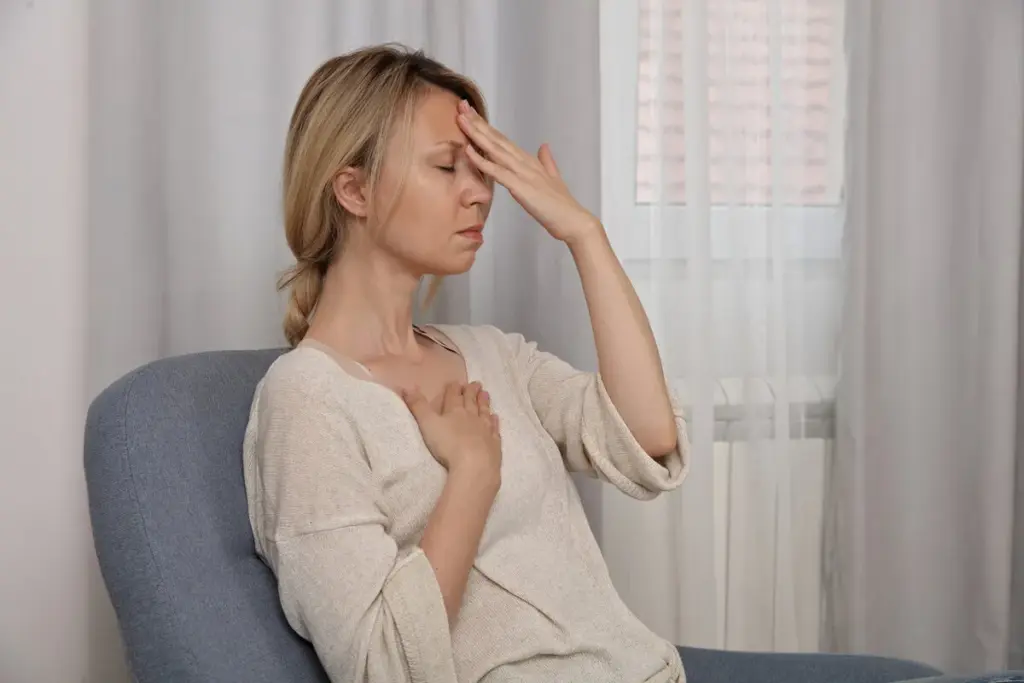
Anxiety attacks have clear physical signs, like heart palpitations, shortness of breath, trembling, and excessive sweating. These symptoms can be very strong and might seem like serious health issues. This can make the anxiety worse during an attack.
Knowing these symptoms is important. It helps people understand when they or someone else is having an anxiety attack. By recognizing these signs, people can start looking for help and learn to ease their anxiety.
7 Quick Techniques to Calm Anxious Feelings During an Attack

Anxiety can be managed with simple yet effective techniques. When you have an anxiety attack, it’s important to know how to calm down. Here are seven techniques to help you through these tough moments.
1. Deep Breathing: The 4-7-8 Method
Deep breathing is a powerful way to calm anxiety. The 4-7-8 method means breathing in through your nose for a count of 4, holding for a count of 7, and exhaling through your mouth for a count of 8. This can slow your heart rate and help you relax. Regular practice makes it easier to calm down during an attack.
2. Progressive Muscle Relaxation for Immediate Relief
Progressive Muscle Relaxation (PMR) is another effective technique. It involves tensing and then relaxing different muscle groups. Start with your toes and move up to your head, tensing each group for a few seconds before releasing. This technique helps release physical tension and is great during an attack.
3. The 5-4-3-2-1 Grounding Technique
The 5-4-3-2-1 grounding technique is simple yet effective. It involves noticing:
- 5 things you can see
- 4 things you can touch
- 3 things you can hear
- 2 things you can smell
- 1 thing you can taste
This technique helps shift your focus away from anxious thoughts. For more information, visit resource on grounding techniques.
4. Quick Mindfulness Practices to Center Yourself
Mindfulness practices are also helpful during an anxiety attack. One quick method is to focus on the sensation of your feet touching the ground. Another is to pay attention to your breath, observing its sensation without trying to change it. These practices can help center you and reduce anxiety.
By incorporating these techniques into your daily routine, you can better manage anxiety. Remember, the key is consistent practice to make these techniques second nature during stressful moments.
Conclusion: Building Your Personal Anxiety Management Toolkit
Understanding anxiety and using quick techniques can help you manage it. This approach combines the methods from the article with professional help. It lets you create strategies to handle your anxiety and live better.
Cognitive behavioral therapy (CBT), exercise, and mindfulness can reduce anxiety. Adding these to your plan can make you feel less anxious. You’ll also learn to calm down during an attack.
Managing anxiety means knowing your body’s signs and how to handle attacks. Using the techniques from this article, you can build a strong toolkit. This will help you live a better life.
FAQ
What are the common symptoms of an anxiety attack?
Anxiety attacks show up in many ways. You might feel your heart racing, sweat a lot, or shake. You could also have trouble breathing or feel extreme fear or panic.
How can I calm down during an anxiety attack?
There are a few ways to calm down. Deep breathing, muscle relaxation, and mindfulness can help. These methods can soothe your body and mind.
What is the 4-7-8 breathing method, and how can it help with anxiety?
The 4-7-8 method is a breathing technique. You breathe in for 4 counts, hold for 7, and breathe out for 8. It can slow your heart rate and relax you.
How can I ease anxiety and reduce its impact on daily life?
Adding anxiety-reducing activities to your day can help. Try meditation, exercise, or journaling. These can manage your anxiety and boost your mood.
What are some grounding techniques that can help during an anxiety attack?
Grounding techniques, like the 5-4-3-2-1 exercise, focus on the present. Notice 5 things you see, 4 things you touch, 3 sounds, 2 smells, and 1 taste. It distracts from anxious thoughts.
Can anxiety attacks be a sign of an underlying medical condition?
Yes, they can be. Anxiety attacks might signal a condition like panic disorder or generalized anxiety disorder. Always check with a doctor to find out why you’re having them.
How can I develop a personal anxiety management toolkit?
Try different techniques to see what works for you. This article has some ideas. Work with a healthcare professional to create a plan that fits your needs.
Are there any effective ways to stop anxiety attacks from occurring?
You might not be able to stop them all, but you can reduce them. Regular exercise, managing stress, and relaxation practices can help.
What are some physical feelings associated with anxiety?
Anxiety can make you feel your heart racing, shake, sweat, or feel nauseous. It can also make it hard to breathe. Knowing these signs can help you recognize when you’re anxious.
References:
World Health Organization. Evidence-Based Medical Guidance. Retrieved from
https://www.who.int/news-room/fact-sheets/detail/anxiety-disorders