
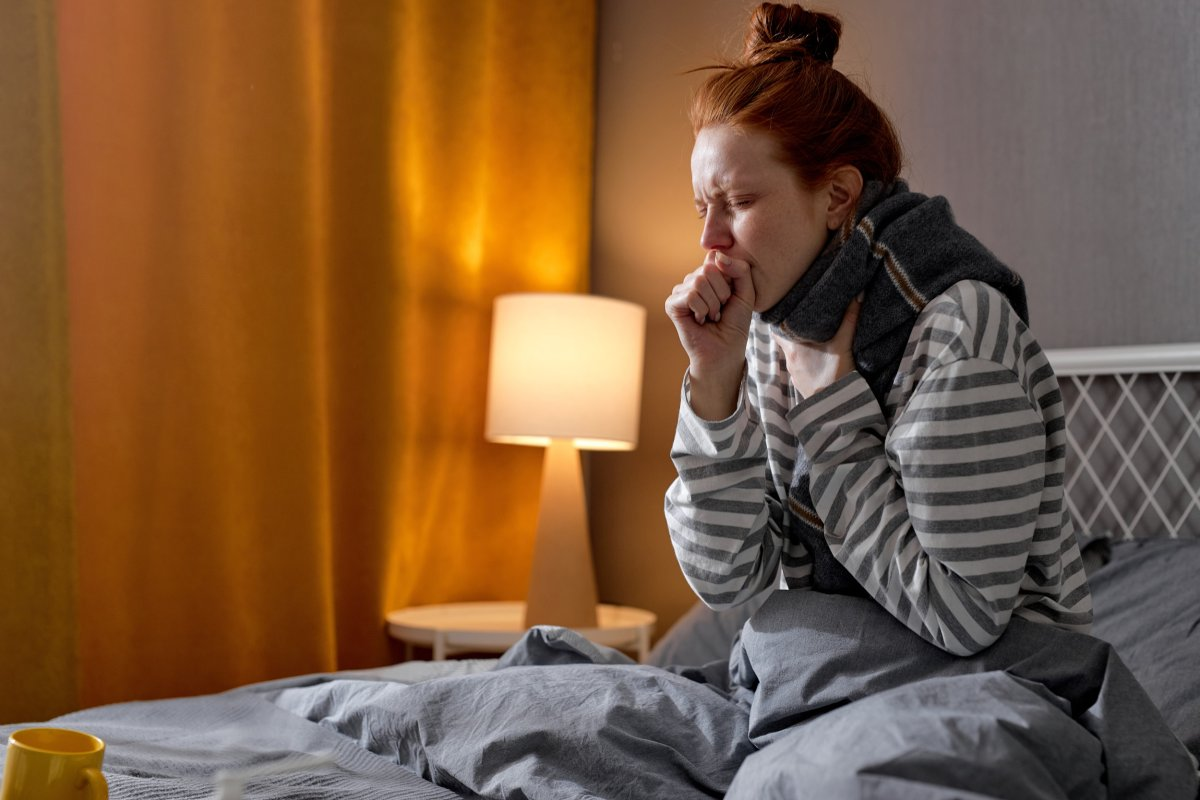
Nocturnal asthma is a big problem for many people with asthma. Studies show that about 40 to 60 percent of asthma sufferers have nocturnal symptoms. These symptoms can ruin their sleep and daily life.
For many, asthma gets worse at night. A big number say their asthma symptoms, like wheezing or coughing, wake them up at least once a week. At Liv Hospital, we know how important it is to manage nocturnal asthma well. This helps improve the lives of these patients.
Key Takeaways
- Nocturnal asthma affects a significant portion of the asthma population.
- Approximately 40 to 60 percent of individuals with asthma experience nocturnal symptoms.
- Effective management of nocturnal asthma is key for better sleep.
- Liv Hospital offers patient-focused care for asthma patients.
- Proven treatment plans can lead to better asthma control.
Understanding Nocturnal Asthma Cough
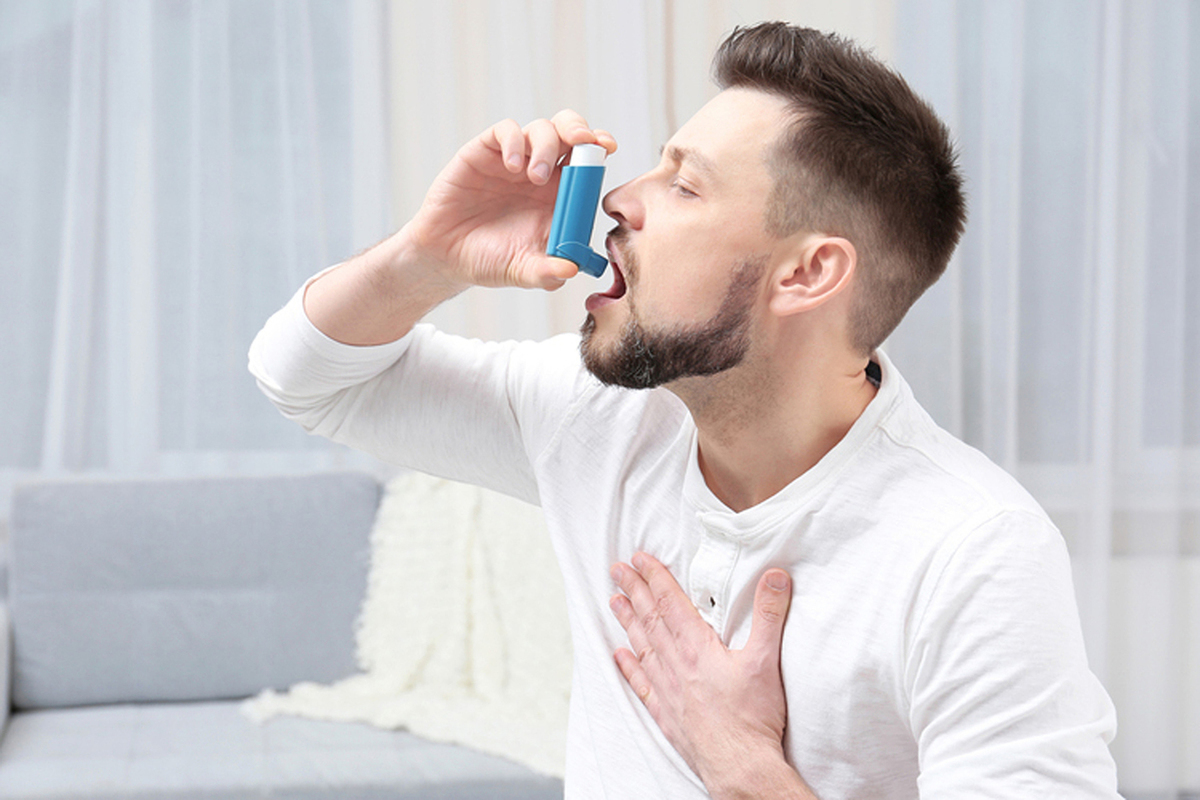
Nocturnal asthma cough gets worse at night, making it hard for patients and doctors. It’s not just a bad day for asthma symptoms. It’s a complex mix of factors.
What Causes Asthma Symptoms to Worsen at Night
Asthma symptoms get worse at night for many reasons. The body’s natural rhythm changes, affecting hormones like adrenaline and melatonin. These changes can cause airways to swell and narrow, making it hard to breathe.
Key factors contributing to nocturnal asthma include:
- Cooler nighttime temperatures
- Increased exposure to allergens while sleeping
- Changes in lung function due to circadian rhythm
- Hormonal fluctuations
The Circadian Rhythm and Asthma Connection
The body’s natural rhythm affects asthma. Studies show lung function is best during the day and worst at night. This is because of the circadian rhythm.
The connection between circadian rhythm and asthma is complex. It affects lung function directly and indirectly through inflammation and immune response.
Statistics and Prevalence of Nighttime Asthma
Nocturnal asthma is a big problem for many asthma patients. A lot of asthma attacks happen at night. This shows we need better ways to manage it.
Some key statistics include:
- Up to 75% of asthma patients experience nocturnal symptoms.
- Nocturnal asthma symptoms can lead to significant sleep disturbances and daytime fatigue.
- The prevalence of nocturnal asthma highlights the need to understand its causes and manage it well.
Recognizing a Nighttime Asthma Attack
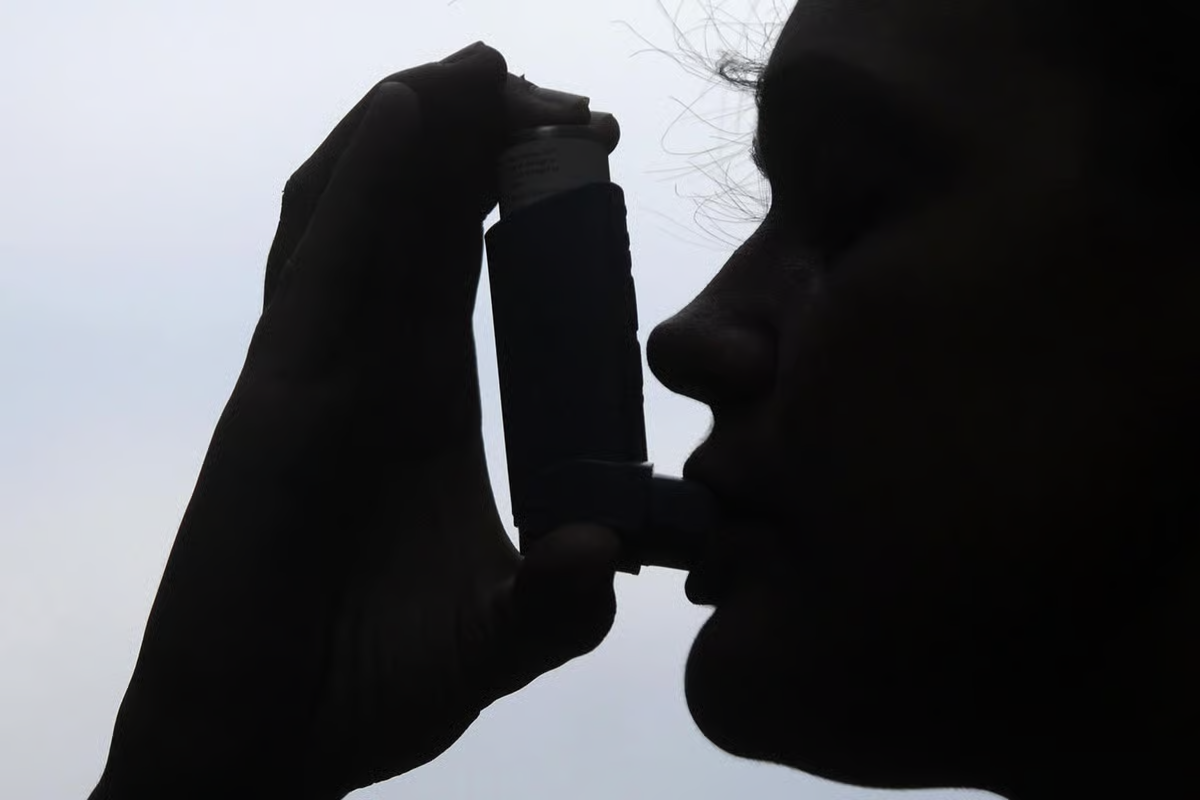
It’s important to know the signs of asthma at night. People with asthma can see a big change in how well they breathe from day to night. This change is much bigger than in people without asthma.
This big change makes nighttime asthma attacks very dangerous. If not caught and treated right away, they can be serious.
Common Symptoms to Watch For
The main signs of asthma are breathing problems. These include wheezing, coughing, and feeling short of breath. At night, these signs can get worse because of things like allergens in the bedroom and changes in body temperature.
It’s important to watch for these symptoms:
- Wheezing or a whistling sound when breathing out
- Coughing, which can disrupt sleep
- Shortness of breath or feeling out of breath even when sitting or doing light activities
- Chest tightness or discomfort
A study shows that asthma symptoms can be mild or severe. They can come and go. Knowing these symptoms is key to managing asthma well.
How Nighttime Symptoms Differ from Daytime Symptoms
Nighttime asthma symptoms can be different from daytime symptoms. At night, lying down can make it harder to breathe because mucus builds up in the airways. Also, the body’s natural drop in cortisol at night can make inflammation worse, making symptoms more severe.
Key differences include:
- Increased coughing and wheezing due to mucus buildup
- More pronounced shortness of breath because of lying down
- Potential for symptoms to be masked by sleep, leading to delayed recognition
Healthcare providers stress the importance of knowing these differences. “People with asthma need to be vigilant about their symptoms, even more so at night, to prevent severe asthma attacks,” which is a key part of managing asthma.
Immediate Actions to Calm an Asthma Cough at Night
When an asthma attack hits at night, quick action is key. It helps calm the cough and gets breathing back to normal. Nighttime attacks can be tough, but there are steps you can take to ease symptoms.
Using Quick-Relief Inhalers Properly
Start by using a quick-relief inhaler. These inhalers, like albuterol, open airways for easier breathing. To use it right, shake it well before each use, breathe out fully, and then inhale slowly while pressing the inhaler.
Keep your quick-relief inhaler by your bed for easy access. If you’re using it a lot, talk to your doctor to check your asthma plan.
Nebulizer Treatments for Severe Symptoms
For severe symptoms, a nebulizer treatment might be needed. Nebulizers turn medication into a mist for deep breathing. Follow the maker’s and your doctor’s instructions for best results.
Nebulizers are great for severe attacks when inhalers don’t work. Make sure your nebulizer is clean and ready, and have a spare for emergencies.
Proper Positioning to Ease Breathing
Medicine isn’t the only thing that helps. Proper positioning can also ease breathing. Sitting or standing can help more than lying down. Try leaning forward to open your airways.
Avoid lying flat, as it can make symptoms worse. Use pillows or a recliner to support your body. Combining the right position with medication can help manage symptoms better at night.
How to Calm Asthma Cough at Night: Step-by-Step Guide
Managing asthma symptoms at night is more than just taking medicine. You can also make your sleep space better, use special breathing methods, drink lots of water, and pick the right pillows. These steps can really help reduce nighttime coughs.
Creating a Calm Environment
A peaceful bedroom is key to lessening stress and asthma symptoms at night. Here’s how to make it happen:
- Keep your bedroom clean and dust-free to reduce allergens.
- Use allergen-proof bedding to minimize exposure to dust mites.
- Maintain a comfortable room temperature between 60-67°F (15-19°C).
- Ensure good ventilation to prevent the buildup of stale air.
Breathing Techniques for Asthma Relief
There are breathing methods that can help with asthma by making your lungs work better and reducing stress. Here are a few:
- Diaphragmatic Breathing: Use your diaphragm instead of shallow chest breathing.
- Pursed Lip Breathing: Breathe in through your nose and out through pursed lips to slow down your breathing.
- Box Breathing: Breathe in for a count of 4, hold for 4, exhale for 4, and hold again for 4.
Staying Hydrated and Managing Secretions
Drinking enough water is important for thinning mucus and keeping your airways open. Here’s what to do:
- Drink plenty of water throughout the day.
- Avoid caffeinated and alcoholic beverages that can dehydrate you.
- Use a humidifier to add moisture to the air, which is good in dry places.
|
Hydration Tips |
Benefits |
|---|---|
|
Drink at least 8 glasses of water a day |
Thins mucus, keeping airways clear |
|
Avoid caffeinated drinks before bedtime |
Prevents dehydration during sleep |
|
Use a humidifier in your bedroom |
Adds moisture to the air, soothing airways |
Using Pillows and Bed Positioning Effectively
How you sleep can affect your breathing. Try these tips:
- Use extra pillows to elevate your head and shoulders to reduce congestion.
- Avoid lying flat on your back, as this can make asthma symptoms worse.
- Consider using a wedge pillow to maintain a comfortable, upright position.
By following these steps and adding them to your bedtime routine, you can calm your asthma cough at night and sleep better.
Preventive Measures Before Bedtime
To manage asthma at night, we need to take steps before bed. Changing our routine and being careful about our surroundings can help. This way, we can lower the chance of an asthma attack at night.
Medication Timing Strategies
Getting our medication timing right is key. We should talk to our doctor to find the best time to take our asthma meds. It’s important to stick to our medication plan and not miss doses.
For example, using a long-acting inhaler before bed can keep symptoms under control all night. We should also ask our doctor if we need to change our medication to better handle nighttime symptoms.
Evening Routine Adjustments
Changing our evening routine can also help. Relaxation techniques like deep breathing or meditation can help reduce stress, a common asthma trigger. We should avoid hard activities before bed and choose calming activities instead.
Keeping a regular sleep schedule is also important. Getting enough sleep can help our body’s internal clock and might reduce asthma symptoms.
Foods and Drinks to Avoid Before Sleep
Some foods and drinks can make asthma symptoms worse. We should stay away from caffeine, alcohol, and rich or spicy foods before bed. They can trigger or make symptoms worse.
- Avoiding dairy products if they trigger mucus production
- Limiting salt intake to reduce inflammation
- Staying hydrated by drinking water throughout the day, but avoiding excessive fluid intake before bed to minimize nighttime awakenings
Talking to our healthcare provider about a diet rich in fruits, vegetables, and omega-3 fatty acids can also help manage asthma symptoms.
People with asthma are more likely to have sleep apnea. This is a condition where breathing stops for a few seconds and then starts again. We should discuss this with our doctor and how to manage it.
By taking these steps, we can lower the chance of asthma symptoms at night. This can also improve our sleep quality.
Environmental Modifications for Better Sleep
Making changes to your bedroom can help manage asthma, even at night. Simple adjustments can cut down on asthma symptoms and make sleep better.
Reducing Allergens in the Bedroom
To make your bedroom better for asthma, start by cutting down on allergens. These include dust mites, pet dander, and pollen. Here’s how to reduce them:
- Use allergen-proof bedding and mattress covers.
- Wash bedding in hot water (at least 130°F) weekly.
- Remove carpets and rugs, specially from the bedroom.
- Keep pets out of the bedroom.
- Use HEPA filters in your vacuum cleaner and air purifiers.
Optimal Temperature and Humidity Settings
Keeping your bedroom at the right temperature and humidity can also help. Avoid extreme temperatures and keep it a bit warmer. This helps prevent asthma symptoms. The best humidity is between 30-50%. A hygrometer can help you check the humidity.
Air Purification Solutions
Air purifiers can help by removing pollutants and allergens from the air. Look for one with a HEPA filter. It can catch 99.97% of particles as small as 0.3 microns. Place it in your bedroom, near your bed, for the best results.
By making these changes, you can make your bedroom better for asthma. This leads to better sleep and fewer asthma symptoms at night.
Age-Specific Approaches to Nighttime Asthma
Asthma affects people of all ages, so we need different strategies for nighttime symptoms. Understanding how asthma changes with age is key to managing symptoms at night.
Helping Children with Nocturnal Asthma Symptoms
Children with asthma often have worse symptoms at night. This can be hard for kids and their families. Creating a bedtime routine is important.
This routine should include taking medicine, having a calm sleep space, and watching for asthma signs. Using a peak flow meter before bed can spot problems early. Also, make sure kids have their medicine nearby and teach them breathing exercises.
Considerations for Elderly Patients
Elderly people with asthma face special challenges, like other health issues and complex medicines. Managing asthma at night for them needs careful thought.
Adjusting medicine schedules is vital for better nighttime control. Elderly patients should know how to spot and handle worsening symptoms. Their caregivers need to know how to help them well.
Also, elderly asthma patients should eat well and stay active. This helps their health and makes them stronger against asthma symptoms.
When to Seek Emergency Medical Help
Knowing when to seek emergency help is key for people with asthma. Those with nocturnal symptoms need to be extra careful. Nighttime asthma attacks can be very dangerous because they can make breathing very hard while you’re asleep.
If you have nocturnal asthma, telling your healthcare provider is very important. Asthma that gets worse at night or happens while you’re sleeping can really hurt your sleep and health.
Warning Signs of a Severe Asthma Attack
A severe asthma attack can be very dangerous. It’s important to know the signs that mean you need emergency help. Some signs include:
- Severe shortness of breath or trouble breathing
- Wheezing or coughing that doesn’t get better with medicine
- Blue or gray lips or fingers
- Confusion or trouble speaking
- Rapid heartbeat or pulse
If you or someone you know has these symptoms, act fast. Waiting too long for medical help can cause serious problems.
|
Symptom |
Description |
Action |
|---|---|---|
|
Severe Shortness of Breath |
Feeling like you can’t catch your breath |
Seek emergency help immediately |
|
Wheezing or Coughing |
Not improving with medication |
Use quick-relief inhaler and call for help if no improvement |
|
Blue or Gray Lips/Fingers |
Sign of oxygen deprivation |
Call emergency services right away |
What to Tell Emergency Responders
When you call for emergency help, give as much info as you can. This includes:
- Your current symptoms and how long you’ve had them
- Any medicines you’ve taken, including how much and when
- Your medical history, including any allergies or other health issues
- The name of your healthcare provider and any important contact info
Having this info ready can help emergency responders give you the best care.
Knowing the signs of a severe asthma attack and what to tell emergency responders is very important. It can help you get the right care when you need it most.
Conclusion
Managing nocturnal asthma requires a mix of medical care, lifestyle changes, and home adjustments. Knowing what causes and signs of nocturnal asthma helps people act fast to stop coughing at night.
Creating a peaceful space, practicing breathing exercises, and drinking water are key. Also, adjusting medicine and cutting down on bedroom allergens can help a lot.
Good sleep is vital for health and happiness. If asthma keeps you awake, talk to your doctor about better sleep options. With a full plan for asthma care, you can handle nighttime asthma better and live a happier life.
FAQ
What is nocturnal asthma?
Nocturnal asthma is when asthma symptoms get worse at night. This can disrupt sleep and affect a person’s quality of life.
What causes asthma symptoms to worsen at night?
Several things can make asthma symptoms worse at night. These include the body’s natural rhythm, allergens, and changes in temperature and humidity.
How can I calm an asthma cough at night?
To calm an asthma cough at night, try creating a calm environment. Practice breathing techniques and stay hydrated. Also, use pillows effectively.
What are the common symptoms of a nighttime asthma attack?
Symptoms of a nighttime asthma attack include wheezing, coughing, and shortness of breath. Chest tightness can also occur, often worse than during the day.
How do I use a quick-relief inhaler properly?
To use a quick-relief inhaler right, first shake it. Then breathe out and place the mouthpiece in your mouth. Inhale slowly and hold your breath for a few seconds.
What are the warning signs of a severe asthma attack?
Warning signs of a severe asthma attack include severe wheezing and trouble speaking. Also, look for blue lips or fingers and a peak flow meter reading under 50% of your personal best.
How can I help a child with nocturnal asthma symptoms?
Help a child with nocturnal asthma by setting up a bedtime routine. Use a peak flow meter and teach them how to use their inhaler correctly.
What environmental modifications can improve sleep quality for asthma patients?
To improve sleep quality, reduce allergens and control temperature and humidity. Using air purification solutions can also help.
What foods and drinks should I avoid before sleep to prevent asthma symptoms?
Avoid foods and drinks that can trigger asthma, like dairy, gluten, and caffeine. Eat a light meal before bed to prevent symptoms.
When should I seek emergency medical help for an asthma attack?
Seek emergency help if you have severe symptoms like trouble breathing or chest pain. Also, if your symptoms don’t get better with treatment.
What information should I share with emergency responders during an asthma attack?
Tell emergency responders about your asthma, including your medication and peak flow meter readings. Mention any allergies or triggers.
How can I manage asthma symptoms at night if I am elderly?
Elderly patients should work closely with their doctor to manage asthma. Use a peak flow meter and consider other health factors.
What is the role of the circadian rhythm in asthma?
The circadian rhythm can make asthma symptoms worse at night. This is due to natural changes in hormone levels and body temperature.
How can I stay hydrated to manage asthma symptoms?
Stay hydrated by drinking plenty of water. Avoid drinks that can dehydrate you to manage asthma symptoms.
What breathing techniques can help relieve asthma symptoms?
Breathing techniques like diaphragmatic and pursed-lip breathing can help relieve asthma symptoms. Controlled breathing is also effective.
References
National Center for Biotechnology Information. Evidence-Based Medical Guidance. Retrieved from https://www.ncbi.nlm.nih.gov/pmc/articles/PMC2687912/