Last Updated on November 26, 2025 by Bilal Hasdemir
Prostate cancer is a big worry for men, with 1 in 8 men likely to get it. Finding it early is key to treating it well. A prostate self-exam is a first step to spot problems.
Even though it’s not a full check, an at-home prostate cancer test can help. Knowing how to check prostate health at home helps men stay healthy. It’s a way for them to take care of themselves.
Key Takeaways
- Prostate cancer is a significant health concern for men.
- Early detection is key for good treatment.
- A prostate self-exam is a first step.
- At-home tests offer important health insights.
- Knowing about prostate health empowers men to act.
Understanding Prostate Cancer Basics

Learning about prostate cancer basics is key for early detection and prevention. Prostate cancer starts with abnormal cell growth in the prostate gland. It’s important to know how it develops and the role of the prostate gland in the male body.
What is the Prostate and Its Function
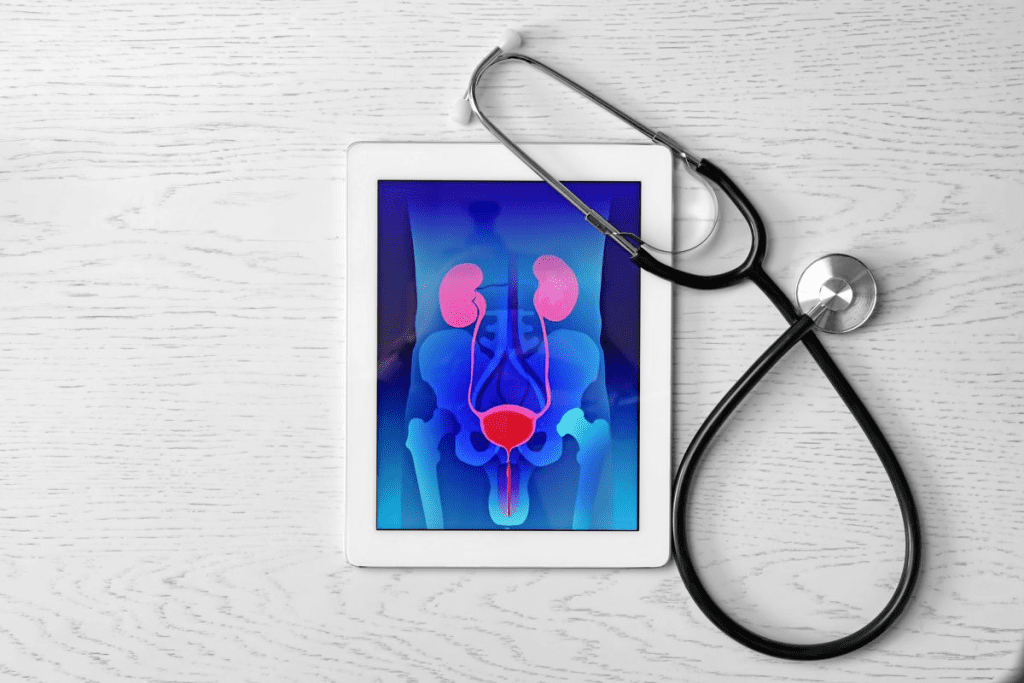
The prostate gland is a small, walnut-sized gland below the bladder in men. It surrounds the urethra, the tube that carries urine from the bladder out through the penis. The prostate’s main job is to produce fluids that make up semen, which nourishes and protects sperm during ejaculation. Prostate health is vital for normal urinary and reproductive functions.
Prostate Cancer Statistics and Prevalence
Prostate cancer is the second most diagnosed cancer among men worldwide, according to recent statistics. In the United States alone, thousands of new cases are diagnosed every year. This makes it a big health concern for men, mainly those over 50. Knowing prostate cancer statistics and prevalence helps understand personal risk and the need for regular screening.
The rate of prostate cancer varies globally, with some regions having higher rates. Age, family history, and ethnicity are key factors in determining an individual’s risk of developing prostate cancer.
Risk Factors for Prostate Cancer
Several key risk factors have been identified for prostate cancer, including age, family history, and ethnicity. Understanding these factors can help men assess their likelihood of developing the disease.
Age and Family History Considerations
Age is a significant risk factor for prostate cancer, with most cases diagnosed in men over 65. Family history also plays a big role; men with a father or brother diagnosed with prostate cancer are at higher risk. The risk goes up if multiple family members have been diagnosed or if they were diagnosed at a younger age.
Race and Ethnicity Risk Factors
Race and ethnicity are also important considerations. African American men, for example, have a higher incidence of prostate cancer and are more likely to be diagnosed at an advanced stage compared to men of other ethnicities. The reasons for these disparities are complex and involve a mix of genetic, environmental, and socioeconomic factors.
Lifestyle and Environmental Influences
Lifestyle and environmental factors may also influence prostate cancer risk. Diet, physical activity levels, and exposure to certain chemicals have been studied for their impact on risk. While the evidence is not yet conclusive, maintaining a healthy lifestyle is generally recommended for overall health and may help mitigate some risks.
It’s essential for men to be aware of these risk factors and discuss their individual risk profile with a healthcare provider. This can help in making informed decisions about screening and preventive measures.
Recognizing Potential Prostate Cancer Symptoms at Home

Knowing the common signs of prostate cancer can lead to early detection. Prostate cancer often grows slowly. In its early stages, it might not show any symptoms. But as it gets worse, different signs can appear.
Urinary Symptoms and Changes
Changes in how you urinate can be a sign of prostate cancer. Look out for:
- Difficulty starting or stopping the flow of urine
- Weak or interrupted urine flow
- Frequent urination, even at night
- Pain or burning while urinating
These signs can also mean other prostate problems, like BPH. But seeing a doctor is key to finding out for sure.
Sexual Function Changes
Prostate cancer can also affect how you have sex. You might notice:
- Erectile dysfunction
- Painful ejaculation
- Blood in the semen
These symptoms can also be from other issues. But it’s important to get checked out by a doctor.
Pain and Discomfort Warning Signs
Pain in the prostate area, lower back, hips, or pelvis could mean advanced prostate cancer. Watch for:
- Persistent pain in the lower back, hips, or pelvis
- Discomfort or pain in the prostate area
| Symptom Category | Specific Symptoms |
| Urinary Symptoms | Difficulty starting or stopping urine flow, weak or interrupted flow, frequent urination |
| Sexual Function Changes | Erectile dysfunction, painful ejaculation, blood in semen |
| Pain and Discomfort | Lower back pain, hip pain, pelvic pain, prostate area discomfort |
Knowing these symptoms can help spot issues early. But only a doctor can confirm if you have prostate cancer.
How to Check for Prostate Cancer: Professional Methods vs. Home Options
Looking for prostate cancer early has led to many screening methods. Both clinical and at-home tests are available. Clinical tests are seen as the best, but home tests are getting popular for their ease.
Clinical Screening Procedures
Healthcare professionals use several methods for clinical screening. These include:
- Digital Rectal Examination (DRE): A doctor feels the prostate gland for any issues.
- Prostate-Specific Antigen (PSA) Test: A blood test that checks PSA levels.
These tests are key for catching cancer early. But, you need to see a doctor for them.
Available Home Testing Approaches
Home testing for prostate cancer is growing. There are products that let you test for PSA levels or other signs at home. Some examples are:
- At-Home PSA Test Kits: These kits let you take a blood sample at home and send it for analysis.
- Other Home Tests: Some tests look for other biomarkers or changes linked to cancer.
Home tests are handy but have their limits. They might not always give accurate results.
| Screening Method | Clinical Screening | Home Testing |
| Accuracy | High, when done by experts | Variable, depends on the test and how well it’s used |
| Convenience | Needs a doctor’s visit | Can be done at home |
| Cost | Usually covered by insurance | Cost varies by test; insurance might not cover it |
It’s important to know the differences between clinical and home tests. Clinical tests are more accurate but need a doctor’s visit. Home tests are easier but might not be as reliable.
At-Home PSA Test Kits Explained
At-home PSA test kits have changed how men check their prostate health. These kits let people test their prostate-specific antigen (PSA) levels at home. It’s a private and easy way to check prostate health.
Types of Home PSA Tests Available
There are many home PSA tests out there, each with its own features. Some need a finger prick blood sample, while others use urine.
- Quantitative PSA Tests: These tests show the exact PSA level in your blood.
- Qualitative PSA Tests: These tests tell if your PSA levels are high or low.
Step-by-Step Guide to Using PSA Home Test Kits
Using a PSA home test kit is easy. Here’s how to do it:
- Read the instructions in the test kit carefully.
- Get the sample (blood or urine) as the kit says.
- Send the sample to the lab for testing (if needed).
- Wait for your results, which you can get online or by mail.
It’s key to follow the instructions well to get accurate results.
| Test Type | Sample Required | Result Timeframe |
| Quantitative PSA Test | Blood Sample | 3-5 business days |
| Qualitative PSA Test | Blood Sample | 1-3 business days |
| Urine-Based PSA Test | Urine Sample | 5-7 business days |
By knowing about the different home PSA tests and following the guide, men can keep an eye on their prostate health.
Understanding and Interpreting Home PSA Test Results
Knowing your home PSA test results is key to understanding your prostate cancer risk. The Prostate-Specific Antigen (PSA) test checks the PSA in your blood. This can show how healthy your prostate is.
Normal vs. Elevated PSA Levels
PSA levels are measured in nanograms per milliliter (ng/mL). A PSA level under 4 ng/mL is usually normal. But, a normal result doesn’t mean you’re completely safe, and a high result doesn’t always mean cancer.
Elevated PSA levels can be due to many things, like prostate cancer, prostatitis, or BPH. If your PSA level is high, you should talk to a doctor for a detailed check-up.
Factors That Can Affect PSA Test Accuracy
Many things can change how accurate your PSA test results are. These include:
- Recent ejaculation: Ejaculation can briefly raise PSA levels.
- Prostatitis or urinary tract infections: Inflammation or infection can also raise PSA.
- Certain medications: Some drugs can alter PSA levels.
- Laboratory variations: Different lab testing methods can affect results.
It’s important to know these factors to understand your home PSA test results well. Always follow the test instructions carefully. If you have any doubts or questions, talk to a healthcare provider.
Being aware of what your PSA test results mean can help you take care of your prostate health.
Physical Self-Assessment Techniques
Men can check their prostate health at home, not just through doctor visits. Simple tests can spot problems early. But, they should not skip regular doctor visits.
Can You Feel Prostate Abnormalities at Home?
Checking for prostate issues at home is not advised. The prostate is deep in the pelvis, hard to feel. Yet, men can notice body changes that might signal a problem.
Awareness of bodily changes is key. Look out for pain or discomfort in the pelvic area, lower back, or during urination or ejaculation.
Monitoring Changes in Urination Patterns
Changes in how you urinate can show prostate health issues. Pay attention to:
- Frequency: Needing to urinate more often, even at night.
- Flow: Weak or interrupted urine flow.
- Urgency: Sudden, urgent need to urinate.
- Difficulty: Trouble starting or stopping the flow of urine.
Tracking these changes can help you talk about symptoms with your doctor.
Tracking Physical Symptoms Systematically
Keeping a record of symptoms is helpful. Use a symptom journal to note when symptoms happen, how bad they are, and what might make them better or worse.
This way, you can talk better with your doctor. It might lead to finding and treating problems sooner.
Digital Rectal Examination: The Professional Approach
The digital rectal examination, or DRE, is a key medical test for finding prostate cancer. It lets a doctor check the prostate gland by putting a gloved, lubricated finger into the rectum.
Procedure Details
During a DRE, the patient bends over the table or lies on their side. They bring their knees up to their chest. The doctor then checks the prostate gland for any odd feelings, like lumps or hardness.
Key aspects of the DRE procedure include:
- A thorough medical history review before the examination
- Use of gloves and lubrication to minimize discomfort
- A gentle and careful insertion of the finger into the rectum
- Palpation of the prostate gland to check for abnormalities
Why Professional DRE Cannot Be Substituted at Home
Some might think about doing a DRE themselves or with a partner. But, it’s important to know that a professional DRE is essential. A doctor’s skill, knowledge, and tools can’t be matched at home.
The reasons for this include:
- The need for sterile equipment and proper hygiene
- The healthcare provider’s ability to accurately identify abnormalities
- The integration of DRE findings with other clinical information and diagnostic tests
A comparison of professional DRE and attempted self-examination is shown in the table below:
| Aspect | Professional DRE | Self-Examination |
| Accuracy | High, due to training and experience | Variable, potentially lower due to lack of training |
| Hygiene and Safety | Ensured through proper equipment and technique | Risk of improper technique and infection |
| Integration with Other Diagnostics | Yes, part of a complete check-up | No, not part of other clinical checks |
In conclusion, while home checks and self-assessment are good for prostate health, a DRE needs a doctor’s skill. Men worried about their prostate should talk to their doctor about a DRE as part of a full check-up.
When to Seek Medical Attention
Knowing when to get medical help for prostate cancer is key. Men should look out for signs and follow guidelines. Some factors can raise the risk of prostate cancer.
Age-Based Screening Guidelines
The American Cancer Society suggests talking to a doctor about prostate cancer screening at 50 for average-risk men. But, those at higher risk, like African Americans or those with a family history, should talk about it at 45.
- Men with a family history of prostate cancer should consider screening earlier.
- African American men are at higher risk and should discuss screening at age 45.
- Men with multiple risk factors may need to start screening even earlier.
Symptom Severity and Duration Considerations
Men should see a doctor if they have ongoing or severe urinary or sexual problems. The length and intensity of these symptoms can show the need for a check-up.
- Frequent urination or weak urine flow that persists.
- Pain or discomfort during urination or ejaculation.
- Blood in the urine or semen.
Emergency Warning Signs
Some symptoms need immediate medical care. These include severe pain, trouble starting or stopping urination, or signs of cancer spreading like bone pain.
- Severe pain in the lower back, hips, or pelvis.
- Difficulty starting or stopping urination.
- Blood in the urine or semen.
Knowing these guidelines and symptoms can help men get medical help on time. This can improve treatment results.
Creating a Prostate Health Monitoring Plan
Men can take charge of their prostate health by creating a monitoring plan. This plan includes tracking symptoms and using digital tools. This proactive approach helps identify issues early and makes informed health decisions.
Effective prostate health monitoring involves several key components. By understanding and using these elements, men can manage their prostate health better.
Setting Up a Symptom Journal
A symptom journal is a valuable tool for tracking prostate health changes. By recording symptoms like urinary changes, pain, or discomfort, individuals can spot patterns and warning signs. Consistency is key when keeping a symptom journal; make entries at the same time every day.
When setting up a symptom journal, include details like the date, time, and symptom description. This info is important for healthcare providers to assess prostate health.
Digital Tools and Apps for Tracking Prostate Health
Digital tools and apps can also enhance prostate health monitoring. These platforms offer personalized tracking, reminders, and educational resources. Technology helps men stay on top of their prostate health.
Popular digital tools include apps for tracking symptoms, monitoring PSA levels, and reminders for appointments. When choosing a digital tool, pick one that’s reputable and meets your needs.
By combining a symptom journal with digital tools, men can create a detailed prostate health monitoring plan. This integrated approach supports early detection and informed decision-making, leading to better health outcomes.
Limitations of Home Testing for Prostate Cancer
Home testing for prostate cancer has its downsides. People should know these before trying it out.
Home testing kits are easy to use but can’t replace a doctor’s check-up. The main issue is their accuracy.
Accuracy Concerns with Self-Assessment
Home tests and self-checks can be off the mark. For example, PSA tests in these kits might show wrong results. This can happen if you’ve recently ejaculated, have an infection, or are taking certain meds.
A study found that PSA test accuracy depends on many things. This includes how your body changes and how the test is done.
“The accuracy of PSA testing is influenced by multiple factors, including biological variability and laboratory testing procedures”
This shows how tricky it is to rely only on home tests for checking prostate cancer.
False Positives and False Negatives in Home Testing
Home tests can also give false positives and negatives. A false positive might make you worry too much and lead to more tests. A false negative can make you think you’re okay when you’re not, which can delay finding out you have cancer.
- False positives can happen for reasons not related to cancer, like prostatitis or an enlarged prostate.
- False negatives might happen if you take the test when your PSA levels are low. Or if the cancer doesn’t make PSA.
It’s key to know these issues if you’re thinking about using home tests for prostate cancer. Always talk to a healthcare professional. They can help figure out what your test results mean.
Prostate Cancer Prevention Strategies
Preventing prostate cancer involves changing your diet, lifestyle, and sometimes using supplements or medications. By making these changes, men can lower their risk of getting prostate cancer.
Dietary Recommendations for Prostate Health
Eating a lot of fruits, vegetables, and whole grains can help prevent prostate cancer. Some foods that are good for you include:
- Tomatoes and tomato products, which are high in lycopene
- Cruciferous vegetables like broccoli and cauliflower
- Fatty fish, which are rich in omega-3 fatty acids
- Nuts and seeds, which are full of antioxidants and healthy fats
You can easily add these foods to your diet by eating more vegetables or snacking on nuts and fruits.
Exercise and Physical Activity Guidelines
Being active is good for your health and can help prevent prostate cancer. The American Cancer Society suggests:
- Doing at least 150 minutes of moderate exercise or 75 minutes of vigorous exercise each week
- Doing strength training exercises at least twice a week
Good activities for increasing your activity level include brisk walking, cycling, or swimming.
Supplements and Medications for Prostate Cancer Prevention
While diet and exercise are key, some supplements and medications can also help. Some of these include:
- Vitamin D, which might help prevent prostate cancer
- Finasteride and dutasteride, which have been shown to lower prostate cancer risk in some studies
- Antioxidant supplements, but their effectiveness can vary and should be used carefully
Always talk to your doctor before starting any new supplements or medications to discuss their benefits and risks.
Common Misconceptions About Prostate Self-Examination
It’s important for men to know the truth about prostate self-examination. Many men don’t understand the facts and myths. This can cause confusion and even harm their health.
Myths vs. Facts About Home Testing
Home testing for prostate issues is becoming more popular. But, there are many misconceptions. Let’s look at some common myths and facts:
- Myth: Home PSA tests are as accurate as clinical tests. Fact: Home PSA tests are convenient but not as reliable as clinical tests.
- Myth: You can self-diagnose prostate cancer at home. Fact: Self-diagnosis is not safe; it needs a doctor’s evaluation.
- Myth: Prostate self-examination is a substitute for regular check-ups. Fact: Self-examination should go along with, not replace, doctor visits.
Dangerous Self-Diagnosis Pitfalls to Avoid
Self-diagnosis can cause problems like delayed diagnosis, unnecessary worry, and wrong treatments. It’s important to know these risks:
- Misinterpretation of Symptoms: Men might think their symptoms mean something they don’t. This can lead to wrong health assumptions.
- False Reassurance: A negative home test might make men think they’re fine. This can make them ignore doctor advice.
- Unnecessary Anxiety: A positive result can cause too much worry. This might lead to quick, possibly wrong decisions.
It’s vital for men to be careful and informed about prostate self-examination. They should understand the limits and risks of home testing and self-diagnosis.
Resources for Further Education and Support
Dealing with prostate cancer is complex. Men facing this condition need reliable resources for education and support. They can find trustworthy medical info and connect with others through community networks.
Reliable Medical Information Sources
Looking for prostate cancer info? It’s key to use trusted sources. The American Cancer Society and the National Cancer Institute offer detailed and correct info on diagnosis and treatment.
Also, peer-reviewed journals and academic papers are great for keeping up with new prostate cancer research and treatments.
Support Groups and Community Resources
Support groups are essential for men with prostate cancer. They offer a place to share stories, get support, and meet others facing similar issues.
Local and online support groups are also valuable. Organizations provide support, groups, and educational events.
Using these resources helps men make informed care choices. They also find the support they need on their journey.
Conclusion: Balancing Home Monitoring with Professional Care
Men should find a balance between checking their health at home and getting professional help. This balance is key for catching and managing prostate problems early.
Home monitoring can help track your prostate health. But, it’s important to know its limits. Relying only on home tests can lead to wrong results or late diagnosis.
Professional care offers a detailed check-up and accurate diagnosis. Regular visits to a healthcare provider can spot issues early. This means quicker treatment and better health.
By mixing home monitoring with professional care, men can improve their prostate health. This approach lets men be proactive about their health. It also gives them the benefit of expert advice and care.
FAQ
How to check for prostate cancer at home?
To check for prostate cancer at home, use at-home PSA test kits. Also, watch for symptoms like changes in urination, sexual function, and pain.
What is the prostate and its function?
The prostate is a gland in the male reproductive system. It produces seminal fluid, which is key for fertility.
What are the risk factors for prostate cancer?
Risk factors include age, family history, race, and lifestyle. Diet and physical activity level also play a role.
How often should a man have his prostate checked?
How often depends on age, risk factors, and medical history. Guidelines suggest starting at age 50 for average-risk men.
Can you feel prostate abnormalities at home?
It’s hard to feel prostate issues at home. But, men can watch for changes in urination and track physical symptoms.
What is a digital rectal examination (DRE)?
A DRE is a procedure where a healthcare provider feels the prostate gland through the rectum. It checks for abnormalities.
How to interpret home PSA test results?
Understanding home PSA test results means knowing normal and elevated levels. Also, consider factors that can affect test accuracy.
What are the limitations of home testing for prostate cancer?
Home testing has limits, like accuracy concerns. It can lead to false positives and negatives.
How to create a prostate health monitoring plan?
Create a plan by setting up a symptom journal. Use digital tools and apps to track health. Stay informed about prevention strategies.
What are evidence-based prostate cancer prevention strategies?
Prevention includes dietary advice, exercise, and considering supplements or medications. These can help prevent prostate cancer.
Where to find reliable medical information on prostate cancer?
Find reliable info on medical websites, peer-reviewed journals, and prostate health support groups.
How to check your prostate at home?
While a clinical exam is best, at-home PSA tests and symptom monitoring can help stay aware of prostate health.
Can you check your own prostate gland?
It’s hard to check the prostate gland at home. A digital rectal examination by a healthcare provider is more effective.
What age should a man have his prostate checked?
Guidelines suggest discussing prostate checks with a healthcare provider around age 50. This is for men with risk factors.
How to know if your prostate is enlarged?
Symptoms of an enlarged prostate include urinary changes. These can be assessed through a medical evaluation.
Reference
Chung, Y. (2025). Evaluating prostate cancer diagnostic methods: The role of digital rectal examination and modern advancements. Diagnostics, 15(4), Article 880.